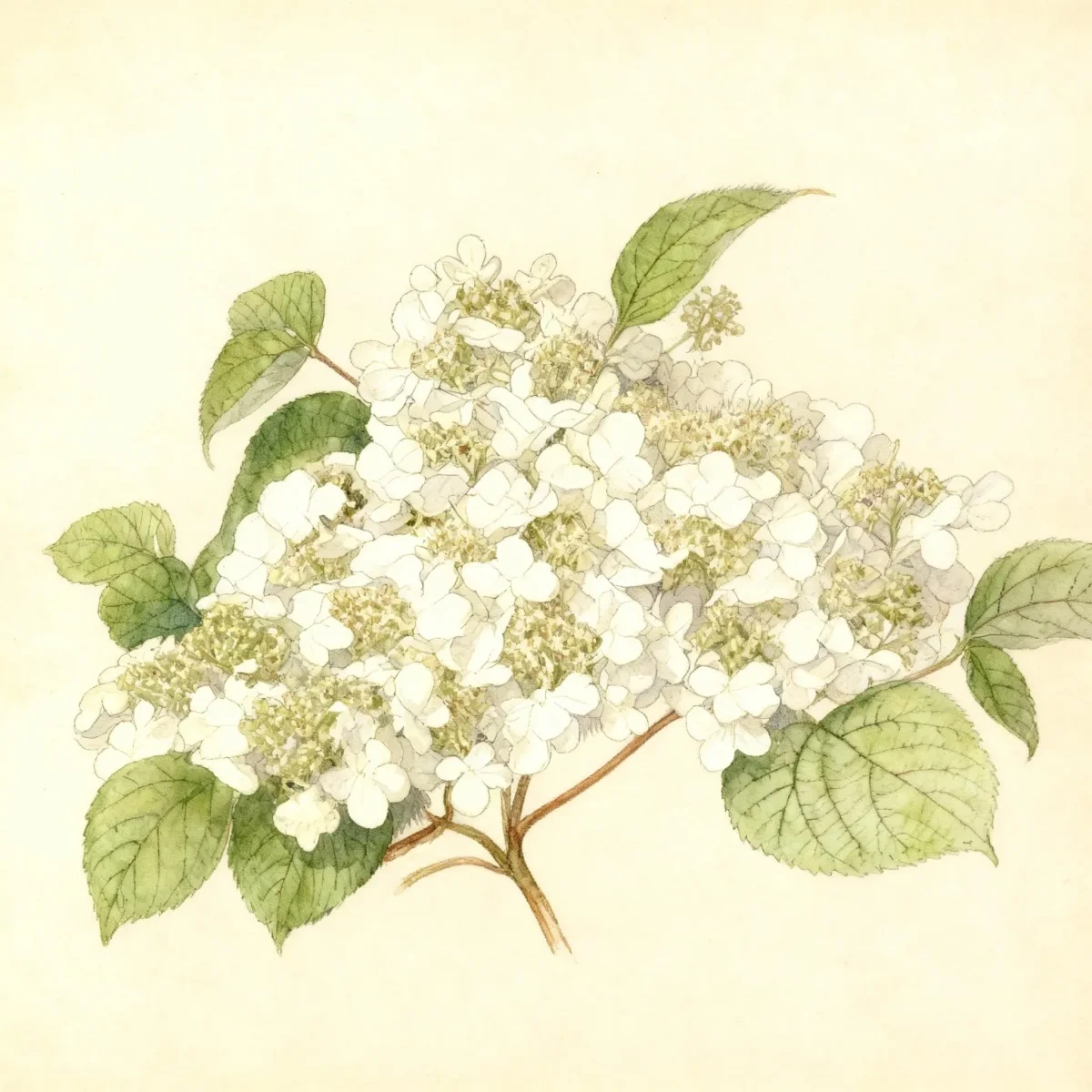
Fragrant snowball (Viburnum × carlcephalum)
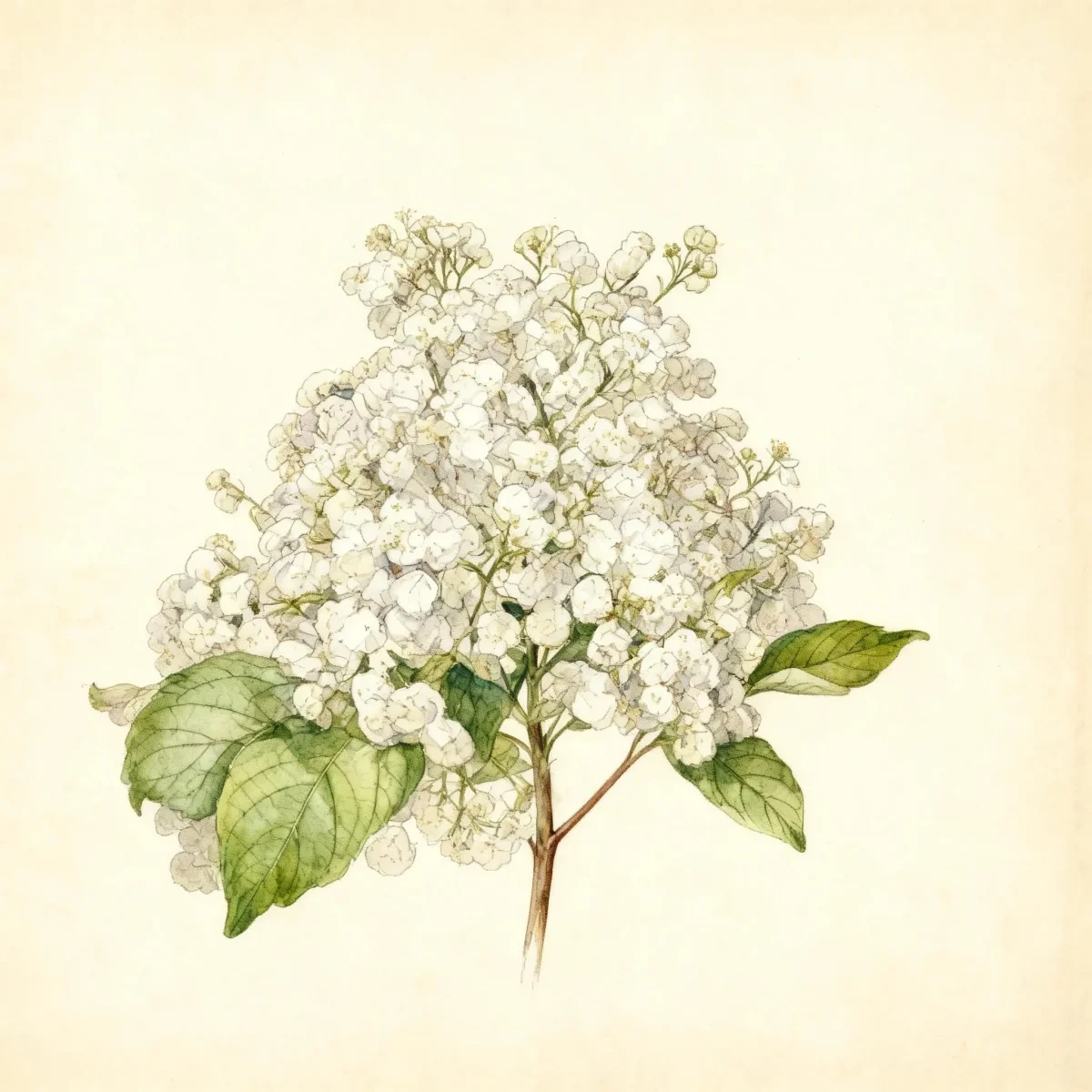
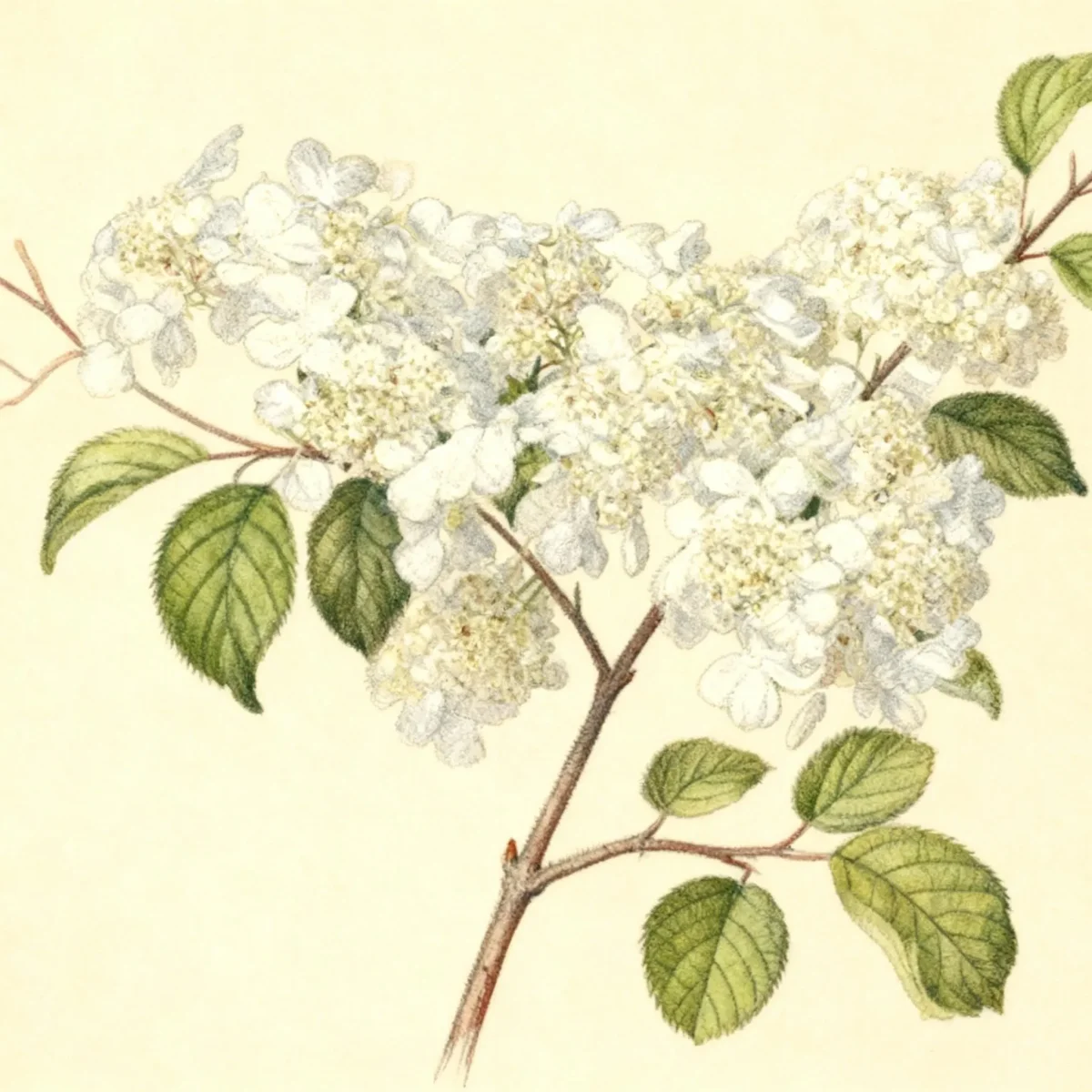
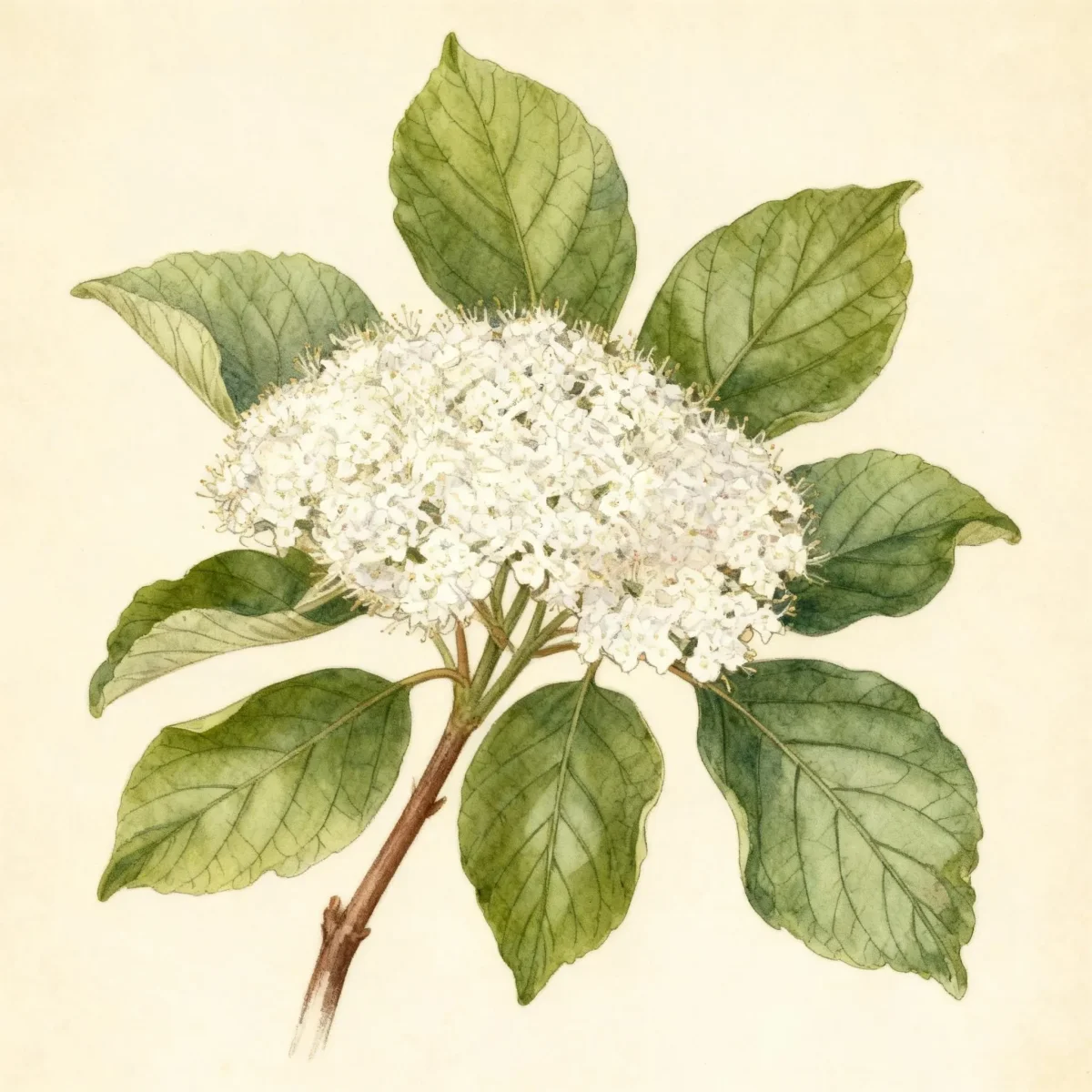
The Fragrant snowball (Viburnum × carlcephalum) is a low-maintenance deciduous shrub noted for its highly fragrant white blooms in spring.

Bloom Boldly, No Matter the Season - Sweatshirt
Cozy organic cotton sweatshirt featuring our exclusive Purple Coneflower design. Perfect for gardeners who bloom year-round.
Inspired by the beautiful Fragrant snowball
Limited first batch (50) — join the waitlist for early access
Waitlist closes Feb 15, 2026.
Complete Plant Information
Field Guide Continues
Ready for care notes, companion picks, and planting tips?
The map is just the start. The full guide below covers growth habits, seasonal performance, and landscape uses.
Overview
The Viburnum × carlcephalum, widely known as the Fragrant snowball, offers dependable spring interest with its powerfully aromatic flowers. This deciduous shrub is highly valued for its dense, snowball-like clusters of white blooms that appear later than many other viburnums in late spring. It develops into an attractive, open, rounded form, reaching mature heights and spreads between 6 to 10 feet wide.
This hybrid is celebrated for its ease of care, requiring only low maintenance once established in suitable conditions. Beyond the stunning floral display, the Viburnum × carlcephalum provides seasonal texture with leaves that display reddish-maroon tones in the autumn. Its adaptability to various soils and fair drought tolerance make the Fragrant snowball a reliable choice for structure in mixed borders.
Gardeners should take advantage of the exquisite fragrance and structure this shrub provides, making the Viburnum × carlcephalum an excellent specimen plant. While it tolerates numerous conditions, ensuring adequate moisture is key to maximizing its health and bloom potential.
Fast Facts
- Plant Family: Adoxaceae
- Plant Type: Deciduous shrub
- Native Range: Garden origin
- Hardiness Zones: USDA Zones 6-8
- Size at Maturity:
- Height: 6-10 ft
- Spread: 6-10 ft
- Bloom Time: April to May
- Bloom Description: White
- Sun Exposure: Full sun to part shade
- Water Needs: Medium
- Maintenance Level: Low
How to Grow
Plant Viburnum × carlcephalum during the cooler seasons—spring or fall—to help it establish deep roots before summer heat. This shrub thrives best in average, medium, well-drained soil but shows adaptability across various soil types, though it prefers moist loams. Locate the Fragrant snowball where it receives full sun to light afternoon shade for optimal flowering.
Water deeply and regularly while the shrub is establishing its root system. Once mature, the Viburnum × carlcephalum exhibits good drought tolerance, aligning with its medium water needs. Fertilization is generally unnecessary unless the soil is extremely poor; focus instead on consistent moisture during dry spells.
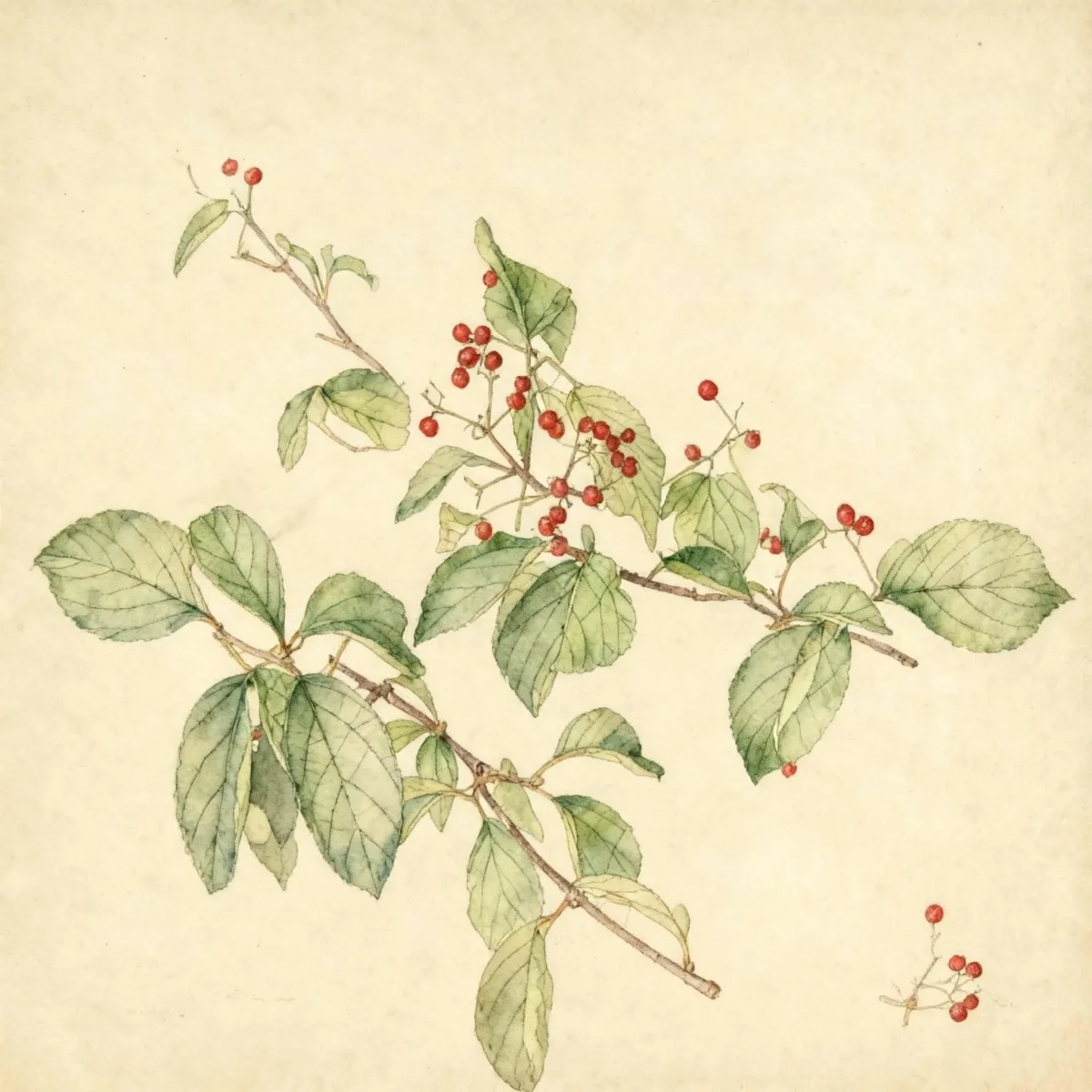
Pruning should be handled carefully. Perform necessary shaping immediately after the flowering period concludes in spring. Be aware that removing spent flowers to encourage tidier appearance will also eliminate the possibility of a summer fruit display, which is generally not highly showy for this hybrid. For improved pollination and fruit set, plant multiple shrubs near each other.
Note that the Fragrant snowball may struggle in very harsh winter climates unless placed in a protected spot, especially in Zone 6 areas, so site selection is crucial for longevity.
Landscape Uses
The robust size and graceful, rounded habit of the Viburnum × carlcephalum make it highly effective as a good specimen plant, drawing attention to its fragrant spring display. It functions perfectly within traditional shrub borders, providing structure and soft texture across the middle or back layers of the planting composition.
Due to its substantial size potential (up to 10 feet), the Fragrant snowball is well-suited for foundation plantings, providing year-round mass where a larger foundation shrub is required. It also performs admirably when utilized as a screen or as part of an informal hedge, bridging the gap between highly formal lines and naturalistic plantings.
Consider pairing the Viburnum × carlcephalum with early-flowering bulbs or spring perennials that will bloom before or concurrently with its white flowers. Its need for medium moisture and full sun to part shade requirements should guide the selection of complementary plantings like hostas or early peonies.
Standout Features
Flower Qualities
- Showy
- Fragrant
Fruit Qualities
- Showy
Noteworthy Characteristics
Viburnum × carlcephalum, commonly called fragrant viburnum or fragrant snowball, is an open, rounded, multi-stemmed, deciduous shrub which typically grows 6-10’ tall and as wide. It features fragrant white flowers arranged in dense, snowball-like clusters (cymes 3-5” wide) in late April to early May, blooming later than most viburnums. This successful hybrid is the result of crossing V. Carlesii and V. Macrocephalum var. Keteleeri.
Tolerances
- Drought
Potential Problems
The Viburnum × carlcephalum is generally a tough plant, boasting no serious, recurring insect or disease issues that plague many other ornamental shrubs. However, gardeners should remain watchful for occasional susceptibility to common fungal issues, specifically bacterial leaf spot and powdery mildew. In certain circumstances, the viburnum crown borer pest can be active, which may manifest as localized stem dieback requiring prompt pruning intervention. Maintaining good air circulation is key to minimizing fungal risks.
Frequently Asked Questions
What hardiness zones is Fragrant snowball suitable for?
The Fragrant snowball (Viburnum × carlcephalum) is reliably hardy in USDA Zones 6 through 8.
How large does Viburnum × carlcephalum grow?
This deciduous shrub typically matures to a size ranging between 6 to 10 feet tall and spreads equally wide, forming a dense, rounded silhouette.
When does Fragrant snowball bloom?
The striking, fragrant white blossoms of the Viburnum × carlcephalum appear relatively late in the season, generally from April to May.
What sun exposure does Viburnum × carlcephalum need?
For the best flowering and overall health, this shrub prefers conditions ranging from full sun to partial shade.
Conclusion
The Viburnum × carlcephalum offers an exceptional return on investment for gardeners, delivering powerful fragrance and low maintenance requirements. Integrating the Fragrant snowball into your landscape guarantees a beautiful, aromatic display each spring. Before planting, ensure your site falls within USDA Zones 6-8 and plan your pruning schedule carefully to enjoy both the flowers and any potential subtle summer fruit display.
Companion Planting
Choosing companions for Viburnum × carlcephalum should focus on materials that share similar sun exposure (full sun to part shade) and medium water needs. Plants that benefit from the light dappled shade cast by a mature viburnum, such as shade-tolerant groundcovers or later-blooming perennials, work exceptionally well. Consider pairing it with spring ephemerals or bulbs that die back before the shrub fully leafs out, ensuring year-round aesthetic appeal in the bed.
Seasonal Care Calendar
Spring is the critical time for enjoying the Fragrant snowball; deadhead spent flowers lightly immediately after bloom if you wish to tidy the shrub, but remember this sacrifices the small summer fruit show. In summer, adhere to a medium watering schedule, especially during dry heat, to support this drought-tolerant but moisture-appreciative shrub. Focus on cleanup in fall by removing fallen leaves, which can help reduce overwintering fungal spores on the foliage of the Viburnum × carlcephalum.