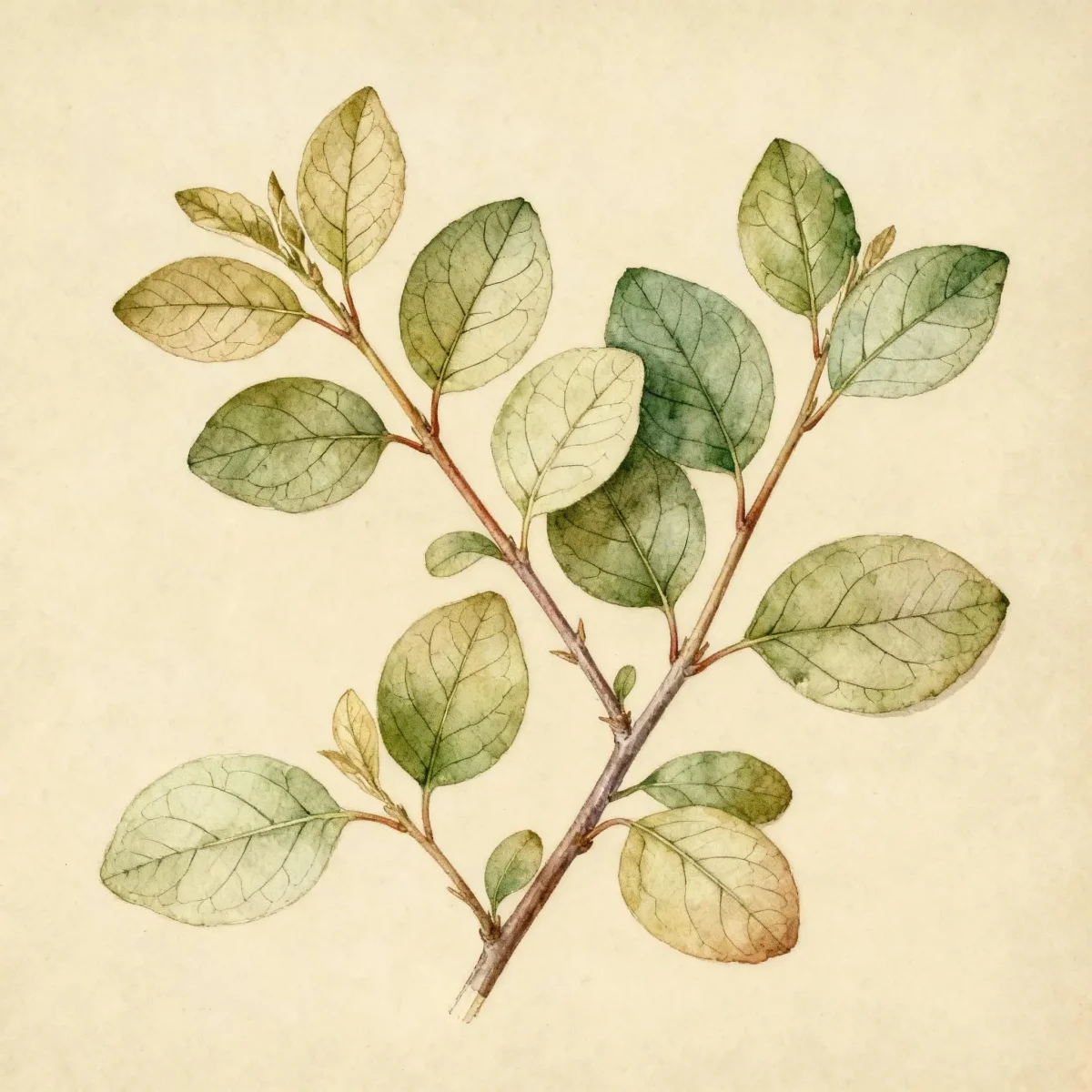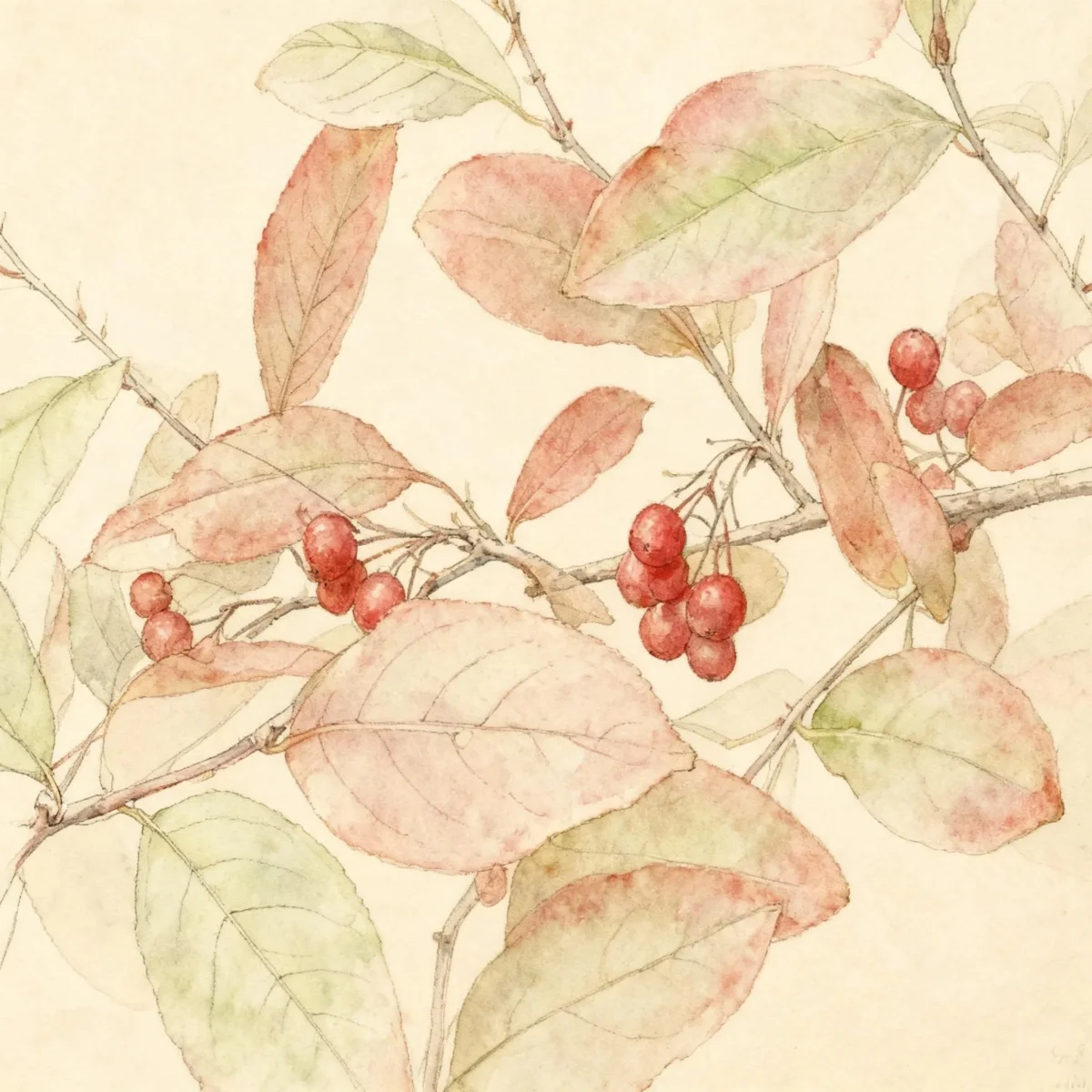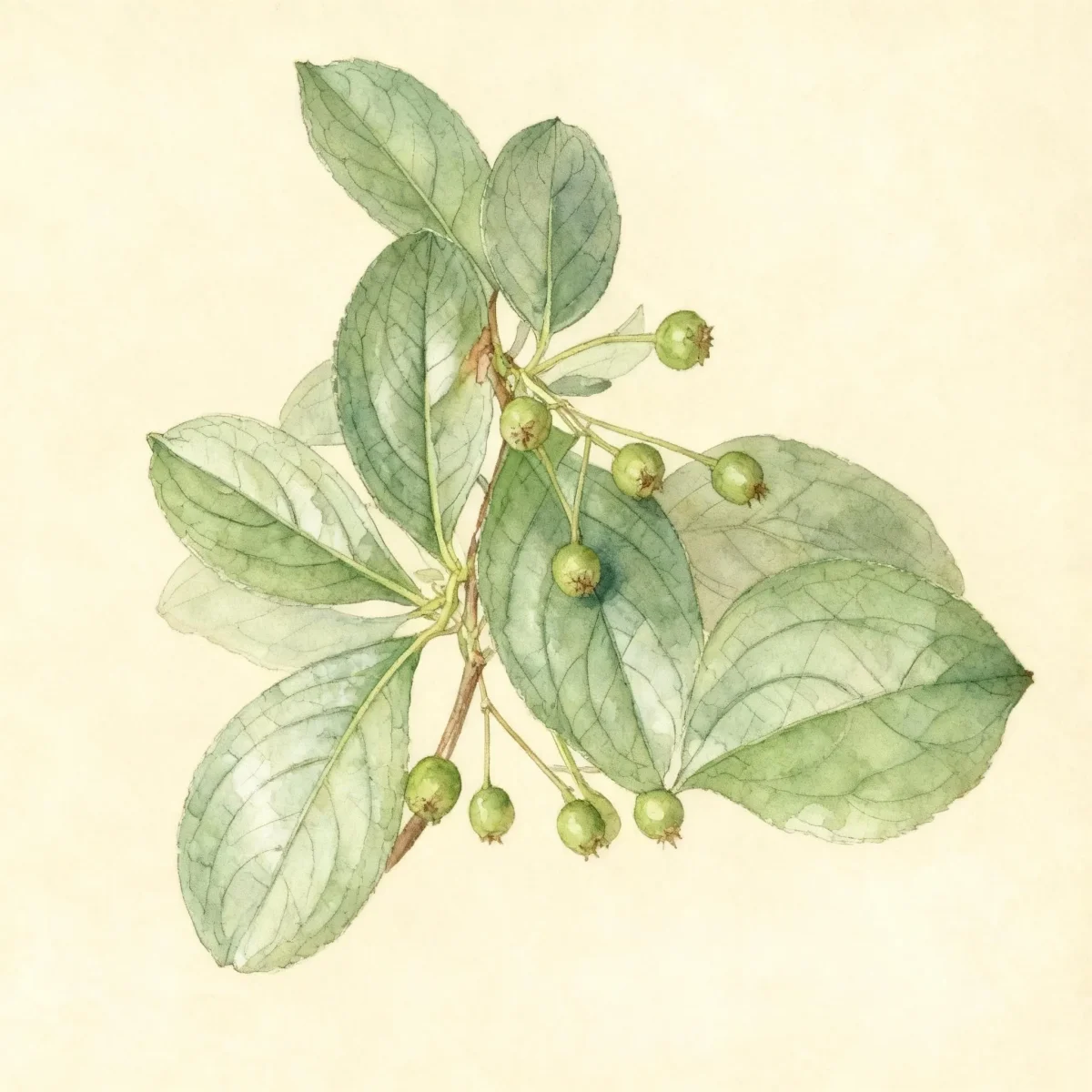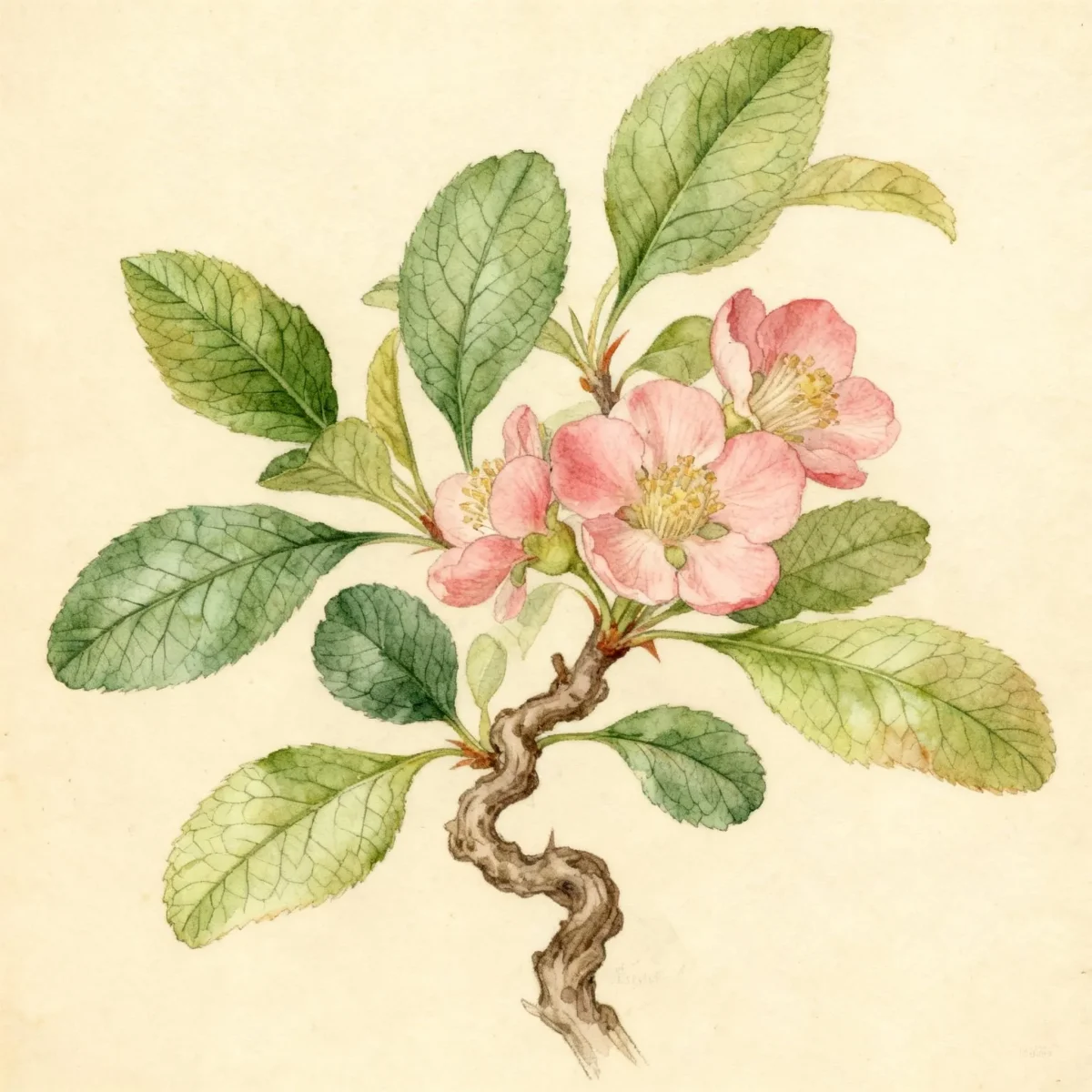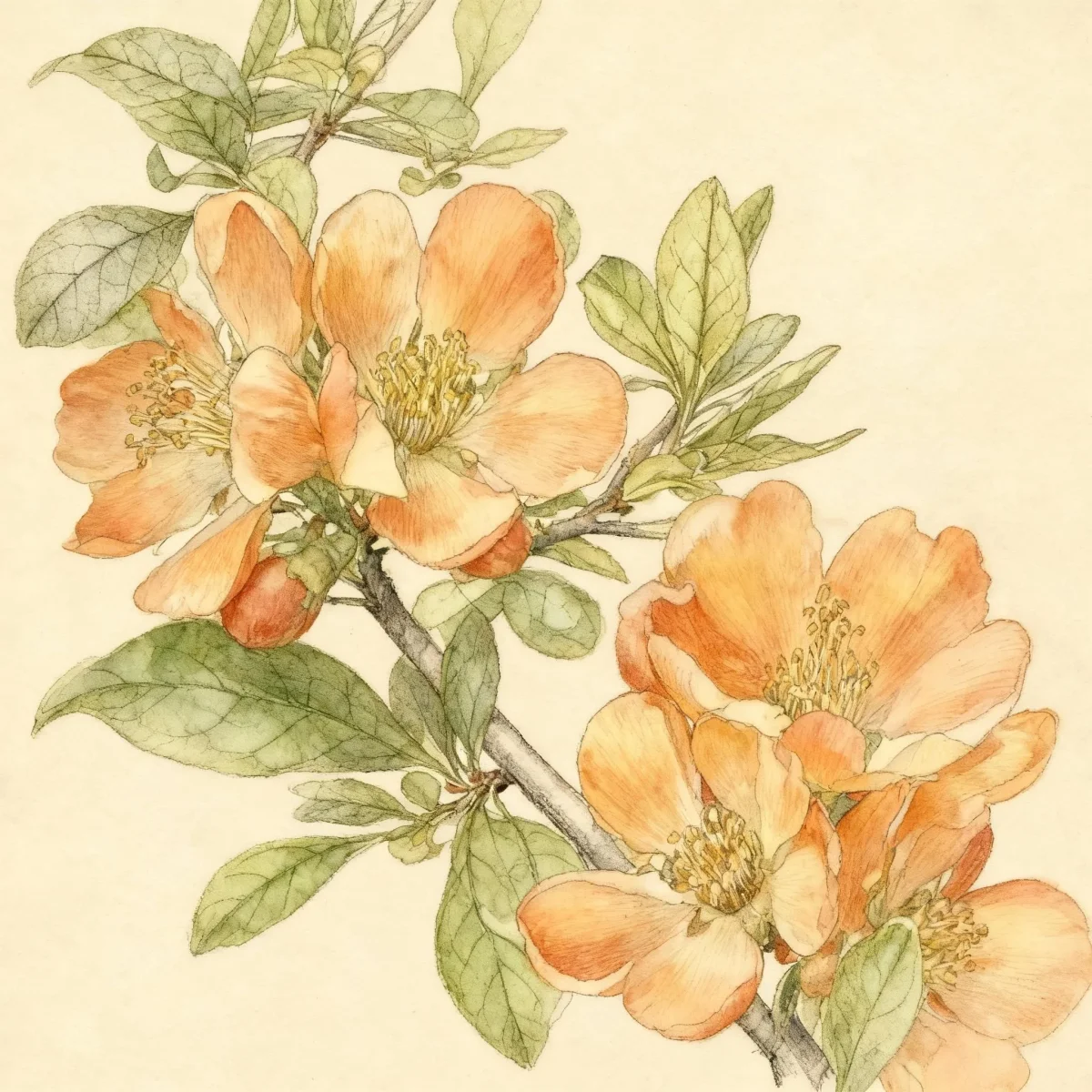

Creeping cotoneaster (Cotoneaster adpressus 'Little Gem')
Cotoneaster adpressus 'Little Gem' is a low, spreading, deciduous shrub, perfect as a tight, low-maintenance ground cover.
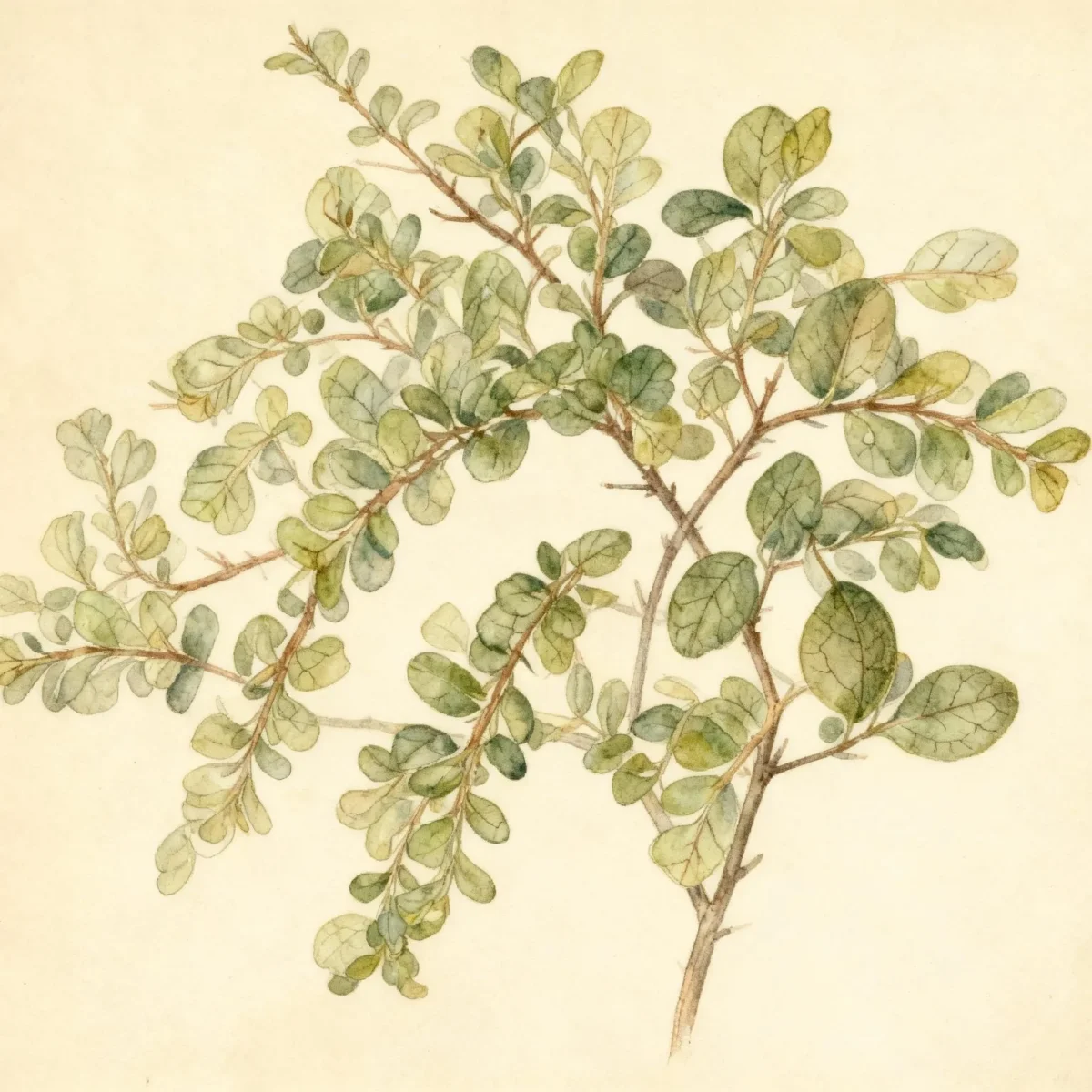

Bloom Boldly, No Matter the Season - Sweatshirt
Cozy organic cotton sweatshirt featuring our exclusive Purple Coneflower design. Perfect for gardeners who bloom year-round.
Inspired by the beautiful Creeping cotoneaster
Limited first batch (50) — join the waitlist for early access
Waitlist closes Feb 15, 2026.
Complete Plant Information
Field Guide Continues
Ready for care notes, companion picks, and planting tips?
The map is just the start. The full guide below covers growth habits, seasonal performance, and landscape uses.
Overview
Cotoneaster adpressus ‘Little Gem’, commonly known as Creeping cotoneaster, is an exceptional choice for gardeners seeking dense, low-growing coverage with minimal effort. This prostrate, slow-growing deciduous shrub forms a tight, spreading mound well-suited for softening hardscape edges and managing slopes. Its value lies in its formal, yet resilient habit, maintaining interest through seasonal color shifts in its foliage.
The cultivar ‘Little Gem’ remains significantly shorter than the species, seldom exceeding 1 foot in height while aggressively spreading to 3 to 6 feet wide, making it a superb textural contrast in the landscape. While it may rarely flower or fruit, its dark green leaves transitioning to a quality shade of red in the autumn provide reliable seasonal appeal. Established specimens offer surprising adaptability, thriving in tough conditions where many plants struggle.
For landscape designers, Cotoneaster adpressus ‘Little Gem’ provides year-round structure. Its ability to root where branches touch the ground enhances its use as an erosion controller on banks. Achieving the best results with this versatile Creeping cotoneaster relies on proper initial siting regarding drainage and sun exposure.
Fast Facts
- Plant Family: Rosaceae
- Plant Type: Deciduous shrub
- Hardiness Zones: USDA Zones 4-7
- Size at Maturity:
- Height: 0.75-1.5 ft
- Spread: 3-6 ft
- Bloom Time: May to June
- Bloom Description: White tinged with pink
- Sun Exposure: Full sun to part shade
- Water Needs: Medium
- Maintenance Level: Low
How to Grow
The best time to establish Cotoneaster adpressus ‘Little Gem’ is typically during the spring or fall when conditions are cooler. Site this Creeping cotoneaster where it receives full sun to partial shade, prioritizing locations with well-drained, loamy soil. Good drainage is critical; this plant will struggle in heavy, waterlogged conditions. It is noted for tolerating poor soils once established, highlighting its rugged disposition.
Water newly planted specimens regularly to encourage root development. However, established Cotoneaster adpressus ‘Little Gem’ exhibits good drought tolerance, making it suitable for xeriscaping or low-water areas. Fertilization is rarely necessary if the soil is adequate. If pruning is required, do so lightly, as the plant naturally maintains a desirable low mound shape.
Be aware that these shrubs dislike intense, hot summer conditions and often perform poorly or struggle significantly when planted south of USDA Zone 7. Container-grown Creeping cotoneaster plants are best spaced approximately 3 feet apart when used for mass ground cover application. Propagation is most readily achieved through stem cuttings taken from healthy branches.
Landscape Uses
Creeping cotoneaster is highly valued for its broad utility as a woody ground cover, particularly effective in sunny environments. Its dense, spreading habit makes it ideal for covering banks and slopes, contributing significantly to erosion control efforts across various landscapes. Mass plantings of Cotoneaster adpressus ‘Little Gem’ create a uniform carpet that suppresses weeds effectively.
Beyond stabilization, this plant excels in softening structural elements in the garden. It can beautifully sprawl over the tops of stone walls or cascade gently over large boulders in rock gardens, providing textural contrast against hard, vertical surfaces. Consider using Cotoneaster adpressus ‘Little Gem’ in foundation plantings where a very low, spreading shrub is desired.
While the cultivar is often noted for rare flowering, the foliage offers year-round appeal. Pair it with taller, contrasting textures, such as upright evergreen shrubs or ornamental grasses, to emphasize its ground-hugging form. Its low profile ensures it never obstructs views or overshadows neighboring low-growing perennials.
Flower Qualities
- Showy
Fruit Qualities
- Showy
Noteworthy Characteristics
Cotoneaster adpressus, sometimes commonly called creeping cotoneaster, is a prostrate, slow-growing, deciduous shrub that grows to only 1’ tall but spreads to 6’ wide. The cultivar ‘Little Gem’ is more compact, forming a dense, low mound to 8-12” tall, spreading over time to 3-6’ wide, serving as an excellent ground cover, though it rarely produces flowers or fruit. Its small, glossy dark green leaves transition to a quality shade of red in the fall, adding seasonal interest. The species features tiny white flowers tinged with pink in late spring, followed by spherical dark red fruits attractive to birds.
Tolerances
- Rabbit
- Drought
- Erosion
- Air Pollution
Potential Problems
This plant is susceptible to several common horticultural issues, including fireblight, leaf spots, and cankers, which often show up during periods of stress like drought or high humidity. Pests such as the cotoneaster webworm and lacebug can also cause defoliation or cosmetic damage. Mites may become noticeable, particularly when hot and dry weather persists. Management involves ensuring good air circulation through proper spacing and immediately addressing signs of blight to prevent its spread. Furthermore, the dense nature of the foliage means cleaning out interior dead leaves and debris can become a maintenance challenge over time.
Frequently Asked Questions
What hardiness zones is Creeping cotoneaster suitable for?
Cotoneaster adpressus ‘Little Gem’ is hardy in USDA Zones 4 through 7.
How large does Cotoneaster adpressus ‘Little Gem’ grow?
This cultivar typically reaches a mature height between 0.75 to 1.5 feet tall and spreads widely between 3 to 6 feet in spread.
What sun exposure does Creeping cotoneaster need?
It performs best when grown in locations receiving full sun to part shade, provided the sun exposure does not lead to excessive heat stress.
When does Cotoneaster adpressus ‘Little Gem’ bloom?
When it does flower, the blooms appear from May to June and are described as tiny white flowers tinged with pink.
Conclusion
Cotoneaster adpressus ‘Little Gem’ remains a top tier choice for durable, low-maintenance ground cover, offering excellent structure and reliable fall color transition. This tough Creeping cotoneaster is prized for its resilience against drought and erosion. Confirm your local hardiness rating ensures success before you plan your mass plantings this coming season.
Propagation Tips
Propagation of this slow-growing dwarf is most successfully achieved through stem cuttings. These cuttings should ideally be taken from semi-hardwood growth during mid-summer. Keep the cuttings consistently moist and warm until sufficient root initiation has occurred, which establishes the best foundation for your new, compact Cotoneaster adpressus ‘Little Gem’ plants.
Wildlife Benefits
While the primary appeal of Cotoneaster adpressus ‘Little Gem’ is ornamental ground coverage, the parent species produces small red fruits attractive to birds later in the season. Furthermore, the small flowers, which appear in late spring, serve as a source of nectar that attracts local bees to the area early in the growing season. Placing this shrub strategically can attract desirable pollinators to the garden space.