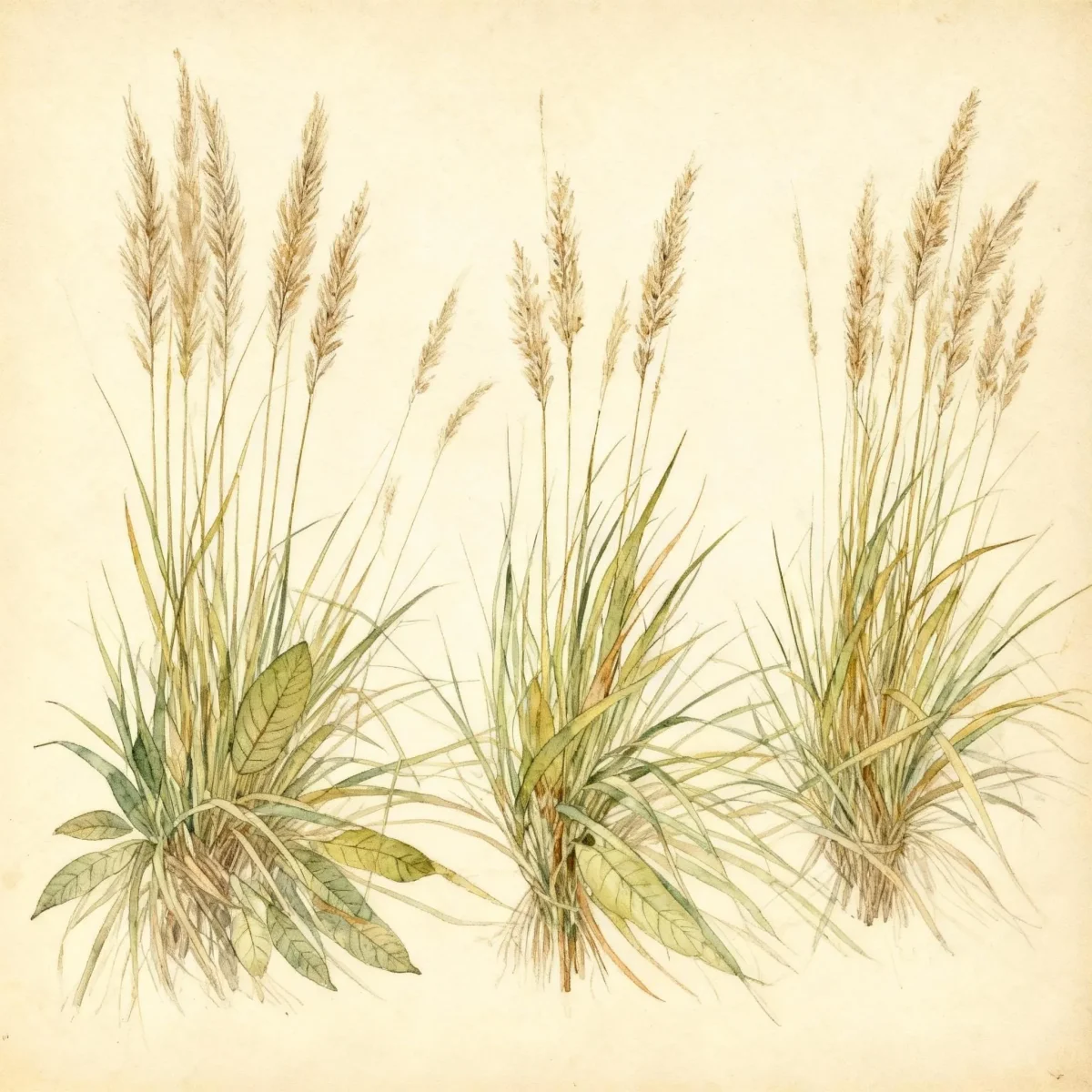
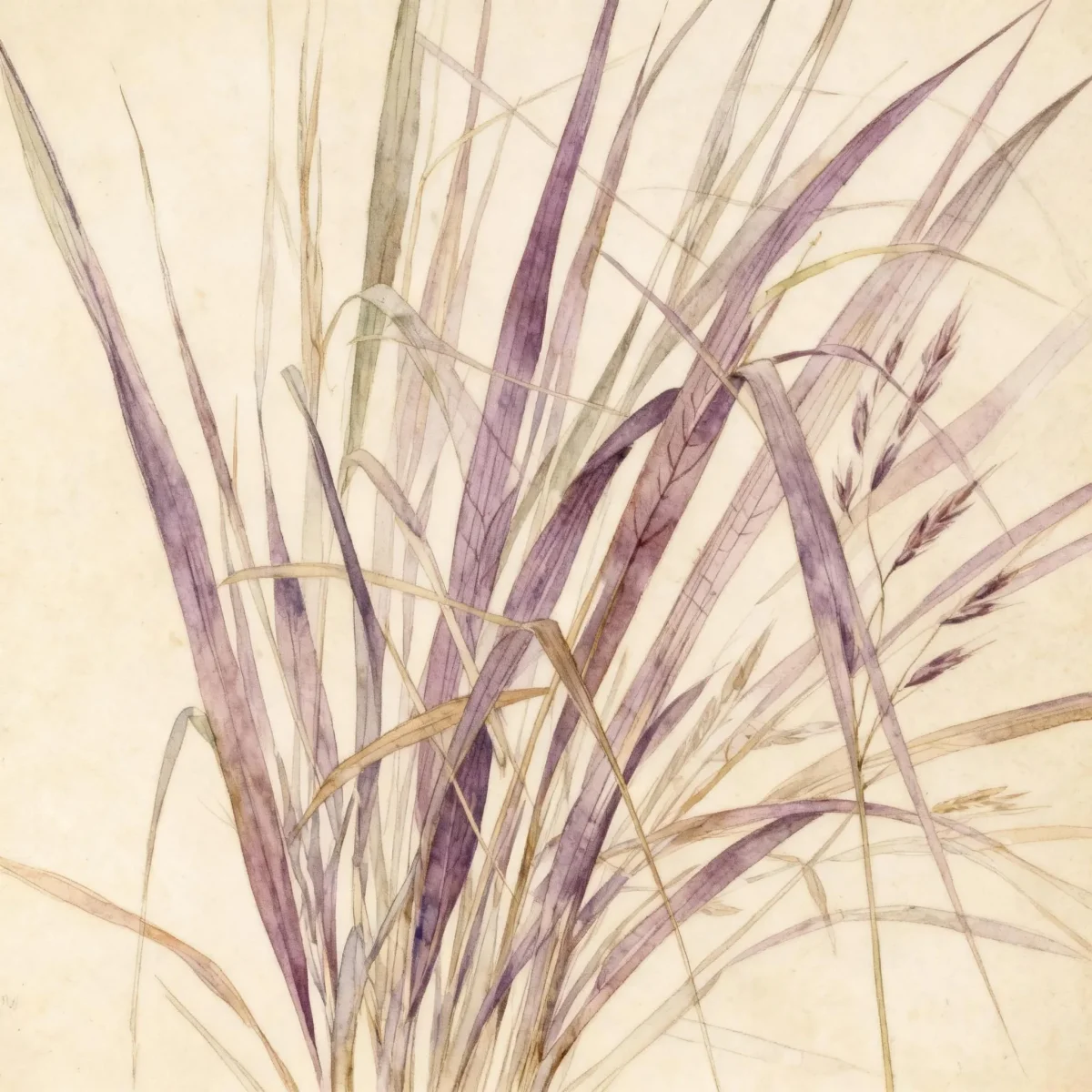
Wheat grass (Elymus magellanicus 'Blue Tango')
Elymus magellanicus 'Blue Tango' is a stunning ornamental grass known for intense blue foliage. Low maintenance Wheat grass for zones 5-8.
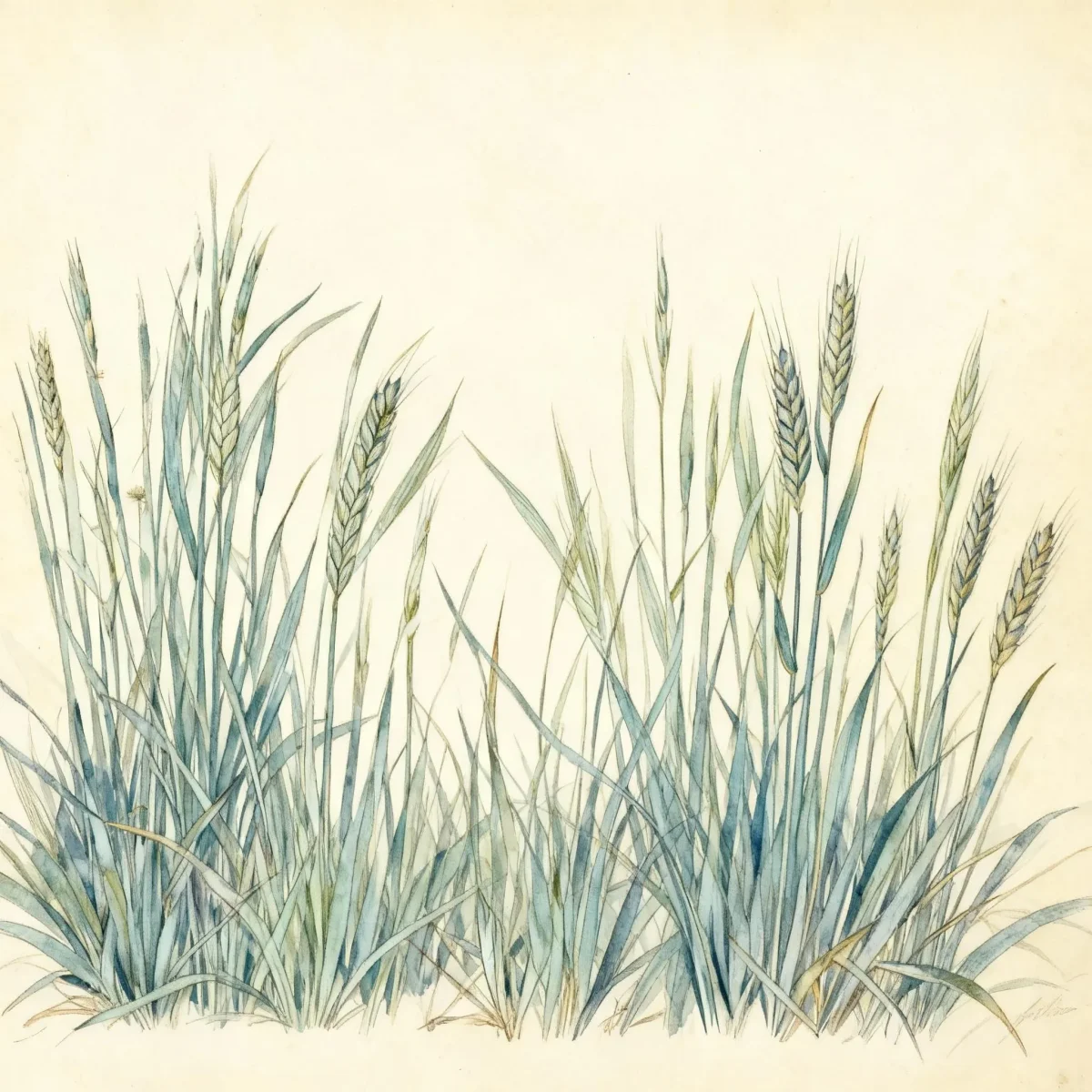

Bloom Boldly, No Matter the Season - Sweatshirt
Cozy organic cotton sweatshirt featuring our exclusive Purple Coneflower design. Perfect for gardeners who bloom year-round.
Inspired by the beautiful Wheat grass
Limited first batch (50) — join the waitlist for early access
Waitlist closes Feb 15, 2026.
Complete Plant Information
Field Guide Continues
Ready for care notes, companion picks, and planting tips?
The map is just the start. The full guide below covers growth habits, seasonal performance, and landscape uses.
Overview
The exceptional metallic blue foliage of Elymus magellanicus ‘Blue Tango’ makes it a standout choice for modern and traditional landscapes alike. This cool-season perennial grass, commonly known as Wheat grass, forms dense clumps of strikingly colored, narrow leaves. Gardeners prize this cultivar for having one of the most intense blue colors available among ornamental grasses.
Native to the alpine regions of Patagonia, Elymus magellanicus ‘Blue Tango’ thrives in wide temperature variations but dislikes high humidity, particularly during summer nights. It offers fantastic texture and color contrast, remaining relatively short and manageable throughout the growing season. Its drought tolerance further enhances its appeal as a resilient, low-maintenance feature plant.
While the upright, wheat-like flower spikes rise above the foliage in summer, the primary ornamental value of this Wheat grass lies in its intensely blue clump of leaves. When considering its use, remember that Elymus magellanicus ‘Blue Tango’ establishes best in full sun conditions, though brief afternoon shade is tolerated in very hot climates.
Fast Facts
- Plant Family: Poaceae
- Plant Type: Ornamental grass
- Hardiness Zones: USDA Zones 5-8
- Size at Maturity:
- Height: 0.75-1 ft
- Spread: 0.75-1 ft
- Bloom Time: June to August
- Bloom Description: Bluish green
- Sun Exposure: Full sun
- Water Needs: Medium
- Maintenance Level: Low
How to Grow
For optimal blue coloration and compact growth, plant Elymus magellanicus ‘Blue Tango’ in a location receiving full sun. While it appreciates moist, relatively fertile soils, sharp drainage is non-negotiable; the plant performs poorly if moisture pools around the roots, especially in high humidity. Planting during the cooler seasons, like spring or fall, allows the roots to establish before summer heat arrives.
Watering requirements for this Wheat grass are medium. Once established, it exhibits good drought tolerance, making it suitable for xeriscaping or low-water borders. Fertilization is usually unnecessary; rich soil can sometimes compromise the desirable blue hue by encouraging excessive green growth.
Maintenance is generally low. In colder winter regions, the foliage may die back, at which point the entire clump can be cut back hard in late winter or early spring before new growth emerges. In mild winter areas where Elymus magellanicus ‘Blue Tango’ might be evergreen, trimming back old foliage maintains the tidy, architectural look of the clump. Avoid high humidity environments, as these conditions increase the likelihood of fungal issues.
Landscape Uses
Elymus magellanicus ‘Blue Tango’ excels where structure and unique color are needed without significant height. Its naturally mounding, tight habit makes it an excellent edging plant along walkways or pathways, providing year-round structure in mild climates. Furthermore, its relatively small size makes it a superb choice for container gardening, where its intense blue can contrast dramatically with colorful annuals or dark potting mixes.
Use this ornamental grass as a border specimen to define garden areas or place it strategically in rock gardens where its color pops against grey stone. Because the foliage itself is the main attraction, pair the Wheat grass with plants offering contrasting textures, such as broad-leaved hostas or delicate ferns, though ensure companions share similar sun and drainage needs to maintain the best blue color of the Elymus magellanicus ‘Blue Tango’.
Standout Features
Flower Qualities
- Showy
Noteworthy Characteristics
Elymus magellanicus, commonly called Magellan wheatgrass or blue wheatgrass, is a cool season perennial grass that is native to alpine areas in southern Patagonia (far southern parts of Chile and Argentina). It is grown in landscapes today for enjoyment of its exceptional metallic blue leaves which many consider to have the best blue color of all blue-leaved grasses. Flat, narrow, linear, pointed leaf blades grow in a dense foliage clump to 16” tall. Thin, stiff, upright blue flowering stems topped by wheat-like pale blue-green flower spikes rise above the leaves in late spring to early summer to 24-30” tall. The cultivar ‘Blue Tango’ specifically features more intense blue foliage color than found on the species.
Tolerances
- Black Walnut
Potential Problems
Elymus magellanicus ‘Blue Tango’ generally resists most serious insect infestations or diseases, which contributes to its low maintenance profile. However, in certain humid conditions or when soil drainage is inadequate, watch for occasional outbreaks of powdery mildew or rust on the foliage. Managing these fungal issues involves ensuring good air circulation around the clumps and avoiding overhead watering, especially late in the day.
Frequently Asked Questions
What hardiness zones is Wheat grass suitable for?
This ornamental grass is suitable for USDA Zones 5 through 8.
How large does Elymus magellanicus ‘Blue Tango’ grow?
It typically reaches a height between 0.75 and 1 foot, with a similar spread of 0.75 to 1 foot, forming a compact clump.
What sun exposure does Elymus magellanicus ‘Blue Tango’ need?
While it thrives in full sun, it can appreciate some light afternoon shade when planted in the hottest areas within its hardiness range.
When does Wheat grass bloom?
The flowering period for this variety occurs from June through August, producing bluish green flower spikes above the intense blue foliage.
Conclusion
The intensely blue, structured foliage of Elymus magellanicus ‘Blue Tango’ positions it as an elite choice for adding year-round cooling contrast to any sunny garden space. This Wheat grass offers superb visual impact coupled with low input requirements, provided sharp soil drainage is maintained. Before planting, verify your USDA zone compatibility and plan for sharply drained sites to ensure your Elymus magellanicus ‘Blue Tango’ maintains its stunning metallic pigment.
Companion Planting
When selecting companions for this blue grass, focus on materials that highlight its intense cool tone. Combine it with plants featuring warm colors, such as coral heucheras or deep burgundy Sedums, to maximize textural and chromatic contrast. Avoid using it near highly moisture-loving plants, as the best color for this Wheat grass is achieved when soil drains quickly.
Design Ideas
Consider mass planting drifts of Elymus magellanicus ‘Blue Tango’ along a slope or in a large rockery to create ribbons of cool color that contrast beautifully against gravel mulch. Its short stature makes it perfectly suited for the front border of mixed perennial beds, acting as a low, evergreen (in mild areas) textural anchor. The cultivar ‘Blue Tango’ performs exceptionally well when viewed backlit by the morning or evening sun, accentuating its brilliant blue coating.