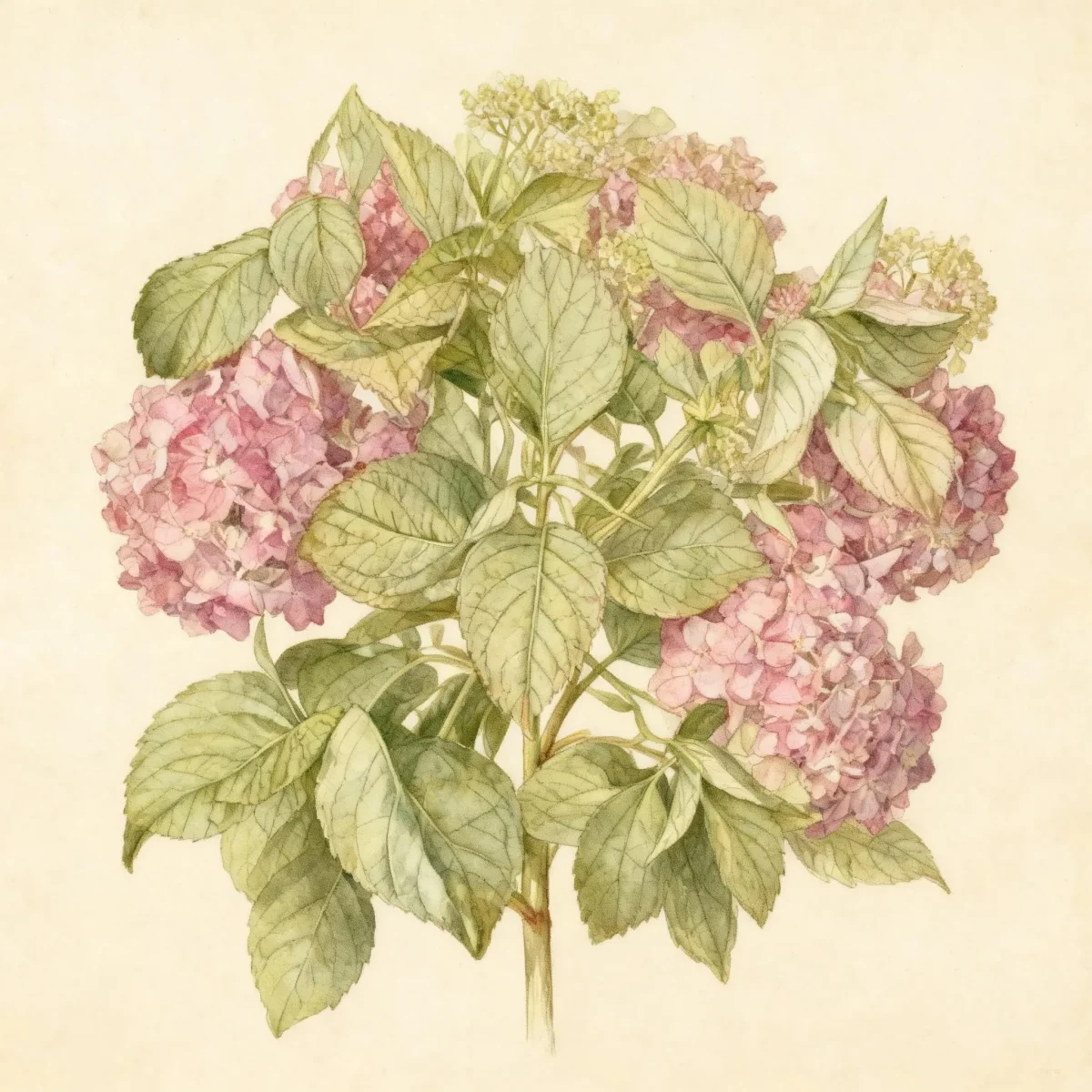
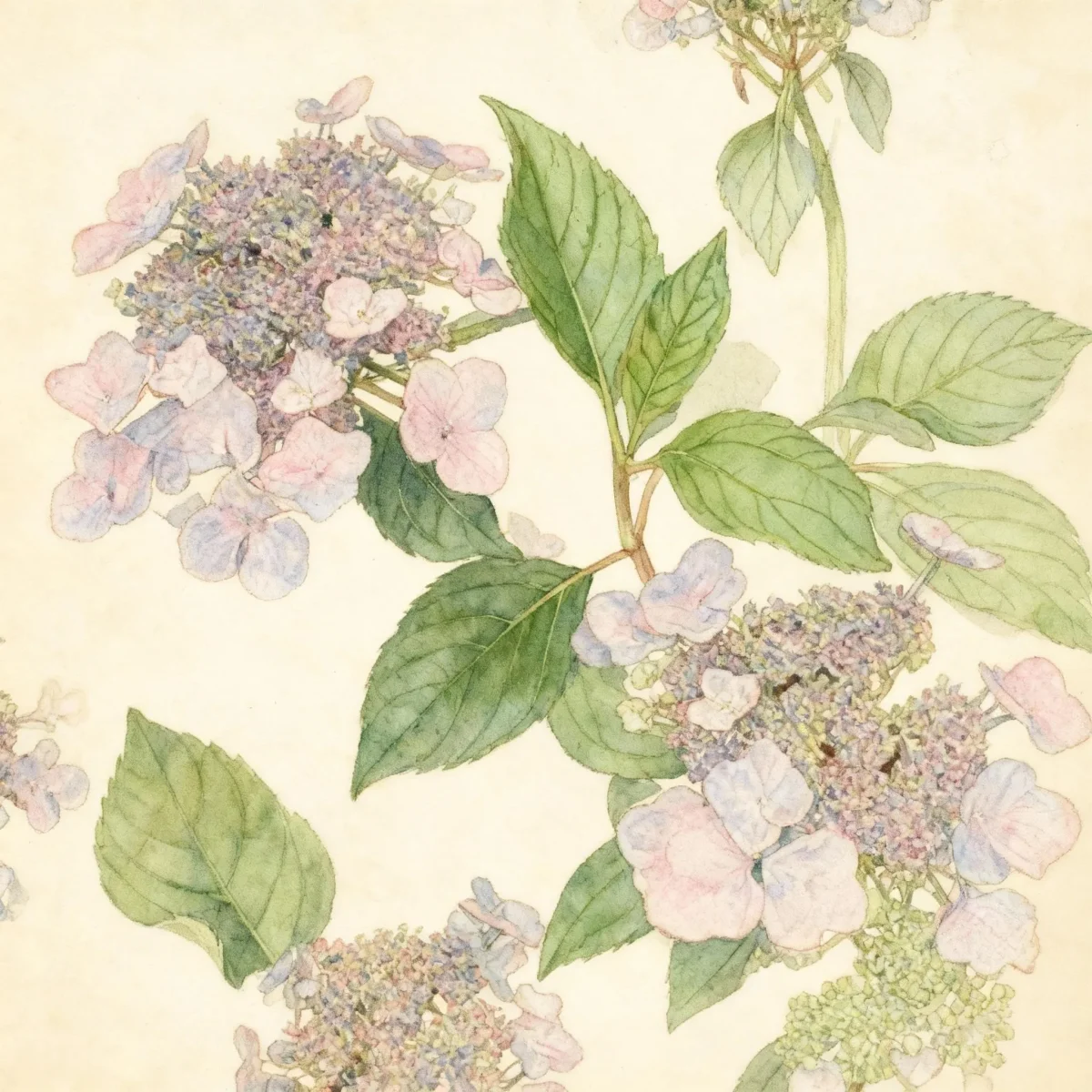
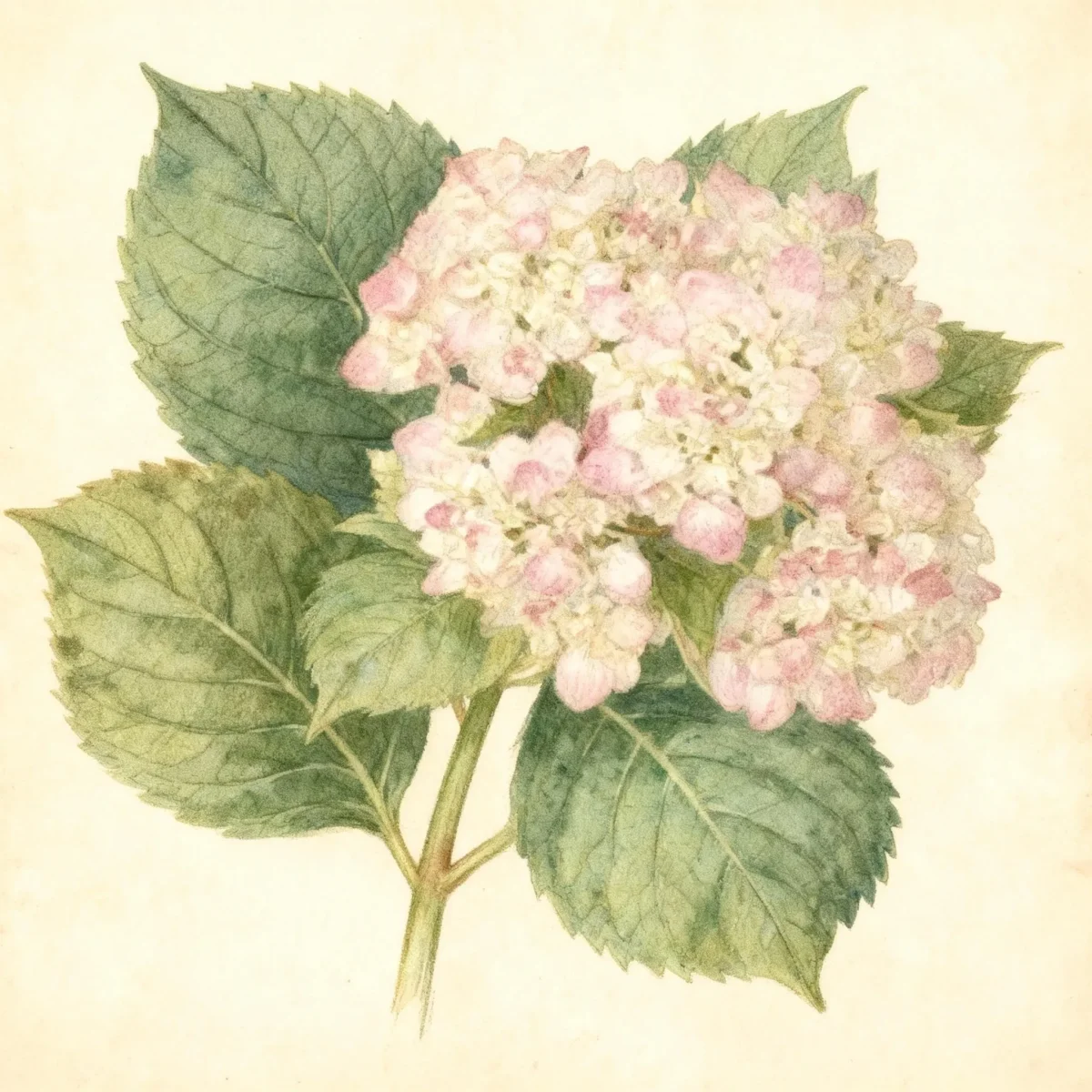
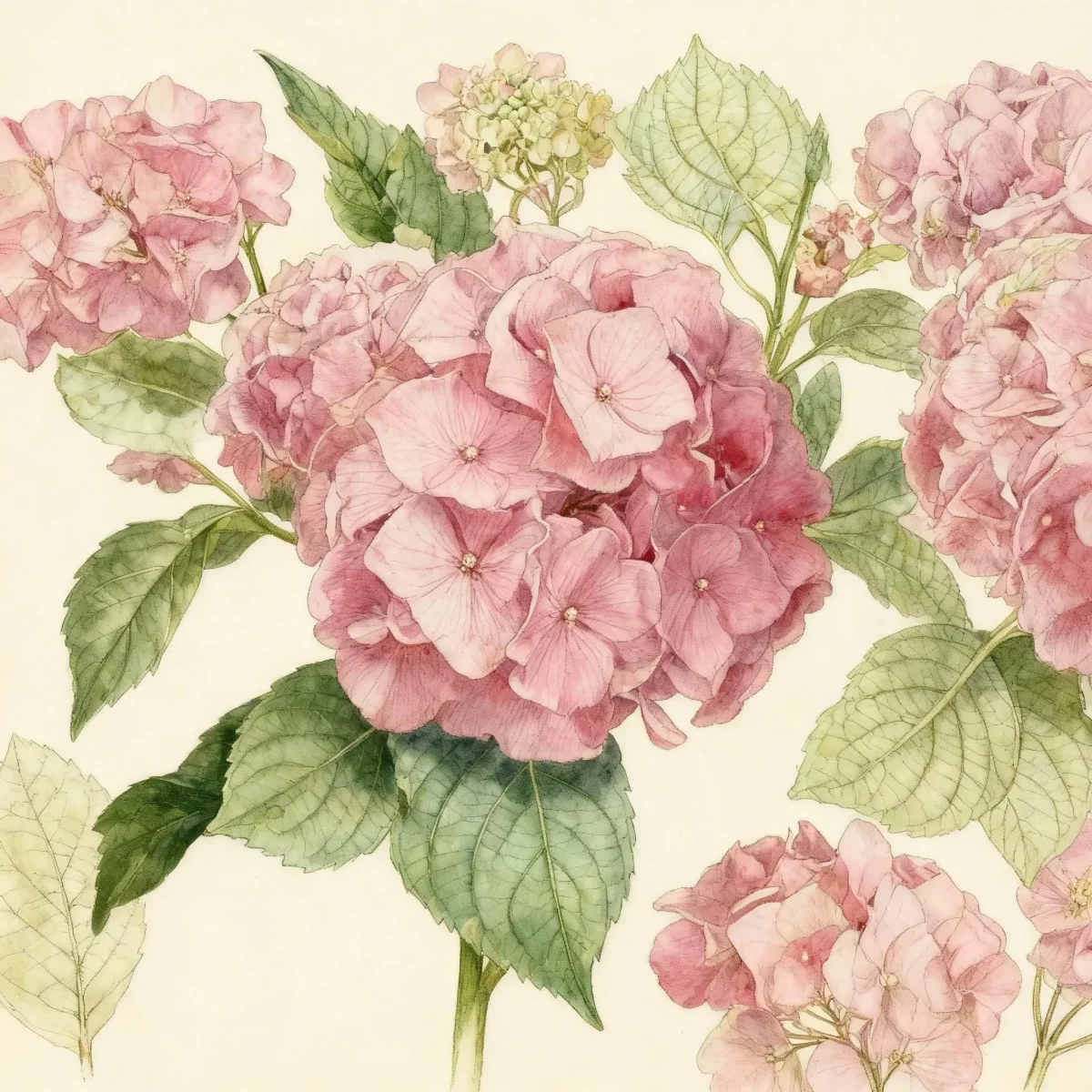
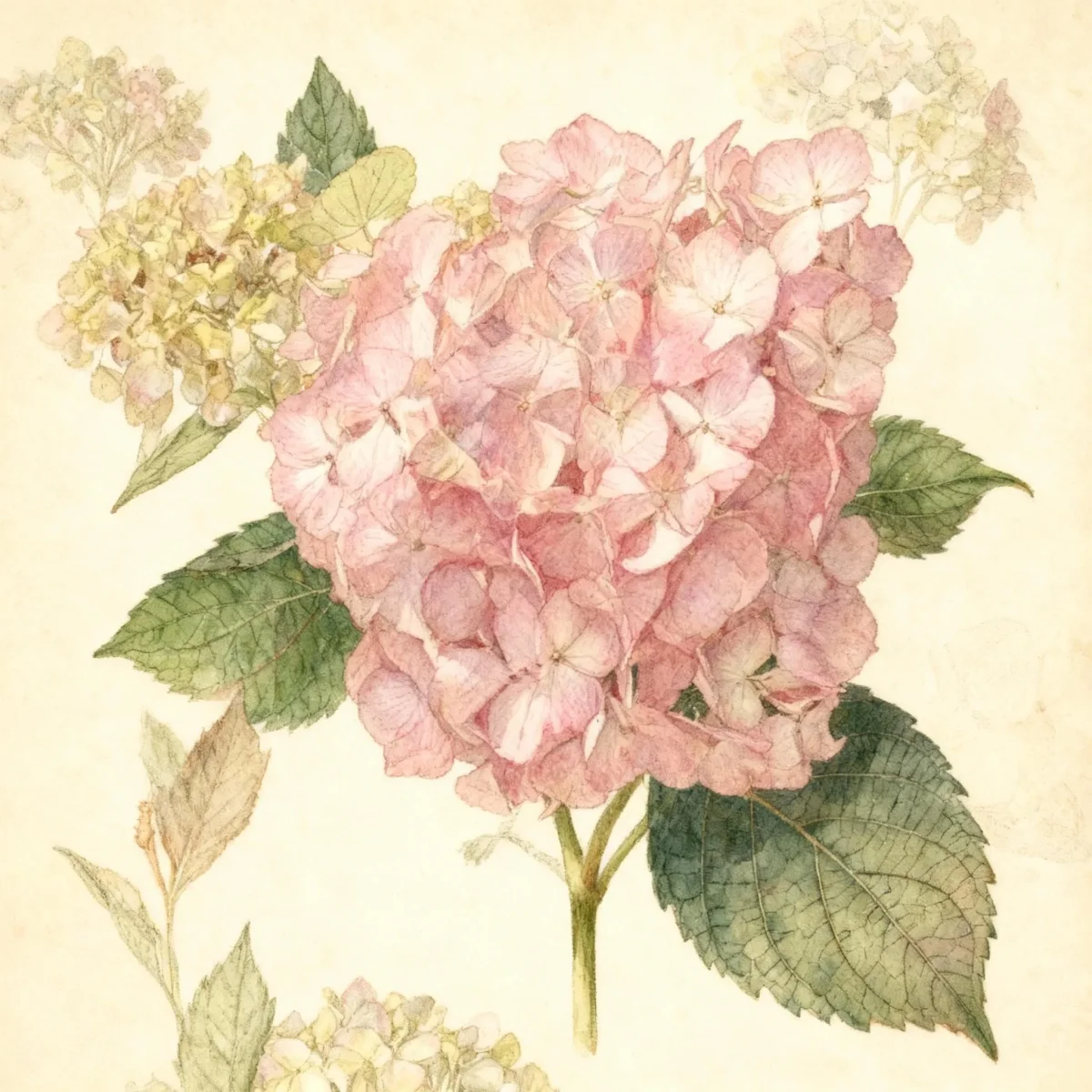
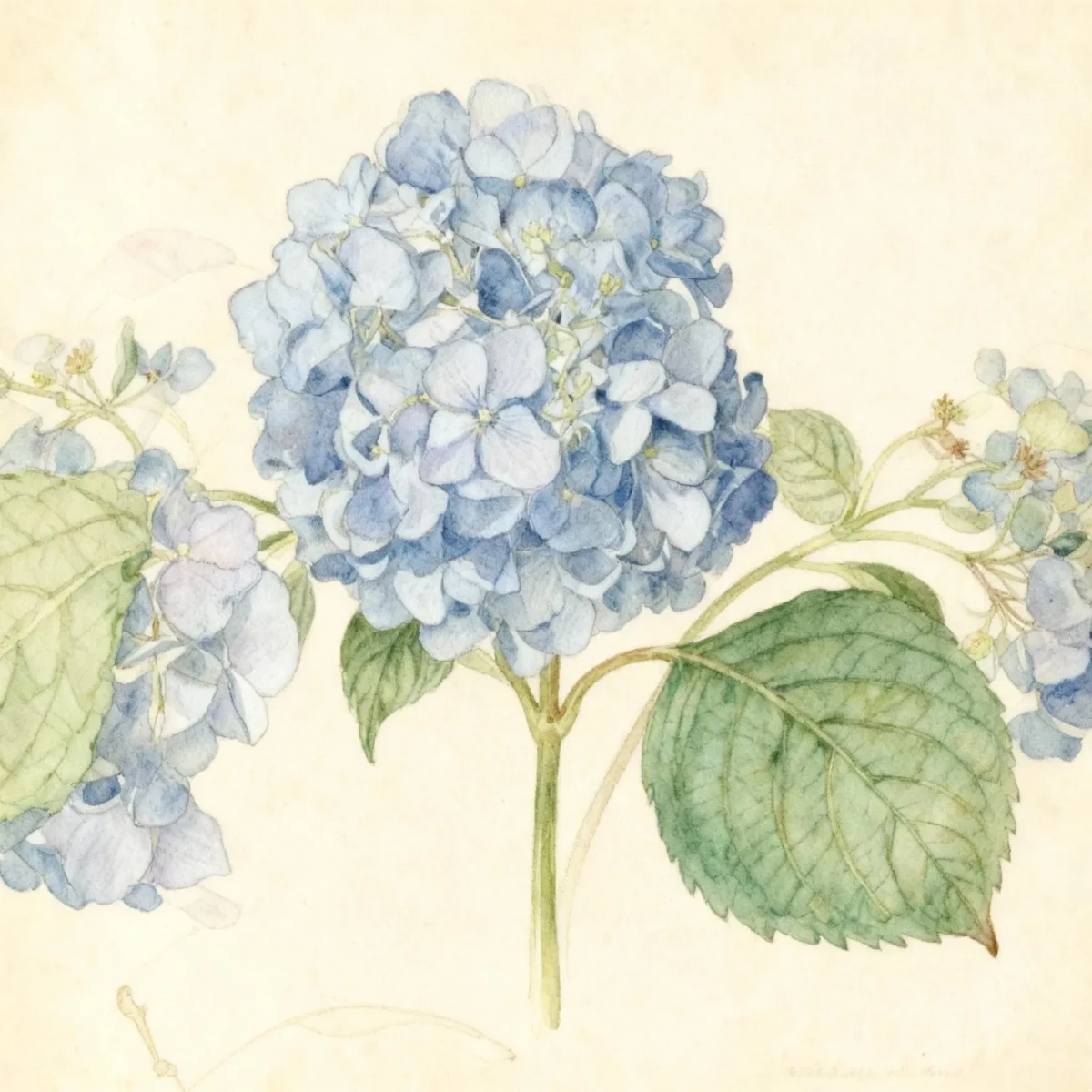
Bigleaf hydrangea (Hydrangea macrophylla 'Fasan' PHEASANT)
Explore Hydrangea macrophylla 'Fasan' PHEASANT, a stunning Bigleaf hydrangea lacecap known for large sterile florets blooming July to August.

Bloom Boldly, No Matter the Season - Sweatshirt
Cozy organic cotton sweatshirt featuring our exclusive Purple Coneflower design. Perfect for gardeners who bloom year-round.
Inspired by the beautiful Bigleaf hydrangea
Limited first batch (50) — join the waitlist for early access
Waitlist closes Feb 15, 2026.
Complete Plant Information
Field Guide Continues
Ready for care notes, companion picks, and planting tips?
The map is just the start. The full guide below covers growth habits, seasonal performance, and landscape uses.
Overview
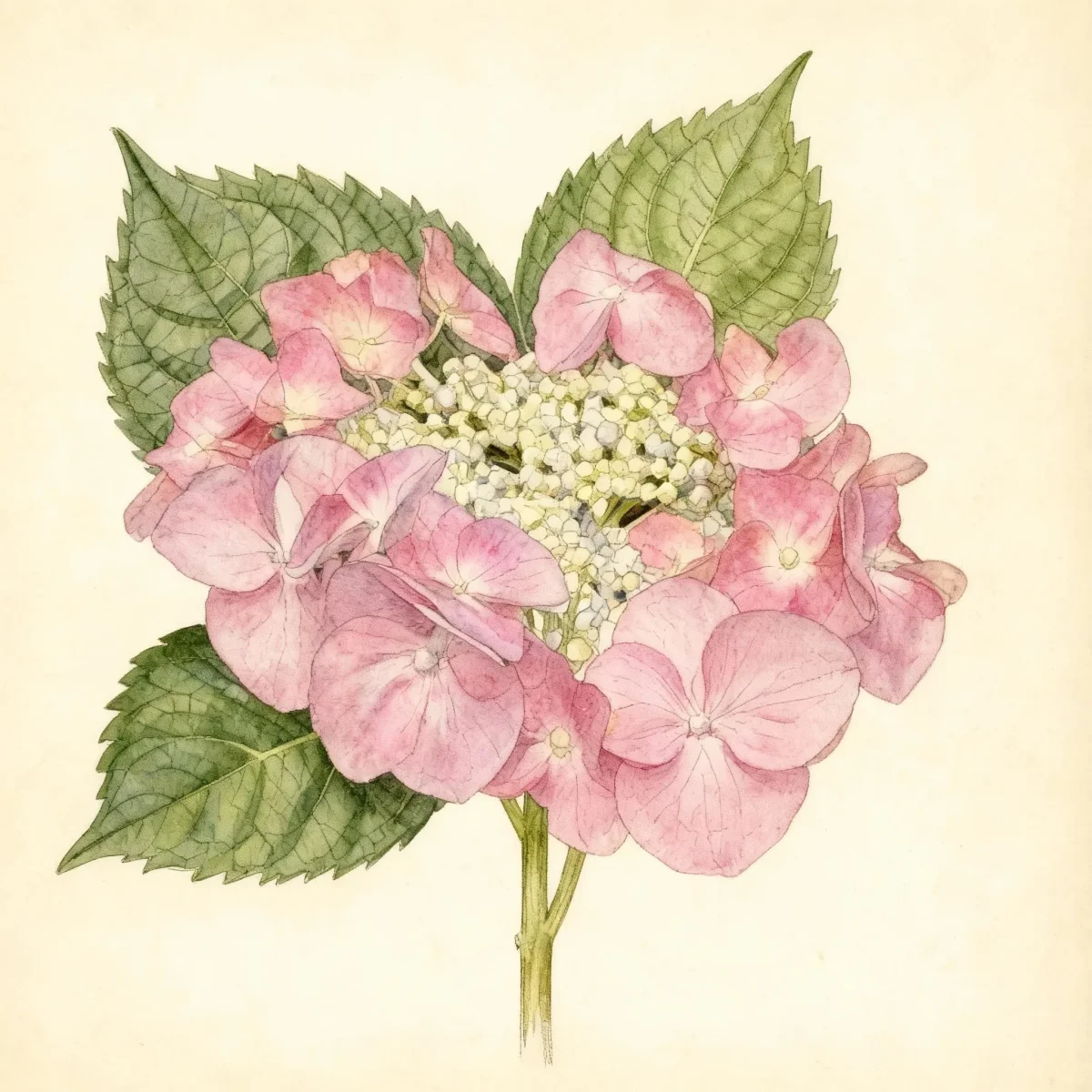
Hydrangea macrophylla ‘Fasan’ PHEASANT is a cultivar of the beloved Bigleaf hydrangea, highly valued for its distinctive lacecap flower form within the Teller Series. This deciduous shrub adds structure and consistent summer color to the garden, maturing into a well-rounded specimen between three and six feet tall. Its value lies in its reliable flowering habit and large, showy sterile florets that frame the smaller fertile centers.
As a lacecap variety, Hydrangea macrophylla ‘Fasan’ PHEASANT offers a more delicate texture compared to the globose mopheads, making it adaptable for various landscape settings. Gardeners should note that like many Hydrangea macrophylla, the resulting flower color is heavily pH-dependent, shifting from vibrant reds in alkaline soil to cool blues in acidic conditions.
Growing this Bigleaf hydrangea successfully requires balancing sun exposure and consistent moisture. Providing rich, well-drained soil alongside part shade will ensure robust shrub health and maximize the display of its long-lasting blooms throughout mid-summer.
Fast Facts
- Plant Family: Hydrangeaceae
- Plant Type: Deciduous shrub
- Hardiness Zones: USDA Zones 5-9
- Size at Maturity:
- Height: 3-6 ft
- Spread: 3-6 ft
- Bloom Time: July to August
- Bloom Description: Red (alkaline soils) lilac to blue (acid soils)
- Sun Exposure: Part shade
- Water Needs: Medium
- Maintenance Level: Medium
How to Grow
The best time to plant Hydrangea macrophylla ‘Fasan’ PHEASANT is typically in the spring after the threat of frost has passed, or in early fall. Ensure the planting location provides rich soil that is consistently medium in moisture and offers excellent drainage. Partial shade is ideal, though this Bigleaf hydrangea can tolerate full sun if the soil is kept perpetually moist.
Care centers heavily around soil pH management for color control. To achieve blue flowers, amend the soil with aluminum sulfate; to favor pink or red florets, like the ‘Teller Red’ association suggests, incorporate lime. Begin these soil treatments during the late autumn or early spring for best results before the next blooming cycle.
Pruning for this cultivar should be minimized, as it primarily blooms on old wood—buds set the previous fall. If pruning is necessary, only cut back flowering stems to a pair of healthy buds immediately after the bloom cycle concludes. In late winter or early spring, focus only on removing weak or winter-damaged (die-back) stems.
Winter protection is crucial, especially in Zone 5. While generally hardy to Zone 6, plants in Zone 5 benefit from siting in sheltered areas or applying mulch (3 inches of shredded bark, compost, or peat) around the base year-round to help moderate soil temperatures and protect developing buds from extreme fluctuations or late frosts.
Landscape Uses
The structure and size of Hydrangea macrophylla ‘Fasan’ PHEASANT make it an excellent structural plant in mixed borders. Its rounded habit allows it to function effectively as a specimen plant near entrances or patios where its lacecap blooms can be appreciated up close. When planted in succession or density, this Bigleaf hydrangea forms an attractive, flowering hedge.
Because it typically grows to 3-6 feet wide, space these shrubs appropriately to prevent overcrowding. They pair beautifully with later-blooming perennials that can pick up the color show once the summer display begins to fade. Consider masses of hostas near the base for contrast in foliage texture, or use evergreen foundation plantings behind them for winter structure.
For container growing, ensure the pot is large enough to accommodate its mature spread and use a high-quality potting mix that retains moisture without becoming waterlogged. Whether massed in a border or used as a singular accent, Hydrangea macrophylla ‘Fasan’ PHEASANT provides reliable texture and color.
Standout Features
Flower Qualities
- Showy
Noteworthy Characteristics
‘Fasan’ (translates from German as pheasant) is a lacecap cultivar, belonging to the Teller Series of hydrangeas, and is sometimes commonly sold as ‘Teller Red’. It is known for producing very large showy sterile florets that ring the smaller fertile centers, and it typically blooms on old wood. This Bigleaf hydrangea matures to 3-5’ tall and wide, with deep green leaves providing a strong backdrop for the flowers, which gradually change color as they age regardless of the soil pH.
Tolerances
- Aphids are occasional visitors
Potential Problems
This shrub exhibits some susceptibility to common hydrangea issues, including leaf spot, mildew, and less frequently, bacterial wilt. Bud blight can also occasionally affect flower development. Management should focus on cultural practices that promote plant health.
Ensure good air circulation around the foliage to minimize fungal issues like leaf spot and mildew; avoid overhead watering late in the day. If pests like aphids appear, healthy plants can often tolerate minor infestations, but treatment with insecticidal soap can be used if populations become damaging.
Frequently Asked Questions
What hardiness zones is Bigleaf hydrangea suitable for?
Hydrangea macrophylla ‘Fasan’ PHEASANT is generally hardy in USDA Zones 5 through 9, though extra winter protection is recommended for Zone 5 plantings.
How large does Hydrangea macrophylla ‘Fasan’ PHEASANT grow?
This Bigleaf hydrangea typically reaches a height between 3 to 6 feet and achieves a similar spread of 3 to 6 feet at maturity when undamaged by harsh winters.
What sun exposure does Hydrangea macrophylla ‘Fasan’ PHEASANT need?
This shrub thrives best when positioned in part shade, though it can tolerate full sun provided the soil moisture is consistently maintained.
When does Hydrangea macrophylla ‘Fasan’ PHEASANT bloom?
The bloom period for this cultivar is from July through August, producing flowers that exhibit red coloration in alkaline soils and shift toward lilac or blue in acidic soils.
Conclusion
Hydrangea macrophylla ‘Fasan’ PHEASANT offers gardeners a reliably beautiful summer display through its unique lacecap flowers, framed by large, dark green leaves. Its ability to shift flower color based on soil chemistry adds an element of excitement to perennial borders. Before planting this Bigleaf hydrangea, confirm your local USDA zone compatibility and plan for its preferred partial shade location to ensure the best possible flowering performance.
Companion Planting
When selecting companions for Hydrangea macrophylla ‘Fasan’ PHEASANT, focus on plants that share similar needs for moist, well-drained soil and protection from intense afternoon sun. Shade-tolerant groundcovers like Vinca or Ajuga work well beneath the shrub canopy, suppressing weeds while providing seasonal interest.
Consider pairing the Bigleaf hydrangea with early-season bloomers whose foliage remains attractive after the hydrangea shifts focus. Astilbes provide vertical plumes contrasting nicely with the rounder habit of Hydrangea macrophylla, while ferns like Japanese Painted Ferns offer delicate texture that highlights the substantial leaves of the hydrangea.
For borders, plants that prefer dappled light, such as Hellebores (Lenten Rose) or Rodgersia, complement the medium maintenance requirements and soil aesthetics favored by the ‘Fasan’ PHEASANT cultivar.
Design Ideas for Lacecap Hydrangeas
The lacecap form of Hydrangea macrophylla ‘Fasan’ PHEASANT excels in modern and cottage garden designs alike due to its less dense flower mass compared to mopheads. Use rows of this cultivar to create a flowing, textured hedge that provides summer structure without overwhelming a space with heavy blooms.
Place this Bigleaf hydrangea towards the middle or back of a mixed border, utilizing its 3 to 6-foot height as a transition layer between low-growing perennials and taller background shrubs. Its ability to turn blue or pink makes it a perfect tool for color coordination within garden vignettes, especially when paired with silver or white foliage plants to accentuate the cool tones.
For smaller gardens or patios, ensure you use a large container for containment. This allows you the flexibility to move the Hydrangea macrophylla ‘Fasan’ PHEASANT to the ideal sun/shade profile throughout the season while ensuring the deep root system receives the consistent moisture it demands.