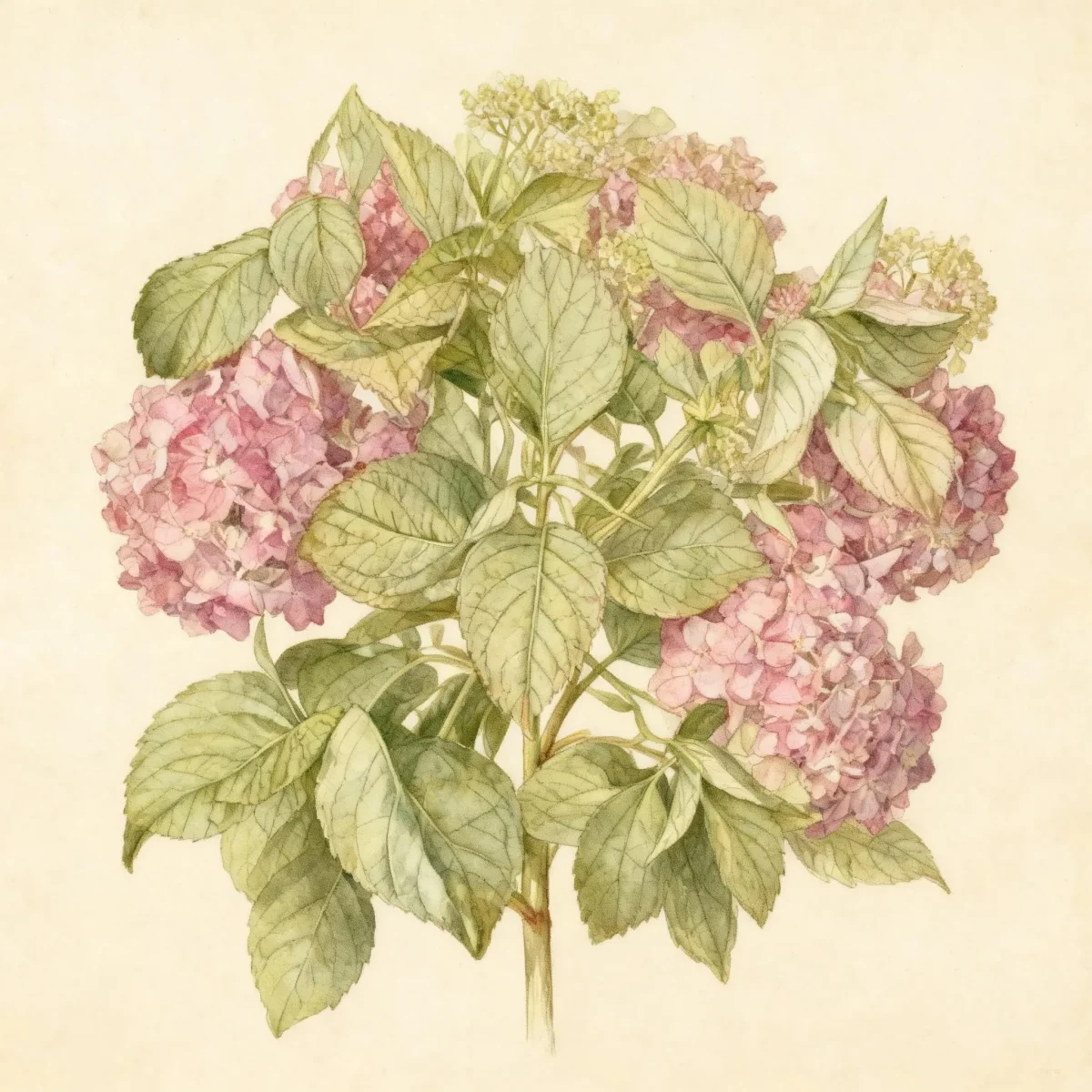
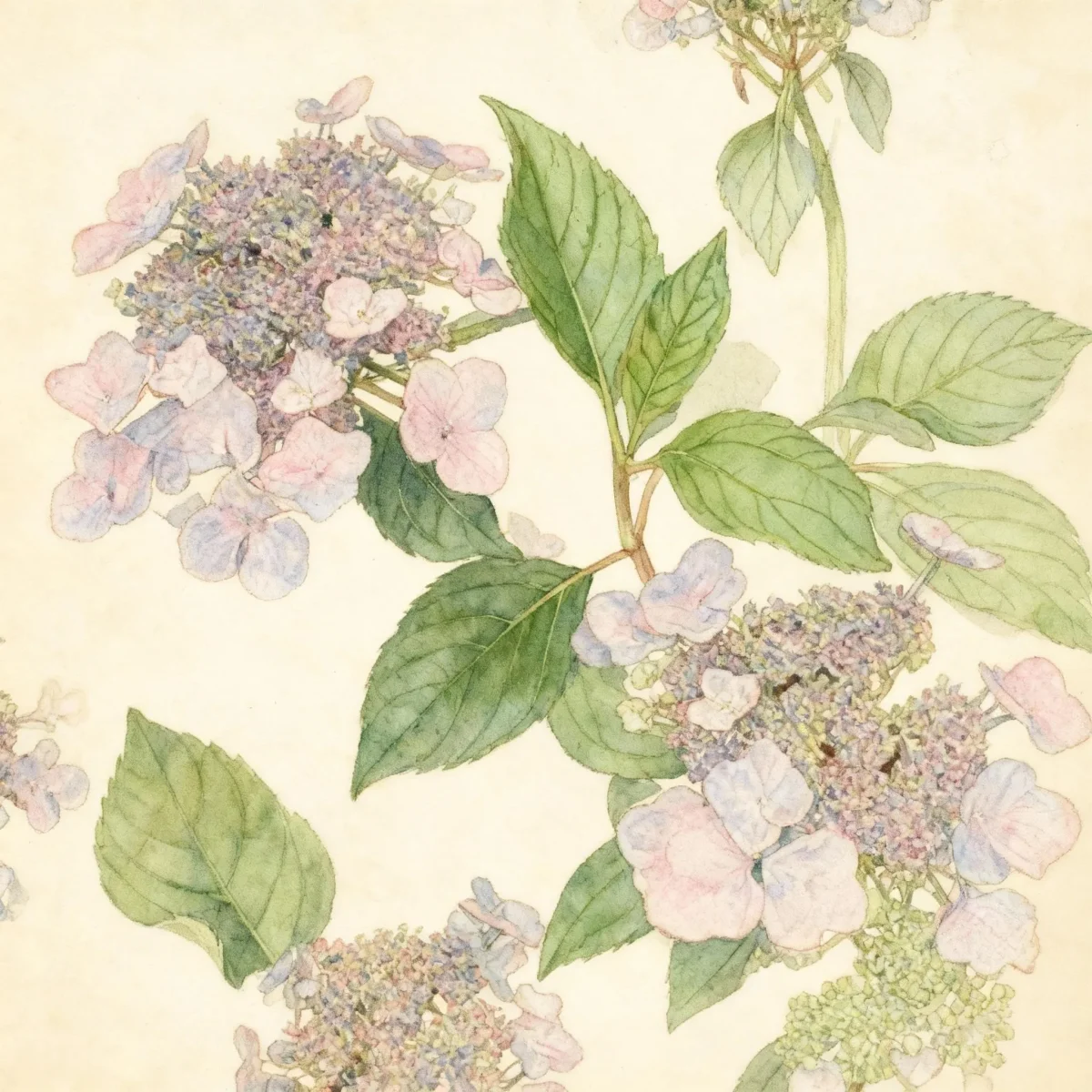
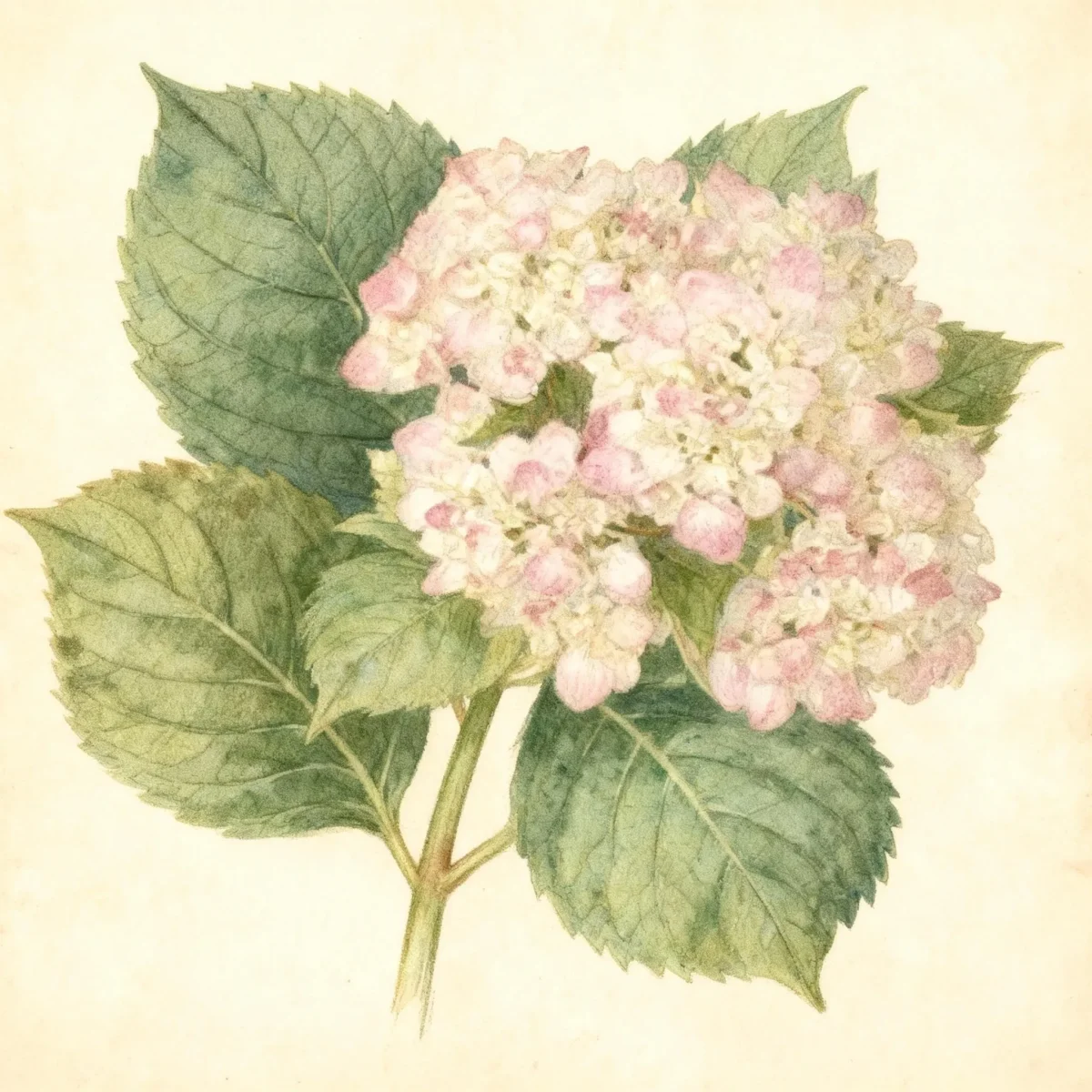
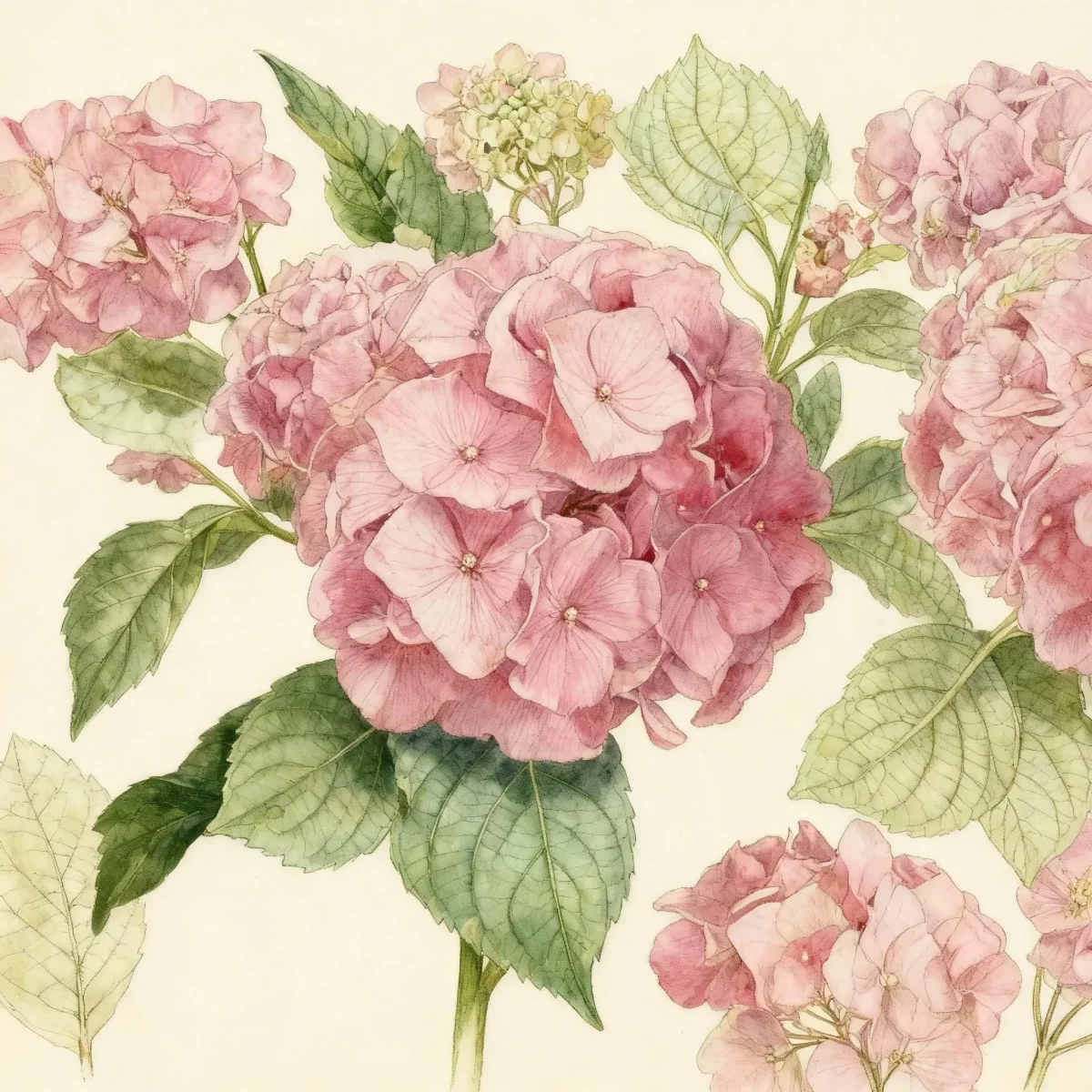
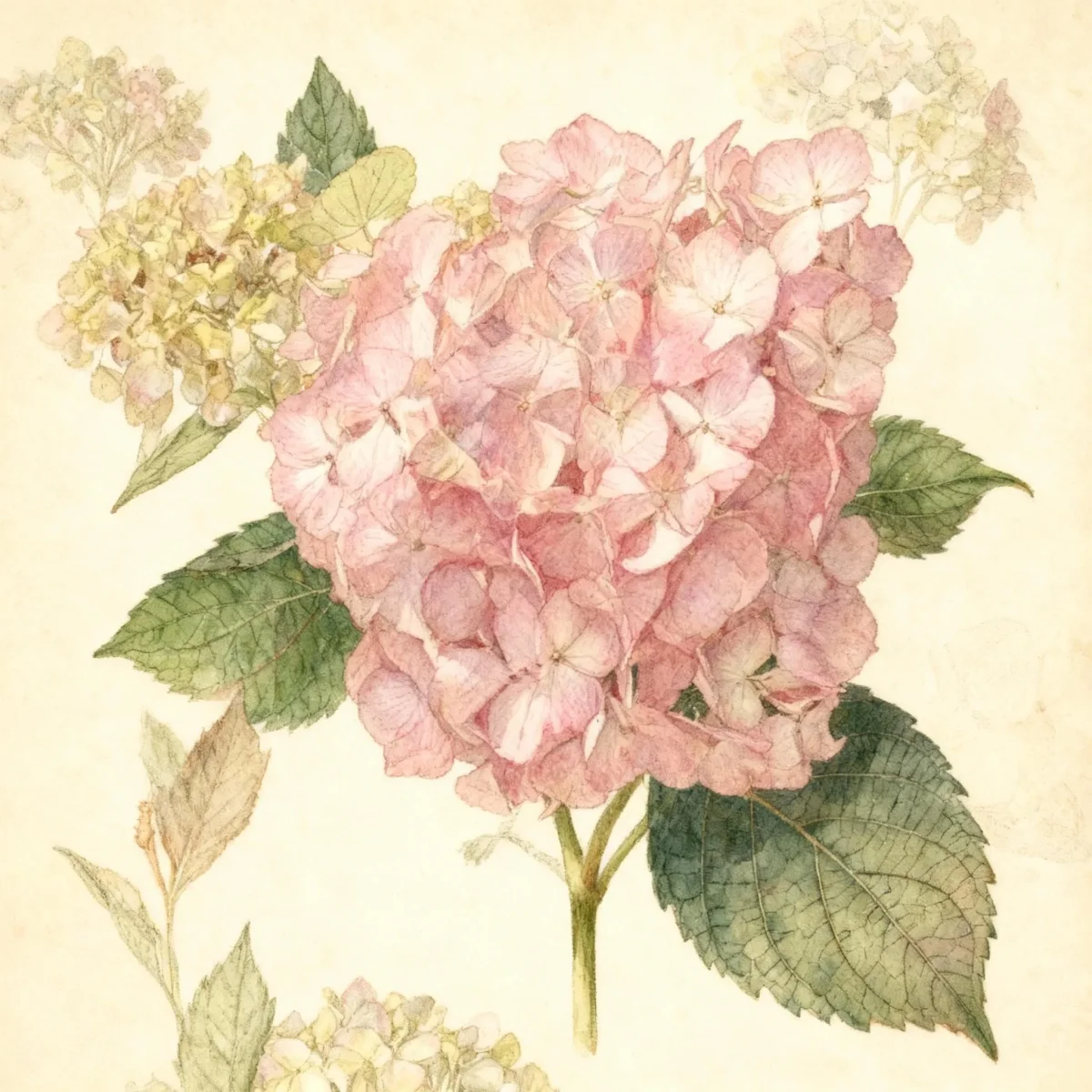
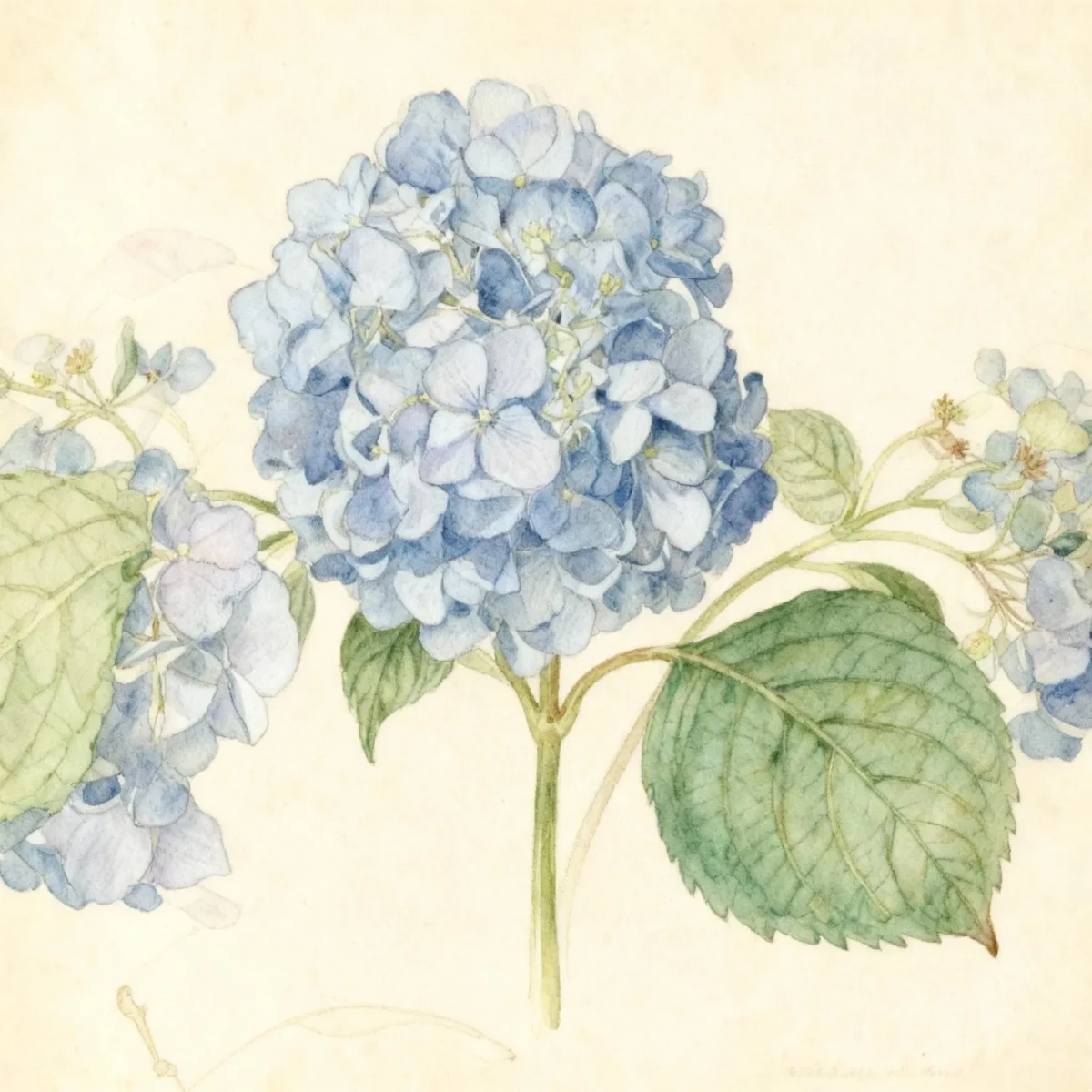
Bigleaf hydrangea (Hydrangea macrophylla 'Mowe')
Hydrangea macrophylla 'Mowe' is a lacecap Bigleaf hydrangea offering dark red to blue-purple summer blooms. Ideal for partial shade borders.
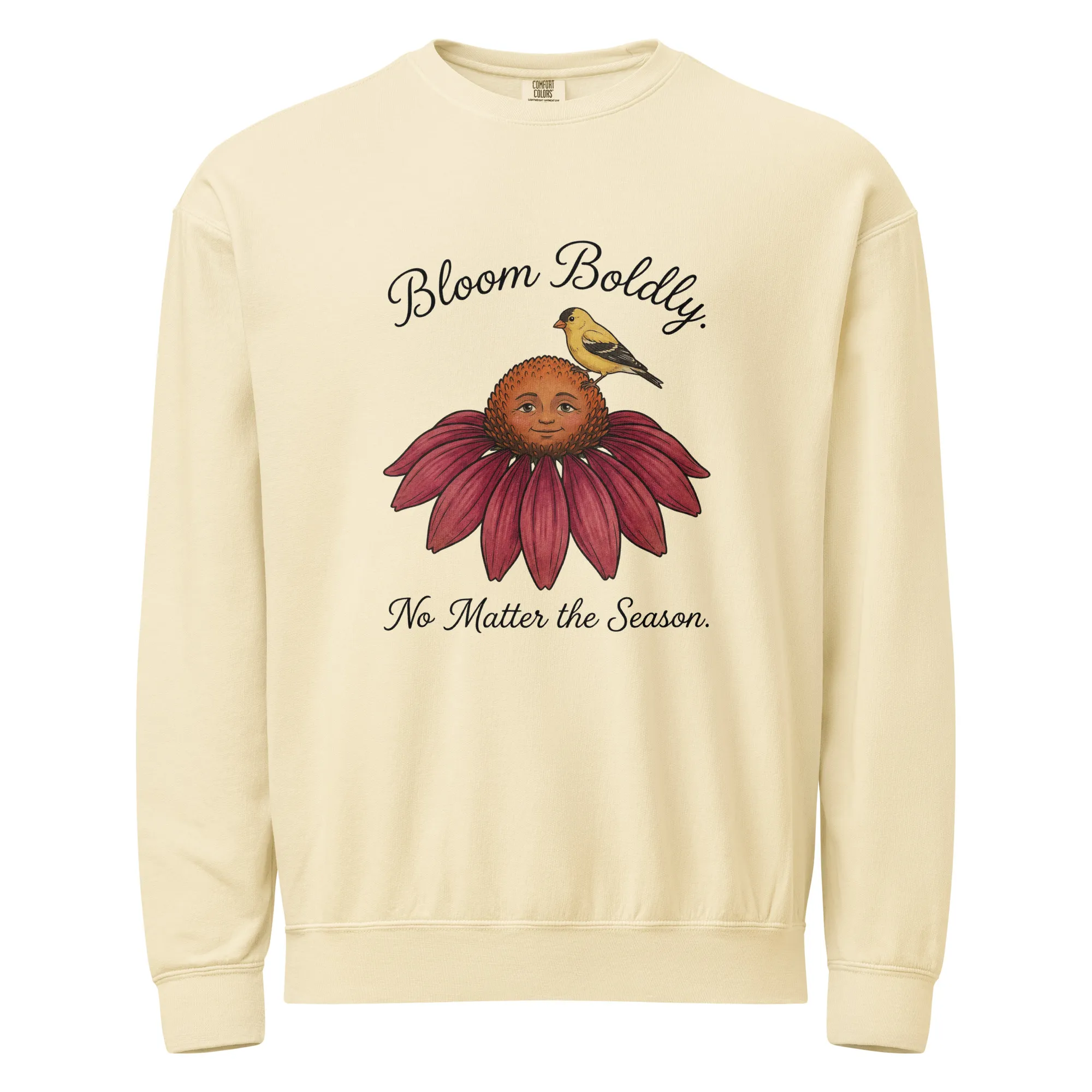
Bloom Boldly, No Matter the Season - Sweatshirt
Cozy organic cotton sweatshirt featuring our exclusive Purple Coneflower design. Perfect for gardeners who bloom year-round.
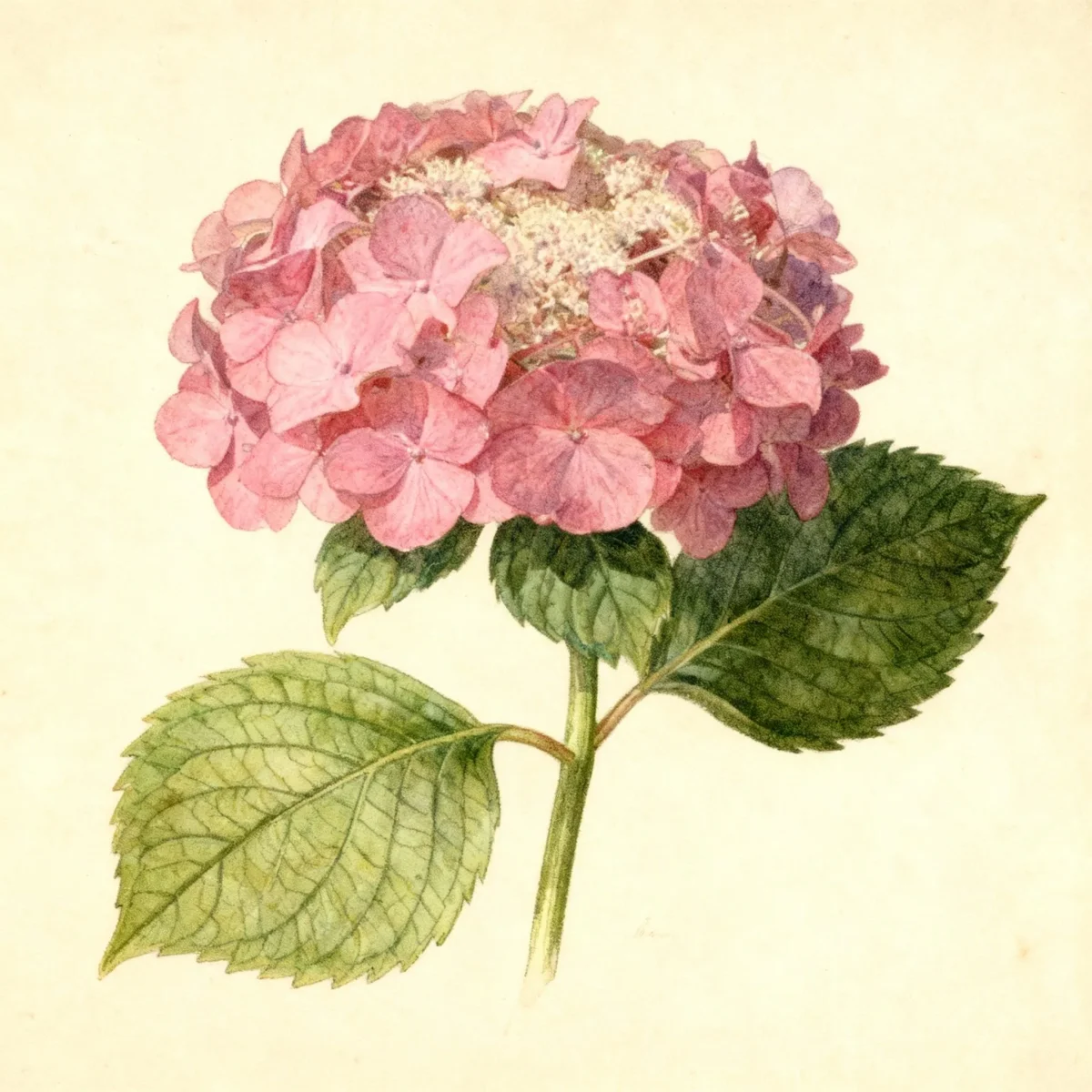
Inspired by the beautiful Bigleaf hydrangea
Limited first batch (50) — join the waitlist for early access
Waitlist closes Feb 15, 2026.
Complete Plant Information
Field Guide Continues
Ready for care notes, companion picks, and planting tips?
The map is just the start. The full guide below covers growth habits, seasonal performance, and landscape uses.
Overview
The spectacular Hydrangea macrophylla ‘Mowe’ is a standout variety of Bigleaf hydrangea celebrated for its distinctive lacecap flower structure. This cultivar is particularly valued because its bloom color can be manipulated by adjusting soil pH, shifting from dark red in alkaline conditions to deep blue-purple in acidic environments. As a deciduous shrub, Hydrangea macrophylla ‘Mowe’ provides reliable summer color, typically emerging with deep green, large leaves that contrast beautifully with the summer flowers.
This robust Bigleaf hydrangea typically matures between 3 to 6 feet tall and wide, forming a rounded habit perfect for border plantings or as a focal accent. Gardeners aiming for the best performance should prioritize planting in rich, well-drained soil amended with organic matter. Success hinges on providing consistent moisture coupled with afternoon shade protection.
Offering excellent seasonal interest, the Hydrangea macrophylla ‘Mowe’ contributes texture and vibrant color to the landscape from mid-summer through early fall. Understanding its specific soil requirements is key to achieving the desired flower hue, making it a rewarding choice for intermediate gardeners who enjoy a bit of customization.
Fast Facts
- Plant Family: Hydrangeaceae
- Plant Type: Deciduous shrub
- Hardiness Zones: USDA Zones 5-9
- Size at Maturity:
- Height: 3-6 ft
- Spread: 3-6 ft
- Bloom Time: July to August
- Bloom Description: Red (alkaline soils); Blue-purple (acid soils)
- Sun Exposure: Part shade
- Water Needs: Medium
- Maintenance Level: Medium
How to Grow
The best time to plant your Hydrangea macrophylla ‘Mowe’ is typically in the spring after the danger of the last hard frost has passed, or in the early fall. Ensure the selected location offers rich, medium-moisture, well-drained soil. While part shade is ideal, this Bigleaf hydrangea can tolerate full sun provided the soil remains consistently moist throughout the growing season.
Watering is critical for this genus; maintain even moisture, especially during dry spells. Soil pH manipulation should be started well in advance of flowering, ideally in late autumn or early spring, by incorporating aluminum sulfate for blue flowers or lime for pinker tones. Remember that white-flowering cultivars are not affected by pH shifts.
Pruning for Hydrangea macrophylla ‘Mowe’ should generally be minimal. If pruning is necessary, complete it immediately after flowering concludes by cutting back the flowering stems to a pair of healthy buds. In late winter or early spring, remove any stems that are weak or clearly damaged by winter cold.
Gardeners in colder areas, especially USDA Zone 5, should site plants in sheltered locations. Applying a 3-inch layer of mulch, such as shredded bark or compost, year-round helps moderate soil temperature, retain essential moisture, and minimize damage from extreme winter fluctuations that can cause bud loss.
Landscape Uses
The versatile nature of the Bigleaf hydrangea makes Hydrangea macrophylla ‘Mowe’ suitable for several landscaping roles. It performs excellently when grouped or massed within a shrub border, creating a significant block of summer color and texture. Due to its manageable 3 to 6-foot size, it also functions well as a neat, rounded accent near home foundations or patios where flowers can be easily appreciated.
Consider using ‘Mowe’ to establish low, informal hedges where flowering interest is desired along property lines or walkways. While it is perfectly happy in the ground, this cultivar also adapts well to container culture, allowing it to be moved to prime locations or protected during harsh winter periods.
When planning companions, select other shade-tolerant shrubs and perennials that share similar moisture and sun requirements. Hostas, ferns, Astilbe, and Japanese maples provide excellent, lush backdrops that complement the bold foliage and colorful blooms of the Hydrangea macrophylla ‘Mowe’.
Standout Features
Flower Qualities
- Showy
Noteworthy Characteristics
Hydrangea macrophylla, commonly called big leaf hydrangea, is a deciduous shrub with a rounded habit that, in the St. Louis area, typically grows 3-6’ tall and as wide unless damaged by harsh winters or pruned smaller. It generally features serrate, obovate to elliptic, dark green leaves (4-8” long) and large clusters of long-blooming summer flowers in either lacecap form (flattened flower clusters of small fertile florets with scattered showy sterile florets often forming a marginal ring) or mophead form (globose flower clusters of mostly showy sterile florets). ‘Mowe’ is a lacecap cultivar that is usually grown in alkaline soils for its dark red sterile florets. When grown in acid soils, florets appear blue-purple. Considered to be one of the best red-flowered lacecaps available.
Tolerances
Potential Problems
Hydrangea macrophylla ‘Mowe’ exhibits some susceptibility to common hydrangea issues, including bud blight, bacterial wilt, leaf spot, and mildew. Prevention revolves largely around cultural practices, ensuring good air circulation and avoiding overhead watering late in the day to reduce mildew risk.
Aphids are occasional visitors to the stems and undersides of the leaves. If an infestation becomes problematic, control can usually be managed organically by spraying heavily with water or applying insecticidal soap, targeting pests early in the season.
Gardeners must also contend with environmental stresses; low temperatures or sudden fluctuations can lead to the loss of flower buds, meaning the plant fails to bloom even if the plant survives the winter intact. Site selection is the best defense against this common disappointment with Bigleaf hydrangeas.
Frequently Asked Questions
What hardiness zones is Bigleaf hydrangea suitable for?
The Hydrangea macrophylla ‘Mowe’ is reliably hardy in USDA Zones 5 through 9.
How large does Hydrangea macrophylla ‘Mowe’ grow?
This deciduous shrub typically reaches heights between 3 to 6 feet and spreads to a similar width of 3 to 6 feet at maturity.
What sun exposure does Hydrangea macrophylla ‘Mowe’ need?
This plant thrives best when situated in part shade, though it can tolerate more direct sun if its need for medium, consistent moisture is always met.
When does Hydrangea macrophylla ‘Mowe’ bloom?
Bloom time occurs during July and August, producing flowers that range from red in alkaline soils to blue-purple in acidic conditions.
Companion Planting
Selecting plants that thrive under similar conditions enhances the overall health and aesthetic of your shade garden featuring Hydrangea macrophylla ‘Mowe’. Focus on companions that appreciate dappled sun and consistent moisture, avoiding plants that require dry feet or intense, prolonged direct sunlight.
Consider pairing this Bigleaf hydrangea with groundcovers that can suppress weeds and maintain soil coolness. Dwarf hostas, creeping jenny (Lysimachia nummularia), or spreading Japanese forest grass (Hakonechloa macra) create beautiful textural contrast beneath the shrub’s canopy.
For vertical interest near the Hydrangea macrophylla ‘Mowe’, consider shade-loving perennials like Helleborus or Coral Bells (Heuchera), whose varied leaf textures and colors complement the structure of the shrub without competing heavily for moisture resources.
Seasonal Care Calendar
Spring preparation is essential for maximizing bloom potential. In late winter or early spring, prune out any dead or damaged wood from the previous season, but avoid heavy pruning. Once the soil warms, begin testing and adjusting the pH if you have a specific color goal for your red-to-blue conversion.
Summer care centers almost exclusively around hydration. The “Medium” water need means checking soil moisture regularly, especially during heatwaves, ensuring the soil remains evenly damp rather than soggy. Deep, infrequent watering is better than light, surface sprinkling.
As autumn approaches, cease fertilization to allow the plant to harden off properly for winter. In colder zones (5 and 6), apply a thick layer of insulating mulch around the base after the ground freezes to help protect the dormant flower buds from extreme temperature swings.
Conclusion
The Hydrangea macrophylla ‘Mowe’ stands out as an exceptional choice for gardeners seeking versatile, richly colored summer blooms in partially shaded spaces. Its unique ability to shift flower color based on soil chemistry makes the Bigleaf hydrangea an engaging project for dedicated cultivators. Before planting, confirm your USDA zone compatibility and plan your soil amendment strategy to enjoy the best performance from your Hydrangea macrophylla ‘Mowe’ this season.