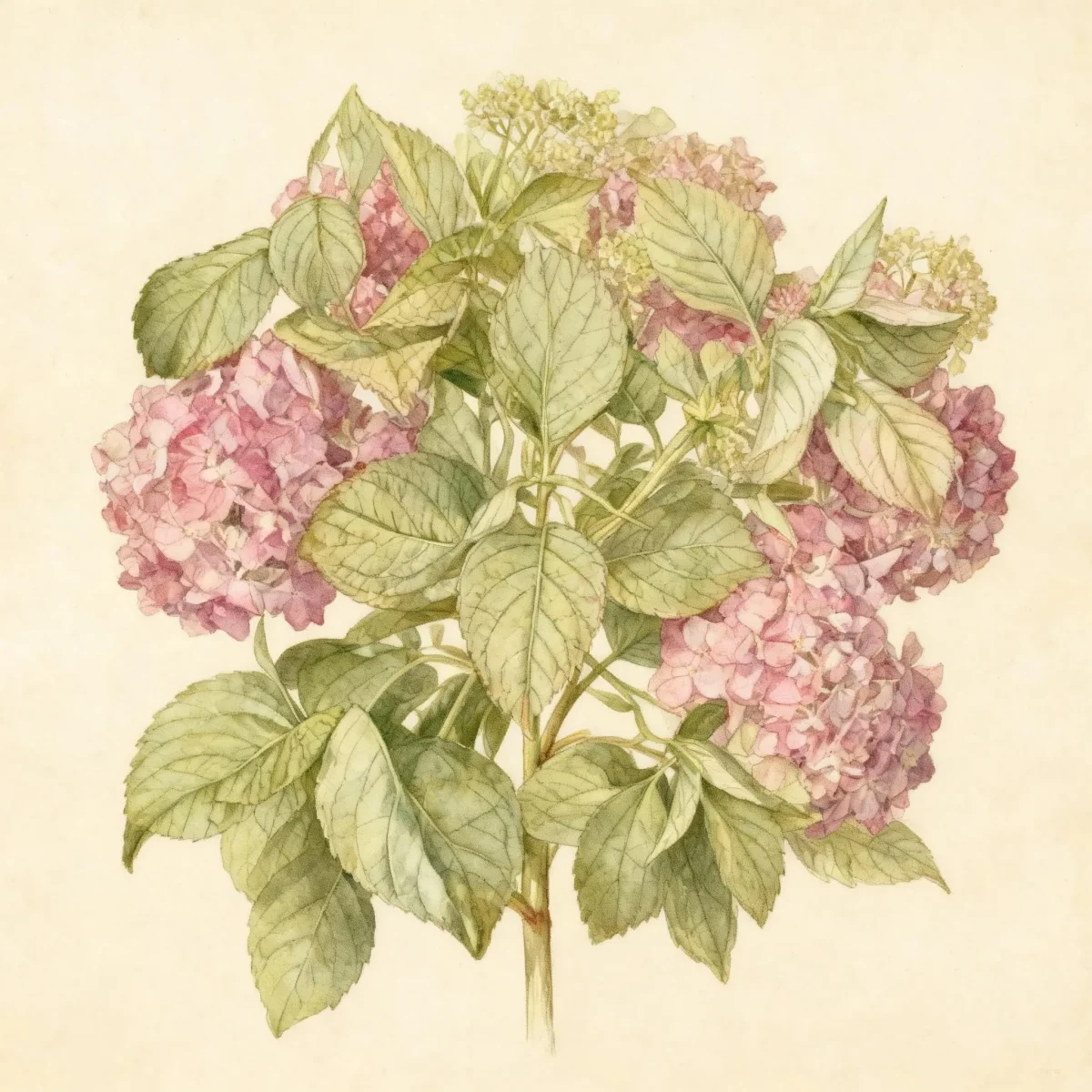
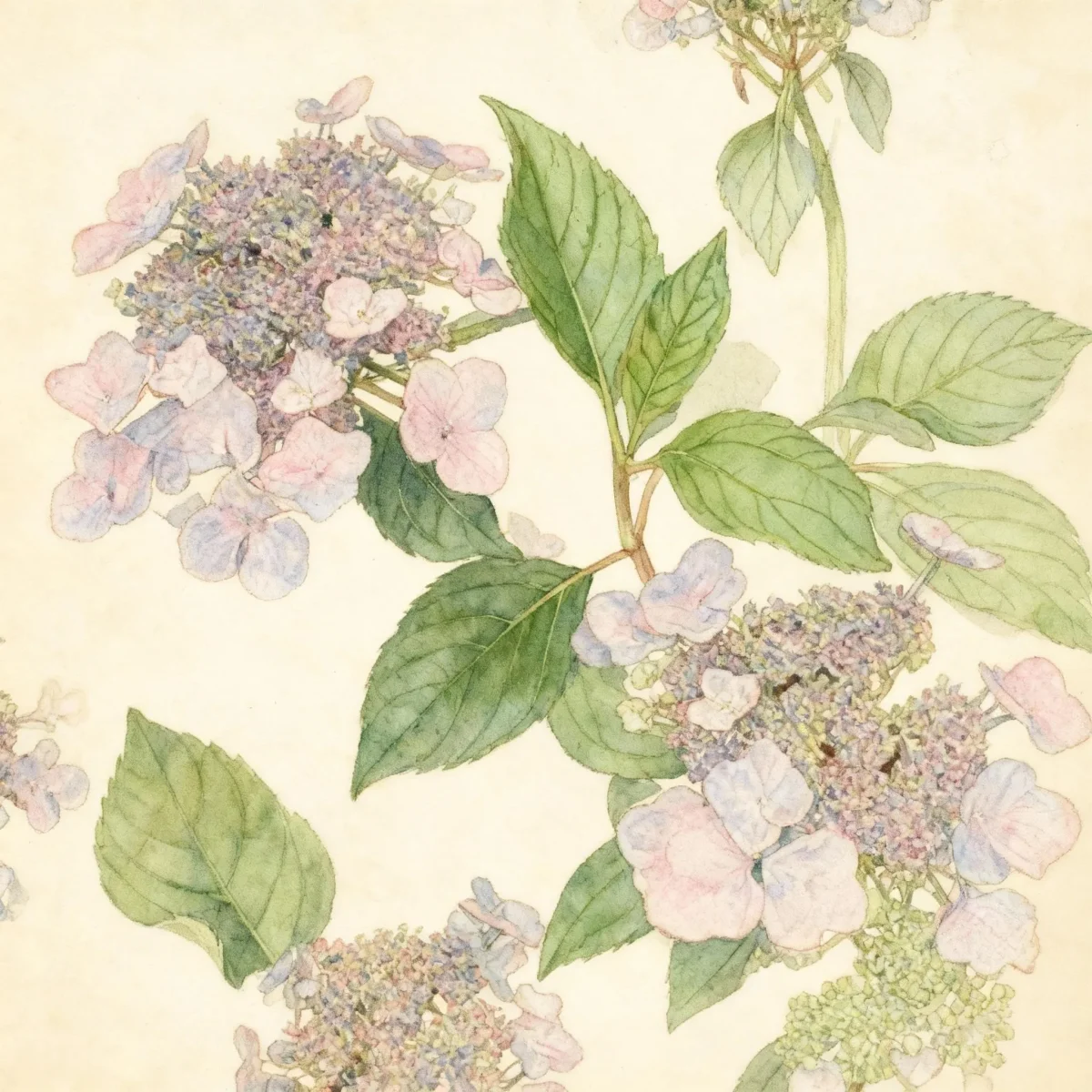
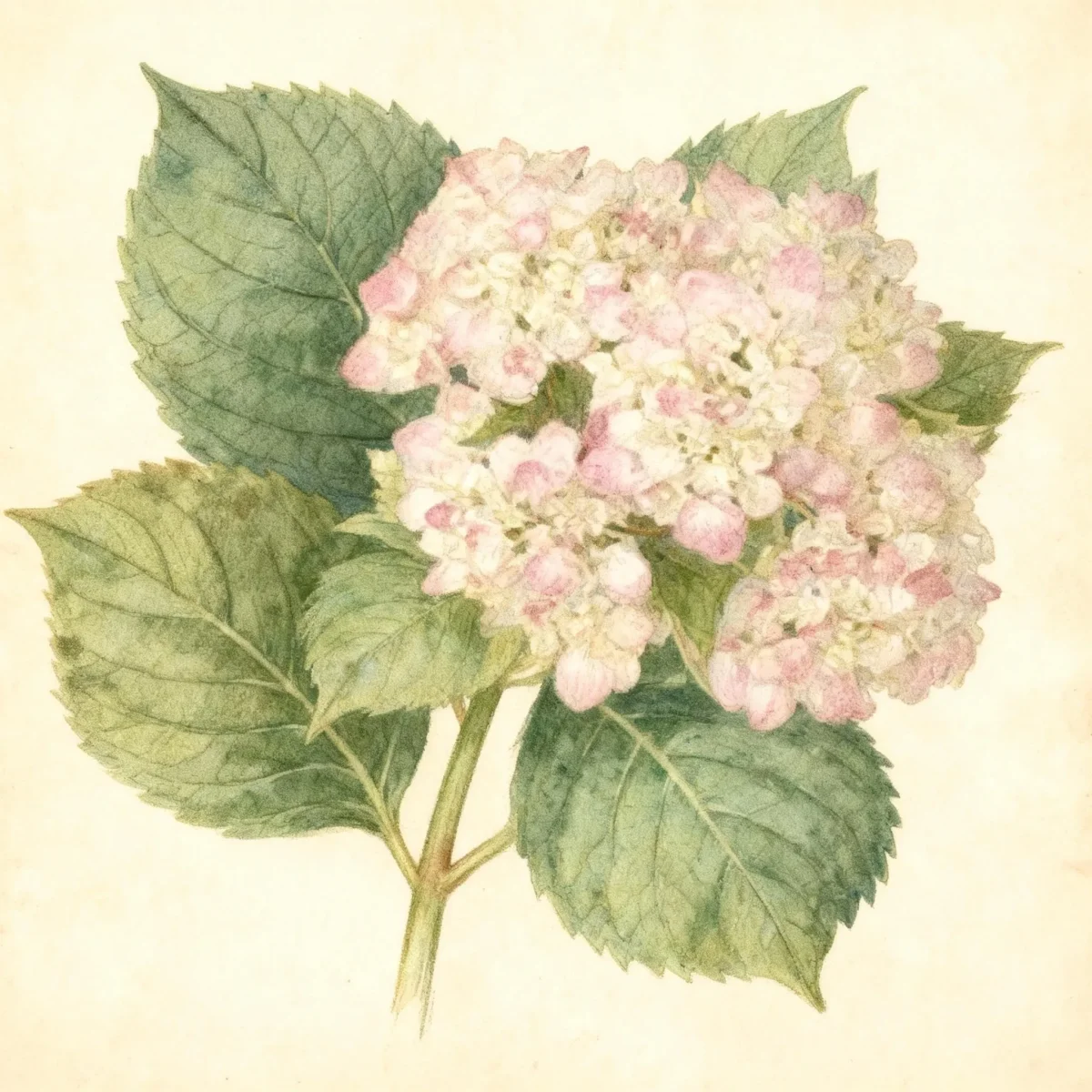
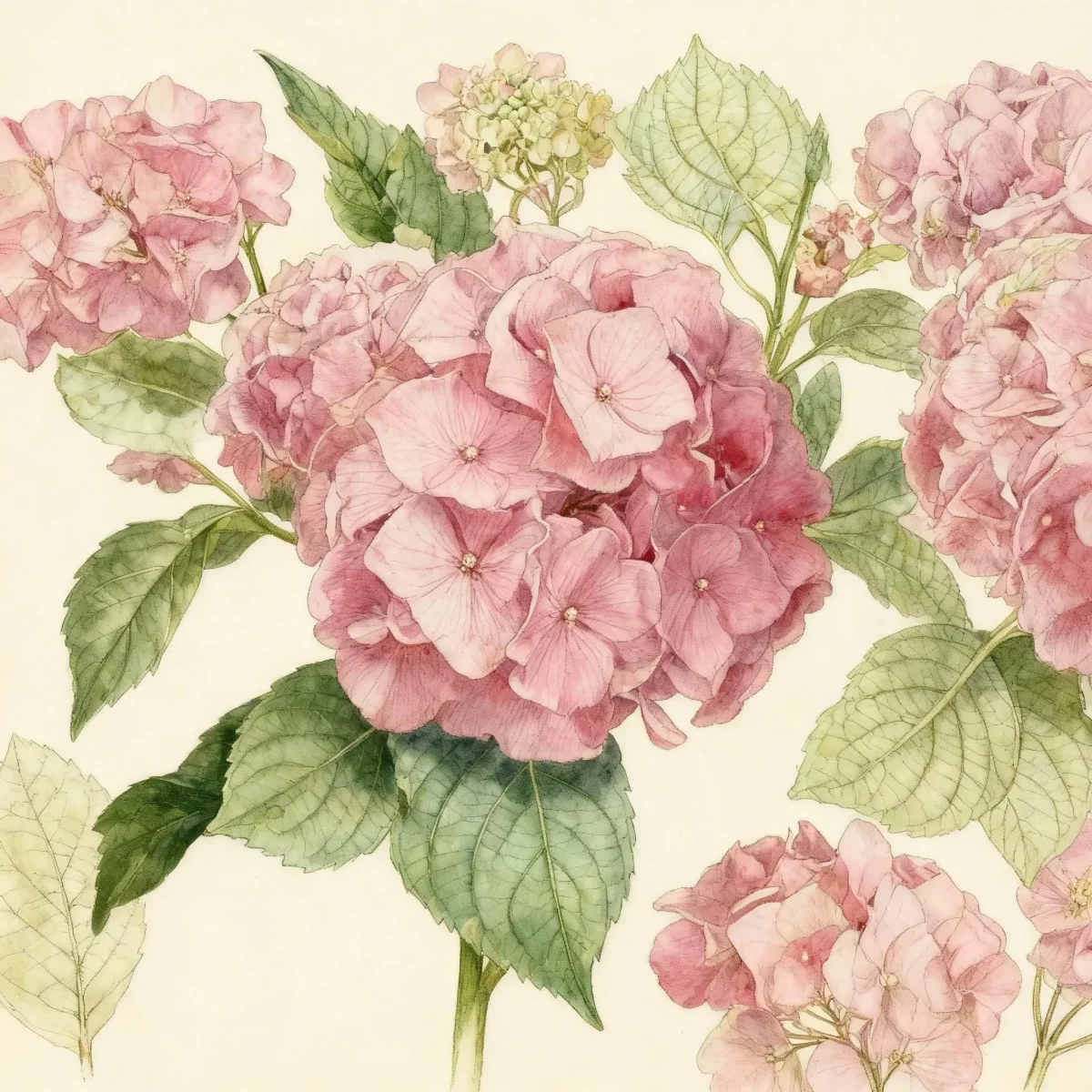
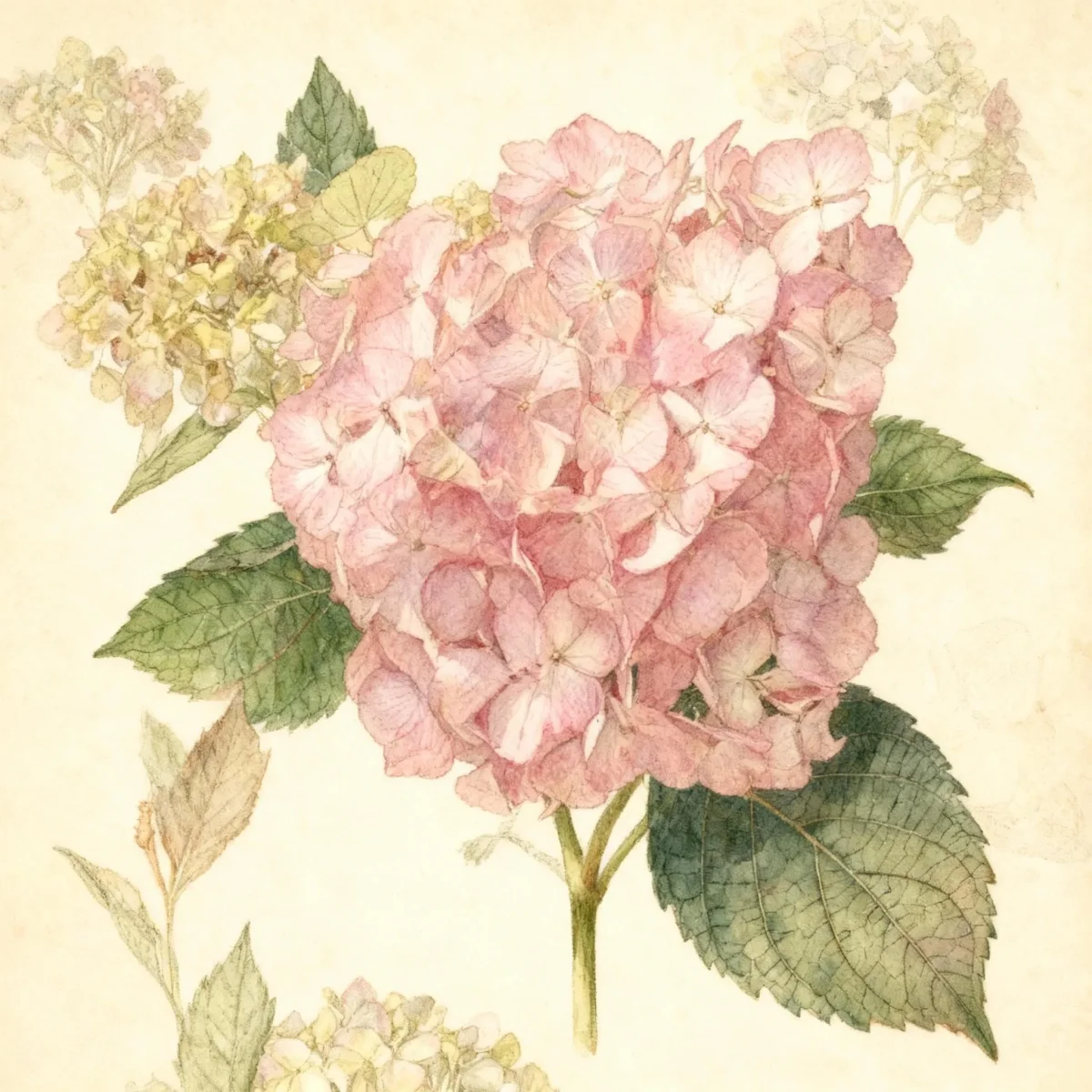
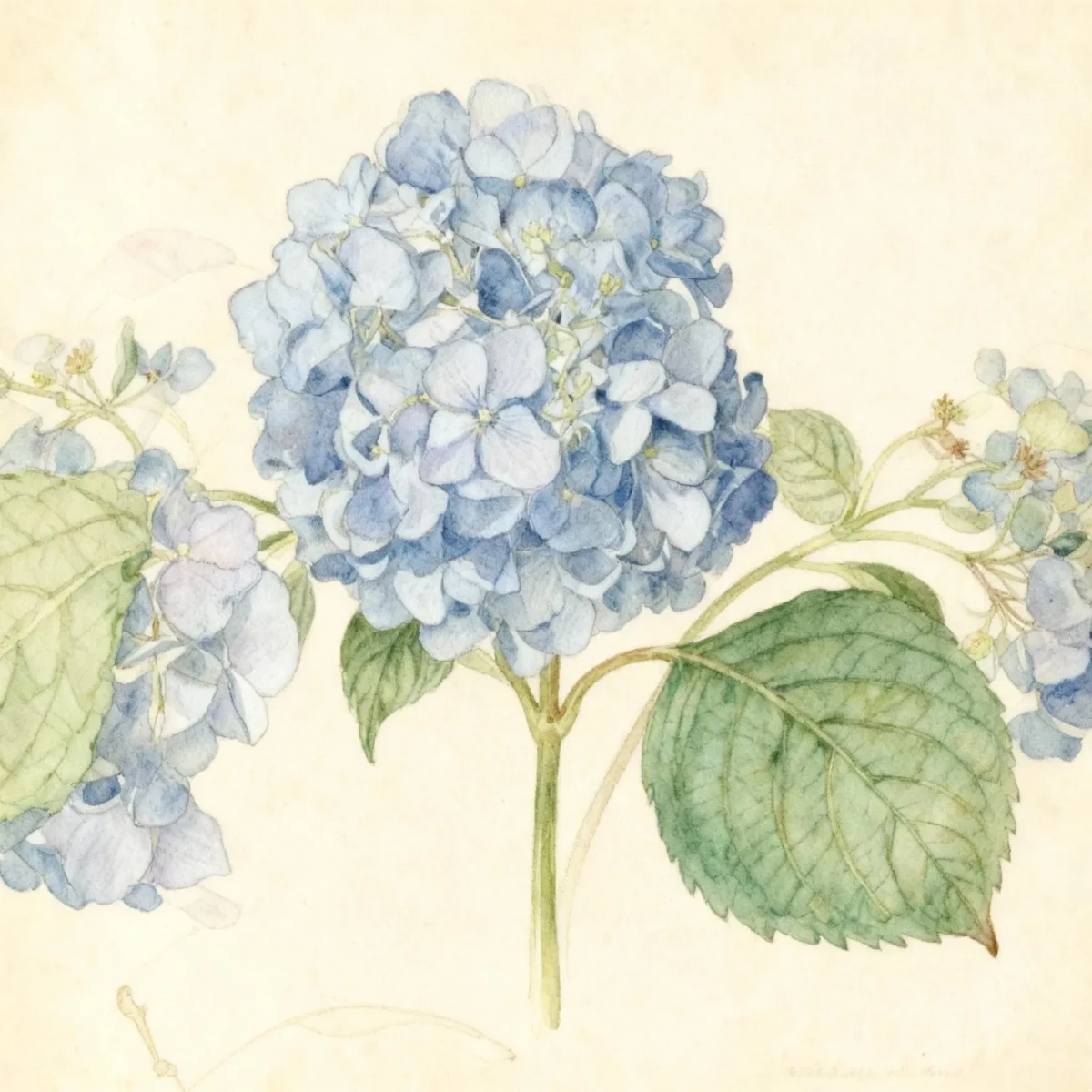
Bigleaf hydrangea (Hydrangea macrophylla 'Shamrock')
Hydrangea macrophylla 'Shamrock' is a compact, reliably blooming Bigleaf hydrangea, perfect for providing long-lasting summer color in partial shade.
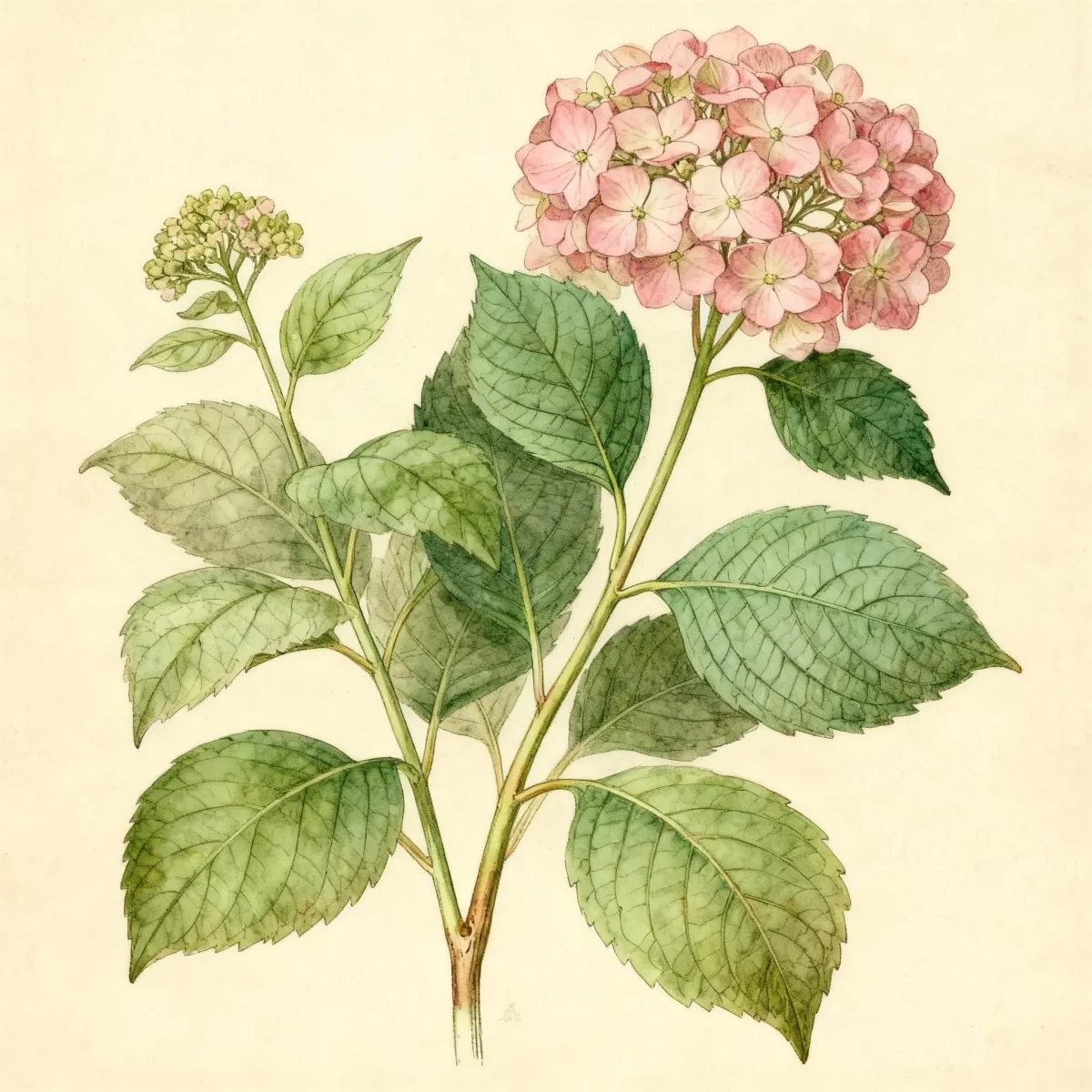

Bloom Boldly, No Matter the Season - Sweatshirt
Cozy organic cotton sweatshirt featuring our exclusive Purple Coneflower design. Perfect for gardeners who bloom year-round.
Inspired by the beautiful Bigleaf hydrangea
Limited first batch (50) — join the waitlist for early access
Waitlist closes Feb 15, 2026.
Complete Plant Information
Field Guide Continues
Ready for care notes, companion picks, and planting tips?
The map is just the start. The full guide below covers growth habits, seasonal performance, and landscape uses.
Overview
Hydrangea macrophylla ‘Shamrock’ provides gardeners with a beautiful, compact specimen belonging to the popular Bigleaf hydrangea group. This cultivar is highly valued for its lacecap flower form and its ability to maintain vibrant summer color for extended periods, often blooming for up to two months starting in mid-summer. As a deciduous shrub, it offers season-long interest with its deeply textured, dark green foliage providing an excellent backdrop for the unique blooms.
The appeal of Hydrangea macrophylla ‘Shamrock’ lies in its manageable size, typically reaching 3 to 4 feet tall and wide, making it suitable for smaller gardens or foundation plantings where larger shrubs would overwhelm the space. Like many Hydrangea macrophylla, its bloom color is sensitive to soil pH, shifting from pinker tones in less acidic soil to bluer in highly acidic conditions, though ‘Shamrock’ features bright pink sterile florets that are double in structure.
Gardeners looking for reliable summer color appreciate the relatively medium maintenance required for this plant, provided its moisture and light needs are met. Successful cultivation of this Bigleaf hydrangea centers on providing rich, well-drained soil and protection from intense afternoon sun, ensuring both optimal health and vibrant displays from this excellent lacecap variety.
Fast Facts
- Plant Family: Hydrangeaceae
- Plant Type: Deciduous shrub
- Hardiness Zones: USDA Zones 5-9
- Size at Maturity:
- Height: 3-4 ft
- Spread: 3-4 ft
- Bloom Time: June to July
- Bloom Description: Pink
- Sun Exposure: Part shade
- Water Needs: Medium
- Maintenance Level: Medium
How to Grow
Establish Hydrangea macrophylla ‘Shamrock’ in spring or fall in rich, medium-moisture, well-drained soil. While this Bigleaf hydrangea prefers part shade, it can manage full sun only if the soil remains consistently moist throughout the growing season. Start preparing your soil for desired flower color early; treatments with aluminum sulfate deepen blues, while adding lime encourages pink coloration.
Watering is crucial; maintain medium soil moisture consistently, especially in hotter parts of Zones 7-9. Pruning on this plant should be minimal. If necessary, always prune immediately after the current season’s flowers fade by cutting stems back only to a set of healthy buds. Remove any weak or winter-damaged wood in late winter or early spring before bud break.
For robust winter protection, especially for plants in Zone 5, choose a sheltered site. Apply a 3-inch layer of mulch annually using shredded bark, compost, or peat to help regulate soil temperature and moisture. Be aware that even with protection, harsh winters can still cause bud loss, a common characteristic of many older Hydrangea macrophylla cultivars.
Landscape Uses
The compact form of Hydrangea macrophylla ‘Shamrock’ makes it incredibly versatile in landscape design. It excels when massed or grouped in the shrub border, providing a solid mid-layer of texture and color. Its manageable 3-4 foot spread also makes it an excellent specimen plant near patios or entryways where its unique lacecap blooms can be easily appreciated up close.
Consider planting Hydrangea macrophylla ‘Shamrock’ near woodland gardens or beneath taller deciduous trees that offer dappled afternoon shade. It pairs beautifully with later-blooming perennials that take over when the hydrangea finishes its mid-summer show, or with lower-growing groundcovers that help keep the root zone cool and consistently moist. This is also a top choice for containers, provided the pots are large enough to accommodate its spread and offer adequate winter insulation in colder zones.
Standout Features
Flower Qualities
- Showy
Noteworthy Characteristics
Hydrangea macrophylla, commonly called big leaf hydrangea, is a deciduous shrub with a rounded habit that, in the St. Louis area, typically grows 3-6’ tall and as wide unless damaged by harsh winters or pruned smaller. It generally features serrate, obovate to elliptic, dark green leaves (4-8” long) and large clusters of long-blooming summer flowers in either lacecap form (flattened flower clusters of small fertile florets with scattered showy sterile florets often forming a marginal ring) or mophead form (globose flower clusters of mostly showy sterile florets). The genus name Hydrangea comes from hydor meaning “water” and aggeion meaning “vessel”, in reference to the cup-like capsular fruit. Specific epithet comes from the Greek words makros meaning large and phyllon meaning leaf in reference to plant leaves. ‘Shamrock’ is a lace cap cultivar that is slightly more compact in size, typically growing to 3-4’ tall and as wide. It features pink sterile florets (florets are double) in mid-summer that mature to a deeper pinkish-red. Florets emerge bluer maturing to a more violet color as soil acidity increases. Blooms in July for up to two months.
Tolerances
There are no established tolerance attributes listed for this specific cultivar.
Potential Problems
This Bigleaf hydrangea displays some susceptibility to common shrub diseases, including bud blight, bacterial wilt, leaf spot, and mildew. To minimize disease risk, ensure excellent air circulation by providing adequate spacing, as recommended for its 3-4 foot spread. Keeping foliage dry, especially at night or during extended wet periods, can help prevent fungal issues like mildew and leaf spot.
Aphids are occasional pest visitors that may target tender new growth. If an infestation occurs, control can usually be achieved through strong jets of water or the application of insecticidal soap. Avoid heavy nitrogen fertilization, which promotes soft, rapid growth highly attractive to sucking insects.
Frequently Asked Questions
What hardiness zones is Bigleaf hydrangea suitable for?
Hydrangea macrophylla ‘Shamrock’ is hardy in USDA Zones 5 through 9, though extra winter protection is advised for Zone 5 plantings to safeguard flower buds.
How large does Hydrangea macrophylla ‘Shamrock’ grow?
This compact Bigleaf hydrangea typically matures to a height between 3 and 4 feet, with a similar spread between 3 and 4 feet wide.
When does Hydrangea macrophylla ‘Shamrock’ bloom?
This variety generally produces flowers from June through July. The bloom color will appear pink unless soil $\text{pH}$ is adjusted to promote bluer tones.
What sun exposure does Bigleaf hydrangea need?
For the best results, plant Hydrangea macrophylla ‘Shamrock’ in part shade. It can tolerate more sun if soil moisture levels are kept consistently high.
Conclusion
The compact size and durable, long-blooming lacecap flowers make Hydrangea macrophylla ‘Shamrock’ an exceptionally valuable addition for gardeners seeking mid-summer interest without the bulk of larger shrubs. Ensure you plan your placement considering its part-shade requirement and medium water needs to unlock the best display from this Bigleaf hydrangea. Check your local climate zone compatibility before planting this season.
Design Ideas
When integrating Hydrangea macrophylla ‘Shamrock’ into the garden, consider pairing it with plants that thrive under similar moisture conditions but offer contrasting flower textures or bloom times. Hostas, Astilbes, and Japanese Forest Grass (Hakonechloa macra) are excellent companions, as they share a preference for part shade and rich, consistent moisture. These companions offer fine textures that highlight the bolder, serrated leaves of the hydrangea.
For foundation plantings or near walkways, maintain the recommended 3-foot spacing between individual plants to prevent overcrowding, which can lead to poor air circulation critical for preventing mildew. When using the color-shifting capabilities, select a planting area where soil amendments are easy to apply annually, such as a raised bed or well-defined border edge, to maximize the visual impact of saturated pink or vibrant blue mopheads.
Companion Planting
Companion planting with Hydrangea macrophylla ‘Shamrock’ should focus on species that thrive in dappled light and moist, fertile soils. Shade-loving annuals like Impatiens or Begonias can fill in the base layer during the summer, providing continuous ground color around the base of the shrub. For year-round structure, consider evergreen groundcovers such as Vinca minor or low-growing Helleborus varieties, which will provide winter interest when the Bigleaf hydrangea is dormant.
Ensure that companion plants do not aggressively compete for surface water, as hydrangeas are relatively thirsty. Utilizing deep, organic mulch, as recommended for ‘Shamrock’, will help unify the landscape bed, conserving moisture for all inhabitants while suppressing weeds. These carefully selected partners enhance the aesthetic appeal while supporting the cultural needs of this lovely shrub.