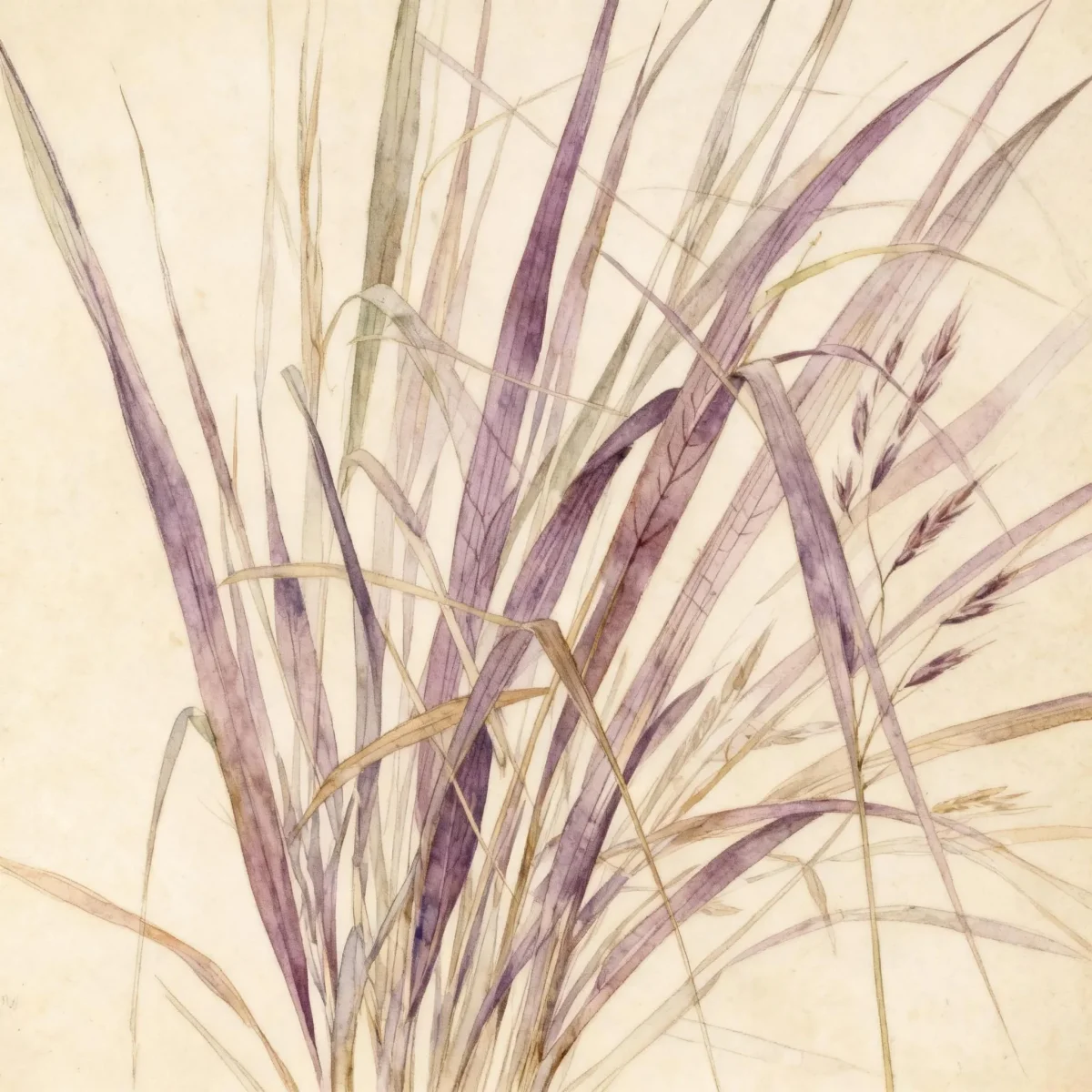
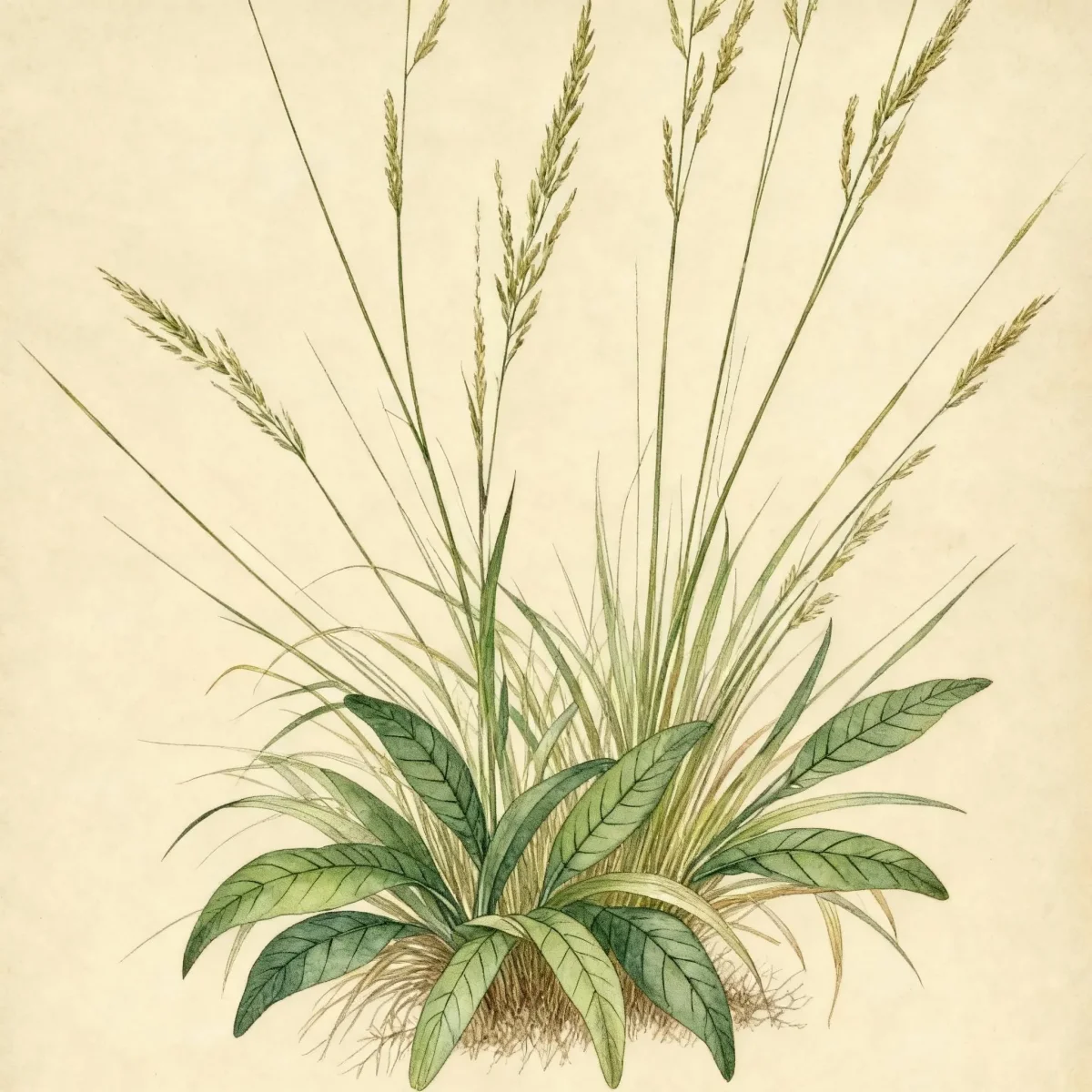
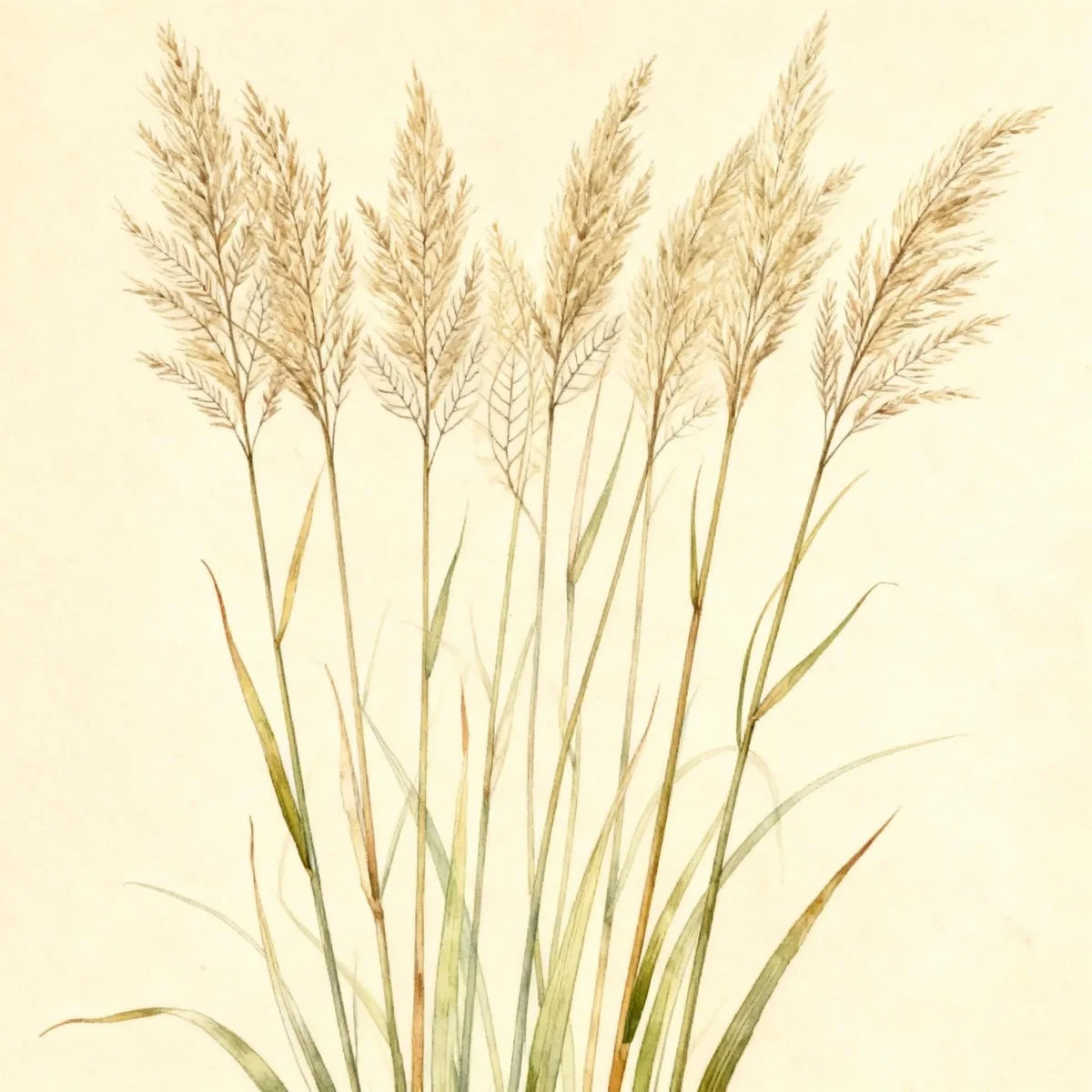
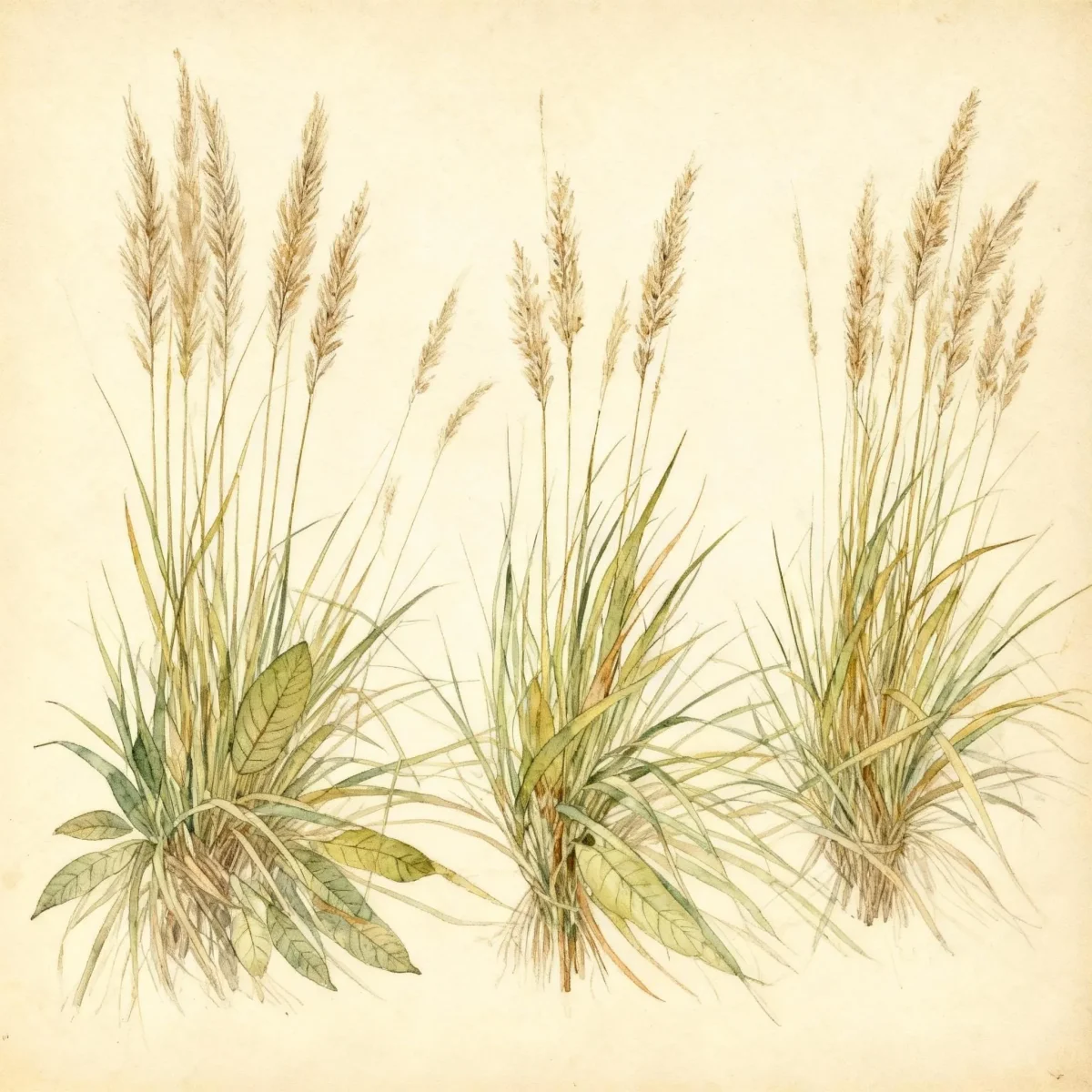
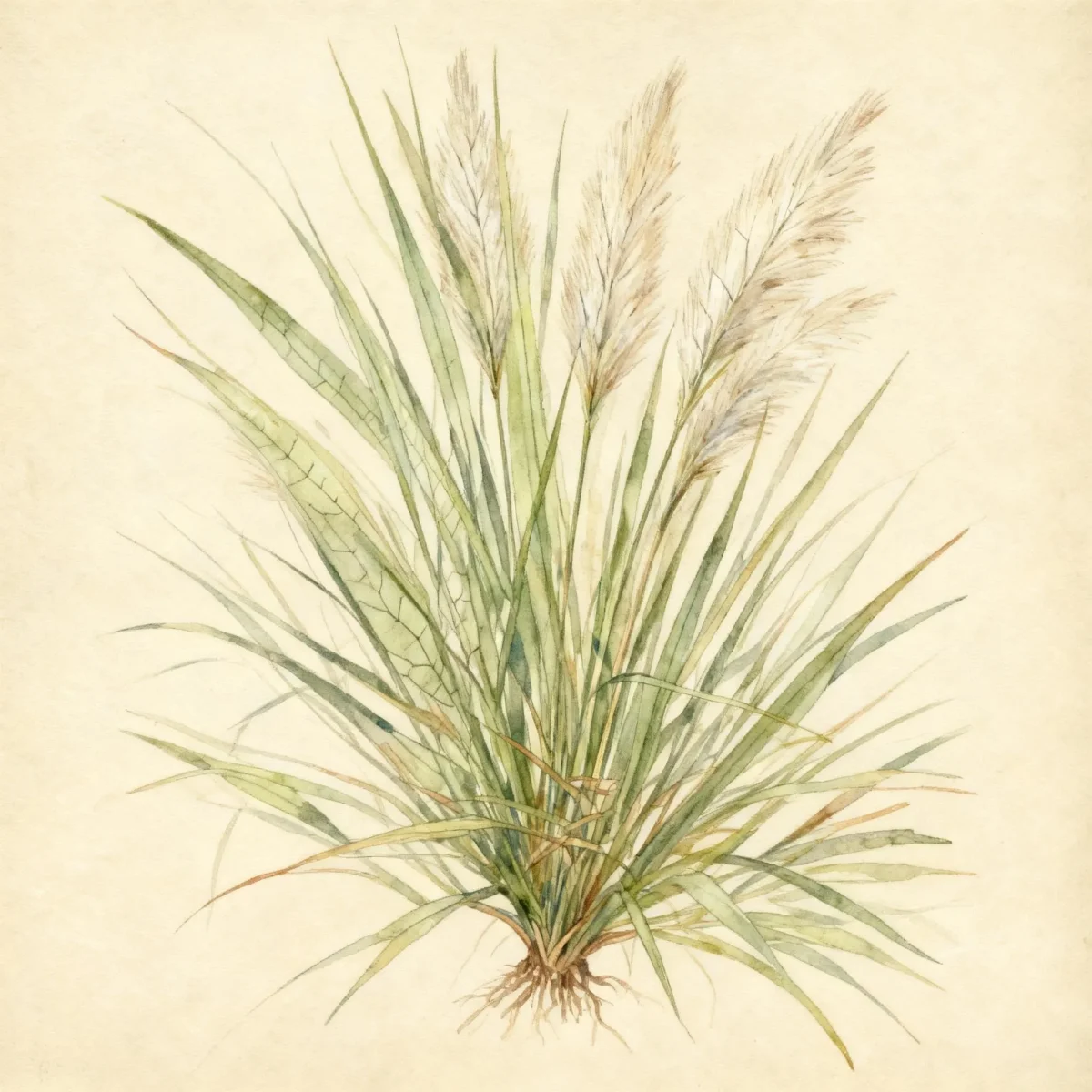
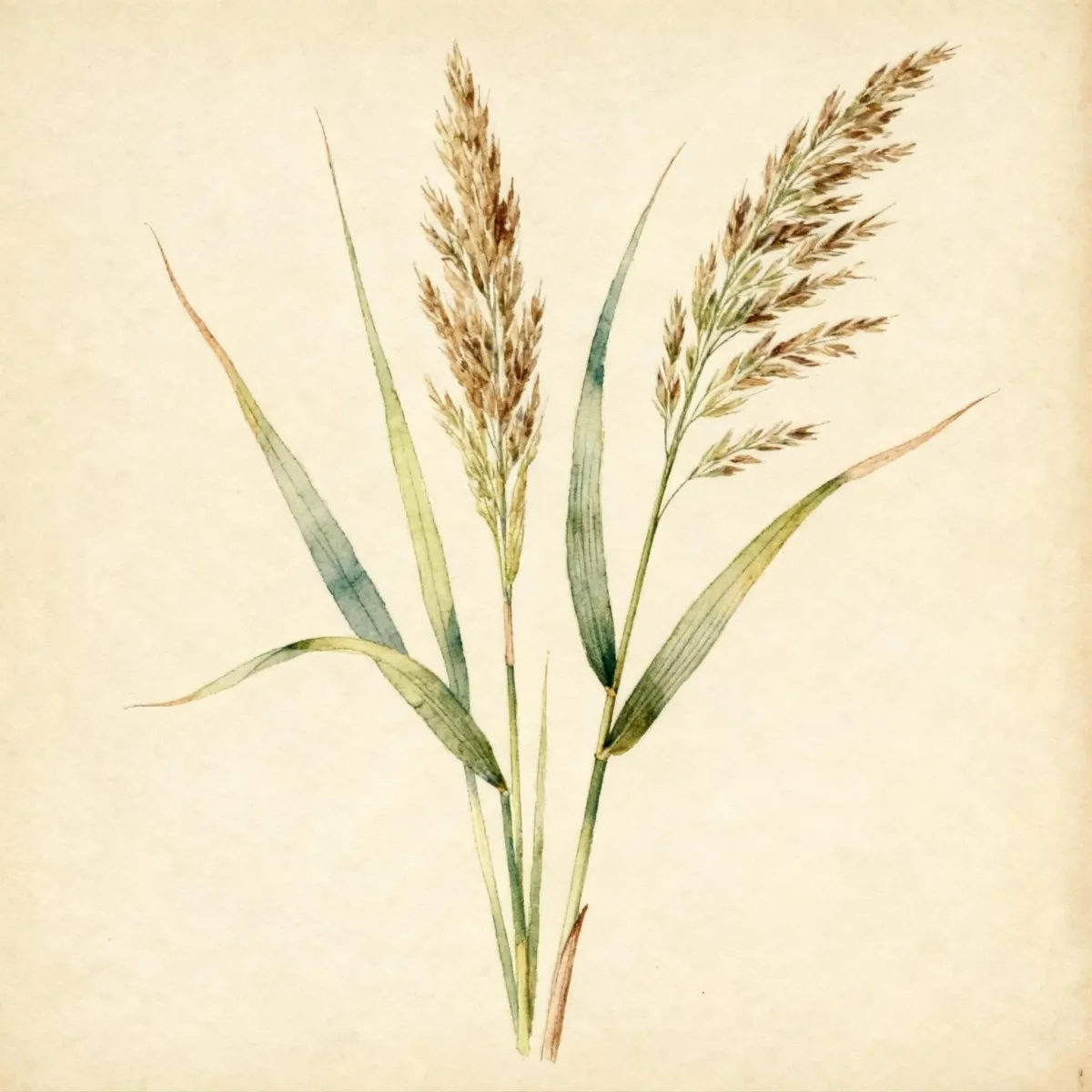
Purple moor grass (Molinia caerulea subsp. Caerulea 'Variegata')
Molinia caerulea subsp. caerulea 'Variegata' is a striking variegated Purple moor grass for wet soils. Low maintenance ornamental grass thriving in zones 4-9.

Bloom Boldly, No Matter the Season - Sweatshirt
Cozy organic cotton sweatshirt featuring our exclusive Purple Coneflower design. Perfect for gardeners who bloom year-round.
Inspired by the beautiful Purple moor grass
Limited first batch (50) — join the waitlist for early access
Waitlist closes Feb 15, 2026.
Complete Plant Information
Field Guide Continues
Ready for care notes, companion picks, and planting tips?
The map is just the start. The full guide below covers growth habits, seasonal performance, and landscape uses.
Overview
Molinia caerulea subsp. caerulea ‘Variegata’ offers distinct visual interest throughout the growing season, setting it apart from standard ornamental grasses. This cultivar, known commonly as Purple moor grass, features attractive variegated foliage that captures sunlight, making it an excellent structural element in the garden. It performs best as a dense, upright clump, providing vertical texture without overwhelming a space.
As a water-tolerant perennial grass, it adapts well to moist sites where other plants might struggle. The species Molinia caerulea is known for its adaptability, and this cultivar maintains an easy-care nature, making it perfect for gardeners seeking reliable performance. Enjoy the delicate, purple-tinged summer blooms that later transition into attractive tan seed heads.
The primary appeal of Molinia caerulea subsp. Caerulea ‘Variegata’ lies in its contrasting stripes and its ability to thrive in full sun settings requiring medium to wet moisture levels. While it is slow-growing, the reward is a refined, low-maintenance specimen ideal for contemporary or naturalistic landscape designs.
Fast Facts
- Plant Family: Poaceae
- Plant Type: Ornamental grass
- Hardiness Zones: USDA Zones 4-9
- Size at Maturity:
- Height: 1-2.5 ft
- Spread: 1-2.5 ft
- Bloom Time: July to September
- Bloom Description: Purple tinged
- Sun Exposure: Full sun
- Water Needs: Medium to wet
- Maintenance Level: Low
How to Grow
Plant Molinia caerulea subsp. caerulea ‘Variegata’ during the spring or fall in a location receiving full sun. This Purple moor grass prefers average, medium to wet, well-drained soil, though it benefits greatly from acidic conditions. Ensure consistent moisture is available, especially as the plant establishes itself.
Maintenance is generally low for this ornamental grass. Avoid heavy fertilization, as this can compromise its compact form. While it tolerates light shade, flowering vigor decreases significantly outside of bright light, particularly in hotter climates where performance is best in cooler summers.
Prune the clump once yearly. Unlike many grasses that retain structure, the foliage and flower stalks of Molinia caerulea typically break down naturally in late fall. Cut all surviving foliage back to the ground in early spring (late February or March) just before new growth emerges.
Be patient with establishment, as Molinia caerulea subsp. Caerulea ‘Variegata’ is a slow-growing grass. Avoid starting with very small divisions, as reaching peak maturity may take several growing seasons.
Landscape Uses
This versatile ornamental grass excels in damp areas, making it a perfect candidate for a rain garden application where soil remains consistently moist. Consider placing Molinia caerulea subsp. caerulea ‘Variegata’ as an accent plant or specimen where its striped variegation can be fully appreciated up close.
Its moderate size allows for excellent use in borders, where its see-through quality helps connect foreground and background plantings without creating an opaque barrier. Grouping several plants creates a textured meadow look, or use it massed around pond edges, playing off its preference for wet soil. The excellent golden fall color adds significant late-season interest to cottage or wild gardens.
Standout Features
Flower Qualities
- Showy
Noteworthy Characteristics
The selection ‘Variegata’ forms a compact, clump-forming habit featuring finely textured leaf blades strikingly marked with creamy yellow and green longitudinal stripes. Mature plants send up profuse, erect flowering stalks topped by slender panicles tinted with yellow-tan and purple tones. As the season progresses, the variegated foliage turns a rich yellow hue in the fall, mirroring the turning color of the flower panicles.
Tolerances
- Erosion
- Wet Soil
- Black Walnut
- Air Pollution
Potential Problems
This Purple moor grass experiences very few serious horticultural issues, generally avoiding major insect infestations or diseases. The main challenge for growers is patience, as Molinia caerulea subsp. caerulea ‘Variegata’ is known for its slow growth rate. When planting, site selection is key; ensure the soil drainage is adequate, even if moist, to prevent rot, and avoid overly rich soils that might encourage flopping.
Frequently Asked Questions
What hardiness zones is Purple moor grass suitable for?
Molinia caerulea subsp. caerulea ‘Variegata’ is best suited for USDA Hardiness Zones 4 through 9.
How large does Molinia caerulea subsp. Caerulea ‘Variegata’ grow?
This ornamental grass typically reaches a height between 1 and 2.5 feet, with a similar spread of 1 to 2.5 feet.
When does Molinia caerulea subsp. caerulea ‘Variegata’ bloom?
Bloom time generally occurs from July through September, featuring slender flowers that are tinged with purple tones.
What sun exposure does Purple moor grass need?
For best performance and vigorous flowering, this grass should be planted in full sun conditions.
Conclusion
Molinia caerulea subsp. caerulea ‘Variegata’ offers unique, high-contrast foliage and reliable color, making it a valuable, low-maintenance choice for moist garden areas. Ensure you purchase a reasonably sized starter plant to minimize the wait time for this slow-growing Purple moor grass to reach maturity. Always check that your location falls within USDA Zones 4-9 before planning your spring planting.
Companion Planting
Consider pairing Molinia caerulea subsp. caerulea ‘Variegata’ with moisture-loving perennials that share its preference for acidic soil conditions. Astilbes (Astilbe spp.) provide contrasting feathery plumes and excellent filtered color, while Iris species that tolerate wet feet, such as Siberian Iris (Iris sibirica), offer strong vertical accents alongside the fine texture of the variegated grass. For lower plantings near the front of a border, consider marsh marigolds or rodgersia, which thrive in the same consistently moist environments.
Design Ideas
The vertical habit and variegated leaves of this Purple moor grass lend themselves perfectly to modern, minimalist designs where clean lines and texture contrast are prioritized. Use it sparingly as a specimen plant placed near water features or along a walkway to highlight the stripes. In a naturalistic garden setting, allow it to mingle with shorter, broad-leaved sedges or groundcovers that can help suppress weeds while the Molinia caerulea clump develops its signature height.