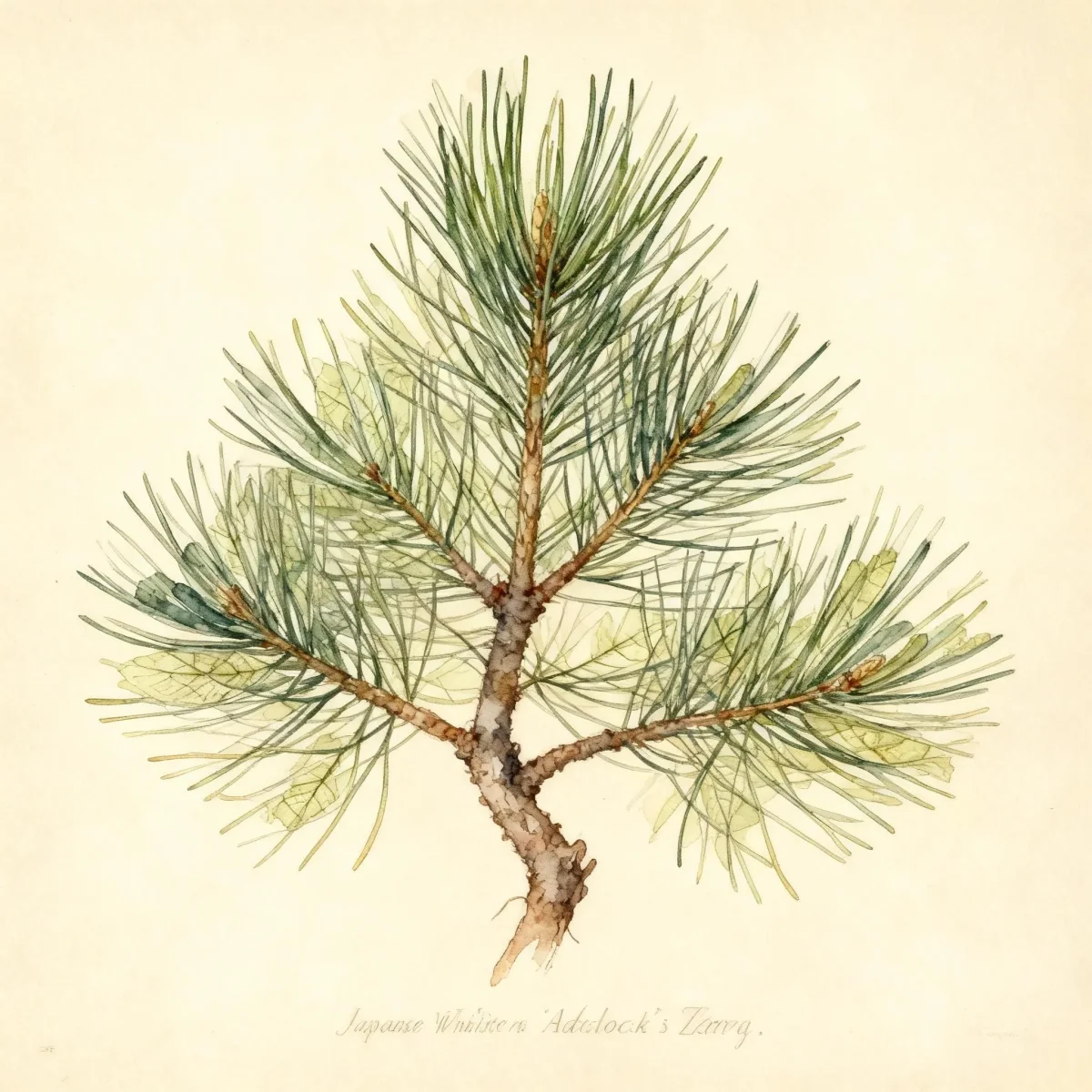
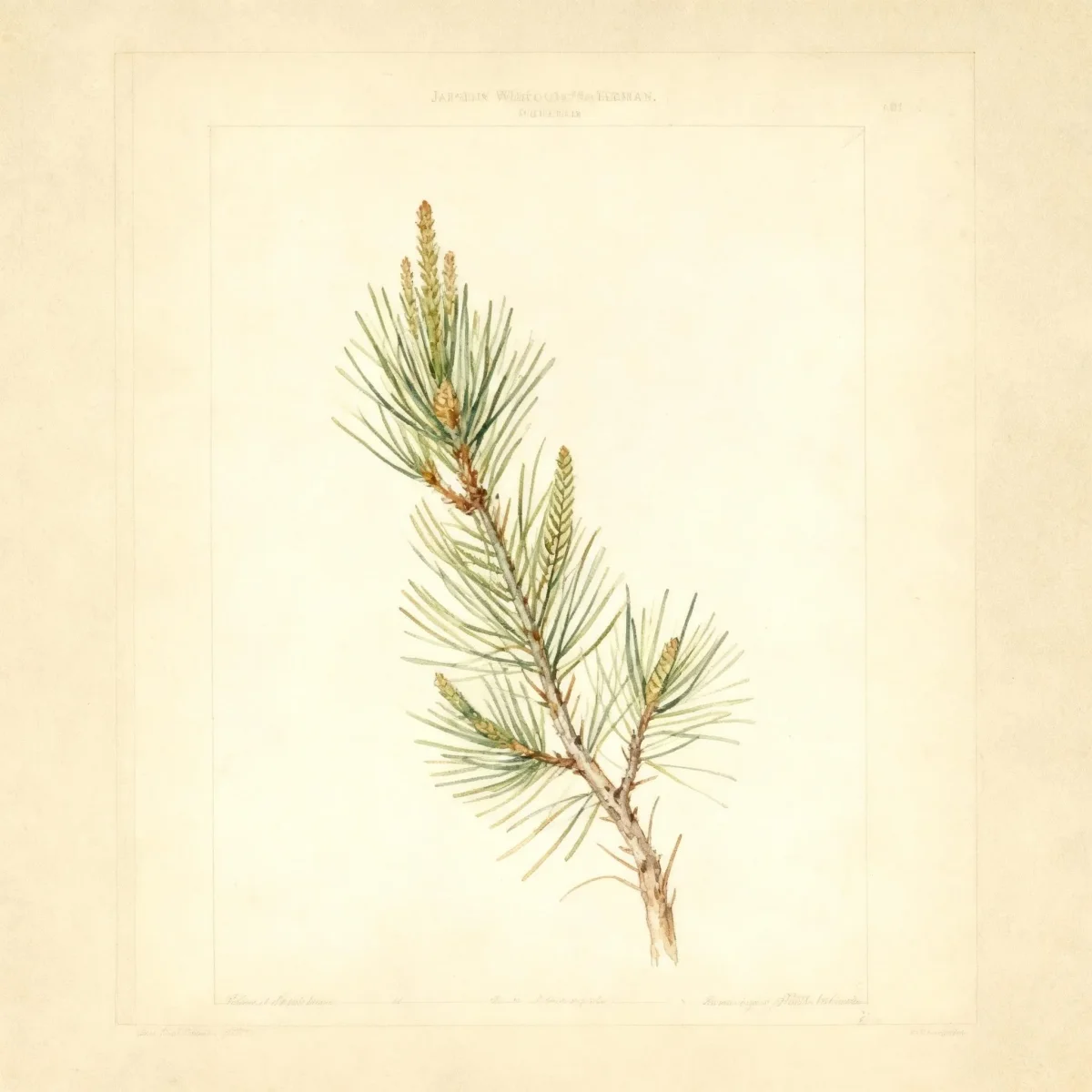
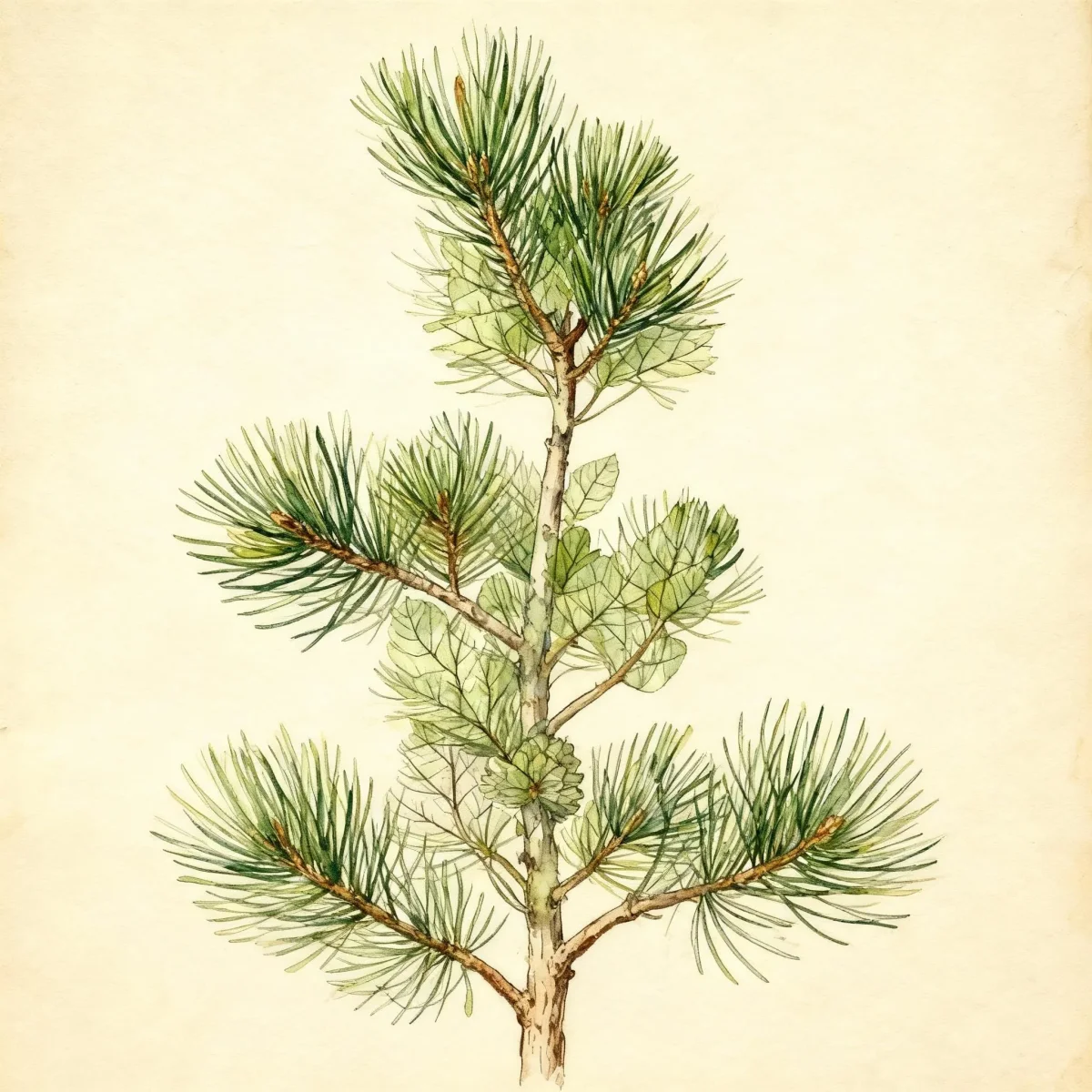
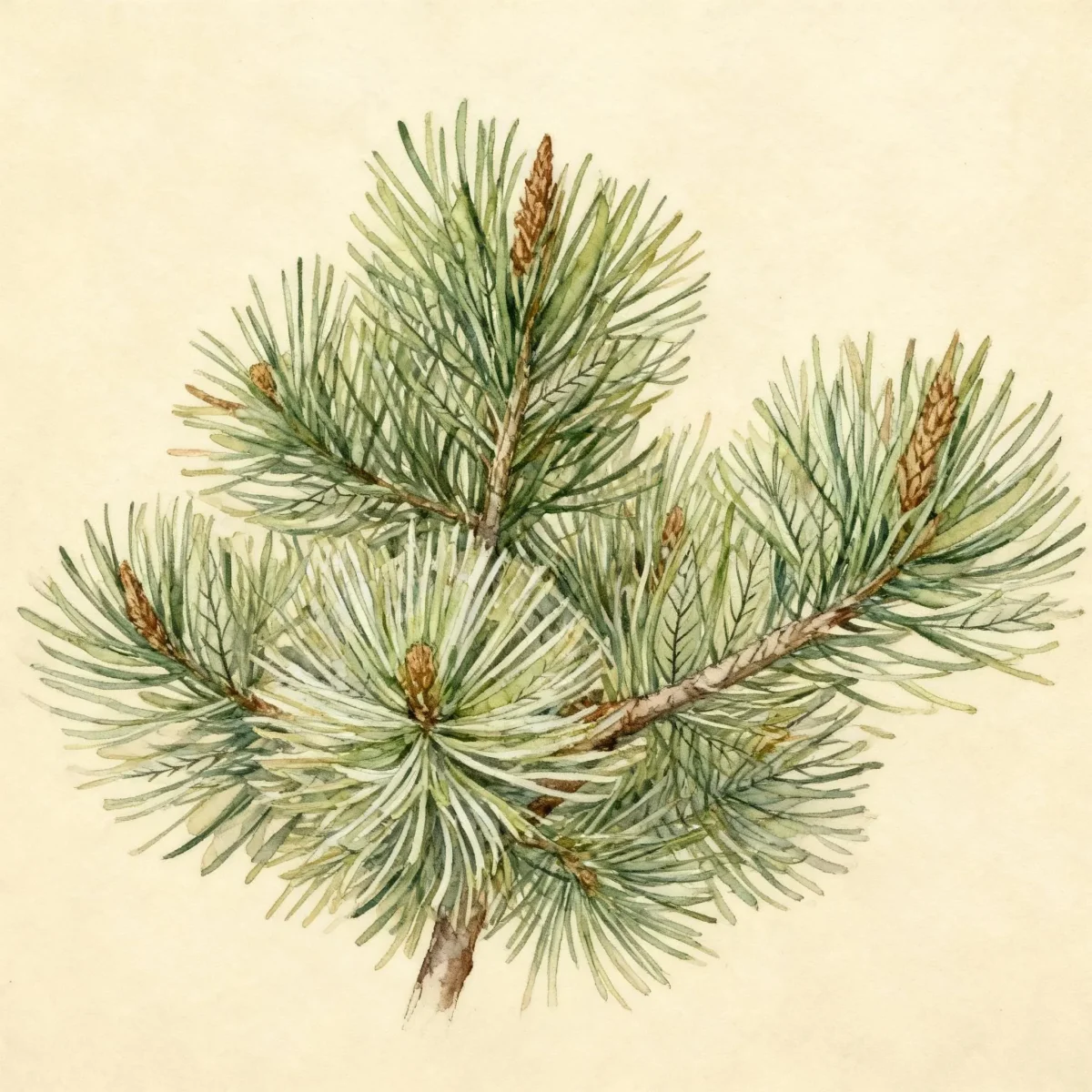
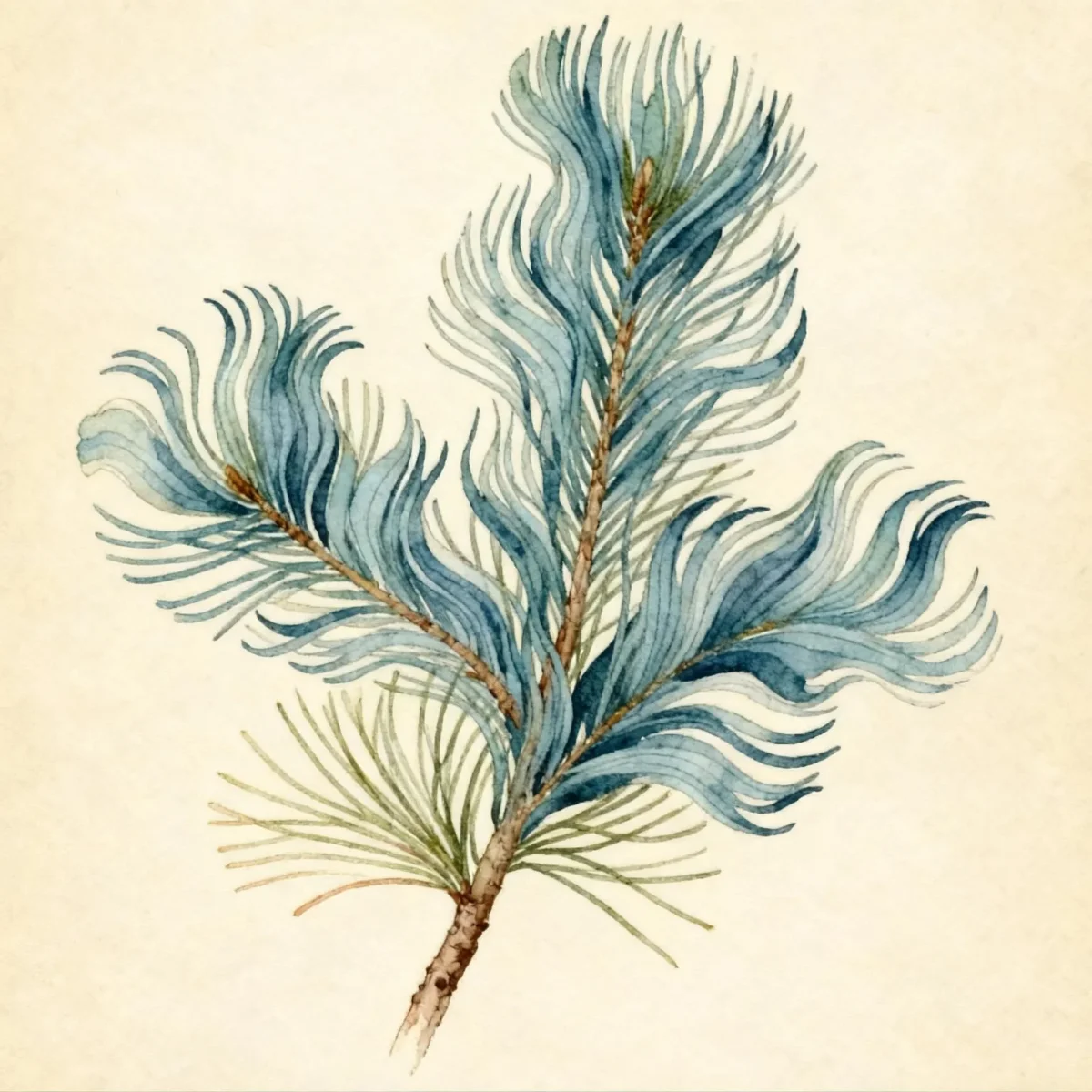
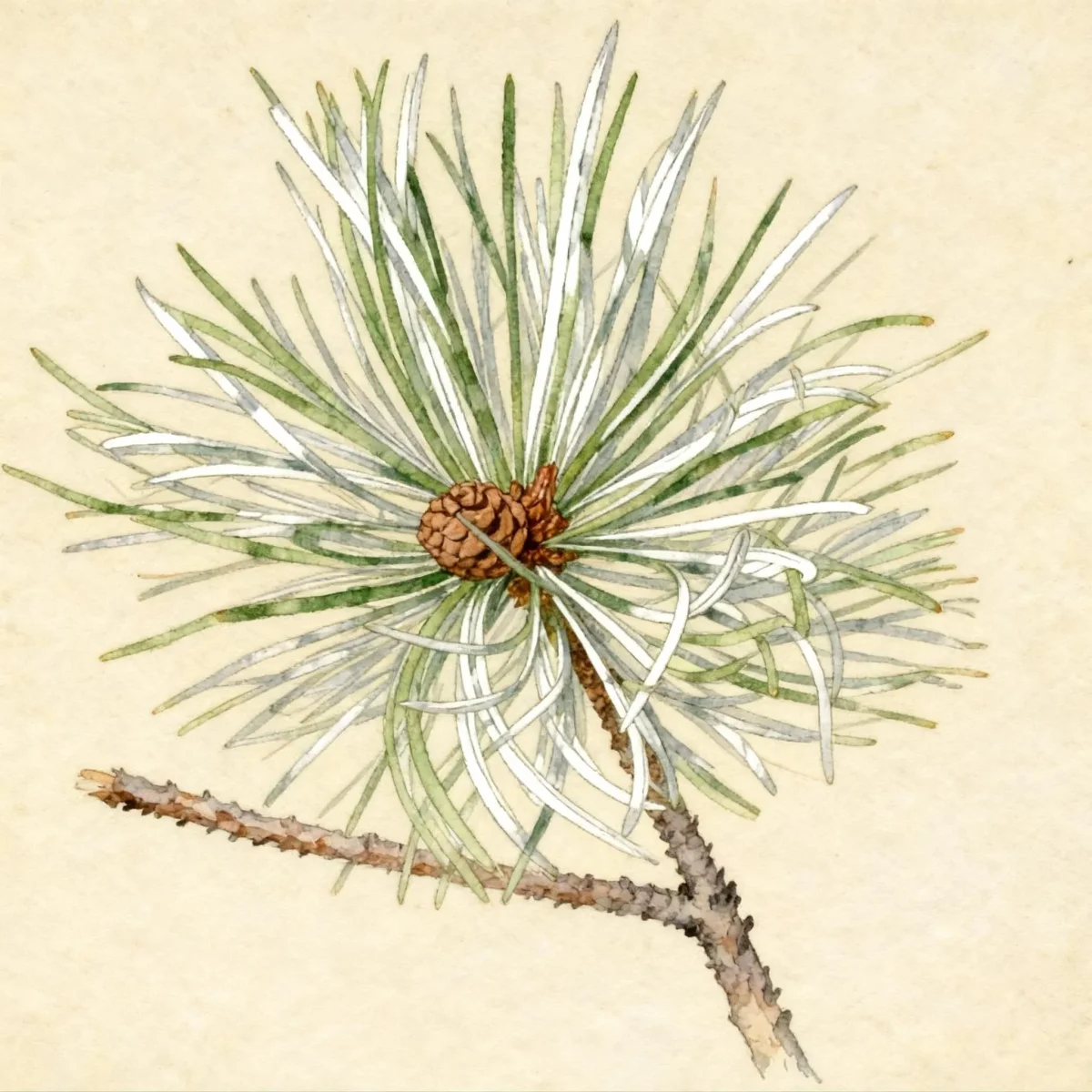
Japanese white pine (Pinus parviflora (Glauca Group))
Ornamental needled evergreen, Pinus parviflora (Glauca Group), offers distinctive blue-green needles. Ideal specimen tree for Zones 5-7.
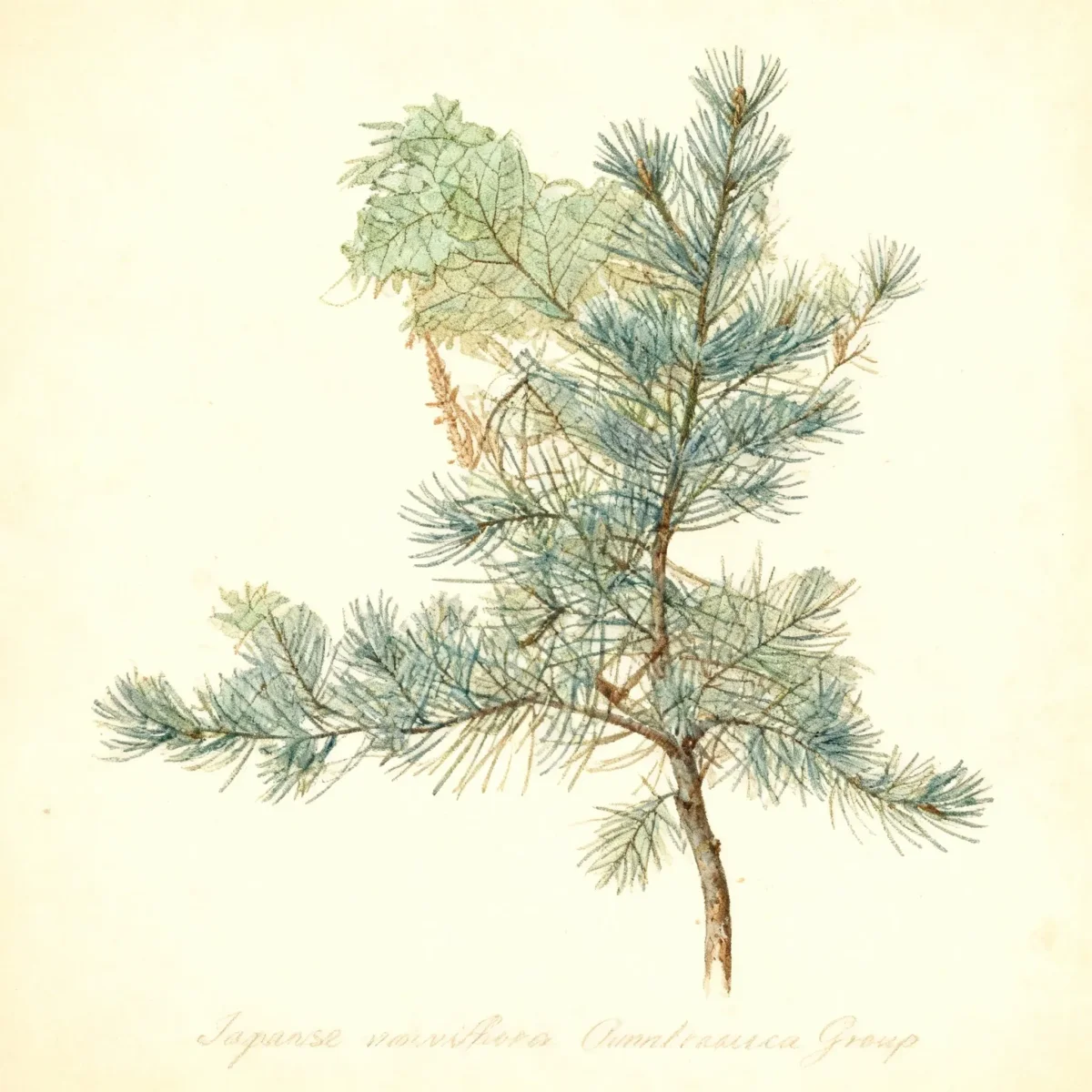

Bloom Boldly, No Matter the Season - Sweatshirt
Cozy organic cotton sweatshirt featuring our exclusive Purple Coneflower design. Perfect for gardeners who bloom year-round.
Inspired by the beautiful Japanese white pine
Limited first batch (50) — join the waitlist for early access
Waitlist closes Feb 15, 2026.
Complete Plant Information
Field Guide Continues
Ready for care notes, companion picks, and planting tips?
The map is just the start. The full guide below covers growth habits, seasonal performance, and landscape uses.
Overview
The Pinus parviflora (Glauca Group), widely known as Japanese white pine, is a highly valued ornamental conifer recognized for its striking, glaucous (blue-tinged) needles that contrast beautifully against the landscape. This evergreen provides year-round structure and texture, making it an excellent choice for focal points in discerning gardens.
Originating from Japan and Korea, this specimen tree maintains a dense pyramidal habit when young, transitioning to a broader, more spreading form with age. The needles are presented in soft tufts, often twisted, drawing attention to the species’ elegant structure.
Gardeners select the Japanese white pine for its unique coloring and moderate size in cultivation, ensuring it serves as a sophisticated specimen plant where cooler summers allow it to thrive. Proper placement ensures this beautiful Pinus parviflora (Glauca Group) fulfills its considerable landscape potential.
Fast Facts
- Plant Family: Pinaceae
- Plant Type: Needled evergreen
- Hardiness Zones: USDA Zones 5-7
- Size at Maturity:
- Height: 20-40 ft
- Spread: 20-50 ft
- Bloom Time: Non-flowering
- Bloom Description: Non-flowering
- Sun Exposure: Full sun
- Water Needs: Medium
- Maintenance Level: Medium
How to Grow
Planting the Japanese white pine is best achieved in the spring or fall, allowing the roots time to establish before facing temperature extremes. Success hinges on location; select a site that provides ample full sun exposure throughout the day. While tolerant of various soil conditions, including poor soils, excellent drainage is non-negotiable for this species. Avoid low-lying areas where water tends to pool.
Establish a watering routine that keeps the soil consistently at a medium moisture level, especially during the initial establishment period. Once mature, the Pinus parviflora (Glauca Group) is somewhat drought-tolerant but benefits from deep watering during prolonged dry spells. Fertilization is rarely necessary unless the soil is severely deficient, but slow-release, balanced fertilizers applied in early spring can support robust growth.
Pruning should be judicious, focusing primarily on removing dead or damaged wood. Avoid heavy shearing, as this can negatively impact the natural form of the Pinus parviflora (Glauca Group). Be aware that this pine prefers cooler summer climates and will struggle in areas characterized by intense, prolonged heat and high humidity, which increases susceptibility to various issues.
Landscape Uses
The primary recommended use for the Japanese white pine is as a striking Specimen tree. Its mature form and distinctive needles make it a memorable focal point within a lawn area, where it can be viewed from multiple angles without obstruction. It works exceptionally well in contemporary or naturalistic garden designs where texture and form are prioritized over mass color.
When incorporating this conifer, consider companion planting it near broadleaf evergreens or deciduous shrubs that offer a contrasting foliage texture, such as Japanese maples (in appropriate zones) or certain rhododendrons. Ensure adequate space is allotted, as the mature spread of twenty to fifty feet requires considerable room, allowing the lower branches to develop naturally.
Standout Features
Environmental Tolerances
- Deer
Noteworthy Characteristics
Pinus parviflora, commonly called Japanese white pine, is native to Japan and Korea. It is an evergreen conifer that typically grows to 30-50’ tall in cultivation, but may reach 90’ tall in the wild. Trees have a dense pyramidal habit when young, but with age develop more spreading branching and a flatter top. The Glauca Group specifically features cultivars prized for their glaucous or blue needles, making them popular landscape accents.
Frequently Asked Questions
What hardiness zones is Japanese white pine suitable for?
The Pinus parviflora (Glauca Group) is suitable for USDA Hardiness Zones 5 through 7.
How large does Japanese white pine grow?
This species typically reaches a mature height between 20 and 40 feet, with a comparable spread ranging from 20 up to 50 feet.
What sun exposure does Pinus parviflora (Glauca Group) need?
The Japanese white pine requires Full sun exposure to maintain its best color and structure.
When does Pinus parviflora (Glauca Group) bloom?
This plant is classified as Non-flowering; it develops cones rather than traditional flowers.
Conclusion
The Japanese white pine offers exceptional aesthetic value, primarily through its distinctive blue-tinged needle bundles and superb architectural form, making it a worthwhile investment for gardeners in cooler macroclimates. If you reside within USDA Zones 5 to 7 and have a full-sun, well-drained location, integrating a Pinus parviflora (Glauca Group) will bring sophisticated texture to your landscape design. Check your local climate; success relies heavily on avoiding deep South heat and humidity.
Companion Planting
Selecting compatible neighbors enhances the visual appeal and success of your Japanese white pine. Since this conifer demands full sun and excellent drainage, pair it with other sun-loving, adaptable plants. Mid-sized shrubs with contrasting, fine-textured foliage, such as various Dwarf Mugo Pines or low-growing Juniper varieties, complement the texture without competing for light or root space.
Plants that appreciate similar soil conditions—well-drained but not constantly wet—should be considered. Avoid plants that require significant shade or rich, consistently moist soils, as these conditions will stress the Japanese white pine, potentially leading to maintenance issues later in its life cycle. Focus on low-growing perennials or creeping groundcovers near the drip line to keep the base area visually clean.
Seasonal Care Calendar
Spring is the critical time for preparing your Pinus parviflora (Glauca Group) for the growing season. Apply any needed slow-release fertilizer just as new growth begins, and perform an inspection for winter damage or emerging pests. Throughout the summer, monitor moisture levels, especially during drought periods, ensuring the deep watering becomes crucial to bolster the tree against potential heat stress.
In autumn, focus on cleanup around the base of the tree, removing heavy leaf litter that might trap excess moisture against the trunk, potentially fostering fungal issues through winter thaw cycles. Protection from heavy snow loads is sometimes required, particularly for younger specimens; a technique called “pot-cradling” or gentle bracing can prevent branch breakage, preserving the elegant profile of the Japanese white pine.