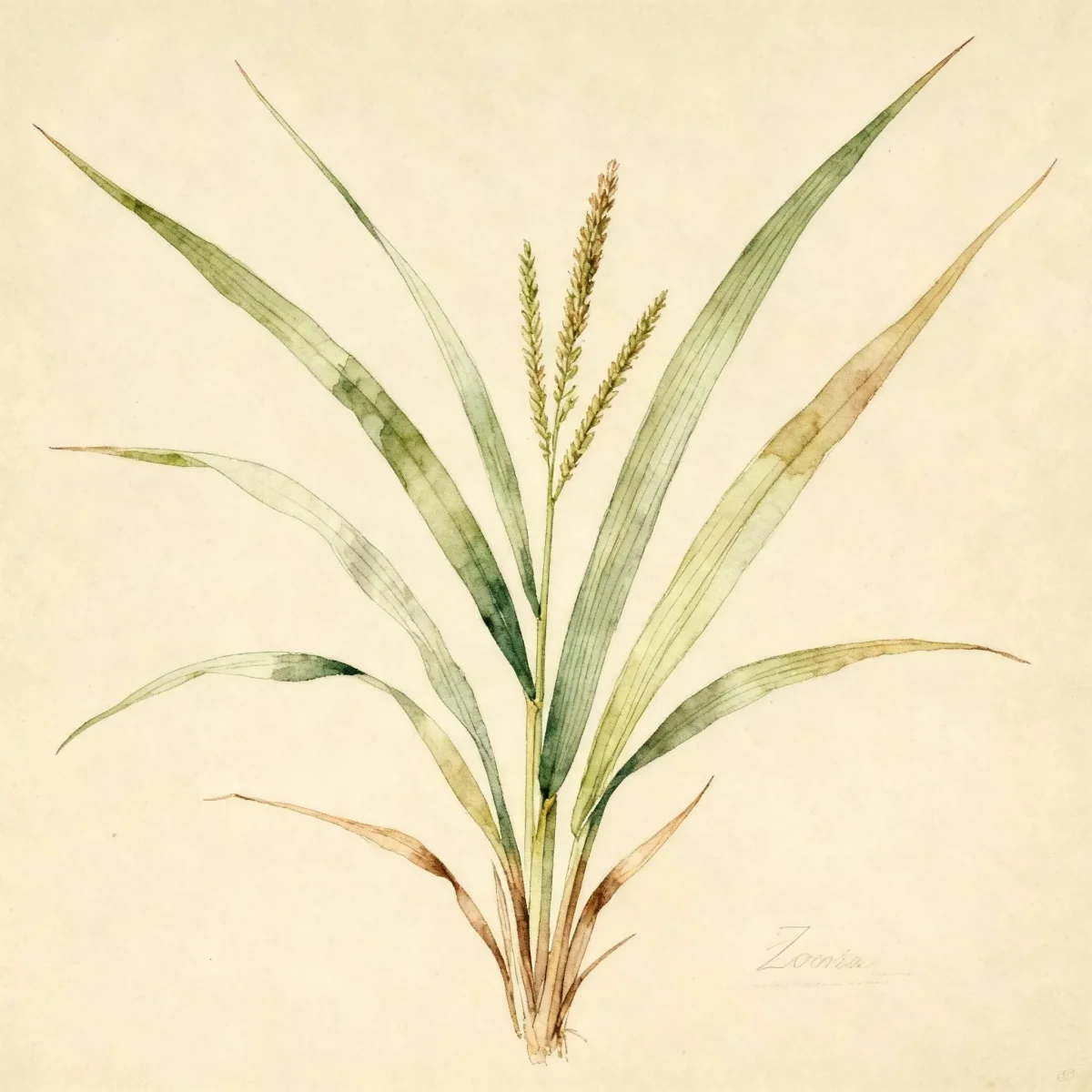
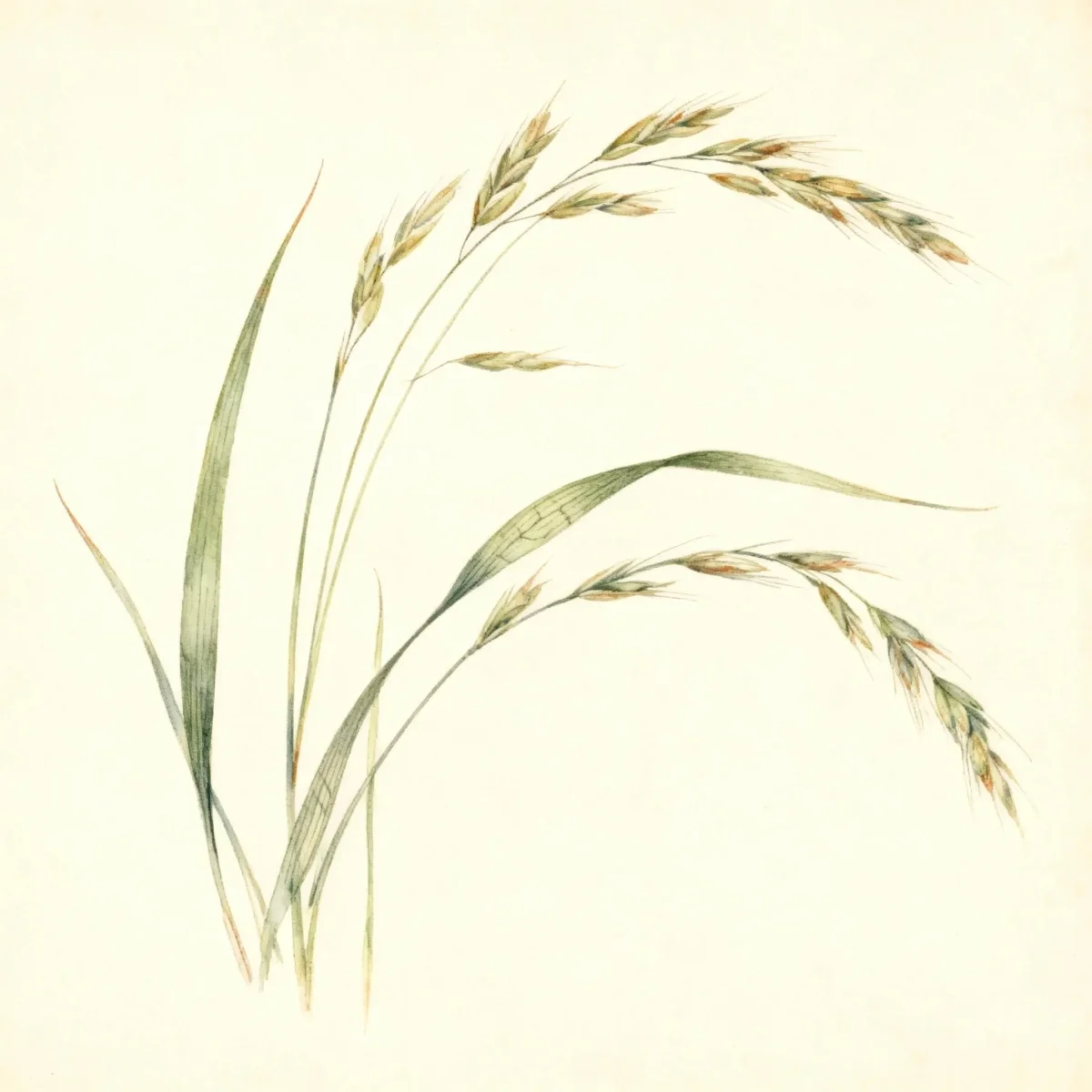
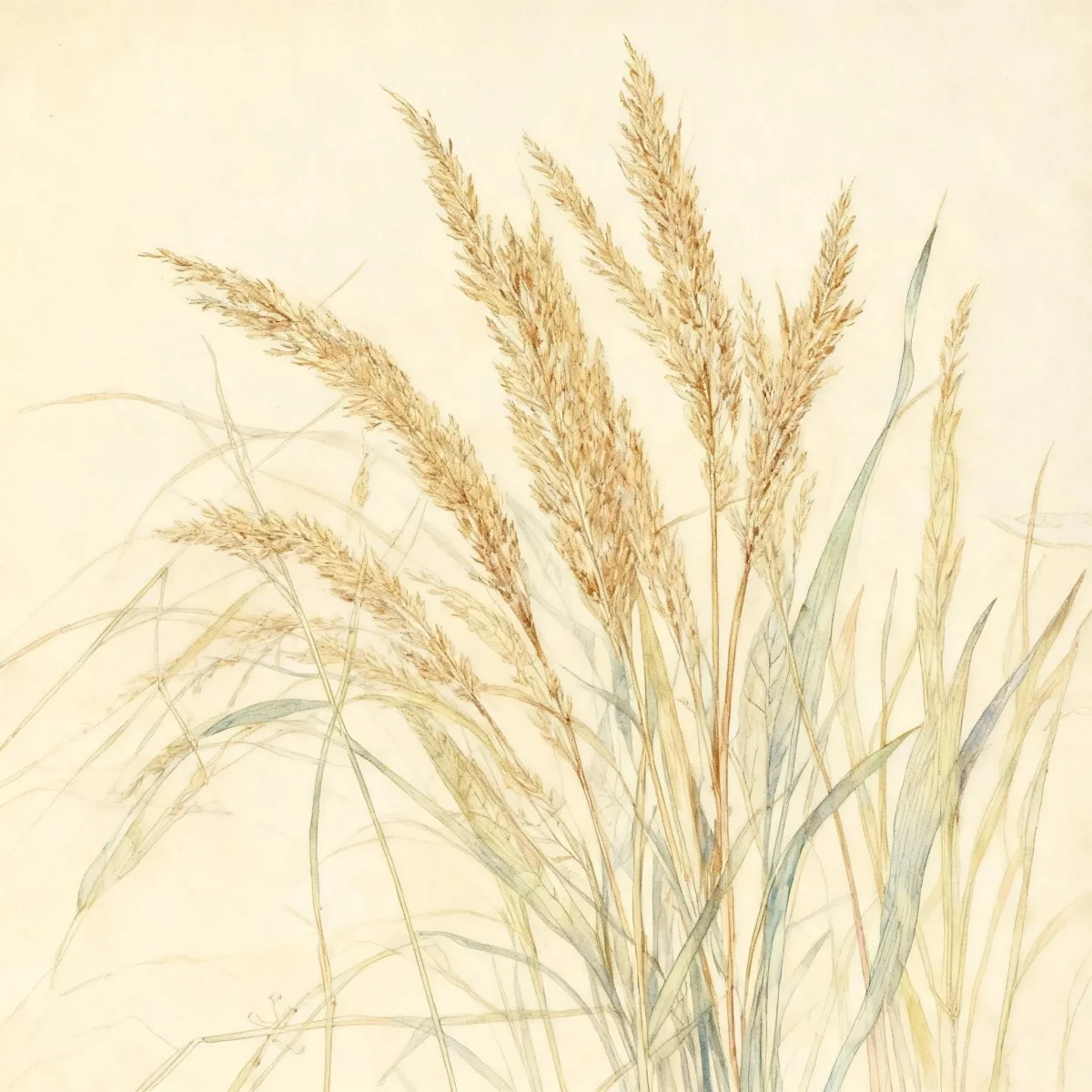
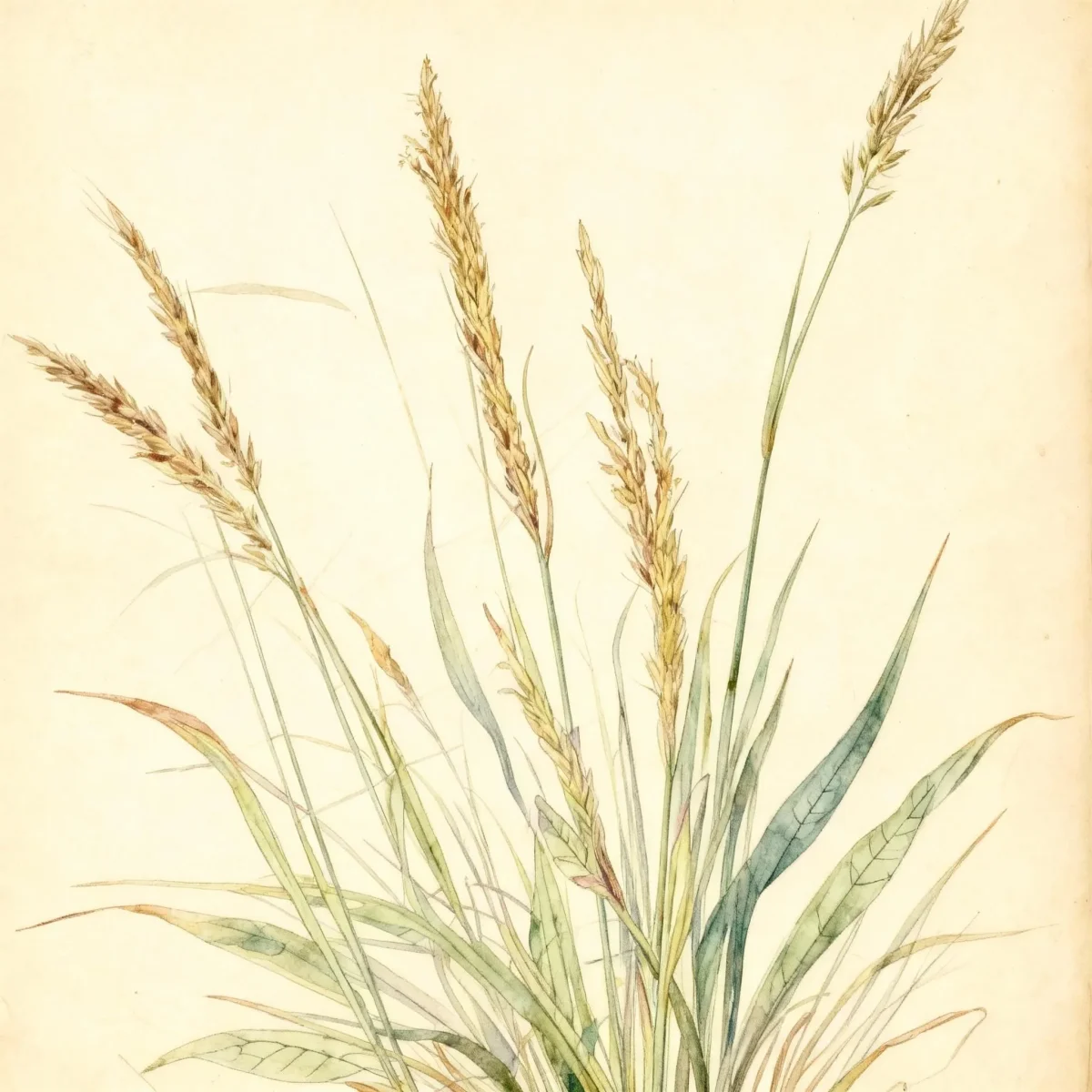
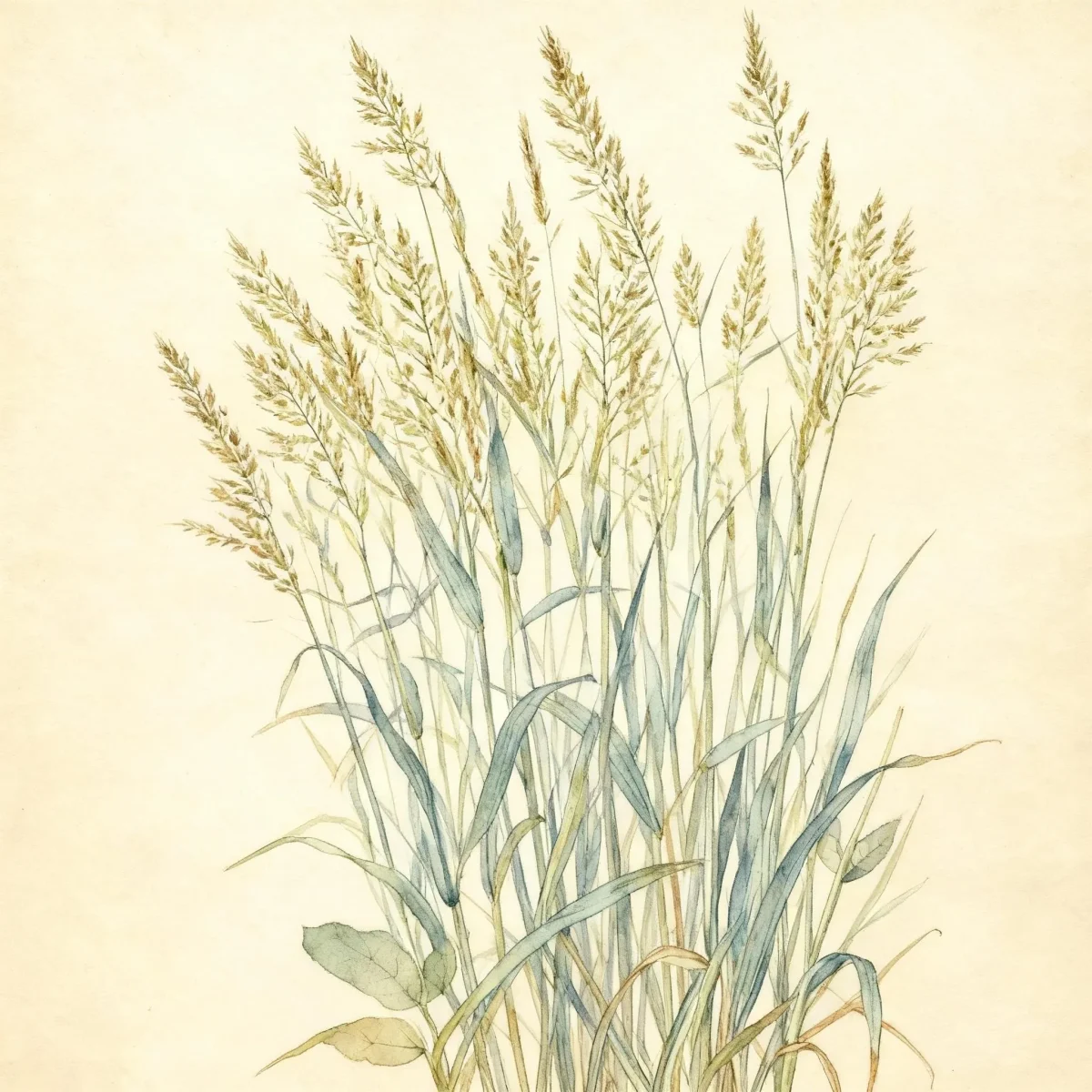
Zoysia grass (Zoysia japonica 'Meyer')
Meyer Zoysia grass forms a durable, dense lawn ideal for high-traffic areas, known for heat/drought tolerance.

Bloom Boldly, No Matter the Season - Sweatshirt
Cozy organic cotton sweatshirt featuring our exclusive Purple Coneflower design. Perfect for gardeners who bloom year-round.
Inspired by the beautiful Zoysia grass
Limited first batch (50) — join the waitlist for early access
Waitlist closes Feb 15, 2026.
Complete Plant Information
Field Guide Continues
Ready for care notes, companion picks, and planting tips?
The map is just the start. The full guide below covers growth habits, seasonal performance, and landscape uses.
Overview
Zoysia japonica ‘Meyer’ is highly valued as a resilient warm-season turfgrass, commonly known simply as Zoysia grass. This cultivar spreads actively via rhizomes and stolons, creating a remarkably dense and durable lawn surface capable of handling significant foot traffic. Gardeners appreciate Zoysia grass for its excellent weed resistance and superior tolerance for both summer heat and periods of low water availability.
This hardy grass thrives in full sun but can tolerate minimal light shade, though coverage thins considerably in darker spots. While it offers a rich green color during the active growing season, a key characteristic of Zoysia japonica ‘Meyer’ is its dormancy period, turning tan or straw-colored following the first hard fall frost until spring warmth returns. Selecting Zoysia grass ensures a robust lawn foundation across many transition zone climates.
The ‘Meyer’ selection is specifically noted for developing a lawn texture similar to Kentucky bluegrass, making it a popular choice across the Midwest transition region. Establishing Zoysia japonica ‘Meyer’ requires attention to timing, whether using sod, sprigs, or plugs, to ensure successful establishment of this premium turf solution.
Fast Facts
- Plant Family: Poaceae
- Plant Type: Turfgrass
- Hardiness Zones: USDA Zones 5-10
- Size at Maturity:
- Height: 0.25-0.5 ft
- Spread: 0.5-0.5 ft
- Bloom Time: Non-flowering
- Bloom Description: Green
- Sun Exposure: Full sun
- Water Needs: Dry to medium
- Maintenance Level: Medium
How to Grow
Establish Zoysia japonica ‘Meyer’ in average, well-drained soils that receive full sun exposure for the best results. While this turfgrass tolerates some light shade, significant thinning will occur the more shade it receives. In established lawns, mow regularly, keeping the height strictly between 1 and 2 inches tall to encourage density.
Fertilize Zoysia grass moderately throughout the primary growing season, typically from May through July. Establishment can be achieved most successfully using sod, sprigs, or plugs, with sprigs and plugs best planted in mid to late spring. Sod can be laid as late as early September, but be aware that this grass spreads slowly compared to other turf types.
A crucial cultural consideration is winter preparedness; this grass goes dormant rapidly following the fall frost, remaining tan or brown throughout the cooler months. Ensure adequate watering during establishment and dry summer spells, as Zoysia lawns tolerate drought well once fully mature. For precise establishment guidelines, consult local extension resources detailing zoysia care.
Landscape Uses
Zoysia japonica ‘Meyer’ excels where durability is paramount. Its ability to form a dense turf makes it an outstanding selection for high foot traffic areas, including residential lawns, community parks, and sports fields. It is widely recommended for commercial landscapes and roadsides where low maintenance and erosion control are desired benefits.
Because of its weed-suppressing qualities, using Zoysia grass as the primary groundcover creates simple, clean borders that require less chemical intervention. While it is not typically used in mixed ornamental beds, its uniform texture serves as an excellent, highly managed green carpet defining open spaces adjacent to shrub borders or walkways.
Standout Features
Flower Qualities
- Insignificant
Noteworthy Characteristics
Zoysia japonica, commonly just called zoysia is a warm season turfgrass that spreads by stolons and rhizomes to form a dense lawn or grassy area. Advantages include durability, resistance to weeds, tolerance of drought and summer heat, ease of mowing and good green color during the growing season. Disadvantages include straw-colored appearance from mid-fall to mid-spring (goes dormant in cold weather), slow rate of spread, tendency to spread into adjacent property and inclination to produce heavy thatch. ‘Meyer’ zoysia forms a dense, bluegrass-like lawn which tolerates foot traffic well and excludes many common weeds.
Tolerances
- Drought
- Erosion
Potential Problems
Zoysia grass generally avoids severe insect or disease outbreaks, contributing to its lower input needs. The most common insect issue encountered involves white grubs, which feed on the roots, leading to large, irregular dead patches in the lawn. Infrequently, turf may suffer from Brown Patch or Dollar Spot diseases, particularly in overly wet or humid conditions. Monitor for grubs in late summer and employ targeted management strategies if populations become problematic.
Frequently Asked Questions
What hardiness zones is Zoysia grass suitable for?
Zoysia japonica ‘Meyer’ is suitable for USDA Hardiness Zones 5 through 10, offering broad adaptability in transitional climates.
How large does Zoysia japonica ‘Meyer’ grow?
This turfgrass maintains a very low profile, typically reaching mature heights between 0.25 and 0.5 feet tall and spreading uniformly at about 0.5 feet.
What sun exposure does Zoysia grass need?
Zoysia japonica ‘Meyer’ requires full sun for optimal density, though it can tolerate some light shade conditions.
When does Zoysia grass bloom?
This plant is non-flowering, though it does produce inconspicuous green coloration during its active growth phases.
Conclusion
For homeowners and landscapers needing a hard-wearing, durable turf, Zoysia japonica ‘Meyer’ offers exceptional drought and traffic tolerance once established. This reliable Zoysia grass remains the recommended choice for achieving a dense, weed-resistant lawn in transition zones. Assess your site’s sunlight and potential winter dormancy tolerance before proceeding with Zoysia establishment this spring.
Common Mistakes
A common pitfall when establishing Zoysia japonica ‘Meyer’ is impatience regarding its growth rate. Unlike some turf types, Zoysia grass spreads slowly via rhizomes, meaning bare spots or newly plugged areas will take longer to fill in completely. Do not attempt to over-seed in an effort to speed up coverage; focus instead on consistent, deep watering during dry periods to encourage rhizome activity.
Another frequent error involves improper mowing height, especially as summer approaches. Mowing Zoysia japonica ‘Meyer’ too high disrupts its density and encourages thatch buildup, which can suppress growth and harbor pests. Stick strictly to the recommended 1- to 2-inch cutting height and utilize sharp blades to prevent tearing the leaf tissue.
Companion Planting
Since Zoysia grass forms such a dense, low-growing monoculture, companion planting is typically restricted to the periphery of the lawn structure. Consider using edging materials or low-growing, slow-spreading groundcovers that share similar sun and water needs along borders to prevent aggressive encroachment from the Zoysia. In transition areas, look for other slow-spreading, tough perennials that can handle periodic foot traffic near the lawn edge.
Avoid planting moisture-loving turf alternatives or shade-demanding ornamental grasses immediately adjacent to Zoysia japonica ‘Meyer’. Competition for resources, especially water during summer droughts, will stress whichever species is less adapted to the dry conditions favoring the Zoysia.