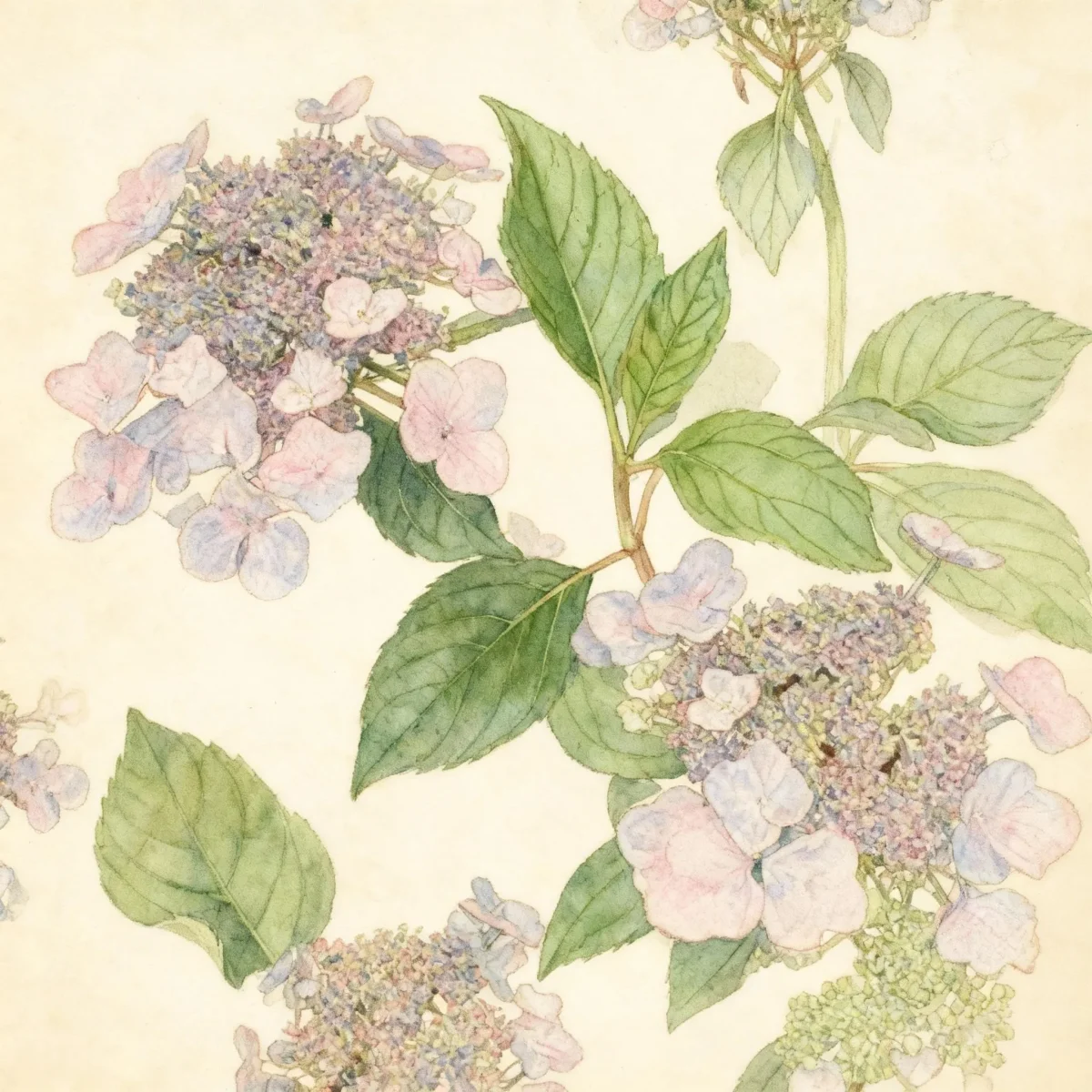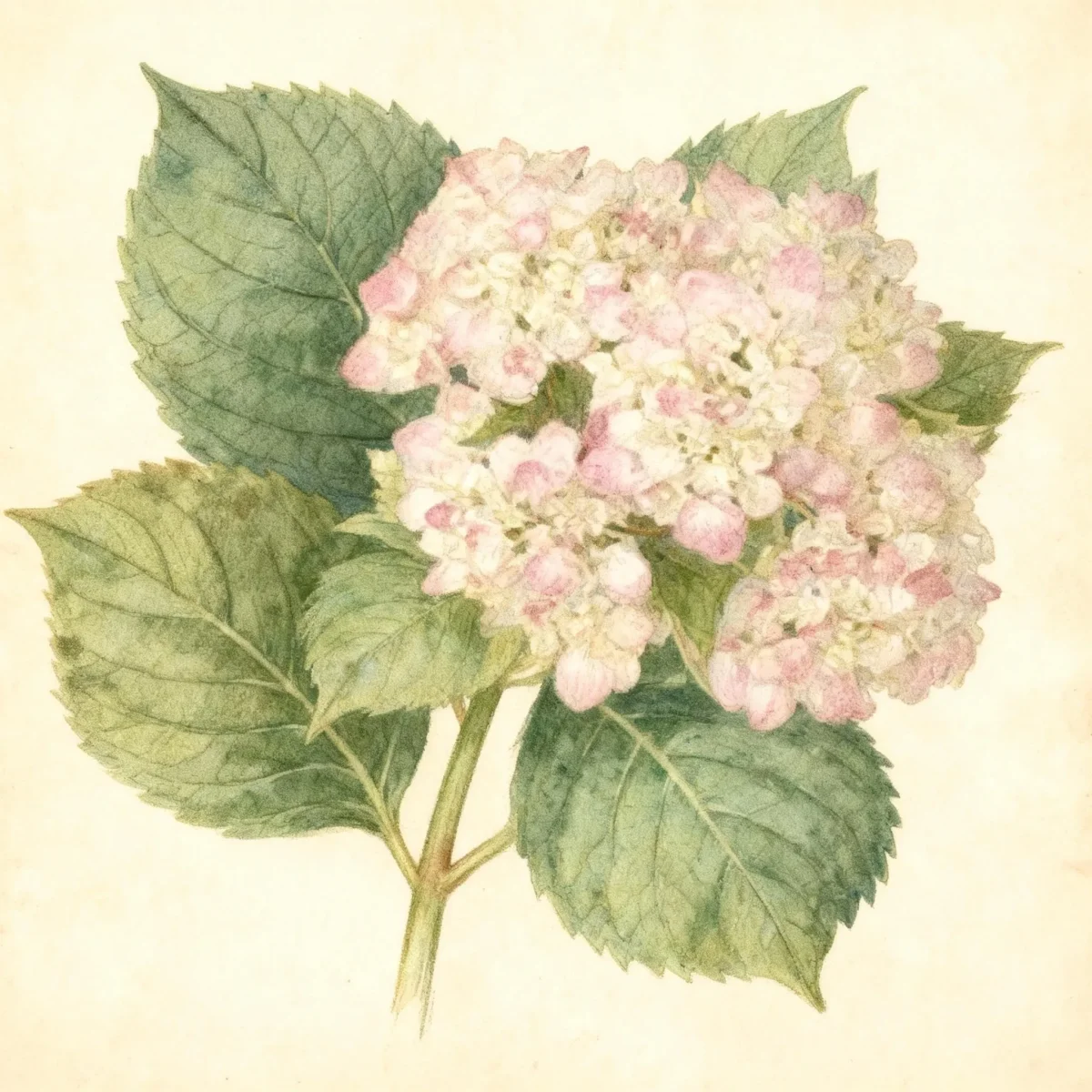

Bigleaf hydrangea (Hydrangea macrophylla (group))
Discover the showy Hydrangea macrophylla (group), or Bigleaf hydrangea. Zones 5-11, part shade, famed for dramatic, color-changing blue/pink blooms.
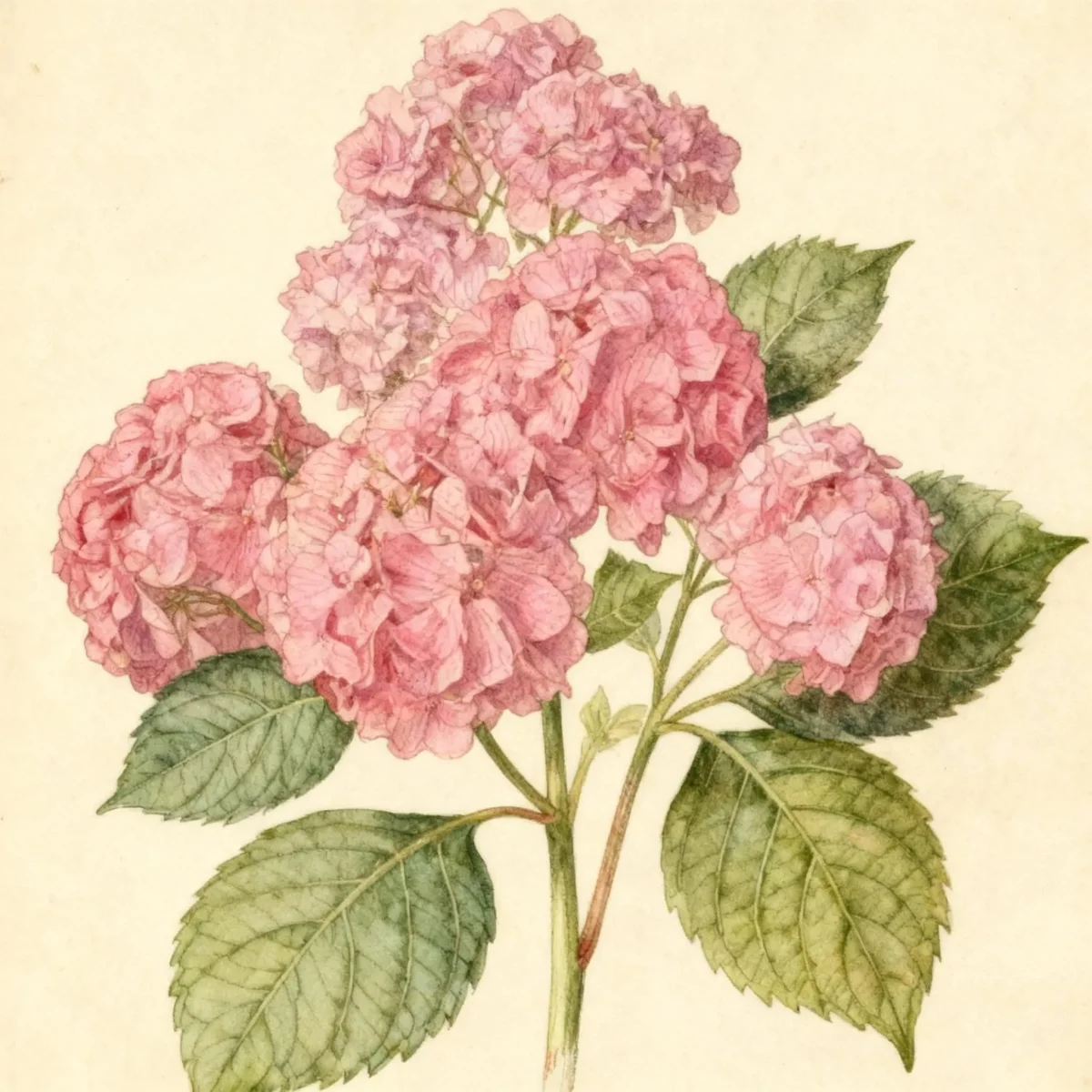
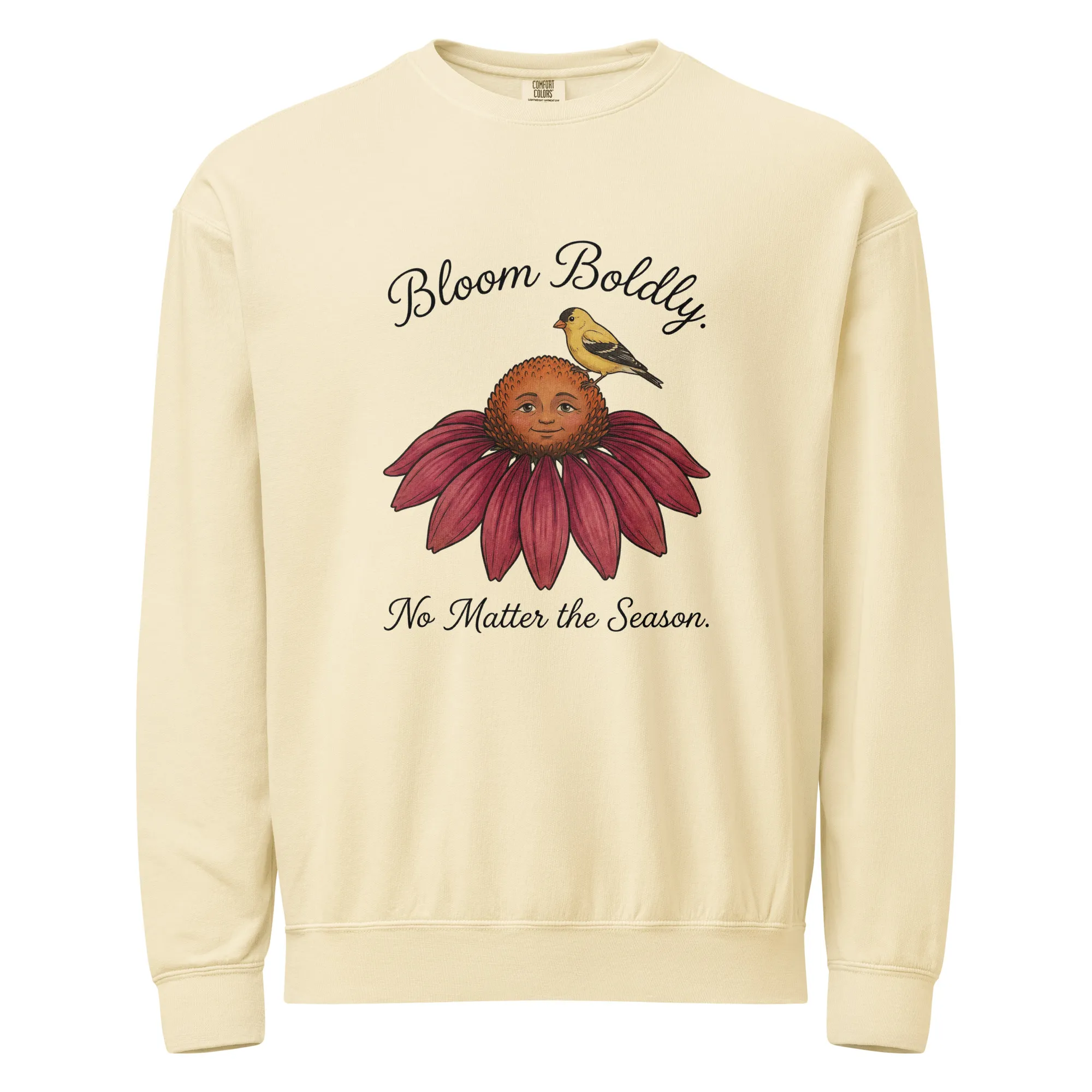
Bloom Boldly, No Matter the Season - Sweatshirt
Cozy organic cotton sweatshirt featuring our exclusive Purple Coneflower design. Perfect for gardeners who bloom year-round.
Inspired by the beautiful Bigleaf hydrangea
Limited first batch (50) — join the waitlist for early access
Waitlist closes Feb 15, 2026.
Complete Plant Information
Field Guide Continues
Ready for care notes, companion picks, and planting tips?
The map is just the start. The full guide below covers growth habits, seasonal performance, and landscape uses.
Overview
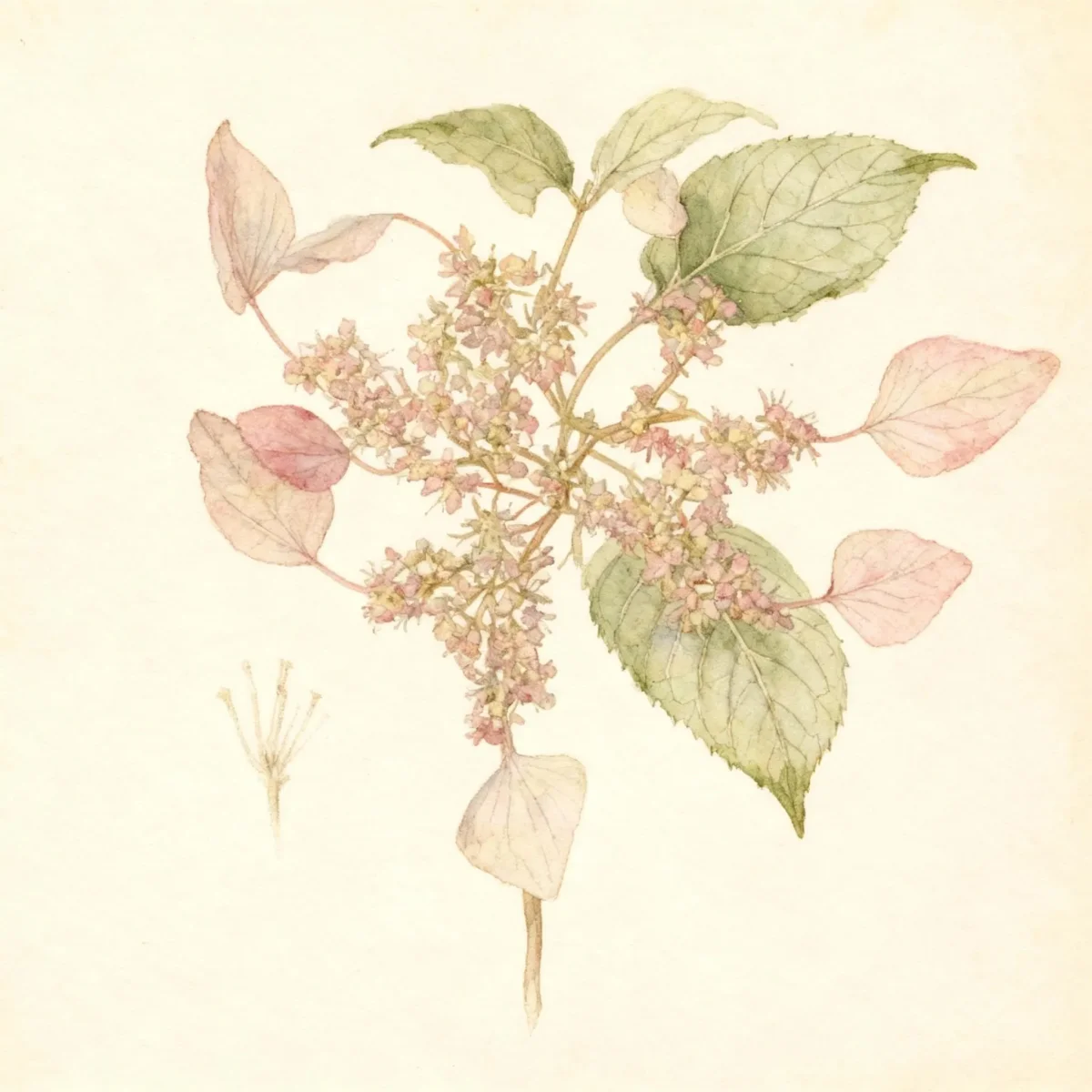
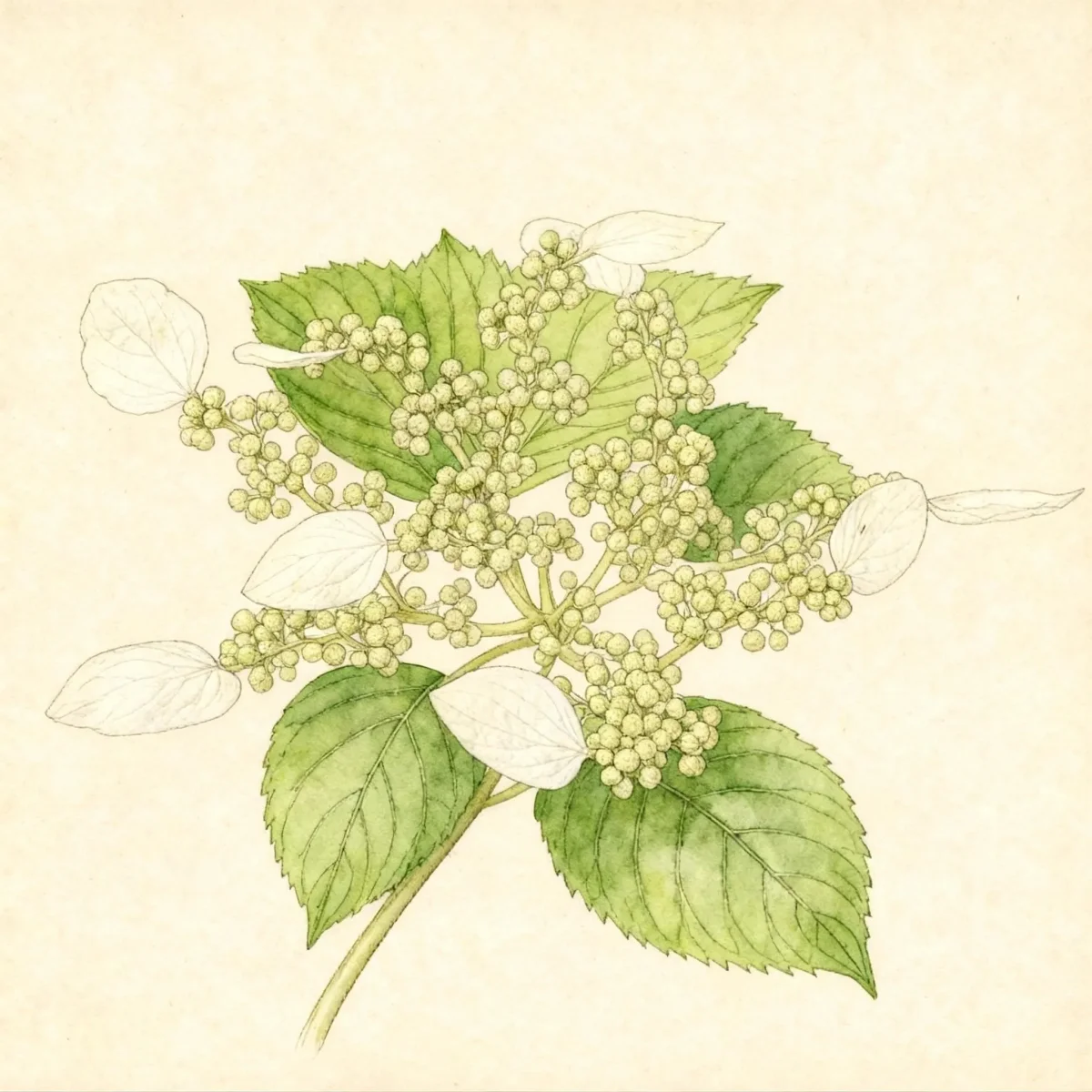
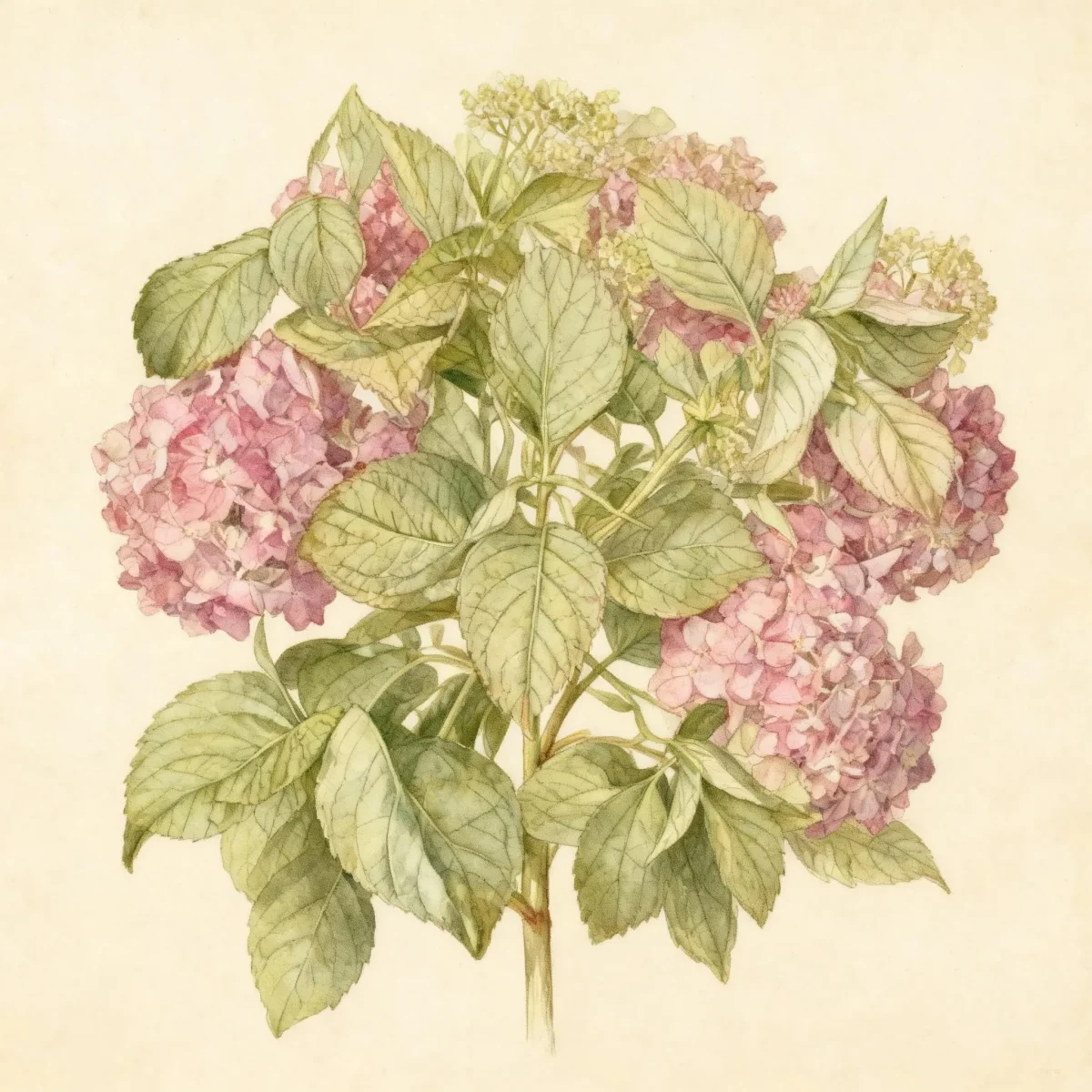
The Bigleaf hydrangea, or Hydrangea macrophylla (group), is a highly valued deciduous shrub celebrated for its large, globe-like or flattened floral displays that grace the summer garden. These plants offer significant aesthetic impact due to their long blooming season and the dramatic habit of their flower color shifting based on soil chemistry. Growing uniformly within established garden settings, the Hydrangea macrophylla (group) provides structure and vibrant color.
This species is distinctly valuable because the flower color of most cultivars varies from blue to pink to white, determined by soil acidity—a unique trait that allows gardeners to actively manipulate the visual outcome. While thriving best in rich, moist soil, the Hydrangea macrophylla (group) prefers the dappled light found under taller trees or on eastern exposures, though it can tolerate more sun if irrigation is consistent.
For many gardeners, the presence of Bigleaf hydrangea signifies classic cottage garden charm or formal foundation plantings. Its large, dark green leaves provide excellent summer contrast to repeat the seasonal benefits provided by the stunning, long-lasting flower clusters.
Fast Facts
- Plant Family: Hydrangeaceae
- Plant Type: Deciduous shrub
- Hardiness Zones: USDA Zones 5-11
- Size at Maturity:
- Height: 6-10 ft
- Spread: 6-10 ft
- Bloom Time: Seasonal bloomer
- Bloom Description: Blue to pinks to white
- Sun Exposure: Part shade to full shade
- Water Needs: Medium
- Maintenance Level: Medium
How to Grow
Planting Bigleaf hydrangeas should occur when temperatures are moderate, ideally in spring or early autumn, well before extreme heat or hard northern freezes arrive. They demand locations featuring rich, well-drained soil amended deeply with organic matter to maximize moisture retention. While part shade is ideal, they can survive full sun only if the soil remains consistently moist throughout the day.
Watering is crucial for Hydrangea macrophylla (group). Maintain medium moisture levels; drought stress will quickly lead to wilting and poor performance, especially for plants sited where they receive more direct afternoon sun. Pruning is straightforward: if necessary, limit cuts immediately after flowering ends by removing only the spent stems, cutting back to a pair of healthy leaf buds found lower on the branch.
Winter protection is a serious consideration, particularly for Zone 5 gardeners, as low temperatures can kill off flower buds formed the previous year. Mulching heavily with 3 inches of shredded bark or compost annually helps regulate soil temperature and conserve moisture. Remember that soil pH adjustments (adding aluminum sulfate for blue, lime for pink) must begin well in advance, either in late autumn or early spring, for the color change to register by bloom time.
Landscape Uses
The versatility of the Bigleaf hydrangea makes it a staple in diverse landscape designs. They are ideally suited when used for mass planting in shrub borders, where their collective size and flower density create a real impact against fences or walls. Alternatively, individual specimens or accents work well near patios and home foundations, softening architectural lines.
These shrubs perform excellently as informal hedges where dense, seasonal structure is desired, or they can provide drama when grown solo in large containers, which allows for easier zone manipulation in colder climates. Companion planting involves pairing Hydrangea macrophylla (group) with shade-tolerant perennials like Hostas or Astilbes, whose foliage textures contrast nicely with the hydrangea’s broader leaves.
Standout Features
Flower Qualities
- Showy
- Good Cut
- Good Dried
Noteworthy Characteristics
Hydrangea macrophylla, commonly called big leaf hydrangea, is a deciduous shrub with a rounded habit that, in the St. Louis area, typically grows 3-6’ tall and as wide unless damaged by harsh winters or pruned smaller. It generally features serrate, obovate to elliptic, dark green leaves (4-8” long) and large clusters of long-blooming summer flowers in either lacecap form or mophead form. The genus name Hydrangea comes from hydor meaning “water” and aggeion meaning “vessel,” in reference to the cup-like capsular fruit.
Tolerances
Potential Problems
Bigleaf hydrangeas are susceptible to several common fungal and pest issues that require attention. Growers should watch for signs of bud blight, bacterial wilt, leaf spot, and mildew, which often indicate high humidity or poor air circulation issues. Aphids can occasionally appear, usually feeding on new growth, but are typically managed with horticultural oil or insecticidal soap if infestations become severe. Ensuring proper spacing and pruning dead or crowded wood helps maximize airflow and minimize fungal risk.
Frequently Asked Questions
What hardiness zones is Bigleaf hydrangea suitable for?
The Bigleaf hydrangea is suitable for USDA Hardiness Zones 5 through 11, though plants in Zone 5 require extra winter protection to ensure spring bloom viability.
How large does Bigleaf hydrangea grow?
Mature growth for this shrub typically results in a height ranging from 6 to 10 feet and a spread of 6 to 10 feet, though this can be reduced by pruning or winter die-back.
What sun exposure does Bigleaf hydrangea need?
This plant thrives best in part shade to full shade conditions. It tolerates full sun only if it receives consistent, medium water supply throughout the growing season.
When does Bigleaf hydrangea bloom?
The plant is a seasonal bloomer generally producing its showy flowers throughout the summer, displaying colors ranging from blue to pinks to white depending on soil treatment.
Conclusion
The Hydrangea macrophylla (group) remains unmatched for its ability to deliver massive summer color and its unique color-changing characteristic, making the Bigleaf hydrangea a rewarding feature plant. Its medium maintenance needs are primarily focused on consistent moisture delivery and appropriate pruning timing. Before planting, confirm that your climate falls within USDA Zones 5-11 and plan your soil amendments now to ensure the desired flower color appears this season.
Companion Planting Strategies
Selecting appropriate neighbors is key to the overall health and aesthetic of your Bigleaf hydrangea planting. Because Hydrangea macrophylla (group) requires consistent moisture and prefers dappled sunlight, pair it with other shade-loving perennials that share similar cultural needs. Good companions include Eastern Columbine (Aquilegia canadensis), various shade-tolerant ferns, and woodland groundcovers that help stabilize soil moisture around the shrub’s roots. Avoid placing them near plants that require sharp drainage or heavily rely on dry soil conditions, as this will create a management conflict.
Seasonal Care Calendar
Mid-to-late spring is the time to prune out any stems showing winter damage or die-back, taking care not to cut back any viable buds that are beginning to swell. Summer is the primary time to monitor water deeply, especially during heat waves, ensuring the soil never completely dries out. In early autumn, begin preparing for pH adjustments if color change is desired for the following year, or apply a final layer of organic mulch to insulate roots before winter sets in.