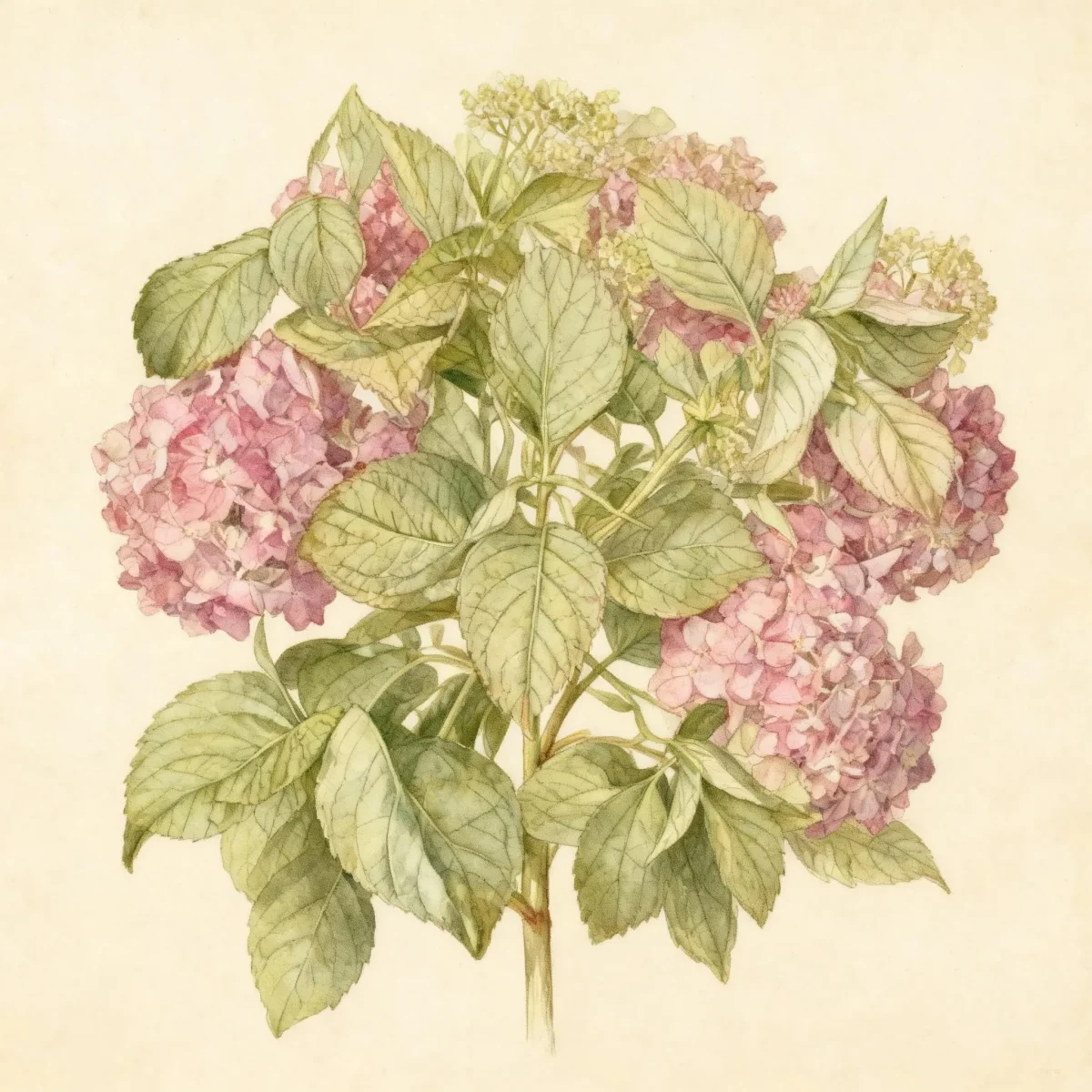
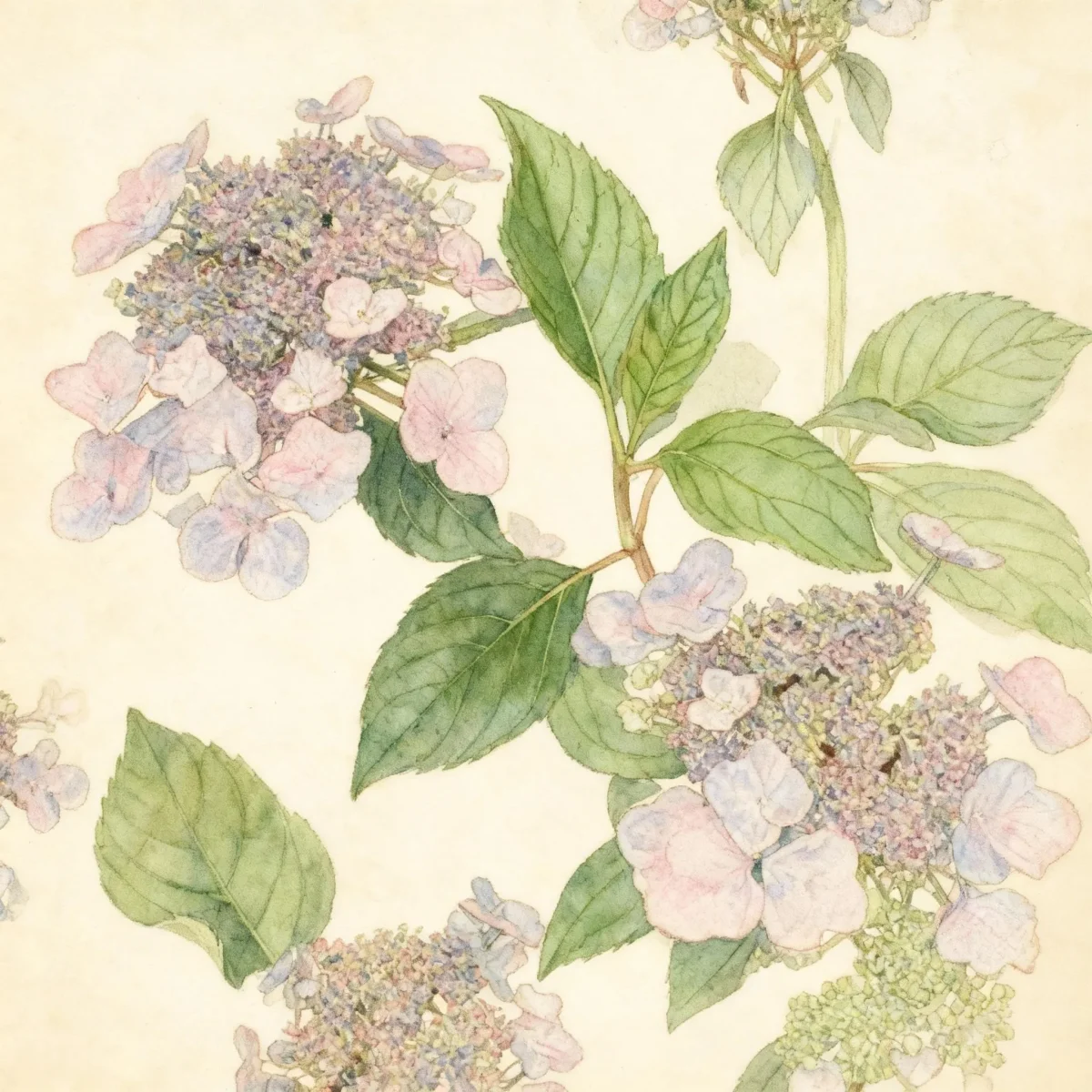
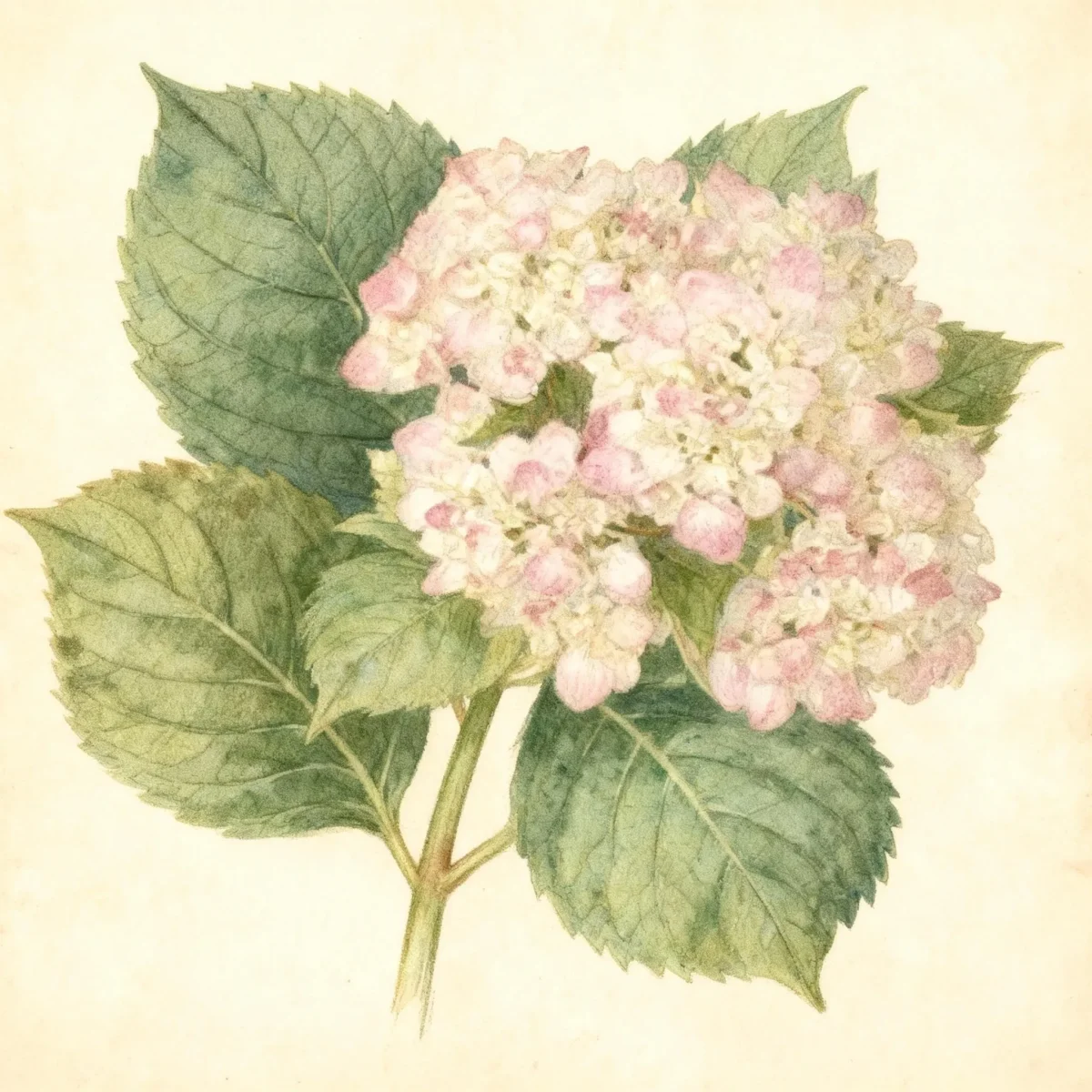
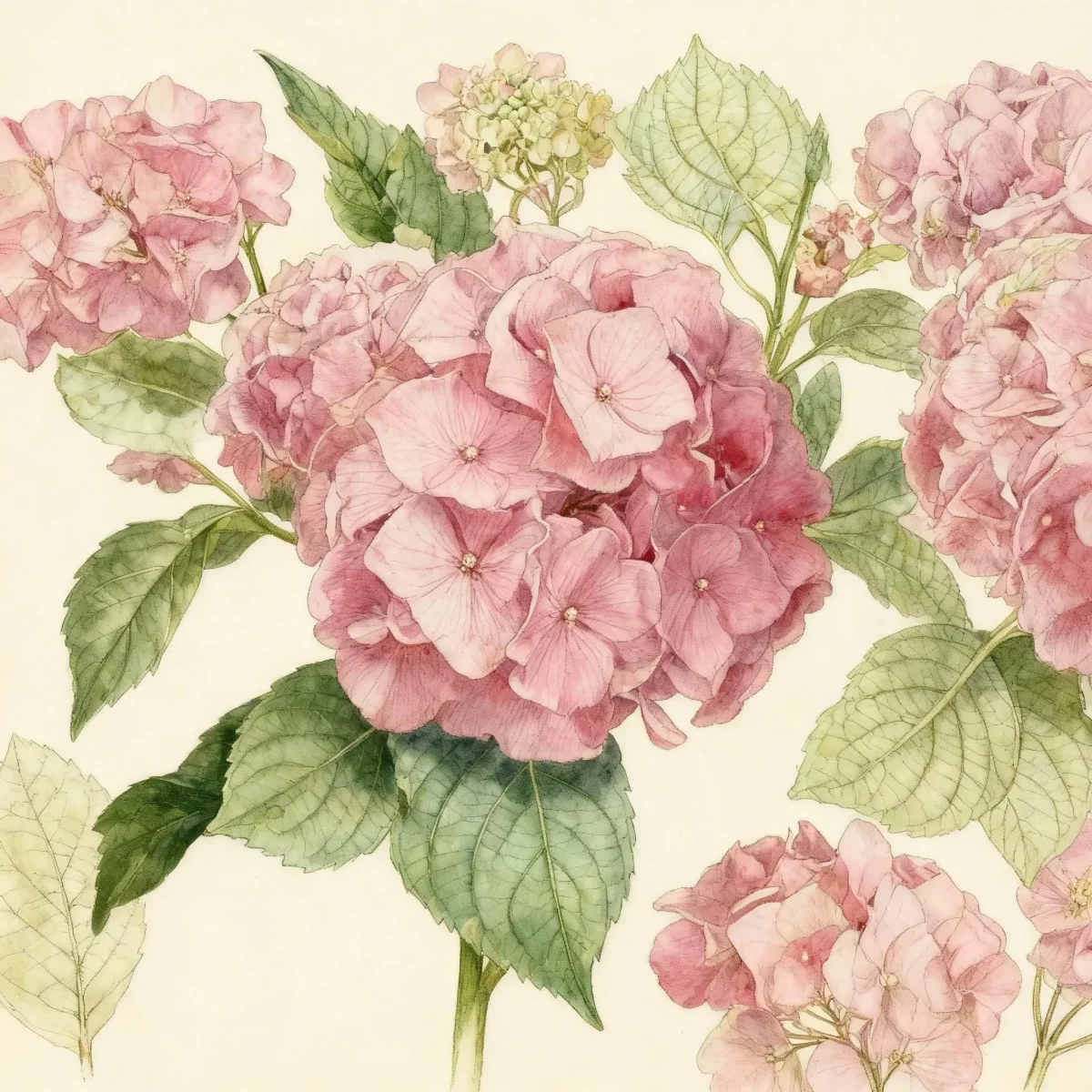
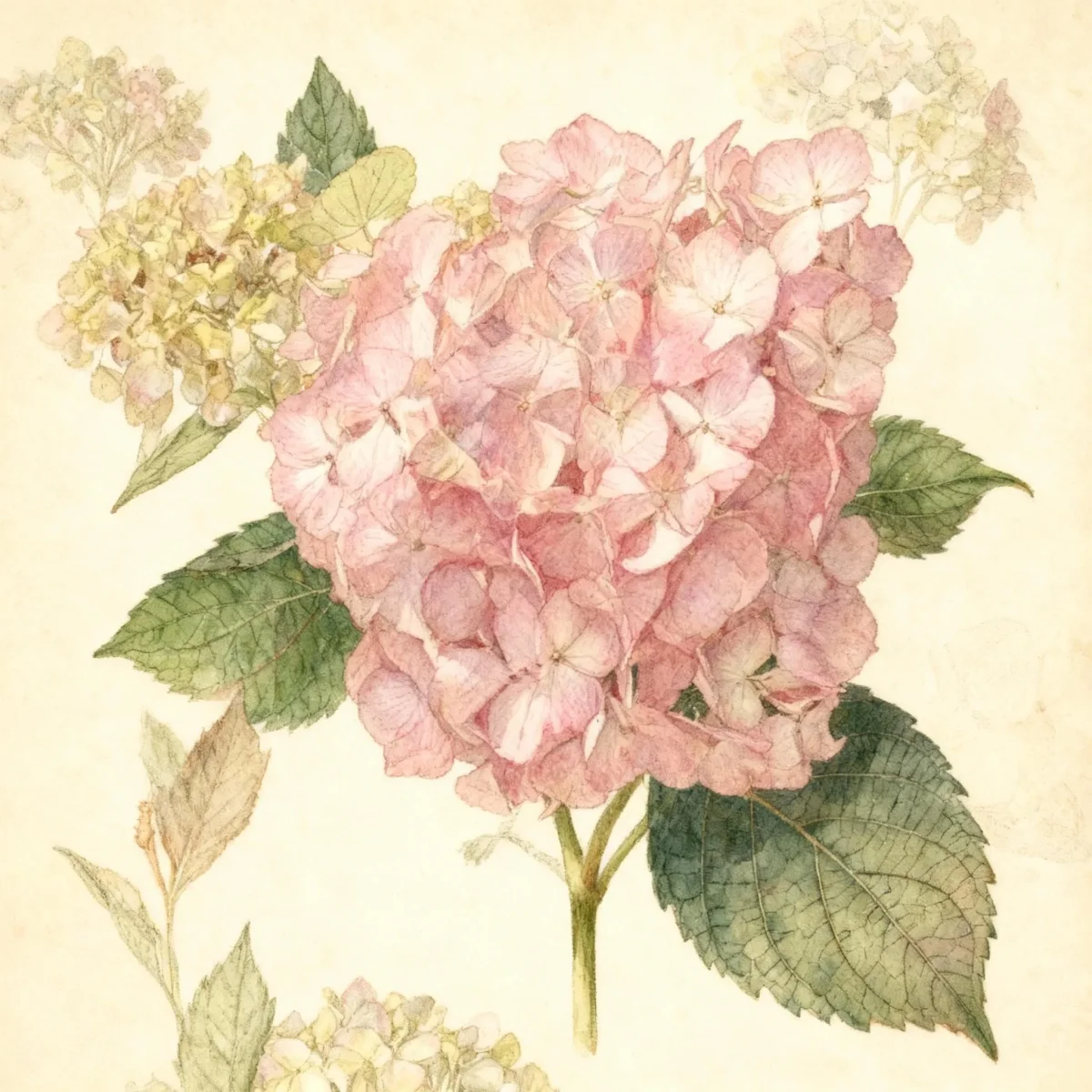
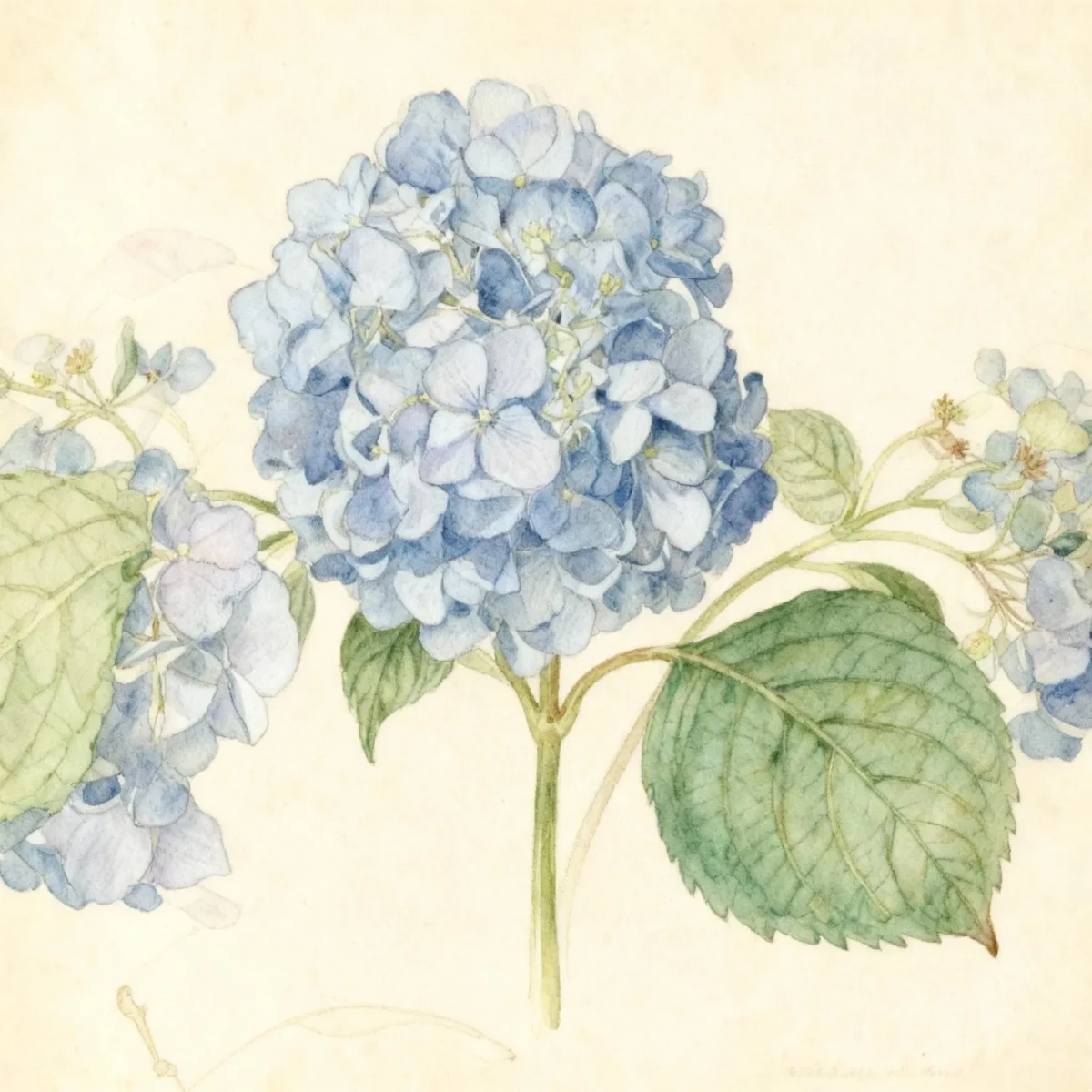
Bigleaf hydrangea (Hydrangea macrophylla 'Izu-no-hana')
Compact Bigleaf hydrangea, Hydrangea macrophylla 'Izu-no-hana', offers showy double lacecap flowers blooming June to August in Zones 6-9.
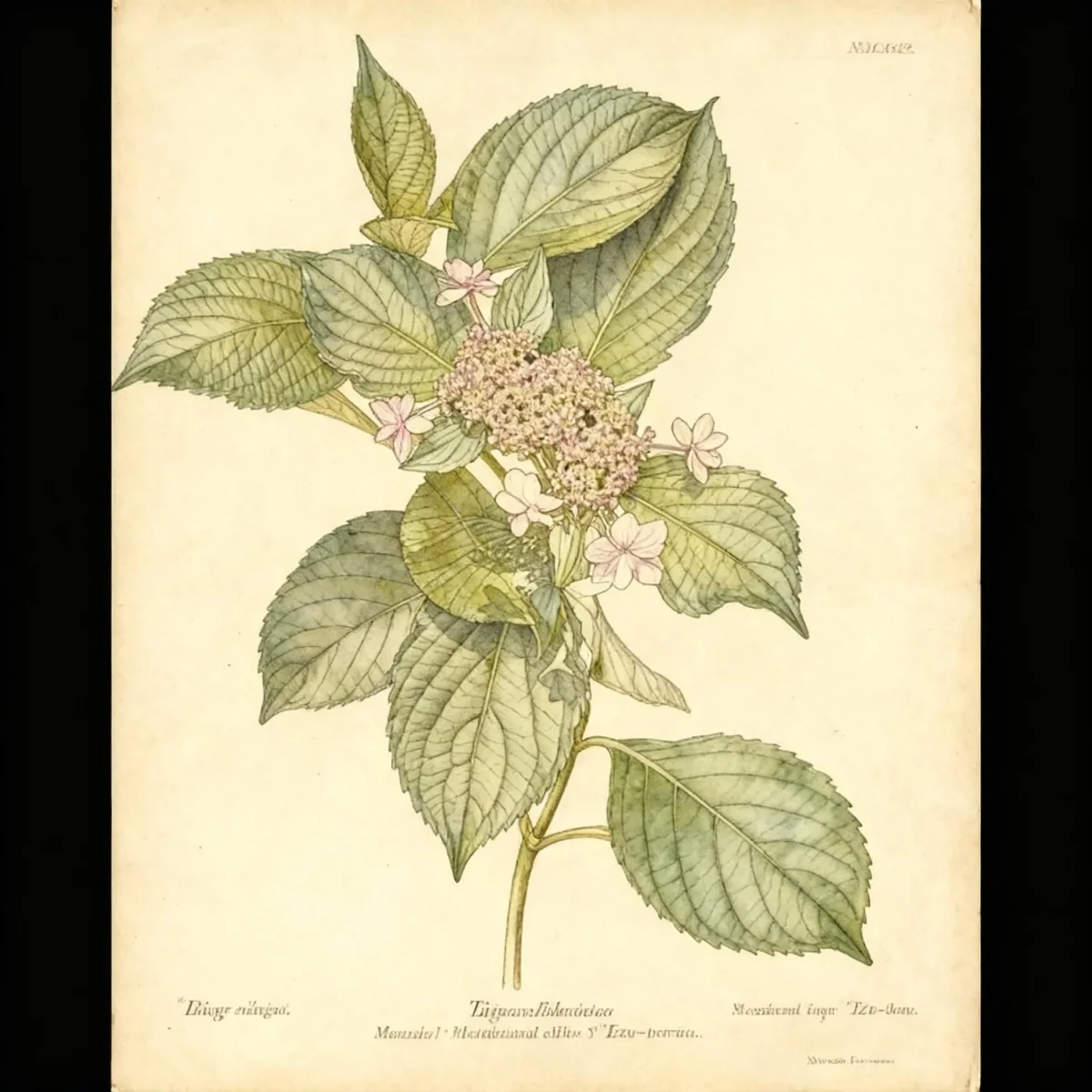

Bloom Boldly, No Matter the Season - Sweatshirt
Cozy organic cotton sweatshirt featuring our exclusive Purple Coneflower design. Perfect for gardeners who bloom year-round.
Inspired by the beautiful Bigleaf hydrangea
Limited first batch (50) — join the waitlist for early access
Waitlist closes Feb 15, 2026.
Complete Plant Information
Field Guide Continues
Ready for care notes, companion picks, and planting tips?
The map is just the start. The full guide below covers growth habits, seasonal performance, and landscape uses.
Overview
The Hydrangea macrophylla ‘Izu-no-hana’ is a highly desirable cultivar of the Bigleaf hydrangea, notable for its compact size and unique flower structure. This cultivar presents distinctive, double-flowered lacecap blooms, setting it apart from standard mophead varieties often seen in gardens. As a Bigleaf hydrangea, its performance is deeply tied to soil chemistry, offering gardeners the unique flexibility to manipulate flower color between vibrant blues in acidic conditions and soft pinks in alkaline soils.
This deciduous shrub brings reliable summer interest, thriving best in locations that shield it from intense afternoon sun while providing sufficient moisture. When properly sited and cared for, Hydrangea macrophylla ‘Izu-no-hana’ forms a neat, rounded shape that fits well into structured landscape designs. Its glossy green foliage provides a rich backdrop for the long blooming period, making it a significant textural and color contributor from early summer through mid-summer.
Fast Facts
- Plant Family: Hydrangeaceae
- Plant Type: Deciduous shrub
- Hardiness Zones: USDA Zones 6-9
- Size at Maturity:
- Height: 3-4 ft
- Spread: 3-4 ft
- Bloom Time: June to August
- Bloom Description: Pink (alkaline soils) Blue (acid soils)
- Sun Exposure: Part shade
- Water Needs: Medium
- Maintenance Level: Medium
How to Grow
For optimal establishment, plant Hydrangea macrophylla ‘Izu-no-hana’ in the spring or fall when temperatures are moderate. Select a location providing rich, medium-moisture, well-drained soils. While part shade is generally ideal, this Bigleaf hydrangea can handle full sun if soil moisture is kept absolutely consistent throughout the hot months.
Watering should be consistent to maintain medium soil moisture; drought stress will quickly cause wilting, especially during flowering. Soil pH management is key—begin adjusting the soil treatments using aluminum sulfate for blue flowers or lime for pink flowers well in advance, preferably in late autumn or early spring, as color changes are not instantaneous.
Pruning is minimal for Hydrangea macrophylla ‘Izu-no-hana’] as it typically blooms on old wood. If pruning is necessary, perform it immediately after flowering by cutting back the spent stems to a pair of healthy buds. In late winter or early spring, focus only on removing any stems that show signs of winter damage or weakness. Apply a generous 3-inch layer of mulch annually using compost or shredded bark to help moderate soil temperature and retain essential moisture.
Gardeners in Zone 6 should offer extra winter protection, especially in exposed sites, to safeguard the dormant flower buds from harsh temperature fluctuations or late frosts that can prevent blooms entirely the following summer.
Landscape Uses
The manageable 3 to 4-foot size of Hydrangea macrophylla ‘Izu-no-hana’ makes it exceptionally versatile in landscape planning. It performs beautifully when used for grouping or massing within shrub borders, creating a significant block of color and texture. Functionally, this Bigleaf hydrangea serves well as an accent planting near patios or foundations where its flower display can be closely admired.
Consider placing ‘Izu-no-hana’ near structures or against retaining walls where its compact habit prevents it from becoming overgrown. It pairs well with shade-loving companions that share its medium water needs, such as hostas, ferns, or astilbes. For a mixed border, use it in the middle layer, ensuring its blooms are visible above low-growing perennials.
Its ability to take on either pink or blue hues based on soil management offers interesting design potential; utilize this feature to coordinate flower color with surrounding hardscape elements or adjacent flowering plants throughout the season.
Standout Features
Flower Qualities
- Showy
Noteworthy Characteristics
The Hydrangea macrophylla ‘Izu-no-hana’ is a specific lacecap cultivar of the Bigleaf hydrangea, distinguished by its showy, double sterile florets that gracefully droop around a central clump of fertile florets. This compact shrub typically reaches 3-4 feet tall and wide, producing its flowers on wood that developed the previous fall. The glossy green foliage complements the blooms, which shift between blue in acidic environments and pink in alkaline ones as they age.
Potential Problems
Be aware that some susceptibility exists regarding common fungal and bacterial issues, including leaf spot, mildew, and bacterial wilt. Gardeners should monitor for occasional aphid infestations. Prevention centers on sound cultural practices: ensure excellent air circulation by not overcrowding plants, and avoid overhead watering late in the day to minimize leaf wetness duration, which discourages fungal diseases.
Tolerances
- Aphids are occasional visitors
Frequently Asked Questions
What hardiness zones is Bigleaf hydrangea suitable for?
Hydrangea macrophylla ‘Izu-no-hana’ is winter hardy across USDA Zones 6 through 9, though Zone 6 sites benefit from supplemental winter protection.
How large does Hydrangea macrophylla ‘Izu-no-hana’ grow?
This compact cultivar typically matures to a height and spread between 3 and 4 feet, making it well-suited for smaller spaces or foundation plantings.
What sun exposure does Bigleaf hydrangea need?
This shrub prefers part shade, which protects its foliage and blooms from the harshest afternoon sun exposure, though it tolerates more sun if moisture is constantly supplied.
When does Hydrangea macrophylla ‘Izu-no-hana’ bloom?
You can expect lovely coloration from June through August. The specific color—pink or blue—is dictated by the soil pH, being pinker in alkaline soils and bluer in acidic soils.
Conclusion
The Hydrangea macrophylla ‘Izu-no-hana’ offers gardeners compact structure, glossy foliage, and the fascinating color-changing attribute inherent to the Bigleaf hydrangea group. Its unique double lacecap blooms provide sustained summer interest. Before planting, ensure your site offers the requisite part shade and medium moisture, and plan ahead if you wish to influence the final pink or blue hue of your Hydrangea macrophylla ‘Izu-no-hana’ flowers.
Companion Planting
When selecting companions for Hydrangea macrophylla ‘Izu-no-hana’, prioritize plants that share a preference for medium water needs and dappled sunlight. Plants that offer contrasting foliage textures, like Japanese Forest Grass (Hakonechloa), create excellent visual separation from the large leaves of the Bigleaf hydrangea. Similarly, shade-tolerant perennials such as Coral Bells (Heuchera) offer seasonal interest with their varied leaf colors near the base of the shrub.
Avoid planting beneath dense tree canopies where competition for water is too high, as this can stress the hydrangea and increase dormancy risk. Grouping it with other acid-loving shrubs, or plants that tolerate slight acidity, can also help maintain the desirable blue potential of the flowers if that is your goal.
Seasonal Care Calendar
Spring preparation is crucial for achieving great blossoms on your Bigleaf hydrangea. As new growth emerges in early spring, lightly prune out any obviously dead or weak wood that failed to survive winter. This window is also the best time to apply soil amendments like lime or aluminum sulfate to set the stage for summer flower color.
Summer care centers entirely on consistent watering. Do not allow the soil around Hydrangea macrophylla ‘Izu-no-hana’ to dry out completely, as the large leaves lose moisture rapidly. If blooming stems fade halfway through summer, prune them immediately after they finish flowering; this directs the shrub’s energy toward producing the next season’s buds on old wood.
In late fall, apply a fresh 3-inch layer of organic mulch over the root zone before the ground freezes hard. This mulch layer acts as insulation, significantly buffering the plant against freezing and thawing cycles that can damage overwintering buds, thereby helping to ensure a strong bloom performance the following year.