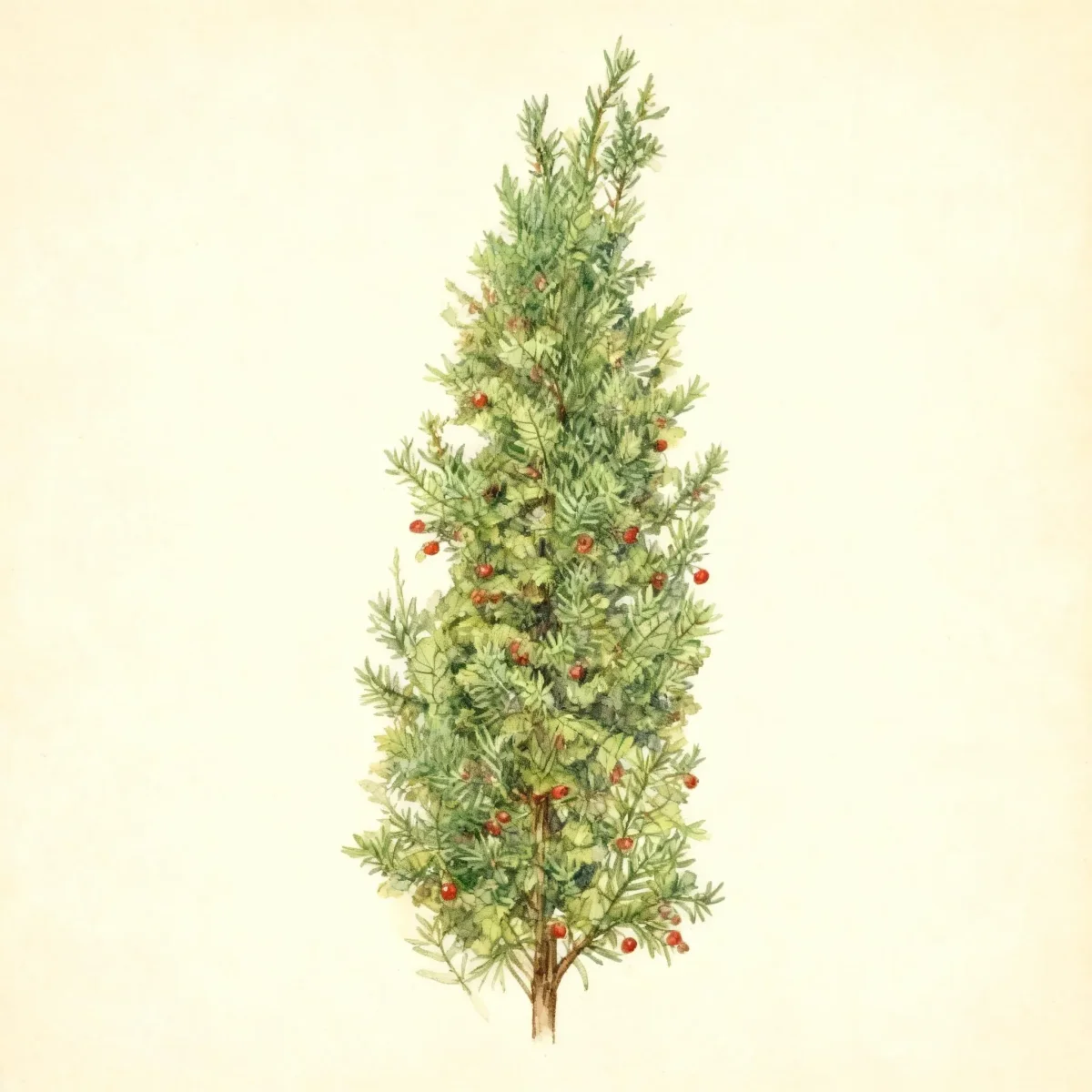
Cow's tail pine (Cephalotaxus harringtonia 'Nana')
Discover Cephalotaxus harringtonia 'Nana', the compact Cow's tail pine. Ideal for deep shade, deer resistant, and prized for its slow, dense evergreen structure.


Bloom Boldly, No Matter the Season - Sweatshirt
Cozy organic cotton sweatshirt featuring our exclusive Purple Coneflower design. Perfect for gardeners who bloom year-round.
Inspired by the beautiful Cow's tail pine
Limited first batch (50) — join the waitlist for early access
Waitlist closes Feb 15, 2026.
Complete Plant Information
Field Guide Continues
Ready for care notes, companion picks, and planting tips?
The map is just the start. The full guide below covers growth habits, seasonal performance, and landscape uses.
Overview
The Cephalotaxus harringtonia ‘Nana’, commonly known as Cow’s tail pine, offers exceptional texture and deep green coverage for the woodland garden. It is highly valued for its rigorous tolerance of deep shade, conditions that challenge many other needled evergreens. This compact cultivar provides a reliable, slow-growing structure ideal for defined spaces within the landscape.
This dioecious shrub is a superb choice when seeking year-round interest, especially where sun exposure is minimal. While the species can reach substantial heights, the ‘Nana’ designation indicates a dwarf form, maturing generally under six feet tall, making it versatile for foundation plantings or as a foreground specimen. Gardeners appreciate the resilience of the Cow’s tail pine, particularly its ability to handle heat better than many relatives.
If female plants are present with a male pollinator nearby, the Cow’s tail pine will produce attractive, fleshy, plum-like fruits in addition to its yew-like evergreen foliage. For reliable performance in difficult, shadowed environments, Cephalotaxus harringtonia ‘Nana’ remains a top-tier selection for the shade garden.
Fast Facts
- Plant Family: Taxaceae
- Plant Type: Needled evergreen
- Hardiness Zones: USDA Zones 6-9
- Size at Maturity:
- Height: 3-6 ft
- Spread: 4-9 ft
- Bloom Time: Non-flowering
- Bloom Description: Non-flowering
- Sun Exposure: Part shade to full shade
- Water Needs: Medium
- Maintenance Level: Medium
How to Grow
Planting is best accomplished during the cooler, moist periods of spring or fall, allowing the Cow’s tail pine root systems to establish before summer heat or winter freezes arrive. Cephalotaxus harringtonia ‘Nana’ thrives in locations protected from intense afternoon sun. The ideal soil is moist, sandy, and critically, well-drained; standing water will quickly harm this evergreen.
Watering needs are medium; aim for consistent moisture, especially for newly planted specimens. While established plants exhibit moderate drought tolerance, maintaining regular irrigation during dry spells ensures the best foliage color and density. Fertilization is rarely required but a balanced, slow-release fertilizer applied in early spring can support growth if the soil is notably poor.
Pruning for the ‘Nana’ cultivar is minimal due to its naturally compact habit, focusing primarily on removing any errant or damaged branches. While generally hardy down to Zone 6, plants located in Zone 5 benefit significantly from winter protection, such as applying a thick layer of mulch over the root zone to moderate temperature fluctuations.
Landscape Uses
The naturally dense and broad habit of Cephalotaxus harringtonia ‘Nana’ makes it an outstanding choice for providing structure in shady borders. Use this compact evergreen as an accent plant where its deep green color can contrast with lighter foliage plants or brightly colored perennials that tolerate shade, such as Hostas or Japanese Forest Grass.
Because it functions perfectly as a low, informal hedge or grouping, the Cow’s tail pine is excellent for softening sharp corners or outlining walkways in woodland settings. Its reliability in heavy shade means it is perfect for filling in areas beneath existing large deciduous trees where turf grass struggles to establish.
As an excellent evergreen conifer for shady locations, utilize small groups of Cephalotaxus harringtonia ‘Nana’ to create repeating focal points that maintain visual weight throughout the winter months. Its deer resistance is an added functional benefit when planting near borders adjacent to wilder areas.
Standout Features
Fruit Qualities
- Showy
- Edible
Noteworthy Characteristics
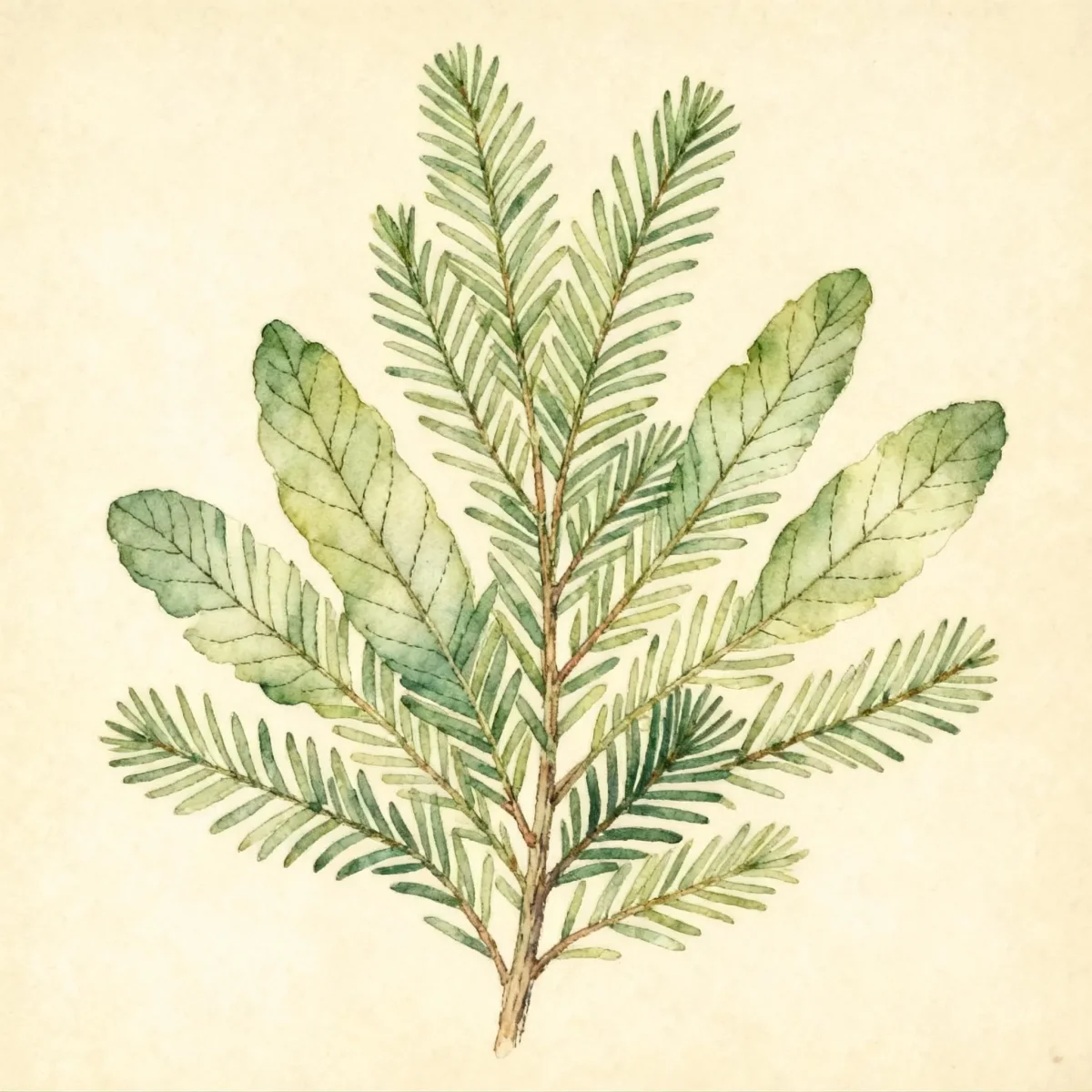
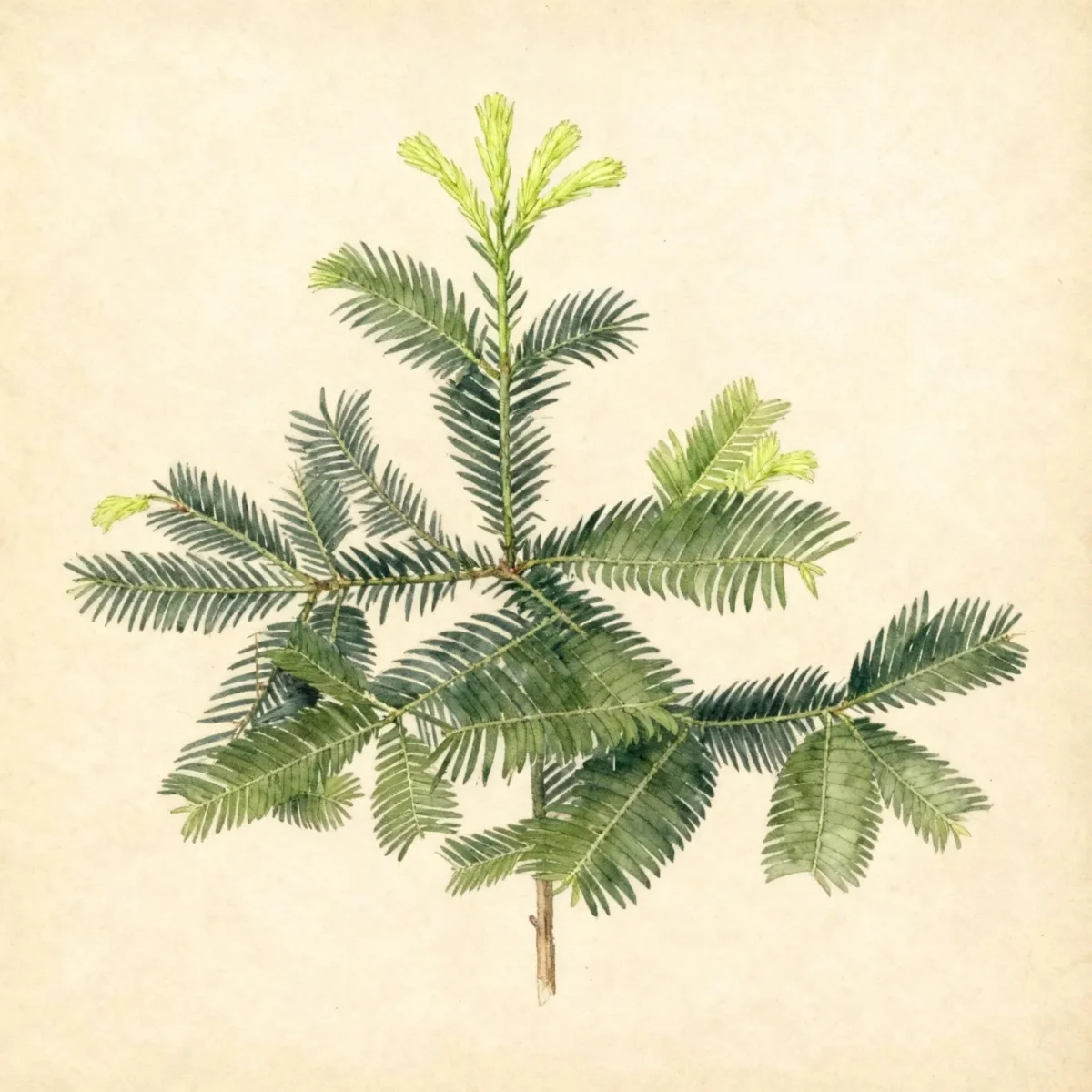
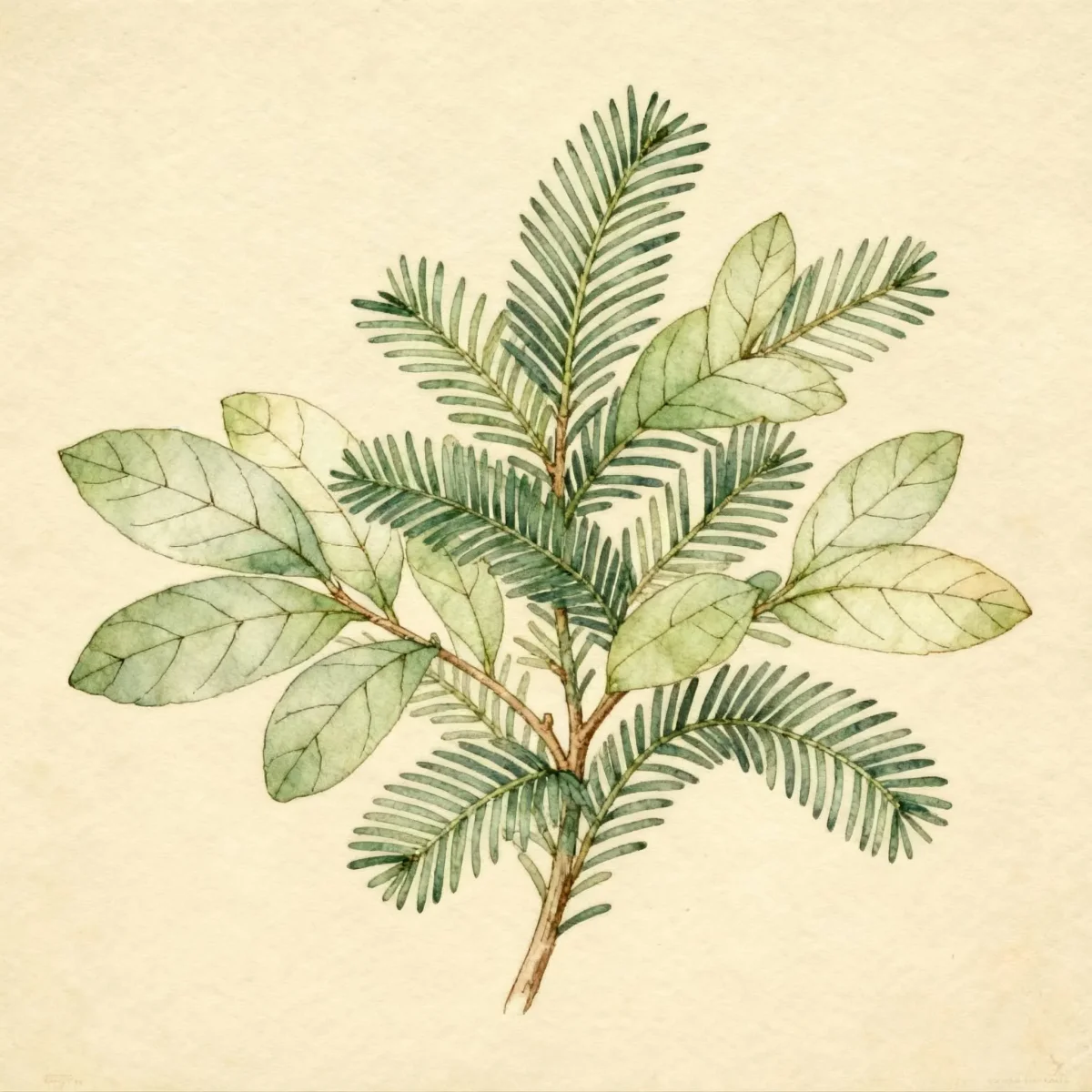
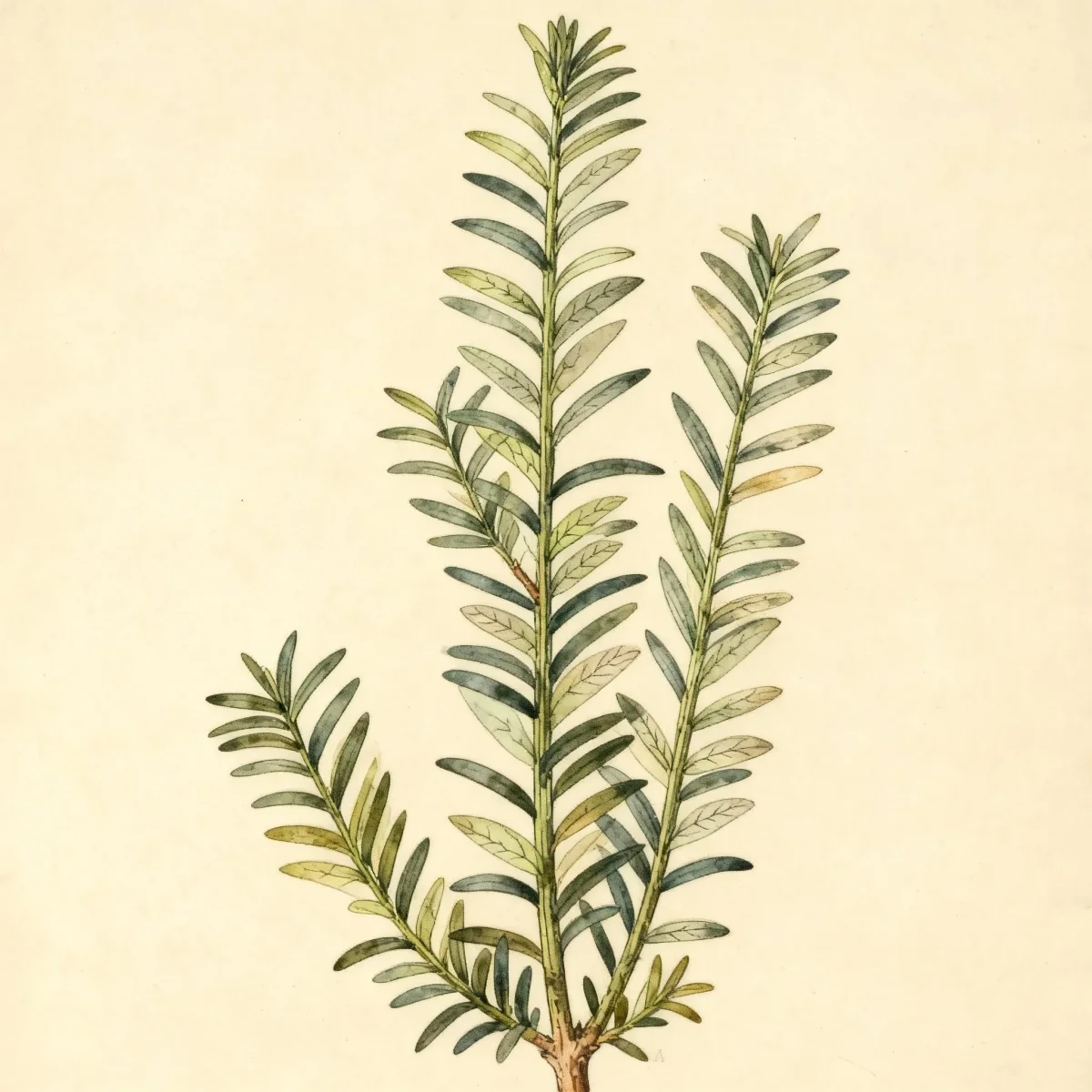
The Cephalotaxus harringtonia, commonly called plum yew, is a dioecious coniferous evergreen that typically grows as a shrub to 5-10’ tall, though the ‘Nana’ cultivar remains much more compact, maturing to about 6’ tall and 9’ wide over time. Its linear, spirally-arranged, yew-like evergreen leaves are held in a distinctive V-shaped pattern along the stems. Female plants can produce attractive, fleshy, plum-like fruits if a male pollinator is present, adding seasonal interest to this slow-growing favorite.
Tolerances
- Deer
- Heavy Shade
Potential Problems
Cephalotaxus harringtonia ‘Nana’ generally enjoys a favorable reputation regarding pest and disease management. There are no serious or common insect or disease problems reported for this cultivar, making it a low-stress addition to the garden. The primary threat comes from poor drainage or excessive sun exposure, both of which can lead to decline or scorching rather than specific pest infestations.
Ensure planting conditions align with its stated preference for high shade and medium, consistent moisture. Avoiding planting in wet depressions or replacing heavy clay soil with a sandy, well-drained mix is the best strategy for long-term health.
Frequently Asked Questions
What hardiness zones is Cow’s tail pine suitable for?
Cephalotaxus harringtonia ‘Nana’ is reliably hardy in USDA Zones 6 through 9, although gardeners in Zone 5 may achieve success with thoughtful site protection.
How large does Cow’s tail pine grow?
The compact ‘Nana’ cultivar typically grows to a height between 3 and 6 feet, with a spread ranging from 4 to 9 feet, developing a dense, mounding habit.
What sun exposure does Cephalotaxus harringtonia ‘Nana’ need?
This evergreen requires part shade to full shade conditions to thrive, tolerating deep shade better than many other conifers.
When does Cow’s tail pine bloom?
Cephalotaxus harringtonia ‘Nana’ is non-flowering, meaning it does not produce visible, noticeable blooms as part of its reproductive cycle.
Conclusion
The compact Cow’s tail pine is an indispensable plant for gardeners battling deep shade while seeking reliable evergreen structure. Its deer resistance and excellent heat tolerance confirm why Cephalotaxus harringtonia ‘Nana’ is often recommended as a durable replacement for true yews in warmer or shadier climates. Before installation, verify your location falls within USDA Zones 6-9 and prepare a moist, well-drained soil pocket to ensure this beautiful evergreen thrives.
Companion Planting for Shady Gardens
When designing a woodland corner with the Cephalotaxus harringtonia ‘Nana’, consider textural contrast. Hostas, particularly those with blue or variegated foliage, pair beautifully with the dark green needles of the Cow’s tail pine. Astilbes provide vertical accents with their feathery flower plumes during the summer, provided they receive adequate moisture.
For groundcover in the wider shade area, consider spreading ferns like Japanese Painted Fern or various hardy sedges. These companions share the moisture and shade requirements of the Cow’s tail pine, creating a cohesive, low-maintenance tapestry of green textures.
Seasonal Care Calendar for Dwarf Plum Yew
Spring is the ideal time to assess plants after winter dormancy; look for any dead wood from frost damage and prune sparingly, as the growth rate of Cephalotaxus harringtonia ‘Nana’ is slow. Apply a light layer of mulch around the base (keeping it away from the trunk) to maintain soil moisture during the growing season.
Summer care focuses primarily on watering, ensuring the medium water needs are met, especially during periods of high heat or prolonged dryness. Avoid overhead watering late in the day if possible, directing moisture to the root zone instead. In the fall, no specific action is usually required, though clearing leaf litter away from the stems will improve air circulation around the base of the Cow’s tail pine.