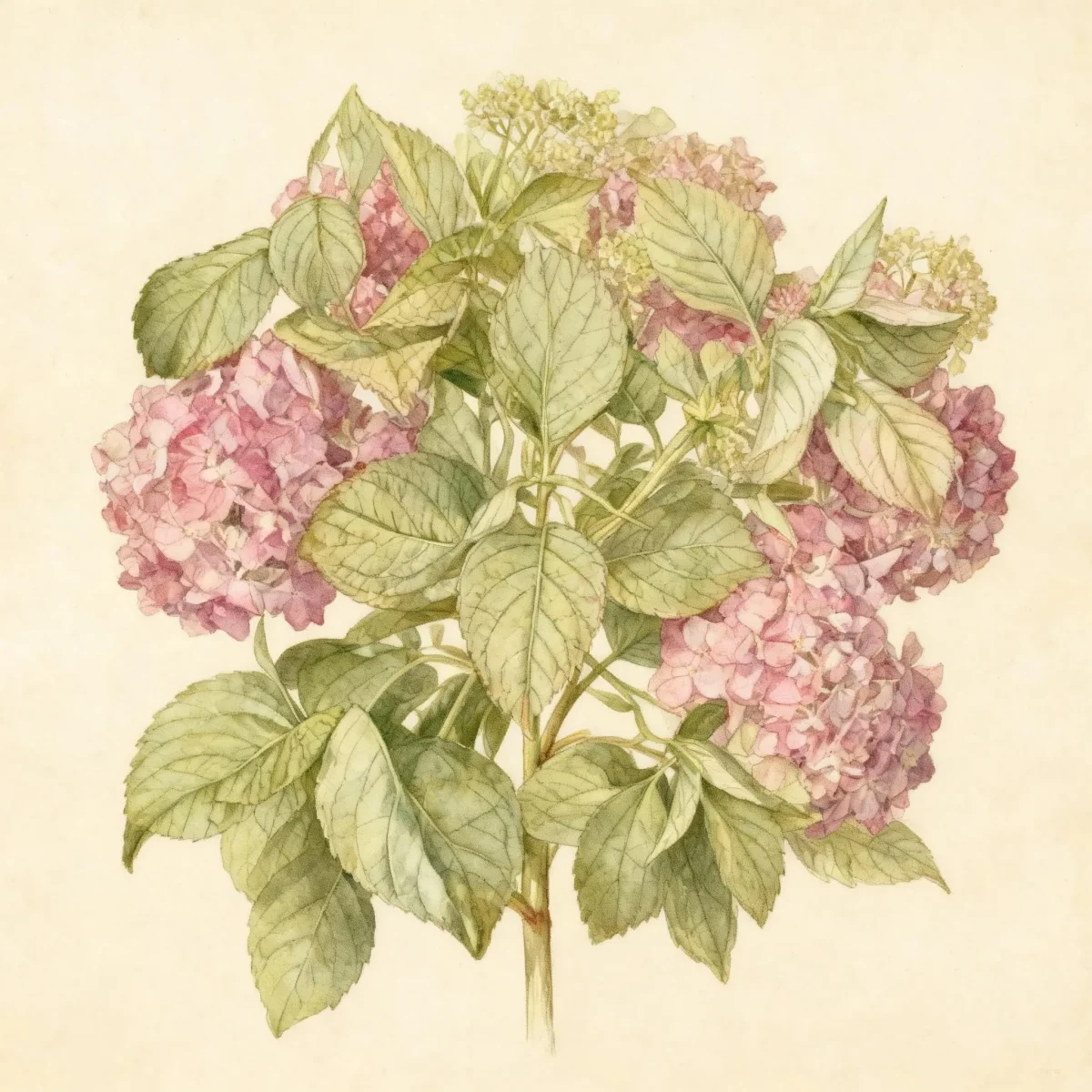
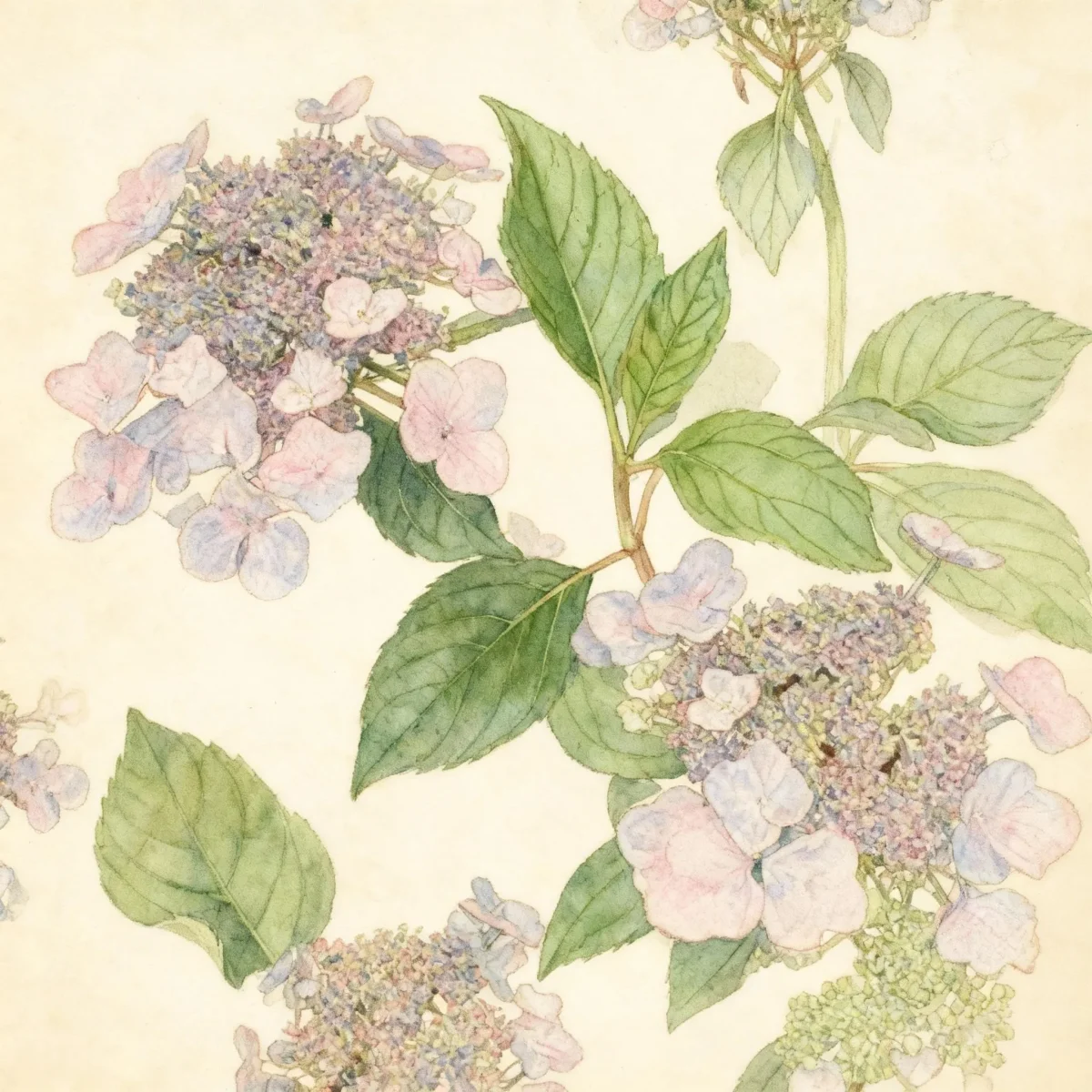
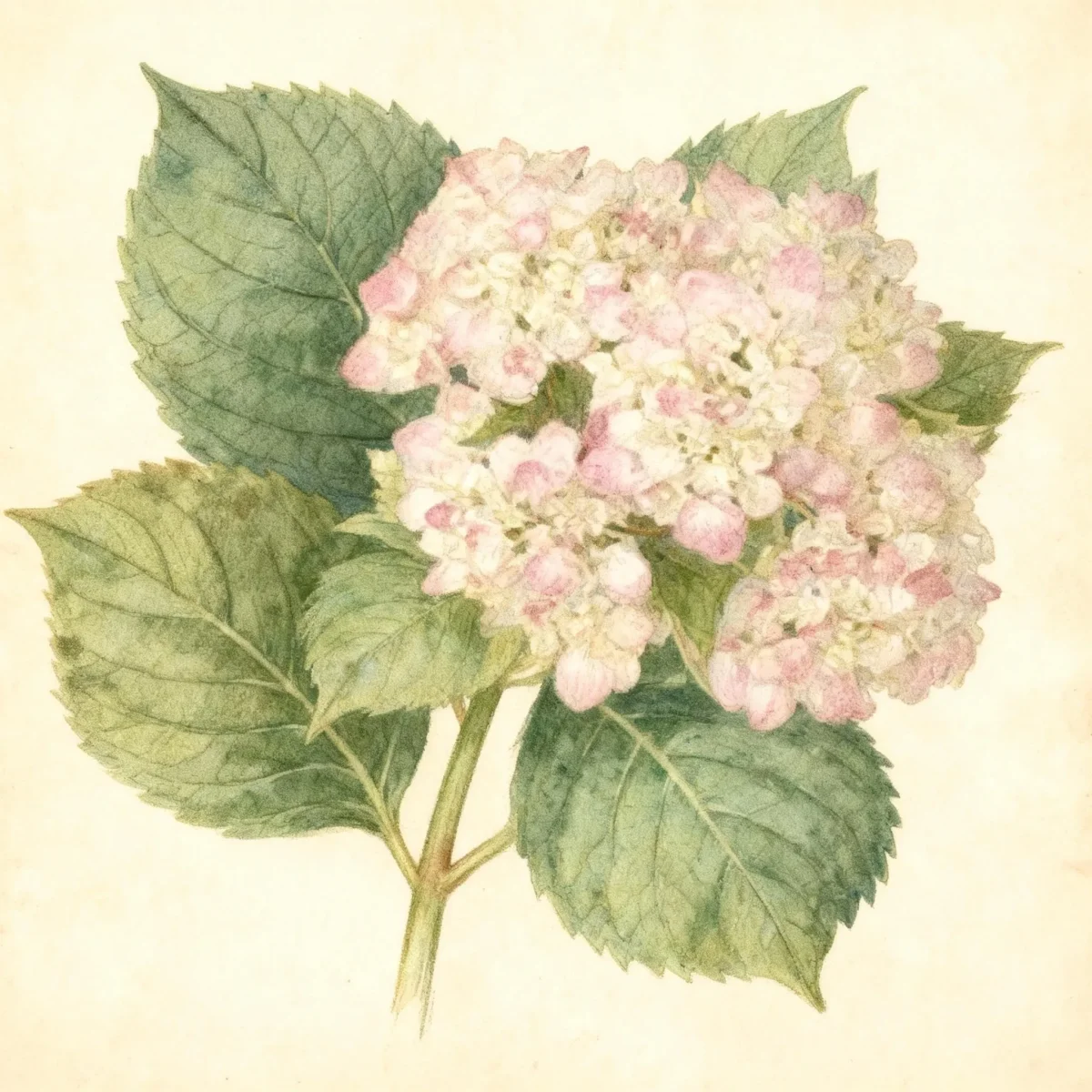
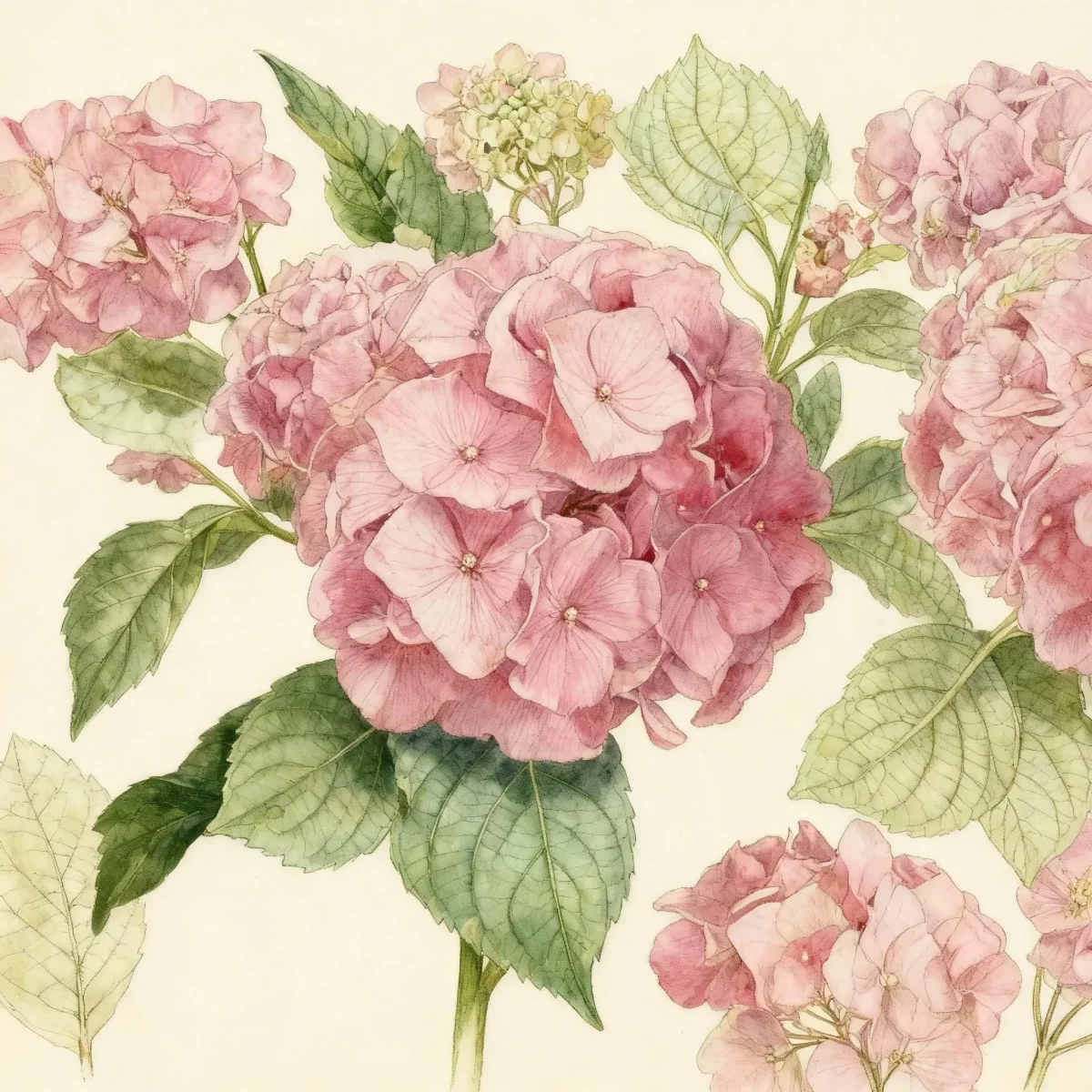
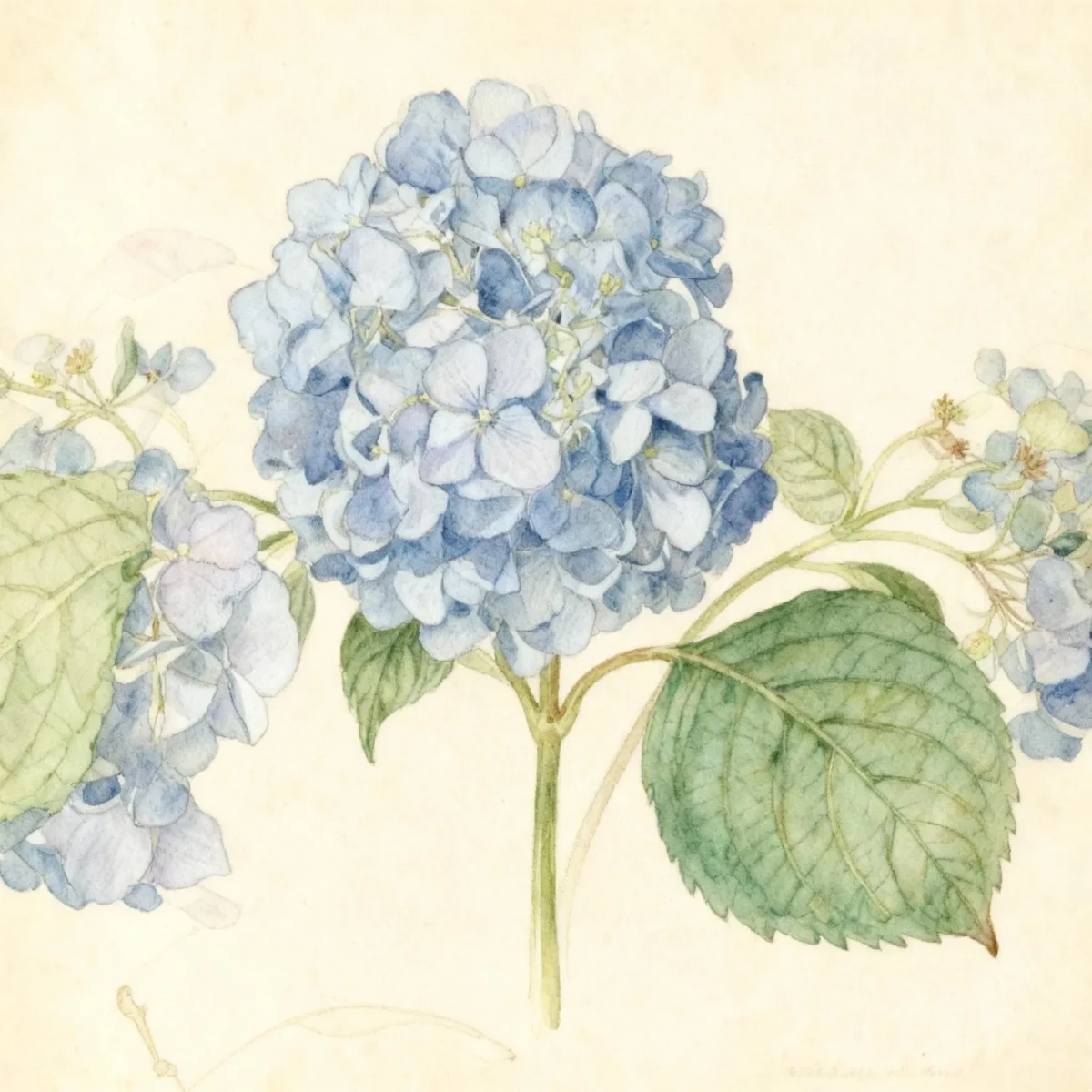
Bigleaf hydrangea (Hydrangea macrophylla 'Venice Raven' CITYLINE VENICE)
The compact Hydrangea macrophylla 'Venice Raven' CITYLINE VENICE offers showy, color-changing mophead blooms. Ideal for US Zones 6-9.

Bloom Boldly, No Matter the Season - Sweatshirt
Cozy organic cotton sweatshirt featuring our exclusive Purple Coneflower design. Perfect for gardeners who bloom year-round.
Inspired by the beautiful Bigleaf hydrangea
Limited first batch (50) — join the waitlist for early access
Waitlist closes Feb 15, 2026.
Complete Plant Information
Field Guide Continues
Ready for care notes, companion picks, and planting tips?
The map is just the start. The full guide below covers growth habits, seasonal performance, and landscape uses.
Overview
The Hydrangea macrophylla ‘Venice Raven’ CITYLINE VENICE is a highly desirable cultivar within the popular Bigleaf hydrangea group. Known commercially as CITYLINE VENICE, this dwarf shrub is valued for its consistent, compact growth habit and strong stems that support large, mophead flower clusters throughout mid-summer. Gardeners appreciate this specific variety for its manageable size, glossy foliage, and good mildew resistance, making it a reliable performer in foundation plantings and mixed borders.
This deciduous shrub achieves its best display when sited in partial shade, preferring rich, well-drained soil. A critical feature of the Hydrangea macrophylla ‘Venice Raven’ CITYLINE VENICE is its responsiveness to soil pH, allowing gardeners to manipulate the flower color between vibrant pinks (in alkaline soil) and striking blues (in acidic soil). Its reliability on old wood flowering, combined with its compact size, sets it apart as an excellent choice for smaller gardens or containers.
The resulting globe-like flower heads, measuring about six inches across, provide long-lasting summer color, making the Bigleaf hydrangea an essential focal point. Whether used as a standalone specimen or integrated into a hedge, the aesthetic contribution of Hydrangea macrophylla ‘Venice Raven’ CITYLINE VENICE is significant. Proper moisture management is key to ensuring both vigorous health and maximal bloom potential for this stunning plant.
Fast Facts
- Plant Family: Hydrangeaceae
- Plant Type: Deciduous shrub
- Hardiness Zones: USDA Zones 6-9
- Size at Maturity:
- Height: 2-3 ft
- Spread: 3-4 ft
- Bloom Time: July to August
- Bloom Description: Pink to blue
- Sun Exposure: Part shade
- Water Needs: Medium
- Maintenance Level: Medium
How to Grow
For successful establishment, plant Hydrangea macrophylla ‘Venice Raven’ CITYLINE VENICE in rich, well-drained soil during the spring or fall. Locate the shrub where it receives part shade; while it tolerates more sun, this exposure must be balanced with consistently moist soil conditions to prevent scorching. The soil should be thoroughly prepared to ensure excellent drainage, as standing water is detrimental to its health.
Watering must be consistent, fitting its “Medium” water needs, especially during dry summer spells. Begin soil pH treatments in late autumn or early spring if color modification is desired; aluminum sulfate encourages blue blooms, while lime shifts the color toward pink. Pruning is generally minimal for this compact cultivar. If cuts are necessary, prune damaged stems in late winter/early spring or trim flowering stems immediately after blooming concludes, always cutting back to a pair of healthy buds.
Mulching is highly recommended year-round with about 3 inches of shredded bark, peat, or compost to maintain steady soil moisture and moderate root temperature. Gardeners in borderline Zone 6 should site the plant in protected areas. Avoid significant overhead watering late in the day during hot weather to minimize fungal issues.
Landscape Uses
The compact stature of Hydrangea macrophylla ‘Venice Raven’ CITYLINE VENICE makes it exceptionally versatile in landscape design. It performs beautifully when grouped or massed in the back or middle of a shrub border, providing substantial texture and summer impact. Additionally, its neat, rounded form makes it an excellent accent for foundations near patios or entryways where a less towering shrub is desired.
Because this Bigleaf hydrangea forms a hedge of just 3 to 4 feet wide, it can serve as a low, neat border along pathways or property lines where a formal, contained look is appealing. In containers, it provides magnificent seasonal color, though it will require more diligent watering than when planted in the ground. Pair it with shade-loving perennials like hostas or astilbes, or group it with evergreens that offer winter contrast to its glossy summer foliage.
Standout Features
Flower Qualities
- Showy
- Good Cut
- Good Dried
Noteworthy Characteristics
The CITYLINE SERIES of dwarf hydrangeas, which includes ‘Venice Raven’, was developed in Germany to feature compact form, strong stems, and showy mophead flowers. As a mophead type, Hydrangea macrophylla ‘Venice Raven’ CITYLINE VENICE typically reaches only 2-3 feet tall and 3-4 feet wide, blooming on old growth in July and August. Its flowers typically exhibit a rounded, snowball-like cluster featuring pink sterile florets in alkaline soils and blue ones in acidic conditions.
Potential Problems
This Bigleaf hydrangea faces some susceptibility to common landscape issues, including bud blight, bacterial wilt, leaf spot, and mildew. Aphids can occasionally be found visiting the leaves and new growth. Maintaining good air circulation through proper spacing and avoiding overhead watering late in the day can help mitigate fungal and bacterial risks. Monitor new growth closely for early signs of pest or disease activity.
Tolerances
(No data available)
Frequently Asked Questions
What hardiness zones is Bigleaf hydrangea suitable for?
The Hydrangea macrophylla ‘Venice Raven’ CITYLINE VENICE is generally suitable for USDA Hardiness Zones 6 through 9.
How large does Hydrangea macrophylla ‘Venice Raven’ CITYLINE VENICE grow?
This compact cultivar typically matures to a height between 2 and 3 feet, with a spread ranging from 3 to 4 feet wide.
What sun exposure does Bigleaf hydrangea need?
This shrub prefers part shade conditions for optimal growth and bloom production.
When does Hydrangea macrophylla ‘Venice Raven’ CITYLINE VENICE bloom?
The mophead flowers of this Bigleaf hydrangea typically appear from July through August, displaying colors ranging from pink to blue depending on soil pH.
Conclusion
The Hydrangea macrophylla ‘Venice Raven’ CITYLINE VENICE offers gardeners a fantastic combination of compact size, glossy foliage, and reliable summer color changes. This particular Bigleaf hydrangea variety excels in smaller spaces or as a dependable hedge element. Before planting, confirm that your site offers part shade and plan your soil amendments early if you desire specific blue or pink coloring from your summer blooms.
##Companion Planting
When planning garden beds around Hydrangea macrophylla ‘Venice Raven’ CITYLINE VENICE, focus on other plants that thrive in similar partial shade and consistently moist soil conditions. Hostas are excellent companions, providing contrasting leaf textures and colors that dramatically enhance the visual impact of the hydrangea’s flowers. Ferns, particularly Japanese Painted Ferns or Wood Ferns, work well underneath the canopy, adding fine texture to the lower layer of the planting design.
For seasonal interest beyond the July and August bloom time of the Bigleaf hydrangea, consider early spring bulbs like bleeding hearts or late-season asters that can pick up color as the hydrangeas fade. Ensuring that companions do not aggressively compete for moisture is crucial, especially when planting near the base of a mature shrub.
##Seasonal Care Calendar
Spring marks the beginning of active care for your Hydrangea macrophylla ‘Venice Raven’ CITYLINE VENICE. In late winter or early spring, prune out any weak, crossing, or evidently winter-damaged stems before new growth begins; remember that bloom occurs on old wood. As the soil warms, apply your beneficial soil pH treatments (lime or aluminum sulfate) if you are targeting a specific flower color for the coming season.
Summer is primarily a monitoring phase focused on adequate watering. If conditions are hot and dry, frequent deep watering is necessary to satisfy the medium water requirement of this Bigleaf hydrangea. Heavy rain or severe heat stress can sometimes lead to temporary wilting, which should recover once moisture levels normalize.
As autumn approaches, cease fertilization to allow the shrub to harden off naturally for winter dormancy. If you are gardening in colder parts of its range (Zone 6), apply a protective layer of mulch after the ground freezes. In spring, inspect for any accidental die-back from winter extremes before applying fresh mulch over the old layer.