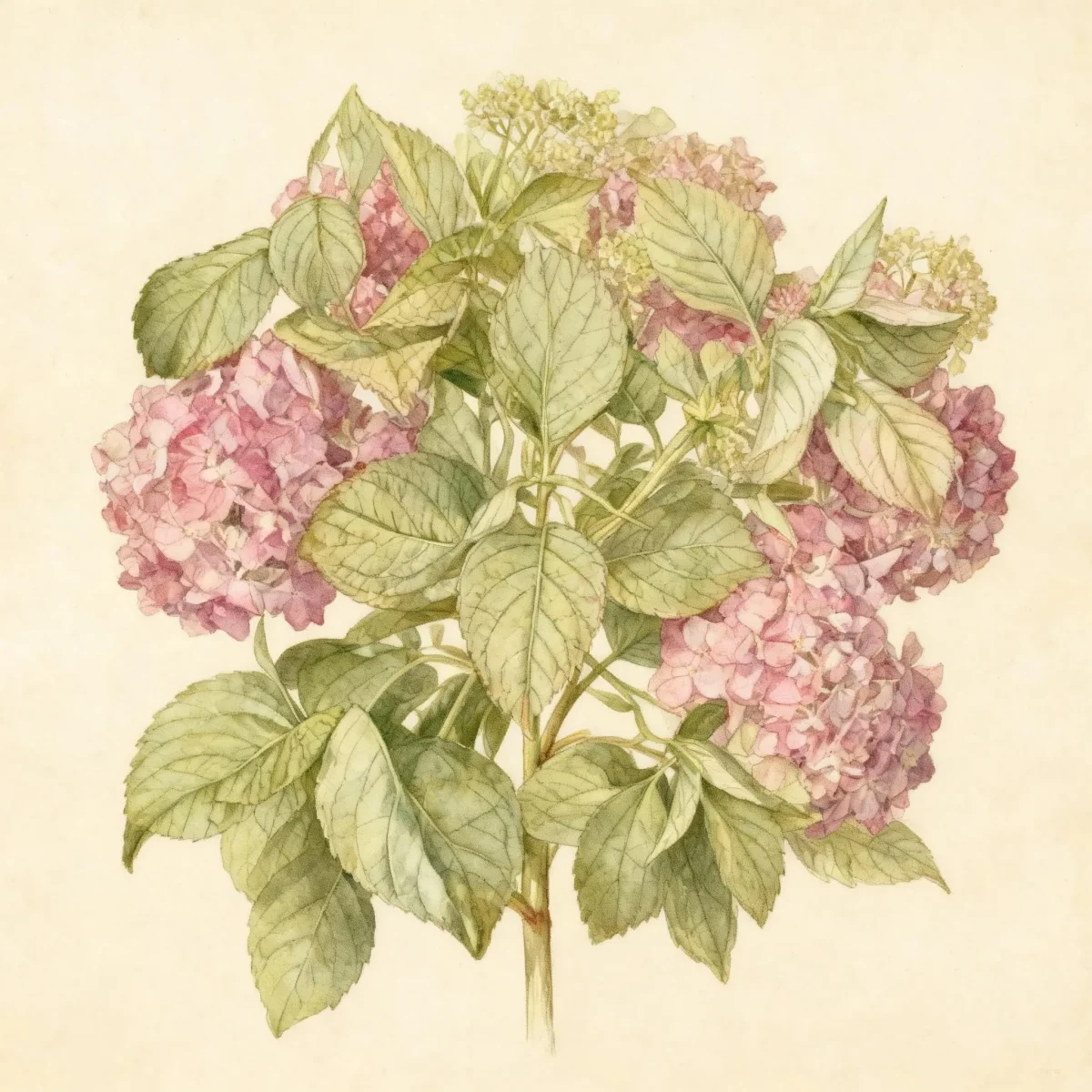
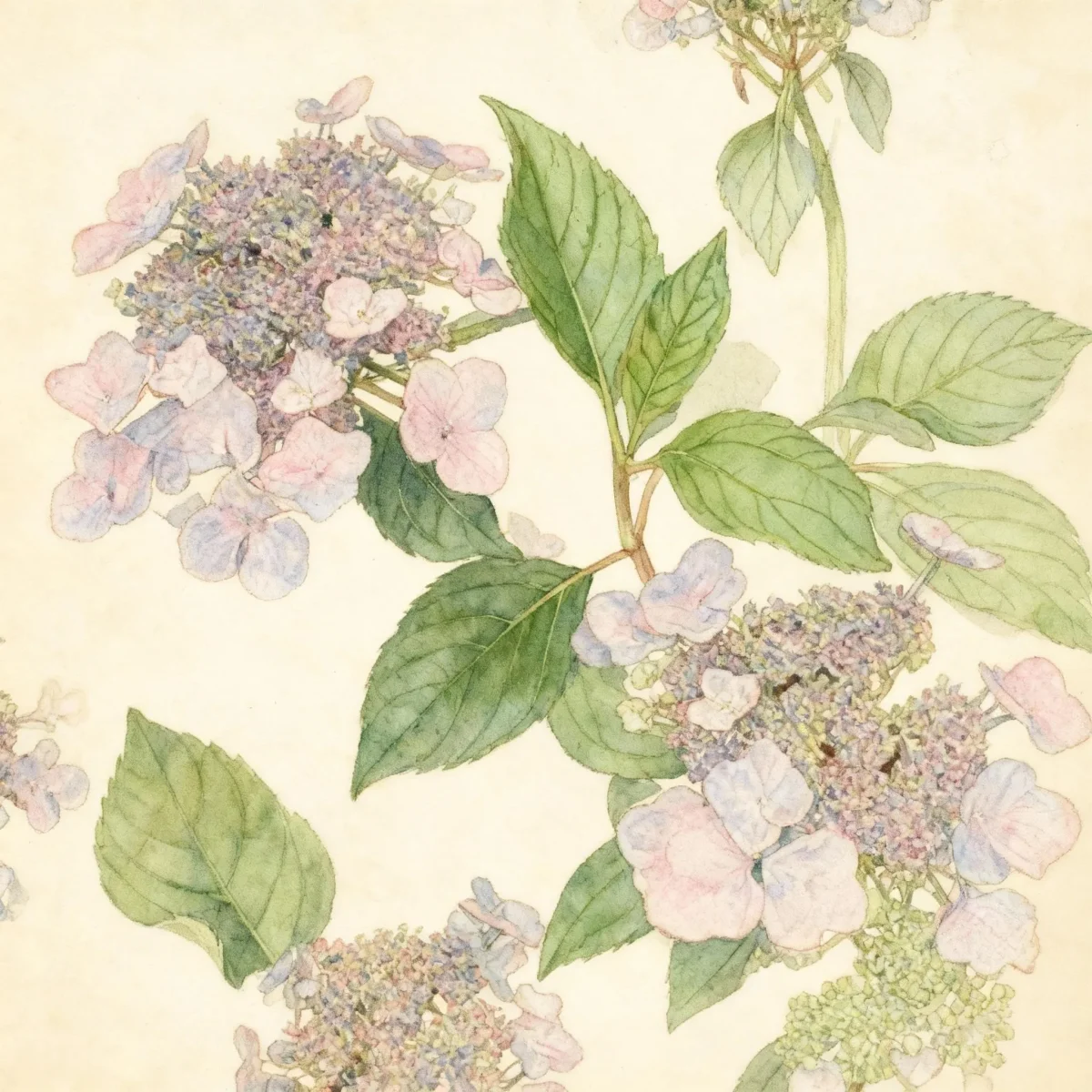
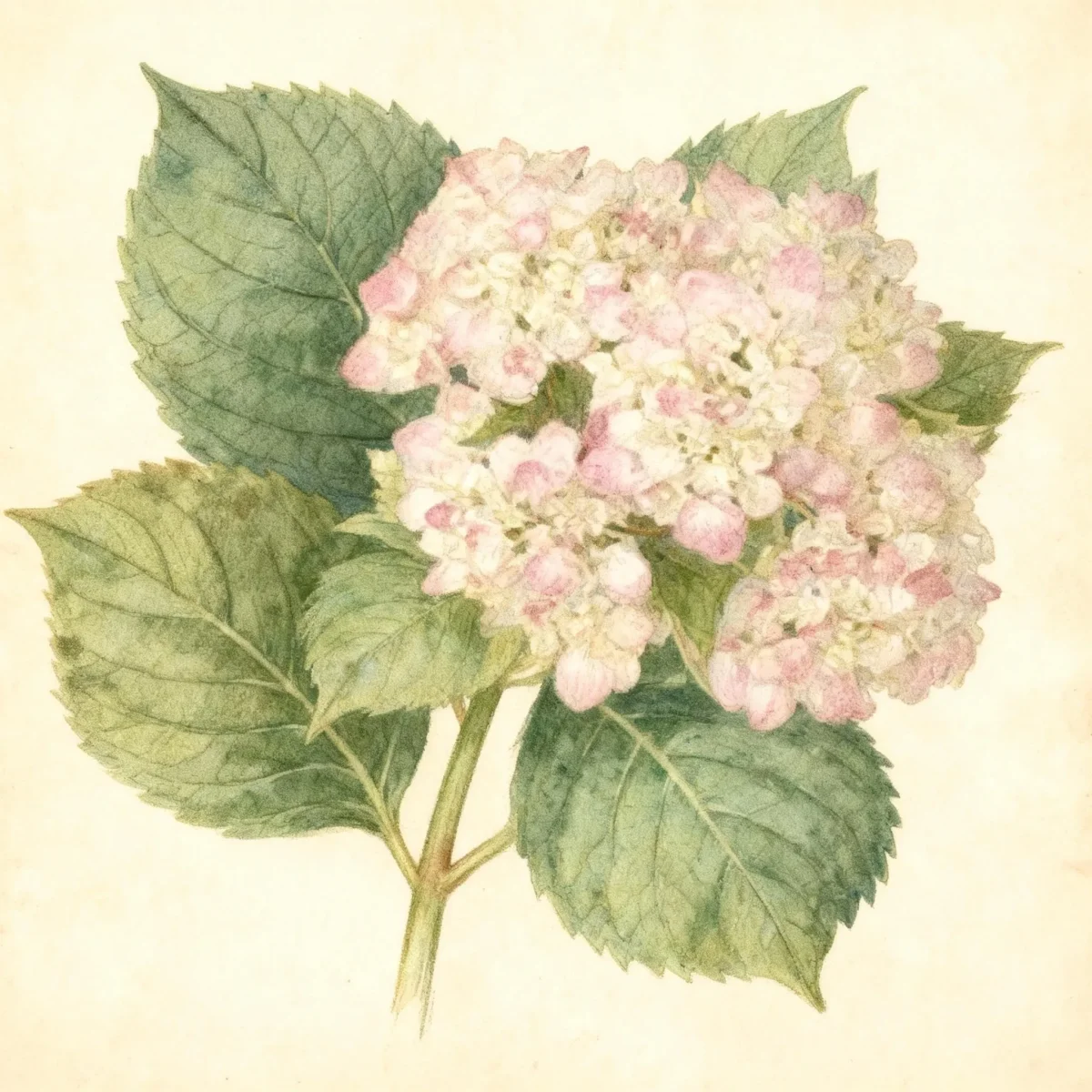
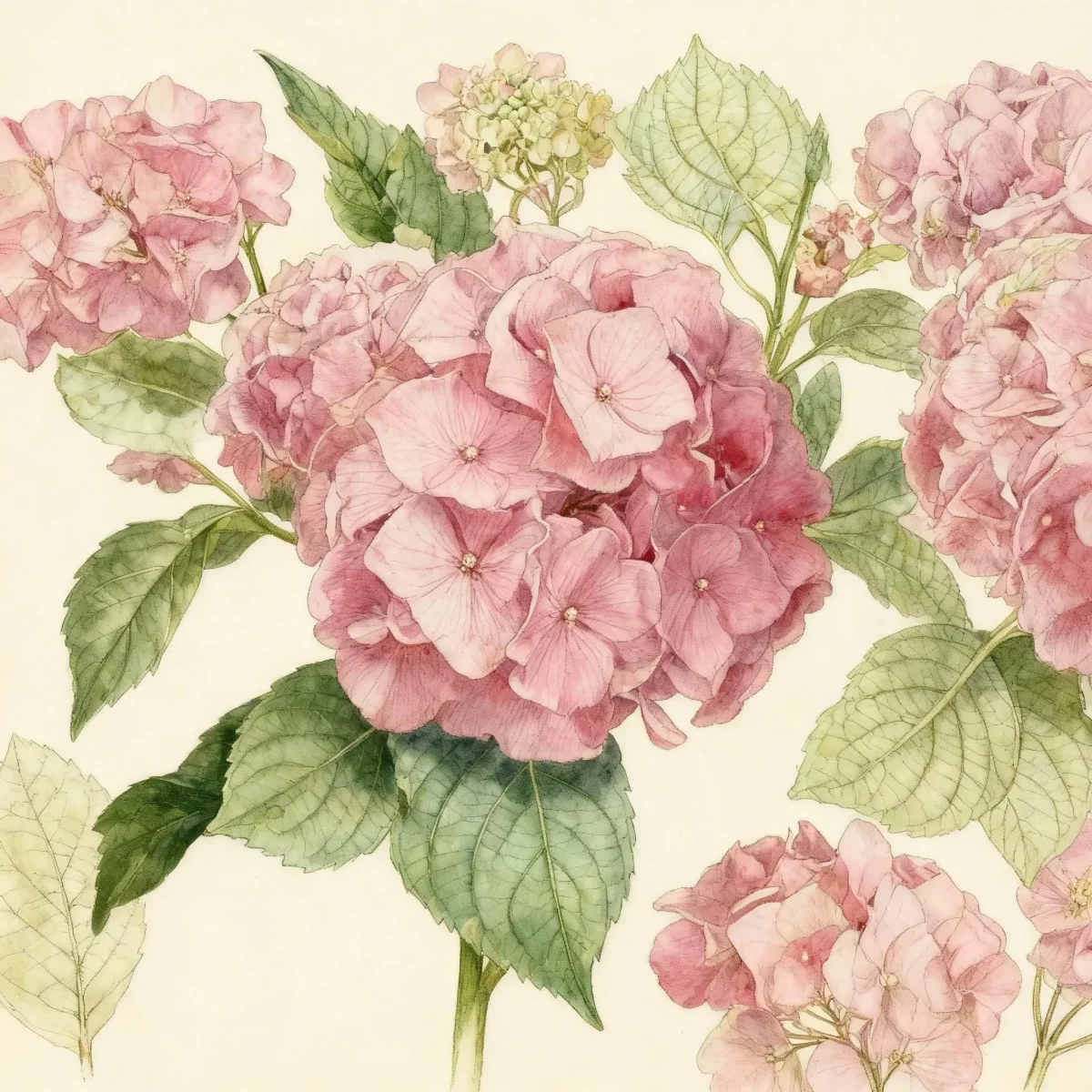
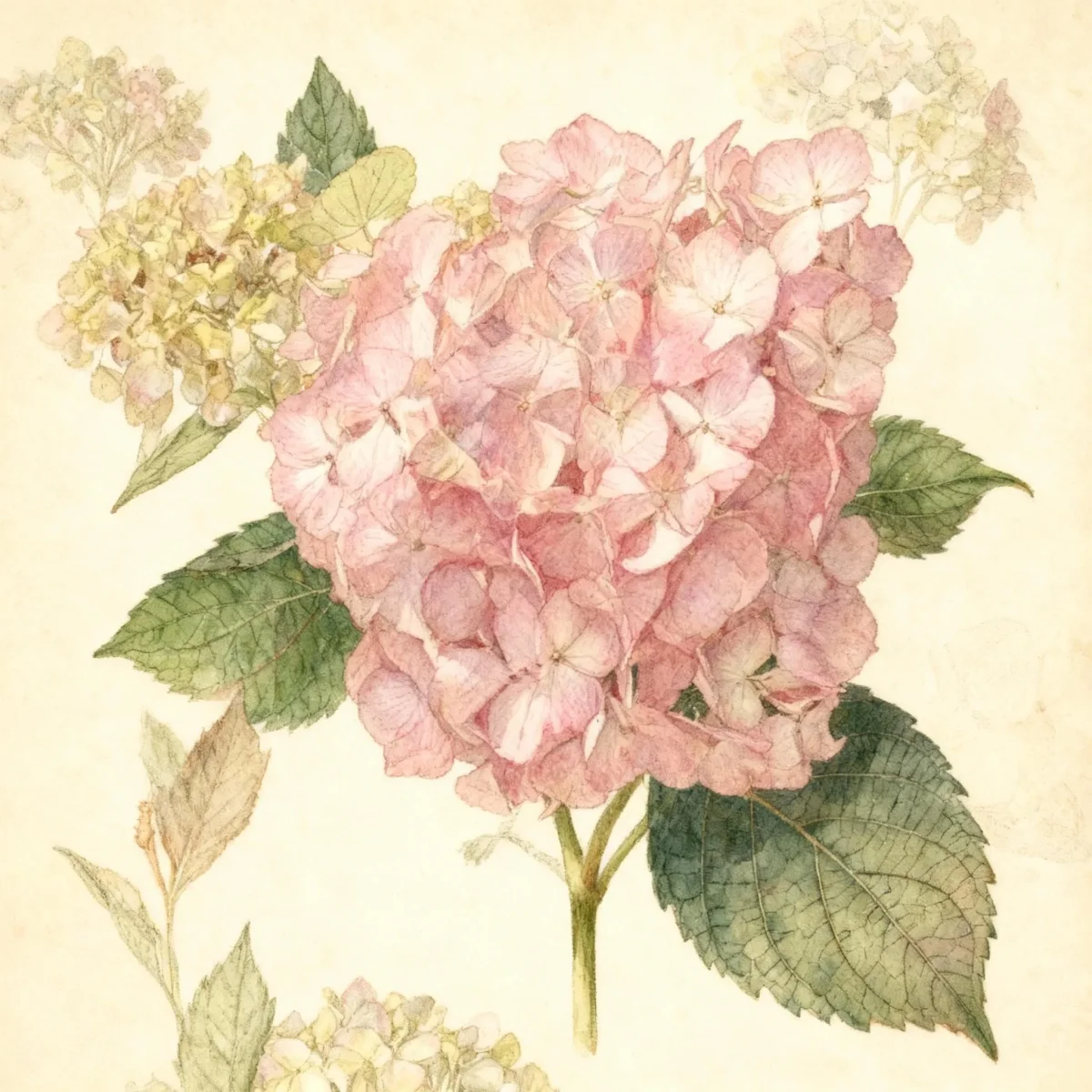
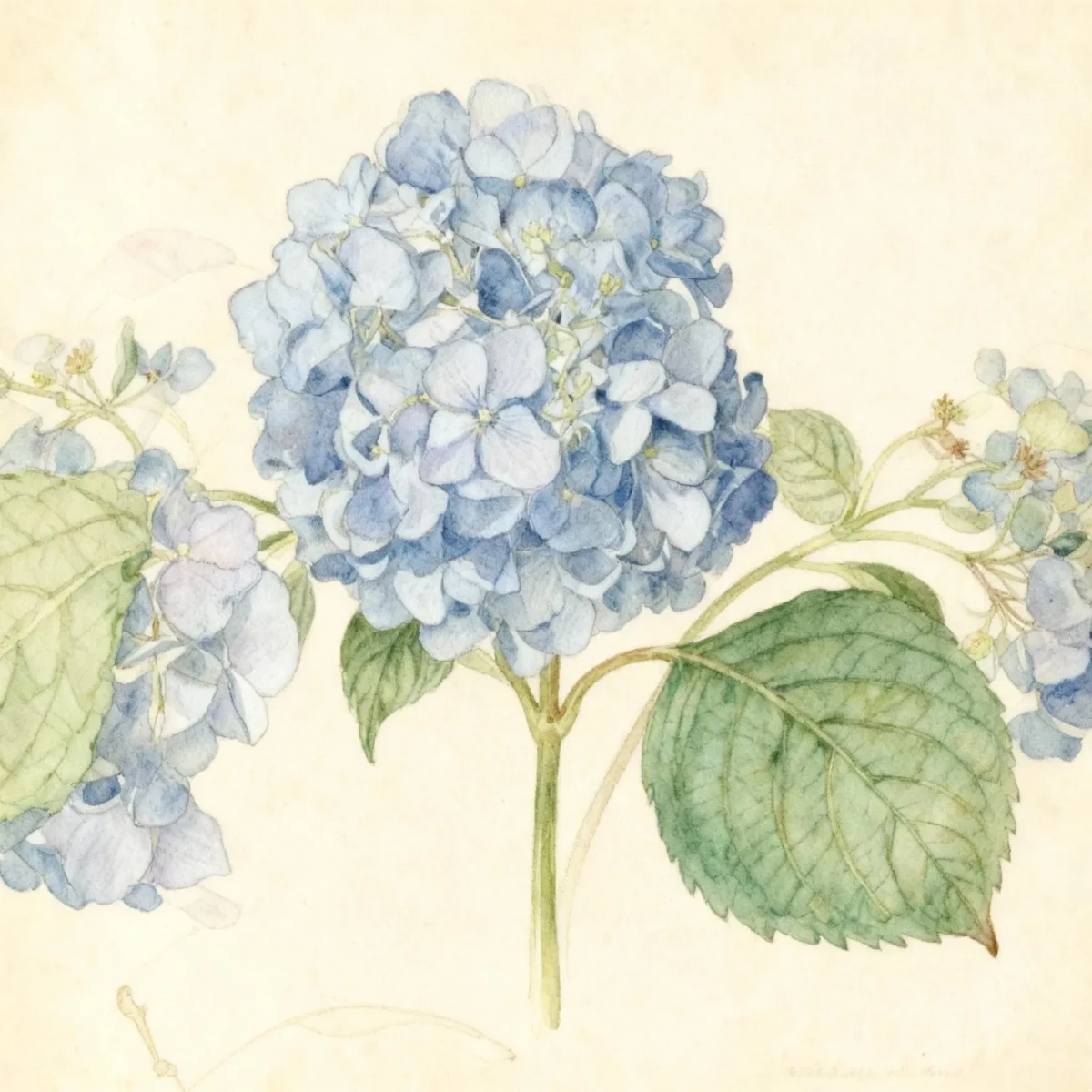
Bigleaf hydrangea (Hydrangea macrophylla 'All Summer Beauty')
Hydrangea macrophylla 'All Summer Beauty' is a reliable Bigleaf hydrangea blooming June-September. Zones 5-9, offering pink or blue mopheads.
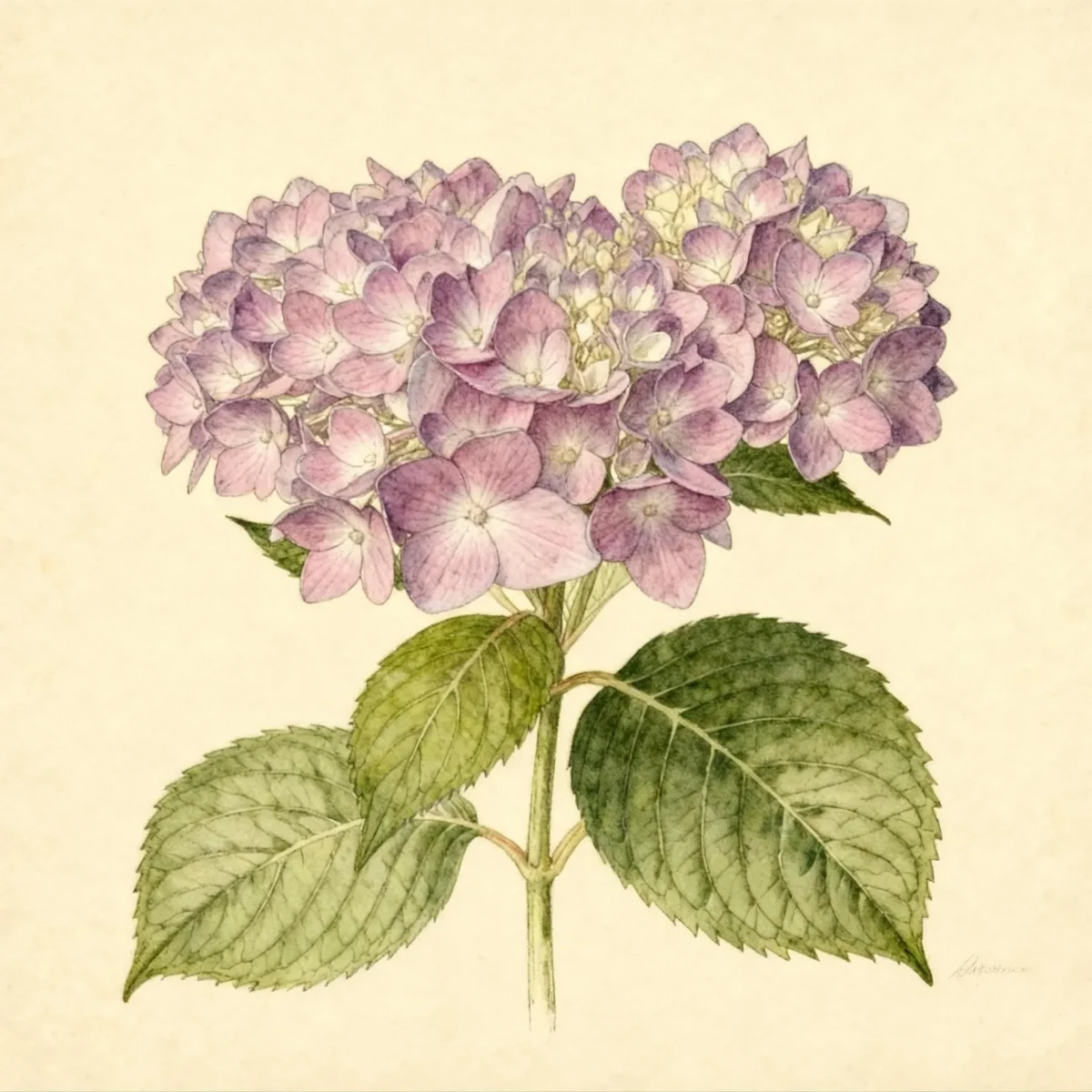

Bloom Boldly, No Matter the Season - Sweatshirt
Cozy organic cotton sweatshirt featuring our exclusive Purple Coneflower design. Perfect for gardeners who bloom year-round.
Inspired by the beautiful Bigleaf hydrangea
Limited first batch (50) — join the waitlist for early access
Waitlist closes Feb 15, 2026.
Complete Plant Information
Field Guide Continues
Ready for care notes, companion picks, and planting tips?
The map is just the start. The full guide below covers growth habits, seasonal performance, and landscape uses.
Overview
The Hydrangea macrophylla ‘All Summer Beauty’ is highly valued for its reliable, long-lasting summer flower display. Unlike some older cultivars, this specific Bigleaf hydrangea selection is known for blooming on both old and new wood, minimizing the risk of losing blooms due to winter bud kill. It provides a rounded, charming silhouette in the landscape, making it a staple for foundational plantings and mixed borders.
This deciduous shrub features large, serrated, dark green foliage that serves as an excellent backdrop for its prominent globe-shaped mophead flowers. The most fascinating feature of the Bigleaf hydrangea is its adaptable flower color, which reacts directly to soil chemistry. Gardeners can manipulate the hue from vibrant blue in acidic conditions to soft pink in alkaline soils.
For gardeners seeking reliable summertime color, Hydrangea macrophylla ‘All Summer Beauty’ is an excellent choice, capable of thriving in USDA Zones 5 through 9. While generally medium maintenance, understanding its soil pH and winter protection needs ensures consistent performance year after year.
Fast Facts
- Plant Family: Hydrangeaceae
- Plant Type: Deciduous shrub
- Hardiness Zones: USDA Zones 5-9
- Size at Maturity:
- Height: 3-4 ft
- Spread: 3-4 ft
- Bloom Time: June to September
- Bloom Description: Blue (acidic) or pink (alkaline)
- Sun Exposure: Part shade
- Water Needs: Medium
- Maintenance Level: Medium
How to Grow
Plant Hydrangea macrophylla ‘All Summer Beauty’ in rich, well-drained soil, ensuring the site receives consistent moisture daily, especially during hot periods. While they perform best in part shade, they can tolerate more sun than some hydrangeas, provided the roots never dry out. Begin soil treatments to adjust pH (aluminum sulfate for blue; lime for pink) in late autumn or early spring, as these changes take time to affect flower color.
Watering is critical for this Bigleaf hydrangea. Aim for medium moisture levels; do not allow the soil to become boggy, but never let it dry out completely, as this is especially important if planting in a location receiving more than dappled light. Fertilization is rarely necessary if the soil is rich; focus efforts on soil amendment for color manipulation rather than heavy feeding.
Pruning needs are minimal for Hydrangea macrophylla ‘All Summer Beauty’ since it blooms on both growth points. If pruning is required, do so immediately after the primary flush of blooms fades by cutting stems back to a healthy set of buds. In late winter or early spring, remove any stems that show signs of die-back or weakness. Mulching annually with a 3-inch layer of shredded bark or compost helps moderate soil temperature and retain the necessary consistent moisture.
Gardeners in Zone 5 must be vigilant about winter protection, even though this cultivar is hardier than many others. While the plant is hardy to Zone 5, harsh freezes can still damage developing buds. Siting the plant near a wall or using a heavy layer of mulch may offer sufficient protection to ensure robust flowering the following summer.
Landscape Uses
Hydrangea macrophylla ‘All Summer Beauty’ is exceptionally versatile, thriving as a specimen plant or integrated into mass plantings. Its consistent form and stunning mophead blossoms make it a perfect accent near patios or entryways where its summer color can be easily appreciated. They work beautifully grouped together to form a low, uniform hedge along property lines or walkways.
When planning companion plantings, choose materials that share similar medium water requirements and a part-shade environment. Consider pairing the vibrant blues or pinks of the Bigleaf hydrangea with white-flowering shade annuals or woodland groundcovers like hostas or astilbes, which provide textural contrast without competing too heavily for resources. For continuous color display, plant summer-blooming shade perennials nearby.
Mophead hydrangeas like this one look magnificent when planted in large drifts within a shrub border, providing a strong mid-layer element. Their ability to provide color from June straight through September means they bridge early summer bloomers with late-season interest plants in the perennial garden scheme.
Standout Features
Flower Qualities
- Showy
Noteworthy Characteristics
The Hydrangea macrophylla ‘All Summer Beauty’ is a mophead cultivar characterized by large, globose flower clusters primarily composed of showy sterile florets. This specific Bigleaf hydrangea reliably produces blooms on both the previous year’s growth and new spring/summer shoots. Flower color is directly influenced by soil acidity: bluer flowers appear in acidic soil, while pinker shades develop in alkaline conditions.
Tolerances
Potential Problems
Bigleaf hydrangeas, including Hydrangea macrophylla ‘All Summer Beauty’, can occasionally suffer from fungal issues like leaf spot and mildew, especially in areas with high humidity or poor air circulation. Bacterial wilt is a potential, though less common, concern that requires prompt removal of affected parts. Monitor plants closely for common pests such as aphids, which occasionally feed on tender new growth.
To prevent disease, ensure adequate spacing between plants to promote airflow; this is crucial for keeping the large leaves dry. If mildew appears, treat it immediately with a fungicide labeled for hydrangea use. Since this plant requires consistent moisture, avoid overhead watering late in the day, which can leave foliage damp overnight and encourage fungal development.
Frequently Asked Questions
What hardiness zones is Bigleaf hydrangea suitable for?
Hydrangea macrophylla ‘All Summer Beauty’ is generally suitable for USDA Hardiness Zones 5 through 9.
How large does Hydrangea macrophylla ‘All Summer Beauty’ grow?
This cultivar typically matures to a height of 3 to 4 feet tall and spreads to a width of 3 to 4 feet.
What sun exposure does Bigleaf hydrangea need?
This plant performs best when situated in part shade, though it can tolerate full sun if the soil is kept consistently moist.
When does Hydrangea macrophylla ‘All Summer Beauty’ bloom?
Expect bloom time from June through September, with flower color readily shifting between blue in acidic soil and pink in alkaline soil.
Conclusion
The Hydrangea macrophylla ‘All Summer Beauty’ offers gardeners dependable, vibrant mophead flowers that last all season long thanks to its unique ability to set buds on both old and new wood. Mastering the simple pH adjustments allows you to customize the color display of your Bigleaf hydrangea. Before planting, confirm that your location falls within USDA Zones 5-9 and plan to provide the necessary medium water supply for best results.
Companion Planting
Selecting companions that appreciate rich, well-drained soil and part-shade conditions will ensure the health of your Hydrangea macrophylla ‘All Summer Beauty’. Consider planting shade-tolerant annuals like impatiens or ferns underneath the canopy to suppress weeds and maintain cool soil temperatures around the roots. For evergreen structure that contrasts well with the hydrangea’s large leaves, low-growing evergreen azaleas or dwarf rhododendrons are excellent choices, provided soil acidity levels are compatible.
Seasonal Care Calendar
Spring is the key time to prepare your Bigleaf hydrangea for flowering; apply any needed soil amendments for color correction in early spring. In summer, focus entirely on consistent watering, especially during dry spells, as this variety dislikes drying out. Autumn should bring a generous layer of mulch to protect the root system as temperatures drop, further reducing winter stress for Zone 5 growers. Winter care involves minimal pruning, only removing demonstrably dead wood once new spring growth reveals the extent of any winter damage.