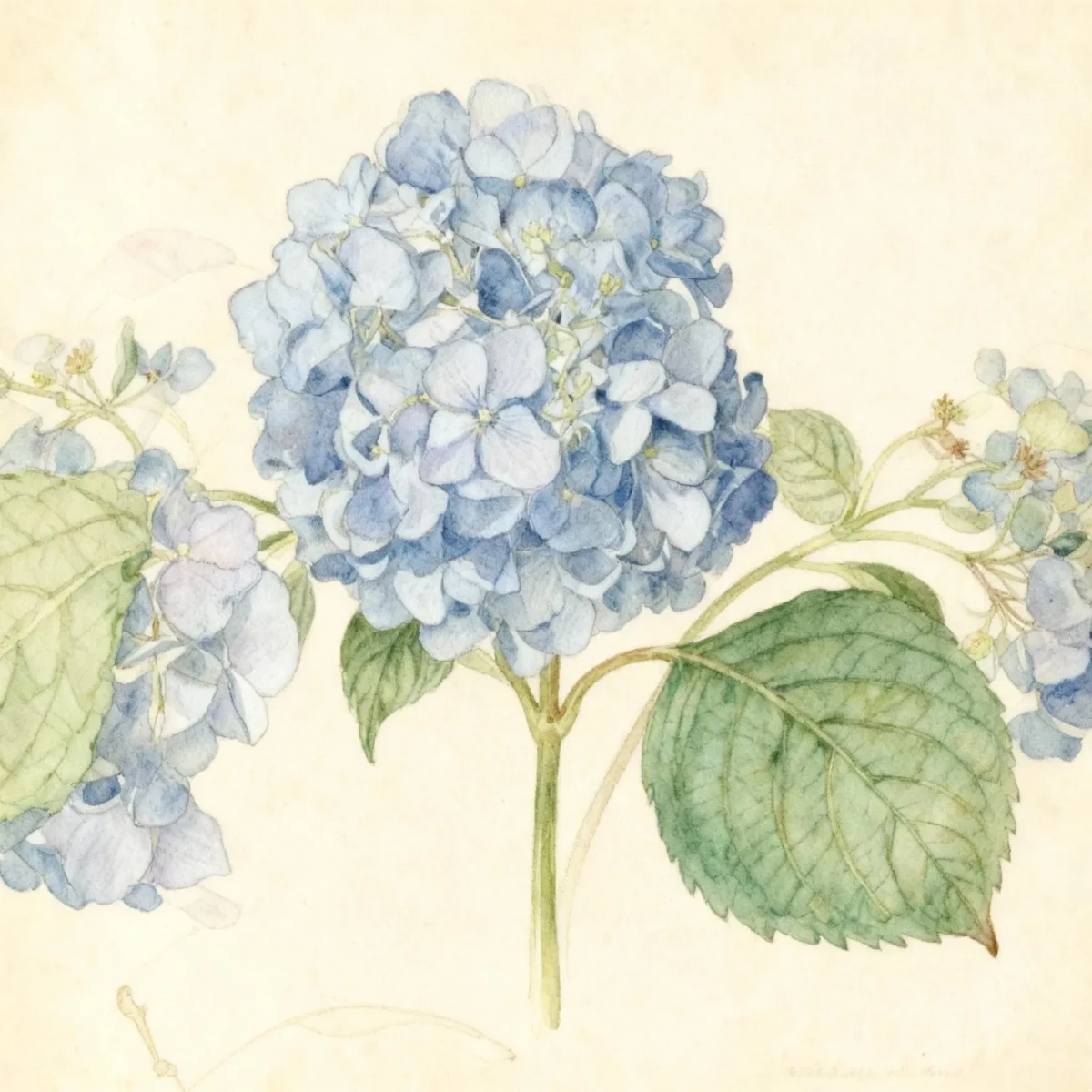
Bigleaf hydrangea (Hydrangea macrophylla 'Big Daddy')
The Hydrangea macrophylla 'Big Daddy' is a reblooming Bigleaf hydrangea prized for massive 12-14" mophead flowers that shift color based on soil pH.
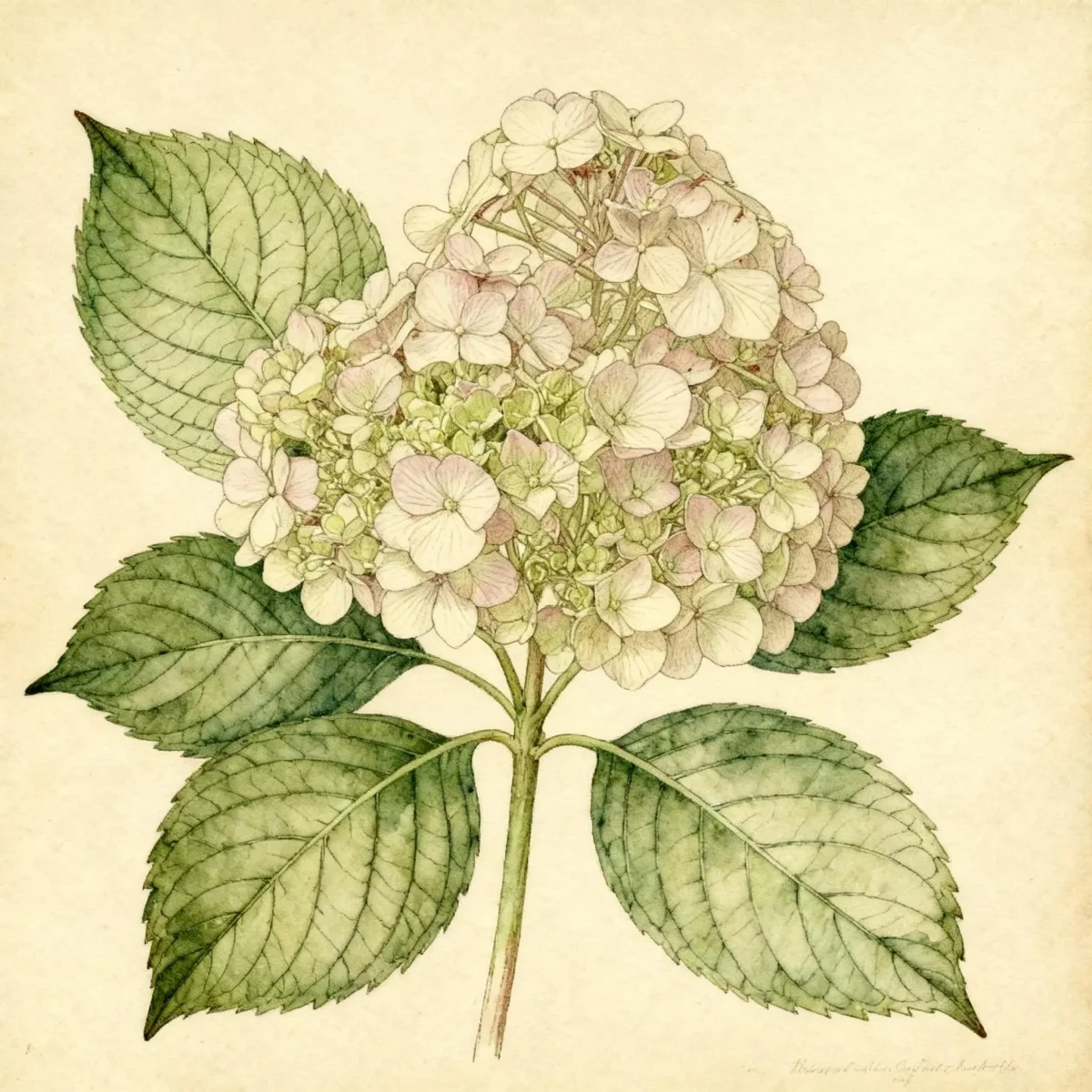

Bloom Boldly, No Matter the Season - Sweatshirt
Cozy organic cotton sweatshirt featuring our exclusive Purple Coneflower design. Perfect for gardeners who bloom year-round.
Inspired by the beautiful Bigleaf hydrangea
Limited first batch (50) — join the waitlist for early access
Waitlist closes Feb 15, 2026.
Complete Plant Information
Field Guide Continues
Ready for care notes, companion picks, and planting tips?
The map is just the start. The full guide below covers growth habits, seasonal performance, and landscape uses.
Overview
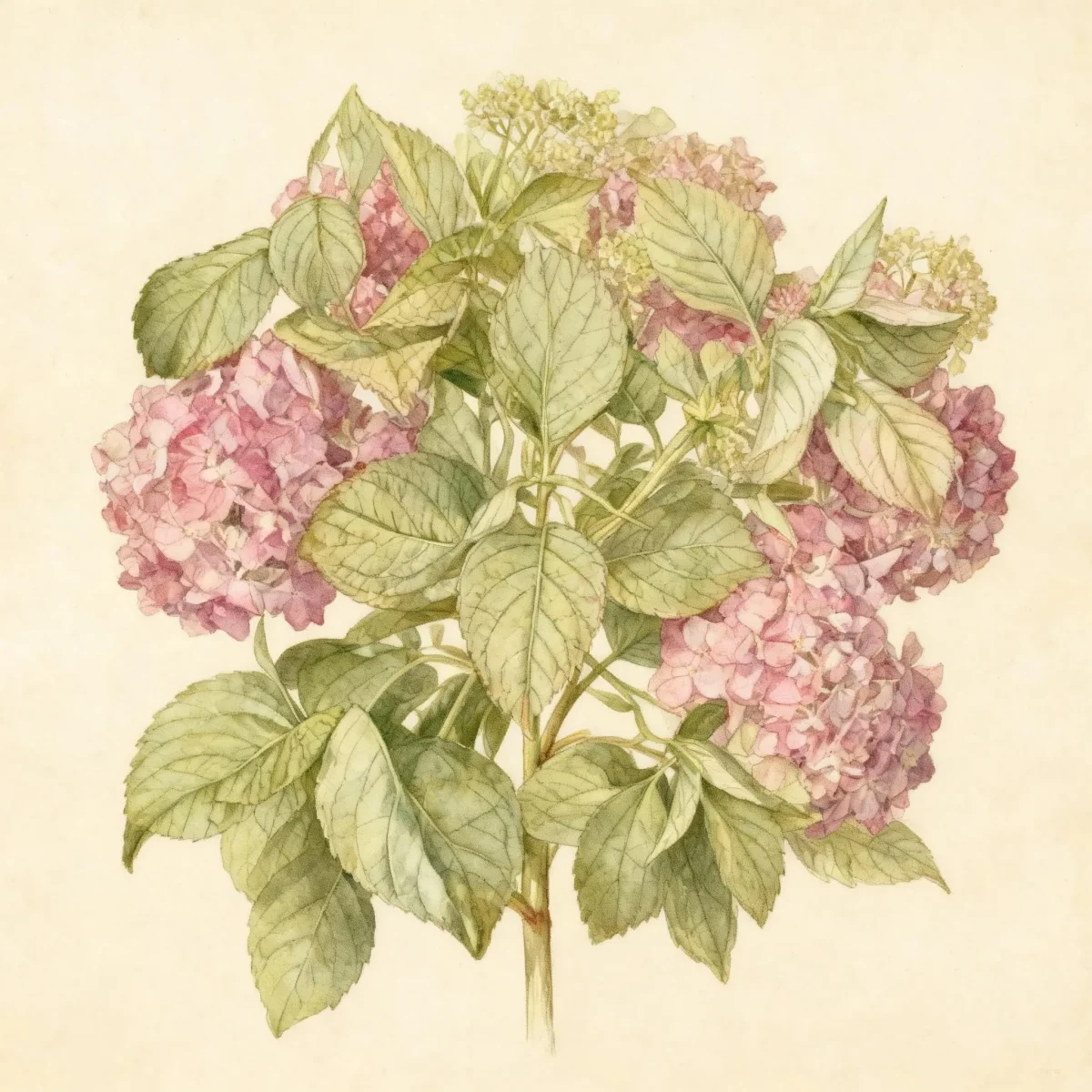
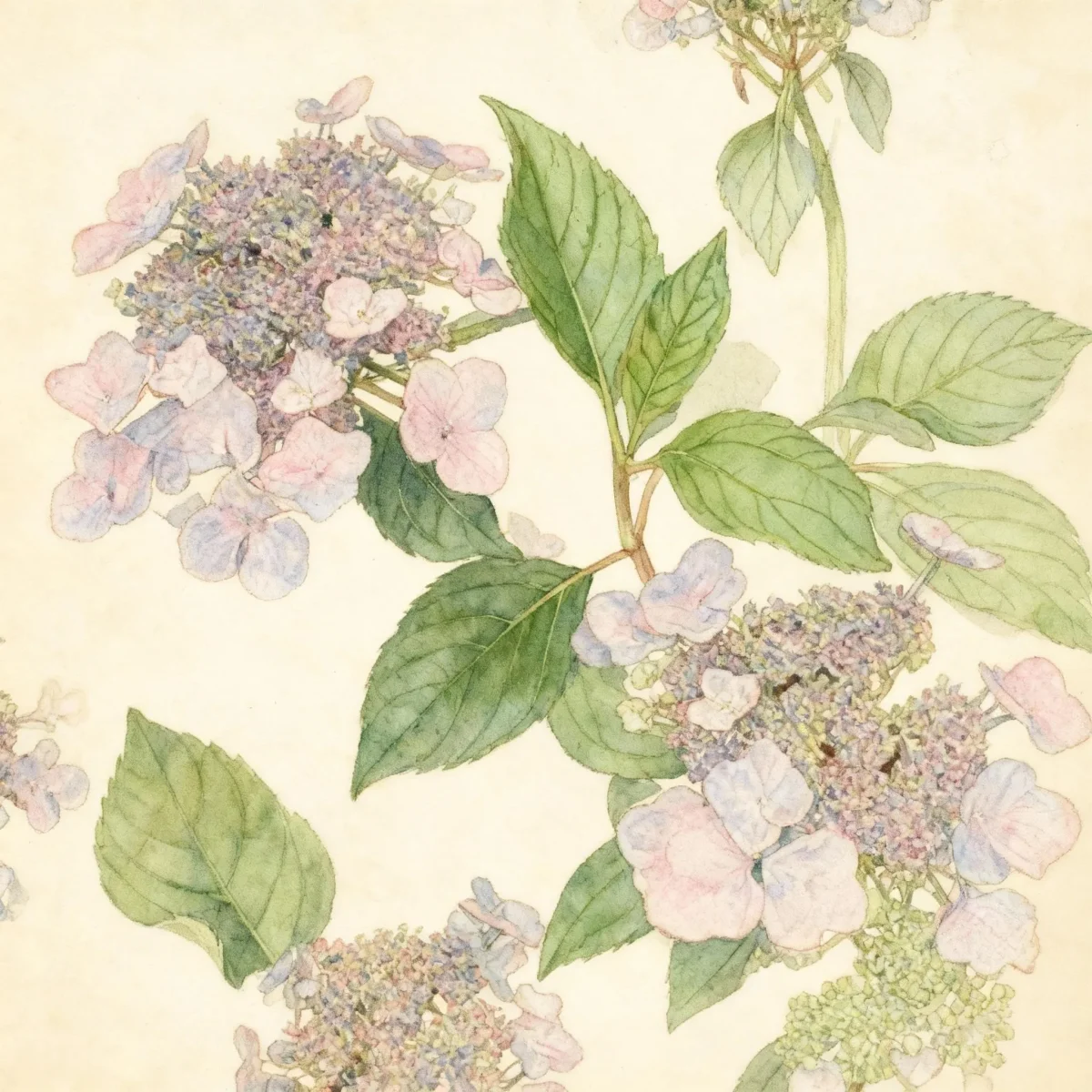
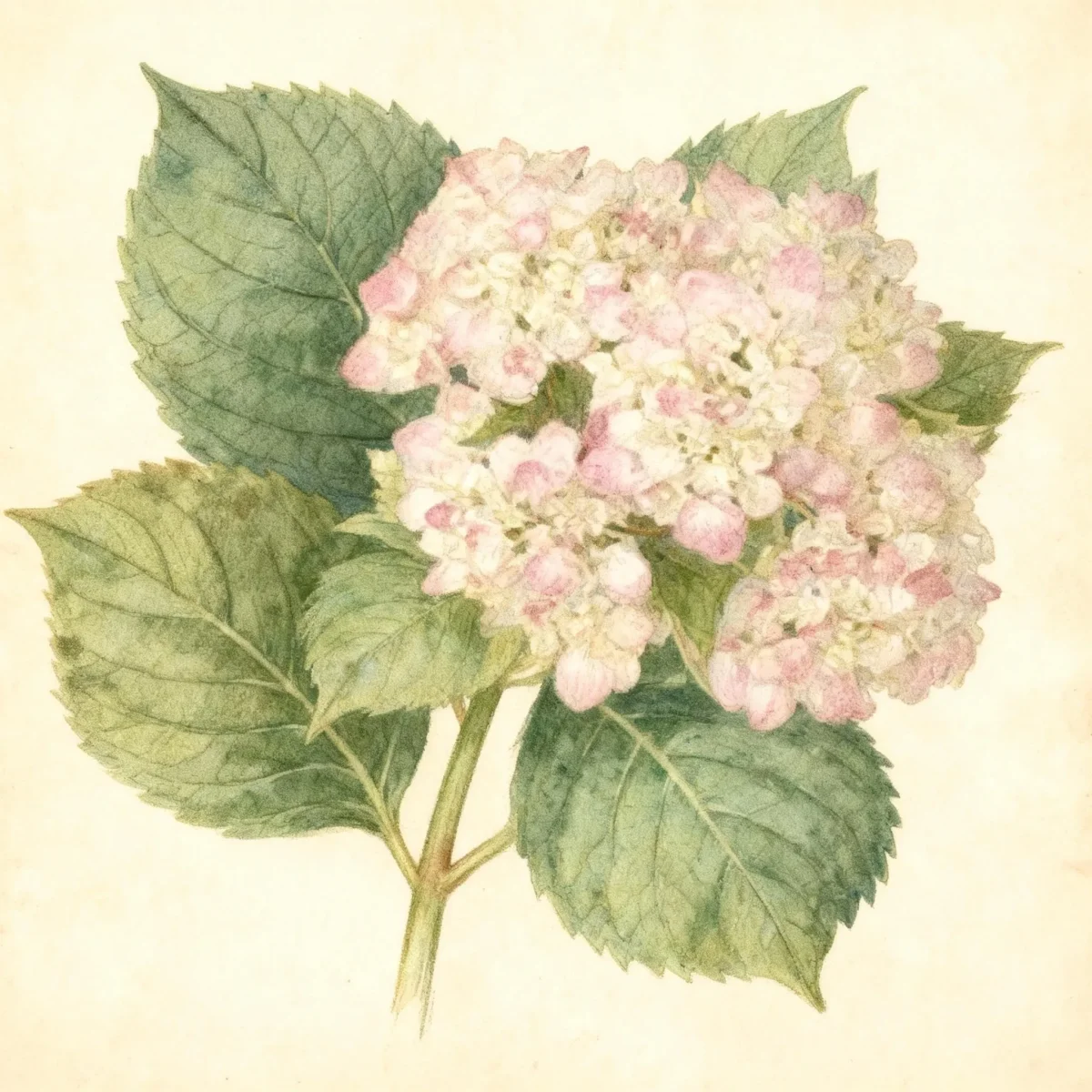
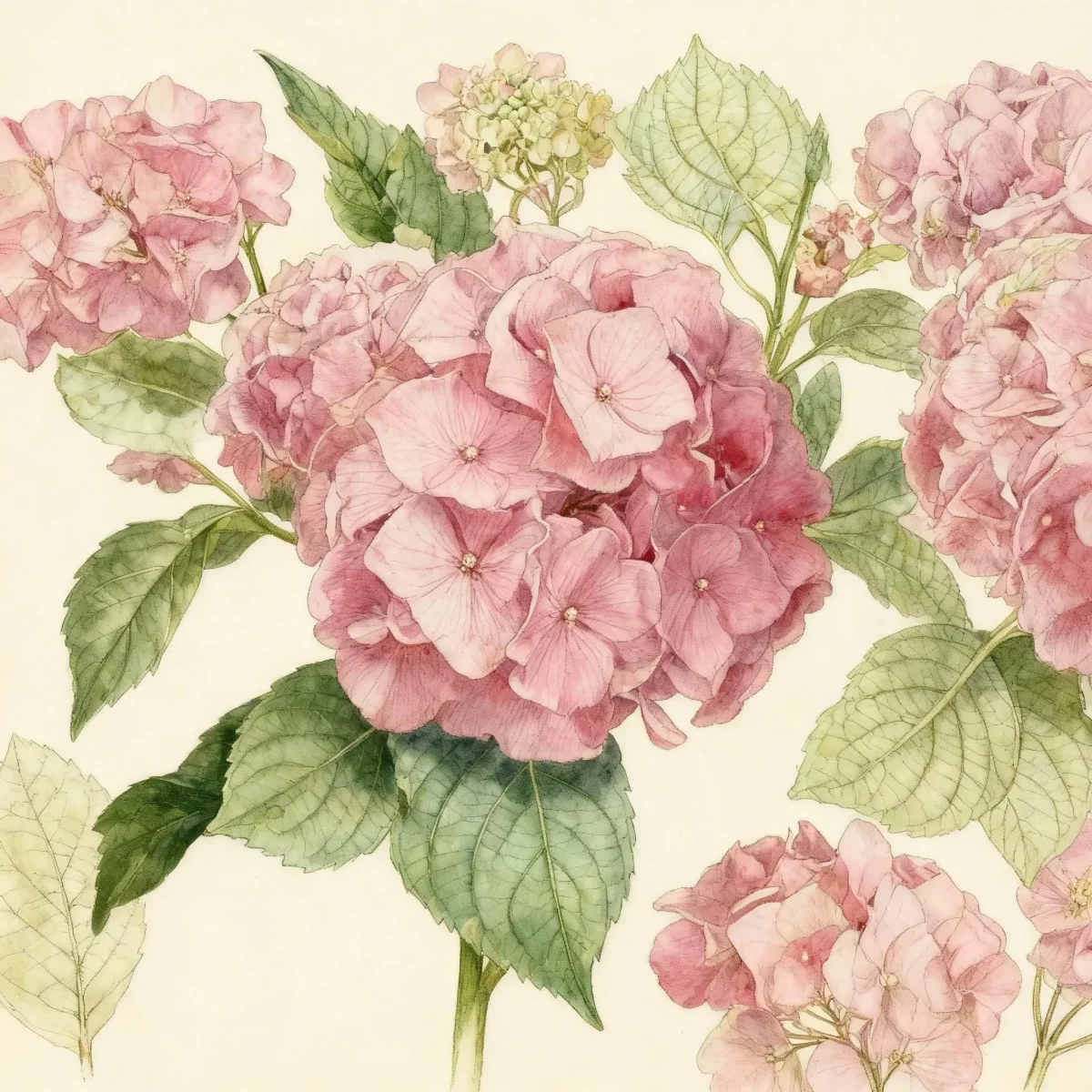
The Hydrangea macrophylla ‘Big Daddy’, commonly known as Bigleaf hydrangea, is a spectacular deciduous shrub celebrated for its impressive size and dramatic, color-shifting blooms. This cultivar is highly valued because it possesses a reblooming habit, meaning it produces flowers on both old and new wood, offering extended color from June well into the fall. Its defining feature is the massive, rounded mophead inflorescences, which can grow up to 14 inches in diameter, living up to the ‘Big Daddy’ name.
This robust shrub provides a substantial presence in the landscape, typically reaching heights and spreads of 5 to 6 feet under ideal conditions. Beyond the stunning flowers, the foliage consists of glossy, dark green, serrated leaves that provide excellent summer texture. Planting Hydrangea macrophylla ‘Big Daddy’ allows gardeners to create significant focal points or structure within shrub borders.
As a medium-maintenance plant, the H. macrophylla ‘Big Daddy’ rewards attentive care with reliable summer color. Its ability to transition flower color from pink in alkaline soils to vibrant blue in acidic soils adds a dynamic, personalized element to garden design. Ensure you select the right location to enjoy this magnificent Bigleaf hydrangea throughout its long flowering season.
Fast Facts
- Plant Family: Hydrangeaceae
- Plant Type: Deciduous shrub
- Hardiness Zones: USDA Zones 6-9
- Size at Maturity:
- Height: 5-6 ft
- Spread: 5-6 ft
- Bloom Time: June to September
- Bloom Description: Pink to blue
- Sun Exposure: Part shade
- Water Needs: Medium
- Maintenance Level: Medium
How to Grow
The best results for your Hydrangea macrophylla ‘Big Daddy’ are achieved by planting it in rich, medium-moisture, well-drained soils. While these shrubs prefer part shade, they can tolerate morning sun or filtered light, though they require consistently moist soil if planted in brighter conditions. Soil pH is crucial: for blue blooms, amend the soil with aluminum sulfate; for pink flowers, incorporate lime. Initiate these soil treatments in the late autumn or early spring before the growing season begins.
Watering should be consistent to meet the medium moisture needs of this Bigleaf hydrangea. Deep, infrequent watering is generally better than light daily sprinkles, especially during hot, dry spells. Pruning requirements are minimal for the reblooming ‘Big Daddy’. If pruning is necessary, restrict it to immediately after the first round of flowering finishes, cutting back those old flowered stems to a pair of healthy buds. Late winter or early spring is the time to remove any weak or damaged stems from winter injury.
Winter protection is a consideration for zones near the lower limit of its range. In Zone 6, or colder spots, winter die-back can occur, potentially eliminating the old wood bloom. While protective wrapping is visually intrusive, gardeners in borderline climates might consider adding a 3-inch layer of mulch (shredded bark, compost, or peat) year-round to protect the root zone and moderate soil temperatures.
Landscape Uses
The substantial size and mophead blooms make Hydrangea macrophylla ‘Big Daddy’ an excellent choice for creating structure, whether used as a bold specimen or massed in borders. Its robust, rounded habit lends itself perfectly to use as an informal hedge, providing a dense screen or informal boundary line in the landscape. The 5 to 6-foot spread requires adequate spacing to allow for full development without overcrowding.
Consider placing these magnificent shrubs near patios or walkways where their massive flowers can be easily appreciated up close. They serve wonderfully as foundational accents near homes, contrasting well against neutral siding. For companion planting, site them near plants that share similar moisture and light needs, such as hostas, astilbes, or other acid-loving shrubs like rhododendrons.
When growing Hydrangea macrophylla ‘Big Daddy’ in containers, select a large pot to accommodate its mature size and ensure excellent drainage. Consistent watering is paramount in container culture, as pots dry out much faster than the ground. Over time, transplanting container-grown specimens into the ground will ensure the best long-term health and bloom production for this showy Bigleaf hydrangea.
Standout Features
Flower Qualities
- Showy
- Good Cut
- Good Dried
Noteworthy Characteristics
The genus name Hydrangea comes from hydor meaning “water” and aggeion meaning “vessel,” referencing the fruit structure. H. macrophylla specifically means large leaf in Greek. ‘Big Daddy’ is a reblooming mophead cultivar flowering on both old and new growth, providing sporadic summer flowering even if winter conditions destroy the primary buds. Its gargantuan, snowball-like inflorescences can reach 12-14 inches wide.
Potential Problems
This plant shows some susceptibility to common issues including bud blight, bacterial wilt, leaf spot, and powdery mildew. Aphids can appear occasionally as pests. Maintaining good air circulation around the dense foliage helps mitigate fungal issues like leaf spot and mildew. Regular inspection encourages early treatment of any pest or disease outbreak.
Tolerances
There are no specific documented tolerances listed for this cultivar.
Frequently Asked Questions
What hardiness zones is Bigleaf hydrangea suitable for?
Hydrangea macrophylla ‘Big Daddy’ is successfully grown in USDA Hardiness Zones 6 through 9.
How large does Hydrangea macrophylla ‘Big Daddy’ grow?
This shrub typically matures to a height between 5 and 6 feet, with a corresponding spread of 5 to 6 feet.
What sun exposure does H. macrophylla ‘Big Daddy’ need?
The ideal placement for this Bigleaf hydrangea is in part shade, though it can manage full sun if soil moisture is kept consistently high.
When does Hydrangea macrophylla ‘Big Daddy’ bloom?
The bloom time generally spans from June through September, producing flowers that appear pink in alkaline soils and blue in acidic conditions.
Conclusion
The Hydrangea macrophylla ‘Big Daddy’ offers gardeners a high-impact display through its exceptionally large, color-variable blooms and reliable reblooming nature. This Bigleaf hydrangea brings structure and drama to the middle or back of borders due to its 5-6 foot stature. Before planting, confirm your USDA zone compatibility and plan your soil amendments now to achieve your preferred flower color for seasons to come.
Companion Planting
Selecting companions that thrive in part shade and appreciate consistent soil moisture greatly benefits the Hydrangea macrophylla ‘Big Daddy’. Consider planting lower-growing ferns nearby, such as the Japanese Painted Fern, to provide contrast in texture beneath the shrub’s large leaves. Shade-loving perennials that bloom later in the season, like Tiarella (Foamflower) or certain Helleborus varieties, can ensure continuous visual interest in the same space after the hydrangea finishes its main show.
Another excellent grouping involves mixing the ‘Big Daddy’ with other shade-tolerant woodland plants. Rhododendrons and Azaleas appreciate similar acidic soil conditions often used to encourage blue flowering in this hydrangea. Ensure enough room is left for air circulation, as densely packed shade plantings can sometimes exacerbate humidity, increasing the risk of powdery mildew on Bigleaf hydrangea foliage.
Seasonal Care Calendar
Spring preparation is vital for successful flowering. As new growth begins, prune out any dead or weak stems from winter weather and apply slow-release fertilizer around the drip line, avoiding direct contact with the stem base. Once danger of frost has fully passed, apply a fresh, 3-inch layer of organic mulch to help retain the medium moisture required by the Hydrangea macrophylla ‘Big Daddy’.
Summer maintenance focuses primarily on hydration. Due to their large leaves and significant flower heads, hydrangeas can wilt quickly during heat waves. Deeply water the shrub at the roots whenever the top inch of soil feels dry to the touch. If you notice the flower buds fading after the initial June/July flush, ensure consistent water supply, as this encourages the continuous rebloom from new wood throughout the rest of the summer.
In autumn, halt fertilization to allow the plant to harden off for winter dormancy. For gardeners in Zone 6, this is the time to decide on any aesthetic winter protection measures, although it is generally recommended to let the plant acclimate naturally. Leave the spent flower heads on the branches over winter to provide insulation and visual interest, removing them only during the late winter pruning session.