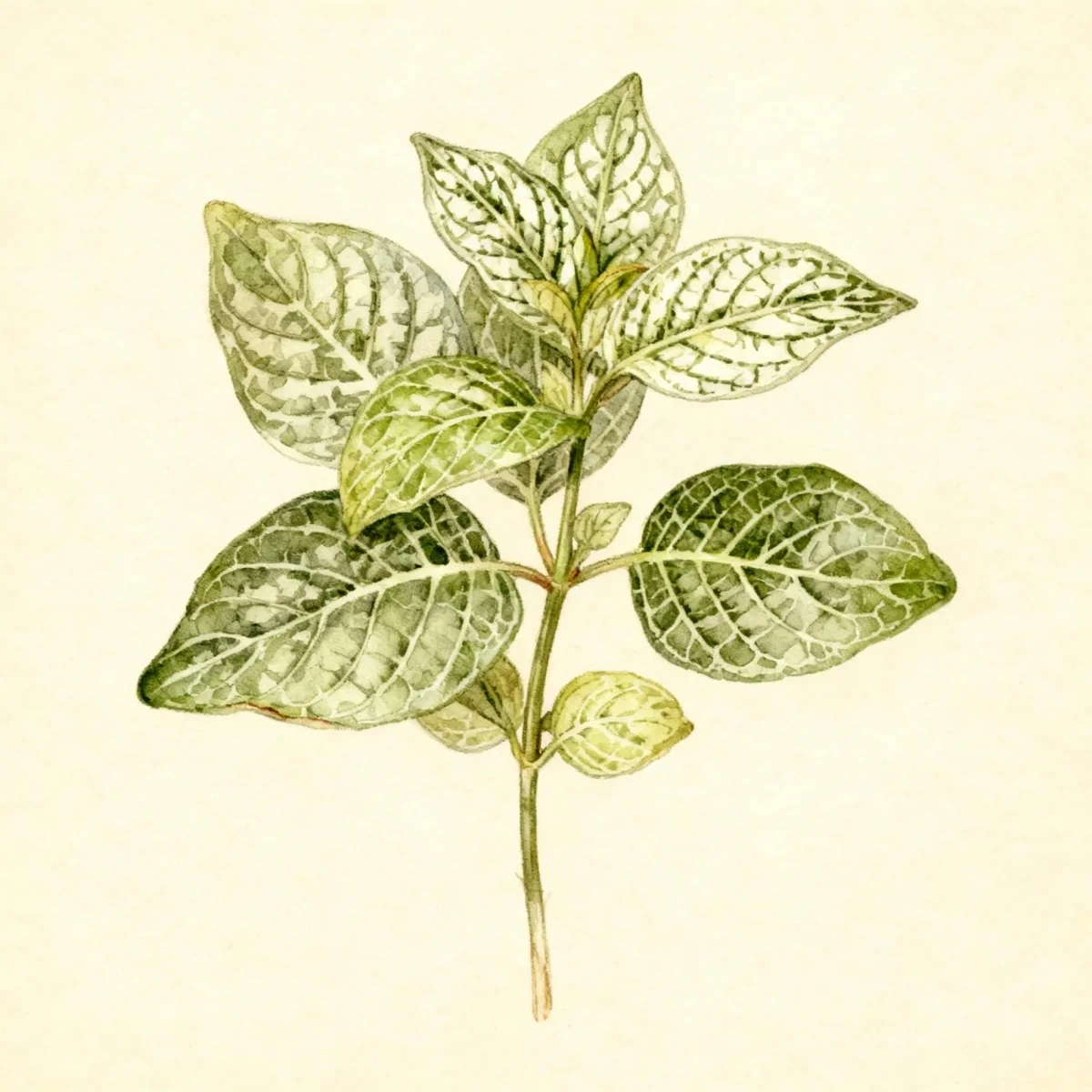
Pilea (Pilea mollis 'Moon Valley')
Discover Pilea mollis 'Moon Valley', a charming herbaceous perennial prized for its puckered, textured foliage perfect for indoor displays.
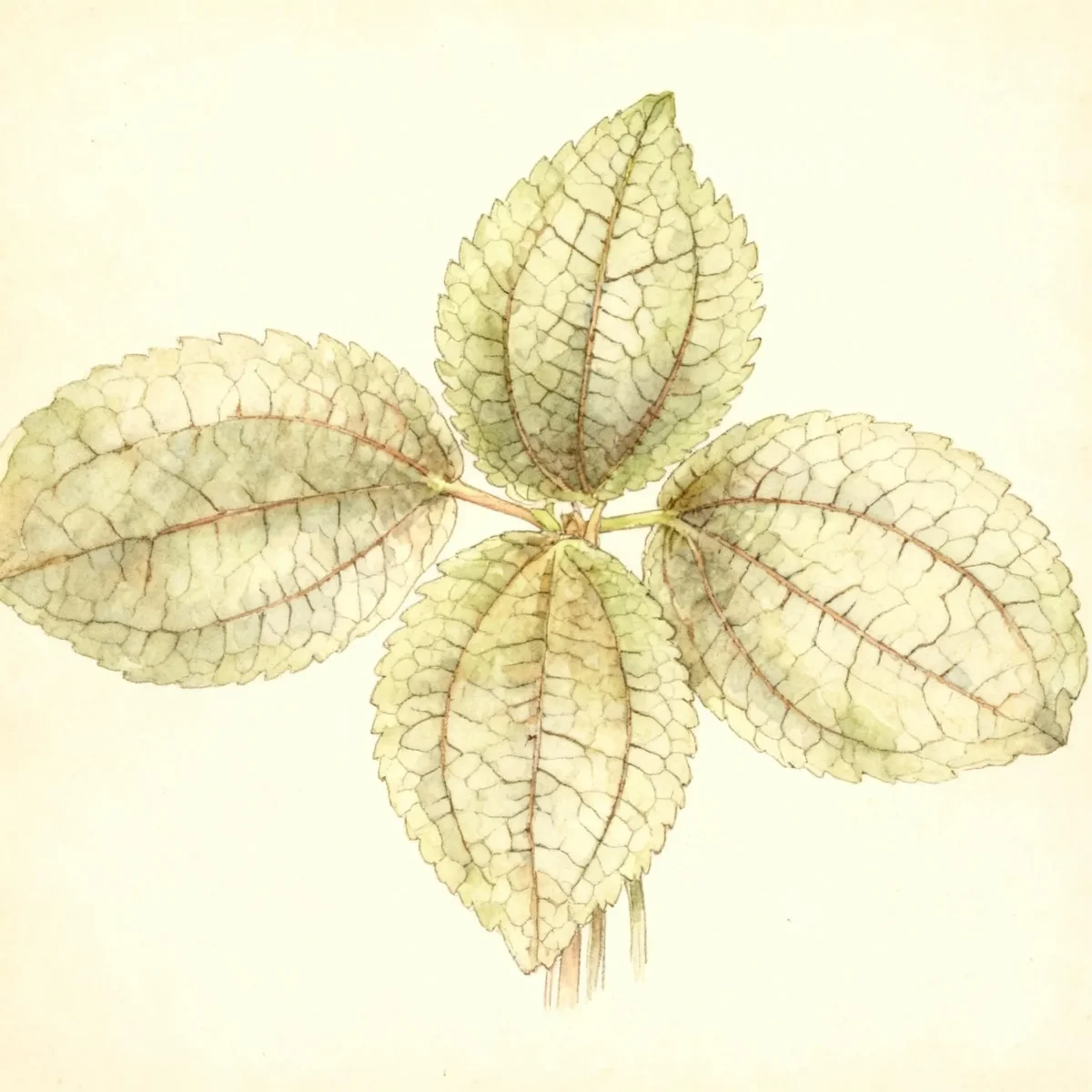

Bloom Boldly, No Matter the Season - Sweatshirt
Cozy organic cotton sweatshirt featuring our exclusive Purple Coneflower design. Perfect for gardeners who bloom year-round.
Inspired by the beautiful Pilea
Limited first batch (50) — join the waitlist for early access
Waitlist closes Feb 15, 2026.
Complete Plant Information
Field Guide Continues
Ready for care notes, companion picks, and planting tips?
The map is just the start. The full guide below covers growth habits, seasonal performance, and landscape uses.
Overview
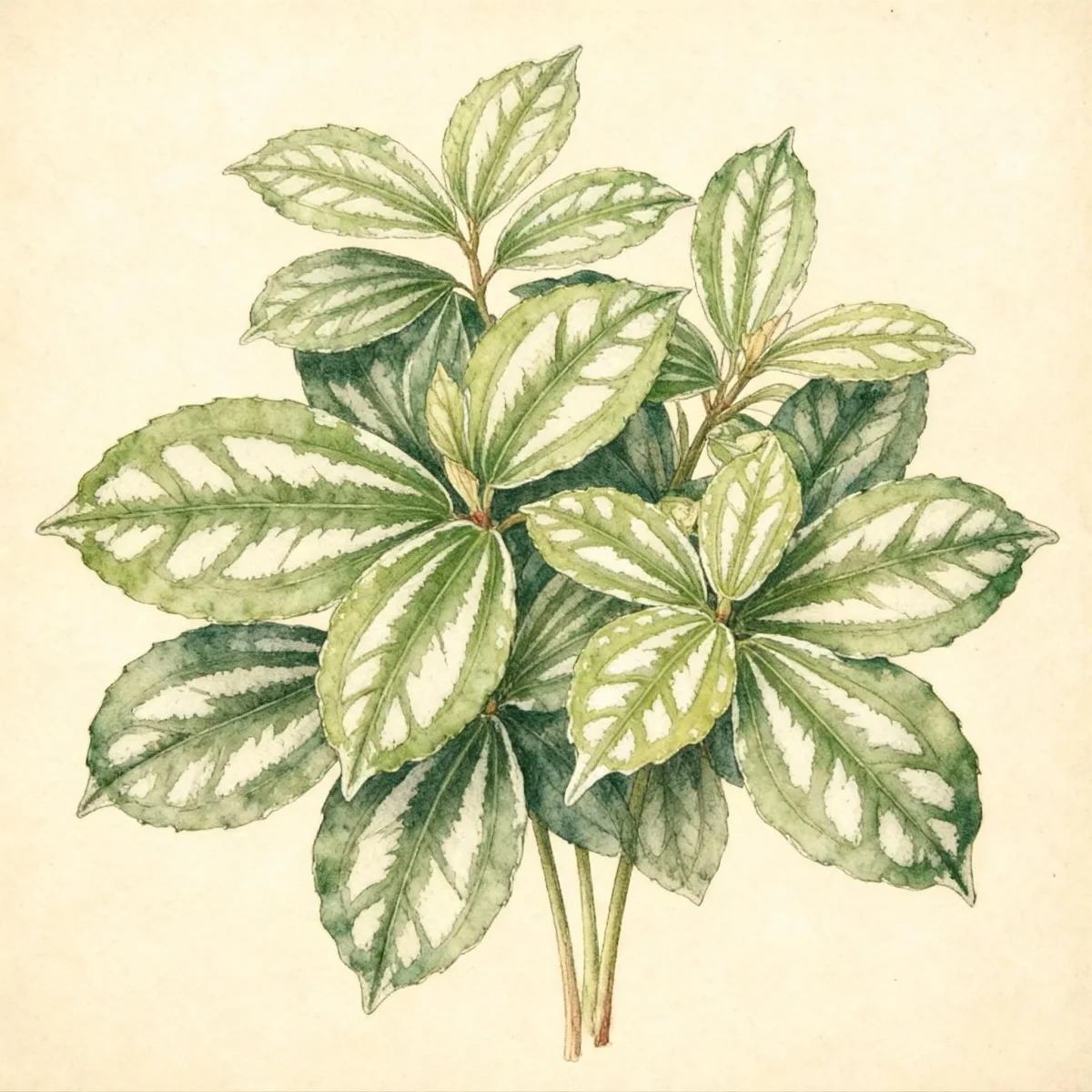
The Pilea mollis ‘Moon Valley’ is highly sought after by houseplant enthusiasts for its incredibly tactile and unique foliage. This herbaceous perennial displays strongly puckered, bronze-green leaves accented by sunken purple veins and vivid green margins, truly resembling a miniature moonscape. As an indoor specimen within most climates, this Pilea offers dense, mounding texture, making it an excellent choice for tabletops or shelves. While it is generally low maintenance, providing the correct warmth and humidity is key to maintaining the vibrant texture that makes Pilea mollis ‘Moon Valley’ so exceptional.
Fast Facts
- Plant Family: Urticaceae
- Plant Type: Herbaceous perennial
- Hardiness Zones: USDA Zones 11-12
- Size at Maturity:
- Height: 0.5-1 ft
- Spread: 0.5-1 ft
- Bloom Time: Rarely flowers indoors
- Bloom Description: Pink-green
- Sun Exposure: Part shade
- Water Needs: Medium
- Maintenance Level: Low
How to Grow
Cultivating Pilea mollis ‘Moon Valley’ successfully requires mimicking its humid, tropical origins. This Pilea thrives indoors in bright, indirect light; however, it absolutely must be protected from direct, hot sun which scorches the delicate foliage. When growing indoors, use a well-draining, peaty soil mix to prevent overwatering.
Water moderately during the active growing season, ensuring the top inch of soil is slightly dry before watering again. Reduce watering frequency significantly as temperatures cool in the fall and into late winter to prevent root saturation. High humidity is essential for the Pilea; place containers on trays filled with wet pebbles or use a room humidifier to keep the environment consistently moist.
To maintain a compact and bushy appearance, pinch the stem tips of your Pilea when necessary. This simple pruning encourages branching. Propagation is remarkably easy, as stem cuttings root readily, allowing you to quickly expand your collection of this beautiful Pilea variety.
Landscape Uses
Since Pilea mollis ‘Moon Valley’ is strictly suited for tropical climates outdoors (Zones 11-12), its primary value lies in container culture indoors or in sheltered garden spaces with controlled moisture. Its compact size and striking texture make it an ideal choice for small indoor plant displays. It performs beautifully as a focal point in terrariums, where high humidity levels are naturally maintained. Pair this textured Pilea with smooth-leaved foliage plants or those featuring solid green colors to accentuate its unique puckering and bronze-green hues.
Flower Qualities
- Showy
Noteworthy Characteristics
Pilea mollis is a bushy trailing plant that features clusters of ovate, toothed, textured, dark green leaves (to 3” long) with dark bronze undertones and often light green edges. Leaf undersides are typically dark red. Tiny pink-green flowers in branched cymes in summer are not particularly showy. Indoor plants rarely flower and fruit.Genus name comes from the Latin word pileus meaning a cap from the shape of the female flowers.Specific epithet means soft or with soft hairs.‘Moon Valley’ is a more upright and mounding cultivar (to 12” tall) featuring textured bronze-green leaves with sunken purple veins and bright green margins. Leaf surface is strongly puckered in a way that purportedly resembles the surface of the moon, hence the cultivar name. ‘Moon Valley’ is also commonly sold in commerce as a cultivar of Pilea involucrata, but synonymity has not been conclusively determined.
Potential Problems
The delicate nature of Pilea requires vigilance against common houseplant pests. Regularly inspect the undersides of leaves and stem joints for signs of mealybugs or the fine webbing indicative of spider mites; treat immediately with insecticidal soap or neem oil upon detection. Stems are notably fragile and break easily, so handle this Pilea gently during watering or moving. Furthermore, ensure proper drainage, as constantly soggy soil can lead to leaf spots or stem rot, which can quickly compromise the health of your Pilea mollis ‘Moon Valley’.
Frequently Asked Questions
What hardiness zones is Pilea suitable for?
This plant requires warm tropical conditions and performs best only in USDA Zones 11 through 12. For most gardeners, successfully growing Pilea mollis ‘Moon Valley’ means keeping it indoors year-round.
How large does Pilea grow?
Pilea mollis ‘Moon Valley’ typically achieves a modest size, reaching heights and spreads between 0.5 to 1 foot once mature.
What sun exposure does Pilea need?
This variety prefers part shade conditions indoors, meaning bright locations that are shielded from harsh, direct midday sun to prevent leaf burn.
When does Pilea bloom?
When grown indoors, Pilea rarely flowers, but if conditions are perfect, the bloom time is noted for producing small pink-green flowers.
Conclusion
The compelling, deep texture and bronze highlights of Pilea mollis ‘Moon Valley’ make it an indispensable addition to any collection of houseplants. Known for its low maintenance needs when humidity and light are correct, this Pilea offers significant visual payoff. Before bringing one home, ensure your environment can support its need for warmth and moisture, and plan to keep your Pilea sheltered from cold temperatures outside of Zones 11-12.
Propagation Tips
Propagation is one of the easiest and most rewarding aspects of cultivating any Pilea, including the ‘Moon Valley’ cultivar. Since stems root readily, simply take a cutting that includes a few nodes, ensuring the cut is clean—remember the stems can be fragile. Remove the lower leaves so that only the top leaf clusters remain near the cutting tip.
Place the prepared cutting directly into moist, sterile potting mix or sometimes even fresh water, though soil rooting often yields a tougher start for the new plant. Keep the medium consistently slightly damp and place the cutting in a warm spot away from direct light. New roots on your Pilea will develop quickly, allowing you to enjoy new specimens of Pilea mollis ‘Moon Valley’ with minimal effort.
Design Ideas
The compact, mounding habit of Pilea mollis ‘Moon Valley’ makes it an architectural anchor in small-scale interior designs. Its highly textured leaves contrast dramatically with glossy, smooth-leaved plants, offering depth to shelf displays. Consider placing your ‘Moon Valley’ near windows where bright, indirect light will highlight the surface puckering without causing damage to the delicate, bronze-hued leaves. It also works wonderfully as a standalone specimen in smaller decorative pots, enhancing the visual appeal of a desk or bedside table.