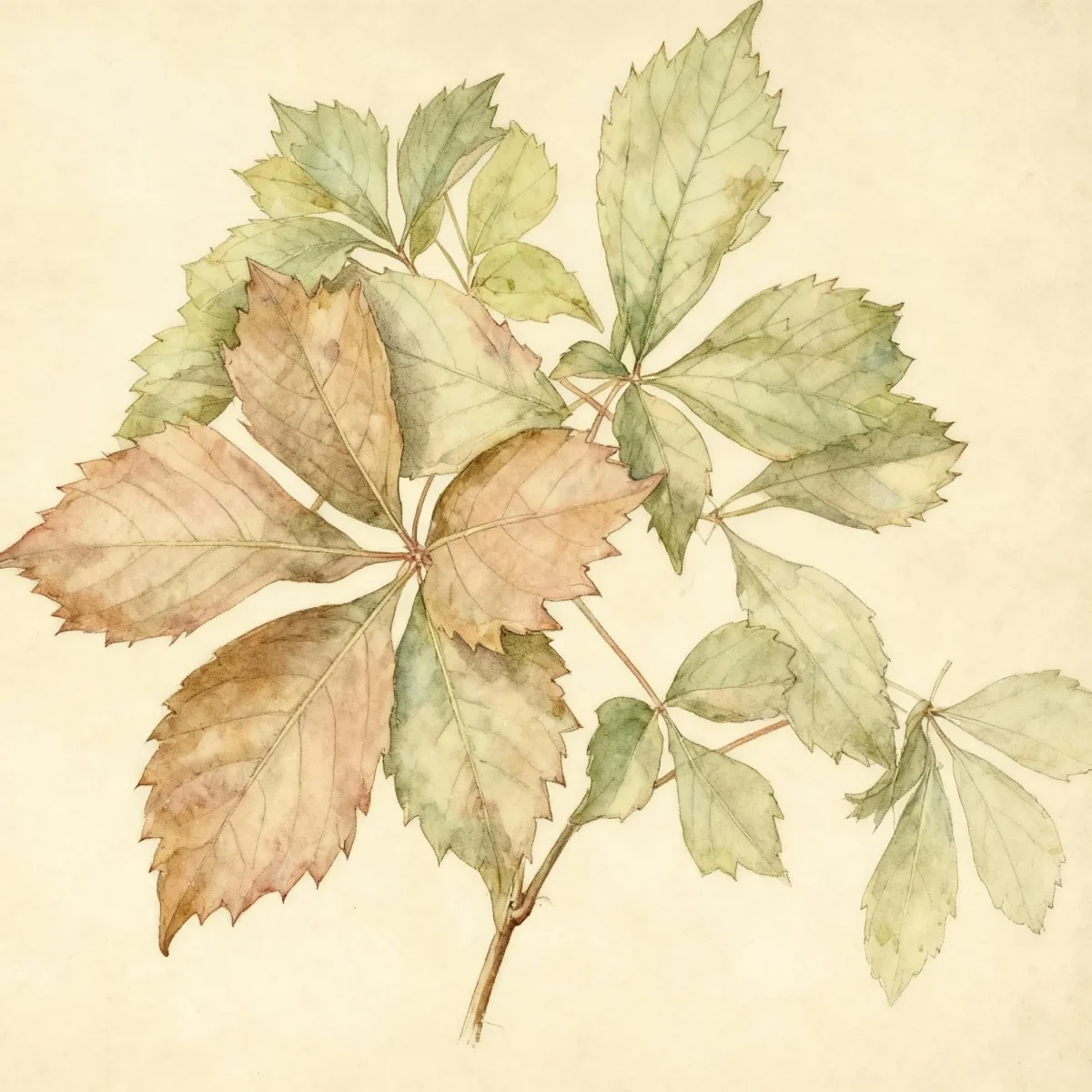
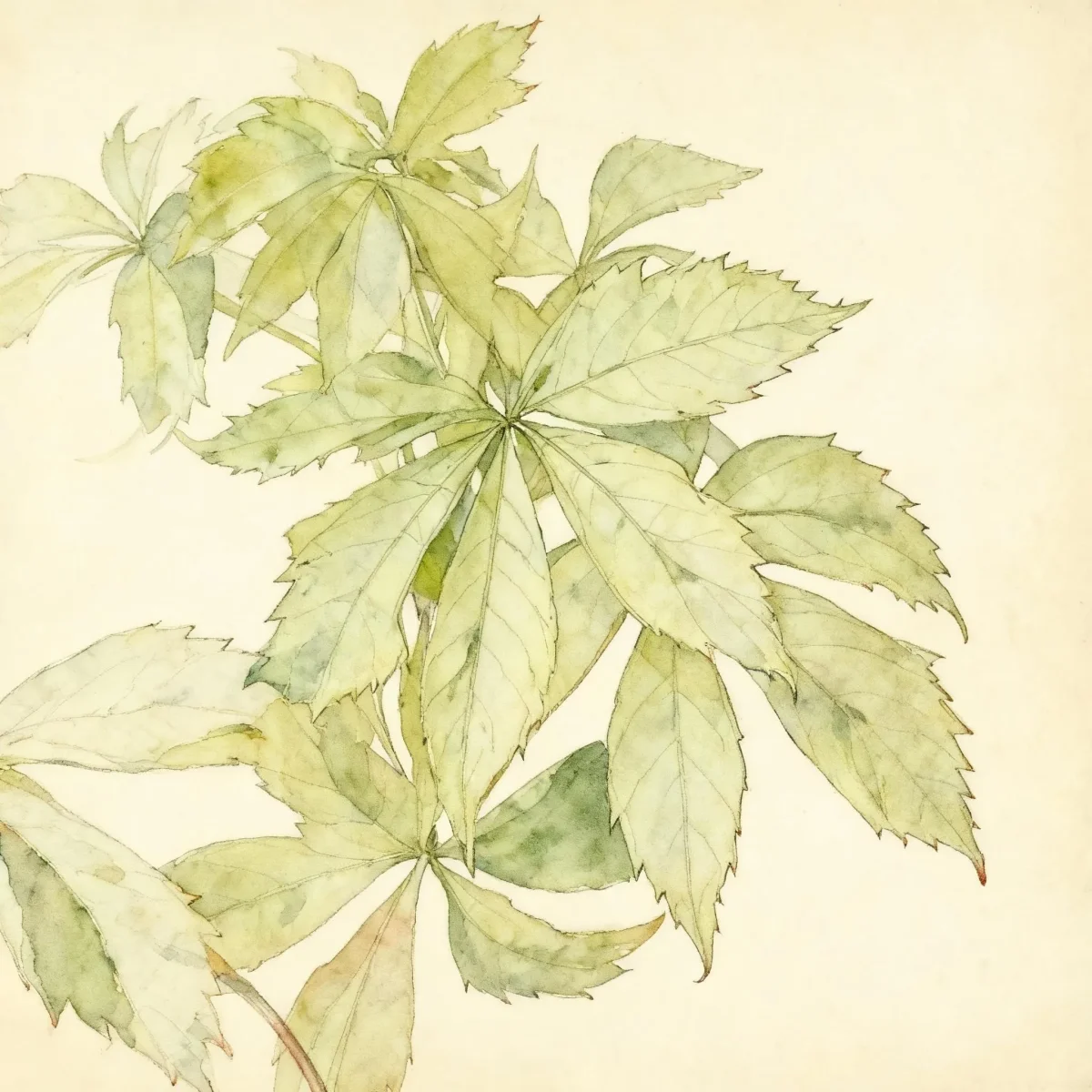
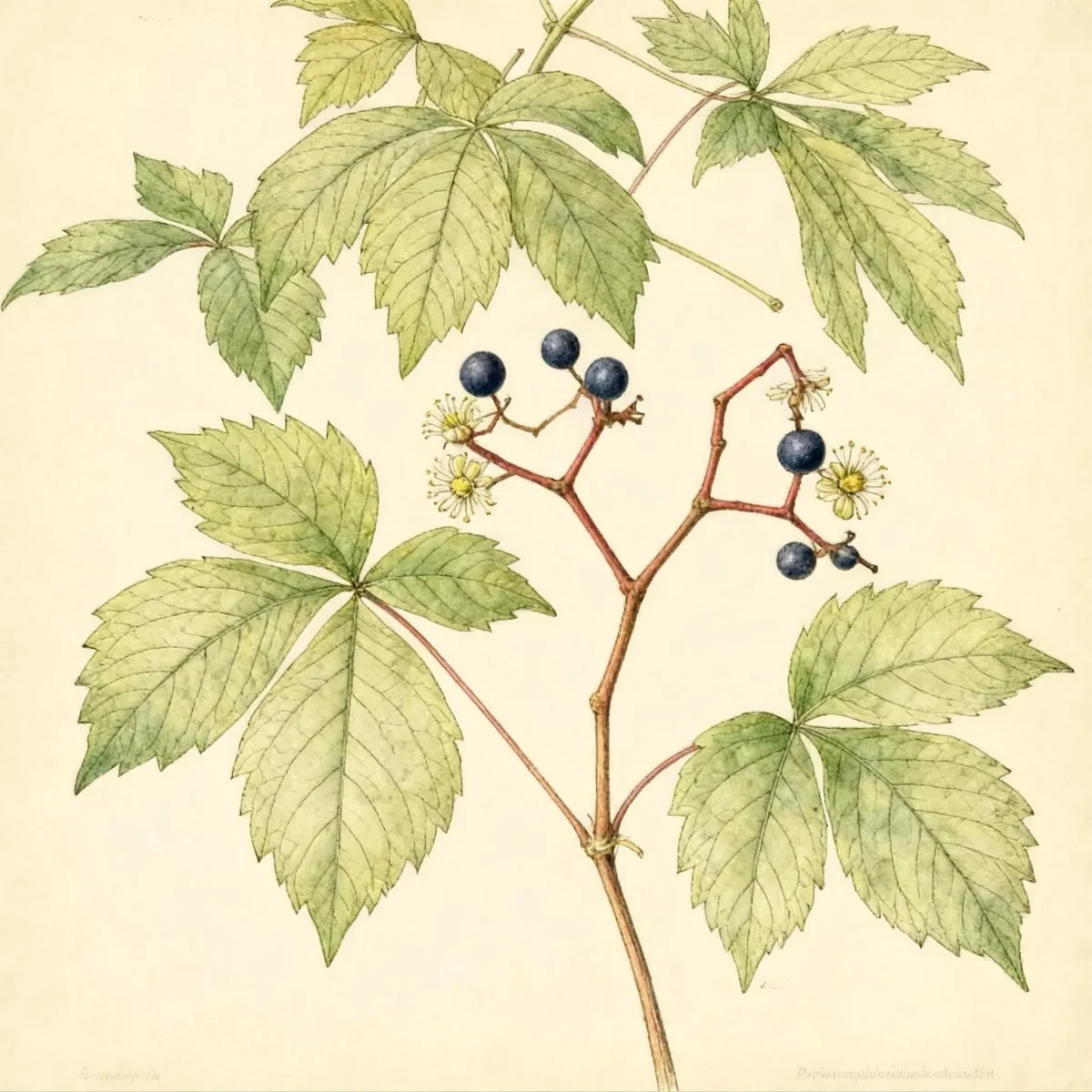
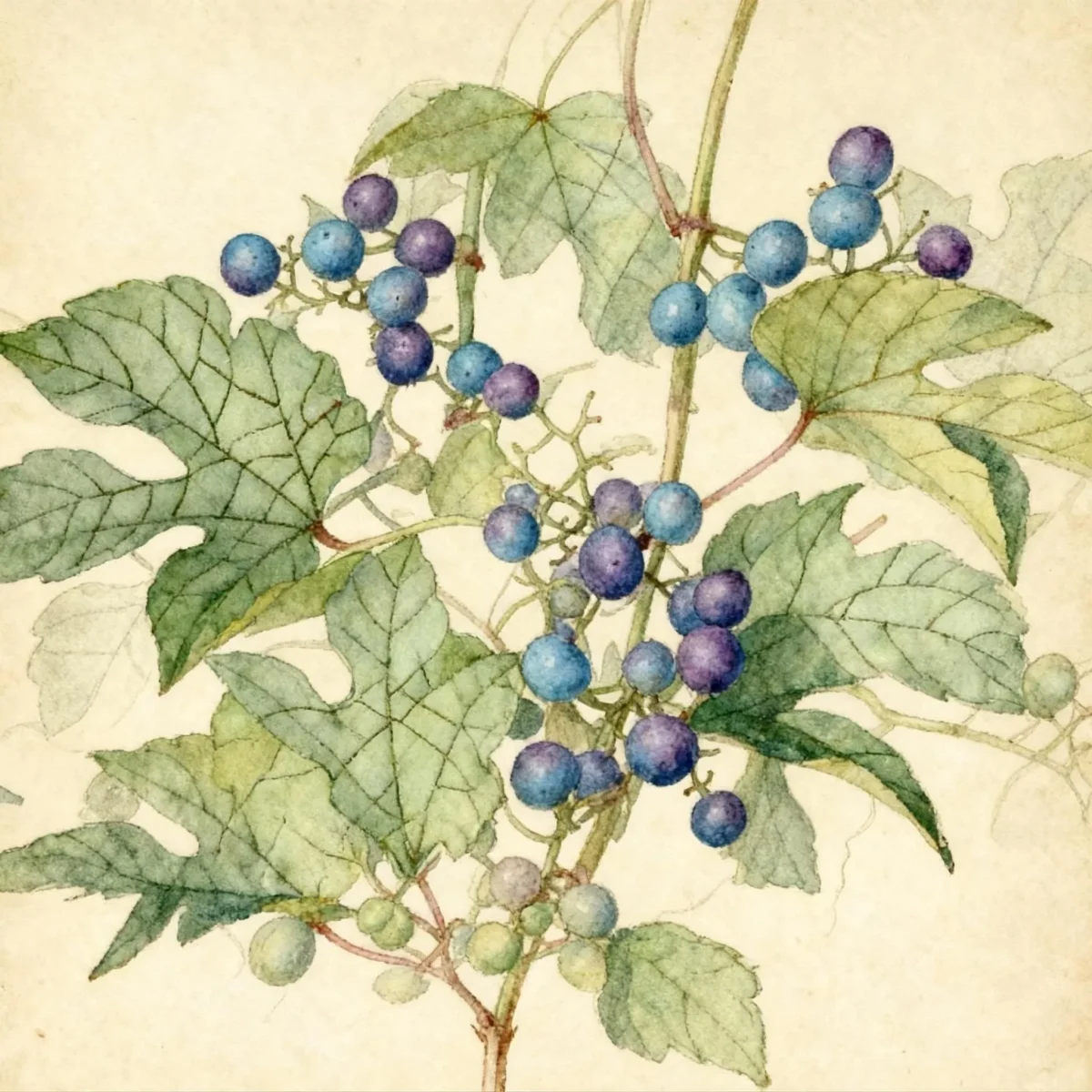
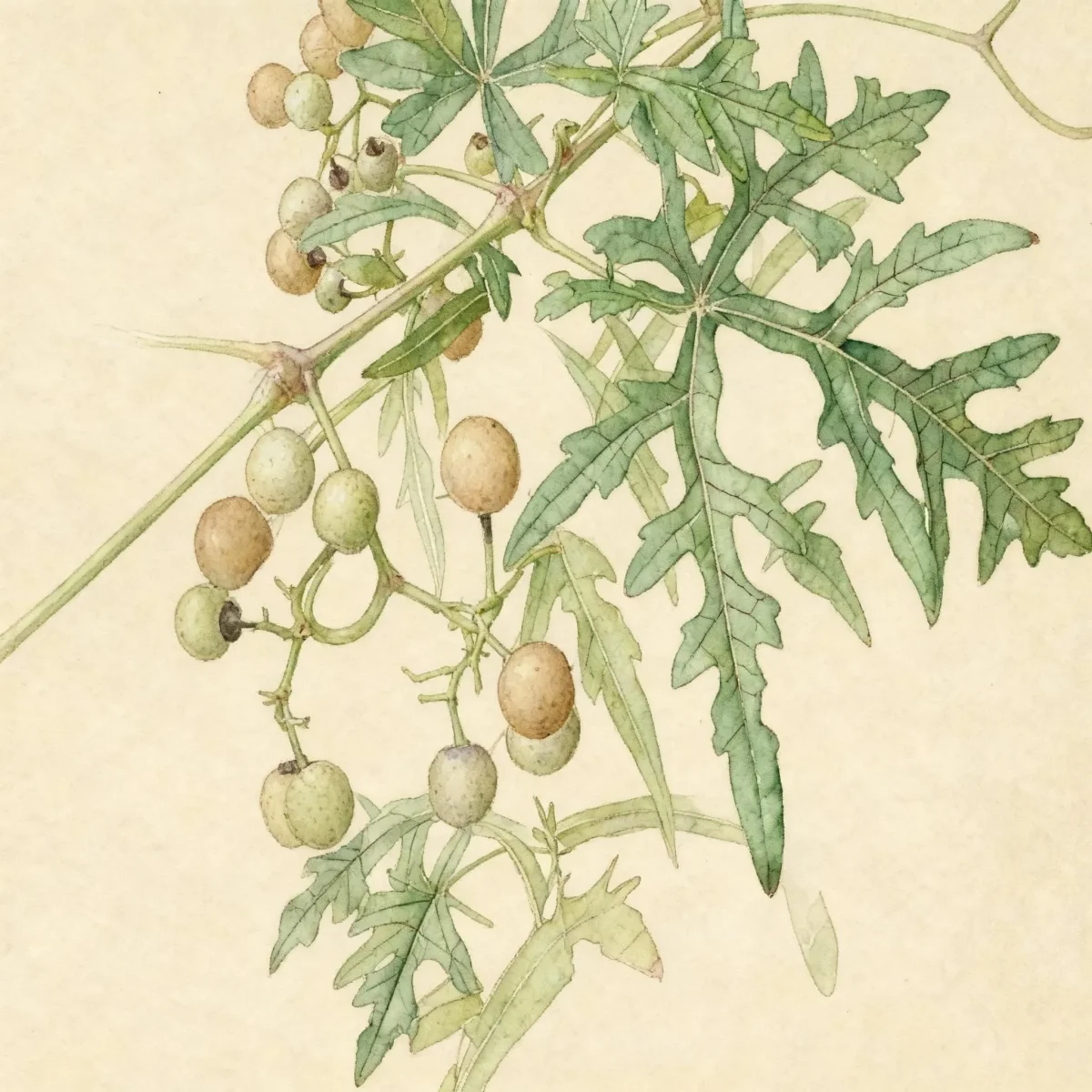
Virginia creeper (Parthenocissus quinquefolia 'Troki' RED WALL)
Parthenocissus quinquefolia 'Troki' RED WALL is a vigorous vine known for spectacular fire-engine red fall color on walls and structures.


Bloom Boldly, No Matter the Season - Sweatshirt
Cozy organic cotton sweatshirt featuring our exclusive Purple Coneflower design. Perfect for gardeners who bloom year-round.
Inspired by the beautiful Virginia creeper
Limited first batch (50) — join the waitlist for early access
Waitlist closes Feb 15, 2026.
Complete Plant Information
Field Guide Continues
Ready for care notes, companion picks, and planting tips?
The map is just the start. The full guide below covers growth habits, seasonal performance, and landscape uses.
Overview
Parthenocissus quinquefolia ‘Troki’ RED WALL, commonly known as Virginia creeper, is a tremendously vigorous deciduous woody vine perfect for covering large vertical surfaces quickly. This cultivar is specifically selected to exhibit superior, extremely showy foliage, transforming walls with blazing color in autumn. It earns its place in landscapes due to its adaptable nature and impressive climbing ability.
This rapid-growing vine can reach heights between 30 to 50 feet, using adhesive holdfasts to cling securely to rough surfaces like stone or brick. While the greenish-white flowers are not ornamental, the mature foliage transitions from bronze spring tones to deep summer green before culminating in a dramatic, reliable crimson display. The Parthenocissus quinquefolia ‘Troki’ RED WALL offers excellent coverage and is notably tough in various conditions.
Gardeners should appreciate the low demands of this plant once established, as it tolerates shade and many difficult soil situations. Its primary function is architectural coverage, providing visual mass and serving as a screen or groundcover. Remember that this effective climber requires space to spread and careful management to remain aesthetically pleasing near structures.
Fast Facts
- Plant Family: Vitaceae
- Plant Type: Vine
- Hardiness Zones: USDA Zones 3-9
- Size at Maturity:
- Height: 30-50 ft
- Spread: 5-10 ft
- Bloom Time: May to July
- Bloom Description: Greenish-white
- Sun Exposure: Full sun to part shade
- Water Needs: Medium
- Maintenance Level: Medium
How to Grow
Establish Virginia creeper in average, medium-moisture, well-drained soils. While it tolerates heavy shade, sunny locations generally yield the best, most vibrant fall coloring for your Parthenocissus quinquefolia ‘Troki’ RED WALL. Planting is successful across its wide hardiness range (Zones 3-9).
Once established, this plant requires medium water but possesses excellent drought tolerance. Maintenance centers heavily on pruning; regular trimming is essential to keep the vigorous growth contained and prevent it from enveloping unwanted areas. Do not attempt to grow this vine up wood siding or shingle walls, as its adhesive holdfasts are extremely difficult to remove and can severely damage painted surfaces or ruin gutters and wiring if left unchecked.
This tough plant handles urban conditions well and requires little attention beyond structural management. Although it is generally disease-free, watch occasionally for mildews or leaf spots, particularly in humid conditions. Given its ability to creep along the ground, use it strategically where expansion across rock piles or slopes is desired for erosion control.
Landscape Uses
Virginia creeper excels as an architectural covering, effectively softening harsh lines on large, substantial structures like brick or stone walls. Its vigorous nature makes it an ideal candidate for climbing arbors, sturdy fences, or integrating through large, established trees where a dramatic curtain of foliage is desired. For challenging terrain, use the Parthenocissus quinquefolia ‘Troki’ RED WALL as a robust ground cover to suppress weeds and control erosion on steep slopes or rocky banks.
When planning arrangements, consider its rapid growth rate; avoid placing it near smaller ornamentals that it could quickly smother. While its own bloom is minor, the intense fall color of the ‘Troki’ RED WALL cultivar makes it an excellent backdrop for late-season perennial borders, creating a fiery contrast against evergreen structures. Ensure all adjacent structures are built robustly enough to support a mature vine structure.
Standout Features
Flower Qualities
- Insignificant
Fruit Qualities
- Showy
Noteworthy Characteristics
Parthenocissus quinquefolia is a deciduous, woody vine commonly known as Virginia creeper. This vigorous tendril-climbing vine rapidly reaches 30-50 feet, adhering to surfaces like brick or stone via adhesive holdfasts. The compound-palmate leaves turn exceptional shades of purple and crimson red in fall, and the cultivar .’Troki’, sold as RED WALL, is specifically noted for its reliable, fire-engine red autumn display after maturing from bronze and dark green.
Tolerances
- Deer
- Drought
- Heavy Shade
- Erosion
- Clay Soil
- Black Walnut
Potential Problems
This vine generally experiences no serious ongoing pest or disease issues, though occasional problems like mildews, leaf spots, canker, or wilt can occur. It is also susceptible to common pests like beetles, scale, and leaf hoppers. The biggest concern with Virginia creeper is its removal; once the adhesive holdfasts attach to building surfaces, removal is difficult and often results in damage to painted finishes or residue staining. Manage aggressive growth actively through pruning.
Frequently Asked Questions
What hardiness zones is Virginia creeper suitable for?
The Parthenocissus quinquefolia ‘Troki’ RED WALL is adaptable and suitable for USDA Hardiness Zones 3 through 9.
How large does Virginia creeper grow?
This is a very large vine, capable of reaching mature heights between 30 and 50 feet tall, with a spread of 5 to 10 feet.
What sun exposure does Parthenocissus quinquefolia ‘Troki’ RED WALL need?
It thrives in full sun to part shade, though the best fall color is generally achieved when grown in sunnier locations.
When does Virginia creeper bloom?
The inconspicuous, greenish-white flowers typically appear throughout the late spring to early summer, from May to July.
Conclusion
The Parthenocissus quinquefolia ‘Troki’ RED WALL offers unparalleled vertical impact, delivering stunning, reliable crimson color every autumn while providing hardy coverage year-round. For long-term success with this vigorous Virginia creeper, plan your planting site carefully to ensure ample room and always monitor its aggressive climbing habits. Check your local zone compatibility to maximize the dramatic effect of this exceptional woody vine.
Companion Planting
When integrating Parthenocissus quinquefolia ‘Troki’ RED WALL into a vertical landscape, choose companions that appreciate similar growing conditions or those that benefit from its imposing screen. Because this vine handles heavy shade and drought once established, consider planting low-growing, shade-tolerant perennials like Hostas or Astilbes near the base where the vine trails along the ground. For sunny locations where the fall color is maximized, pairing it with late-blooming Sedums or hardy ornamental grasses will create layered texture as the vine greens up for summer.
Wildlife Benefits
While the flowers are generally ignored by large pollinators, the resulting blue-black berries produced by the Virginia creeper are an important food source. These fruits persist into the colder months, frequently remaining on the vine well into winter, offering vital sustenance for various bird species when other food resources are scarce. Planting this vine ensures you are contributing to local urban wildlife support, particularly for avian populations.