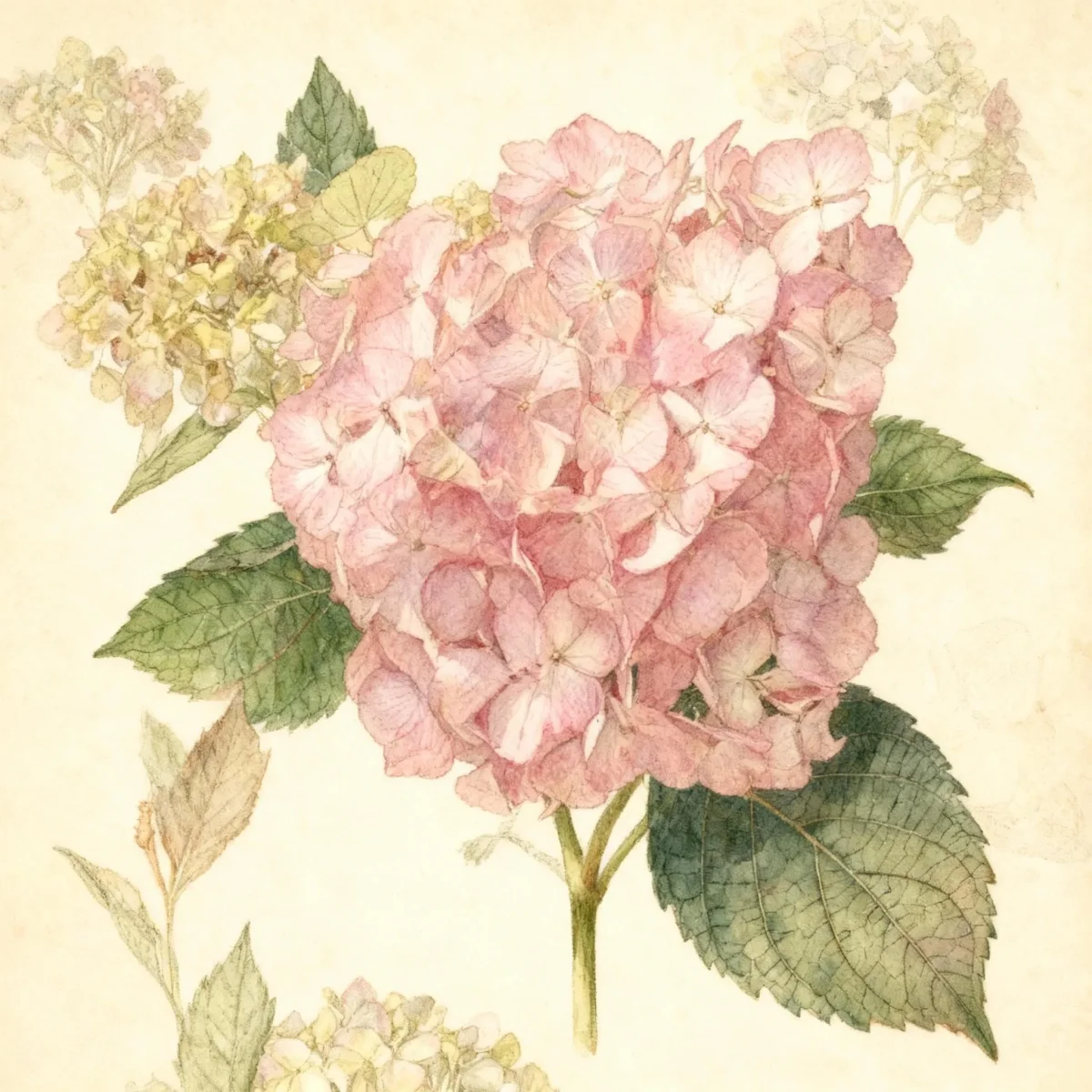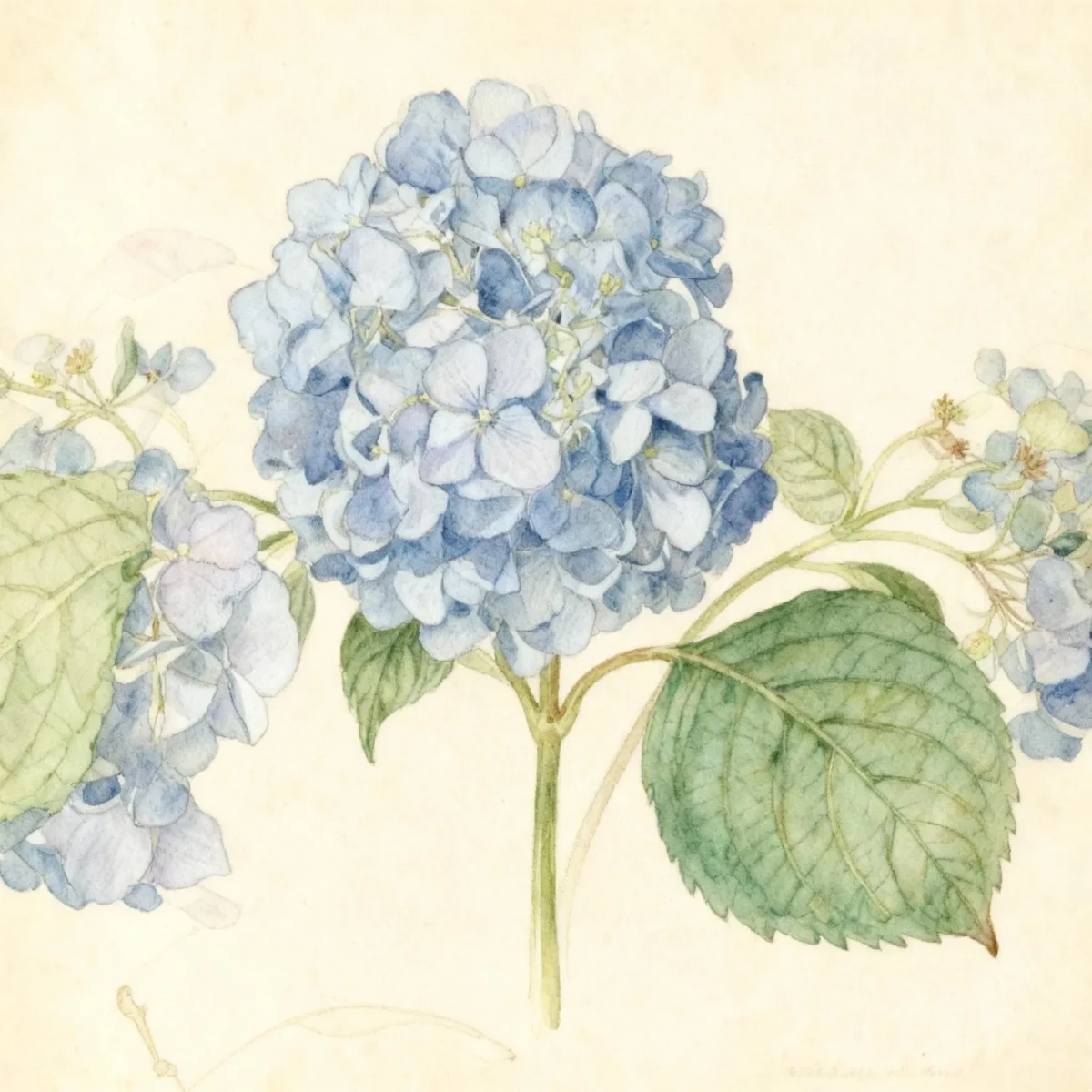

Bigleaf hydrangea (Hydrangea macrophylla 'Horwack' PISTACHIO)
Discover Hydrangea macrophylla 'Horwack' PISTACHIO, a compact Bigleaf hydrangea blooming June-Oct. Ideal for part shade with showy, unique red-tinged blooms.

Bloom Boldly, No Matter the Season - Sweatshirt
Cozy organic cotton sweatshirt featuring our exclusive Purple Coneflower design. Perfect for gardeners who bloom year-round.
Inspired by the beautiful Bigleaf hydrangea
Limited first batch (50) — join the waitlist for early access
Waitlist closes Feb 15, 2026.
Complete Plant Information
Field Guide Continues
Ready for care notes, companion picks, and planting tips?
The map is just the start. The full guide below covers growth habits, seasonal performance, and landscape uses.
Overview
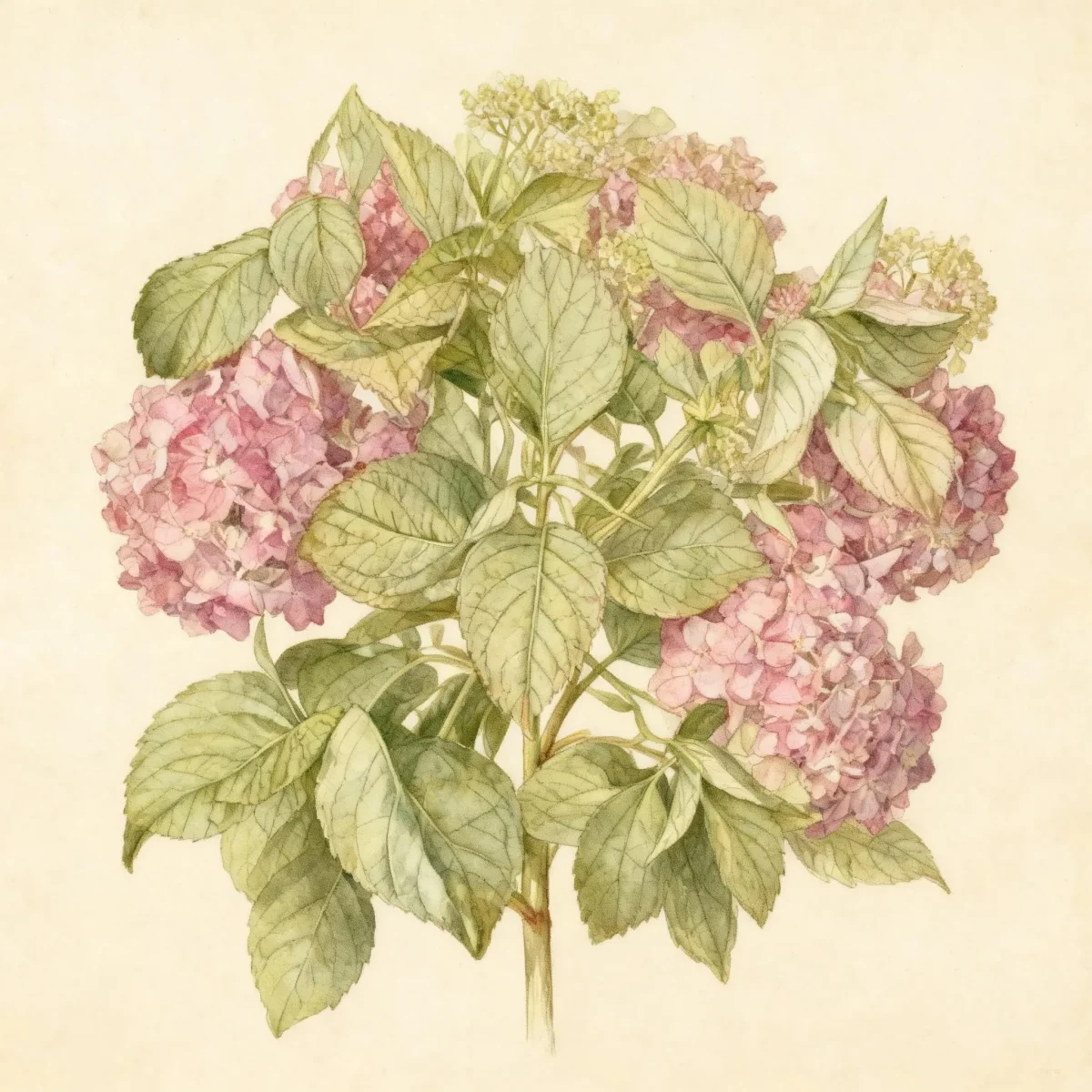
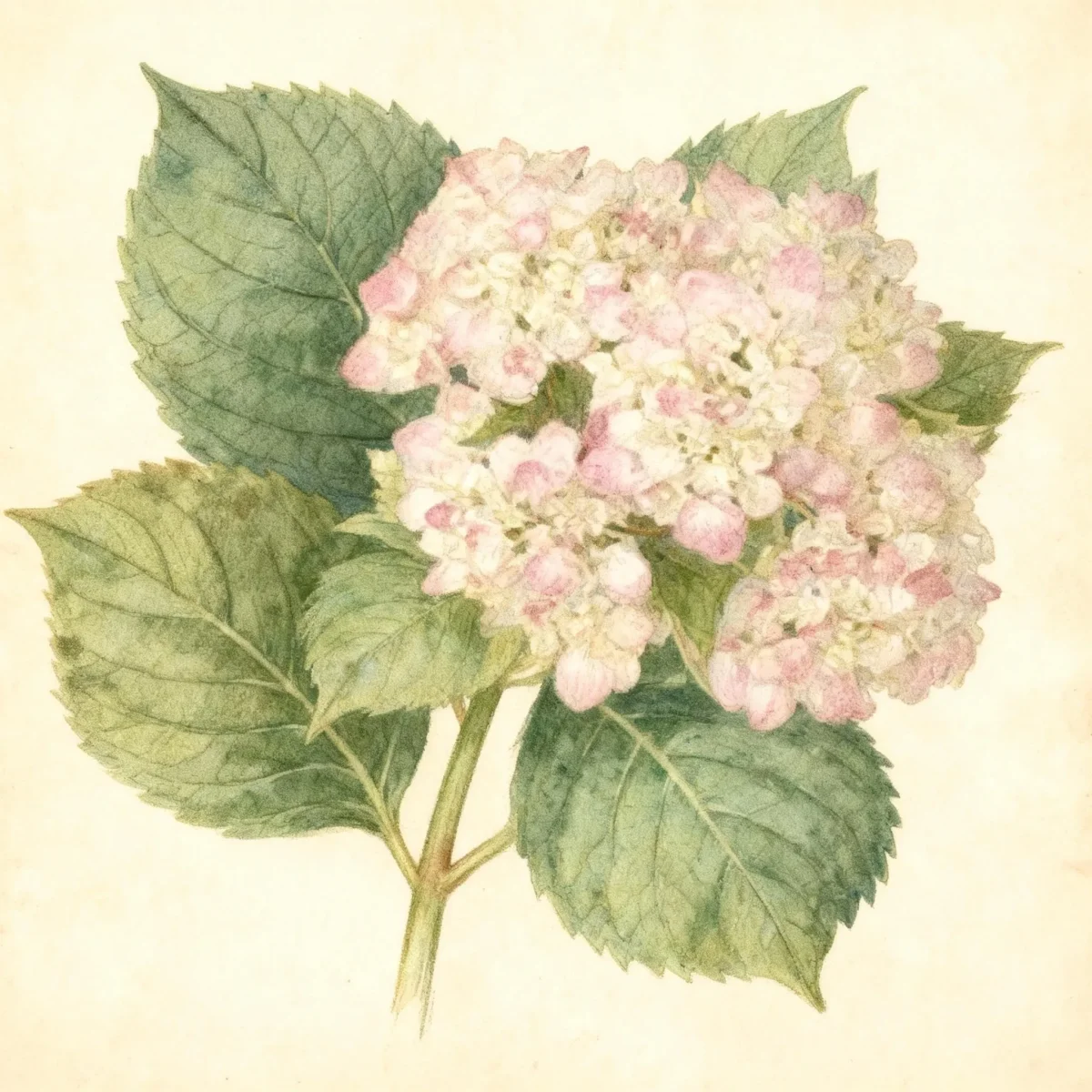
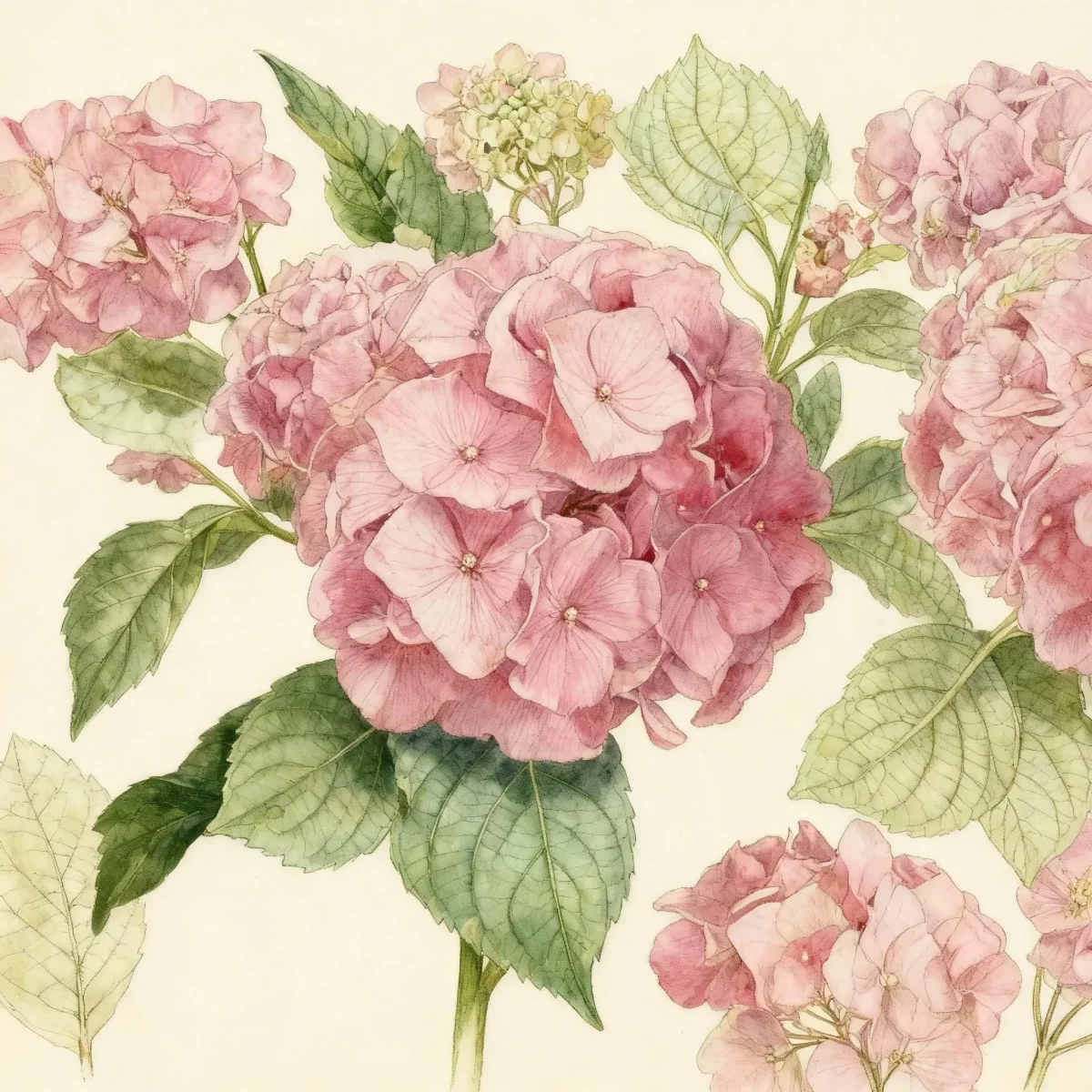
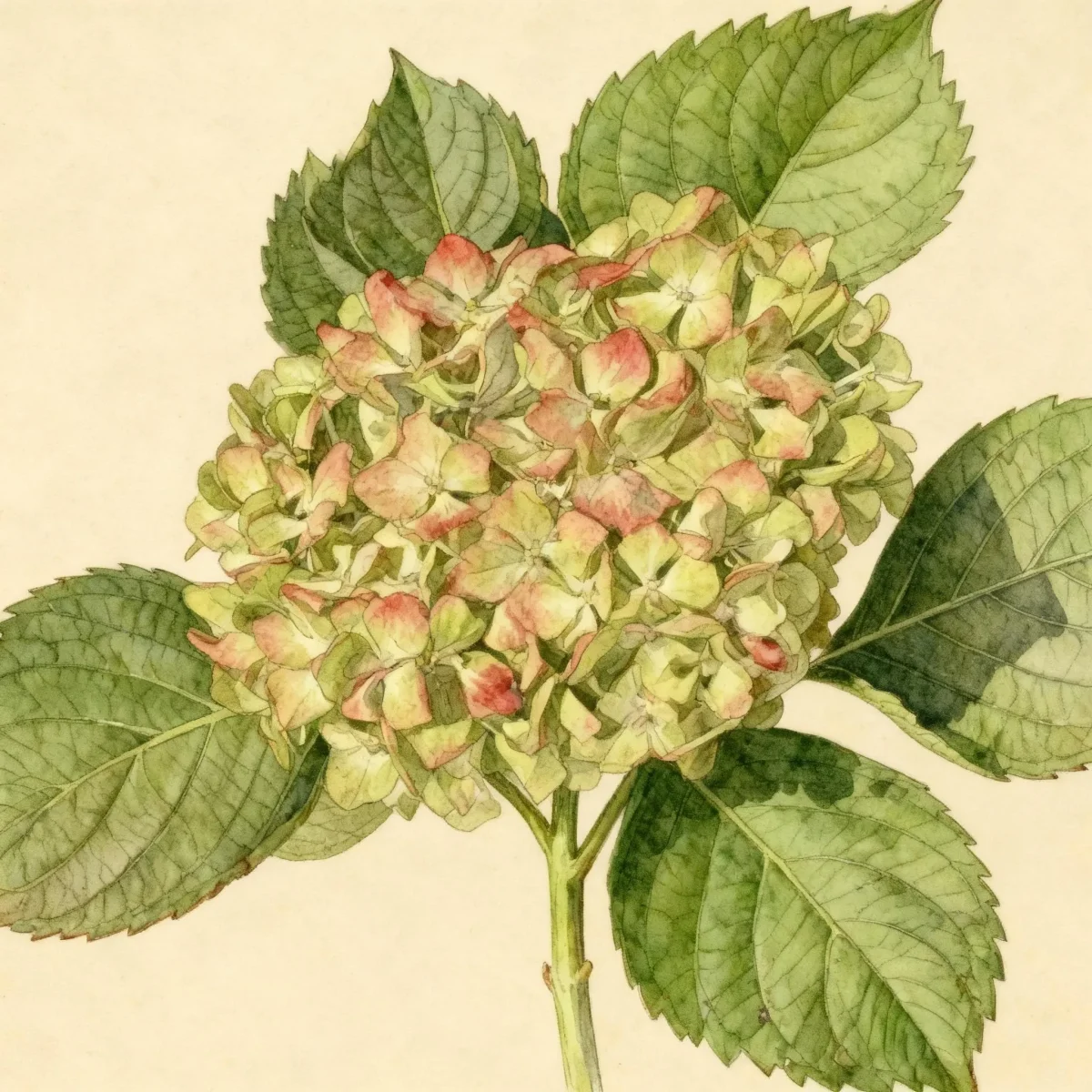
Hydrangea macrophylla ‘Horwack’ PISTACHIO is a standout compact cultivar in the Bigleaf hydrangea category, valued for its extended bloom period lasting from June straight through October. This variety showcases unique mophead flowers that debut with interesting chartreuse green tones before developing centers tinged with scarlet red and a small blue eye, providing season-long visual interest. As a deciduous shrub, it offers reliable structure in the landscape, performing best when shielded from intense afternoon sun.
The compact nature of Hydrangea macrophylla ‘Horwack’ PISTACHIO, reaching only 2 to 3 feet high, makes it versatile for smaller gardens or foundation plantings where larger shrubs might overwhelm the space. A significant advantage of this particular Bigleaf hydrangea is its ability to bloom reliably on both older and new wood, mitigating the risk of complete bloom failure often associated with traditional mopheads sensitive to winter bud damage.
Gardeners appreciate this cultivar for its manageable size and disease resistance, contributing reliable texture and color contrast within mixed borders. Proper siting in well-drained soil ensures that this tough, repeat-blooming shrub provides continuous performance throughout the growing season, making Hydrangea macrophylla ‘Horwack’ PISTACHIO hugely popular.
Fast Facts
- Plant Family: Hydrangeaceae
- Plant Type: Deciduous shrub
- Hardiness Zones: USDA Zones 6-9
- Size at Maturity:
- Height: 2-3 ft
- Spread: 3-5 ft
- Bloom Time: June to October
- Bloom Description: Red tinged with chartreuse green
- Sun Exposure: Part shade
- Water Needs: Medium
- Maintenance Level: Medium
How to Grow
The Hydrangea macrophylla ‘Horwack’ PISTACHIO thrives best when planted in rich, well-drained soils that maintain medium moisture levels, preferring the softer light of part shade. While it can tolerate more sun, this exposure is only suitable if the soil remains consistently moist throughout the summer heat. When planting, remember that soil pH significantly influences the non-white flower colors; aim for highly acidic soil for bluer tones or slightly alkaline soil for pinker results.
Routine care involves consistent watering to meet its medium water needs. Mulching annually with about 3 inches of shredded bark, compost, or peat is highly recommended to conserve soil moisture and moderate root temperatures. Pruning this variety is minimal due to its ability to bloom on old and new wood. If pruning is necessary, perform it immediately after the initial bloom flush by cutting back spent stems to a set of healthy buds, or remove any weak or damaged stems in late winter or early spring.
Gardeners in Zone 6 should be mindful of harsh winter conditions. Although Hydrangea macrophylla ‘Horwack’ PISTACHIO generally shows improved winter hardiness, protecting young plants or those in borderline zones from extreme cold or sudden temperature swings can prevent bud damage. Consistent season-long soil treatments, best applied in late autumn or early spring, are necessary if you intend to manipulate the flower color.
Landscape Uses
The compact dimensions of Hydrangea macrophylla ‘Horwack’ PISTACHIO (2-3 ft tall by 3-5 ft wide) make it an excellent choice for formal or informal landscape designs. It excels when grouped or massed along the front or middle of a shrub border, providing a reliable band of color and texture underneath taller specimens. Its tidy, rounded habit makes it perfect for specimen planting near patios or entryways where you want structure without blocking views.
Because it functions well as a low hedge, it can be used to line walkways or define property edges where a maintenance-free barrier is desired. Furthermore, its adaptability allows it to be grown effectively in containers, bringing the unique red-tinged green blooms right onto decks or balconies. Pair this Bigleaf hydrangea with shade-loving perennials like Hostas or Astilbes, which share similar cultural needs regarding moisture and sun exposure.
Standout Features
Flower Qualities
- Showy
- Good Cut
- Good Dried
Noteworthy Characteristics
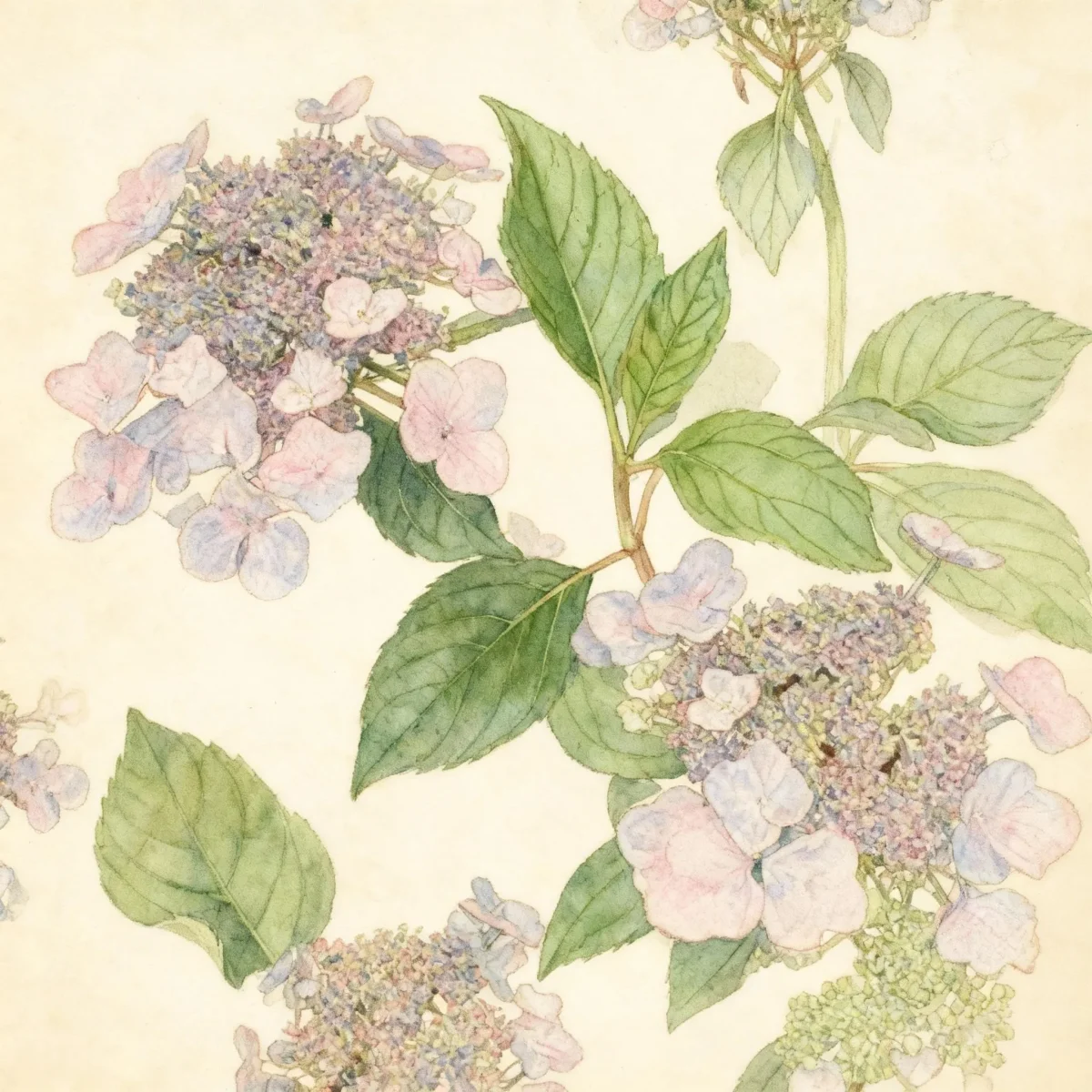
Hydrangea macrophylla, commonly called big leaf hydrangea, is a deciduous shrub with a rounded habit that, in the St. Louis area, typically grows 3-6’ tall and as wide unless damaged by harsh winters or pruned smaller. It generally features serrate, obovate to elliptic, dark green leaves (4-8” long) and large clusters of long-blooming summer flowers in either lacecap form or mophead form. ‘Horwack’ (trade name of PISTACHIO) is a compact mophead cultivar that grows to 2-3’ tall and to 3-5’ wide. It typically blooms on old wood in late spring with a repeat bloom on new wood from summer often into fall if spent flowers are regularly deadheaded, producing large globose cymes up to 5” in diameter.
Potential Problems
This Bigleaf hydrangea shows some susceptibility to common issues like bud blight, bacterial wilt, leaf spot, and mildew. Aphids can occasionally be an uninvited visitor. Prevention centers around good air circulation and cultural practices—ensure morning sun exposure where possible and avoid overhead watering late in the day to keep foliage dry, which deters fungal diseases like powdery mildew. Treat aphid infestations early with insecticidal soap if necessary.
Tolerances
Frequently Asked Questions
What hardiness zones is Hydrangea macrophylla ‘Horwack’ PISTACHIO suitable for?
This Bigleaf hydrangea is reliably winter hardy in USDA Zones 6 through 9. Gardeners in Zone 5 should provide extra winter protection.
How large does Hydrangea macrophylla ‘Horwack’ PISTACHIO grow?
When fully mature without winter damage or pruning, this compact cultivar typically reaches a short height of 2 to 3 feet, spreading moderately between 3 and 5 feet wide.
What sun exposure does Hydrangea macrophylla ‘Horwack’ PISTACHIO need?
The ideal requirement for Hydrangea macrophylla ‘Horwack’ PISTACHIO is part shade. It can survive in fuller sun provided its soil conditions are kept consistently moist.
When does Hydrangea macrophylla ‘Horwack’ PISTACHIO bloom?
This reliable shrub produces blooms from June all the way into October, often blooming first on last year’s wood and then continuously on new growth throughout the summer.
Conclusion
The Hydrangea macrophylla ‘Horwack’ PISTACHIO offers gardeners a visually unique and resilient choice among the popular Bigleaf hydrangea selections, noted for its compact habit and dependable repeat flowering. Its distinctive bloom colors that shift through pistachio green and red tones provide excellent garden drama. Before planting, confirm that your local hardiness zone supports this shrub, and plan for enrichment of the soil to achieve desired flower coloration.
Companion Planting Strategies
Selecting companions for Hydrangea macrophylla ‘Horwack’ PISTACHIO involves choosing plants that share similar light and moisture requirements. Because this Bigleaf hydrangea prefers part shade and medium to consistent moisture, woodland edge plants are ideal partners. Consider low-growing ferns, like Japanese Painted Ferns, which offer contrasting texture without competing heavily for upper light.
For color coordination, pair the Pistachio hydrangea with plants that feature deep purples or contrasting silvery foliage. Hellebores (Lenten Rose) are excellent early bloomers that provide evergreen interest beneath the deciduous shrub. Combining these plants establishes a lush, layered look typical of sophisticated shade gardens.
Seasonal Care Calendar
Spring marks the time to assess winter damage. Prune out any obviously dead wood on your Hydrangea macrophylla ‘Horwack’ PISTACHIO, doing this before new growth actively starts. This is also the optimal time to apply soil amendments like lime or aluminum sulfate to adjust pH for the upcoming season’s blooms.
During the peak heat of summer, vigilance regarding watering is paramount, especially if your specimen is subjected to any afternoon sun. Deadheading spent blooms promptly encourages the shrub to push out continuous new flowering wood into the fall. Ensure that the 3-inch mulch layer remains intact to help regulate soil temperature around the roots of the Hydrangea macrophylla ‘Horwack’ PISTACHIO.
As autumn approaches, reduce nitrogen fertilizer applications to prompt the plant to prepare for dormancy. In late fall, consider applying a final layer of mulch, especially for plants near the edge of its hardiness range, to protect early flower buds that may begin forming on the old wood for the following year.