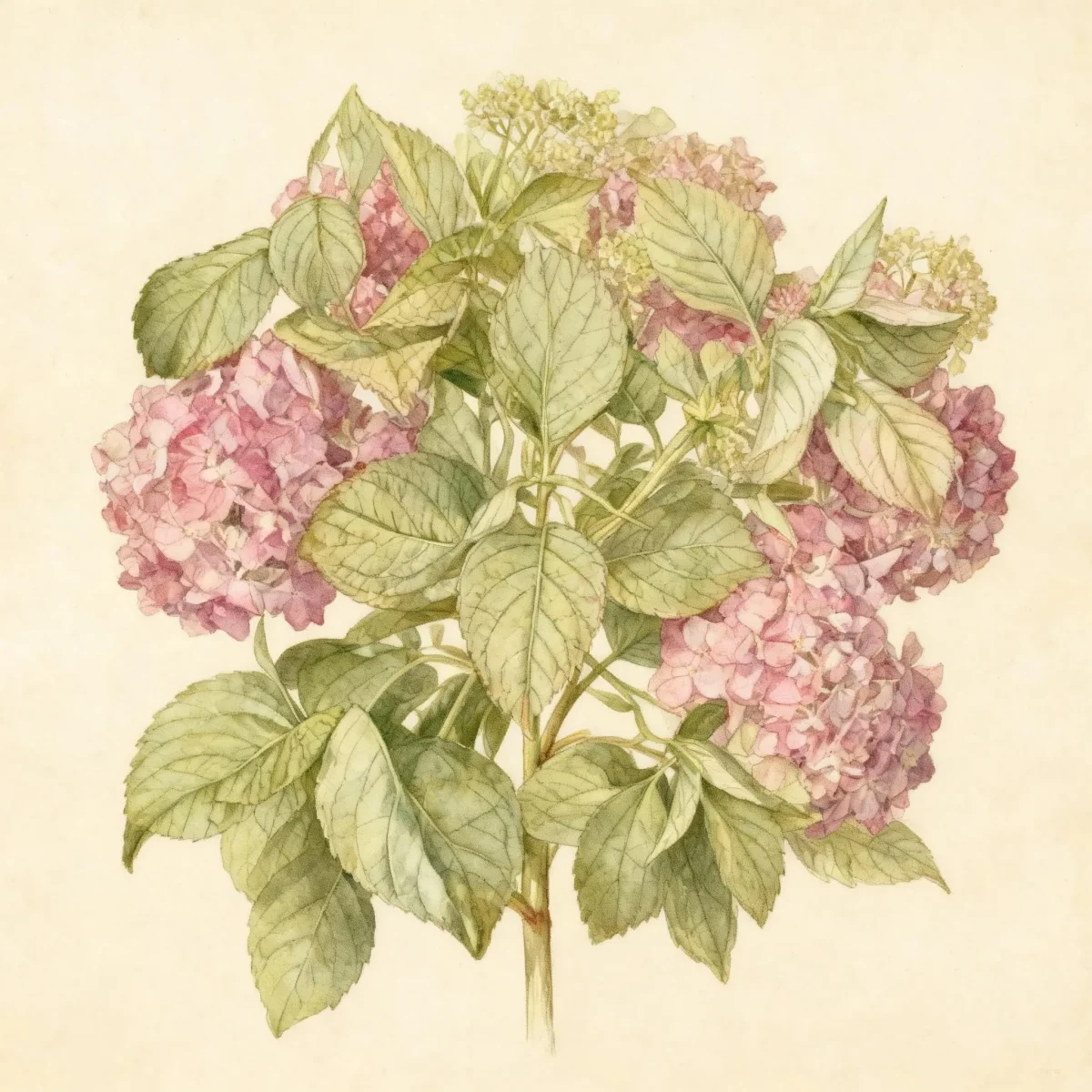
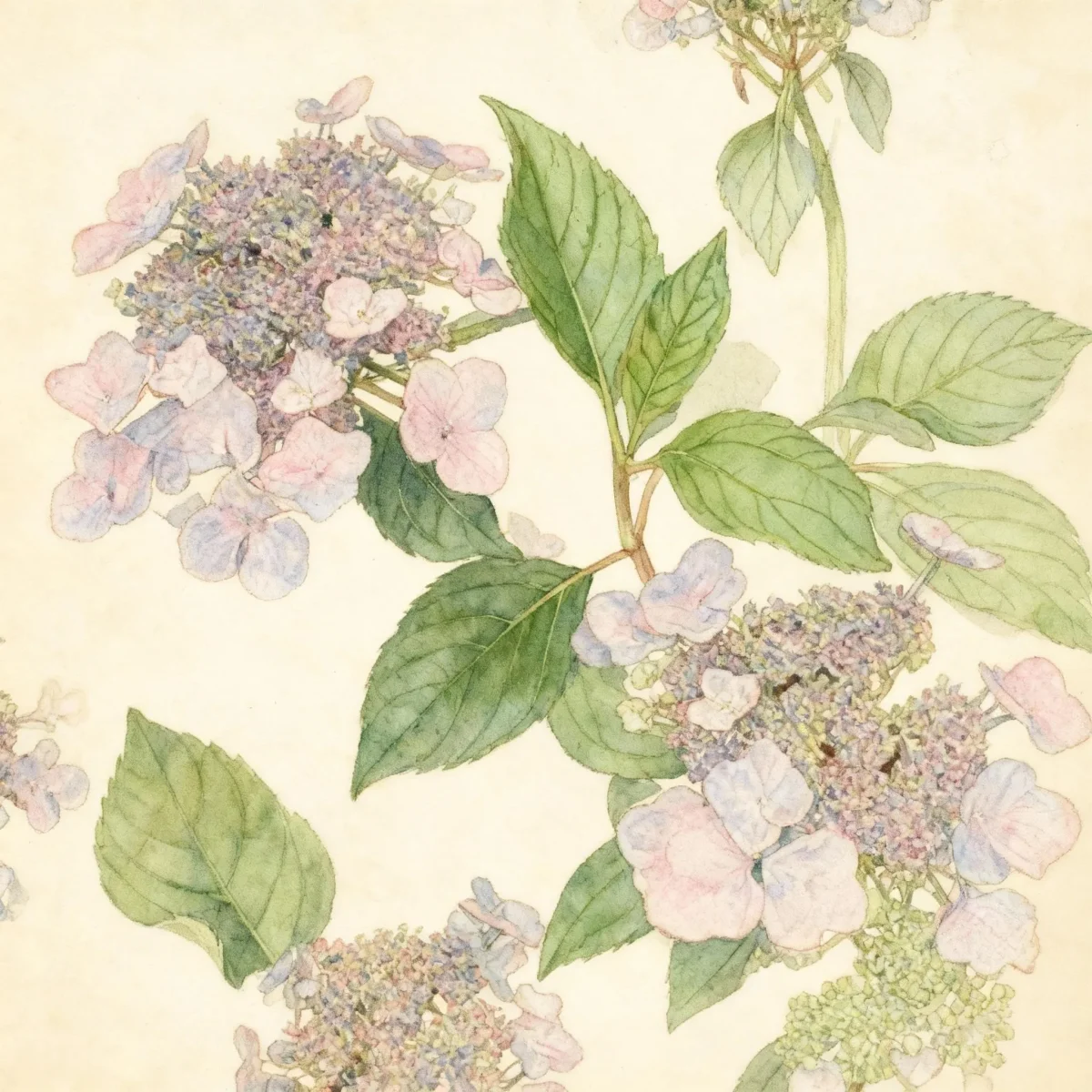
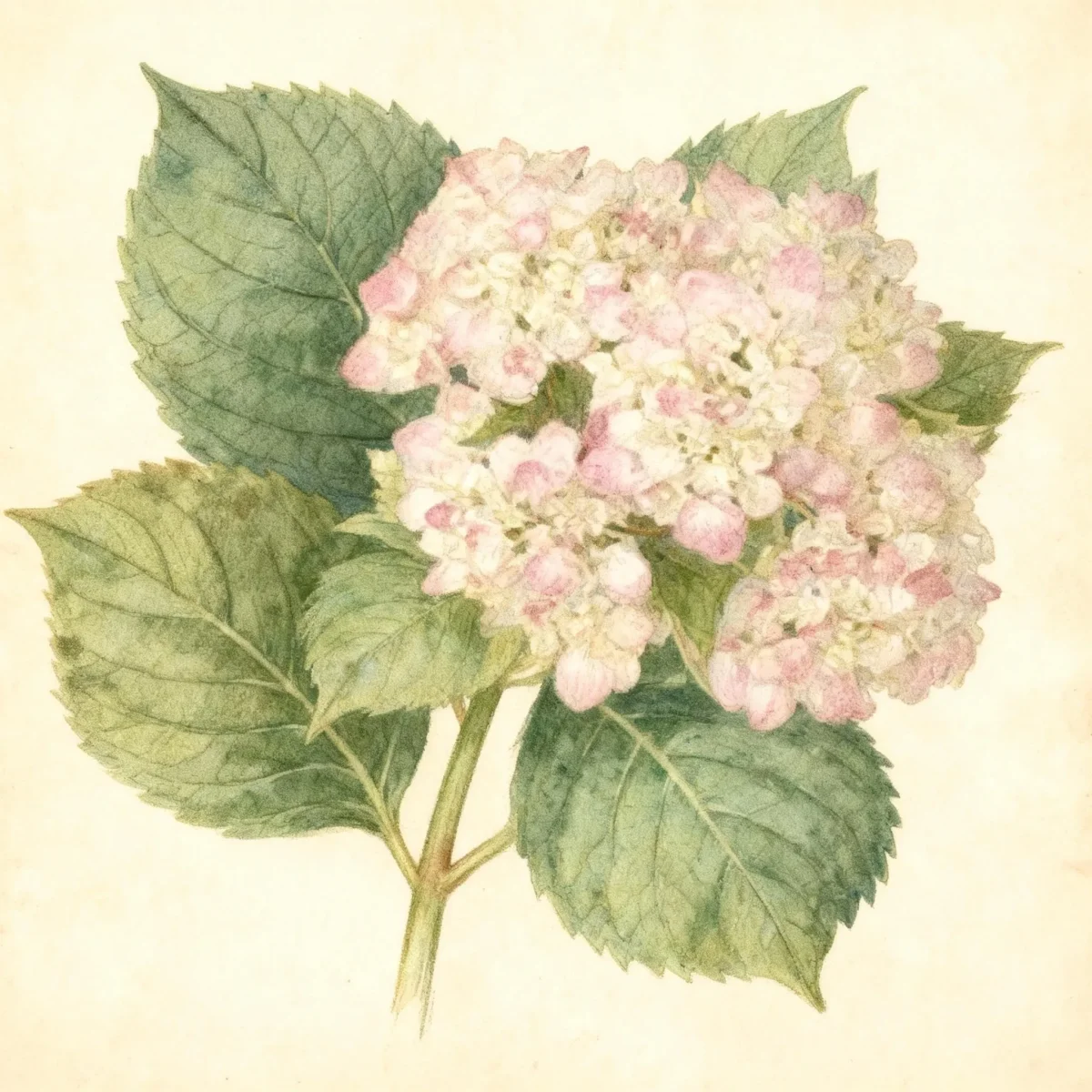
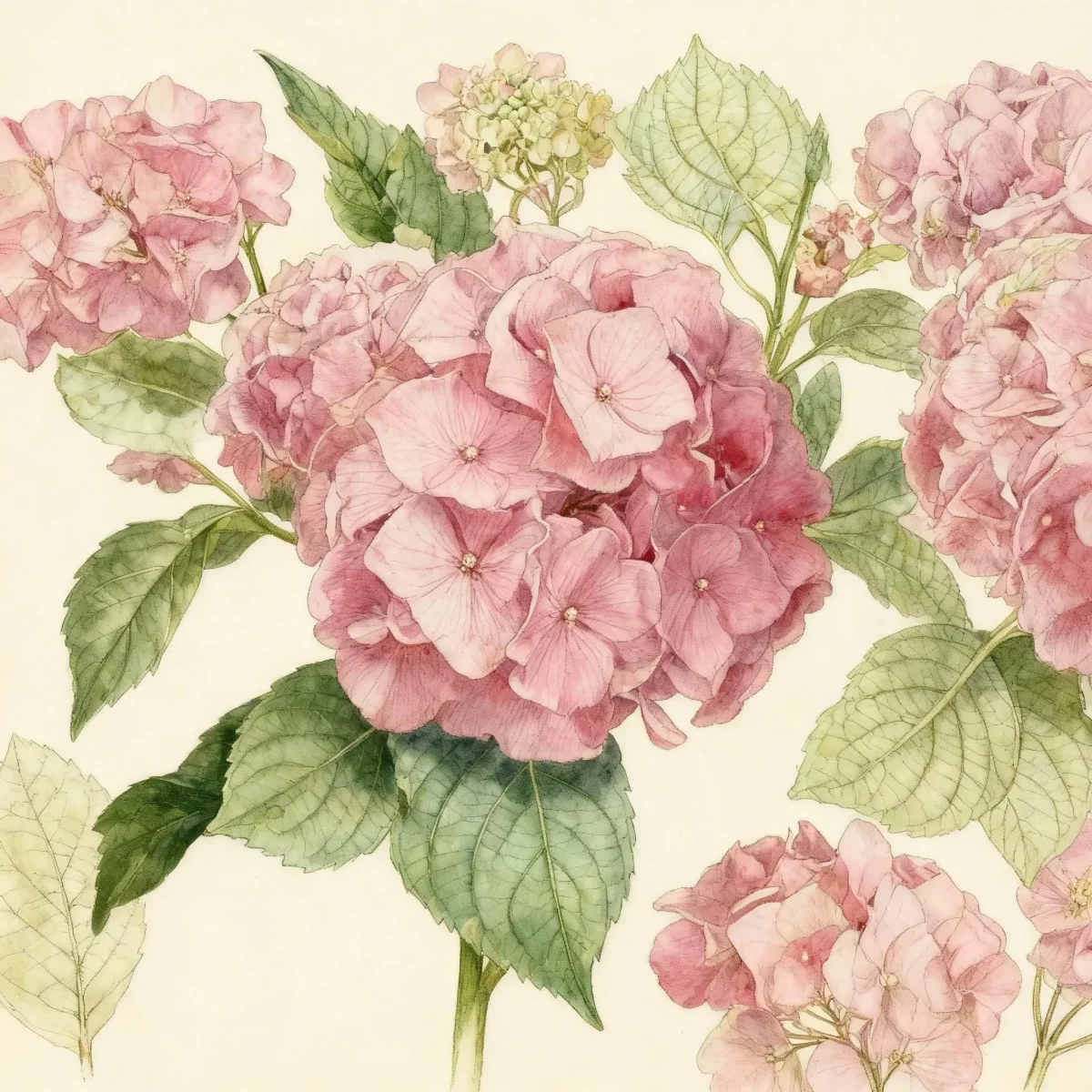
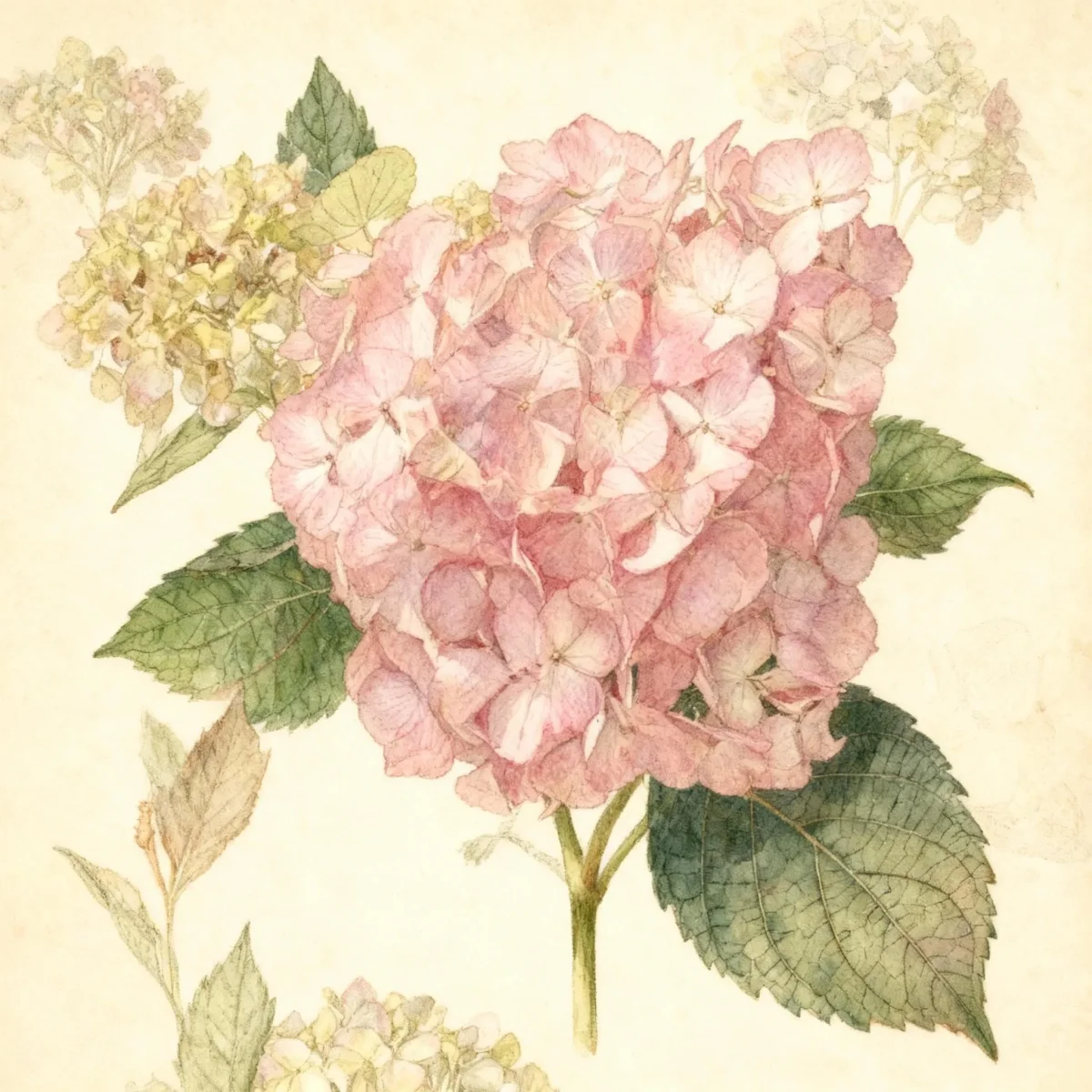
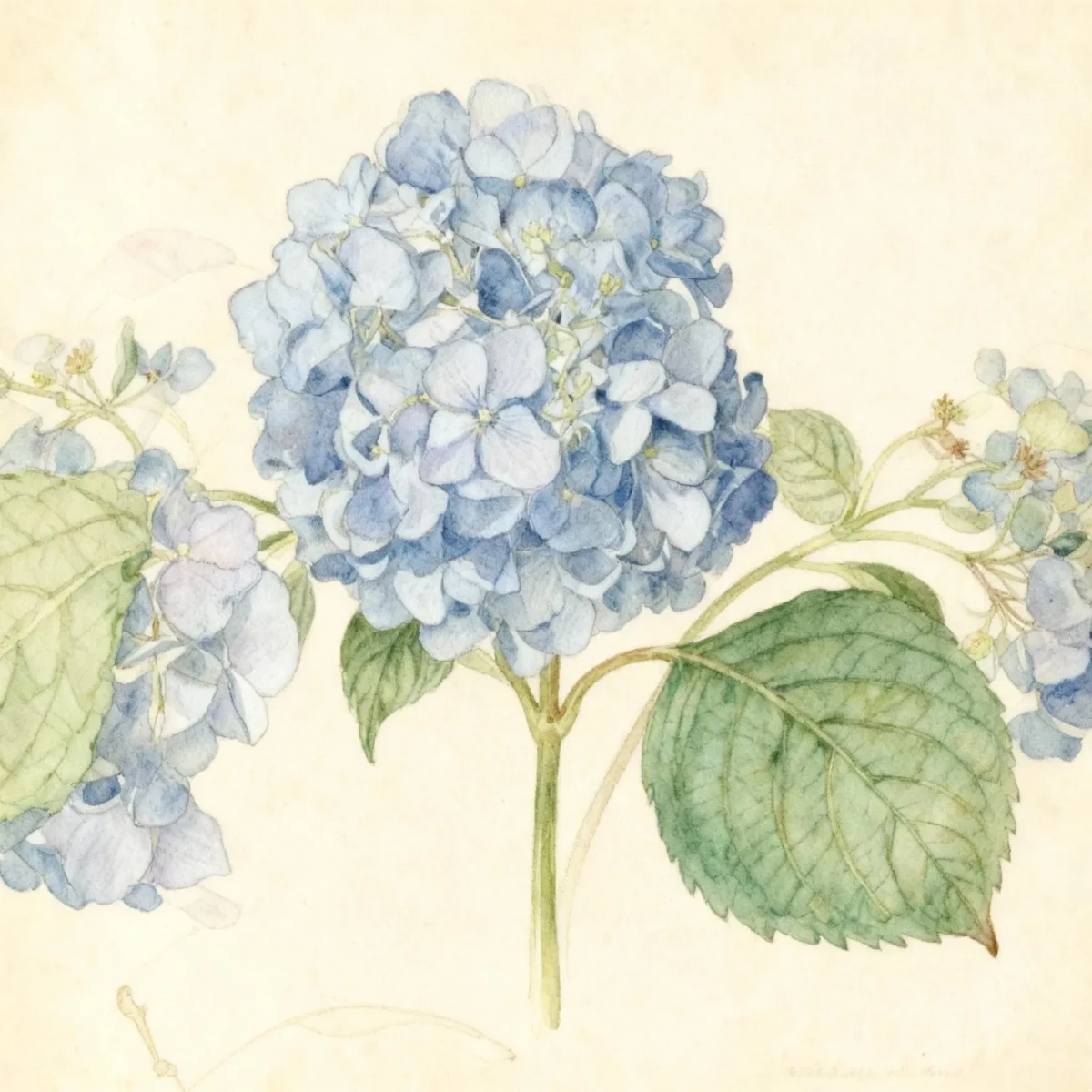
Bigleaf hydrangea (Hydrangea macrophylla 'Dancing Snow' WEDDING GOWN)
Discover Hydrangea macrophylla 'Dancing Snow' WEDDING GOWN, a compact Bigleaf hydrangea rebloomer featuring striking double white flowers from June to October.
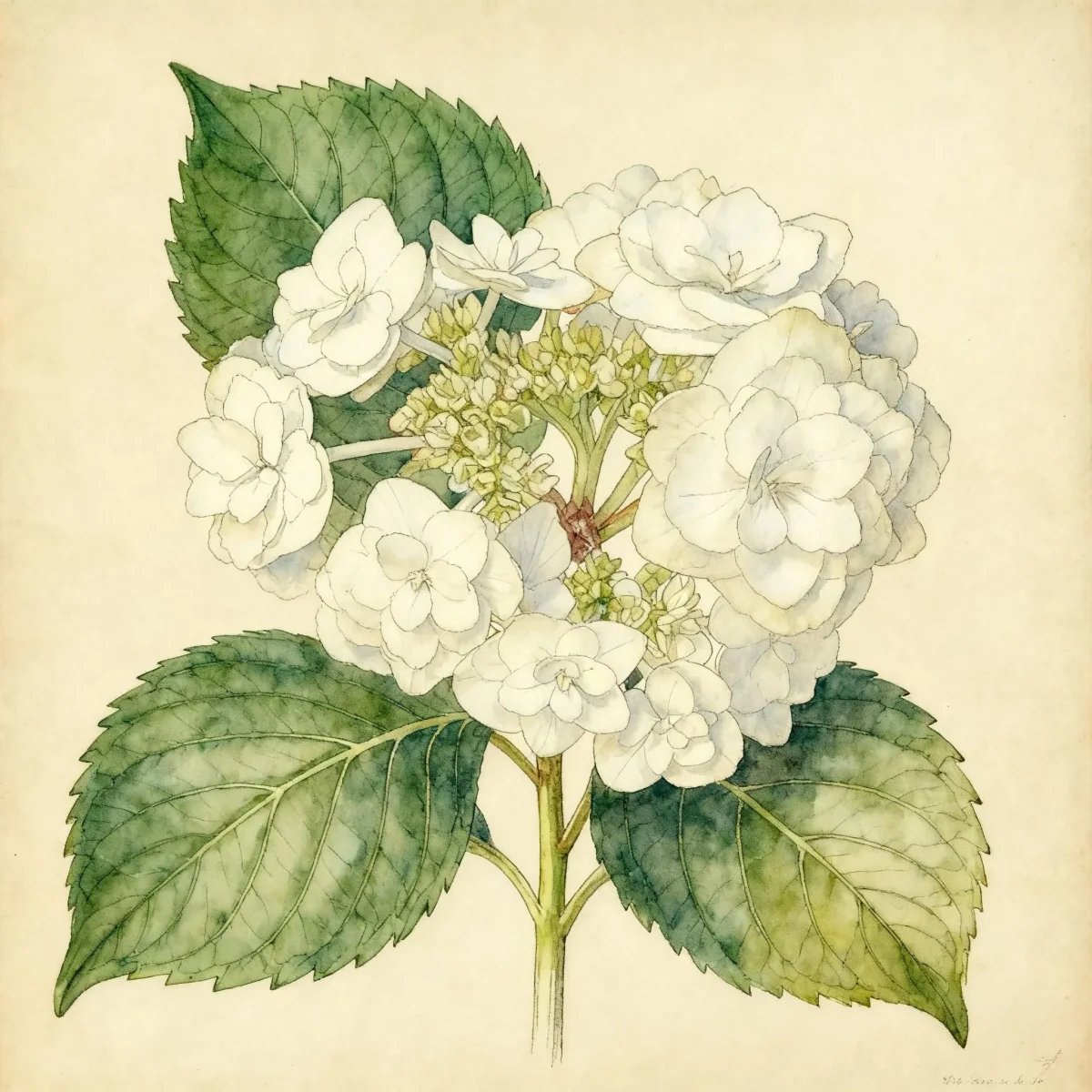

Bloom Boldly, No Matter the Season - Sweatshirt
Cozy organic cotton sweatshirt featuring our exclusive Purple Coneflower design. Perfect for gardeners who bloom year-round.
Inspired by the beautiful Bigleaf hydrangea
Limited first batch (50) — join the waitlist for early access
Waitlist closes Feb 15, 2026.
Complete Plant Information
Field Guide Continues
Ready for care notes, companion picks, and planting tips?
The map is just the start. The full guide below covers growth habits, seasonal performance, and landscape uses.
Overview
Hydrangea macrophylla ‘Dancing Snow’ WEDDING GOWN, a spectacular Bigleaf hydrangea cultivar, offers gardeners reliable white blooms across a long season. This compact deciduous shrub is valued for its lush foliage contrasting beautifully with its unique double flowers, which truly resemble small, charming bridal bouquets. It is a modern cultivar selected for its ability to rebloom, ensuring color from early summer well into the autumn months.
This particular variety brings dependability to the garden landscape; unlike many other Hydrangea macrophylla types, the bloom color of Hydrangea macrophylla ‘Dancing Snow’ WEDDING GOWN remains consistently white, regardless of soil pH fluctuations. Expect this variety to mature into a tidy mound, perfect for foundation plantings or mass plantings where consistent texture and white accents are desired.
As a member of the Bigleaf hydrangea family, ‘Dancing Snow’ delivers significant aesthetic impact while remaining manageable in size. Its extended bloom period makes it a superior choice for continuous color interest, confirming its place as a highly practical and noteworthy shrub selection for shaded garden areas.
Fast Facts
- Plant Family: Hydrangeaceae
- Plant Type: Deciduous shrub
- Hardiness Zones: USDA Zones 6-9
- Size at Maturity:
- Height: 2-3 ft
- Spread: 3-5 ft
- Bloom Time: June to October
- Bloom Description: White
- Sun Exposure: Part shade
- Water Needs: Medium
- Maintenance Level: Medium
How to Grow
For the best performance, plant Hydrangea macrophylla ‘Dancing Snow’ WEDDING GOWN in rich, well-drained soils. While it thrives in part shade, it can manage morning sun or even full sun if the soil remains consistently moist throughout the growing season. Avoid planting locations where afternoon sun scorches the foliage, especially during hot summers.
Maintain medium soil moisture levels, especially immediately following planting and during periods of high heat. Pruning requirements are minimal for Hydrangea macrophylla ‘Dancing Snow’ WEDDING GOWN since it is a rebloomer flowering on both old and new wood. If pruning is necessary, light shaping should occur immediately after the initial flush of flowering concludes.
To protect the plant and retain consistent moisture, apply a generous layer of mulch, about 3 inches deep, using shredded bark or compost year-round. Gardeners in marginal Zone 6 areas should consider siting plants in sheltered spots or providing extra protection during severe winters to safeguard the flower buds that form the previous season.
Landscape Uses
The neat, compact habit of Hydrangea macrophylla ‘Dancing Snow’ WEDDING GOWN, reaching only 2 to 3 feet tall, makes it exceptionally versatile in landscape design. It excels when used as a formal or informal hedge, providing a crisp white boundary along walkways or property lines. Its medium spread of 3 to 5 feet allows for relatively dense grouping.
Consider utilizing this Bigleaf hydrangea as an accent plant near patios or entryways where its unique blossoms can be easily appreciated up close. It performs well in mixed shrub borders, offering mid-season brightness among evergreen backdrops or contrasting with darker foliage shrubs. For those with limited space, Hydrangea macrophylla ‘Dancing Snow’ WEDDING GOWN is also an excellent candidate for large containers, provided drainage is excellent.
Standout Features
Flower Qualities
- Showy
- Good Cut
- Good Dried
Noteworthy Characteristics
The genus name Hydrangea refers to water, reflecting the plant’s need for consistent moisture, while the specific epithet macrophylla means large leaf. ‘Dancing Snow’ (trade name WEDDING GOWN) is a compact, double-flowered, lacecap cultivar that reblooms on both old and new wood, offering superior flowering reliability. Its distinctive flower heads, composed of showy double sterile florets surrounding smaller double white florets, resemble small bridal bouquets due to their structure and elegance.
Tolerances
Potential Problems
Bigleaf hydrangeas, including Hydrangea macrophylla ‘Dancing Snow’ WEDDING GOWN, can occasionally face issues like leaf spot or mildew, particularly in humid or overly shaded environments. To mitigate these fungal diseases, ensure good air circulation around the shrubs by spacing them appropriately during planting; avoid overhead watering late in the day to keep foliage dry overnight. Aphids are occasional pests that can be controlled with strong blasts of water or insecticidal soap if infestations become heavy.
Frequently Asked Questions
What hardiness zones is Bigleaf hydrangea suitable for?
Hydrangea macrophylla ‘Dancing Snow’ WEDDING GOWN thrives in USDA Hardiness Zones 6 through 9.
How large does Hydrangea macrophylla ‘Dancing Snow’ WEDDING GOWN grow?
This shrub typically reaches a mature height between 2 and 3 feet tall, spreading 3 to 5 feet wide.
What sun exposure does Hydrangea macrophylla ‘Dancing Snow’ WEDDING GOWN need?
It is best suited for part shade, though it can tolerate more sun if consistent moisture is maintained in the soil.
When does Bigleaf hydrangea bloom?
This reliable rebloomer produces its white flowers from June all the way through October.
Conclusion
The Hydrangea macrophylla ‘Dancing Snow’ WEDDING GOWN is a standout performer in the world of foundational shrubs, offering reliable, non-pH-dependent white blooms across four months. This Bigleaf hydrangea provides excellent structure and continuous color interest, making it a top choice for modern landscapes. Verify your USDA Hardiness Zone before planting to ensure optimal success with this beautiful reblooming variety.
Companion Planting
When selecting partners for Hydrangea macrophylla ‘Dancing Snow’ WEDDING GOWN, focus on plants that share similar part-shade requirements and medium moisture needs. Consider pairing it with shade-tolerant perennials like Hostas, especially those with blue or variegated foliage, to create strong color contrast around the deep green leaves of the hydrangea. Astilbe provides delicate, upright texture that complements the rounded form of the shrub, while ferns offer excellent groundcover beneath its branches.
For a layered woodland border effect, incorporate fine-textured evergreens such as dwarf hemlocks or Japanese holly behind your grouping of Bigleaf hydrangeas. Creating a foundation planting scheme using these companions ensures that the area maintains visual interest throughout the entire growing season, keeping the overall composition restful and cool-toned to suit the shade preference of Hydrangea macrophylla ‘Dancing Snow’ WEDDING GOWN.
Seasonal Care Calendar
Spring care begins with pruning out any dead or damaged stems from winter die-back just as new growth begins to emerge. Immediately after this cleanup, apply a fresh 3-inch layer of mulch if the existing layer has broken down; this conserves moisture critical for bud development. Summer attention should focus entirely on consistent watering, ensuring the soil never dries out completely, especially during heat waves, to support the ongoing bloom cycle of the Hydrangea macrophylla ‘Dancing Snow’ WEDDING GOWN.
In late summer and early fall, if deadheading spent flowers, do so sparingly to avoid interfering with later blooms. Avoid heavy fertilization late in the season, as this encourages tender new growth susceptible to early frosts. Winterization generally involves no structural pruning; rather, focus on maintaining that layer of insulating mulch around the base of the plant to protect the root zone from extreme cold fluctuations.