Bigleaf hydrangea (Hydrangea macrophylla 'David Ramsey')
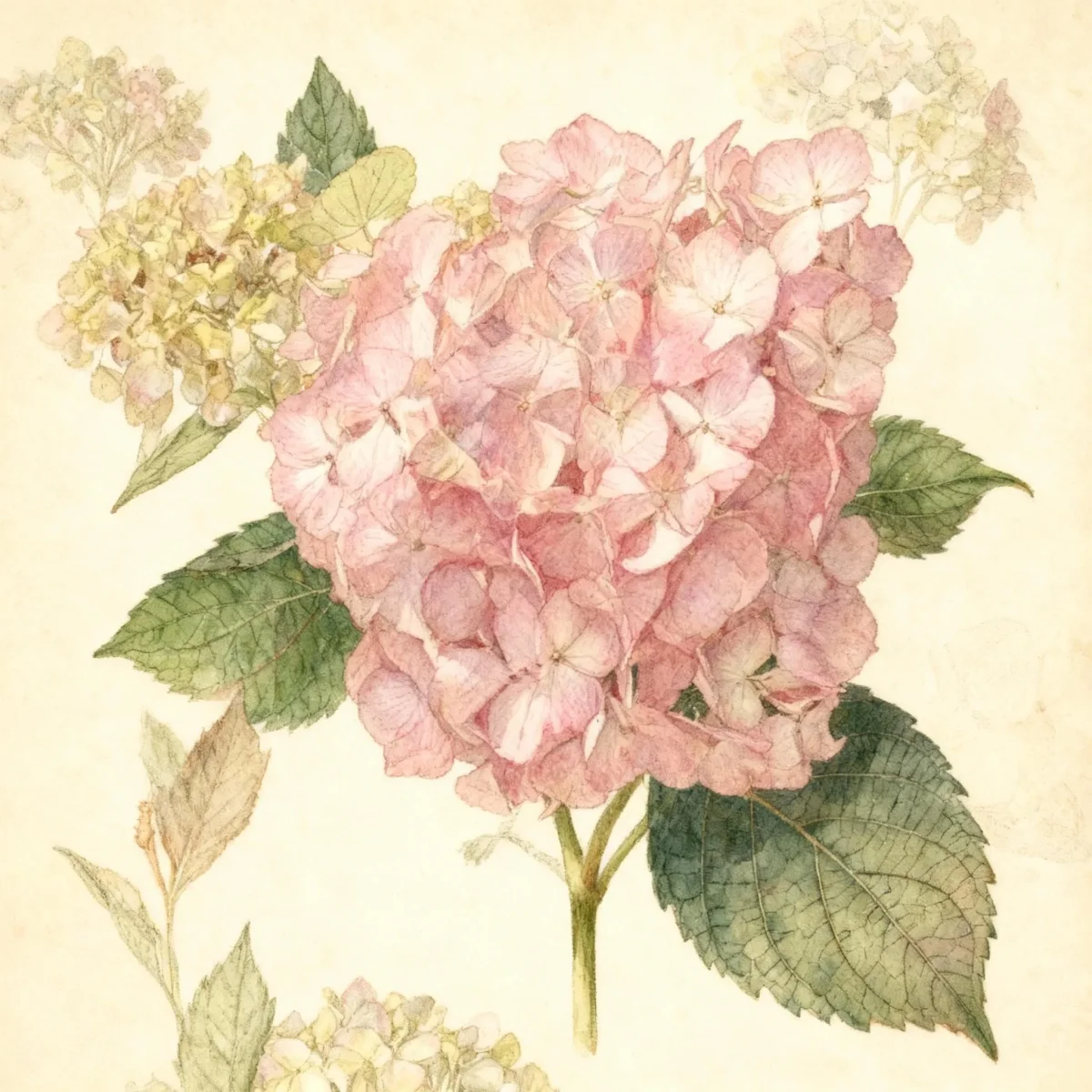
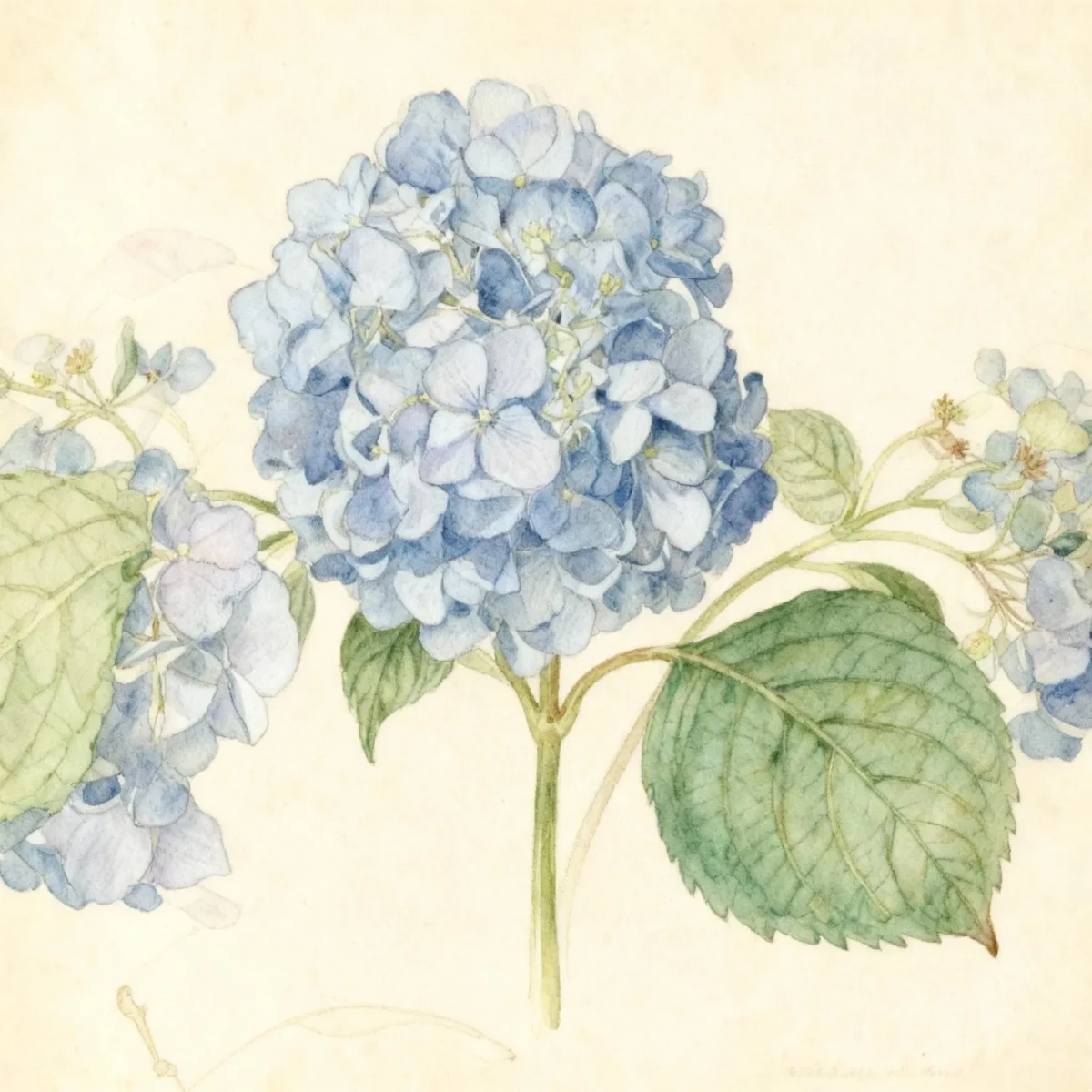
Hydrangea macrophylla 'David Ramsey' is a showy Bigleaf hydrangea offering pink to blue summer blooms on both old and new wood.

Bloom Boldly, No Matter the Season - Sweatshirt
Cozy organic cotton sweatshirt featuring our exclusive Purple Coneflower design. Perfect for gardeners who bloom year-round.
Inspired by the beautiful Bigleaf hydrangea
Limited first batch (50) — join the waitlist for early access
Waitlist closes Feb 15, 2026.
Complete Plant Information
Field Guide Continues
Ready for care notes, companion picks, and planting tips?
The map is just the start. The full guide below covers growth habits, seasonal performance, and landscape uses.
Overview
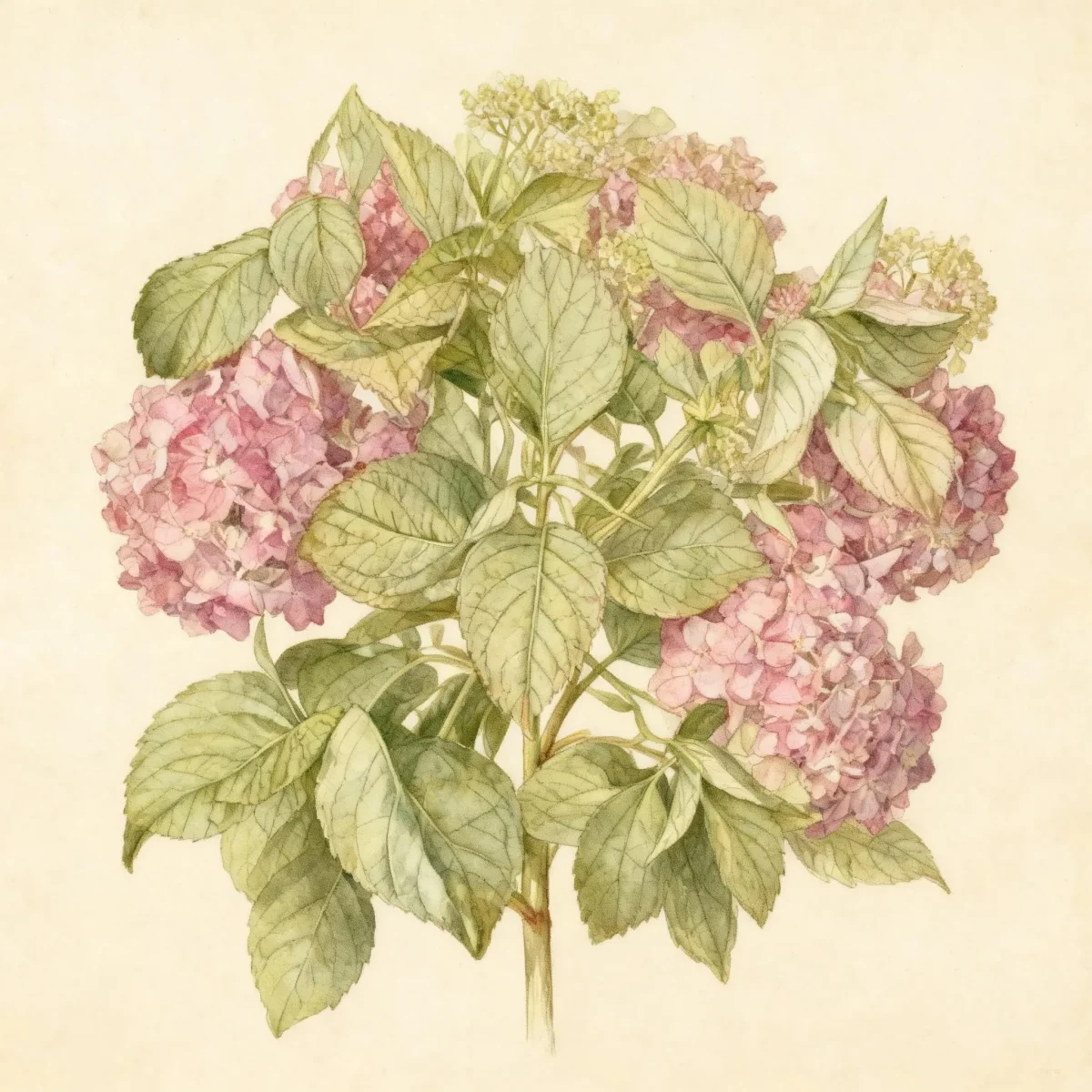
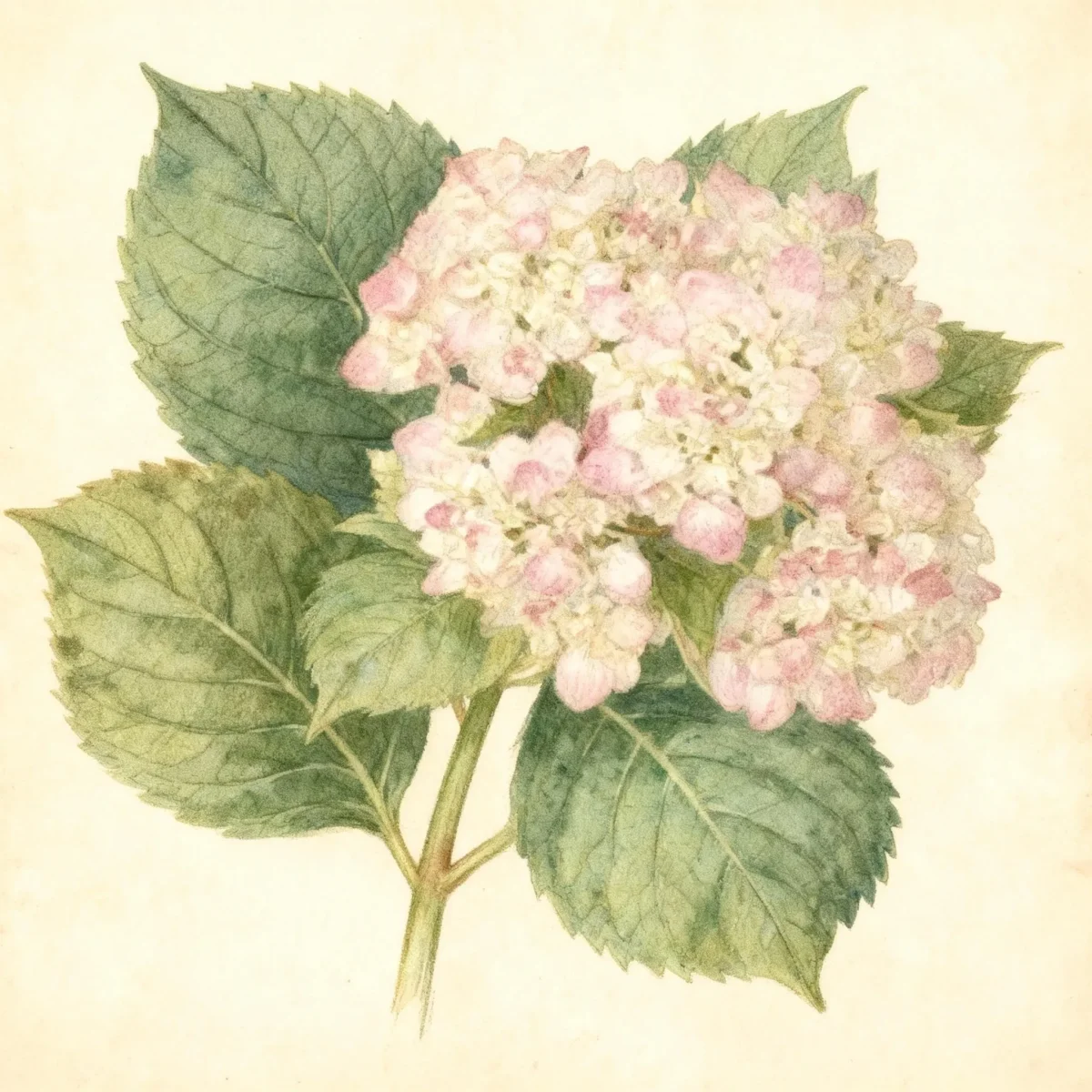
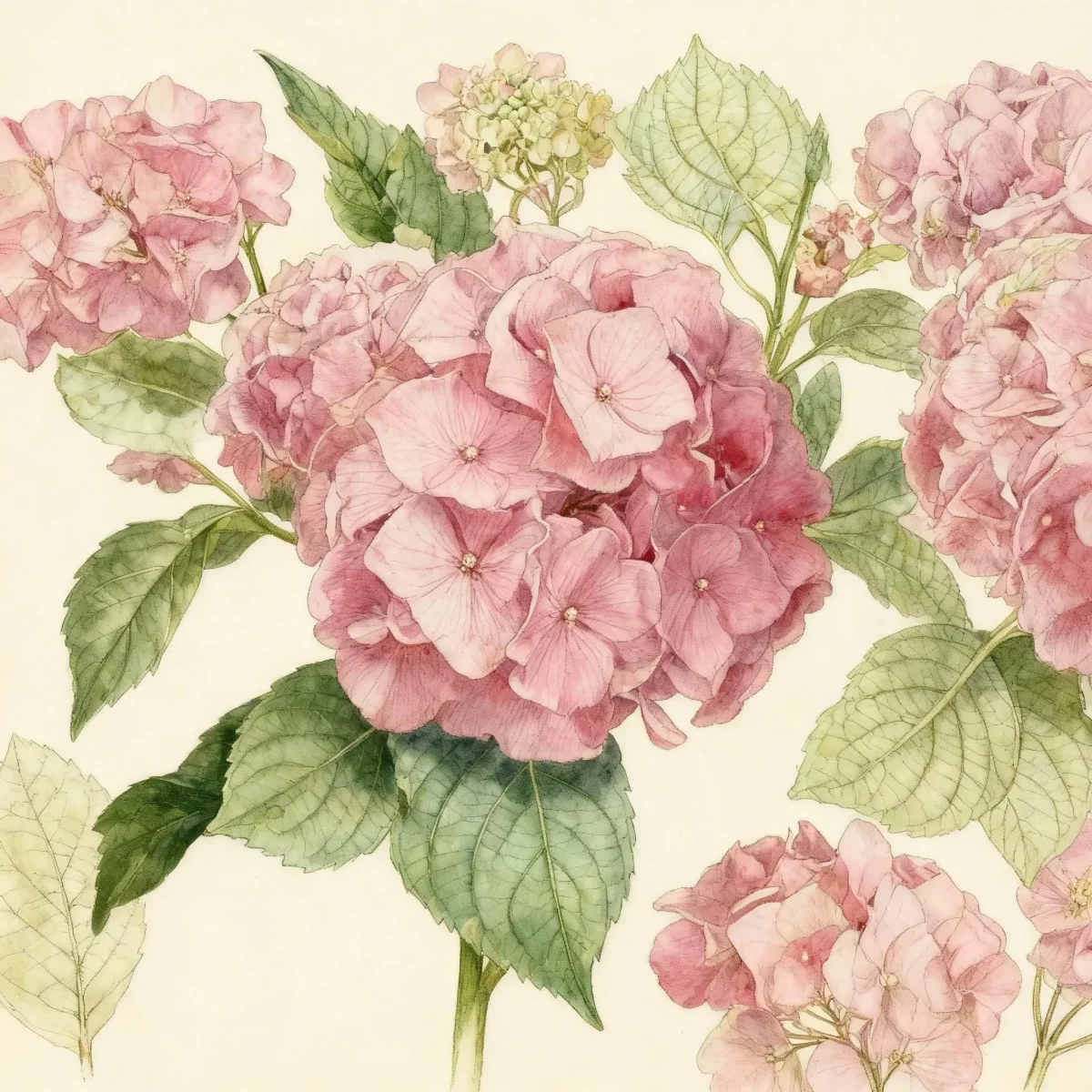
The Bigleaf hydrangea, Hydrangea macrophylla ‘David Ramsey’, is a highly valued deciduous shrub prized for its reliability and long season of color. A standout feature of this cultivar is its ability to bloom on both old and new growth, increasing the chances of a spectacular floral display even after harsh winters. This robust cultivar boasts large, globe-shaped mophead flowers that shift color based on soil pH.
Hydrangea macrophylla ‘David Ramsey’ forms a rounded habit, typically reaching 4 to 5 feet in height and spreading 5 to 6 feet wide in established conditions. Gardeners appreciate this plant for its dense foliage and reliably abundant summer flowers, making it a fantastic backbone element in mixed borders or as a striking specimen plant near patios.
Compared to many traditional H. macrophylla varieties, ‘David Ramsey’ reportedly exhibits better winter hardiness, offering gardeners in cooler zones a more consistent bloom performance. Its dark green leaves provide excellent contrast to the showy blooms ranging from blue in acidic soil to pink in alkaline conditions.
Fast Facts
- Plant Family: Hydrangeaceae
- Plant Type: Deciduous shrub
- Hardiness Zones: USDA Zones 6-9
- Size at Maturity:
- Height: 4-5 ft
- Spread: 5-6 ft
- Bloom Time: June to October
- Bloom Description: Pink to blue
- Sun Exposure: Part shade
- Water Needs: Medium
- Maintenance Level: Medium
How to Grow
For optimal success with your Hydrangea macrophylla ‘David Ramsey’, plant it in rich, well-drained soil that retains medium moisture. While it prefers part shade, it can tolerate full sun only if consistent moisture is guaranteed throughout the growing season. Aim for planting in the fall or early spring to allow the Bigleaf hydrangea time to establish roots without the stress of peak summer heat.
Watering should be consistent; avoid letting the soil dry out completely, which will stress the plant. Mulch heavily with 3 inches of shredded bark or compost year-round around the base to help conserve soil moisture and moderate soil temperatures. Soil pH manipulation is key for color control: add aluminum sulfate to encourage blue blooms or lime to promote rich pinks. Begin these soil treatments in late autumn or early spring for best results before the flowering flush.
Pruning needs are minimal for this reblooming variety. If pruning is necessary, accomplish it immediately after the first round of flowering by trimming stems back to a strong pair of healthy buds. In late winter or early spring, clear out any stems that show signs of winter damage or weakness. While ‘David Ramsey’ is noted for better winter hardiness, gardeners in Zone 5 locations should consider providing extra protection during severe cold snaps to safeguard flower buds.
Landscape Uses
The versatility of Hydrangea macrophylla ‘David Ramsey’ makes it a staple in many garden designs. Its dense, rounded form suits perfectly for use as an informal hedge, providing a soft, colorful screen throughout the summer and into fall. It looks equally stunning when massed in a shrub border to create blocks of continuous color.
Consider planting this Bigleaf hydrangea as an accent near home foundations or patios where its large mophead blooms can be easily viewed up close. For container growing, select a large, high-quality pot with excellent drainage, as consistent moisture is vital. When designing mixed plantings, pair it with plants that tolerate similar part-shade requirements and moisture levels, such as hostas, astilbes, or rhododendrons.
Standout Features
Flower Qualities
- Showy
- Good Cut
- Good Dried
Noteworthy Characteristics
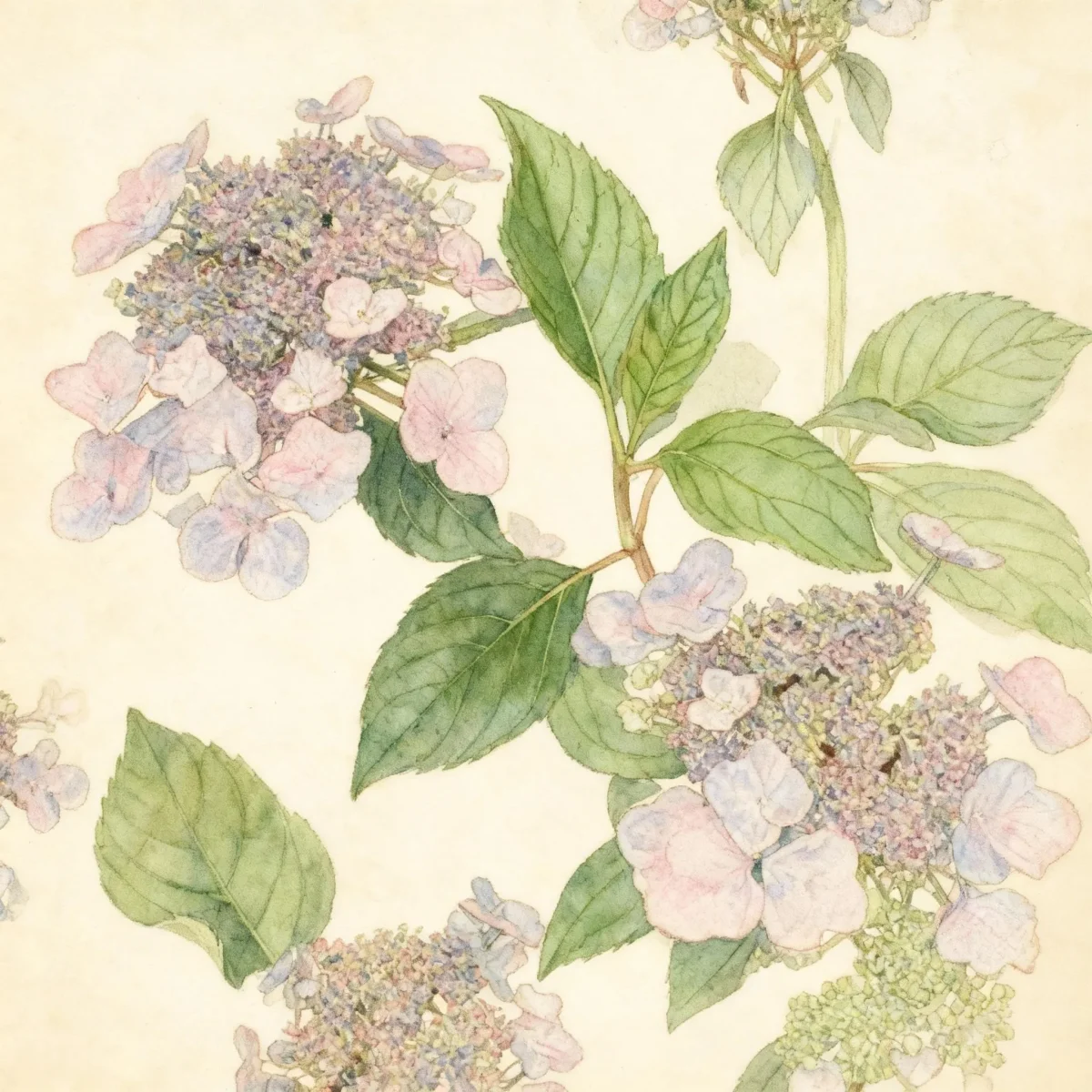
Hydrangea macrophylla, commonly called big leaf hydrangea, is a deciduous shrub with a rounded habit that, in the St. Louis area, typically grows 3-6’ tall and as wide unless damaged by harsh winters or pruned smaller. It generally features serrate, obovate to elliptic, dark green leaves (4-8” long) and large clusters of long-blooming summer flowers in either lacecap form or the mophead form seen on this cultivar. ‘David Ramsey’ is an upright mophead cultivar that grows on strong stems to 4-5’ tall and to 5-6’ wide. It typically blooms on old wood in late spring with repeat bloom on new wood from summer often into fall if spent flowers are regularly deadheaded.
Tolerances
No specific tolerances were listed.
Potential Problems
While generally tough, the Hydrangea macrophylla ‘David Ramsey’ can be susceptible to common fungal issues such as leaf spot and mildew, especially in areas with poor air circulation or high humidity. Keep an eye out for bacterial wilt, which requires immediate attention to prevent spread. Aphids are occasional visitors; they can usually be managed effectively with a strong spray of water or insecticidal soap if populations become extensive.
Good cultural practices are the best defense against most problems. Ensure adequate spacing between plants to promote airflow, which significantly reduces the likelihood of mildew development. Always remove fallen leaves in the autumn to minimize overwintering fungal spores near the base of your Bigleaf hydrangea.
Frequently Asked Questions
What hardiness zones is Bigleaf hydrangea suitable for?
The Hydrangea macrophylla ‘David Ramsey’ is reliably hardy in USDA Zones 6 through 9.
How large does Bigleaf hydrangea grow?
This cultivar typically reaches a height between 4 and 5 feet, with a spread often reaching 5 to 6 feet wide if left unpruned.
When does Bigleaf hydrangea bloom?
This specific Bigleaf hydrangea blooms starting in June and frequently continues producing new flowers through October, displaying colors ranging from pink to blue depending on soil chemistry.
What sun exposure does Bigleaf hydrangea need?
Hydrangea macrophylla ‘David Ramsey’ performs best in part shade, though it can tolerate more sun if the soil remains consistently moist throughout the day.
Conclusion
The Hydrangea macrophylla ‘David Ramsey’ provides extended seasonal color and improved winter performance, making it an excellent choice for gardeners seeking reliable mophead blooms. Its ability to thrive in part shade while offering flower color flexibility adds significant value to the landscape. Before planting, confirm that your gardening location falls within USDA Zones 6-9 and plan your siting to leverage its desirable bloom pattern.
Design Ideas for Moist Soil Areas
Because this Bigleaf hydrangea requires medium, consistent moisture, it integrates beautifully into woodland gardens or alongside streams or pond edges where moisture levels are naturally higher. Grouping three or five specimens of Hydrangea macrophylla ‘David Ramsey’ together creates an immediate impact, blurring the lines between the individual shrubs to form a cohesive, flowering mass. Contrast the large, dark green leaves with fine-textured, shade-loving ferns or the variegation found in various hosta cultivars planted closely underneath.
When you desire a classic cottage garden feel, pair the shrub with summer-blooming perennials like digitalis (foxglove) or hardy geraniums. These companions share similar cultural needs—moist, rich soil and protection from intense afternoon sun—ensuring that all elements of the border flourish together. Remember that the pink-to-blue shift of the Mophead flowers of ‘David Ramsey’ can complement or clash with nearby purples or reds, so plan your color palette consciously.
Soil Management for Peak Color
Achieving the desired flower color in your Bigleaf hydrangea involves proactive soil management, a key characteristic of Hydrangea macrophylla. If your goal is vibrant blue flowers, you must cultivate highly acidic soil conditions. This means regularly incorporating aluminum sulfate into the soil well ahead of the growing season.
Conversely, to cultivate pink or lilac blooms, the soil must be neutral to slightly alkaline. This is achieved by adding dolomitic lime to raise the pH level. White-flowering cultivars are unaffected by these shifts, but for the ‘David Ramsey’ cultivar, understanding soil chemistry is paramount to achieving the ornamental color you desire from its showy inflorescences. Begin adjustments in the fall to ensure the chemistry is set before spring growth initiates.