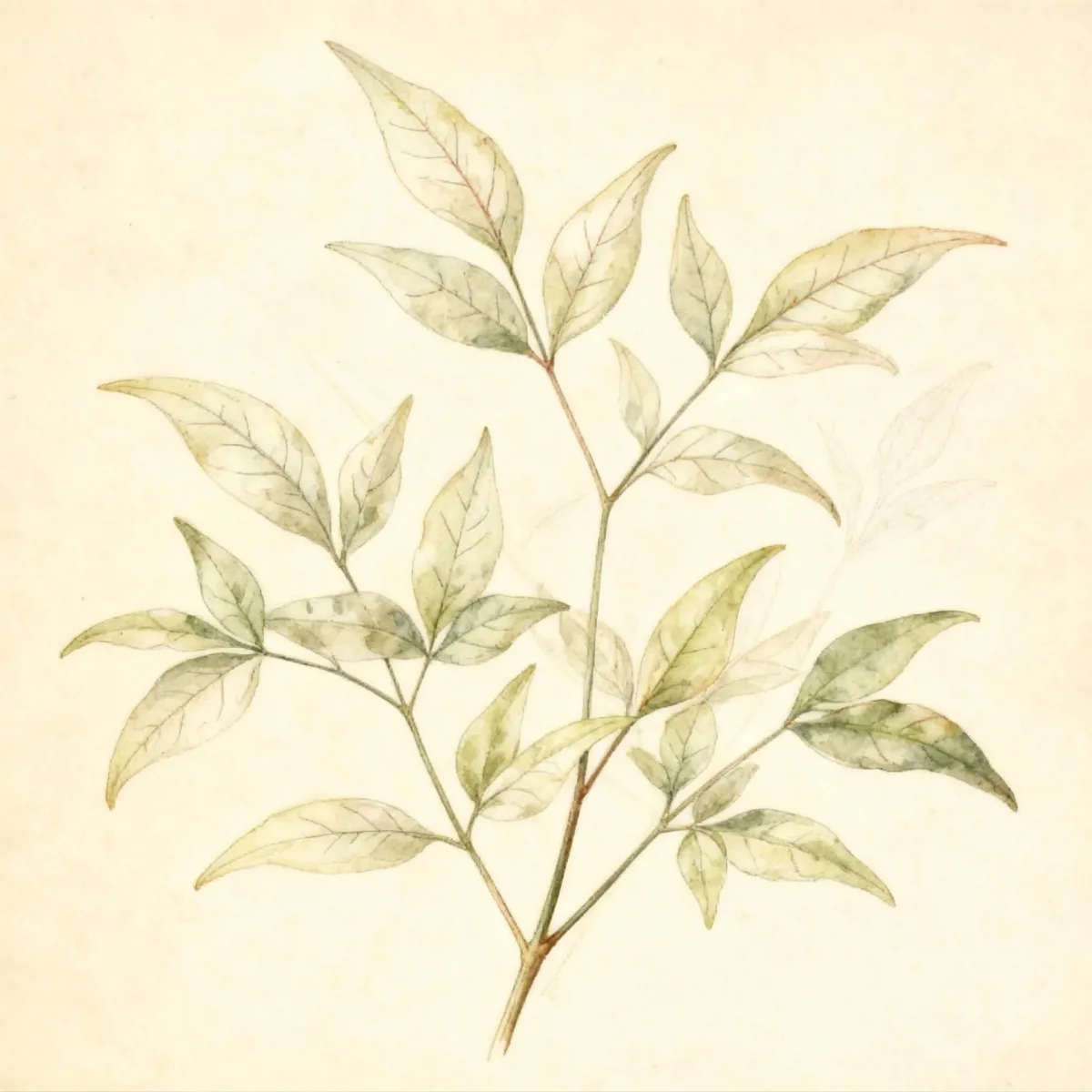
Leatherleaf mahonia (Mahonia bealei)
Discover Leatherleaf mahonia (Mahonia bealei), a low-maintenance evergreen famed for fragrant yellow blooms in late winter.
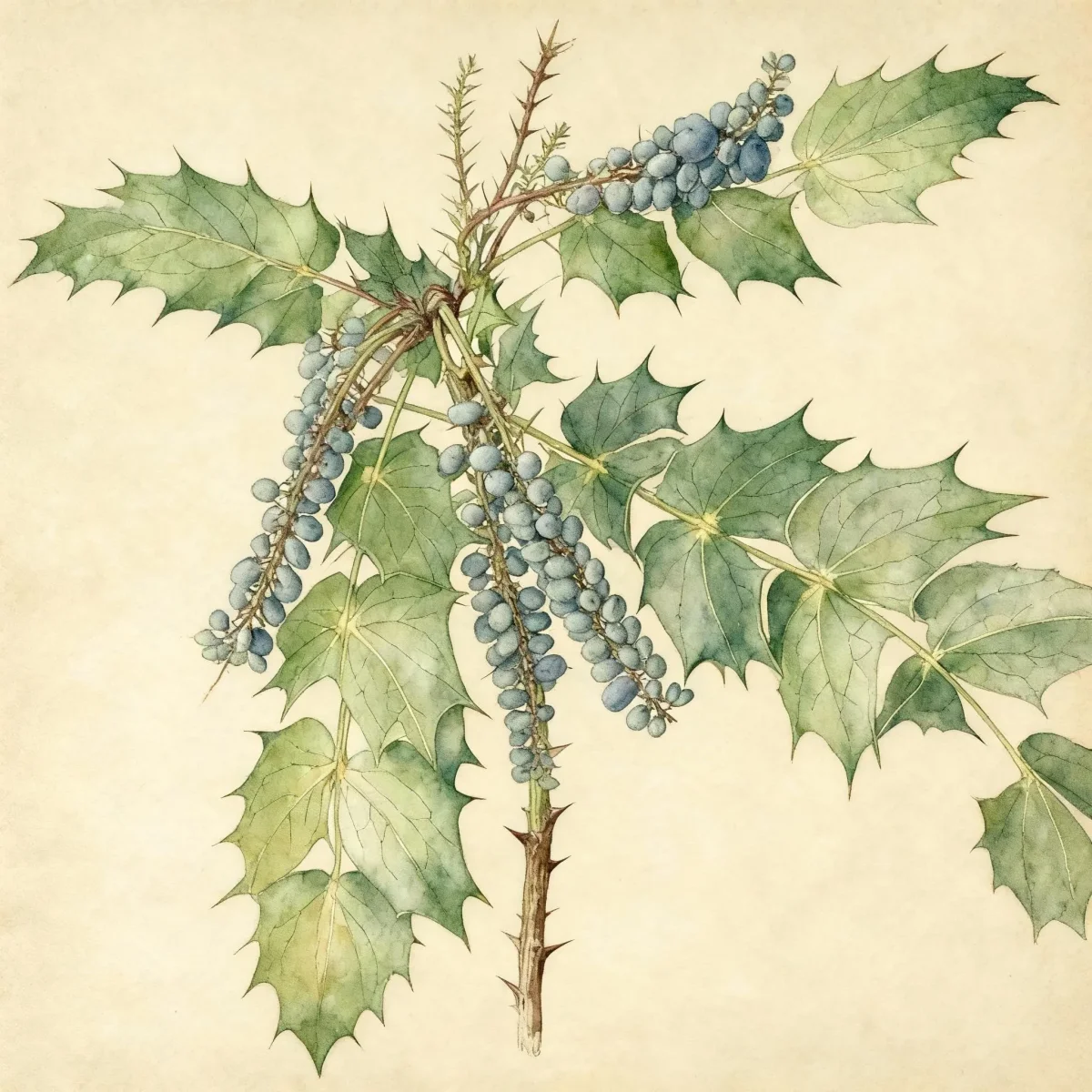

Bloom Boldly, No Matter the Season - Sweatshirt
Cozy organic cotton sweatshirt featuring our exclusive Purple Coneflower design. Perfect for gardeners who bloom year-round.
Inspired by the beautiful Leatherleaf mahonia
Limited first batch (50) — join the waitlist for early access
Waitlist closes Feb 15, 2026.
Complete Plant Information
Field Guide Continues
Ready for care notes, companion picks, and planting tips?
The map is just the start. The full guide below covers growth habits, seasonal performance, and landscape uses.
Overview
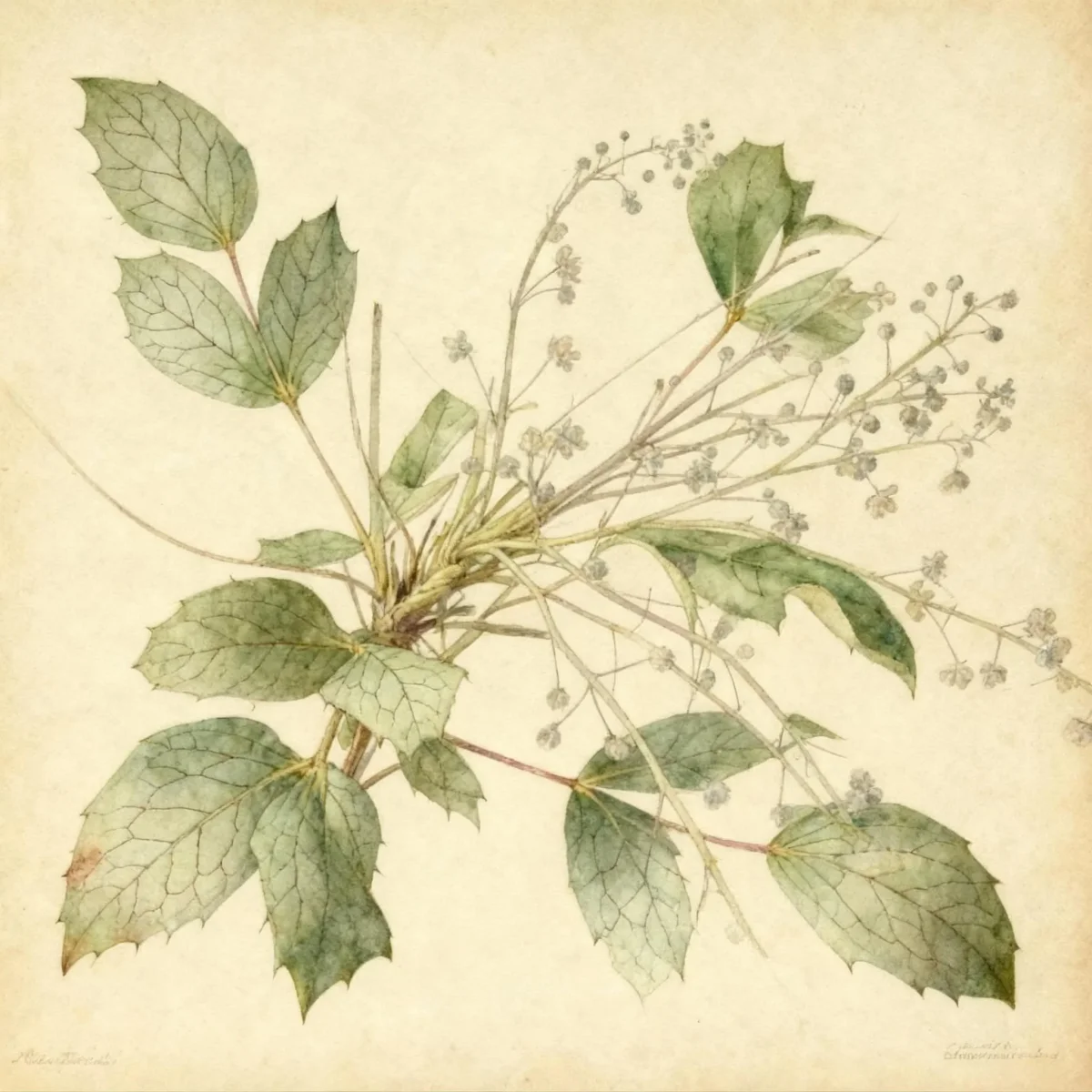
The Mahonia bealei, commonly known as Leatherleaf mahonia, stands out in the winter garden landscape. This broadleaf evergreen shrub is prized for its striking, holly-like, spiny foliage and its welcome burst of color when most other plants are dormant. Its dense, upright habit provides excellent year-round texture and screening.
Originating in Western China, Mahonia bealei offers fragrant yellow blooms appearing between February and April, signaling the shift toward spring. These flowers are followed by attractive waxy fruits, making this shrub valuable for both its aesthetics and its potential wildlife appeal throughout the year.
This plant is relatively easy to incorporate into many gardens, requiring low maintenance once established. For optimal health and fruiting, site your Leatherleaf mahonia where it receives protection from harsh winter winds, though it readily adapts to partial shade conditions.
Fast Facts
- Plant Family: Berberidaceae
- Plant Type: Broadleaf evergreen
- Native Range: Western China
- Hardiness Zones: USDA Zones 7-9
- Size at Maturity:
- Height: 4-10 ft
- Spread: 3-8 ft
- Bloom Time: February to April
- Bloom Description: Yellow
- Sun Exposure: Part shade to full shade
- Water Needs: Medium
- Maintenance Level: Low
How to Grow
Planting Mahonia bealei is best done in the fall or early spring while temperatures are moderate. Ensure the chosen location offers moist, well-drained soil. While it performs best in part shade—receiving morning sun or dappled light—it can handle full shade, although growth may slow. In the cooler northern reaches of its range (Zone 7), it can even tolerate full sun, provided the foliage is monitored for potential bleaching.
Care for established Leatherleaf mahonia is straightforward. Water moderately, especially during dry spells, although established shrubs exhibit good drought tolerance. Fertilization is rarely necessary if the soil quality is adequate. Be mindful that suckering occurs; if you wish to maintain a clean clump or hedge, promptly remove any suckers that emerge from the base or roots as they appear.
Protecting the shrub from strong, whipping winds is crucial for maintaining its form and foliage quality. For maximizing the ornamental fruit display, ensure you plant more than one shrub, as single specimens may fruit poorly. Pruning is minimal, primarily limited to removing suckers or shaping the shrub for hedge purposes. Propagation is easily achieved through cuttings or seed collection.
Landscape Uses
The structural foliage and winter bloom make Leatherleaf mahonia an indispensable plant for year-round structure. Use it effectively in small groupings within woodland borders or as part of a layered foundation planting where its spiny leaves provide a natural barrier function. Its evergreen nature lends itself perfectly to creating informal hedges or screening views along property lines.
As a robust shrub, Mahonia bealei pairs well with later-blooming shade lovers that can take advantage of the space it opens up once its spring flowers fade. Consider underplanting with shade-loving ferns, hostas, or groundcovers that appreciate similar moist, well-drained soil conditions. Its striking texture looks particularly good contrasted against smoother-leaved evergreens.
When planting for screening or barrier effect, its stiff, spiny foliage—described as holly-like—functions excellently. Ensure it is sited away from pathways where constant contact might be uncomfortable, given the sharp leaflet margins. Successfully integrating Mahonia bealei into your design ensures interest even during the coldest months.
Standout Features
Flower Qualities
- Showy
- Fragrant
Fruit Qualities
- Showy
Noteworthy Characteristics
The Mahonia bealei, commonly known as Beale’s barberry or leatherleaf mahonia, is an evergreen shrub with pinnate compound leaves that typically grows in a multi-stemmed clump up to 10 feet tall. It is native to western China and is highly similar to M. Japonica. Its distinguishing feature is the fragrant yellow flowers appearing in loose racemes from February through April, followed by waxy, blue-black fruits attractive to birds.
Tolerances
- Drought
Potential Problems
Mahonia bealei is generally robust, suffering from few serious insect or disease issues. Gardeners should monitor for minor cosmetic issues such as leaf spots, powdery mildew, or rusts, which usually indicate overly wet conditions or poor air circulation. Occasionally, sap-sucking insects like aphids, scale, or whiteflies may colonize the stems or undersides of the leaves.
Management of these minor issues is typically cultural. Ensure proper spacing for good airflow when planting to minimize fungal diseases. If pests are noted, horticultural oil or insecticidal soap can effectively treat scale or whiteflies without harming the plant’s overall health.
Frequently Asked Questions
What hardiness zones is Leatherleaf mahonia suitable for?
Mahonia bealei is reliably hardy in USDA Zones 7 through 9, although it may survive in protected sites in Zone 6.
How large does Leatherleaf mahonia grow?
This shrub typically reaches a height of 4 to 10 feet and spreads between 3 and 8 feet wide at maturity.
What sun exposure does Mahonia bealei need?
It prefers part shade to full shade conditions, flourishing best with morning sun or dappled light throughout the day.
When does Mahonia bealei bloom?
The fragrant yellow flowers of Leatherleaf mahonia appear in late winter to early spring, specifically from February to April.
Conclusion
The Leatherleaf mahonia is a standout evergreen lauded for its architectural foliage and rare winter color from its fragrant yellow blooms. Its low maintenance demands and adaptability to shade make Mahonia bealei a valuable, reliable performer. Before planting, ensure your location falls within USDA Zones 7-9 and provide well-drained soil to establish this handsome shrub successfully.
Wildlife Benefits
The blooming period of Mahonia bealei in late winter and early spring provides an essential early nectar source for emerging pollinators. While the flowers are fragrant, their primary wildlife value comes later in the season when the waxy, blue-black fruits mature in late spring to early summer.
These grape-like clusters of fruit offer significant sustenance for local bird populations. Integrating several shrubs close together encourages better pollination and therefore better fruit set, maximizing the food source provided by your Leatherleaf mahonia for local fauna.
Propagation Tips
Mahonia bealei is reported as easily propagated by both cuttings and seed, offering gardeners simple ways to expand their collections. Softwood cuttings taken in summer can establish new plants, while seeds, often requiring stratification due to their dormancy, can also be used, though this method is slower.
If you wish to propagate quickly or maintain the exact characteristics of a desirable specimen, cuttings are the preferred method. For naturalizing areas where spread is desired, allowing suckering to occur and separating those root sprouts can also be an effective, immediate way to multiply your Mahonia bealei stock.