Dysosma (Podophyllum pleianthum)
Discover Dysosma (Podophyllum pleianthum), a rhizomatous perennial perfect for deep shade, featuring glossy leaves and hidden maroon flowers.

Bloom Boldly, No Matter the Season - Sweatshirt
Cozy organic cotton sweatshirt featuring our exclusive Purple Coneflower design. Perfect for gardeners who bloom year-round.
Inspired by the beautiful Dysosma
Limited first batch (50) — join the waitlist for early access
Waitlist closes Feb 15, 2026.
Complete Plant Information
Field Guide Continues
Ready for care notes, companion picks, and planting tips?
The map is just the start. The full guide below covers growth habits, seasonal performance, and landscape uses.
Overview
The Chinese mayapple, Podophyllum pleianthum, known synonymously as Dysosma, is a striking addition to deep shade gardens. This rhizomatous perennial offers exceptional foliage interest, retaining its attractive texture much later into the season than many familiar woodland species. Gardeners value this plant for its ability to thrive where light is scarce.
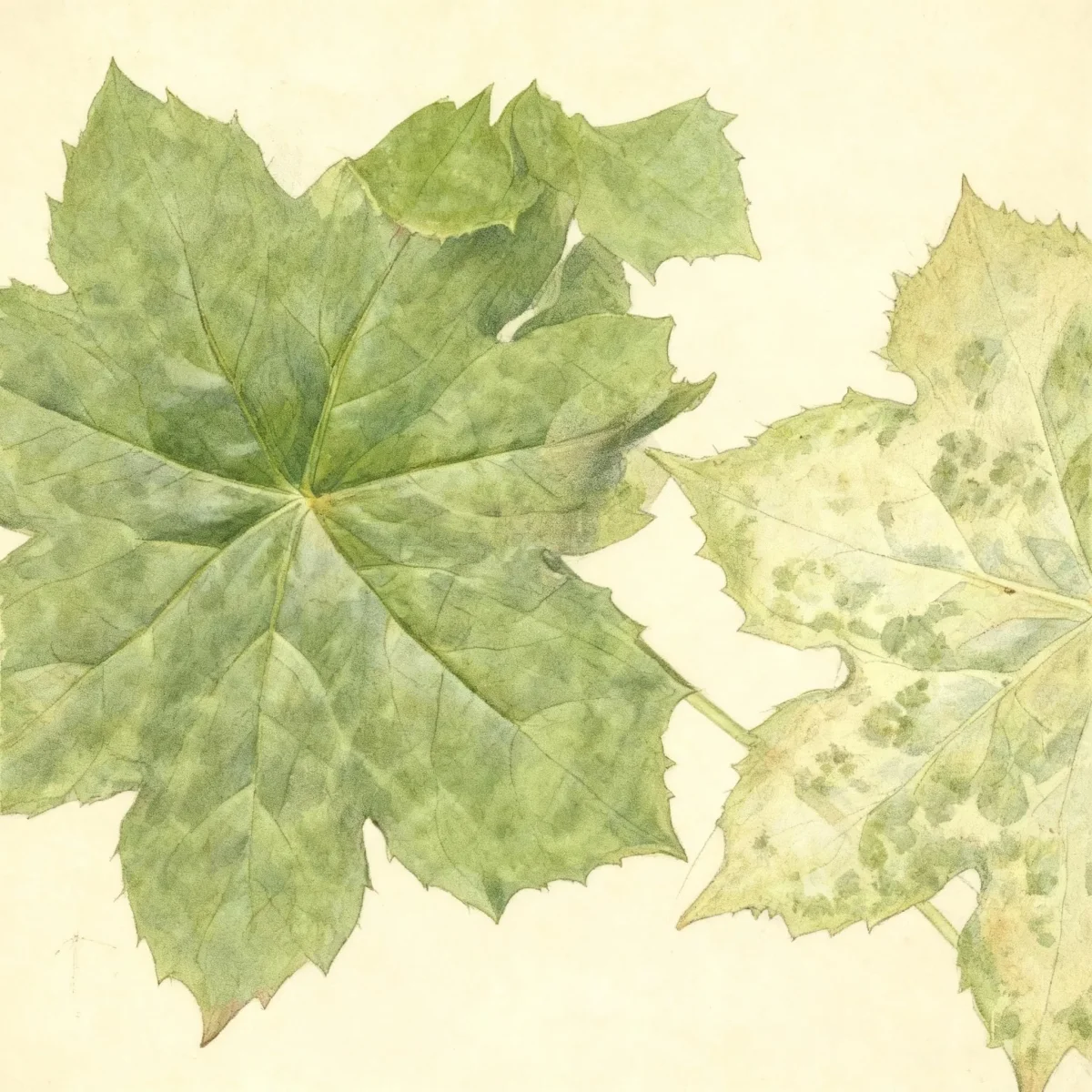
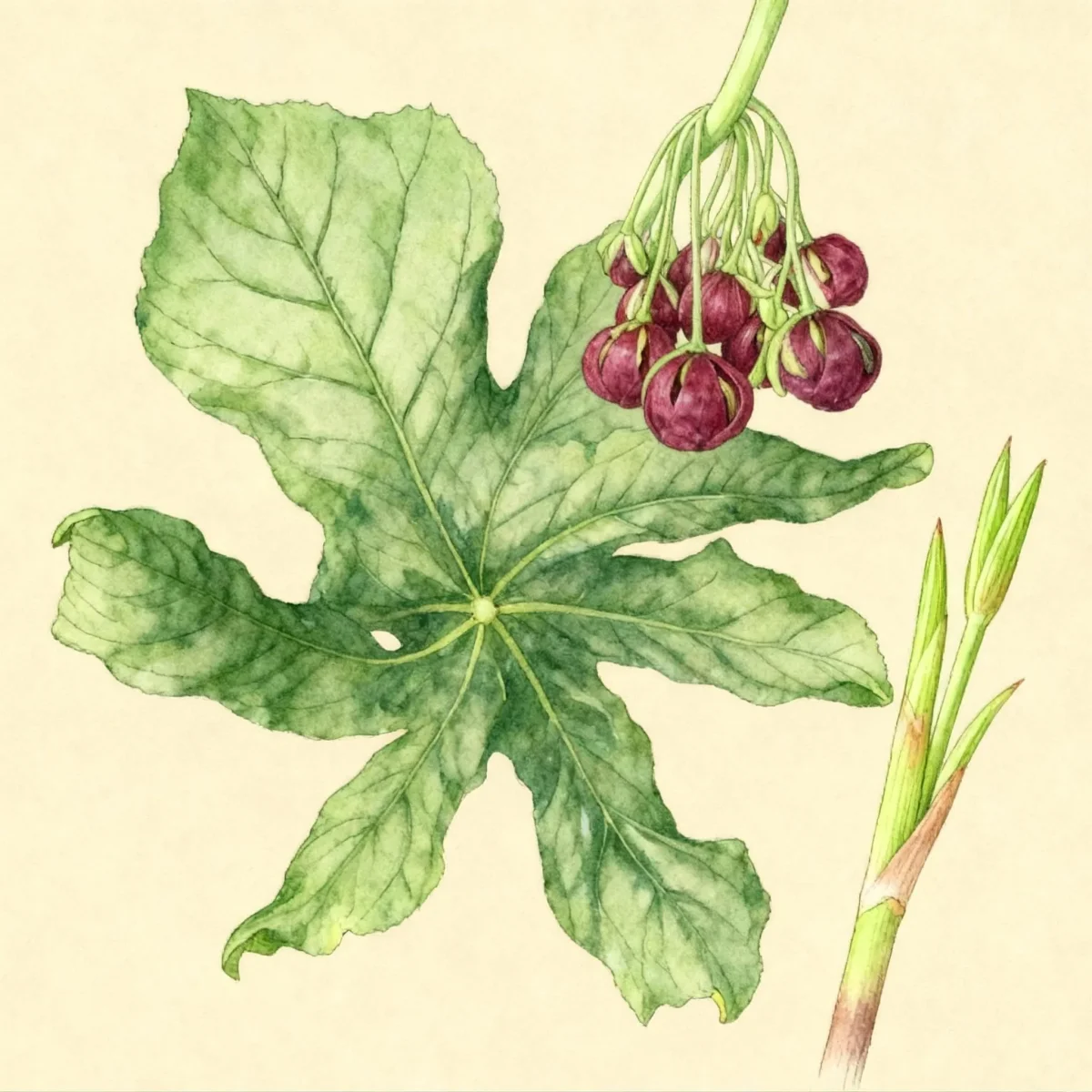
Podophyllum pleianthum typically reaches 1.5 to 2 feet tall, crowned by large, deeply lobed, glossy leaves that form an umbrella-like canopy. While the leaves are the main feature, spring brings nodding clusters of maroon-red flowers nestled beneath the foliage, followed by colorful fruits. Cultivating Dysosma successfully relies on maintaining consistent moisture and providing deep, humus-rich soil conditions typical of its native Asian woodlands.
This shade-loving perennial slowly forms attractive clumps via underground rhizomes, making Podophyllum pleianthum an excellent choice for naturalizing areas where dense groundcover is desired. Its unique structure and tolerance for heavy shade make it a botanical treasure for specialized woodland plantings.
Fast Facts
- Plant Family: Berberidaceae
- Plant Type: Herbaceous perennial
- Native Range: Central and southeastern China, Taiwan
- Hardiness Zones: USDA Zones 6-8
- Size at Maturity:
- Height: 1.5-2 ft
- Spread: 0.75-1.5 ft
- Bloom Time: April to May
- Bloom Description: Maroon red
- Sun Exposure: Part shade to full shade
- Water Needs: Medium
- Maintenance Level: Medium
How to Grow
Plant Podophyllum pleianthum in the spring or fall when weather conditions are moderate, allowing it time to establish its spreading rhizomes before extreme heat or cold sets in. The key to success for Dysosma is soil quality: ensure the location provides moist, acidic, organically rich, leafy, and exceptionally well-drained soil. This plant demands consistent moisture throughout the growing season, distinguishing it from summer-dormant North American mayapples.
Water regularly to keep the soil evenly moist, particularly during dry spells. Avoid allowing the soil to dry out completely, as this stresses the foliage. Fertilization is usually unnecessary if the soil is deeply enriched with leaf mold or compost annually, as Podophyllum pleianthum thrives best in conditions mimicking a forest floor.
Unlike some relatives, the leaves of this mayapple typically remain attractive until the first hard frost, avoiding summer dormancy if moisture schedules are maintained. Protect emerging spring growth from late frosts, as freeze damage can temporarily mar the otherwise flawless leaves. Over time, plants spread happily via rhizomes, potentially self-seeding to expand colonies naturally.
Landscape Uses
The habit of Podophyllum pleianthum makes it ideally suited for naturalizing in mature woodland gardens or beneath large deciduous trees where sunlight penetration is low. Its significant leaf size draws the eye, providing bold texture in otherwise fine-textured shade plantings. Consider planting Dysosma across sweeping, shady borders where you wish to create a lush, carpet-forming effect.
Elevating the planting, perhaps along a slight bank or raised garden bed, allows for easier viewing of the pendulous, bell-shaped flowers and subsequent ornamental fruits, which are often obscured when planted flat against the ground. Podophyllum pleianthum pairs well with other moisture-tolerant, shade-loving perennials such as Hostas, Ferns, Japanese Forest Grass (Hakonechloa), and large-leaved Epimediums. Its rich texture makes it an excellent structural element in sophisticated cottage or woodland garden designs.
Standout Features
Flower Qualities
- Showy
- Fragrant
Fruit Qualities
- Showy
Noteworthy Characteristics
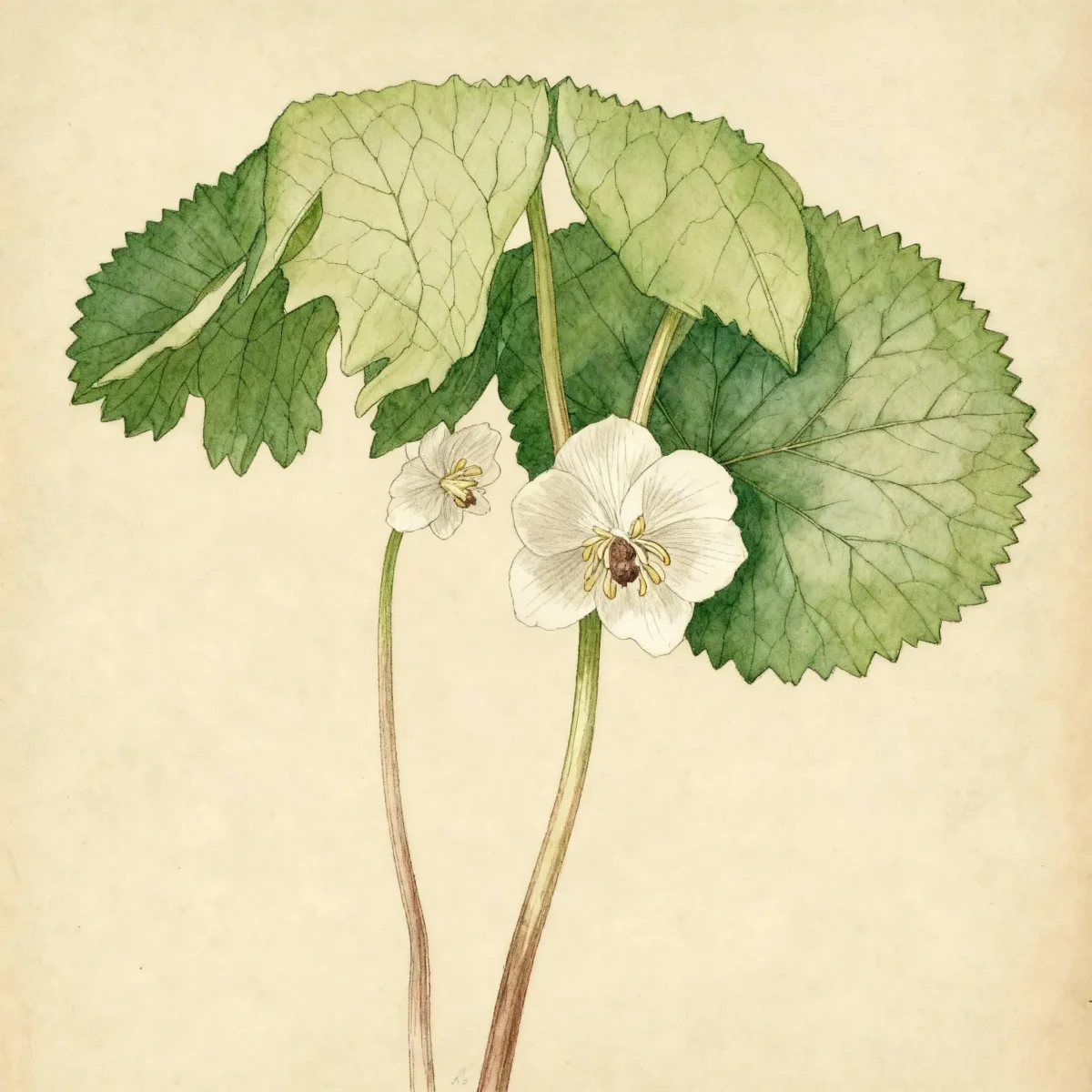
Podophyllum pleianthum, commonly called Chinese mayapple, is native to central and southeastern China. This is a shade loving, clump-forming perennial that typically grows to 18-24” tall. Each plant bears a single stem crowned with one or two, large, very glossy, shallowly-lobed (6-10 lobes each), umbrella-shaped leaves (to 12-16” wide). From the crotch (leaf axil) on two leaved plants, a pendulous cluster (5-9 flowers each) of large, nodding, bell-shaped, malodorous, maroon-red flowers blooms in spring (May). Flowers give way to berry-shaped fruits that mature to yellow or red.
Tolerances
- Heavy Shade
Potential Problems
This plant generally shows no serious insect or disease problems when sited correctly. The primary concern for Dysosma involves root rot, which occurs when soil drainage is inadequate or moisture becomes excessive and stagnant. Always avoid poorly drained soils when placing Podophyllum pleianthum. Secondary issues involve protecting new spring growth from harsh late frosts, which can damage the emerging leaves.
Frequently Asked Questions
What hardiness zones is Dysosma suitable for?
Dysosma (Podophyllum pleianthum) is reliably hardy across USDA Zones 6 through 8.
How large does Podophyllum pleianthum grow?
This herbaceous perennial typically reaches a mature height between 1.5 and 2 feet tall, with a spread ranging from 0.75 to 1.5 feet wide.
What sun exposure does Dysosma need?
Podophyllum pleianthum requires consistently shaded conditions, performing best in part shade to full shade environments.
When does Dysosma bloom?
Bloom time for Dysosma is typically in the spring, specifically from April to May, exhibiting attractive maroon-red flowers.
Conclusion
The unique foliage presentation and reliable shade tolerance make Podophyllum pleianthum a foundational plant for deep woodland settings. Gardeners seeking sophisticated architectural texture beneath dense tree canopies should strongly consider incorporating Dysosma into their designs. Before planting, verify your location falls within Zones 6-8 and ensure rich, acidic, well-drained, and consistently moist soil conditions for the best results.
Companion Planting
When selecting companions for Podophyllum pleianthum, prioritize plants that share the same affinity for moist, rich, acidic soils and deep shade. Consider the structural contrast provided by fine-textured woodland ferns, such as the Japanese Painted Fern (Athyrium niponicum), which offers silvery accents against the bold glossiness of Dysosma leaves. Heart-shaped foliage from smaller Rhododendrons or Azaleas, which prefer similar acidic conditions, can provide an excellent mid-layer pairing when space allows.
Another effective strategy is pairing Podophyllum pleianthum with groundcovers that appreciate consistent moisture without becoming waterlogged, such as various forms of creeping Solomon’s Seal (Polygonatum species) or acid-loving Ivy (Hedera helix) in areas where its spread is acceptable management is less concerning. The goal is layering plants that look naturally complementary in a dappled light environment characteristic of East Asian woodland themes.
Seasonal Care Calendar
Early spring care for Podophyllum pleianthum involves protecting newly emerging shoots from unexpected hard freezes, which can temporarily blacken the developing leaves. As growth expands through late spring, ensure regular watering ramps up to meet the needs of the large leaves transpirating heavily under moderate temperatures. This timing is critical as the maroon flowers appear during this period.
During the summer months, focus primarily on maintaining even soil moisture. If you observe the leaves beginning to wilt or look lackluster during a dry spell, increase irrigation immediately; do not let the soil approach dryness. Avoid heavy synthetic fertilization, relying instead on top-dressing with well-rotted leaf mold or compost applied lightly around the base of the plants to mimic natural nutrient replenishment.
In autumn, as temperatures cool, allow the foliage of Podophyllum pleianthum to naturally senesce and die back, signaling the plant is preparing for winter dormancy. Cut back any remaining dead stalks once the above-ground growth has completely withered. In colder areas near the Zone 6 limit, a light layer of mulch over the root zone can offer added insurance before the ground freezes solid.