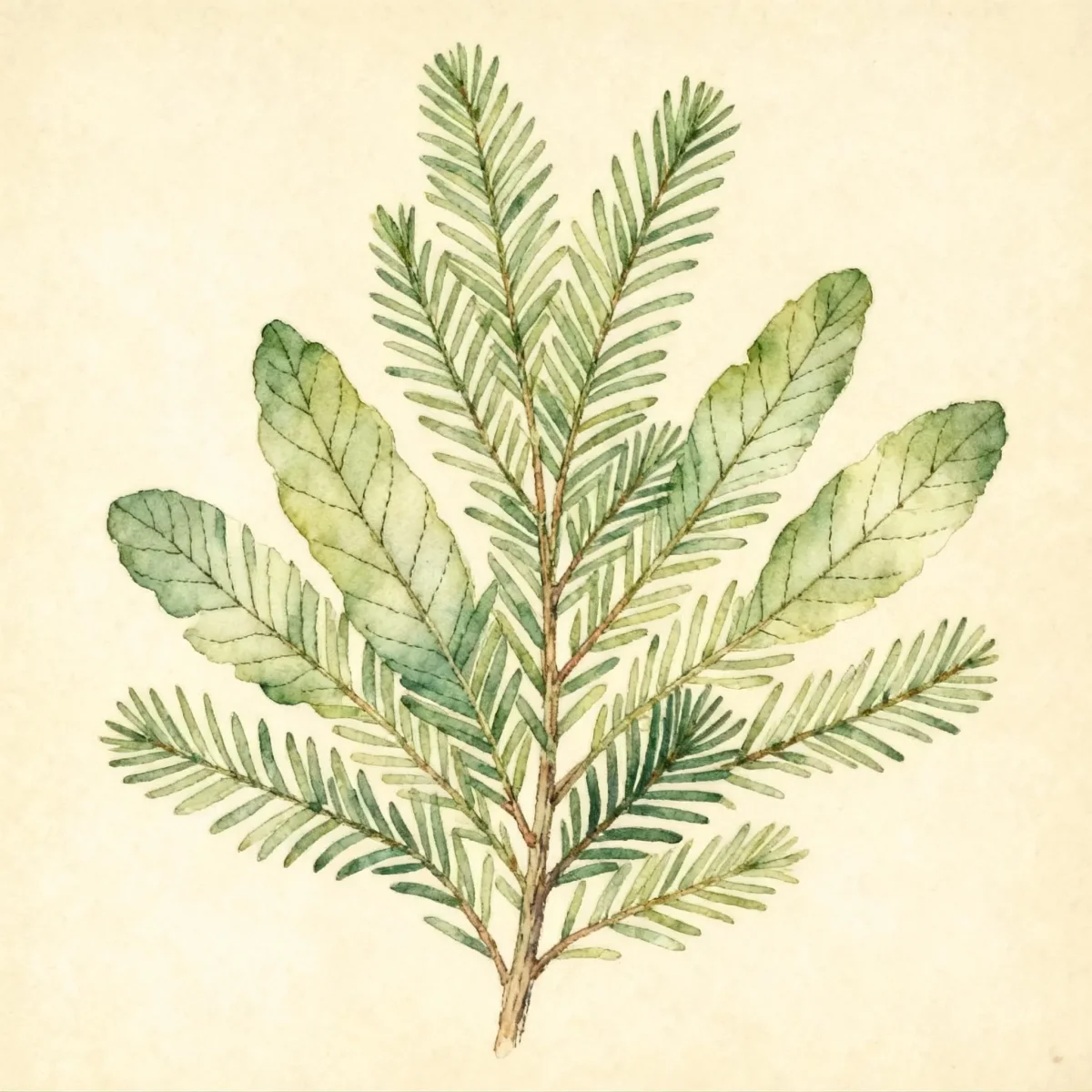
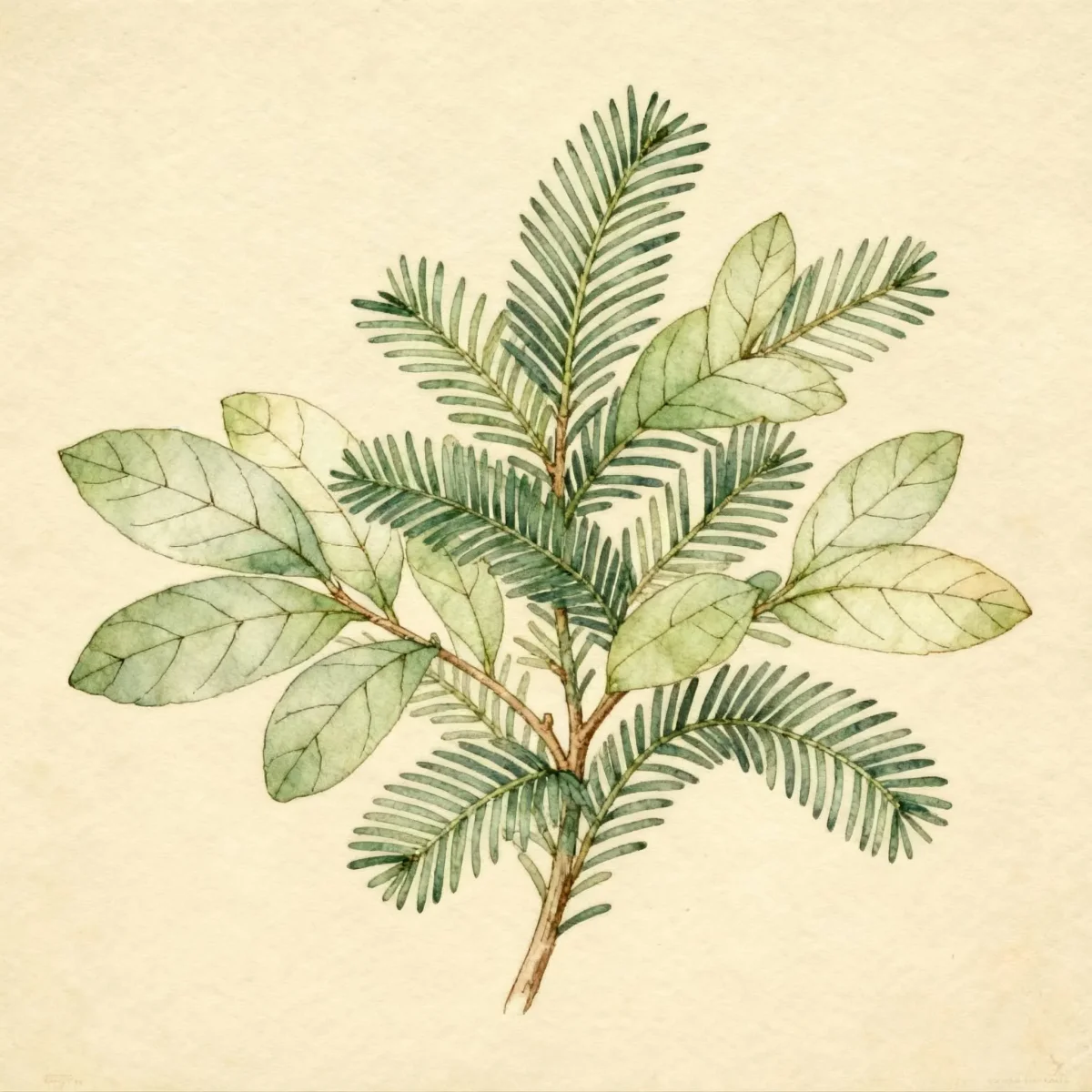
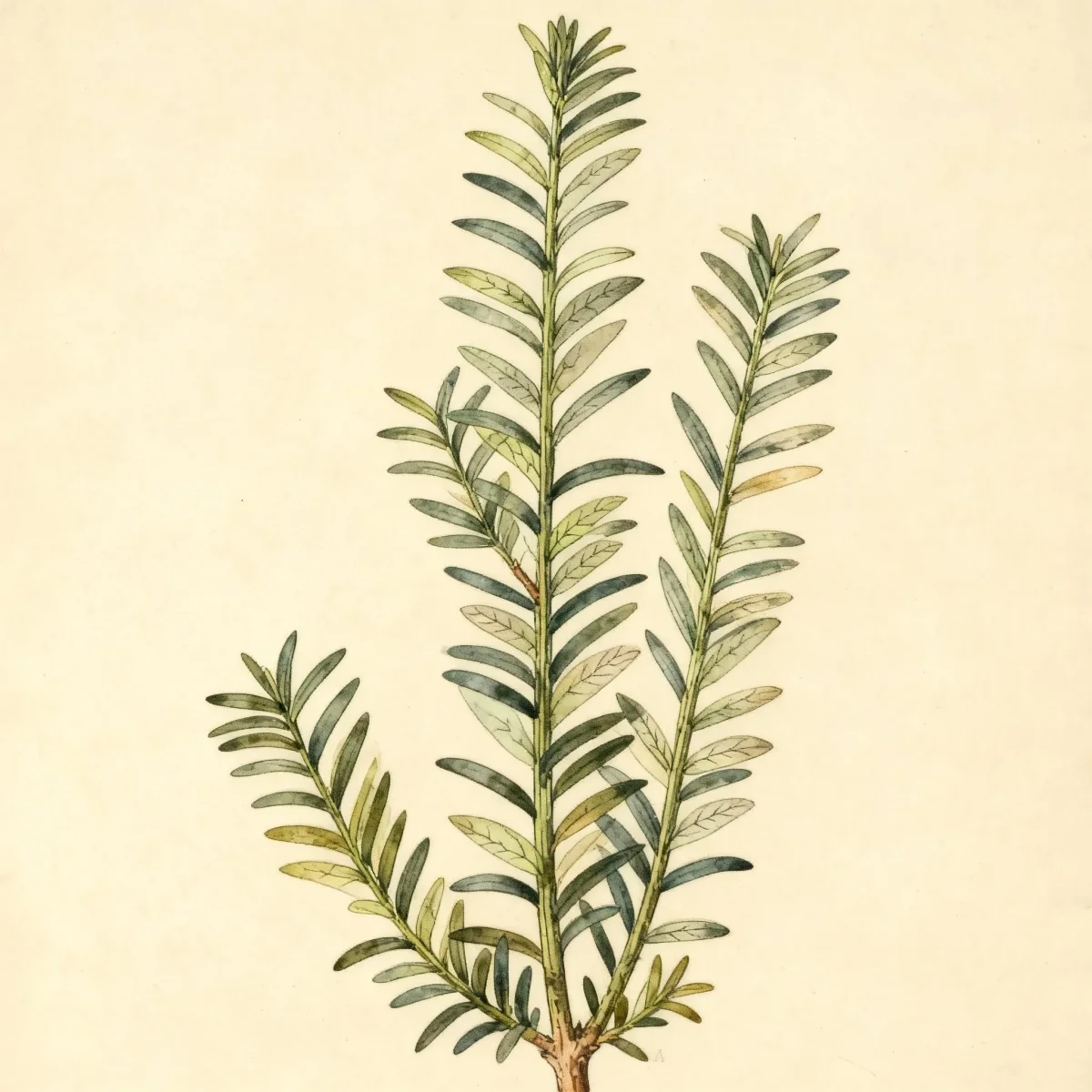
Chinese plum yew (Cephalotaxus fortunei)
Discover Cephalotaxus fortunei, the Chinese plum yew, an evergreen perfect for shady, hot gardens in Zones 7-9.
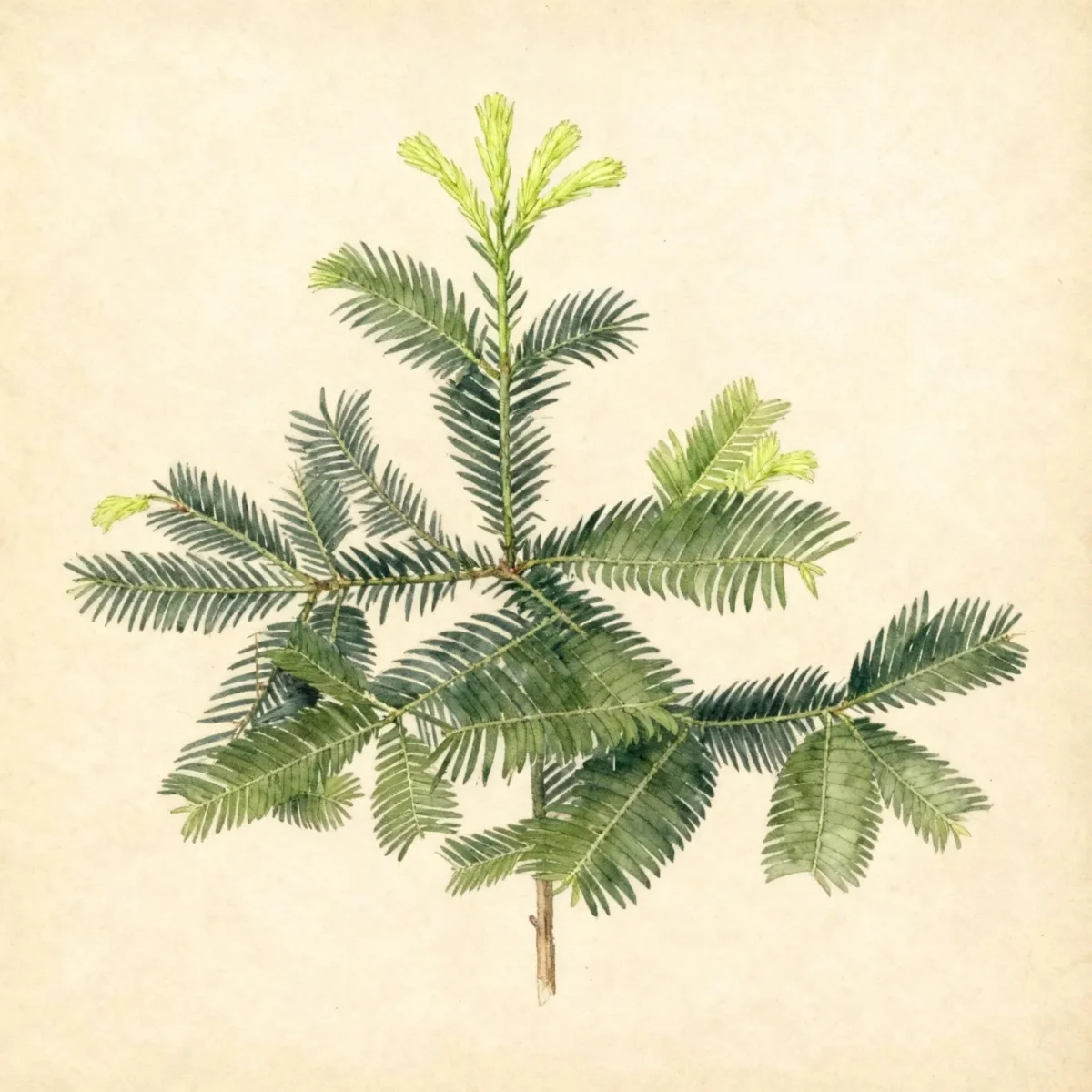

Bloom Boldly, No Matter the Season - Sweatshirt
Cozy organic cotton sweatshirt featuring our exclusive Purple Coneflower design. Perfect for gardeners who bloom year-round.
Inspired by the beautiful Chinese plum yew
Limited first batch (50) — join the waitlist for early access
Waitlist closes Feb 15, 2026.
Complete Plant Information
Field Guide Continues
Ready for care notes, companion picks, and planting tips?
The map is just the start. The full guide below covers growth habits, seasonal performance, and landscape uses.
Overview
The Chinese plum yew, Cephalotaxus fortunei, stands out as a remarkable needled evergreen, offering excellent density and structure to shaded areas where traditional conifers often fail. Native to regions in China and Myanmar, this plant is prized for its deep green, yew-like needles that provide year-round texture. Unlike its namesake, the true yew (Taxus), the Cephalotaxus fortunei exhibits good heat tolerance, making it a valuable architectural element in the landscape.
This slow-growing shrub or small tree matures into an open, rounded form, typically reaching 10 to 15 feet tall and wide under ideal conditions. While it is non-flowering in the traditional sense, female Cephalotaxus fortunei plants produce attractive, plum-like seeds that add visual interest. Its adaptability, especially regarding shade tolerance, makes the Chinese plum yew a reliable choice for difficult, darker garden spots.
Gardeners looking for substantial, low-maintenance screening will appreciate the dense foliage profile of Cephalotaxus fortunei. Its success in the landscape hinges on providing adequate moisture and avoiding the harsh afternoon sun in hotter climates, though established specimens handle drought surprisingly well. Incorporating the Chinese plum yew ensures enduring structure throughout the year.
Fast Facts
- Plant Family: Taxaceae
- Plant Type: Needled evergreen
- Native Range: Eastern and central China, Myanmar
- Hardiness Zones: USDA Zones 7-9
- Size at Maturity:
- Height: 10-15 ft
- Spread: 10-15 ft
- Bloom Time: Non-flowering
- Bloom Description: Non-flowering
- Sun Exposure: Part shade to full shade
- Water Needs: Medium
- Maintenance Level: Medium
How to Grow
The key to cultivating healthy Cephalotaxus fortunei is ensuring the right soil and location before planting. Install your Chinese plum yew during the cooler parts of the year—spring or fall—to allow root establishment before summer heat arrives. It thrives best in moist, sandy, well-drained soils. While it tolerates full sun briefly in areas with very cool summers, always opt for part shade to full shade exposure, especially in regions that experience hot afternoons.
Watering established plants requires consistency; they need medium water input. While mature plants develop some drought resilience, consistent moisture is crucial during the first few seasons. Avoid heavy fertilization, as this encourages rapid growth that might compromise structure; standard pruning should be minimal unless shaping is required for hedging purposes.
Be aware that Cephalotaxus fortunei is dioecious, meaning individual plants are either male or female. If you wish to see the showy, olive-brown fruits on female plants, you must plant a male pollinator nearby. Growers in USDA Zone 6 should exercise caution, planting only in well-protected microclimates, as hardiness can be limited below Zone 7.
Landscape Uses
The robust, spreading habit of Cephalotaxus fortunei makes it highly functional in formal and informal settings alike. It is explicitly recommended as excellent screening for shady locations, where its dense, dark green foliage serves as a superb background. Use it to establish deep, evergreen hedges that provide year-round privacy since it tolerates shearing well.
Beyond hedging, the Chinese plum yew functions beautifully as a specimen accent in woodland gardens, where dappled light highlights its texture. Grouping several plants together creates a mass planting that offers excellent erosion control on sloped sites while reinforcing that rich, textural look endemic to eastern gardens struggling with deep shade.
Standout Features
Fruit Qualities
- Showy
Noteworthy Characteristics
Cephalotaxus fotunei, commonly called Chinese plum yew, is native to Burma and China and presents as a coniferous evergreen usually growing to 10–15 feet tall. It typically assumes an open, rounded shrub form with branches that spread and slightly droop, featuring linear, dark green, yew-like needles up to 3 1/2 inches long. The genus name Cephalotaxus references its physical resemblance to members of the genus Taxus.
Tolerances
- Drought
- Heavy Shade
Potential Problems
Gardeners will be relieved to know that the Chinese plum yew typically suffers from no serious insect or disease problems, making Cephalotaxus fortunei a remarkably low-risk investment for your landscape. General cultural care, such as ensuring good drainage to prevent root rot, is the primary strategy for long-term health.
Frequently Asked Questions
What hardiness zones is Chinese plum yew suitable for?
Cephalotaxus fortunei is reliably hardy in USDA Zones 7 through 9.
How large does Chinese plum yew grow?
This species generally achieves a height and spread between 10 and 15 feet at maturity.
When does Chinese plum yew bloom?
The Cephalotaxus fortunei is non-flowering, meaning it does not produce conspicuous blossoms, though female plants develop decorative reddish seed cones.
What sun exposure does Chinese plum yew need?
It prefers part shade to full shade conditions, particularly in hot climates, making its shade tolerance a key asset.
Conclusion
The Chinese plum yew offers unmatched evergreen structure and excellent heat tolerance for shady corners of the garden, distinguishing itself among conifers. If you seek reliable year-round screening or textural depth, Cephalotaxus fortunei is an excellent choice. Confirm your site falls within USDA Zones 7-9 before planting this exceptional evergreen.
Companion Planting in Shade
In settings where Cephalotaxus fortunei flourishes—damp, well-drained, shaded environments—consider pairing it with other shade-loving textures to create rich visual contrast. Hostas with variegated or blue foliage work well juxtaposed against the dark green of the Chinese plum yew. Ferns, such as Japanese Painted Ferns or Autumn Ferns, complement its spreading habit without competing aggressively for moisture.
For groundcover beneath the canopy of the Cephalotaxus fortunei, try using shade-tolerant woodland ephemerals such as snowdrops or Hellebores, which provide early spring color before the plum yew fully leafs out in its growing season. This combination enhances the woodland aesthetic for which this species is recommended.
Pruning and Pollination Management
Because Cephalotaxus fortunei is often used for hedges, you may need to prune for shape containment. It responds well to light shearing, though heavy cutting into old wood is not recommended. Perform any necessary shaping in early spring before new growth begins.
Managing pollination is essential if you desire the showy fruits. Since the Chinese plum yew is dioecious, ensure that for every female specimen planted, there is a nearby male pollinator present, often requiring the placement of at least one male tree within visual or proximity range to guarantee seed production.