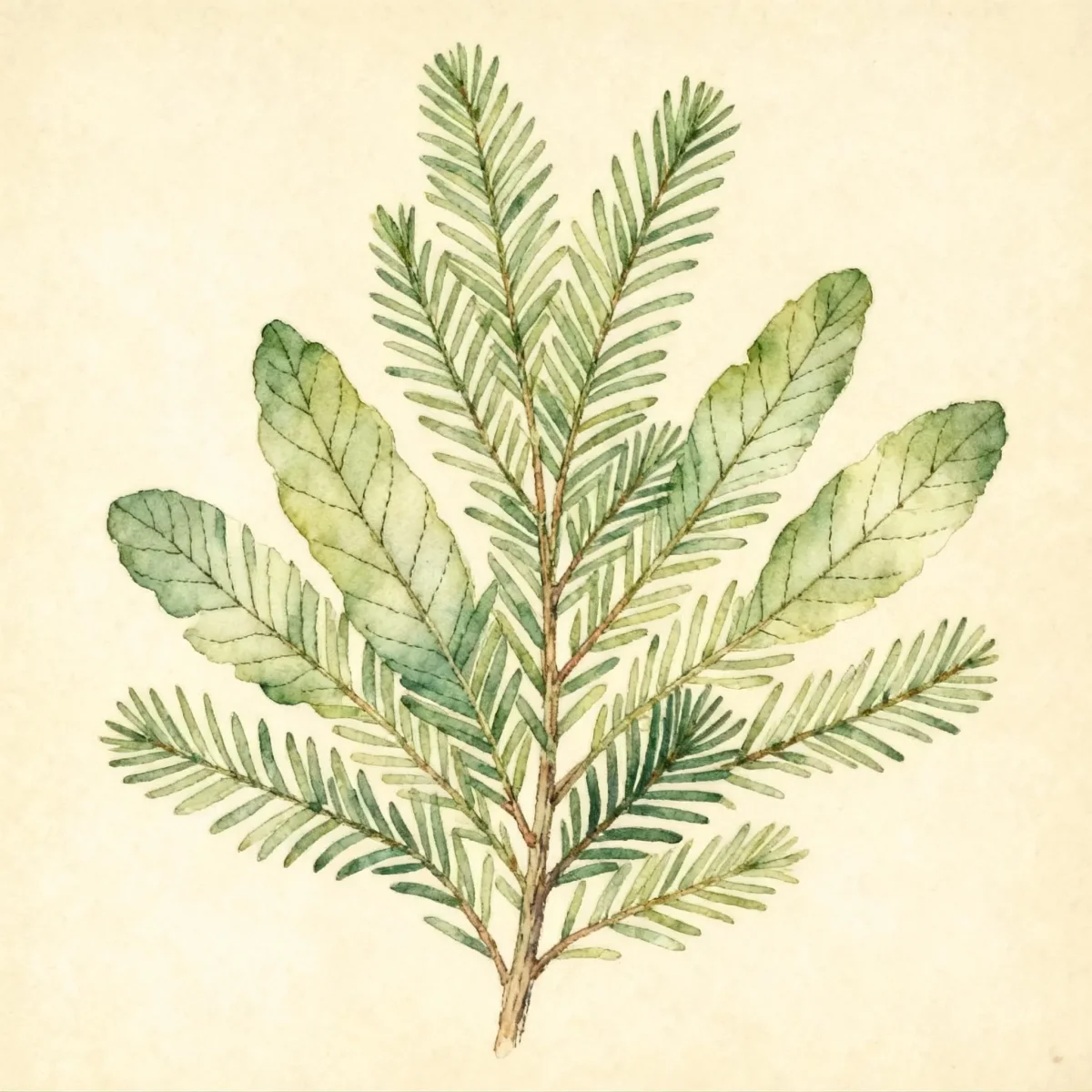
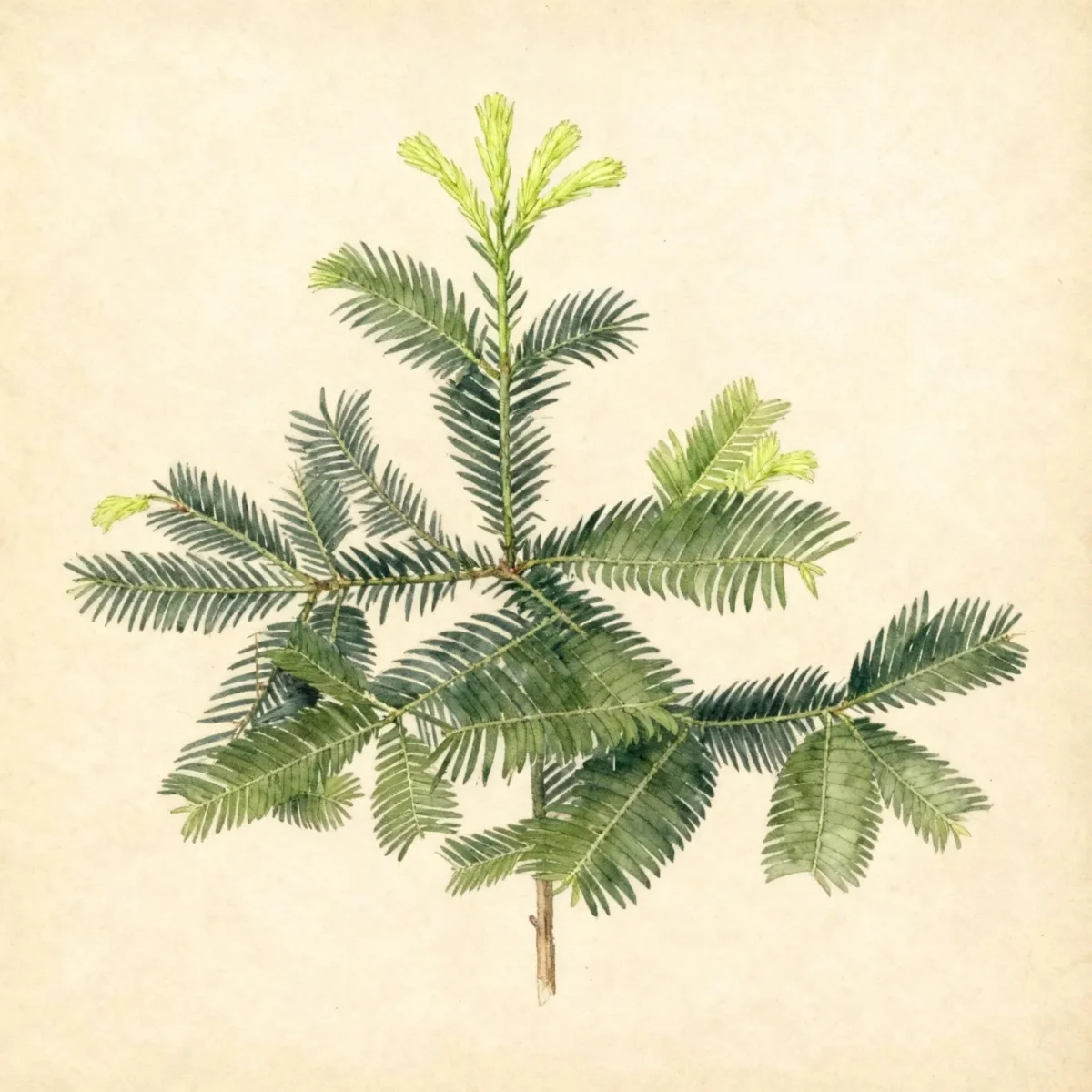
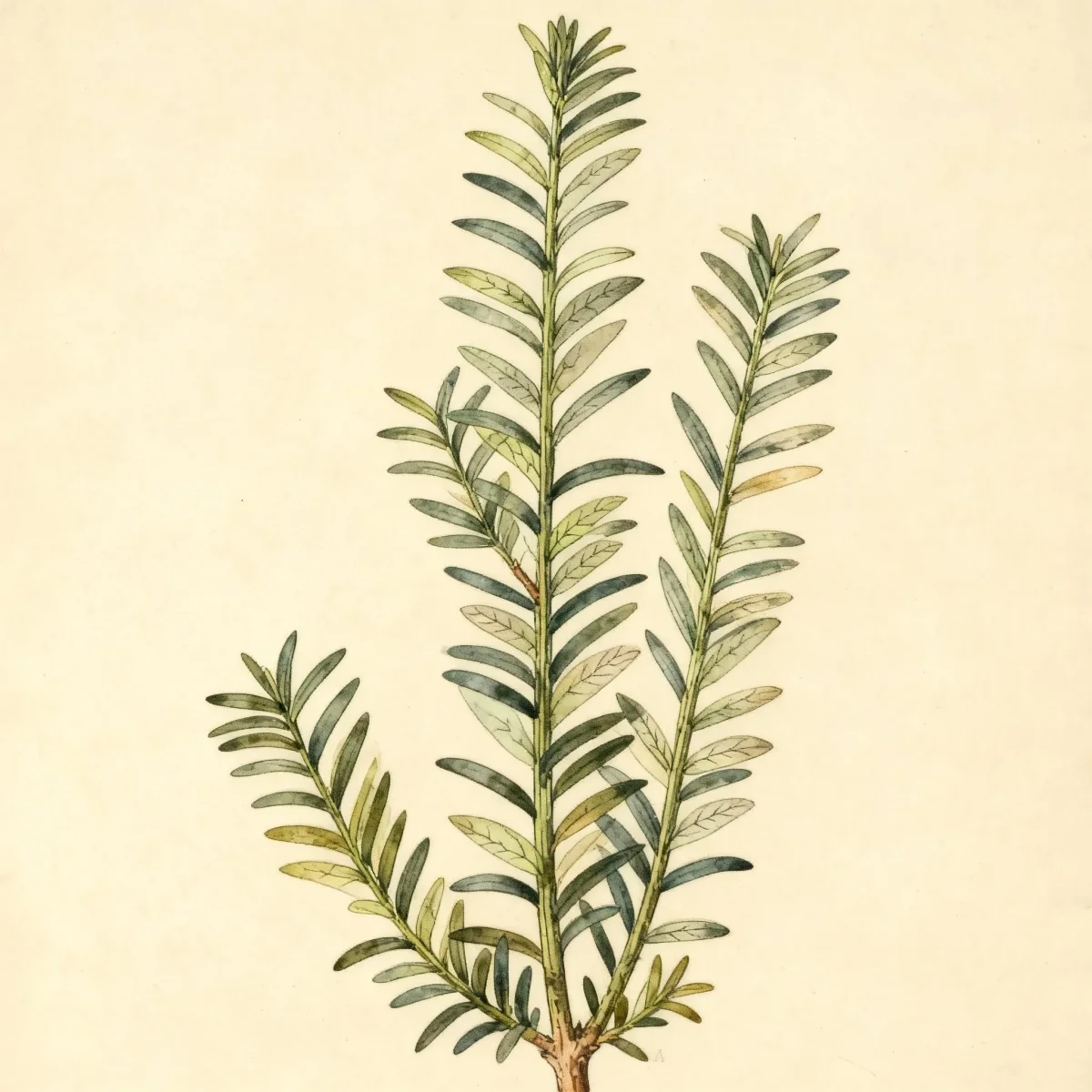
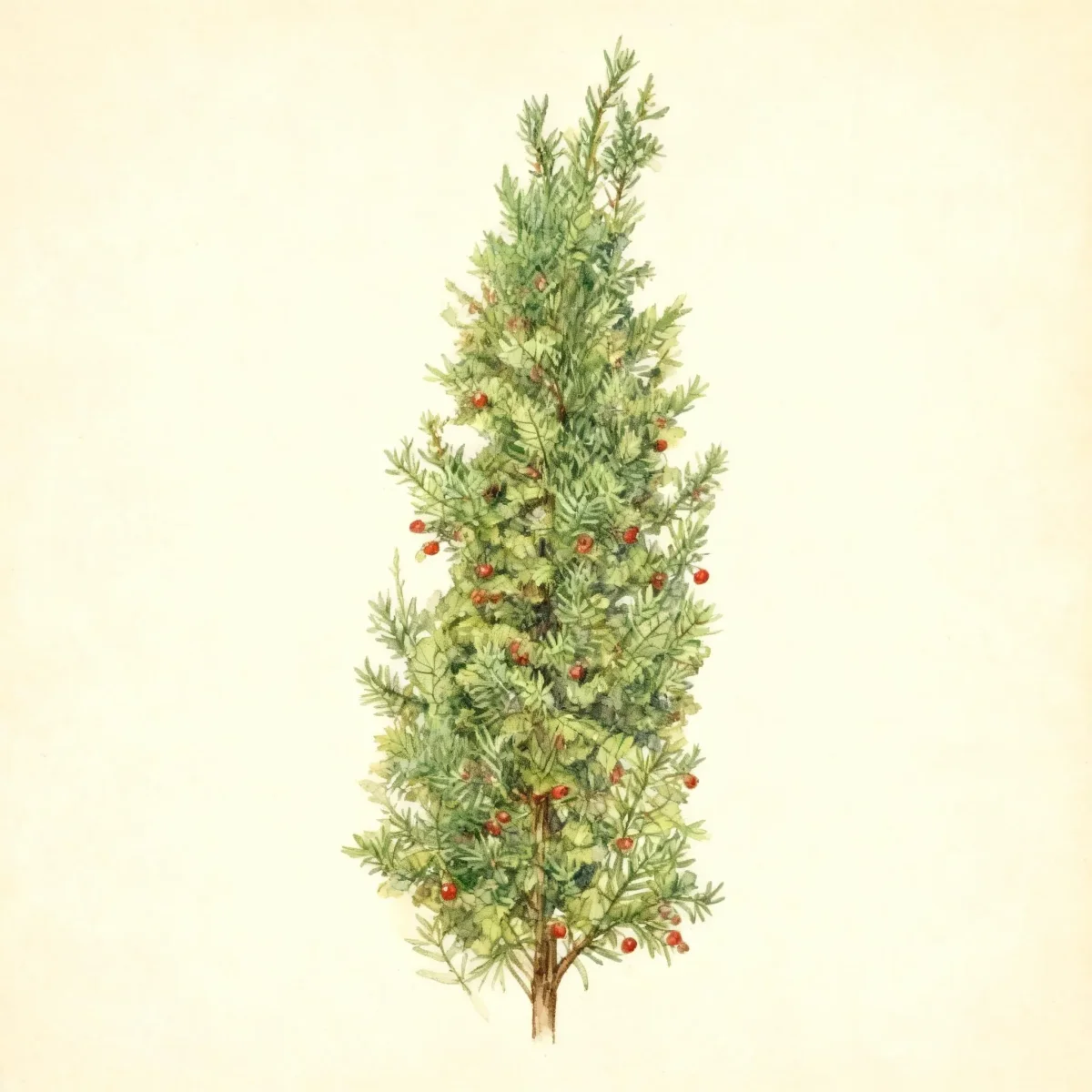
Japanese plum yew (Cephalotaxus harringtonia)
Discover Cephalotaxus harringtonia, the Japanese plum yew, an excellent low-maintenance evergreen for deep shade or accent planting.
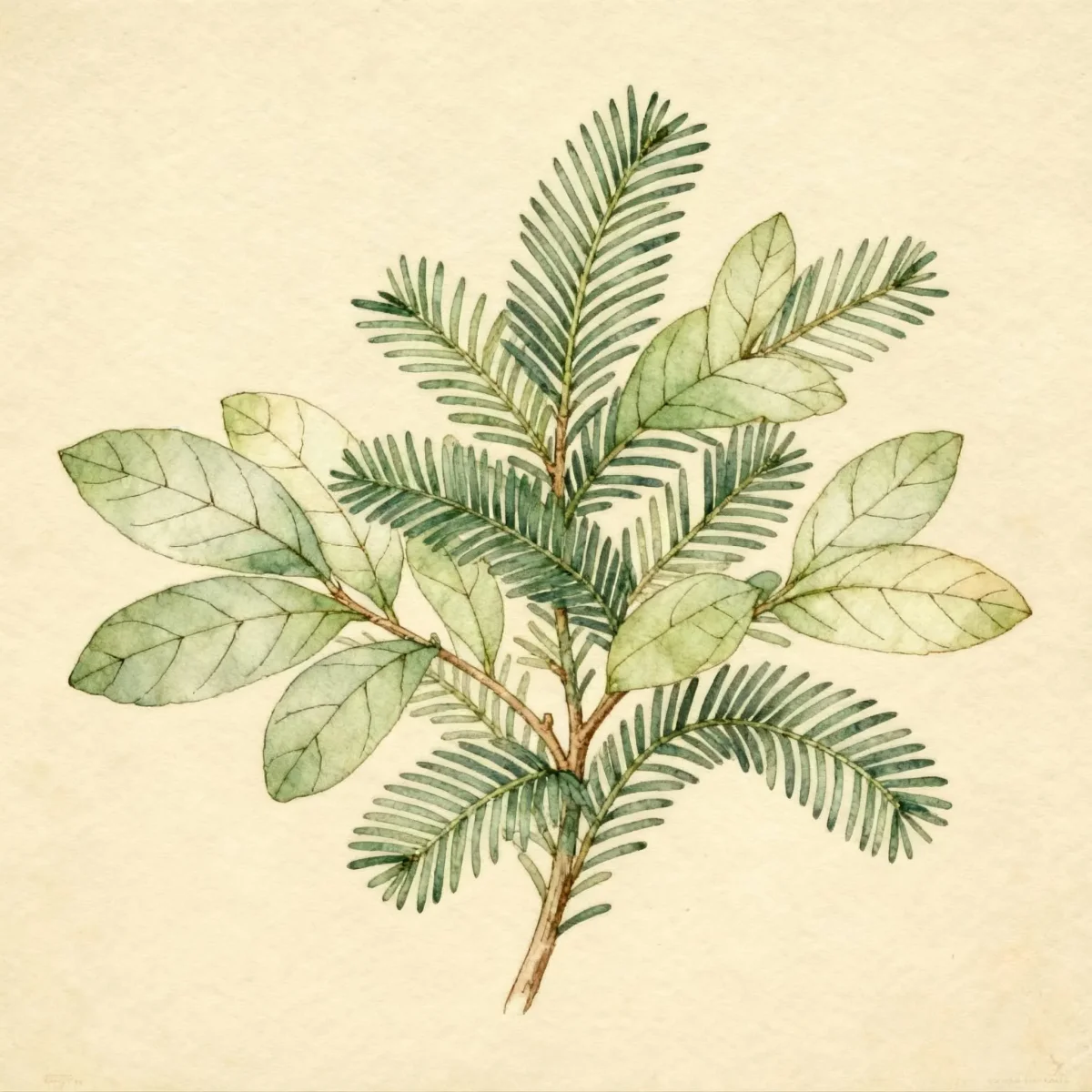

Bloom Boldly, No Matter the Season - Sweatshirt
Cozy organic cotton sweatshirt featuring our exclusive Purple Coneflower design. Perfect for gardeners who bloom year-round.
Inspired by the beautiful Japanese plum yew
Limited first batch (50) — join the waitlist for early access
Waitlist closes Feb 15, 2026.
Complete Plant Information
Field Guide Continues
Ready for care notes, companion picks, and planting tips?
The map is just the start. The full guide below covers growth habits, seasonal performance, and landscape uses.
Overview
The Japanese plum yew (Cephalotaxus harringtonia) is a highly valued needled evergreen prized for its exceptional tolerance of deep shade, making it a reliable structural feature where many conifers fail. Often confused with true yews (Taxus), this slow-growing shrub offers dense, dark green foliage year-round. Its unique growth habit and tolerance to heat make Cephalotaxus harringtonia an outstanding substitute for traditional yews, particularly in warmer regions of the Southeast.
This dioecious species creates visual interest through its form and, on female plants, attractive, fleshy, plum-like fruits, which are technically edible. Its slow growth rate means that while mature heights reach 5 to 10 feet, annual changes are subtle, lending stability to the landscape design. Gardeners appreciate Cephalotaxus harringtonia for its resilience and stately appearance in twilight environments.
A key benefit of incorporating the Japanese plum yew is its hardiness in wet or shaded conditions, coupled with excellent resistance to browsing deer. This combination of aesthetic quality and practical toughness solidifies its place as a premier foundation evergreen.
Fast Facts
- Plant Family: Taxaceae
- Plant Type: Needled evergreen
- Native Range: Japan, Korea, Taiwan
- Hardiness Zones: USDA Zones 6-9
- Size at Maturity:
- Height: 5-10 ft
- Spread: 5-10 ft
- Bloom Time: Non-flowering
- Bloom Description: Non-flowering
- Sun Exposure: Part shade to full shade
- Water Needs: Medium
- Maintenance Level: Medium
How to Grow
Planting the Japanese plum yew is best achieved in spring or fall to allow the root system to establish before summer heat or winter cold sets in. Select locations providing moist, sandy, well-drained soils. While Cephalotaxus harringtonia tolerates full sun in cool summer climates, most gardeners achieve the best results by siting it in part shade to deep shade.
Water needs are best described as medium; ensure consistent moisture, especially for new plantings. Established plants exhibit good drought tolerance—a significant advantage—but perform best with routine, deep watering during prolonged dry spells. Fertilization is usually unnecessary if the soil is moderately rich, though a slow-release evergreen fertilizer in spring can encourage better density.
Pruning is generally minimal due to the slow growth rate. If shaping is required, trim lightly in early spring before new growth begins. It is crucial to remember that if you desire the showy, edible fruits, you must plant both male and female specimens of Cephalotaxus harringtonia nearby for successful pollination.
Landscape Uses
The Japanese plum yew excels as an excellent evergreen conifer specifically targeted for shady locations throughout the landscape. Its dense, medium-textured foliage offers a sophisticated contrast to finer-textured shade plants like ferns or hostas. Use it for low foundation plantings where deep shade prevails, as it handles low light far better than many other needled specimens.
Due to its manageable height (5–10 ft) and predictable mounding habit, Cephalotaxus harringtonia works well as an accent specimen to break up monotone green borders. Mass plantings create a uniform, low-maintenance screen that offers excellent year-round coverage and structure. Consider using it near woodland paths where its tolerance for heavy shade can be fully leveraged.
For southern gardens struggling to root true yews, Cephalotaxus harringtonia provides the classic form without the heat stress issues, making it a reliable evergreen anchor in mixed shade borders.
Standout Features
Fruit Qualities
- Showy
- Edible
Noteworthy Characteristics
Cephalotaxus harringtonia, commonly called plum yew, is a dioecious coniferous evergreen that typically grows as a shrub to 5-10’ tall, but may be trained as a tree that could eventually rise to as much as 20-30’ tall. Growth is slow, however, and it often takes as much as 10 years for a plant to reach 4’ tall. It is native to shaded woodland areas in Japan, northeastern China and Korea. Specific epithet honors the Earl of Harrington who became an early enthusiast for the species after its introduction to Europe in the 1820s.
Tolerances
- Deer
- Heavy Shade
Potential Problems
The Japanese plum yew boasts a remarkably clean bill of health, suffering from no serious insect or disease problems under normal cultural conditions. This low-input requirement is one of its most attractive traits for landscape design. If growth appears weak or distorted, inspect the site for profoundly poor drainage, as excessive wetness is the primary abiotic stressor this plant faces.
As a shade-tolerant plant, problems usually arise from attempting to grow it in harsh, unmitigated afternoon sunlight, which can scorch the foliage, especially in hotter zones. Ensure proper siting based on your local climate to prevent sun-related stress on your Cephalotaxus harringtonia.
Frequently Asked Questions
What hardiness zones is Japanese plum yew suitable for?
The hardiness range for Cephalotaxus harringtonia is generally USDA Zones 6 through 9, although careful siting might allow survival in Zone 5.
How large does Japanese plum yew grow?
At maturity, the Cephalotaxus harringtonia typically achieves a height between 5 and 10 feet, with an equal spread of 5 to 10 feet, though it is a very slow grower.
What sun exposure does Japanese plum yew need?
This plant thrives in part shade to full shade conditions, making it exceptionally reliable for deep, dark woodland garden areas.
When does Japanese plum yew bloom?
Cephalotaxus harringtonia is a non-flowering plant, meaning it does not produce conspicuous ornamental blooms, though female plants do develop unique, fleshy, edible “fruit.”
Conclusion
The remarkable shade tolerance and deer resistance establish the Japanese plum yew (Cephalotaxus harringtonia) as an indispensable, low-maintenance foundation evergreen. Its slow growth guarantees long-lasting structure in your garden beds. Before planting, confirm your location falls within USDA Zones 6-9 to ensure the best performance of this robust shrub.
Companion Planting
When planning shade gardens featuring Cephalotaxus harringtonia, consider pairing it with plants that share its preference for consistent moisture and low light. Hostas provide textural contrast with their broad, often variegated leaves against the needle-like foliage of the Japanese plum yew. Ferns, particularly Japanese Painted Ferns or large wood ferns, complement the woodland aesthetic perfectly, thriving in the same ambient moisture conditions.
For mid-level evergreen structure, consider incorporating evergreen azaleas or rhododendrons, provided the soil pH is slightly acidic, which both species generally prefer. The resilience of Cephalotaxus harringtonia means it acts as a solid, unchanging backdrop for seasonal bloomers, offering reliable winter interest.
Seasonal Care Calendar
Spring is the optimal time for light shaping or pruning of the Japanese plum yew, targeting any winter damage or minor reshaping before active growth commences. Apply a balanced, slow-release fertilizer now if your soil is notably poor, though this is rarely necessary. Monitor soil moisture closely during early establishment in the first year.
Summer care focuses primarily on observation and minimal intervention; established Cephalotaxus harringtonia handles heat well. If you observe foliage looking dry or scorched, increase watering frequency deeply rather than superficially. In fall, apply a deep layer of mulch around the base to help regulate soil temperatures heading into winter.
Winter preparation primarily involves ensuring good drainage is maintained. If you experience heavy, wet snows, gently brush snow off densely branched specimens to prevent breakage, especially while the plant is more flexible during cold snaps.