Chinese water chestnut(Eleocharis dulcis)
How to grow Chinese water chestnut in a warm, contained aquatic garden, with practical guidance on water, harvest, winter, and spread.
Complete Plant Information
- Hardiness zones
- USDA 9–11
- Plant type
- Rush or Sedge
- Plant family
- Cyperaceae
- Sun exposure
- Full sun to part shade
- Water needs
- Wet
- Maintenance
- Low
- Height
- 1–3 ft (30–91 cm)
- Spread
- 1–3 ft (30–91 cm)
- Bloom time
- Rarely flowers
- Flower color
- Yellow-brown
- Flower qualities
- Insignificant
- Fruit qualities
- Not recorded
- Tolerances
- Not recorded
- Garden uses
- Annual, Water Plant, Rain Garden
- Native range
- Asia
Field Guide Continues
Ready for care notes, companion picks, and planting tips?
The map is just the start. The full guide below covers growth habits, seasonal performance, and landscape uses.
An edible crop that needs an aquatic setup
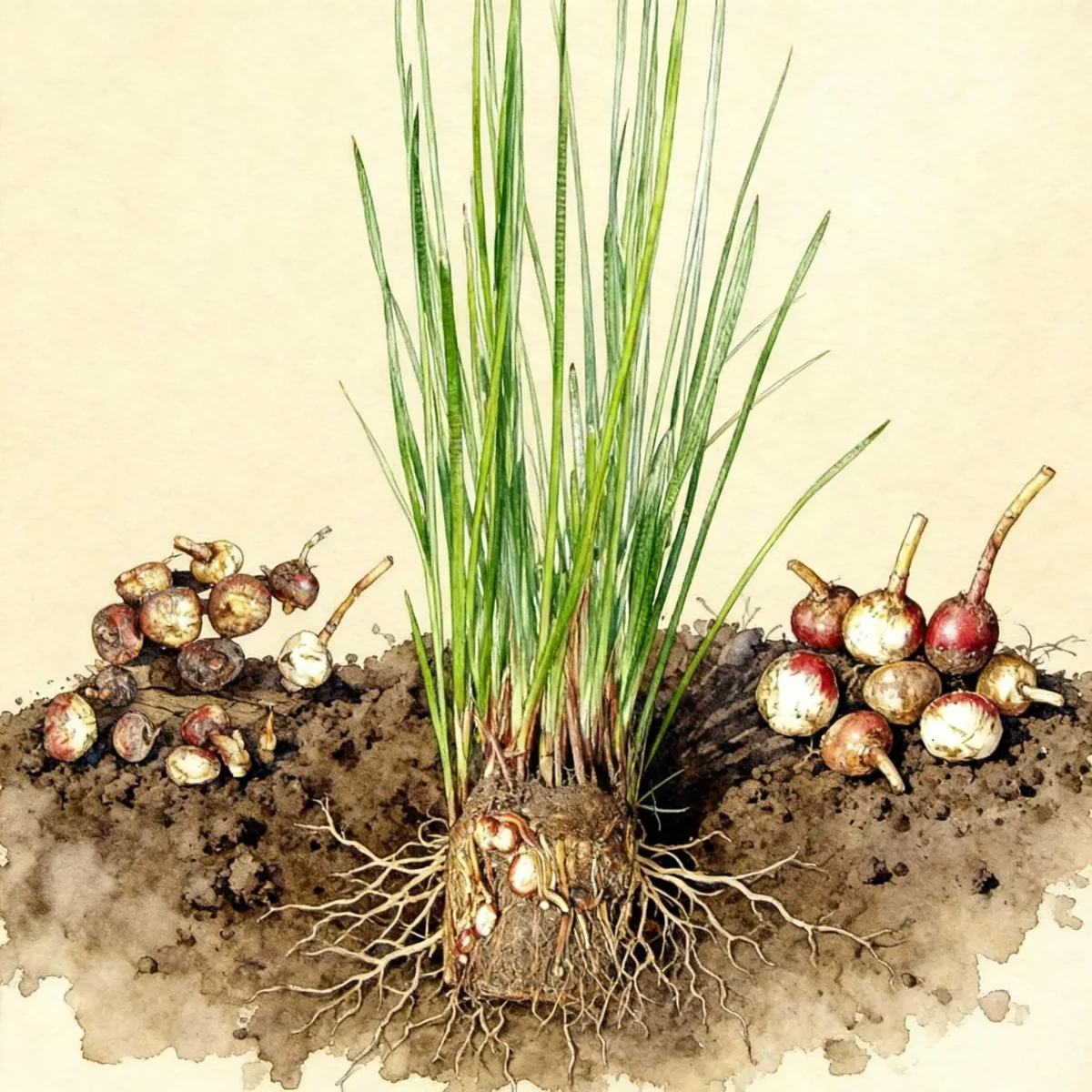
Chinese water chestnut is not a nut and not a dry-ground vegetable. Eleocharis dulcis is a rush-like aquatic perennial that forms crisp, edible corms at the ends of underground rhizomes. Above the mud, it produces upright green stems 1 to 3 feet tall; the small brownish flower spikes are secondary to the crop and the vertical texture.
This plant makes sense for a gardener with a warm growing season, a controllable source of clean water, and space for a lined bed or large watertight container. It is a poor choice for an ordinary raised bed, a rain garden that dries between storms, or an ornamental pond where fertilizers, wildlife waste, or water treatments make food harvesting questionable.
For an ornamental native-looking marginal with arrow-shaped foliage, compare ‘Silk Stockings’ arrowhead. Where a pond needs much taller structure rather than an edible crop, hardy water canna, or thalia, reaches 6 to 10 feet.
Use a container to control water and spread
Full sun gives the crop the strongest growth, though light part shade is tolerated. The root zone must stay saturated or under shallow water throughout active growth. A wide tub, stock-tank-style planter, or lined bed filled with heavy soil is easier to manage than a natural waterway. Avoid loose, rich potting mixes that float out of a submerged container.
Plant corms after frost danger has passed and the weather has warmed. Set them in wet soil, then increase the water level as shoots establish. Keep the water consistent rather than allowing repeated drying and flooding. The plant spreads through rhizomes, so a container also makes harvest easier and prevents pieces from moving into connected wetlands.
It is perennial only in the listed USDA Zones 9 through 11. Elsewhere, grow it as a warm-season crop and lift corms before freezing weather. Check your location on the USDA hardiness zone map, but remember that a zone number alone does not guarantee the long warm season needed for a worthwhile harvest.
Before acquiring or moving any aquatic plant, check local rules. Regulations and invasive-plant guidance can vary, and excess plants or muddy water should never be dumped into a pond, ditch, stream, or storm drain.
Harvest with food safety in mind
Corms form below the soil and are lifted after the top growth declines late in the season. Emptying a container onto a washable surface makes it easier to find them without sending fragments into the landscape. Save only sound, firm corms. Wash them thoroughly and follow reliable food-safety guidance for peeling, storage, and preparation.
Use water that is appropriate for a food crop. Do not harvest from runoff basins, decorative ponds treated with algaecides, or water that may receive sewage, livestock waste, or contaminated runoff. If the plant’s identity or growing-water quality is uncertain, treat it as ornamental rather than edible.
In cold climates, reserve healthy corms for the next season and keep them from freezing or drying out during storage. Inspect stored material periodically and discard anything soft or moldy. In warm climates where plants remain outdoors, thin the colony after harvest so it does not become a solid, congested mat.
Common questions
Can Chinese water chestnut grow in normal garden soil?
No. It needs saturated mud or shallow standing water through active growth. A consistently moist border is not the same as an aquatic bed.
Can it overwinter outdoors?
Only in warm climates within its listed Zone 9–11 range. Gardeners in colder zones generally lift corms and replant after frost.
Is a natural pond a good place to grow it?
A contained vessel is safer and easier to harvest. It also limits spread and gives you more control over the water used around an edible crop.
Recommended Companion Plants
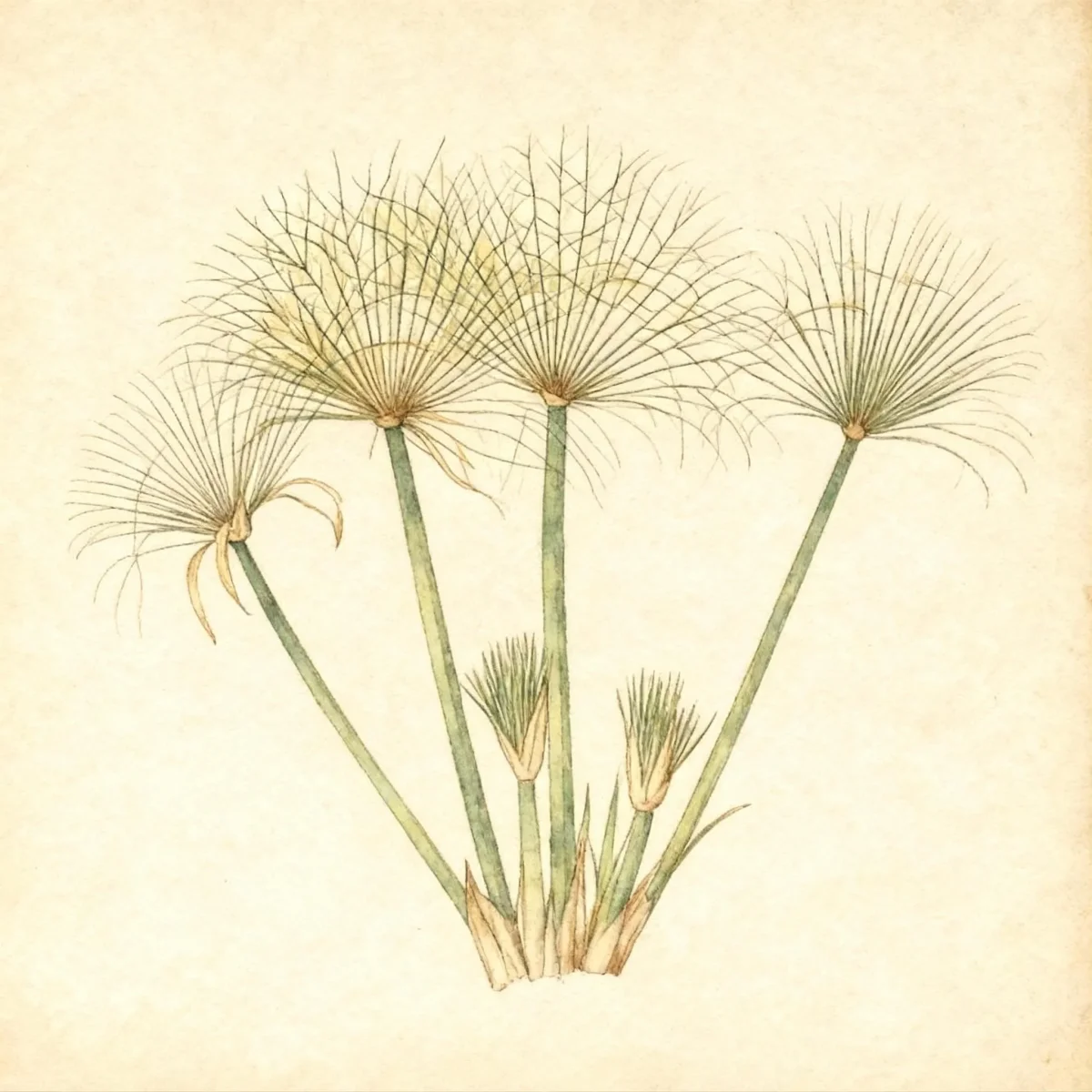
Papyrus
Cyperus papyrus KING TUT
- USDA zones
- 9–10
- Light
- Full sun to part shade
- Water
- Wet
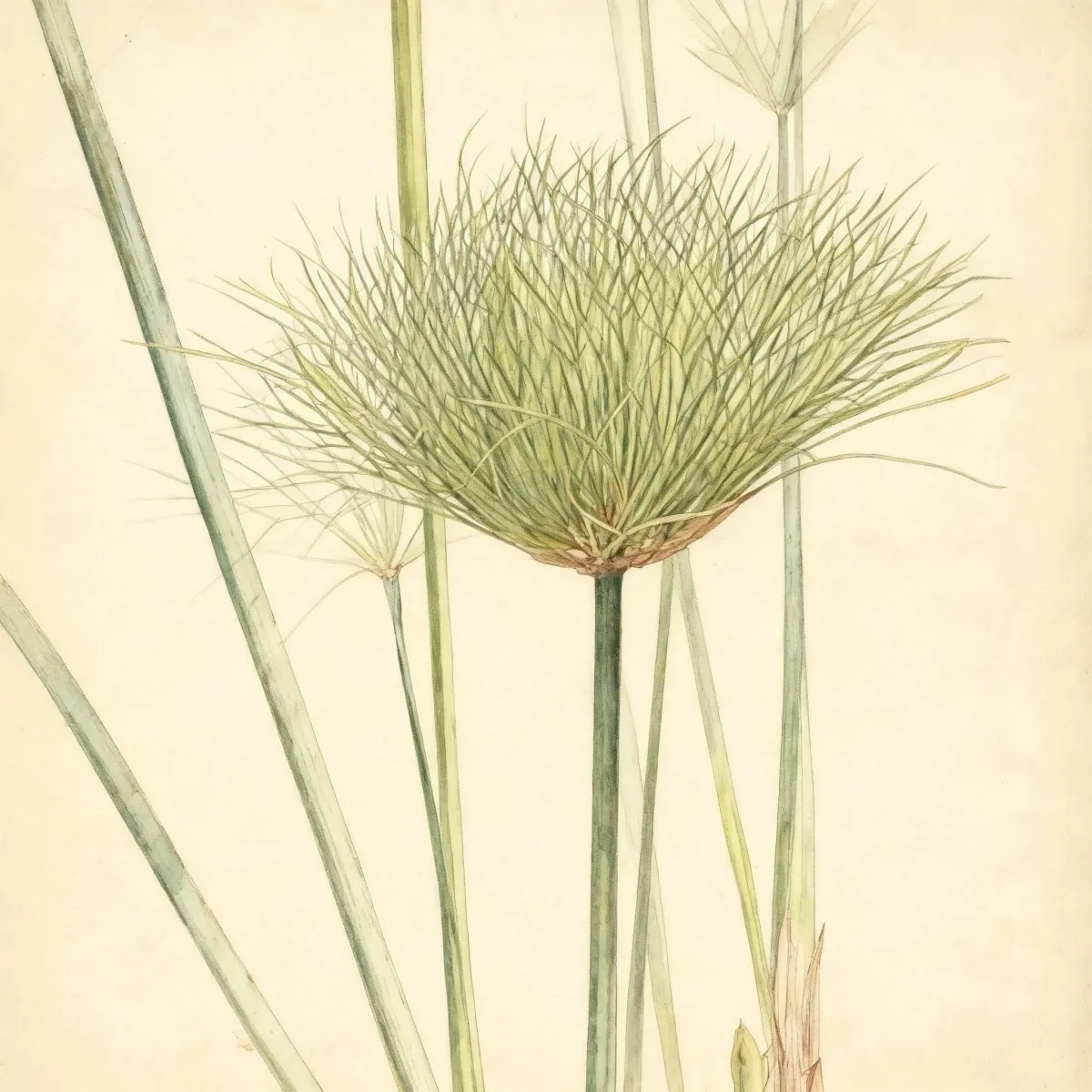
Papyrus
Cyperus papyrus
- USDA zones
- 9–10
- Light
- Full sun to part shade
- Water
- Wet
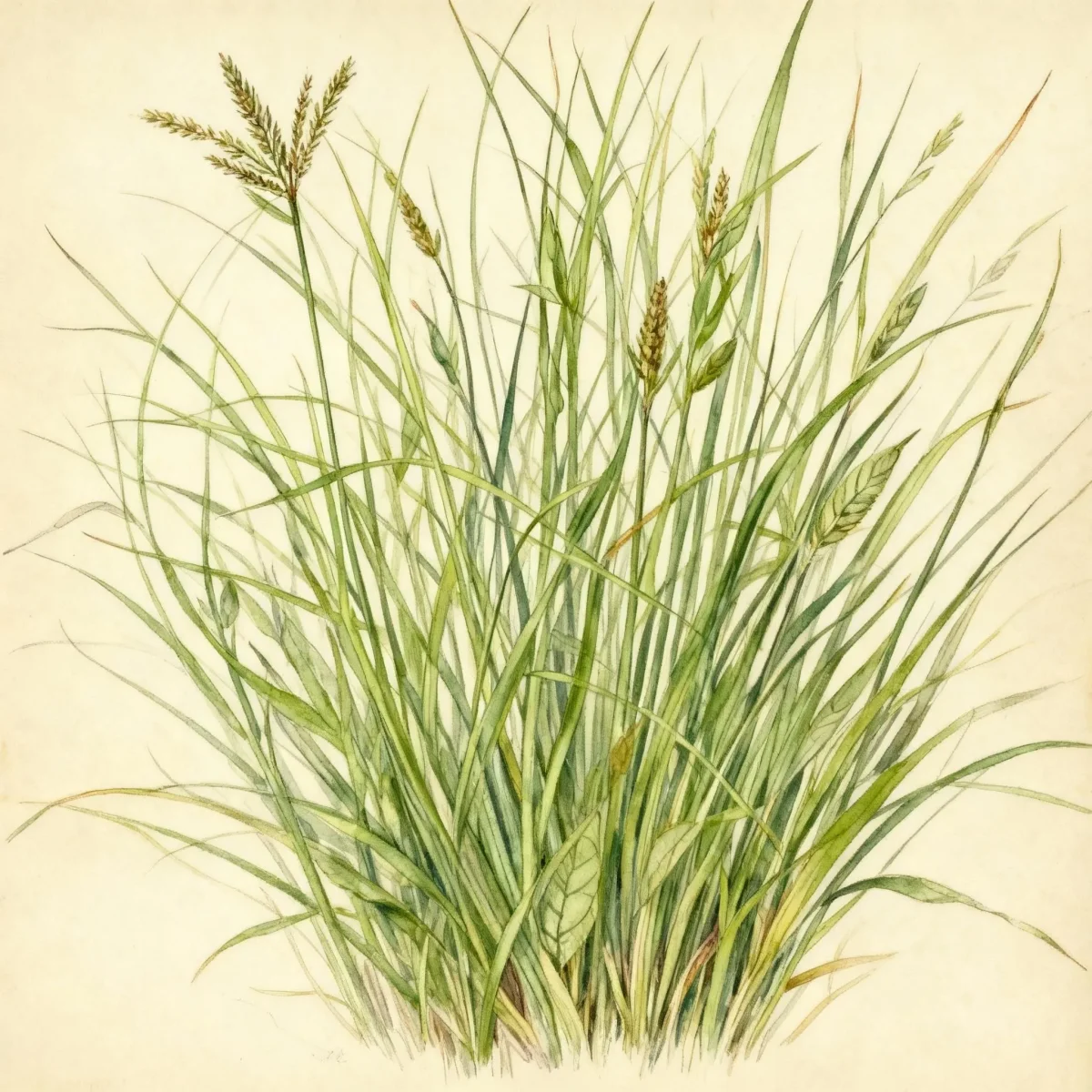
Creeping spike rush
Eleocharis palustris
- USDA zones
- 3–8
- Light
- Full sun to part shade
- Water
- Wet
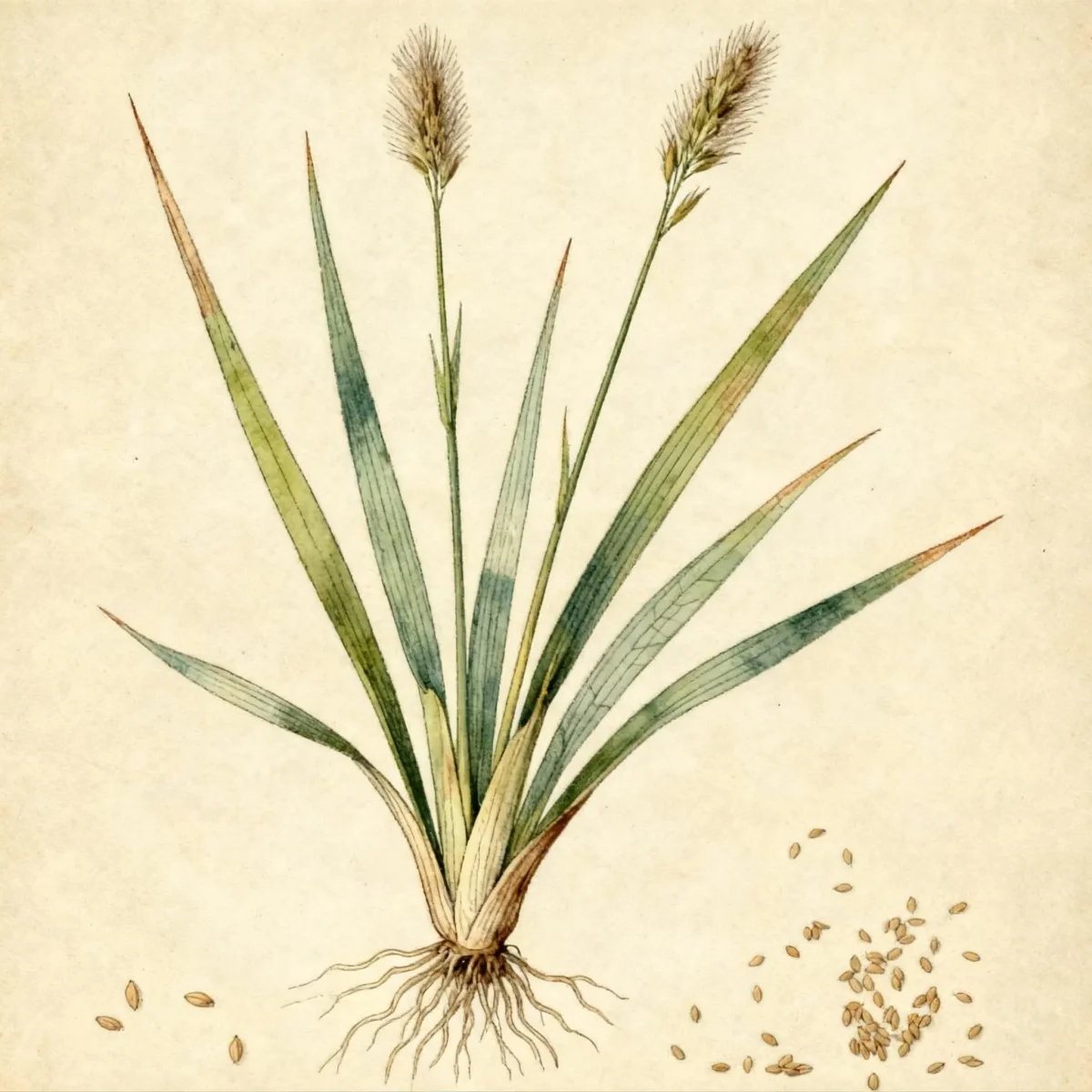
Wool grass
Scirpus cyperinus
- USDA zones
- 4–8
- Light
- Full sun to part shade
- Water
- Wet
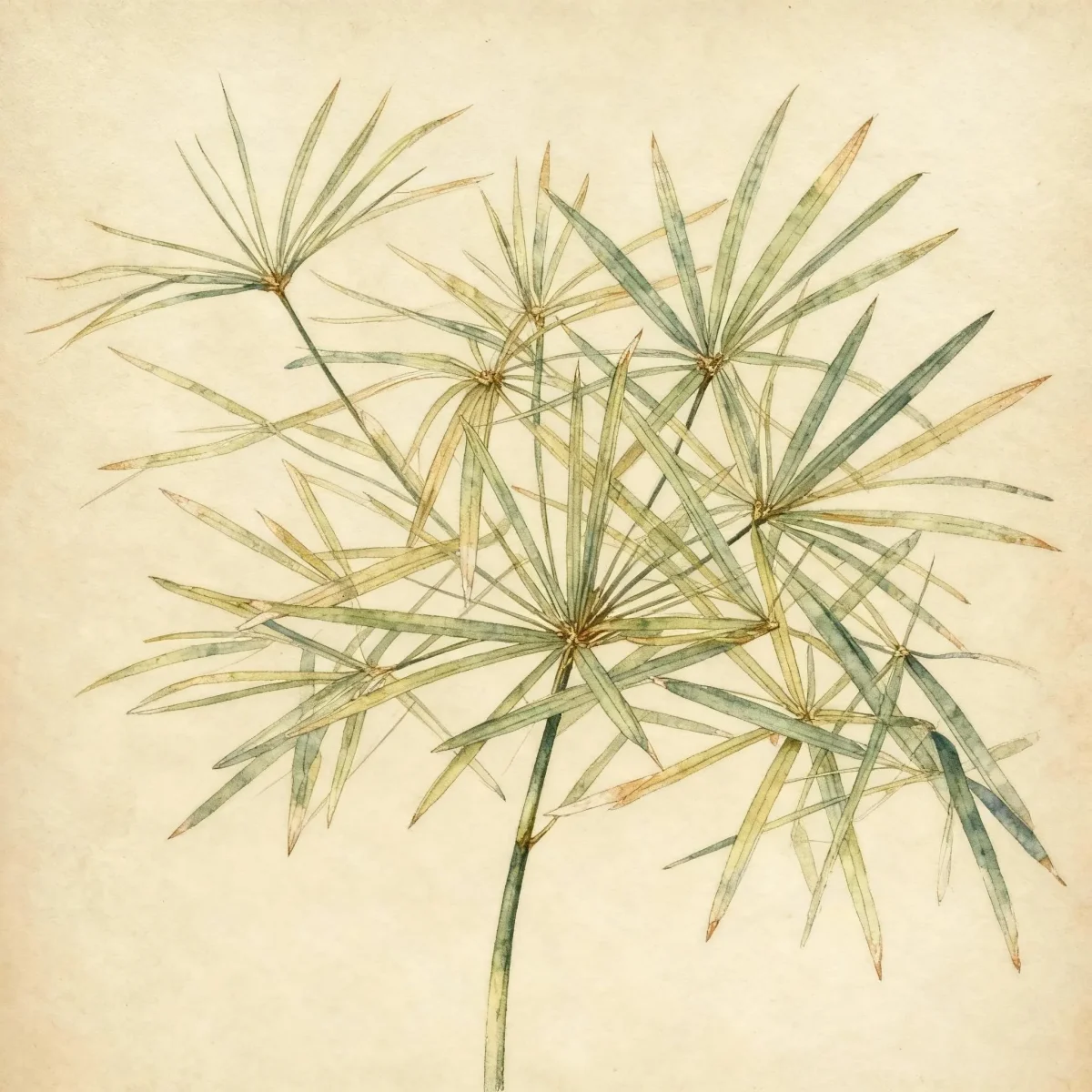
Umbrella plant
Cyperus involucratus
- USDA zones
- 9–12
- Light
- Full sun to part shade
- Water
- Medium to wet
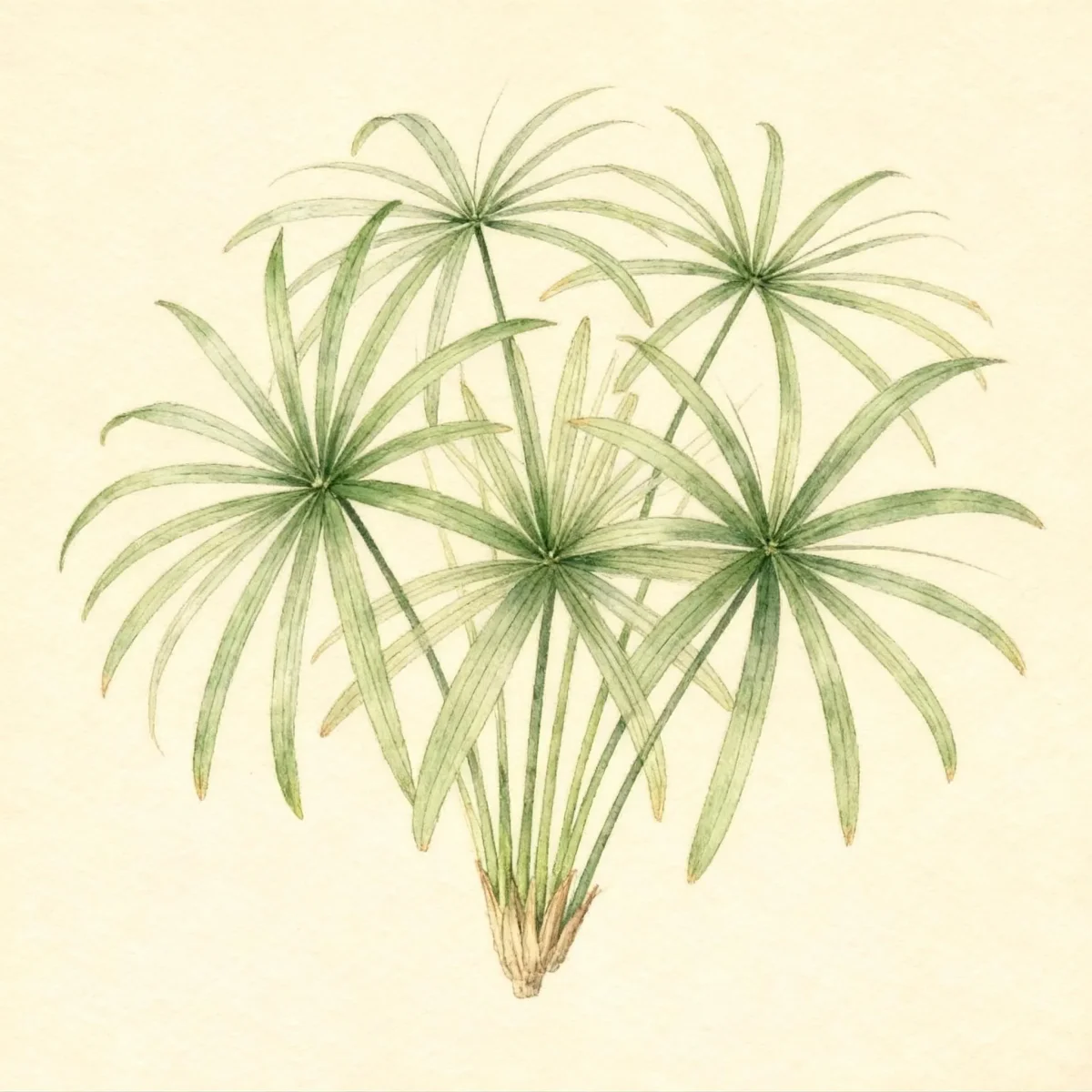
Umbrella plant
Cyperus involucratus 'Baby Tut'
- USDA zones
- 9–11
- Light
- Full sun to part shade
- Water
- Medium to wet
Keep Learning
Test what you know with a garden quiz
You have the plant facts and care notes. Continue with a related challenge, or browse the complete quiz library.
Can You Identify These Common Garden Plants? Test Your Plant Knowledge
Think you know your roses from your peonies? Test your plant identification skills with our comprehensive garden plant quiz featuring 10 challenging questions.
Start quiz
USDA Garden Zone Map Quiz
Use this USDA garden zone map quiz to check whether you can read hardiness zones and choose plants with more confidence.
Start quizBrowse the full quizzes section
Explore plant identification, zone strategy, and seasonal gardening challenges.
View all quizzes