Arrowhead(Sagittaria australis 'Benni' SILK STOCKINGS)
Grow Silk Stockings arrowhead at a pond edge or in a contained bog, with guidance on water depth, sun, runners, winter care, and companions.
Complete Plant Information
- Hardiness zones
- USDA 5–10
- Plant type
- Herbaceous perennial
- Plant family
- Alismataceae
- Sun exposure
- Full sun to part shade
- Water needs
- Wet
- Maintenance
- Medium
- Height
- 1–3 ft (30–91 cm)
- Spread
- 1–2 ft (30–61 cm)
- Bloom time
- July to September
- Flower color
- White
- Flower qualities
- Showy
- Fruit qualities
- Not recorded
- Tolerances
- Not recorded
- Garden uses
- Water Plant, Naturalize, Rain Garden
- Native range
- Not recorded
Field Guide Continues
Ready for care notes, companion picks, and planting tips?
The map is just the start. The full guide below covers growth habits, seasonal performance, and landscape uses.
Arrow-shaped foliage for the water’s edge
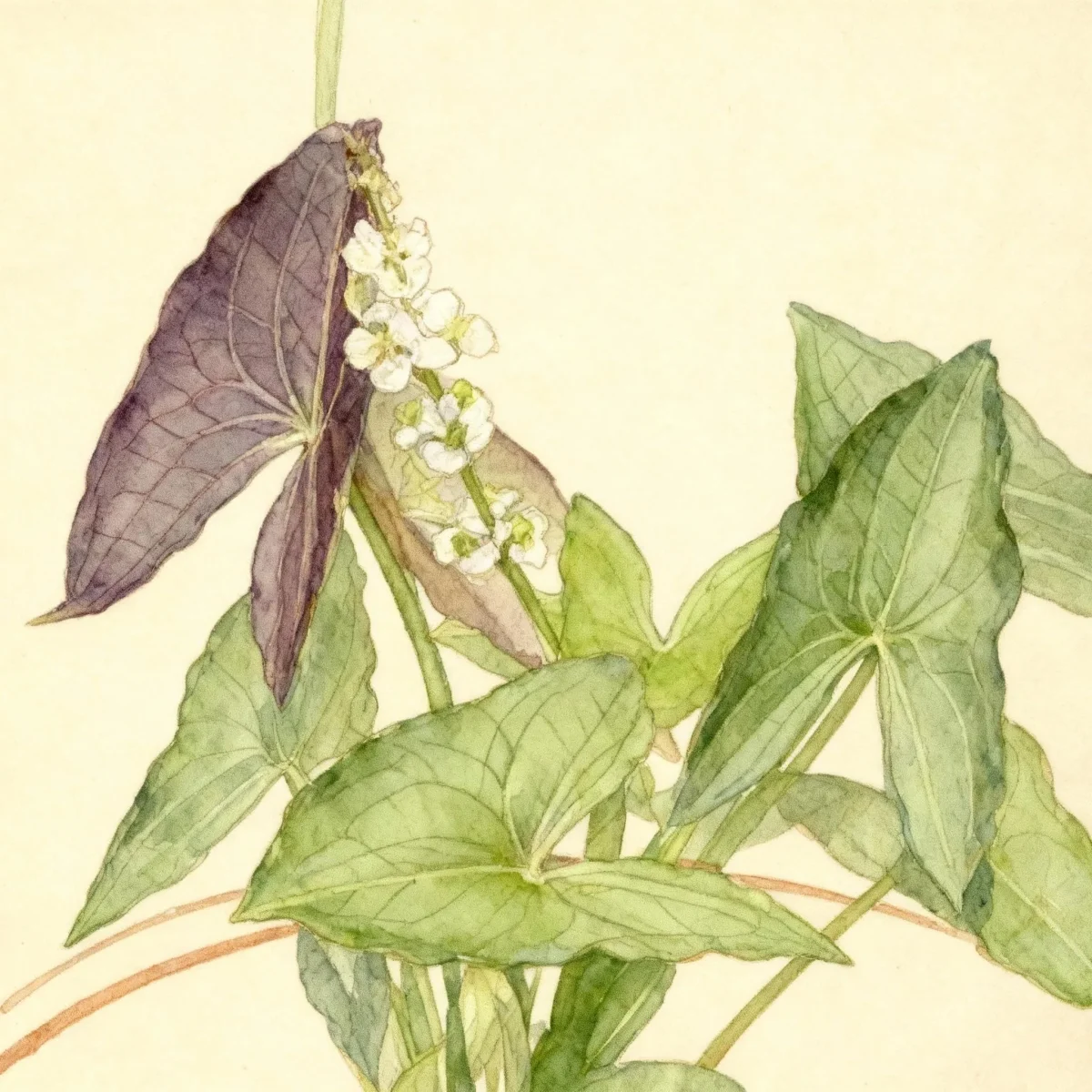
‘Silk Stockings’ is a colorful selection of the North American aquatic perennial Sagittaria australis. Its new arrow-shaped leaves open maroon-purple, then shift through gray-purple and green as they age. Three-petaled white flowers rise on stalks from July into September. Depending on conditions, the clump stands about 1 to 3 feet tall and spreads 1 to 2 feet before runners carry it farther.
This plant belongs in saturated soil or shallow water. It works at a pond margin, in a watertight patio tub, or in the wettest section of a rain garden that remains moist between storms. It will not adapt to an ordinary border that merely receives extra irrigation. Gardeners who want a productive aquatic crop instead can compare Chinese water chestnut. For a much taller focal point behind it, thalia, or hardy water canna, provides broad leaves and 6- to 10-foot height.
Plant in mud or shallow water
Full sun supports the deepest foliage color and best flowering. Part shade is acceptable, especially in hot climates, but the plant may be greener and bloom less. Set the crown in heavy aquatic soil at the shoreline or in a submerged pot. A water depth of a few inches over the soil can suit an established plant; avoid placing a small new division so deeply that all young foliage is submerged.
For a container, use a broad, stable pot without lightweight peat-based mix. Top the soil with washed gravel if fish or moving water would otherwise disturb it. Lower the pot gradually to its intended depth as new growth develops. Do not fertilize freely into open water; excess nutrients can encourage algae. If growth is weak, use products and rates intended for contained aquatic plants.
‘Silk Stockings’ is listed for USDA Zones 5 through 10. Check your location with the USDA hardiness zone map. In the colder part of that range, a pond’s depth and exposure affect whether the underground parts freeze, so local water-garden guidance is more useful than the zone number alone.
Runners are the main maintenance job
Arrowhead expands through runners. In a naturalized pond edge, that movement can create a useful colony; in a small pool, it can crowd neighbors. A submerged container makes the boundary visible and lets you lift and divide the plant. Inspect the pot each spring and remove runners that have escaped before they root elsewhere.
Deadheading is optional. Remove spent stalks when a tidy look matters, or leave them while they remain attractive. Cut dead foliage after frost, but keep decaying material from accumulating in a small pond where it would add nutrients to the water. Divide congested clumps in spring and replant firm, healthy sections.
Aphids and spider mites may occasionally gather on foliage, particularly when warm weather and low water stress the plant. First restore proper growing conditions and use the least disruptive control appropriate around pond life. Avoid applying ordinary garden pesticides over water unless the label specifically permits that use.
As with any aquatic plant, prevent unwanted release. Never discard runners, soil, or container water into natural waterways or storm drains, and check local plant rules before buying or sharing divisions.
Common questions
Can ‘Silk Stockings’ grow in a regular garden bed?
No. It needs saturated soil or shallow water through active growth. Occasional deep watering will not duplicate a pond margin.
Does the foliage stay purple all season?
The strongest maroon-purple color appears on new leaves. Older leaves mature toward lighter purple, gray-purple, and green.
Is it suitable for a small pond?
Yes, if grown in a container and divided when crowded. Uncontained runners can fill limited space quickly.
Recommended Companion Plants
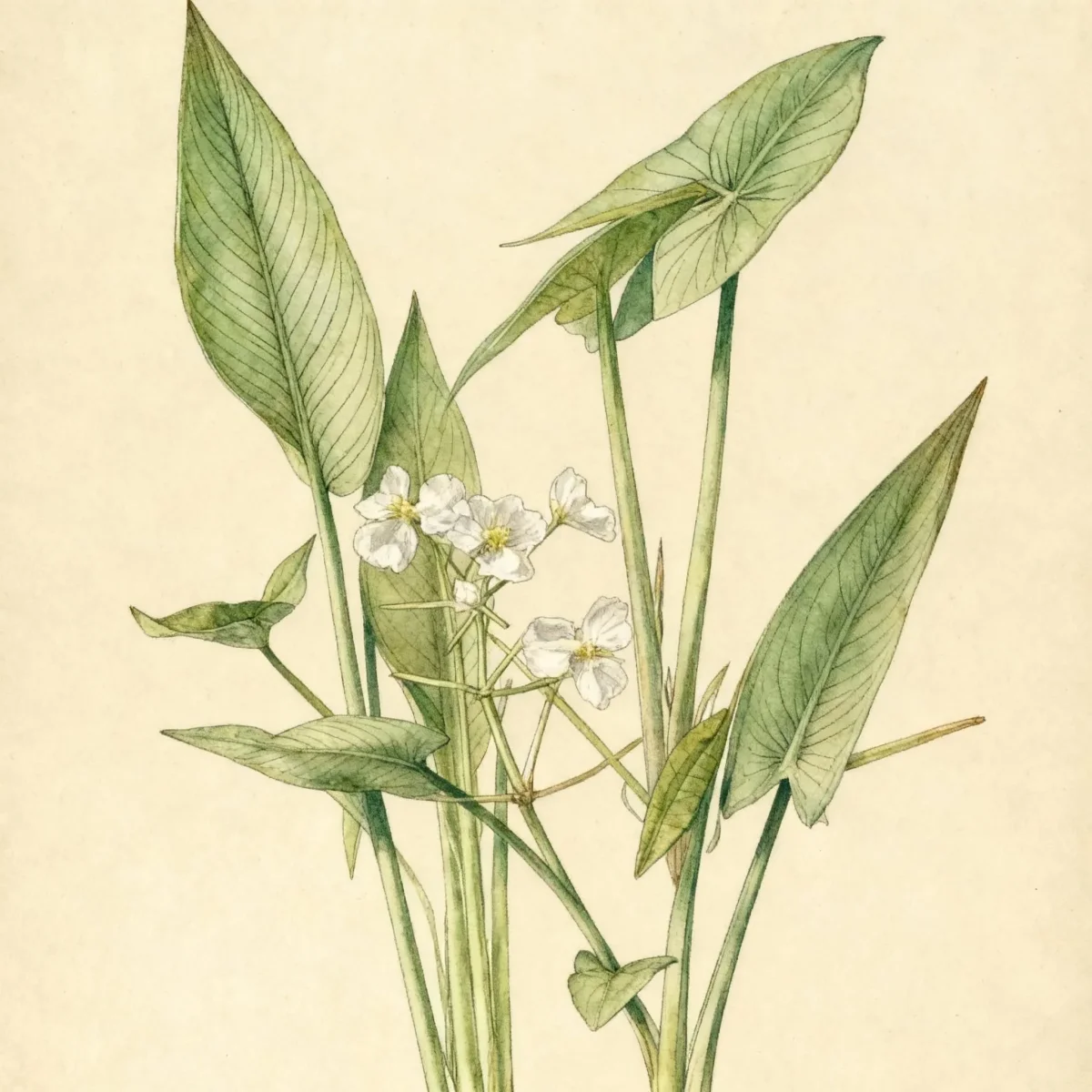
Broadleaf arrowhead
Sagittaria latifolia
- USDA zones
- 5–10
- Light
- Full sun
- Water
- Wet
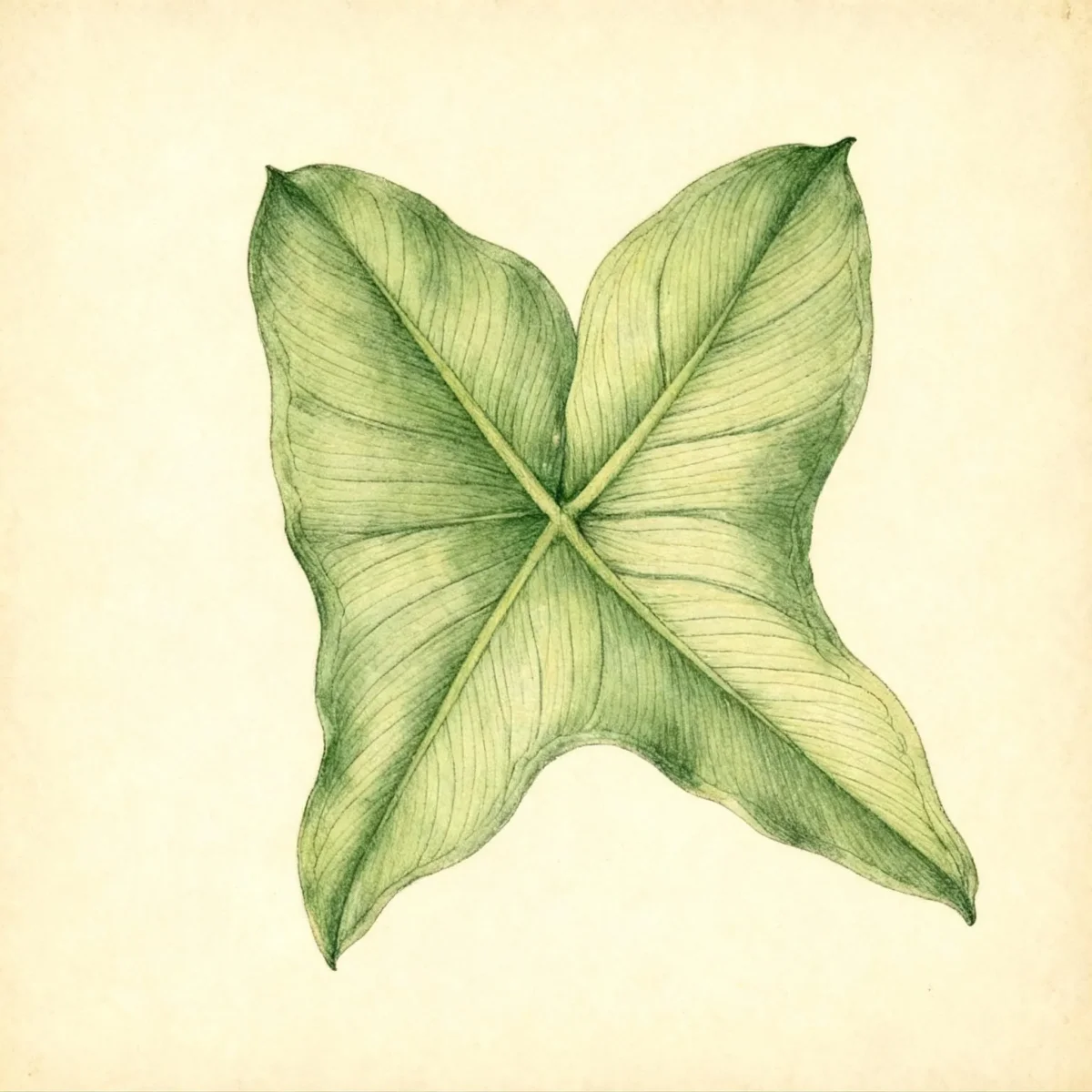
Green arrow arum
Peltandra virginica
- USDA zones
- 5–9
- Light
- Full sun to part shade
- Water
- Wet
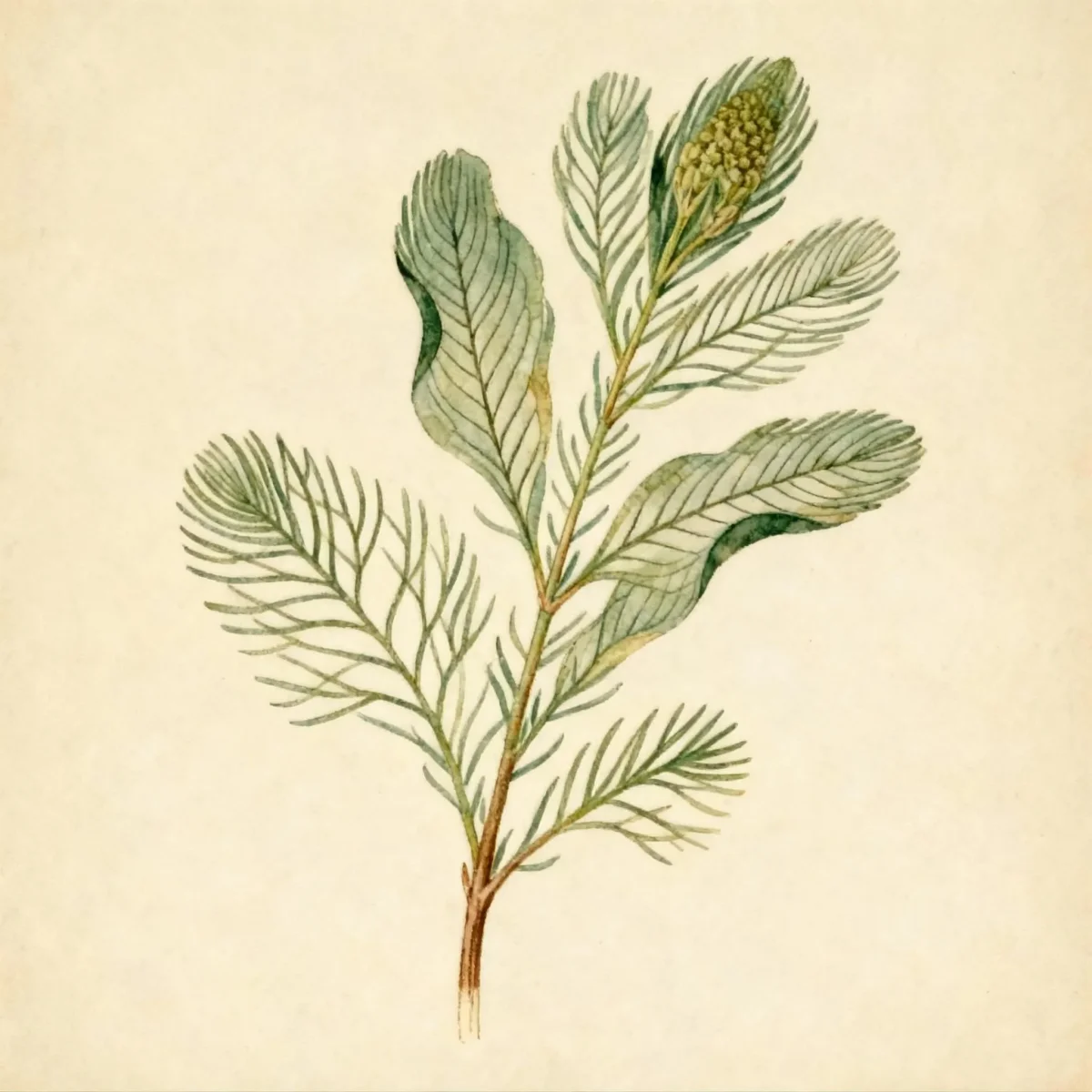
Parrot feather water milfoil
Myriophyllum aquaticum
- USDA zones
- 6–10
- Light
- Full sun to part shade
- Water
- Wet

Common duckweed
Lemna minor
- USDA zones
- 4–10
- Light
- Full sun to part shade
- Water
- Wet
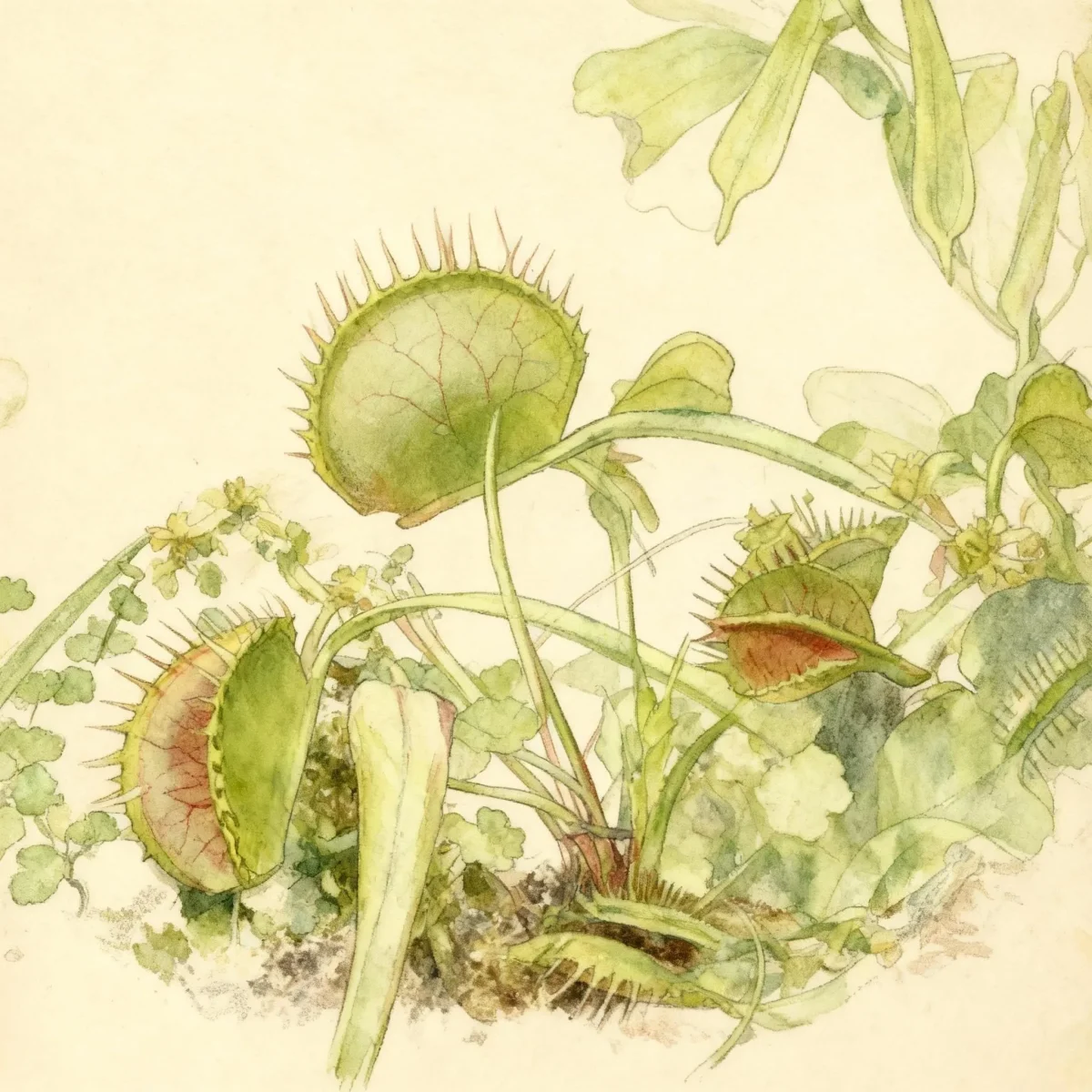
Venus fly trap
Dionaea muscipula 'Cup-shaped'
- USDA zones
- 5–8
- Light
- Full sun to part shade
- Water
- Wet
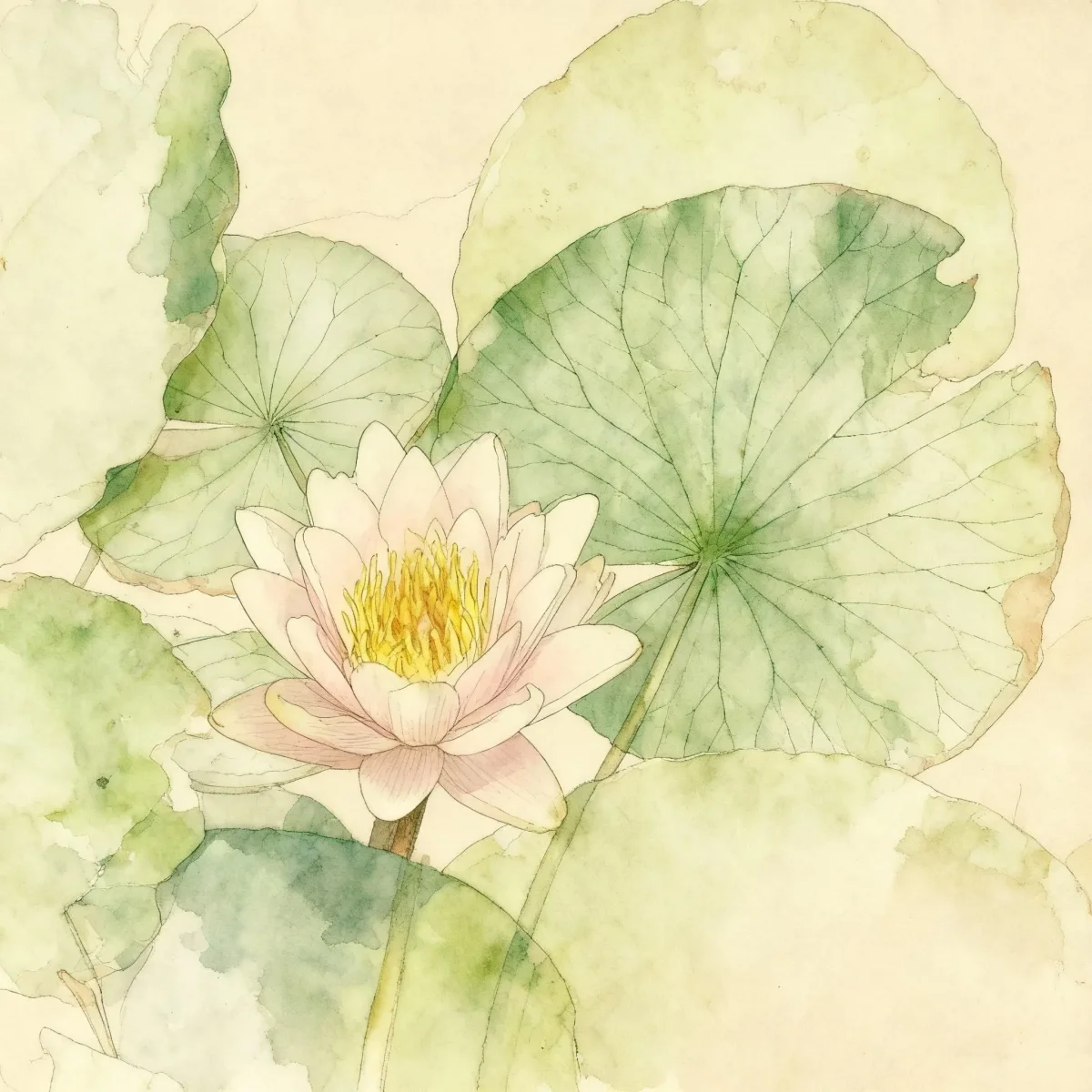
Hardy water lily
Nymphaea 'Comanche'
- USDA zones
- 4–10
- Light
- Full sun to part shade
- Water
- Wet
Keep Learning
Test what you know with a garden quiz
You have the plant facts and care notes. Continue with a related challenge, or browse the complete quiz library.

Can You Identify These Common Garden Plants? Test Your Plant Knowledge
Think you know your roses from your peonies? Test your plant identification skills with our comprehensive garden plant quiz featuring 10 challenging questions.
Start quiz
USDA Garden Zone Map Quiz
Use this USDA garden zone map quiz to check whether you can read hardiness zones and choose plants with more confidence.
Start quizBrowse the full quizzes section
Explore plant identification, zone strategy, and seasonal gardening challenges.
View all quizzes