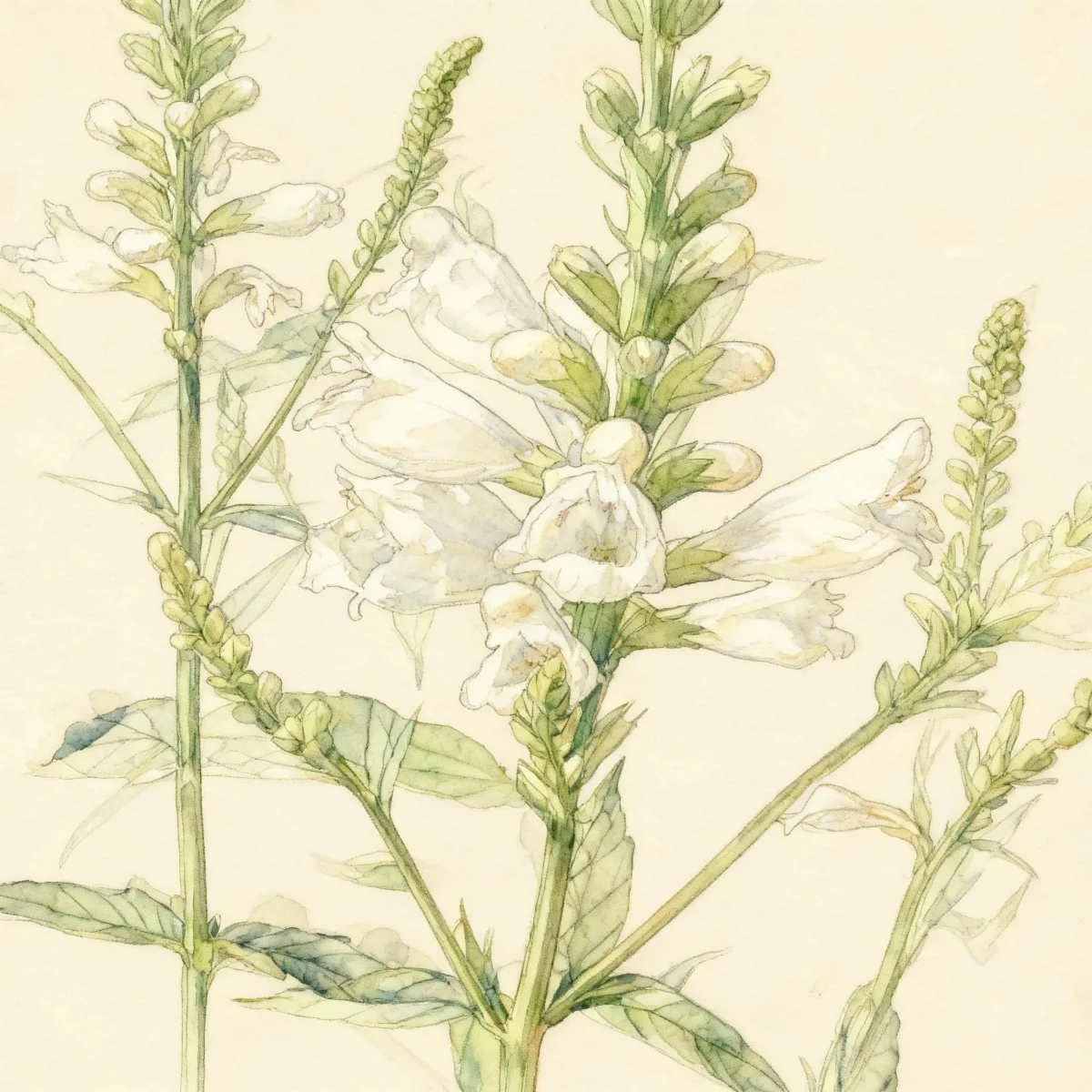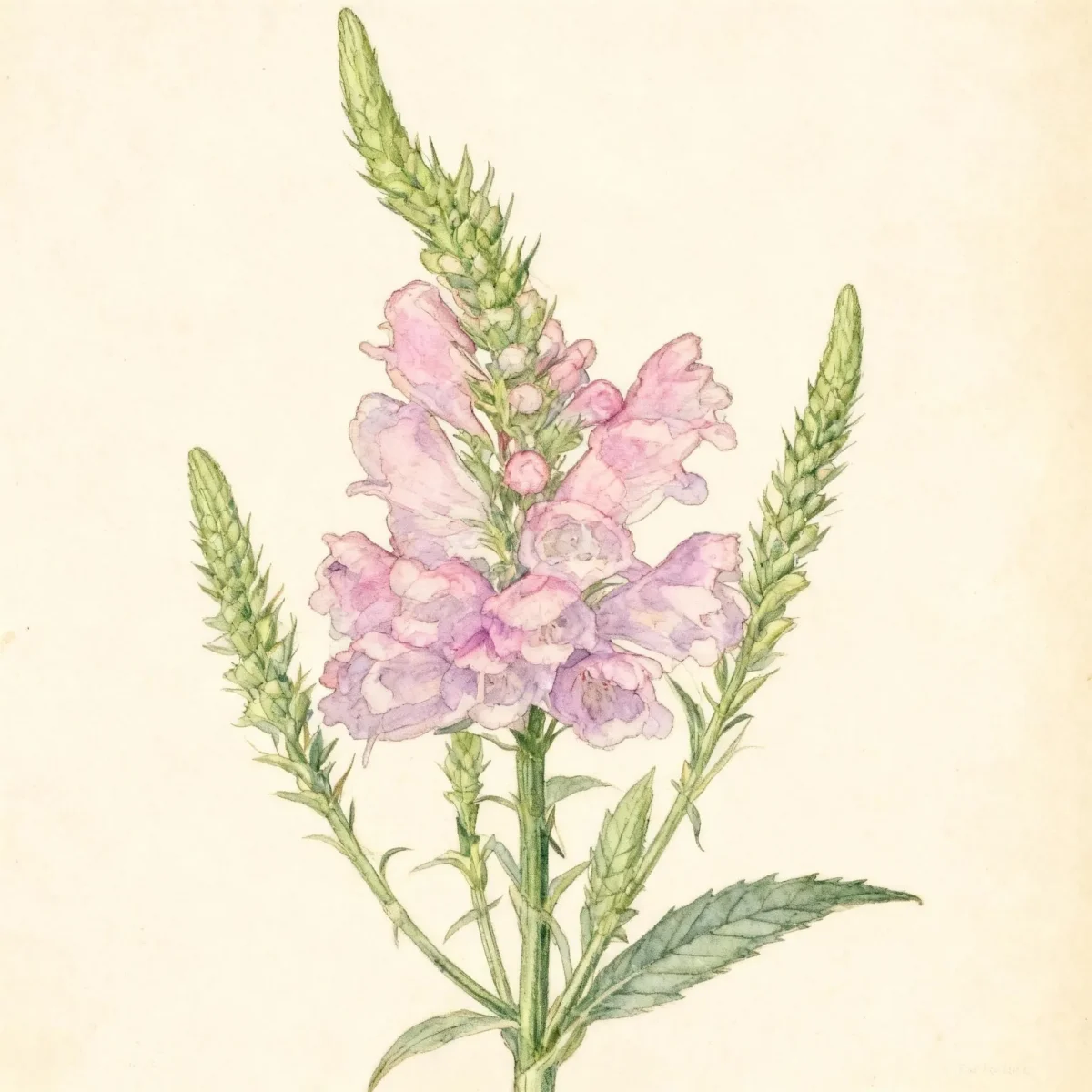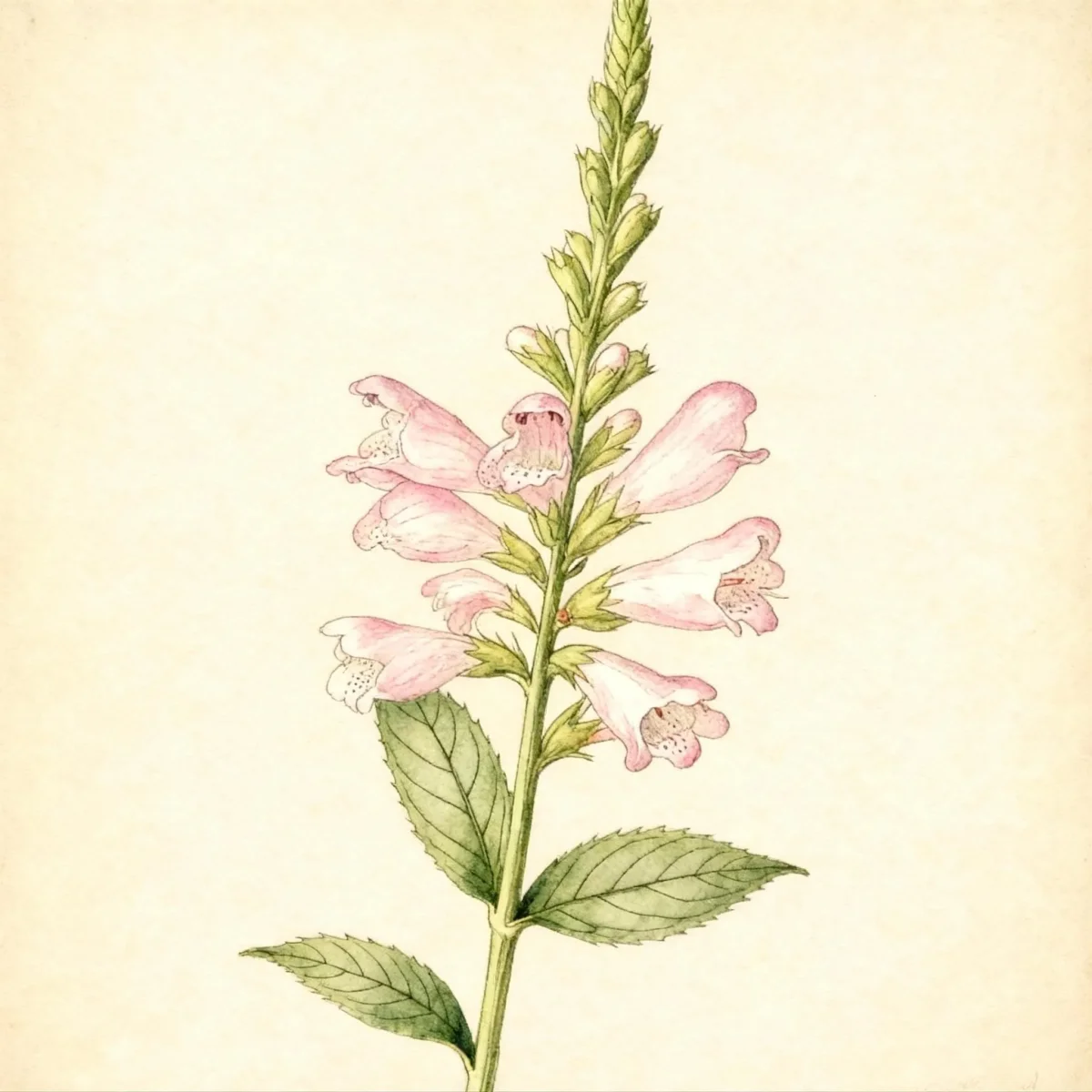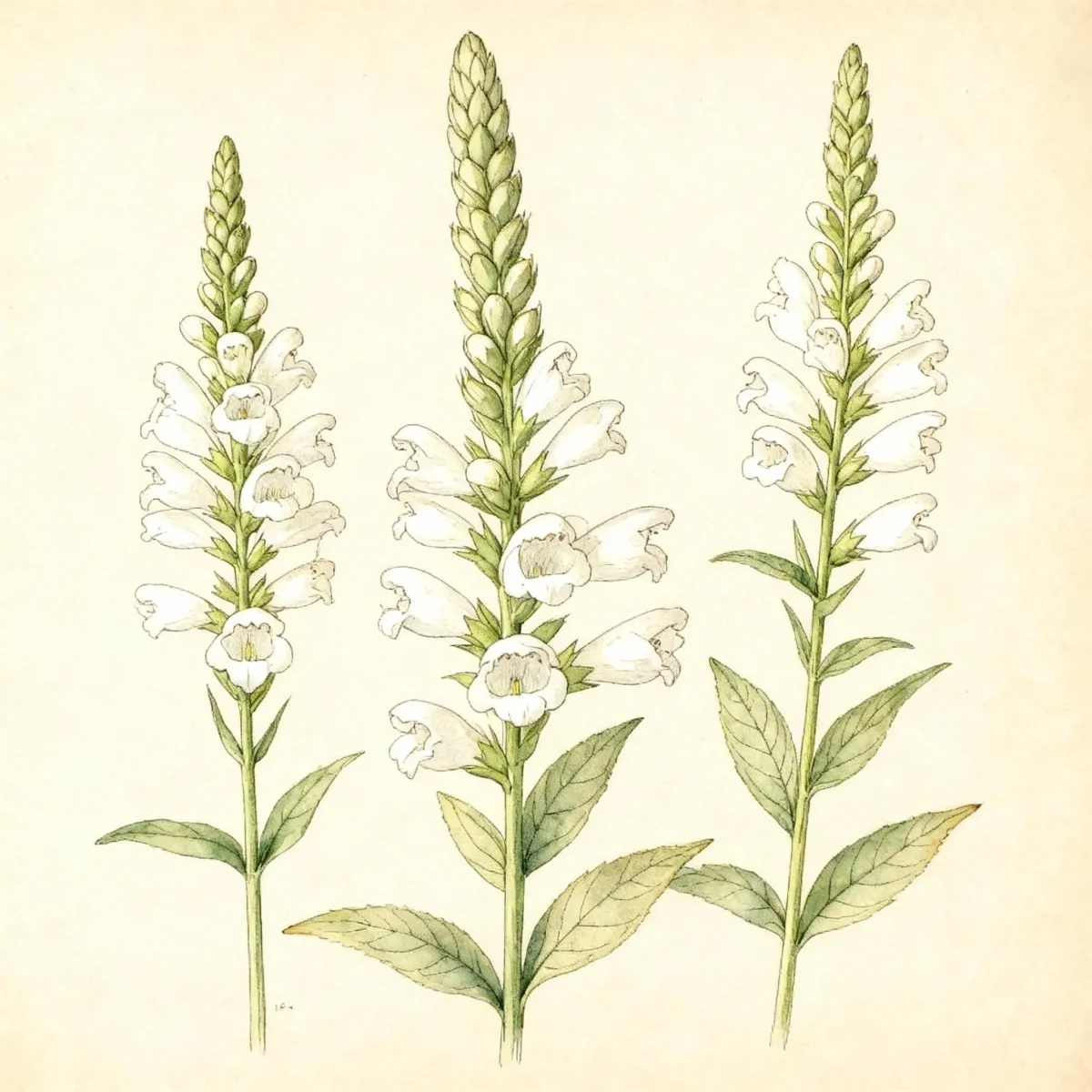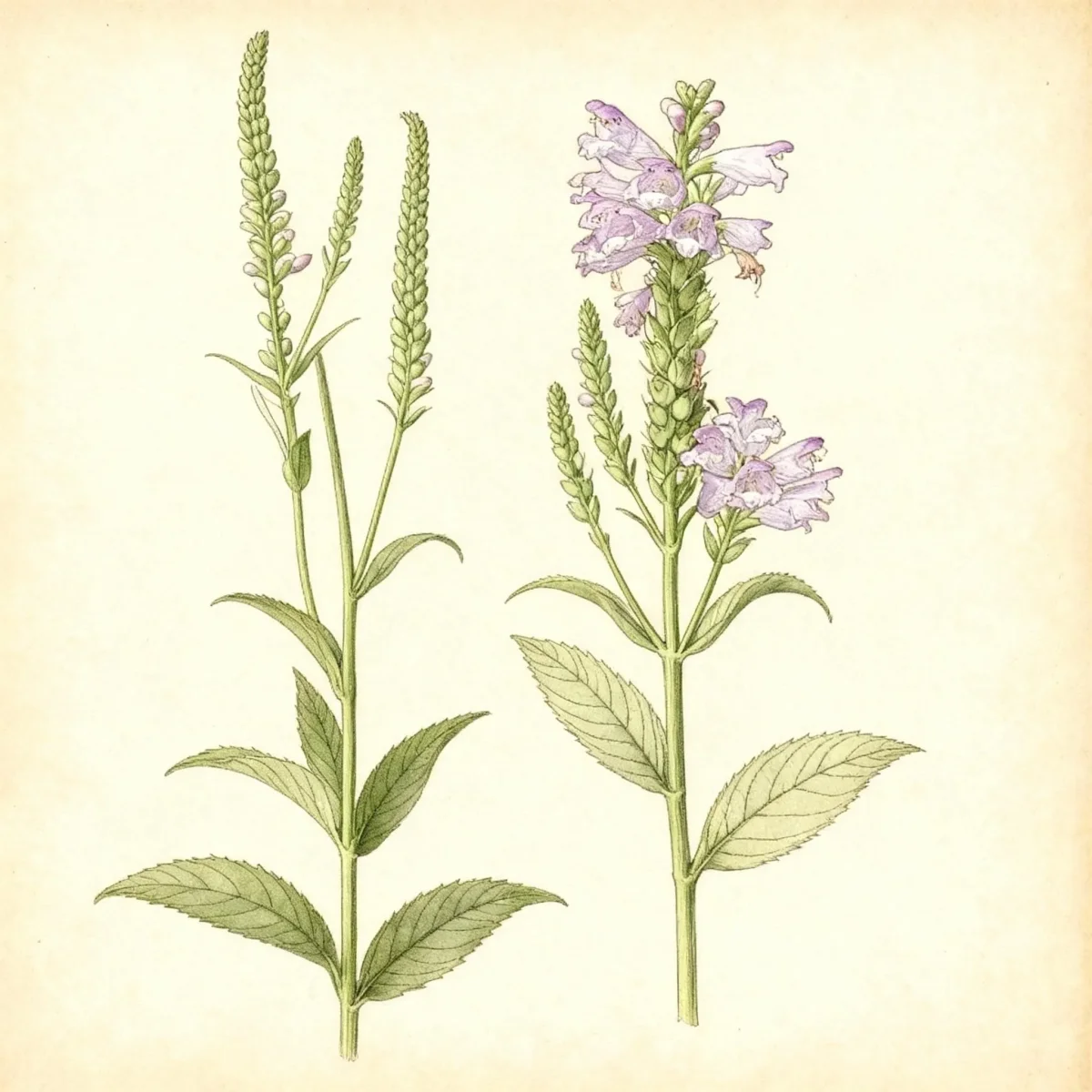

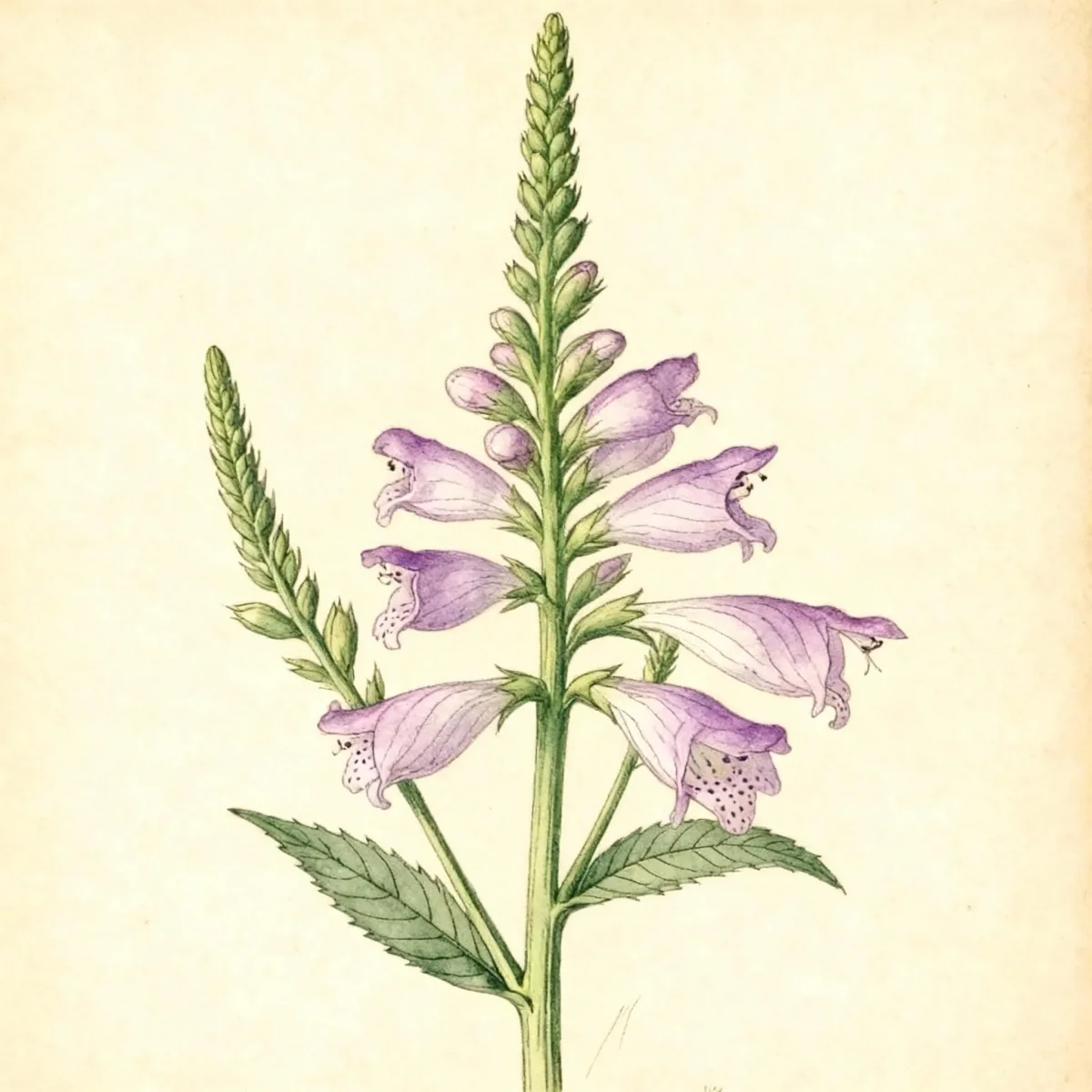
Obedient plant (Physostegia virginiana)
Showy pink to white summer blooms define Physostegia virginiana, the Obedient plant. This upright perennial thrives in moist soil.
Bloom Boldly, No Matter the Season - Sweatshirt
Cozy organic cotton sweatshirt featuring our exclusive Purple Coneflower design. Perfect for gardeners who bloom year-round.
Inspired by the beautiful Obedient plant
Limited first batch (50) — join the waitlist for early access
Waitlist closes Feb 15, 2026.
Complete Plant Information
Field Guide Continues
Ready for care notes, companion picks, and planting tips?
The map is just the start. The full guide below covers growth habits, seasonal performance, and landscape uses.
Overview
The Obedient plant, known scientifically as Physostegia virginiana, is a highly valued North American native prized for its late-season vertical interest. Its unique tubular flowers earn it the common name because they remain in position when pushed, lending a whimsical touch to summer borders. This rhizomatous perennial provides reliable color from mid-summer well into autumn when many other bloomers are fading.
Physostegia virginiana provides excellent structure in the garden, typically reaching three to four feet tall atop sturdy, square stems. While it prefers full sun, it exhibits good adaptability, tolerating some part shade and wet soils typical of its native meadow habitats. Gardeners appreciate the vivid pink or white blooms that attract beneficial insects, making the Obedient plant a functional and aesthetic choice.
A key consideration for growing Physostegia virginiana is its spreading habit; gardeners must plan for its robust growth via rhizomes, ensuring it has space to naturalize without overwhelming neighbors. Despite this tendency, it rewards attentive care with reliable upright spikes of color throughout the hottest months of the season.
Fast Facts
- Plant Family: Lamiaceae
- Plant Type: Herbaceous perennial
- Native Range: North America
- Hardiness Zones: USDA Zones 3-9
- Size at Maturity:
- Height: 3-4 ft
- Spread: 2-3 ft
- Bloom Time: June to September
- Bloom Description: Pink, white
- Sun Exposure: Full sun
- Water Needs: Medium
- Maintenance Level: Medium
How to Grow
For best results, plant your Obedient plant (Physostegia virginiana) in the spring or fall into average, moist, acidic, and well-drained soil. While it thrives in full sun, locating it where it receives afternoon shade in very hot climates can prevent potential flopping. Be mindful that rich soils can encourage excessive vegetative growth, leading to weak stems that require structural support.
Watering should be consistent, aiming for medium moisture levels, especially during dry spells, as this species enjoys damp conditions. Fertilizing is generally unnecessary; in fact, too much nitrogen will exacerbate stem weakness. Taller specimens, particularly those in sheltered locations, often benefit from staking early in the season to maintain a neat appearance.
Routine maintenance involves deadheading spent flower spikes to manage self-seeding and encourage a cleaner look post-bloom. In late winter or very early spring, cut back the old, dead foliage leading into the new growing season. Ensure adequate air circulation by planting with space, as humidity can sometimes encourage fungal issues.
Landscape Uses
The upright carriage of Physostegia virginiana makes it an excellent plant for adding vertical accents to perennial borders, especially when paired with lower-growing foliage plants. Its ability to tolerate wet conditions makes it an ideal candidate for rain gardens, stream banks, or boggy areas where consistent moisture is assured. Furthermore, this native perennial excels when used to naturalize large areas, creating drifts of color reminiscent of its native prairies and meadows.
Consider planting Obedient plant alongside complementary moisture-loving species such as astilbe, globe flower (Trollius), or Joe-Pye weed. For cottage gardens, its structure blends well with rambling roses or Shasta daisies, providing necessary height. Because the blooms are showy and robust, the Obedient plant also harvests exceptionally well, providing long-lasting cut flowers for indoor arrangements.
Standout Features
Flower Qualities
- Showy
- Good Cut
Noteworthy Characteristics
Physostegia virginiana, commonly called obedient plant or false dragonhead, is a rhizomatous perennial that is native to North America from Quebec to Manitoba south to Florida and New Mexico. Tubular, two-lipped, snapdragon-like, pink to pale lilac flowers in upright terminal spikes (each to 12-18”) bloom throughout summer (late June-September) atop square stems rising to 2-4’ tall. Genus members are commonly called obedient plants because each individual flower will, upon being pushed in any one direction, temporarily remain in the new position as if it were hinged.
Tolerances
- Deer
- Clay Soil
Potential Problems
Rust is an occasional, though manageable, problem for the Obedient plant. To mitigate fungal diseases like rust, ensure proper spacing for good airflow and avoid overhead watering late in the day. Watch actively for common pests such as aphids and spider mites, treating minor infestations with blasts of water or insecticidal soap as needed. Gardeners must also control the spread of the species plant; it can be an aggressive spreader through both rhizomes and prolific self-seeding, requiring periodic division or root pruning.
Frequently Asked Questions
What hardiness zones is Obedient plant suitable for?
The Obedient plant, Physostegia virginiana, is adaptable across USDA Zones 3 through 9.
How large does Obedient plant grow?
When mature, this perennial typically reaches a height between 3 and 4 feet, with a spread of 2 to 3 feet.
When does Obedient plant bloom?
Physostegia virginiana provides reliable color from June through September, featuring pink and white blossoms.
What sun exposure does Obedient plant need?
For the most robust growth and best bloom production, the Obedient plant thrives best in full sun conditions.
Conclusion
The inclusion of Obedient plant (Physostegia virginiana) in your garden ensures late-season vertical interest alongside dependable tolerance for varied conditions, including wet spots and deer pressure. While managing its vigorous spreading nature is key, the unique charm of this native perennial makes it a garden staple. Check your local USDA zone compatibility and plan your planting time this spring to enjoy the flowers of Physostegia virginiana next summer.
Wildlife Benefits
The tubular shape of the Obedient plant flowers is perfectly adapted for pollination by long-tongued native bees and hummingbirds, providing a crucial late-summer nectar source. Because the flowers bloom progressively from the bottom upward on the terminal spikes, they offer a longer feeding station compared to single-flush bloomers. Plant Physostegia virginiana in mass planting areas near your borders to create an attractive pollinator buffet throughout late summer and early fall.
Propagation Tips
The most common and effective way to propagate Physostegia virginiana is through vegetative division. Since this herbaceous perennial spreads via rhizomes, divide large clumps in early spring just as new growth begins to emerge. Dig up the entire clump, carefully separate sections ensuring each has healthy roots and several growth points, and replant immediately into prepared, moist soil. Division is also recommended every few years to maintain vigor and control its spread.