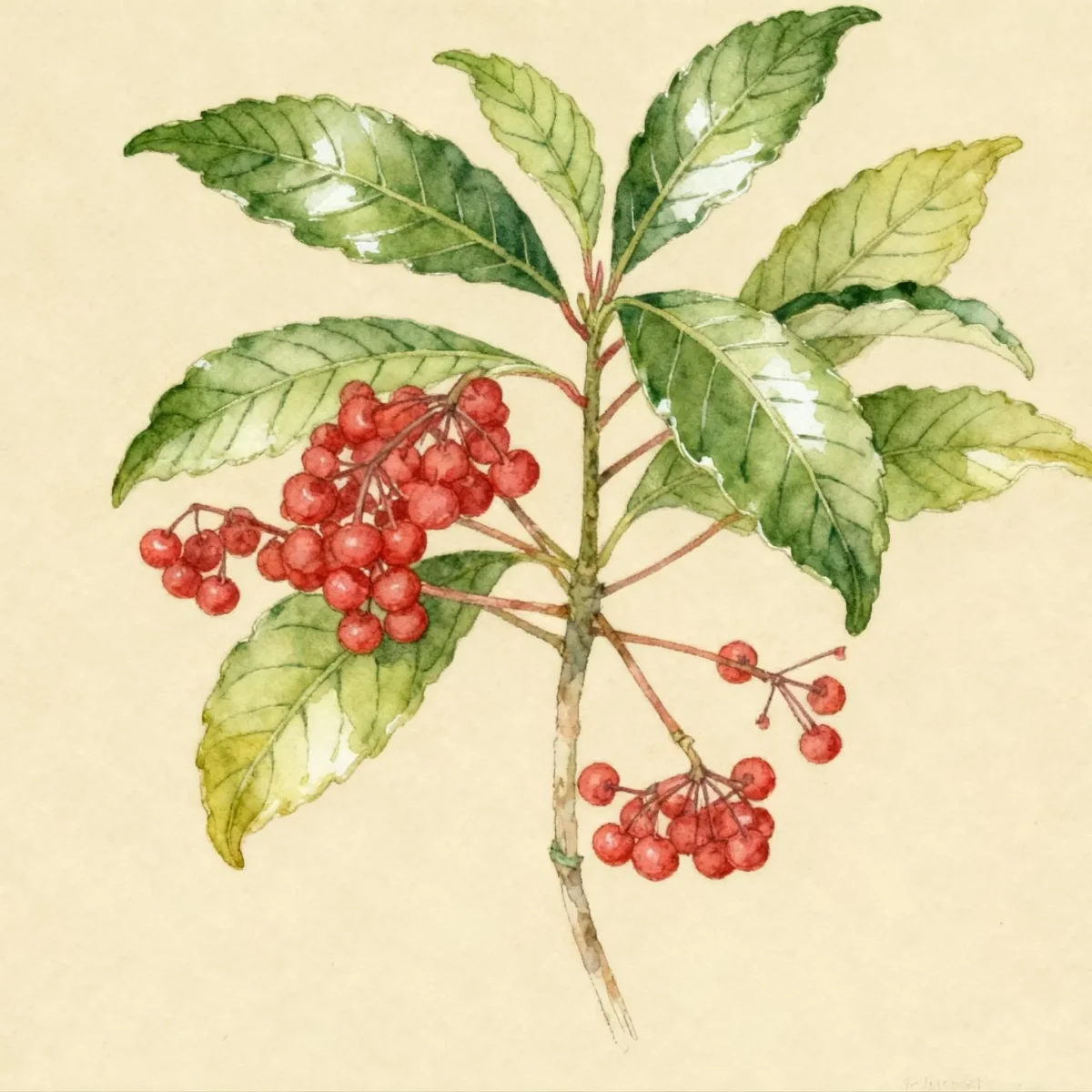
Hen's eyes (Ardisia crenata)
Ardisia crenata, or Hen's eyes, is a striking broadleaf evergreen known for glossy foliage and persistent coral berries. Hardy in Zones 8-10.

Bloom Boldly, No Matter the Season - Sweatshirt
Cozy organic cotton sweatshirt featuring our exclusive Purple Coneflower design. Perfect for gardeners who bloom year-round.
Inspired by the beautiful Hen's eyes
Limited first batch (50) — join the waitlist for early access
Waitlist closes Feb 15, 2026.
Complete Plant Information
Field Guide Continues
Ready for care notes, companion picks, and planting tips?
The map is just the start. The full guide below covers growth habits, seasonal performance, and landscape uses.
Overview
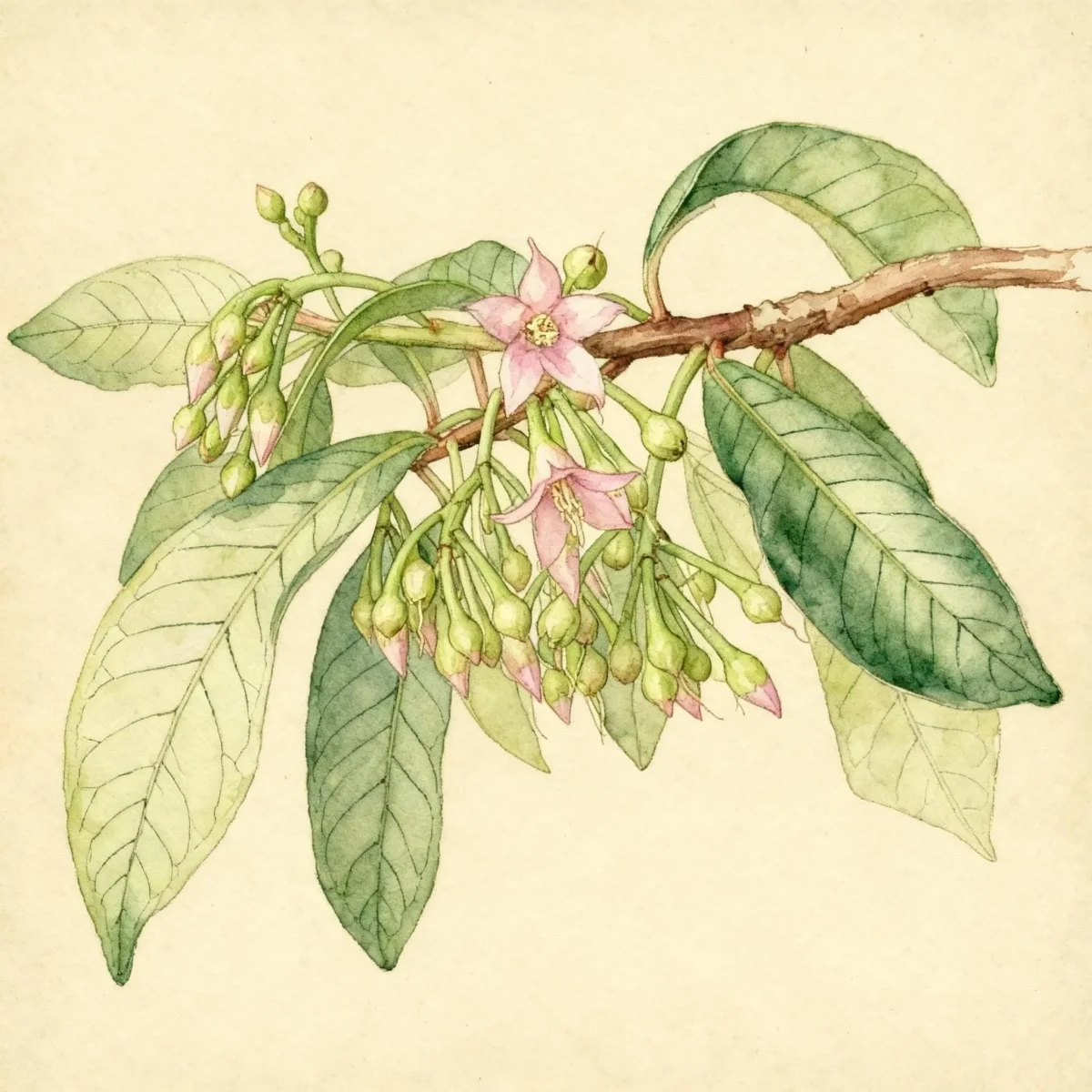
Ardisia crenata, readily recognized by its common name Hen’s eyes, is a striking broadleaf evergreen prized for its year-round visual interest. This compact shrub offers glossy, dark green foliage that contrasts beautifully with its long-lasting, bright coral-red fruits, which give it its other popular moniker, Coralberry. Native to the forest understories of East Asia, Ardisia crenata thrives in shadier conditions where many other ornamentals struggle.
Cultivation of Hen’s eyes generally requires consistent moisture and protection from intense afternoon sun to maintain its pristine look. Its dense structure and ability to reach maturity around 4 to 5 feet tall and wide make it an excellent structural element in shaded landscapes. While visually appealing, gardeners must be aware that Ardisia crenata self-seeds profusely and can display invasive tendencies in suitable warm, moist climates.
The persistent, shiny berries are the defining feature, often remaining on the branches well into the next blooming season, providing continuous color when the small pinkish-white flowers are absent. When selecting a location, prioritize organically rich soils and consistent moisture to ensure the best performance from your Ardisia crenata.
Fast Facts
- Plant Family: Primulaceae
- Plant Type: Broadleaf evergreen
- Native Range: Japan to Northern India
- Hardiness Zones: USDA Zones 8-10
- Size at Maturity:
- Height: 4-5 ft
- Spread: 4-5 ft
- Bloom Time: May to June
- Bloom Description: Pinkish-white
- Sun Exposure: Part shade to full shade
- Water Needs: Medium
- Maintenance Level: Medium
How to Grow
For optimal growth, plant Ardisia crenata in the spring or fall when temperatures are moderate. Select a location that offers part shade to full shade, replicating its native woodland environment; foliage is susceptible to burning in direct, intense sun. The soil preference is critical: aim for average, acidic, moist but well-drained conditions, enriched organically. Avoid areas where the soil remains perpetually waterlogged, as this stresses the roots of Hen’s eyes.
Water needs are categorized as medium, meaning the soil should be kept consistently moist, especially when plants are young. Once established, Ardisia crenata demonstrates some tolerance to drought conditions, but regular supplemental watering during dry spells ensures healthy foliage and good fruit set. Fertilization should be light, as the plant prefers organically rich soils; use a balanced fertilizer sparingly if needed in early spring.
Maintenance is generally low once established, though occasional light pruning can manage size or remove any damaged leaves. Since Ardisia crenata self-seeds freely, management of seedlings is often part of the annual upkeep, especially if you are concerned about its potentially weedy spread. In colder fringes of its hardiness range (Zone 8), ensure adequate mulch protection through the winter months.
Landscape Uses
Hen’s eyes works exceptionally well when group planted to create a significant mass of evergreen structure in shade gardens or woodland settings. Its deep green leaves and persistent coral berries make it an excellent choice for shrub borders where consistent, low-maintenance texture is needed throughout the year. Where local regulations permit its planting, Ardisia crenata brings vibrant winter color to dark corners of the landscape.
This plant pairs beautifully with other shade-loving companions such as hostas, ferns, and camellias, providing a textural counterpoint. For a dramatic woodland effect, consider placing it beneath taller, open-canopy trees where dappled light mimics its natural habitat. Gardeners in cooler climates who admire the decorative fruit of the Ardisia crenata often utilize it successfully as an elegant container plant, bringing the display indoors before the first hard frost.
Standout Features
Flower Qualities
- Showy
Fruit Qualities
- Showy
Noteworthy Characteristics
Ardisia crenata, commonly known as coralberry, is a compact evergreen shrub that is native to forest understories from Japan to Southeast Asia and northern India. It typically grows to 4-5’ tall and as wide, featuring alternate, glossy, dark green leaves with distinctively crenate margins. Flowers bloom in late spring to early summer, followed by shiny, coral to scarlet red fruits that often persist throughout the winter, making Hen’s eyes highly decorative. The genus name references pointed anthers, while the specific epithet describes the rounded teeth on the leaf margins.
Tolerances
- Drought
Potential Problems
This handsome evergreen generally suffers from no serious insect or disease problems, making it relatively easy to manage in terms of pest control. The primary concern with Ardisia crenata relates to its aggressive reproductive habits. This plant is listed as invasive in certain subtropical and tropical regions, including parts of the southern United States, southern Africa, and Oceania. Gardeners must consult local agricultural extension guidelines to ensure compliance with regional regulations before incorporating Hen’s eyes into their outdoor landscapes.
Frequently Asked Questions
What hardiness zones is Hen’s eyes suitable for?
Ardisia crenata is winter hardy in USDA Zones 8 through 10.
How large does Hen’s eyes grow?
This shrub typically matures to a height and spread between 4 and 5 feet.
What sun exposure does Ardisia crenata need?
Ardisia crenata thrives best in part shade to full shade; bright, direct sun can cause the foliage to burn.
When does Ardisia crenata bloom?
The plant produces small, pinkish-white flowers generally from May into June.
Conclusion
The year-round appeal offered by Hen’s eyes, stemming from its glossy evergreen foliage and brilliant, persistent red fruit, makes Ardisia crenata a standout specimen for shaded areas. Its medium maintenance requirements and tolerance for drier conditions add to its practicality for many gardeners. Before planting, always verify that this beautiful shrub is appropriate for your local ecosystem to manage potential spread responsibly.
Companion Planting for Shade Gardens
When incorporating Hen’s eyes into a landscape design, pairing it with companions that share similar cultural needs for part to full shade and medium moisture is crucial. Consider grouping Ardisia crenata with plants that offer contrasting leaf textures, such as the fine, airy fronds of Japanese Painted Ferns (Athyrium niponicum). Another excellent partner is the Heuchera (Coral Bells) group, whose varied leaf colors—purples, limes, and oranges—provide vibrant contrast to the deep green of the Ardisia.
For lower layers beneath the shrub, groundcovers that enjoy acidic, moist soil thrive. Japanese Woodland Phlox (Phlox stolonifera) offers beautiful spring bloom without competing heavily for root space. These companions help fill out the woodland floor, creating a layered, lush environment reminiscent of the native habitat of Ardisia crenata.
Seasonal Care Calendar
Caring for Hen’s eyes follows a predictable seasonal rhythm due to its evergreen nature. In early spring, before new growth begins, apply a light layer of organic mulch or compost to enhance the rich soil profile preferred by Ardisia crenata. Summer care focuses primarily on keeping the soil consistently moist, especially during heatwaves, understanding that established plants handle temporary dryness better than new plantings.
Fall is when the vibrant fruit display deepens, offering intense color leading into winter. In regions near the limit of its hardiness (Zone 8), protect the root zone with a thick layer of organic debris as temperatures drop. Rarely does significant pruning occur, but damaged or crossing branches can be removed in late winter immediately before the spring growth flush appears.