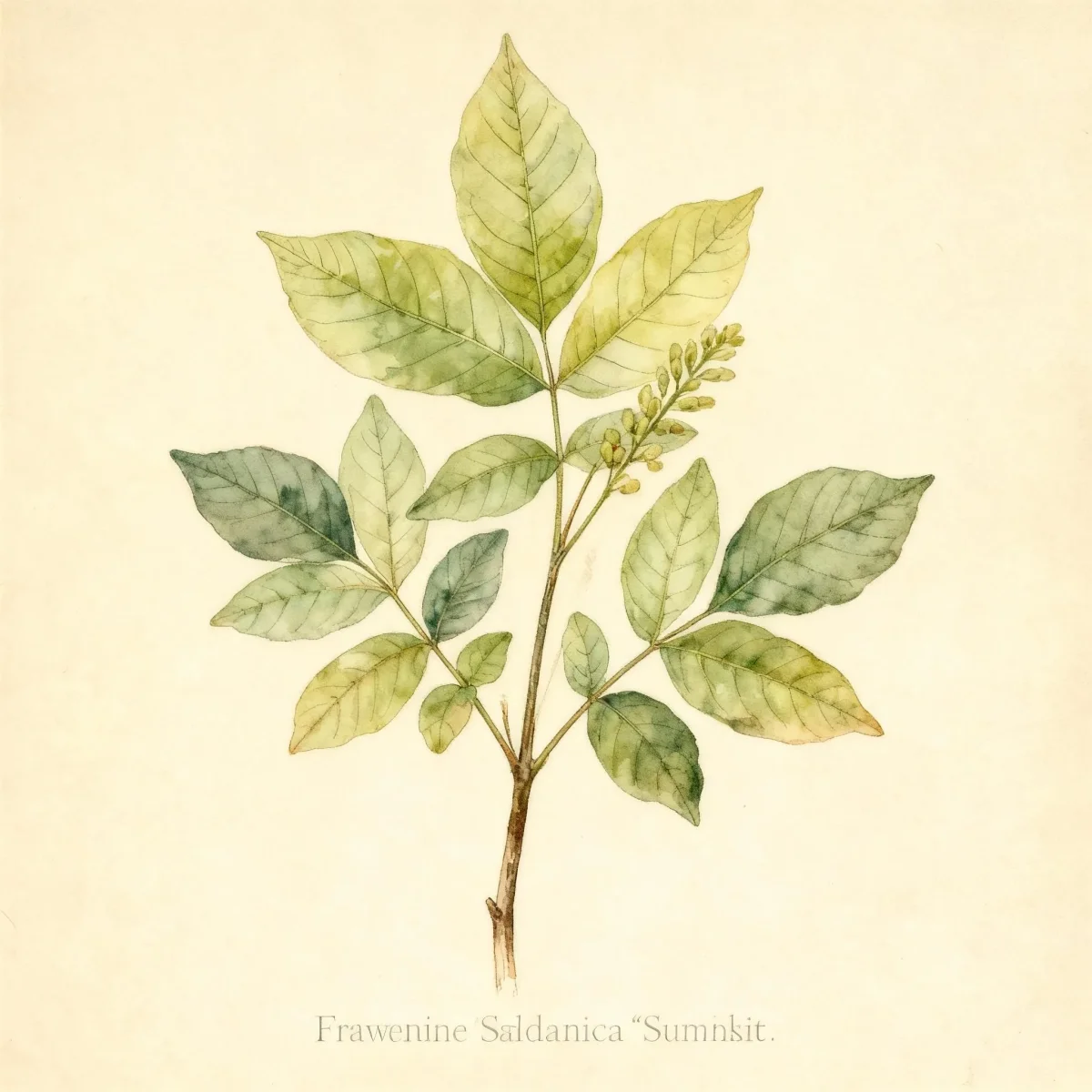
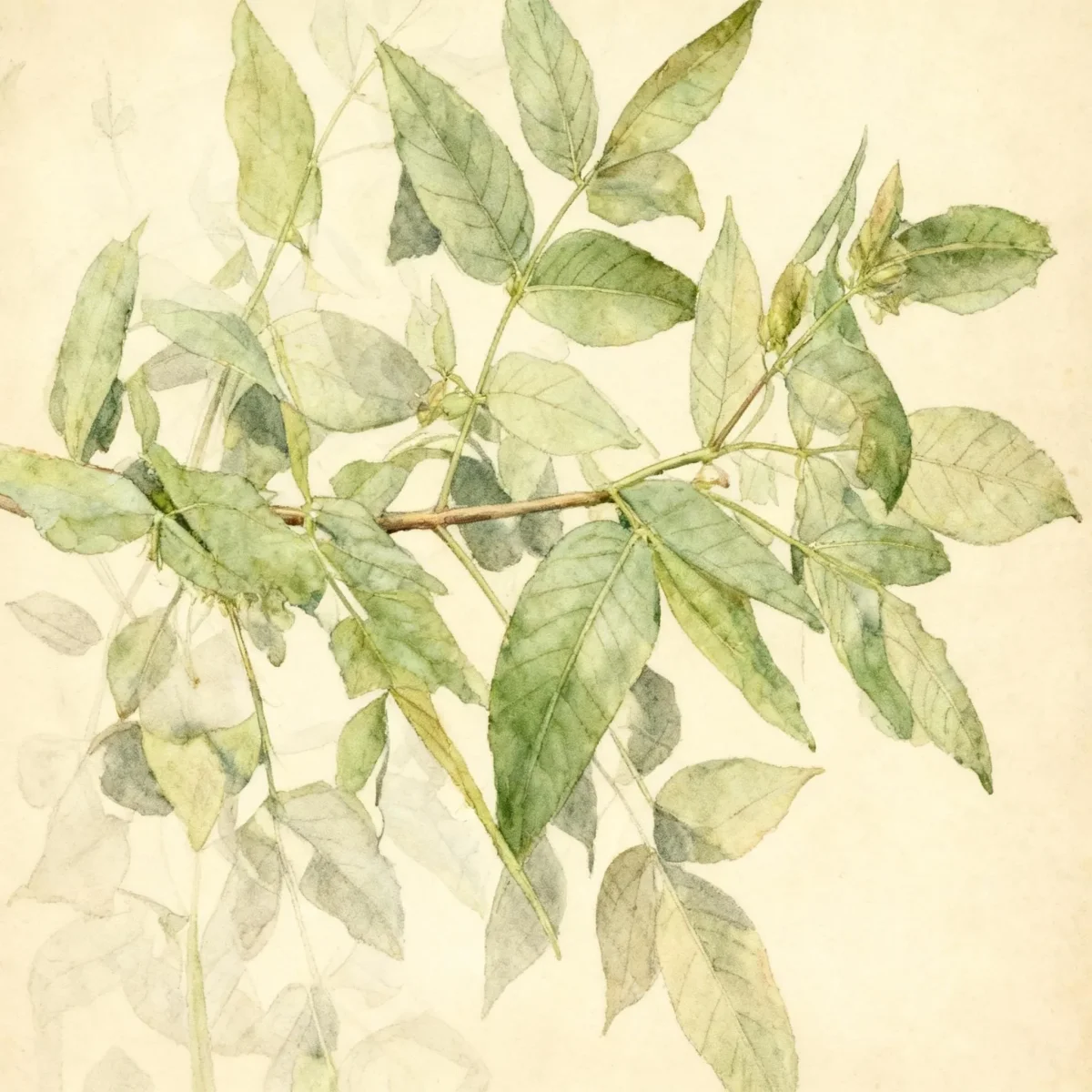
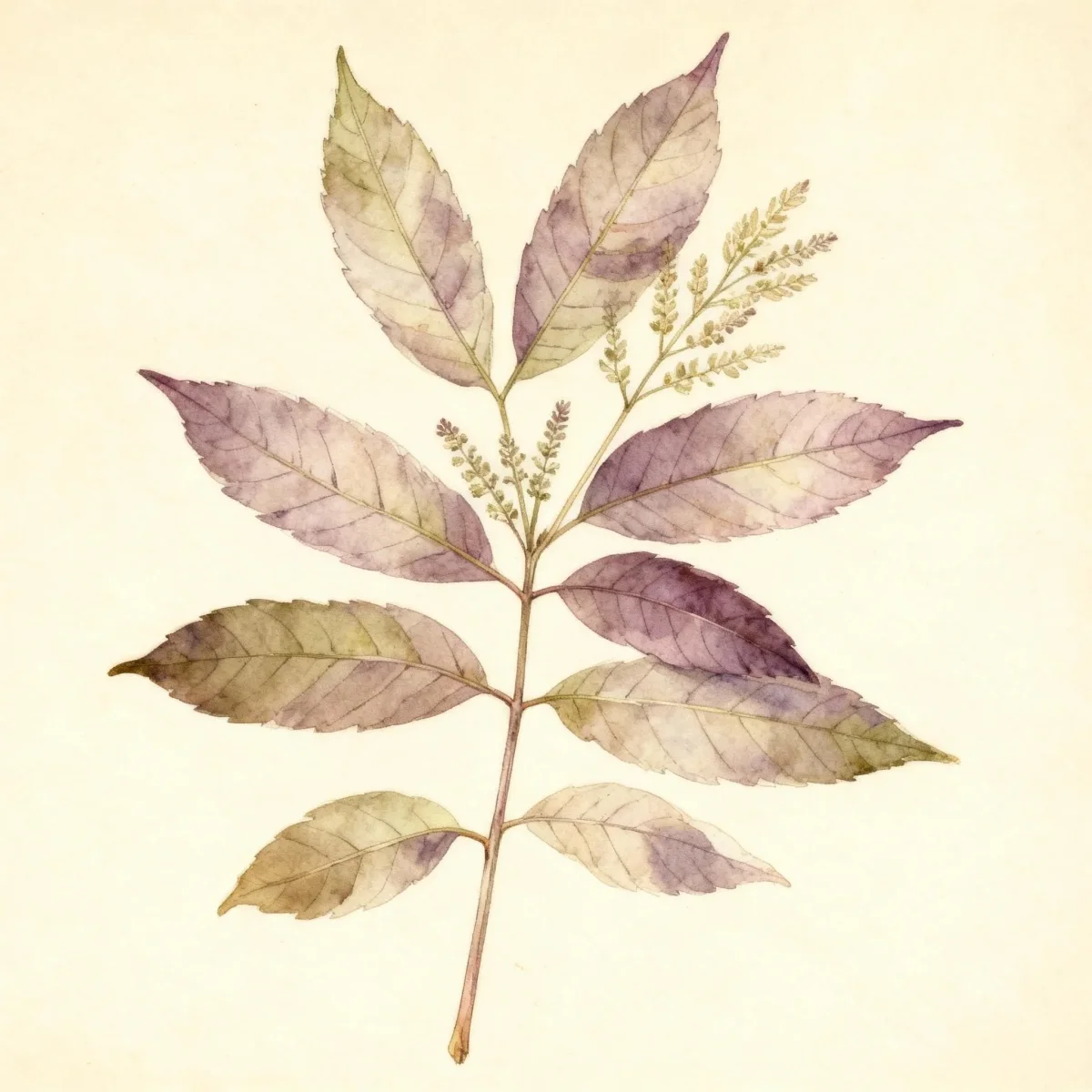
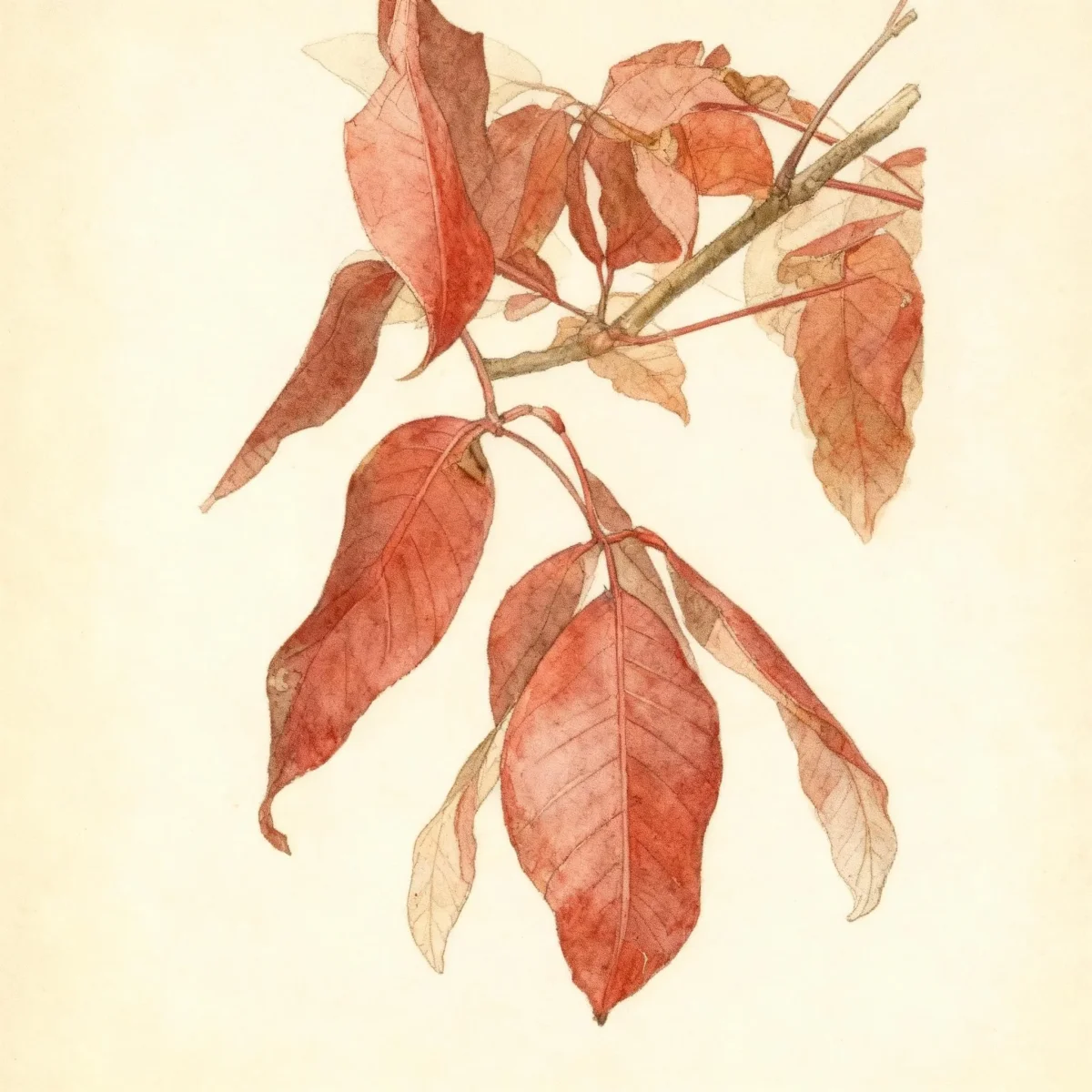
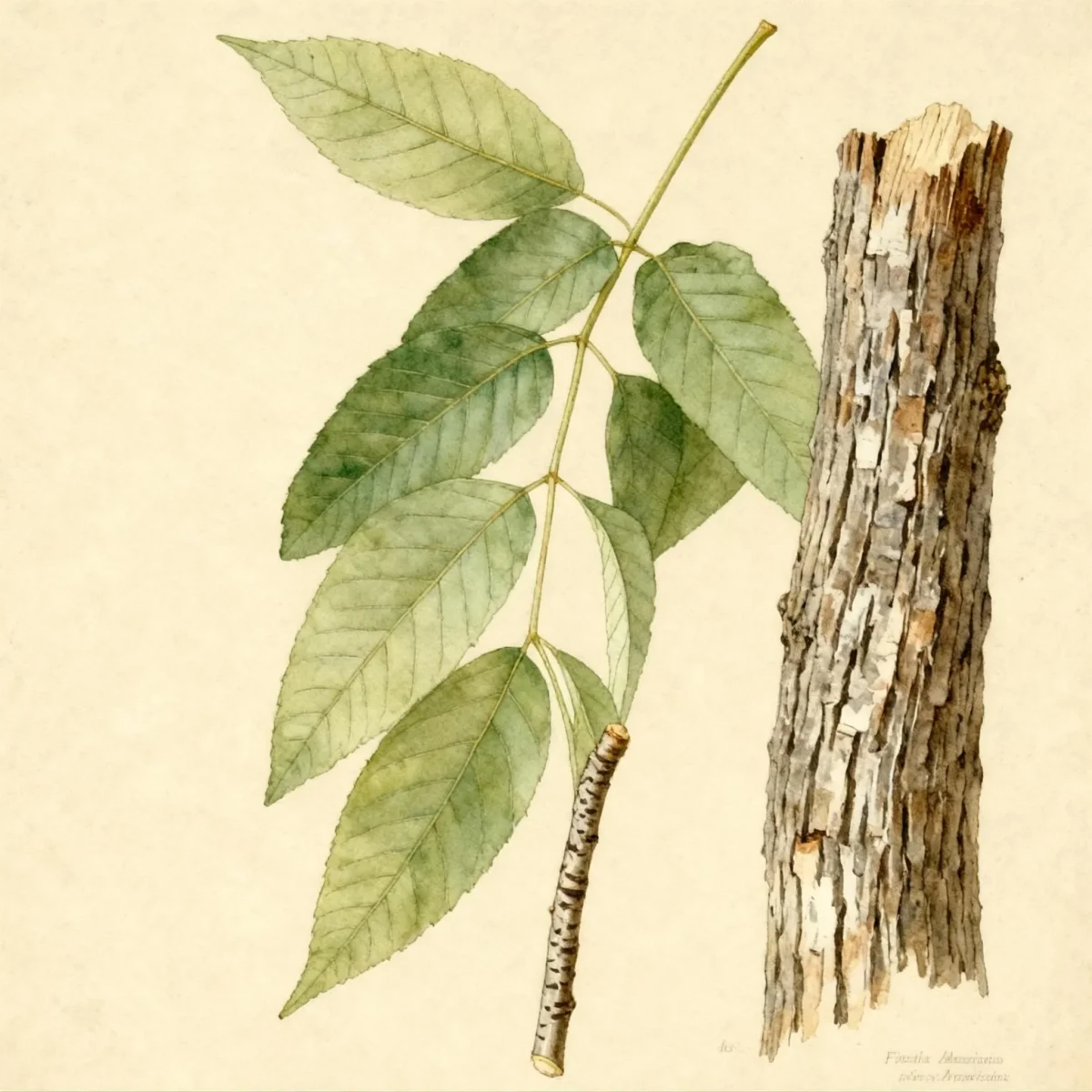
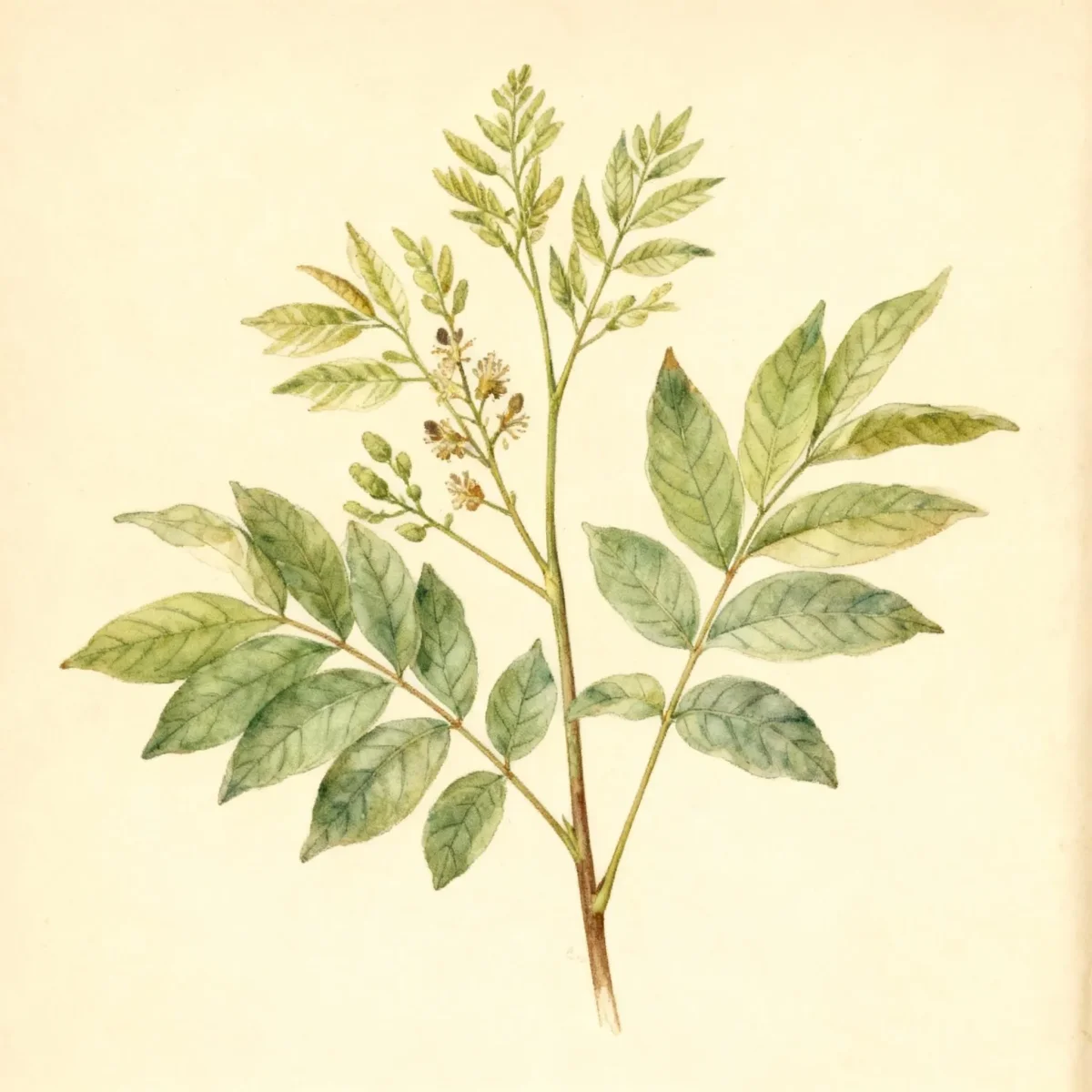
Green ash (Fraxinus pennsylvanica)
The incredibly adaptable Green ash (Fraxinus pennsylvanica) thrives in diverse conditions, offering excellent shade and structure.

Bloom Boldly, No Matter the Season - Sweatshirt
Cozy organic cotton sweatshirt featuring our exclusive Purple Coneflower design. Perfect for gardeners who bloom year-round.
Inspired by the beautiful Green ash
Limited first batch (50) — join the waitlist for early access
Waitlist closes Feb 15, 2026.
Complete Plant Information
Field Guide Continues
Ready for care notes, companion picks, and planting tips?
The map is just the start. The full guide below covers growth habits, seasonal performance, and landscape uses.
Overview
The Green ash, scientifically known as Fraxinus pennsylvanica, is distinguished by its remarkable adaptability, historically making it one of the most widely distributed native ash species in North America. It quickly establishes itself, providing dense canopy coverage, which has made it a staple tree for urban and woodland environments alike. While its utility is clear, prospective planters must recognize modern threats to this genus.
This medium-sized, deciduous tree typically reaches heights between 50 and 70 feet, forming a rounded but often irregular crown upon maturity. It features attractive odd-pinnate compound leaves that emerge in spring, followed by inconspicuous purplish flowers in April and May before the foliage is fully expanded. The durability of Fraxinus pennsylvanica once established is notable, allowing it to adapt to a vast range of soil compositions.
Aesthetically, the foliage provides consistent green coverage throughout the summer, often turning yellow in the fall, though fall color quality can vary significantly year to year. Historically valued for both its hardiness and its utility wood, the presence of the Green ash has long been a stabilizing feature in its native floodplains and low woods.
Fast Facts
- Plant Family: Oleaceae
- Plant Type: Tree
- Native Range: North America
- Hardiness Zones: USDA Zones 3-9
- Size at Maturity:
- Height: 50-70 ft
- Spread: 35-50 ft
- Bloom Time: April to May
- Bloom Description: Purple
- Sun Exposure: Full sun
- Water Needs: Medium
- Maintenance Level: Medium
How to Grow
Planting Fraxinus pennsylvanica is best done in the spring or fall when conditions are cool, ensuring the tree can establish its roots before facing summer heat or winter cold. Success relies on placing the tree in full sun, respecting its mature spread to avoid crowding future structures or other substantial plantings. While adaptable, it thrives best in average, medium-wet, well-drained soils and prefers consistently moist, humusy loams.
Watering the Green ash should be consistent, especially during establishment, reflecting its medium water needs. Once mature, established trees demonstrate tolerance for drier periods, but supplemental water during extended droughts benefits overall health. Fertilization is rarely necessary unless the soil is confirmed deficient, as mature trees are self-sufficient. Minimal pruning is generally required other than removing dead, damaged, or crossing branches to maintain structure.
Be aware that female Fraxinus pennsylvanica trees can produce heavy seed crops that may result in frequent self-seeding if you prefer a tidier landscape. Annual inspection helps monitor for early signs of stress or pests, which is crucial given the known susceptibility of this species to certain threats.
Landscape Uses
The traditional use for Green ash centered on its function as a superb shade tree, capable of quickly shading large areas with its substantial canopy, making it historically popular for street tree plantings and wide expanses. Before current pest limitations, its tolerance for air pollution and wet soils further cemented its role as a reliable urban anchor wherever full sun exposure was available.
Due to its impressive size and hardiness across USDA zones 3 through 9, it serves exceptionally well as a specimen tree in large yards or as part of a mixed border screen where height and density are desired. While planting new specimens is discouraged due to the emerald ash borer crisis, older, established plantings should be maintained for the benefits they currently provide, especially shade and shelter.
If integrating this tree into a design, consider companions that share similar moisture and sun requirements but are resistant to borers to create a balanced, resilient landscape palette around the established tree.
Standout Features
Noteworthy Characteristics
Fraxinus pennsylvanica, commonly called green ash, has the largest growing range of any of the native ashes, extending from Nova Scotia to Alberta south to Florida and Texas. This is a lowland species that is commonly found throughout the State of Missouri in low woods, floodplains and along streams, ponds and sloughs (Steyermark). It is a medium sized tree, typically growing 50-70’ tall, and its foliage turns yellow in fall, with the quality of the fall color often varying considerably from year to year.
Tolerances
- Deer
- Wet Soil
- Air Pollution
Potential Problems
The primary and most devastating concern for Green ash trees is the presence of the Emerald Ash Borer (EAB). This invasive beetle, native to Asia, spreads rapidly and typically ensures the death of the host tree within three to five years of infestation. Management of EAB once it has established itself beneath the bark is extremely difficult, making proactive monitoring essential for any existing Fraxinus pennsylvanica.
In addition to EAB, Green ash trees are susceptible to various other insect issues, including the lilac borer and various scale insects, potentially weakening the tree’s overall vigor. Disease pressure includes common fungal spots, rust, and cankers, alongside the development of ash yellows, all contributing to a general ash decline. Horticultural care should focus on maintaining tree health to enhance natural defenses.
Pruning or making large wounds should be avoided unless absolutely necessary, particularly during infestation periods, as brittle branches are prone to failure during high winds or ice storms. Landscape planning must prioritize non-ash alternatives moving forward.
Frequently Asked Questions
What hardiness zones is Green ash suitable for?
The Green ash (Fraxinus pennsylvanica) is quite versatile, suitable for cultivation across USDA Zones 3 through 9.
How large does Green ash grow?
This mature tree typically achieves a height between 50 and 70 feet, with a substantial spread ranging from 35 to 50 feet wide.
What sun exposure does Green ash need?
Fraxinus pennsylvanica requires full sun exposure to develop properly and maintain dense foliage.
When does Green ash bloom?
The tree produces its purplish flowers relatively early, blooming in April to May, often before the leaves are fully created.
Conclusion
The historical value of the Green ash lies in its exceptional toughness and capacity to provide large-scale shade across a vast northern range. While Fraxinus pennsylvanica remains the common name for this adaptable species, responsible modern gardening dictates checking local invasive pest advisory levels before planting. Always confirm local zone compatibility and consider the severe threat posed by the Emerald Ash Borer when planning any new landscape additions.
Companion Planting
When designing a landscape near an established Green ash specimen, selecting companions that thrive in similar high-moisture, full-sun environments without competing excessively for nutrients is ideal. Consider native grasses or moisture-loving shrubs positioned outside the immediate dripline of the ash. Plants that tolerate consistently moist soils, such as certain dogwoods (Cornus species) or marsh marigolds (Caltha), can provide excellent understory texture if light filtering allows.
Focusing on drought-tolerant or shade-tolerant plants further away from the trunk can create a layered effect that accommodates the potentially vast root system of a mature tree. Creating a visually interesting base layer ensures that garden appeal remains high, even as cultural needs diverge away from the medium water requirement of the mature Fraxinus pennsylvanica.
Seasonal Care Calendar
Spring is the critical time for inspection; look for tiny holes or sawdust (frass) indicating EAB activity, and conduct essential cleanup of winter debris. Foliage emerges in late spring, signaling the start of the optimal window for watering deeply if spring rain has been insufficient, encouraging robust summer growth.
Summer maintenance for the Green ash focuses mainly on deep, infrequent watering to support its root system, especially in newly planted specimens or during severe drought periods. Avoid high-nitrogen fertilization during the peak heat months, as this can encourage tender growth vulnerable to stress.
Fall care involves allowing the foliage to drop naturally; rake leaves to prevent them from smothering turf or compacting overly wet soil around the base of the tree. Winter preparation is minimal for this hardy deciduous tree, though young trees may benefit from trunk protection against sun scald or small animal gnawing in very rural areas.