Manchurian ash (Fraxinus mandshurica)
Discover Manchurian ash (Fraxinus mandshurica), a deciduous tree thriving in Zones 3-6 with drought tolerance and attractive yellow fall color.

Bloom Boldly, No Matter the Season - Sweatshirt
Cozy organic cotton sweatshirt featuring our exclusive Purple Coneflower design. Perfect for gardeners who bloom year-round.
Inspired by the beautiful Manchurian ash
Limited first batch (50) — join the waitlist for early access
Waitlist closes Feb 15, 2026.
Complete Plant Information
Field Guide Continues
Ready for care notes, companion picks, and planting tips?
The map is just the start. The full guide below covers growth habits, seasonal performance, and landscape uses.
Overview
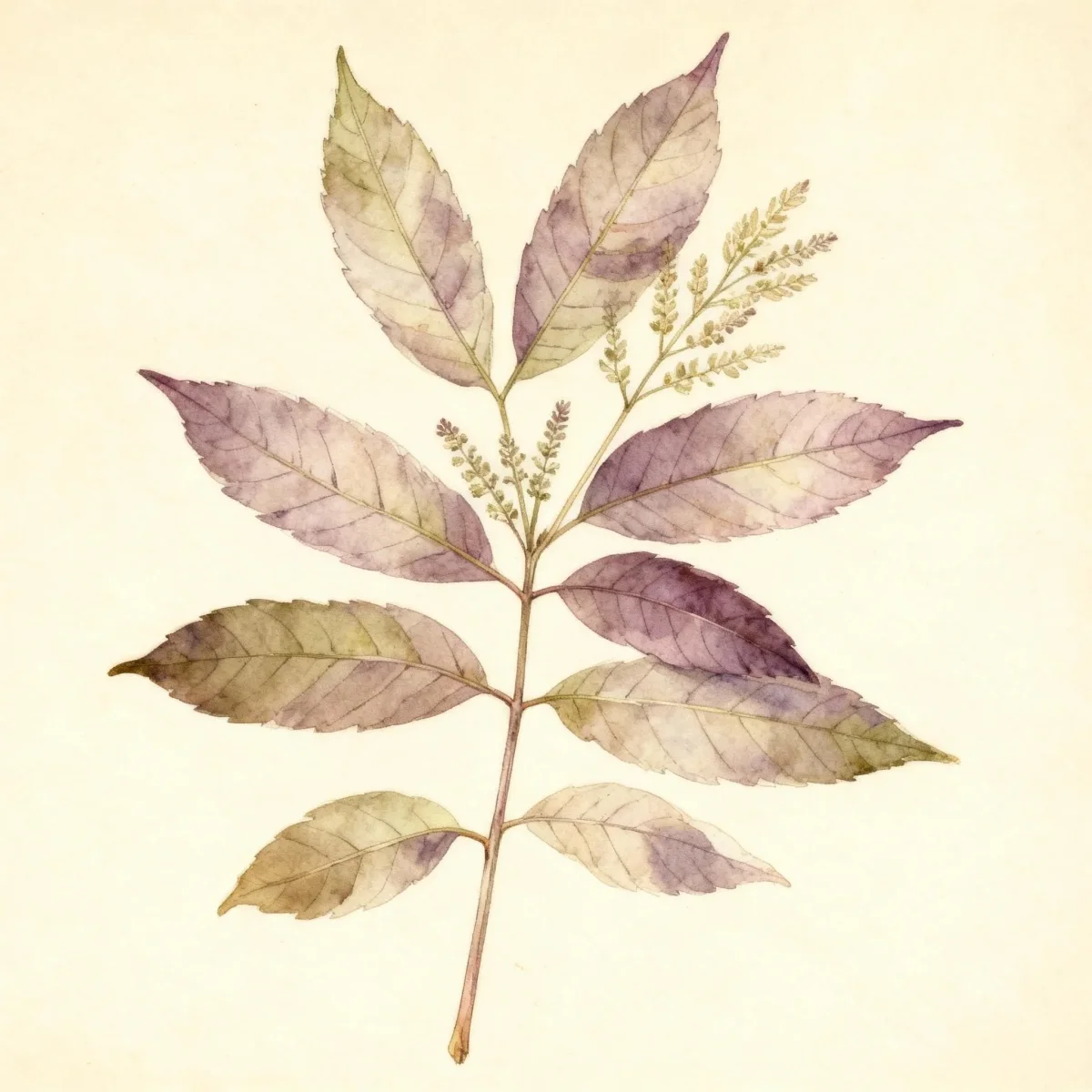
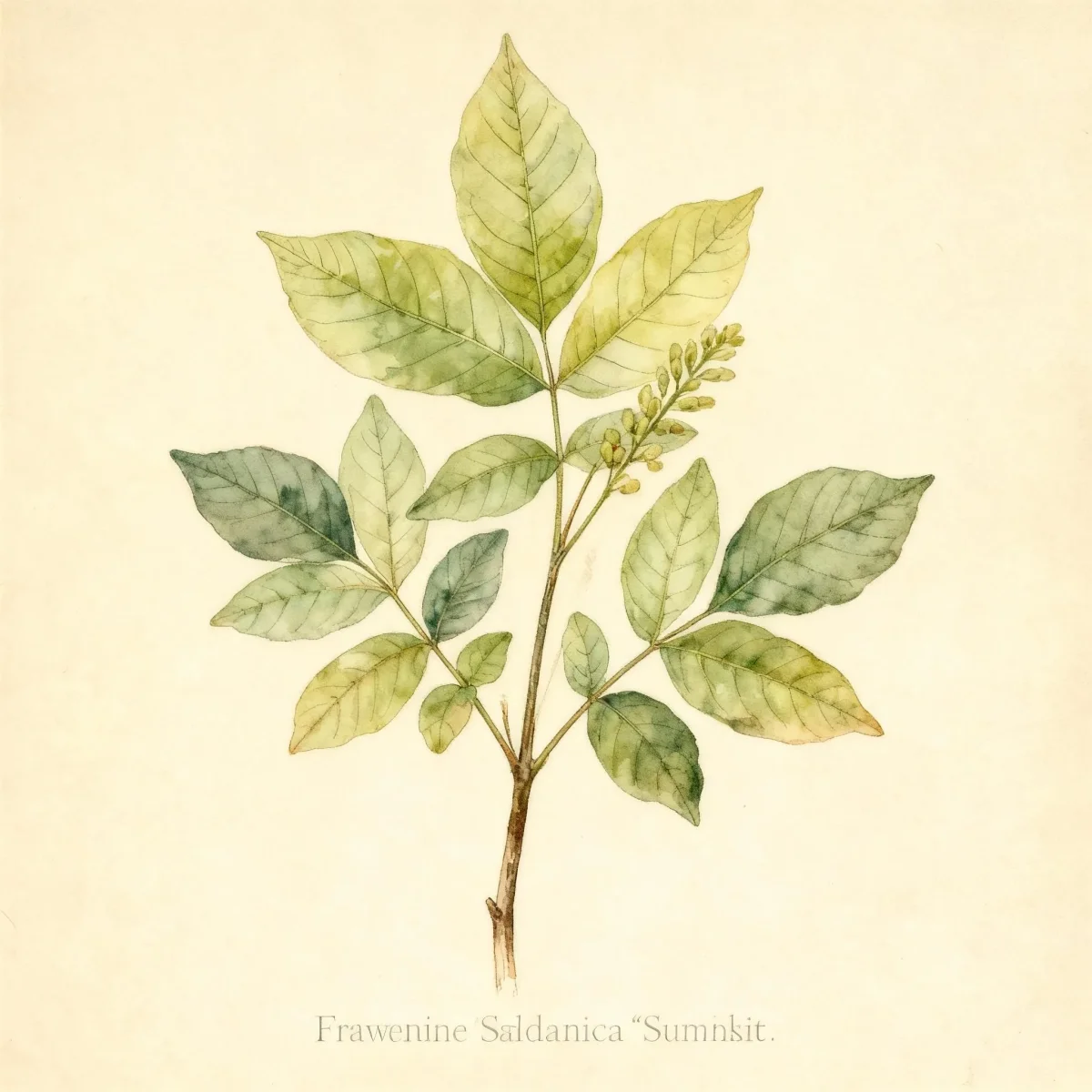
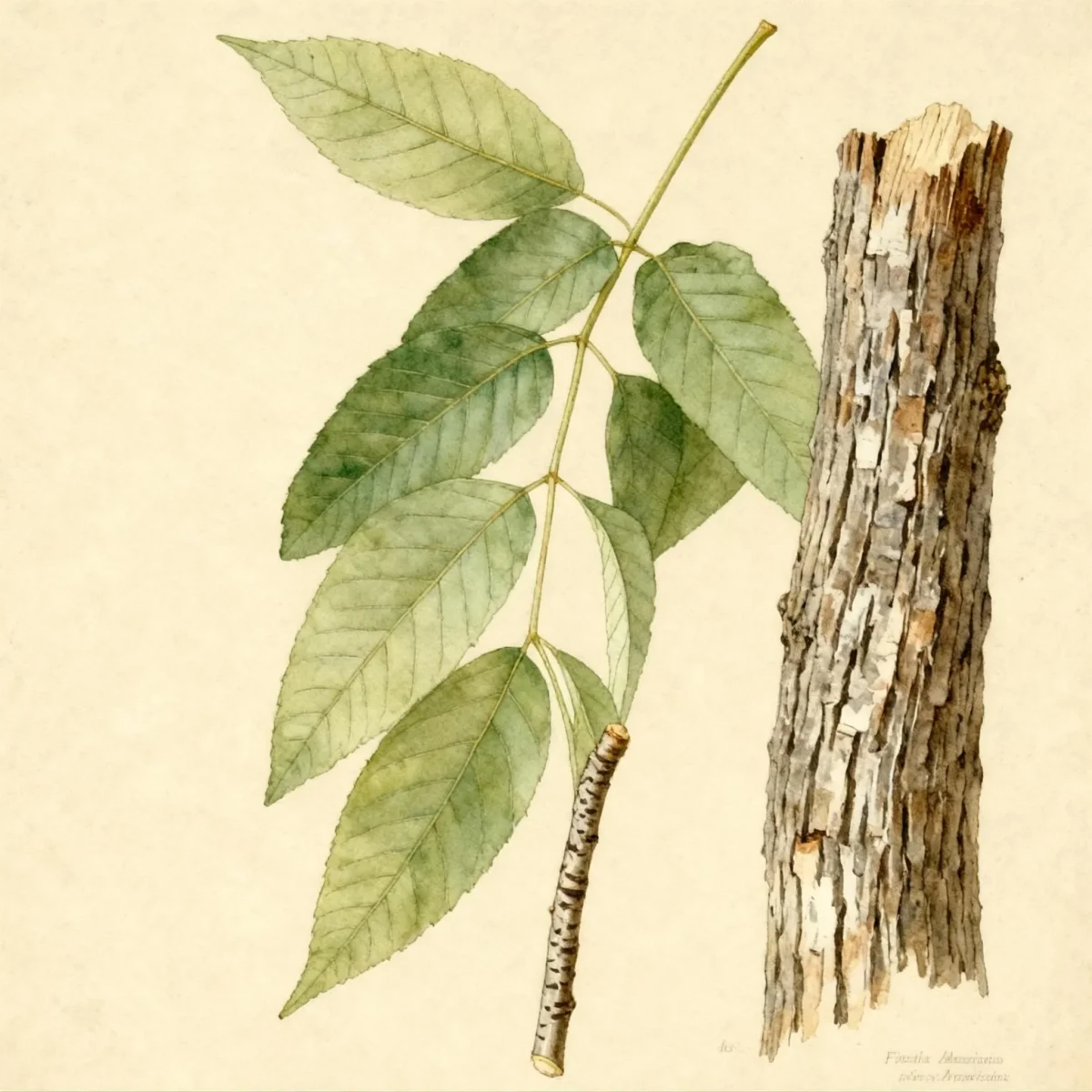
The Manchurian ash (Fraxinus mandshurica) is a robust, medium-to-large deciduous tree native to the wooded slopes and open valleys of Northeast Asia and Japan. Valued for its dense, oval crown and adaptation to harsher conditions, this ash offers dependable structure in the landscape. Its distinctive pinnate compound leaves provide excellent shade during the summer, culminating in attractive yellow fall coloration.
This particular species, Fraxinus mandshurica, is known for its adaptability, handling both clay soils and periods of drought once established. It performs best when situated in full sun, though it can tolerate light shade. Gardeners establishing this tree benefit from understanding its specific cultural requirements to ensure long-term health.
While historically planted in North America, current recommendations caution against widespread planting of Manchurian ash due to severe threats from invasive pests. Nevertheless, understanding its characteristics is vital for managing existing specimens and appreciating this resilient species of Fraxinus mandshurica.
Fast Facts
- Plant Family: Oleaceae
- Plant Type: Tree
- Native Range: Eastern Asia
- Hardiness Zones: USDA Zones 3-6
- Size at Maturity:
- Height: 40-50 ft
- Spread: 20-25 ft
- Bloom Time: April
- Bloom Description: Greenish-yellow
- Sun Exposure: Full sun
- Water Needs: Medium
- Maintenance Level: Medium
How to Grow
Planting the Manchurian ash should be timed for early spring or late fall when the tree is dormant, allowing it to establish roots before extreme summer heat or winter freezes. Choose a location that provides full sun exposure for the best performance, although light shade is tolerated. Fraxinus mandshurica thrives in consistently moist, well-drained loams, which can be clay or sandy in composition. Ensure the planting site allows for its mature spread of up to 25 feet.
Watering needs are classified as medium; maintain consistent moisture during the establishment period, but note that mature plants adapt surprisingly well to dry soil conditions once fully rooted. Avoid planting where moisture collects, despite its tolerance for clay soil, as consistent waterlogging is detrimental. Pruning is generally minimal, focusing on removing crossing or dead branches during dormancy to maintain the tree’s oval form.
Due to its northern origins, Manchurian ash performs poorly in climates south of USDA Zone 6. Gardeners in colder regions should ensure proper mulch application around the base in late fall to protect shallow roots from severe freeze-thaw cycles common in Zones 3 and 4.
Landscape Uses
Although Manchurian ash has been uncommonly planted in many parts of North America in the past, planting new established stock is no longer recommended due to the imminent threat posed by the emerald ash borer. For existing trees, however, their large size and dense crown make them suitable as specimen trees in large open park settings or as street shade trees in wide boulevards where overhead utility lines are not an issue.
When considered for historical or specialized collections, the attractive yellow provided by Fraxinus mandshurica in autumn offers a strong contrast to later-turning deciduous trees like maples or oaks. Pair this tree with hardy, deep-rooted understory shrubs that appreciate similar soil pH, avoiding shallow-rooted companion plants that would compete aggressively for surface moisture.
Standout Features
Flower Qualities
- Non-showy
Noteworthy Characteristics
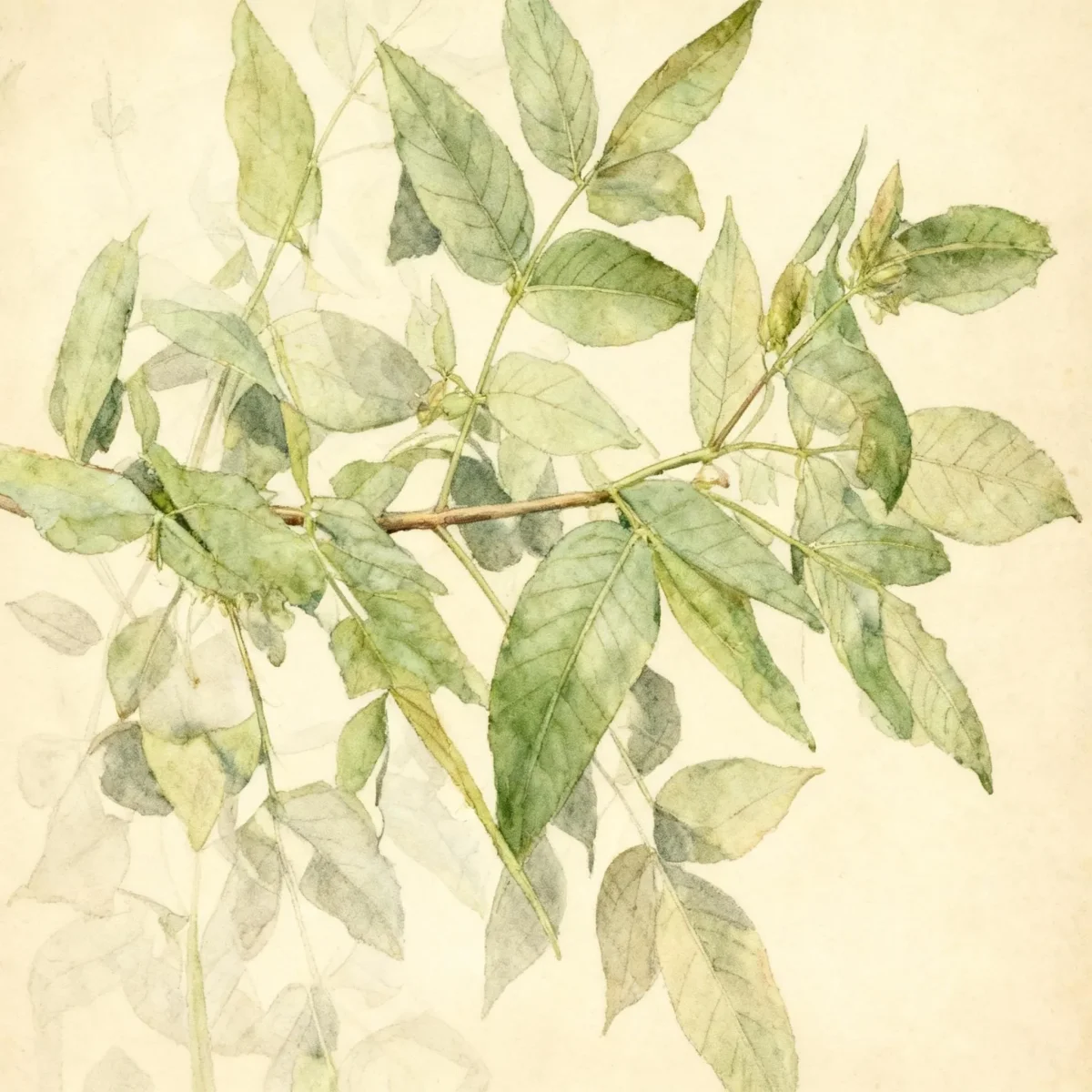
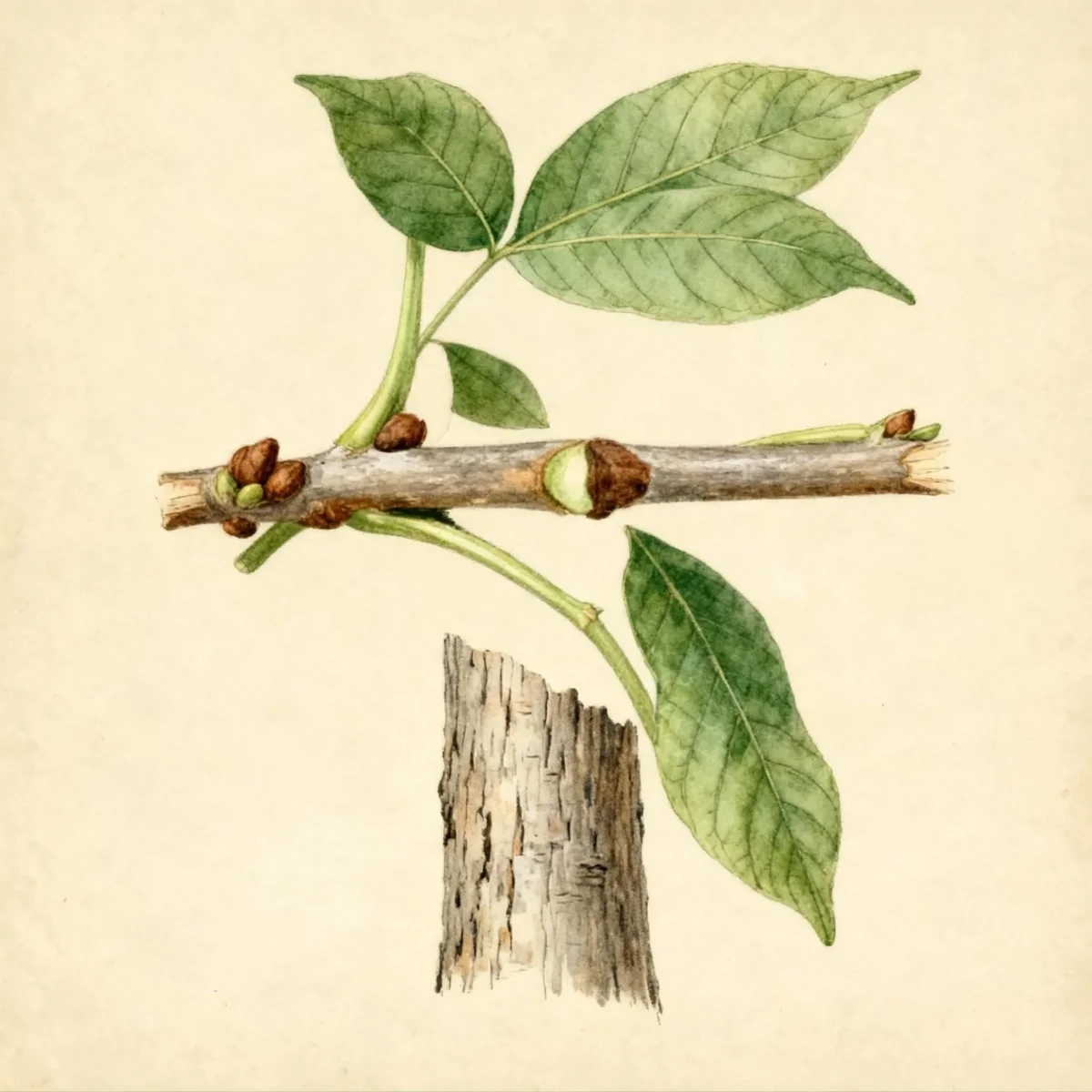
Fraxinus mandshurica, commonly called Manchurian ash, is a medium to large deciduous tree that typically grows to 40-50’ tall with a dense, oval to rounded crown. Pinnate compound leaves grow to 10-15” long, each featuring up to 11 coarsely-toothed leaflets with distinctive sunken veins. The tree develops attractive yellow fall color, and its greenish-yellow flowers bloom in spring before the foliage emerges.
Tolerances
- Drought
- Clay Soil
Potential Problems
The primary and most significant concern for all ash species, including Manchurian ash, is the Emerald Ash Borer (EAB). EAB feeds under the bark, boring into the wood, and typically kills an infested ash tree within three to five years. While Fraxinus mandshurica and the borer are both native to Asia, suggesting some natural resistance might exist, evidence supporting successful long-term survival is not well developed. Control or management usually requires intensive, repeated systemic insecticide treatments immediately upon detection.
In addition to EAB, gardeners should monitor for general insect issues such as lilac borer, cottony ash psyllids, and fall webworms. Common disease threats include fungal leaf spots, rust, powdery mildew, and cankers. Maintaining tree vigor through proper watering—avoiding both drought stress and saturation—is the best proactive defense against opportunistic pests and diseases.
Frequently Asked Questions
What hardiness zones is Manchurian ash suitable for?
Fraxinus mandshurica is suitable for USDA Zones 3 through 6.
How large does Manchurian ash grow?
This tree typically reaches heights between 40 and 50 feet, with a spread ranging from 20 to 25 feet.
What sun exposure does Manchurian ash need?
Manchurian ash requires full sun for optimal growth but can tolerate periods of light shade.
When does Manchurian ash bloom?
The greenish-yellow flowers of Fraxinus mandshurica emerge in April, usually before the leaves fully develop.
Conclusion
The Manchurian ash offers structure, size, and dependable fall color, capitalizing on its tolerance for both clay soil and drought conditions within its cold-hardy range. Although Fraxinus mandshurica remains an impressive specimen tree, current horticultural advice strongly recommends careful consideration due to severe pest pressure. Always verify local pest status and check your USDA hardiness zone before considering planting this or any ash species.
Companion Planting
Selecting companions for Manchurian ash requires focusing on plants that tolerate the tree’s mature drip line conditions: full sun to partial shade and potentially drying soils, especially when the tree is established. Consider hardy, native understory shrubs that thrive in open woodlands, such as certain varieties of Dogwood (Cornus) or Witch Hazel (Hamamelis). These companions can contribute seasonal interest beneath the canopy without competing vigorously for shallow surface water.
If planting nearby acid-loving material, remember that ash trees generally prefer neutral to slightly alkaline soil conditions, though Fraxinus mandshurica is adaptable. Focus on structural plants with similar medium water needs to simplify irrigation routines across the landscape zone.
Seasonal Care Calendar
Spring care centers on monitoring for early leaf-out and checking for insect activity before the tree fully leafs out, specifically looking for signs of borers. If you prune, late winter before bud swell is the best time to achieve clean cuts on the deciduous branches of Manchurian ash. Summer care primarily involves deep, infrequent watering if rainfall is scarce, encouraging the development of deep, hardy roots that resist drought.
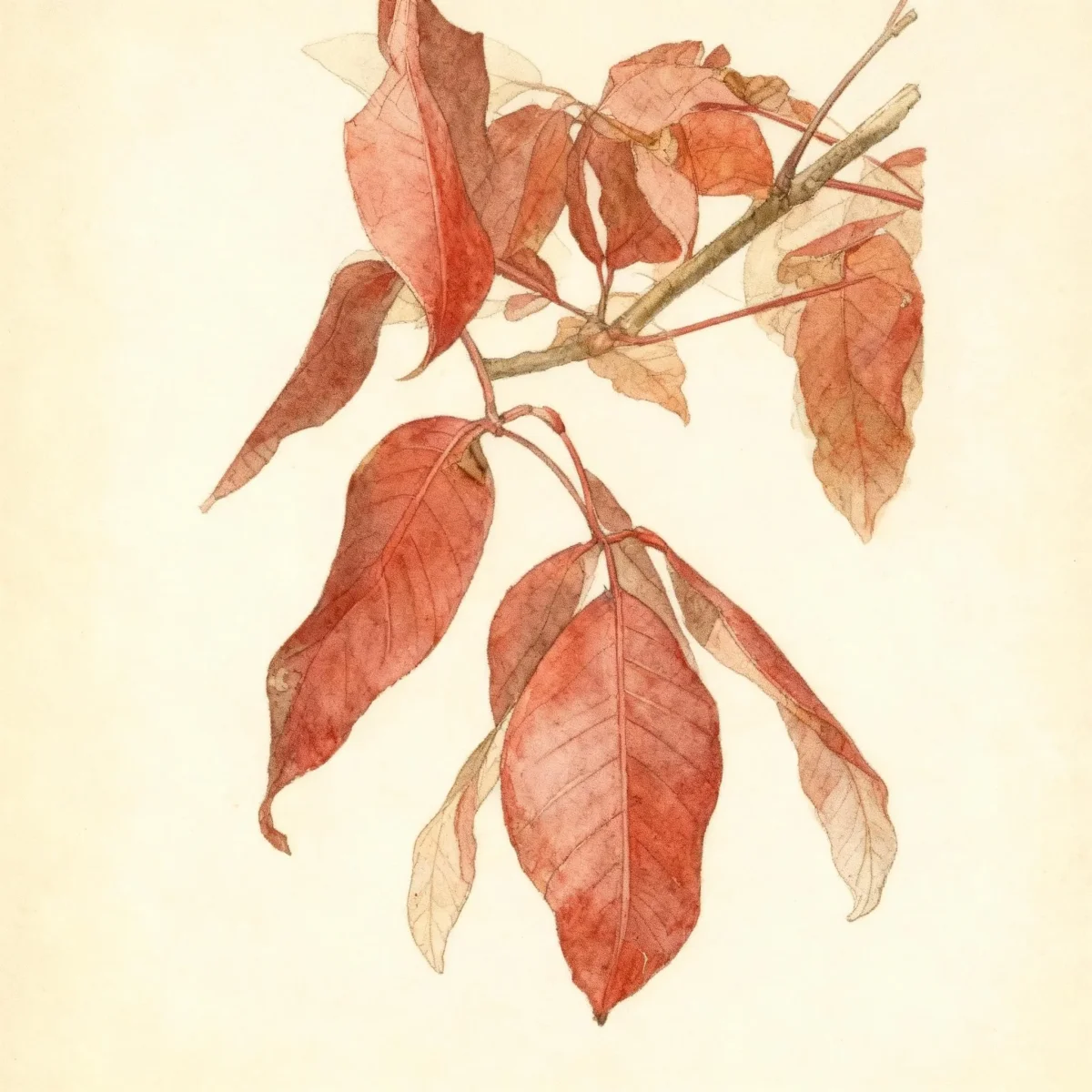
Fall is the highlight for Fraxinus mandshurica when its foliage turns an attractive yellow, providing seasonal contrast. After leaf drop, conduct a thorough inspection of the lower trunk and main branches for any stress indicators or tiny exit holes associated with pests. In winter, ensure a heavy layer of organic mulch remains intact around the root zone to moderate soil temperatures, crucial for trees established in the colder end of Zones 3 and 4.