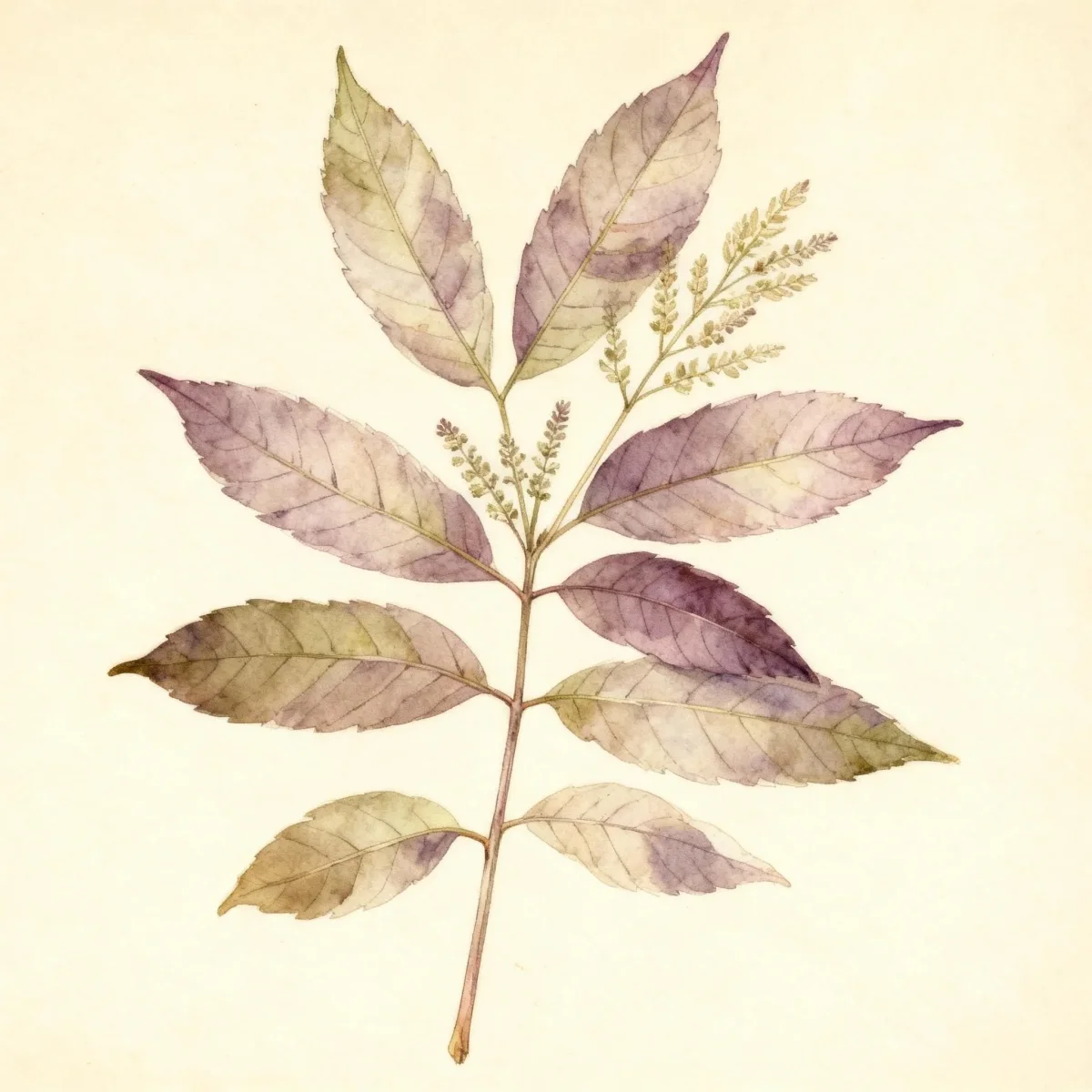
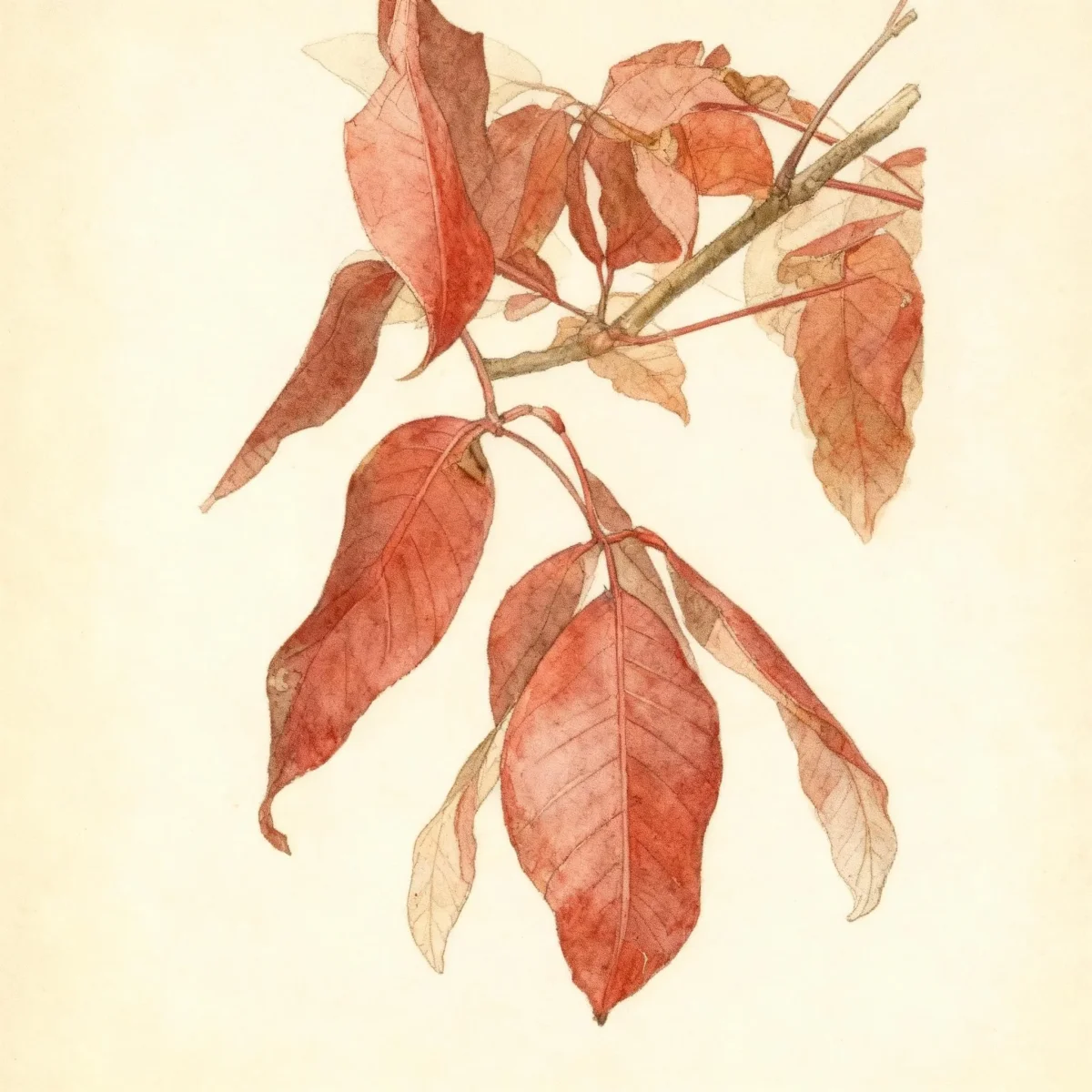
Ash (Fraxinus sogdiana)
The Tianshan Ash (Fraxinus sogdiana) is a robust, medium-sized, deciduous tree native to Central Asia, offering adaptable shade.

Bloom Boldly, No Matter the Season - Sweatshirt
Cozy organic cotton sweatshirt featuring our exclusive Purple Coneflower design. Perfect for gardeners who bloom year-round.
Inspired by the beautiful Ash
Limited first batch (50) — join the waitlist for early access
Waitlist closes Feb 15, 2026.
Complete Plant Information
Field Guide Continues
Ready for care notes, companion picks, and planting tips?
The map is just the start. The full guide below covers growth habits, seasonal performance, and landscape uses.
Overview
The Fraxinus sogdiana, commonly known as the Tianshan Ash, is a distinctive medium-sized deciduous tree originating from the forests and riverbanks of Central Asia. This species exhibits strong adaptability, handling various soil textures ranging from clay to sand, provided drainage is adequate. While it matures typically around 30 feet, specimens can occasionally reach up to 60 feet in ideal conditions, offering substantial vertical presence.
This Ash variety offers practical landscape value as a reliable shade tree, though its planting is currently complicated by the threat of invasive pests. Its growth habit is characterized by compound leaves clustered at branch tips, creating an open canopy that brightens slightly to yellow in the autumn. Understanding the specific requirements and potential issues associated with Fraxinus sogdiana is key for successful cultivation, especially concerning its Near Threatened status on the IUCN Red List.
Fast Facts
- Plant Family: Oleaceae
- Plant Type: Tree
- Native Range: Central Asia
- Hardiness Zones: USDA Zones 6-8
- Size at Maturity:
- Height: 30-60 ft
- Spread: 20-50 ft
- Bloom Time: April to May
- Bloom Description: Greenish-yellow
- Sun Exposure: Full sun
- Water Needs: Medium
- Maintenance Level: Medium
How to Grow
For optimal establishment, plant Fraxinus sogdiana during the dormant season—early spring or late fall—when it is not actively growing. This Ash thrives best when situated in full sun, though it can tolerate light shade. The soil should be consistently moist yet well-drained; it shows specific adaptability to both clay and sandy textures.
Watering requirements are medium; while established specimens exhibit drought tolerance, consistent moisture is crucial during the initial years after planting to encourage deep root development. Fertilization is rarely necessary for this vigorous tree unless soil testing indicates significant nutrient deficiencies. Pruning should be minimal, focusing mainly on removing dead, damaged, or crossing limbs during winter dormancy.
Given its hardiness rating, the Tianshan Ash is winter hardy down to USDA Zone 6. In colder extremities of its range, ensure protection from early or late frosts during establishment. Mulching slightly away from the trunk base helps maintain consistent soil moisture and moderates soil temperature fluctuations throughout the year.
Landscape Uses
Historically, the Fraxinus sogdiana has been recommended for use as a substantial roadside planting or a broad shade tree due to its eventual significant stature. Companion planting should prioritize other hardy, drought-tolerant species that share the full sun requirement, as this Ash adapts well once established. Given its current status as threatened and difficulty in commercial sourcing, utilizing this species requires a proactive approach to sourcing appropriate nursery stock.
If successfully established, the medium size and deciduous nature of this Ash make it suitable for cooling paved areas or defining large property borders where its 20 to 50-foot spread can be accommodated. While it was historically considered for street use, due to the current threat profile facing all North American Ash populations, new plantings of Fraxinus sogdiana should be approached with caution regarding long-term viability.
Standout Features
Flower Qualities
- Insignificant
Noteworthy Characteristics
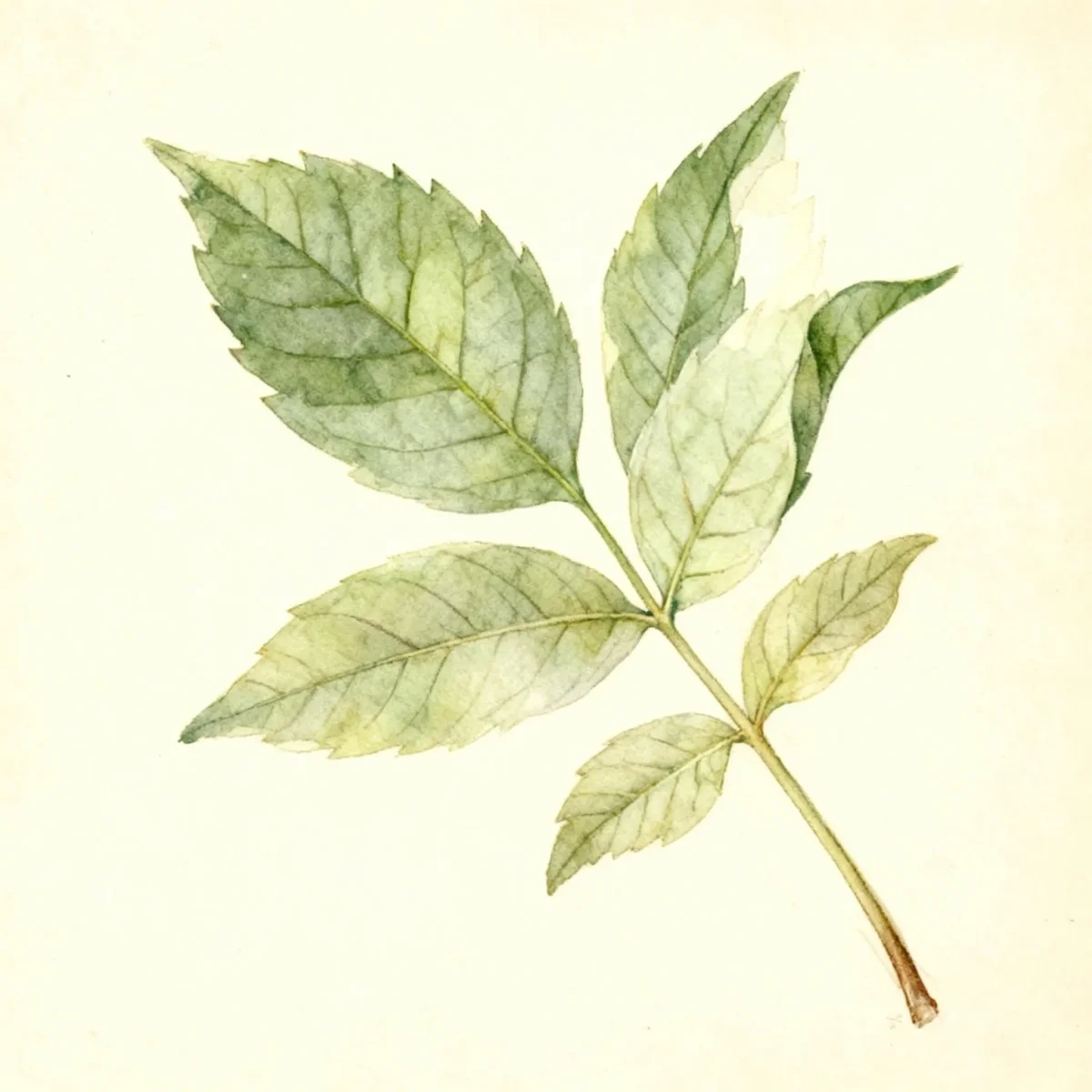
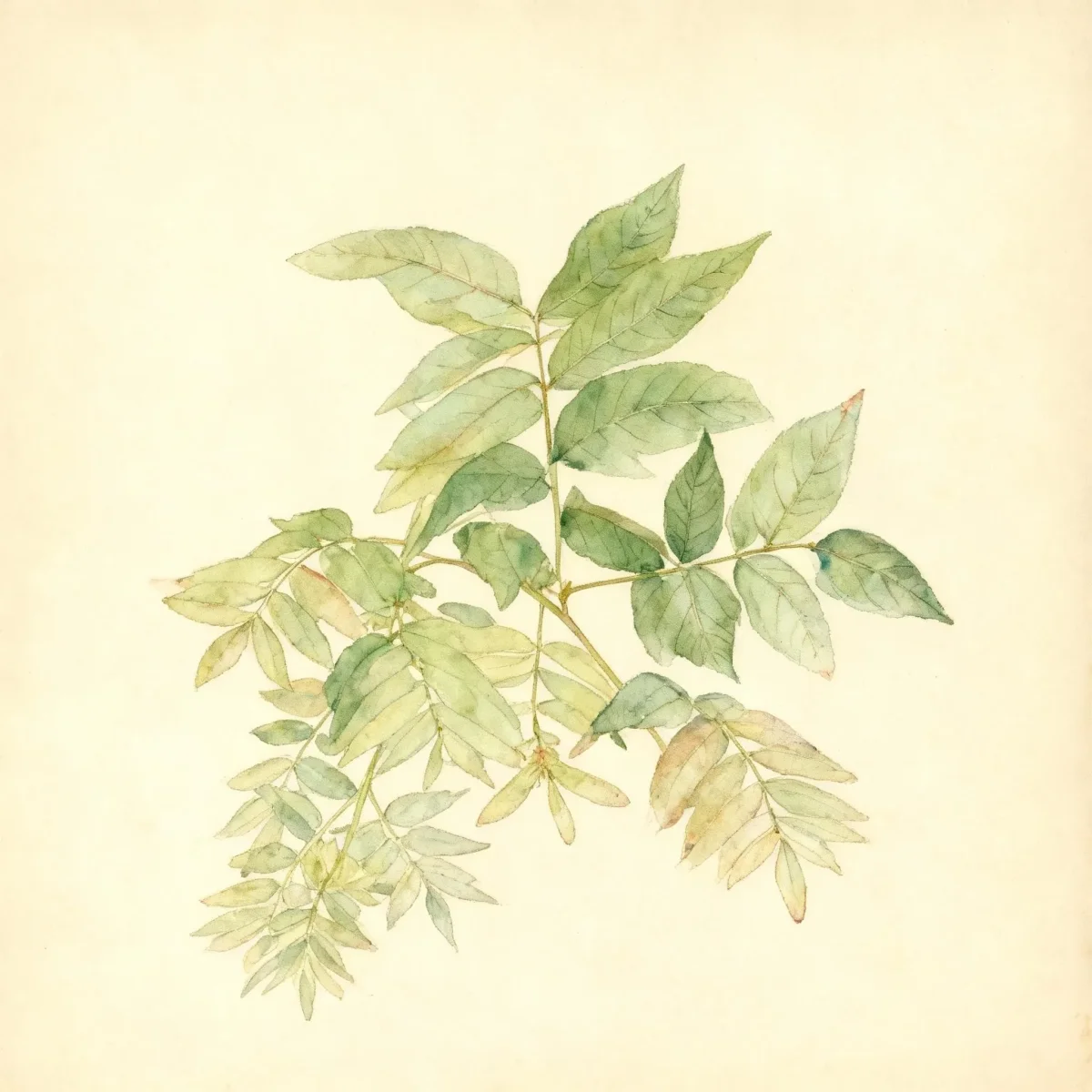
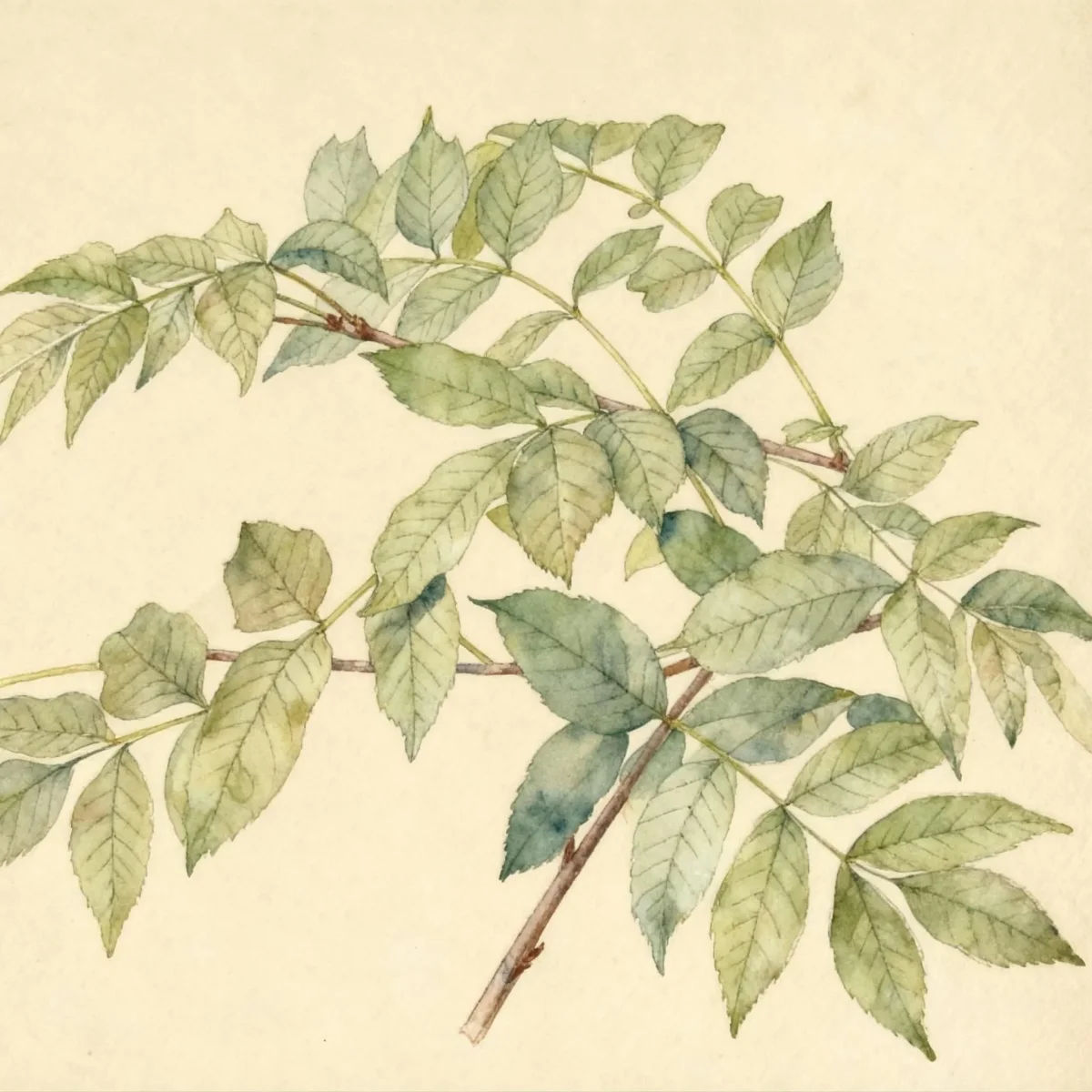
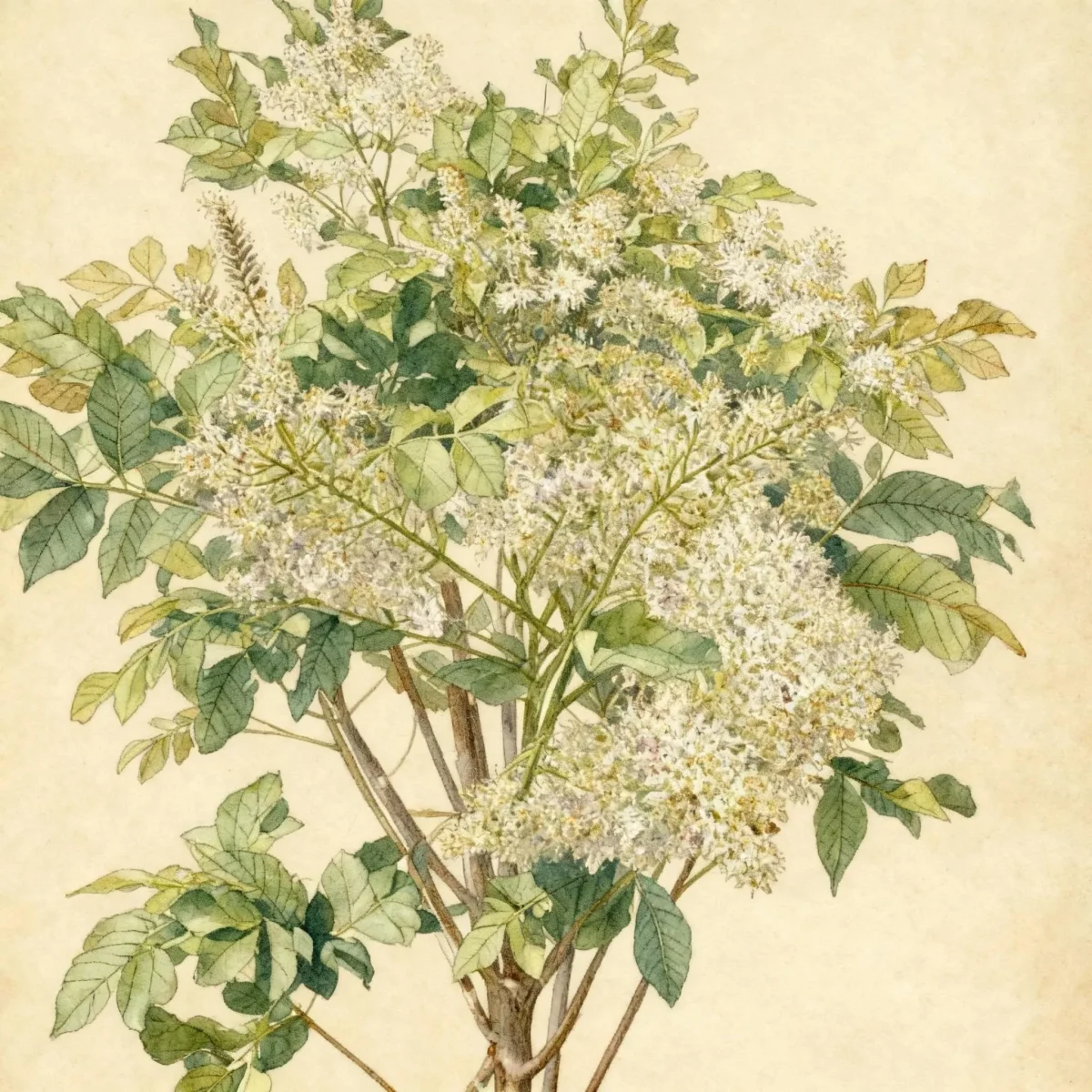
Fraxinus sogdiana, commonly called Tianshan ash, is a medium-sized deciduous tree that is native to western China and surrounding Central Asian regions. Its deciduous foliage features alternate, odd-pinnate compound leaves that conclude the growing season with a display of yellow fall color before dropping. The tree produces small, greenish-yellow flowers in the spring, which are followed by noticeable winged samaras that mature and hang in drooping clusters late in the summer or early fall.
Tolerances
- Deer
- Drought
Potential Problems
The most serious threat to any Ash species, including Fraxinus sogdiana, is the Emerald Ash Borer (EAB). Native to Asia, EAB infestations typically result in tree death within three to five years once established, as the larvae tunnel beneath the bark, disrupting nutrient and water flow. Although this Tianshan Ash shares a native range with the pest, resistance is not fully confirmed, making vigilance essential.
Beyond EAB, Ash trees generally remain susceptible to a range of other insect issues, such as lilac borer and various scale insects. Gardeners should also monitor for common fungal diseases like powdery mildew, rust, and anthracnose, which primarily affect leaf quality. Proactive monitoring and maintaining tree vigor through proper cultural care are the best defenses against secondary pest and disease outbreaks.
Frequently Asked Questions
What hardiness zones is Ash (Fraxinus sogdiana) suitable for?
Fraxinus sogdiana is suitable for cultivation in USDA Hardiness Zones 6 through 8.
How large does Ash (Fraxinus sogdiana) grow?
This tree typically reaches a mature height between 30 and 60 feet, with a corresponding spread of 20 to 50 feet.
When does Ash (Fraxinus sogdiana) bloom?
The blooming period for this species occurs from April to May, producing inconspicuous flowers described as greenish-yellow.
What sun exposure does Ash (Fraxinus sogdiana) need?
Tianshan Ash prefers full sun exposure for the best performance but demonstrates good adaptability by tolerating light shade conditions.
Conclusion
The Fraxinus sogdiana offers gardeners a resilient, medium-to-large deciduous tree known for adapting well to moist, well-drained conditions across USDA Zones 6 to 8. While its structural form and seasonal color provide significant aesthetic returns, potential growers must weigh current pest threats against its historical use as a valued shade and street tree. Always confirm local availability and thoroughly inspect any Ash specimen before planning its inclusion in your landscape design.
Companion Planting
Selecting appropriate companions is vital, particularly when planting a tree like Fraxinus sogdiana that requires consistent moisture but also excellent drainage. Look for understory shrubs and perennials that thrive in partial shade to dappled sunlight, especially beneath the maturing canopy. Plants that tolerate dry shade once established, such as Hellebores (Helleborus spp.) or certain ferns like Japanese Painted Fern (Athyrium niponicum), can provide textural contrast without competing aggressively for surface water.
When planting near the drip line, choose materials that do not have root systems that will aggressively invade the Ash’s primary feeding zone. Since this Ash is valued for its height, groundcover selections that minimize maintenance and mowing are ideal. Consider native, lower-growing ornamental grasses or shade-tolerant groundcovers suitable for Central Asian climates, ensuring visual separation from the base of the trunk.
Design Ideas for Screening and Structure
The mature height range of 30 to 60 feet positions the Tianshan Ash as an excellent choice for creating significant vertical structure or providing effective privacy screening in large yards. When used as a specimen tree, allow ample horizontal space (at least 20 feet spread) to appreciate its full canopy form, especially the whorled arrangement of leaves at branch ends. Its relatively early ephemeral flowers offer subtle spring interest before the leaves fully emerge.
In formal designs, multiple Fraxinus sogdiana can be spaced to form a stately allée or boundary marker, though this practice is discouraged currently due to pest concerns. For a more naturalistic setting, group it among other large, resilient species that handle occasional drought once rooted, mimicking conditions found along its natural riverine habitat in Central Asia for a robust planting scheme.