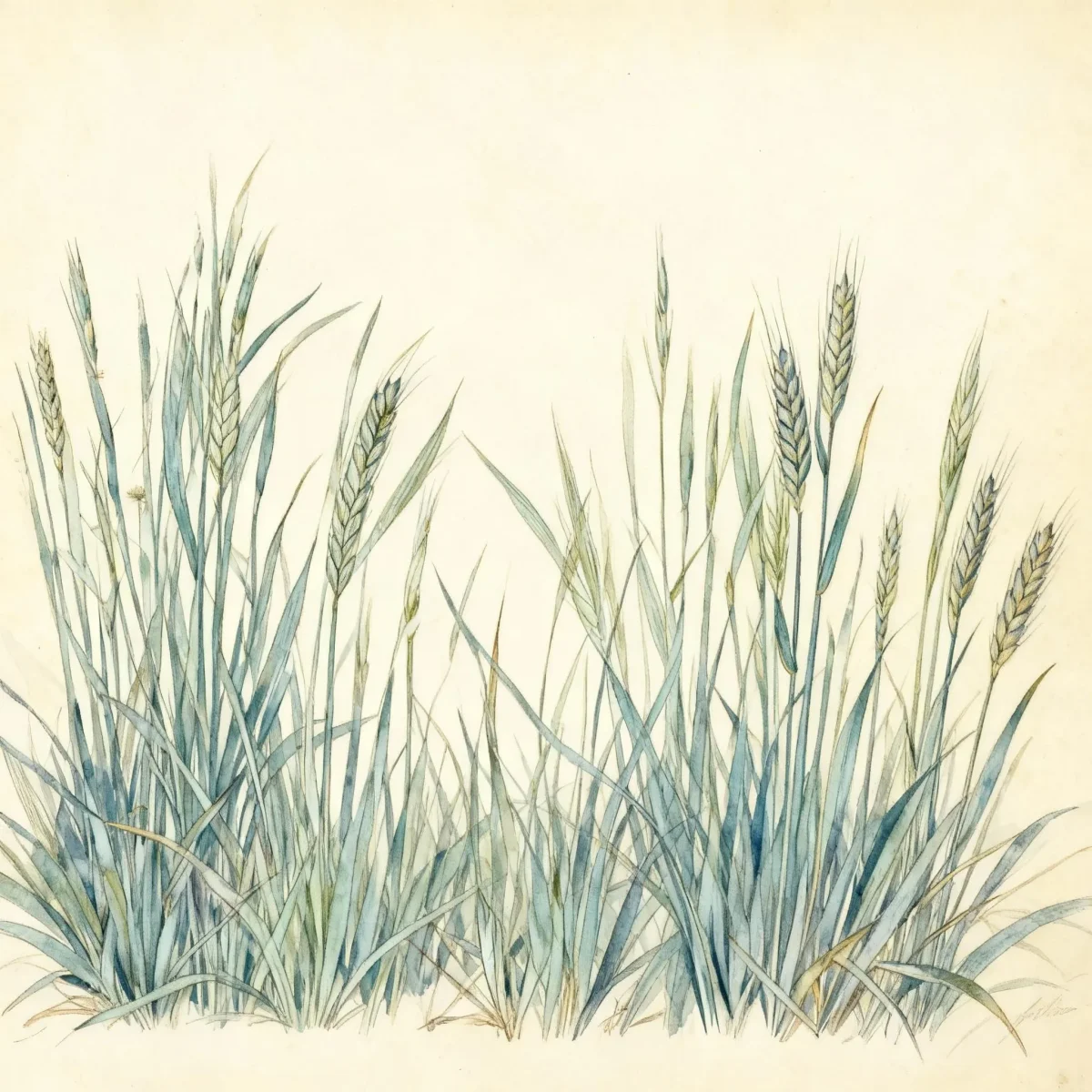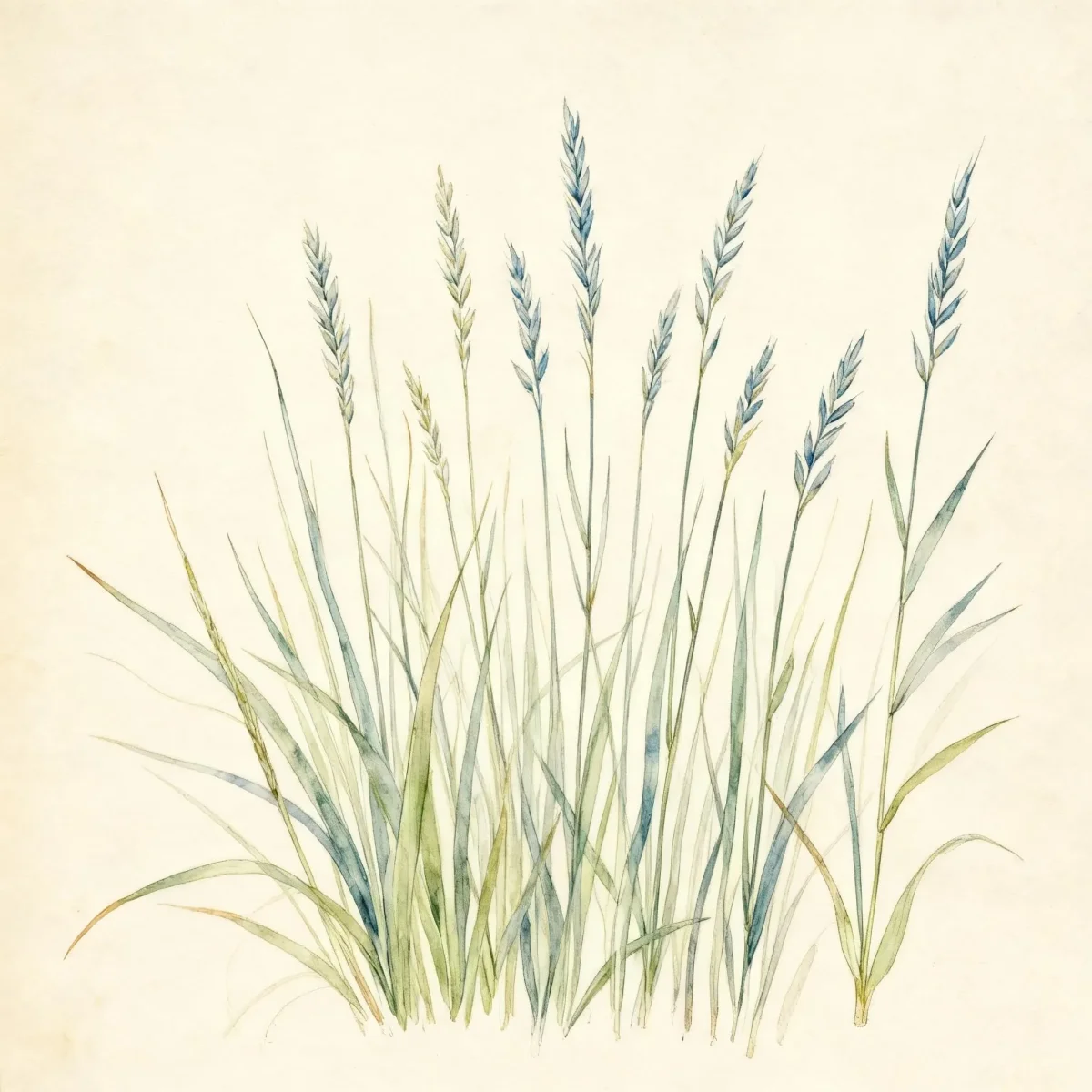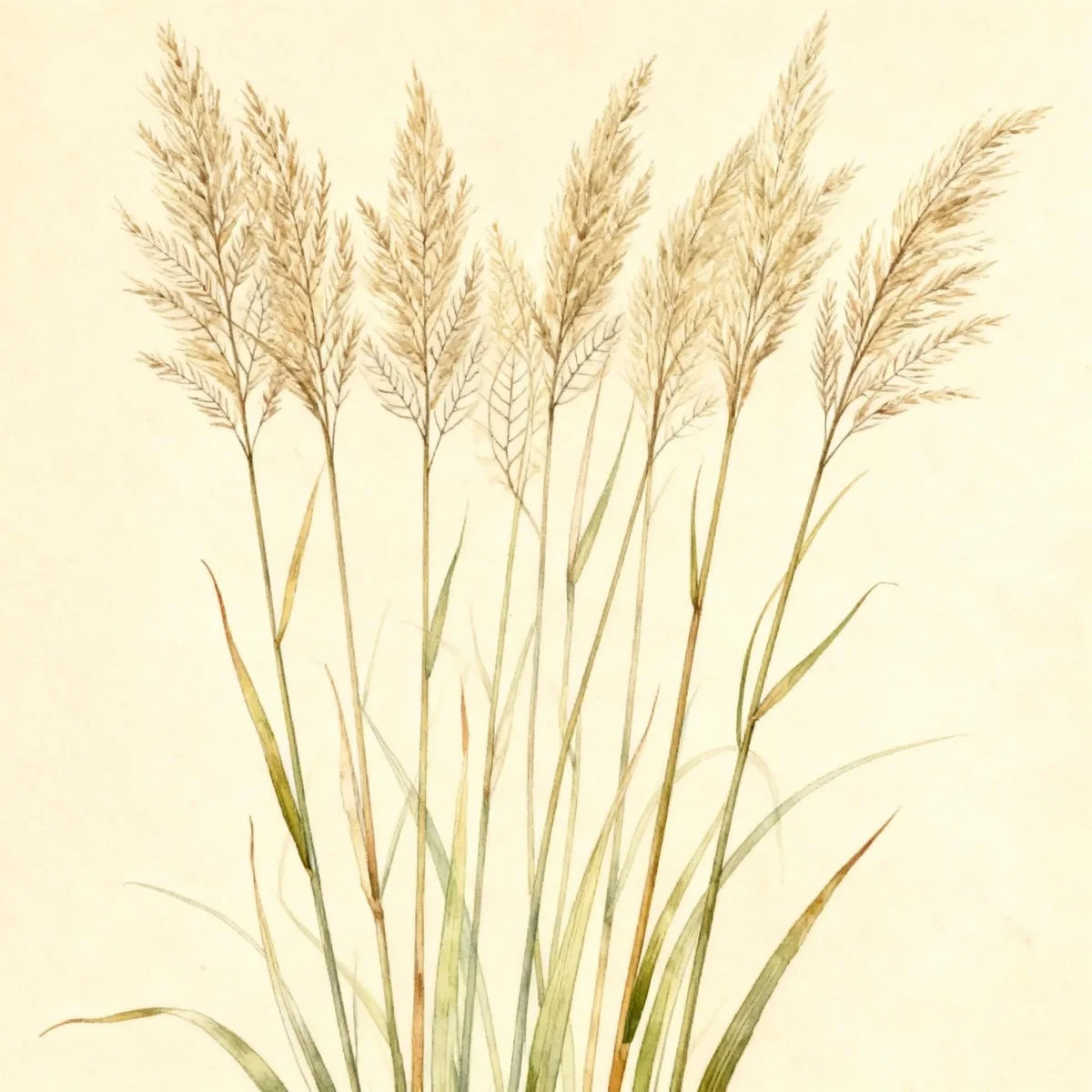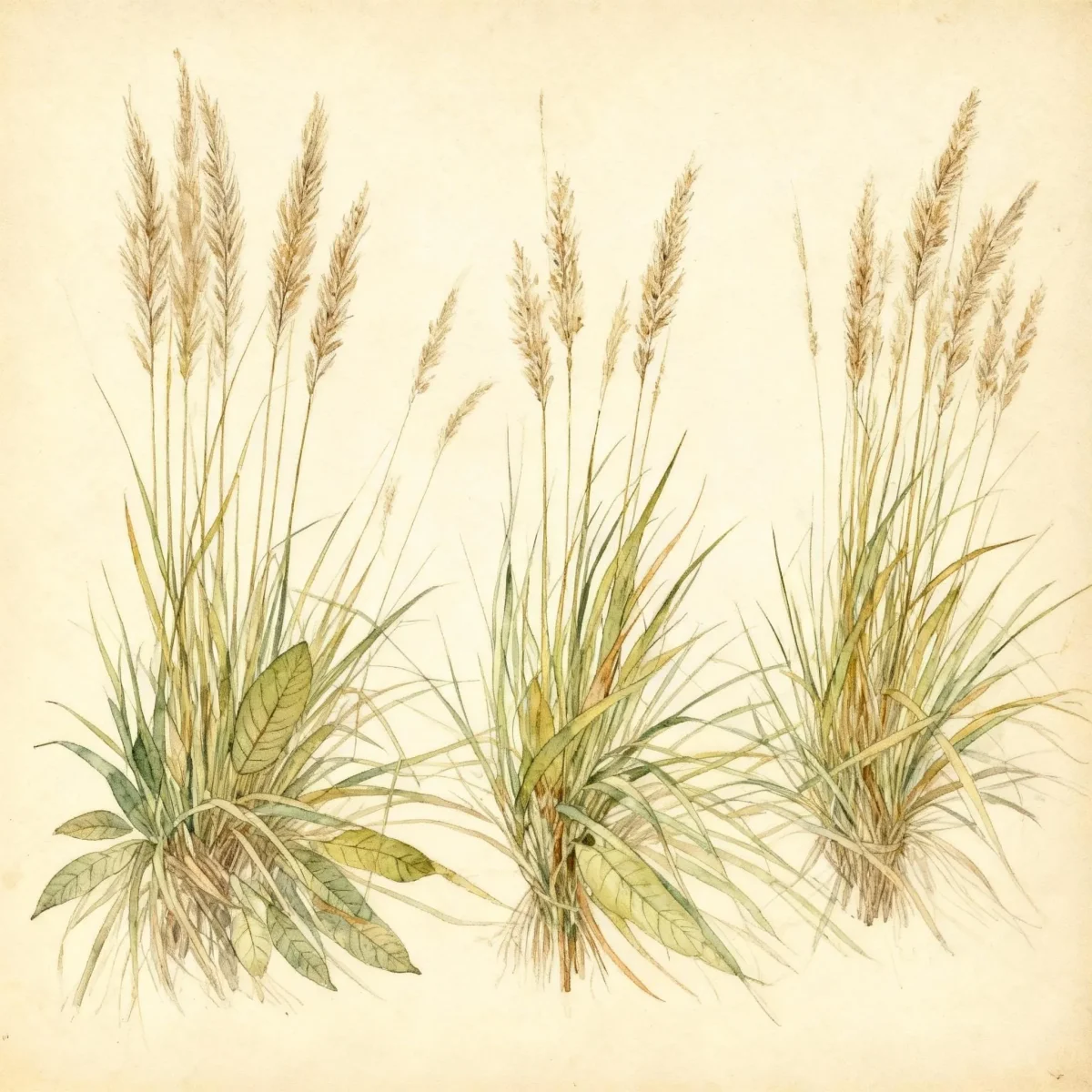

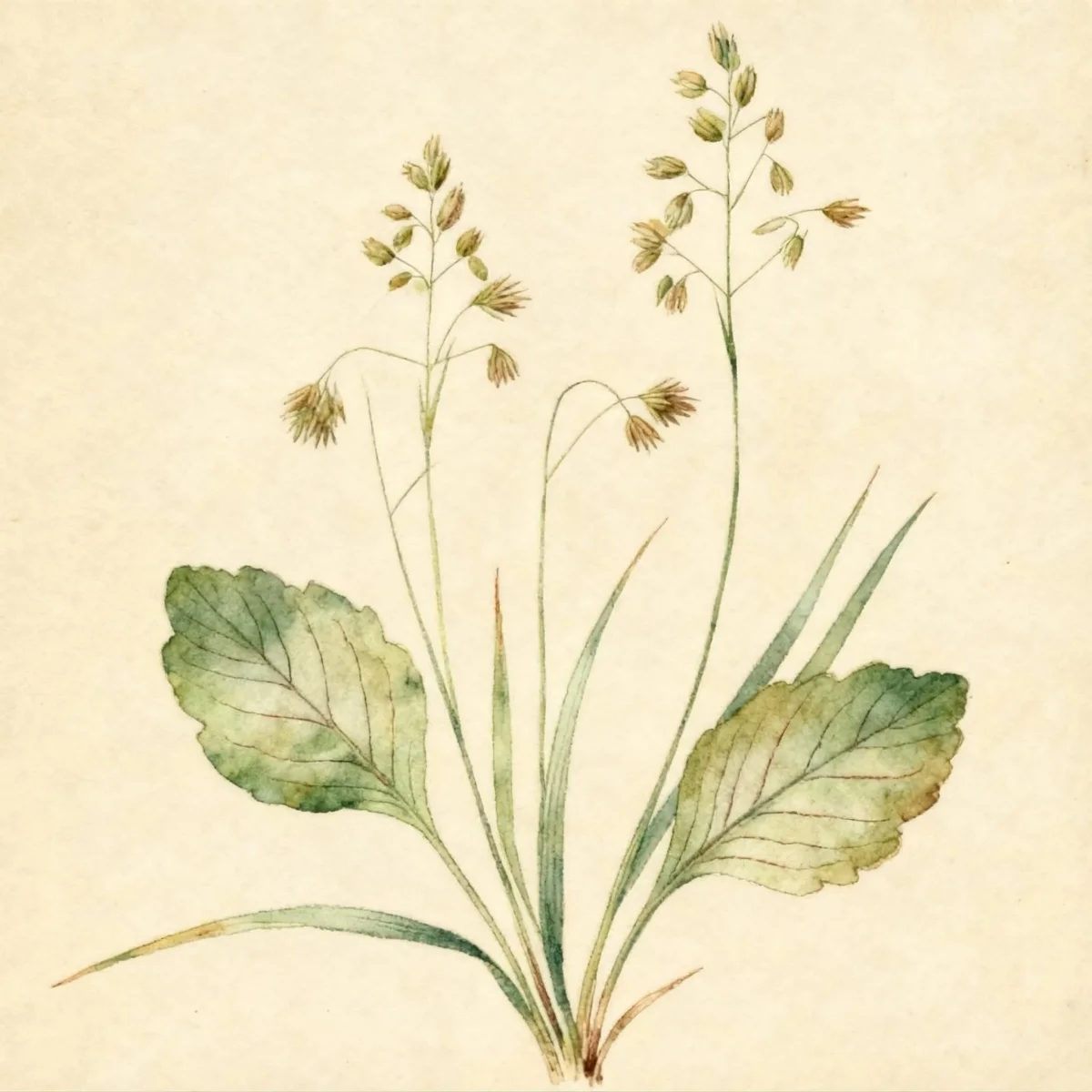
Common quaking grass (Briza media)
Briza media, or Common quaking grass, is a low-maintenance ornamental grass prized for its delicate, nodding seed heads that dance in the slightest breeze.

Bloom Boldly, No Matter the Season - Sweatshirt
Cozy organic cotton sweatshirt featuring our exclusive Purple Coneflower design. Perfect for gardeners who bloom year-round.
Inspired by the beautiful Common quaking grass
Limited first batch (50) — join the waitlist for early access
Waitlist closes Feb 15, 2026.
Complete Plant Information
Field Guide Continues
Ready for care notes, companion picks, and planting tips?
The map is just the start. The full guide below covers growth habits, seasonal performance, and landscape uses.
Overview
Common quaking grass (Briza media) is a highly distinctive, rhizomatous ornamental grass celebrated for its unique movement and texture. Its primary appeal lies in the airy, flattened, hop-like seed heads that dangle profusely on thin stems, creating a constant, subtle shimmer with the slightest breath of wind—hence the common name. This grass introduces fine texture into the landscape, contrasting beautifully with broad-leaved perennials.
As a warm-season grass, Briza media forms neat clumps of narrow, erect green foliage, typically staying under 1.5 feet tall before the flowering stems emerge. It is relatively low maintenance once established, thriving in full sun and demonstrating surprising adaptability regarding soil type. Gardeners value Common quaking grass for adding native flair and kinetic energy to otherwise static borders and naturalized plantings.
The structure of Briza media makes it an excellent choice for softer, less formal garden designs, such as cottage or meadow styles. While its movement is its highlight, its overall graceful habit ensures it remains an elegant addition to the garden display from late spring through summer.
Fast Facts
- Plant Family: Poaceae
- Plant Type: Ornamental grass
- Native Range: Eurasia
- Hardiness Zones: USDA Zones 4-8
- Size at Maturity:
- Height: 2-3 ft
- Spread: 1-1.5 ft
- Bloom Time: May to June
- Bloom Description: Green
- Sun Exposure: Full sun
- Water Needs: Medium
- Maintenance Level: Low
How to Grow
The best time to establish Briza media is typically when soil temperatures are warming in the spring or early fall. Place this ornamental grass where it receives full sun exposure, as inadequate light will temper its clumping habit and reduce flowering. Briza media is highly adaptable, generally succeeding in average, medium, well-drained soil, and it tolerates a wide range of soil conditions once established.
Water needs are medium; ensure consistent moisture until the root system is fully developed, though established clumps are somewhat tolerant of dryness. Due to its low maintenance profile, heavy fertilization is rarely required. The best way to encourage fresh, lush foliage growth is to prune strategically.
Pruning should be done after the seed heads have completed their cycle. Cut back the clumps immediately after the attractive seed heads begin to disintegrate. Alternatively, the entire clump can be mowed on a high setting in late fall, or you can wait until late winter/early spring to clear the dead foliage before new growth begins.
This creeping grass spreads via rhizomes, so monitor its location if you prefer a highly contained border planting; otherwise, it is perfect for filling in naturalized areas.
Landscape Uses
The suggested use for Briza media is to naturalize the planting area, allowing the inherent texture of the grass to blend seamlessly with other meadow or cottage garden inhabitants. While effective when massed, creating drifts of shimmering movement, it can become somewhat weedy if allowed to aggressively colonize small borders. Therefore, thoughtful placement is key to maximizing its benefits.
This delicate grass looks superb when interspersed among lower-growing, textural perennials or fine-leaved shrubs. It performs well in informal settings, such as naturalized meadows, along the edges of woodland clearings, or within mixed perennial borders where its movement can be deliberately highlighted against fixed forms like stone walls or solid hedges. Consider planting it near water features where the slightest breeze will animate the characteristic dangling seed heads.
Standout Features
Flower Qualities
- Showy
Noteworthy Characteristics
Briza media, commonly called common quaking grass, is a rhizomatous, creeping, warm season ornamental grass which features a clump of narrow, erect, green leaves (1/4 to 1/2” wide) typically growing 12 to 15” tall. Tiny, greenish flowers appear in spring in loose, airy panicles atop stems rising well above the foliage clump to 24-36” tall. Flowers give way to flattened hop-like, purplish-maturing-to-tan seed heads which dangle on thread-like stems and quiver in the slightest breeze, thus giving rise to the common name.
Tolerances
- Black Walnut
Potential Problems
This species is generally quite robust, with no serious insect or disease problems reported in ideal conditions. The primary cultural issue to note is its strong intolerance of consistently hot, humid summers, which can lead to decline or scorching if the plant does not receive adequate moisture during peak heat. By ensuring medium water availability during dry spells, especially in the hotter limits of its USDA Zones 4-8 range, gardeners can help Briza media maintain its vigor. Proper late winter cleanup also ensures good air circulation, minimizing potential issues.
Frequently Asked Questions
What hardiness zones is Common quaking grass suitable for?
Briza media is suitable for USDA Zones 4 through 8, offering reliable perennial performance across a broad temperate range.
How large does Common quaking grass grow?
This ornamental grass typically reaches a mature height of 2 to 3 feet, with a spread between 1 and 1.5 feet, forming a distinctly clumped habit.
What sun exposure does Briza media need?
Briza media requires full sun to achieve its best form and most abundant flowering display.
When does Common quaking grass bloom?
The characteristic blooms of Briza media appear relatively early in the season, usually spanning from May through June, producing greenish flowers that mature into dangling seed heads.
Conclusion
The shimmering movement provided by the seed heads makes Common quaking grass (Briza media) an indispensable choice for adding dynamic texture to any garden scheme. Its adaptability, low maintenance needs, and striking visual quality ensure Briza media remains a favorite among ornamental grass enthusiasts. Before planting, confirm your location falls within USDA Zones 4-8 and plan for a sunny spot where its unique quaking motion has space to enchant the eye.
Companion Planting
For optimal aesthetic and cultural harmony, pair Briza media with plants that offer contrasting textures and bloom times. Because Briza media thrives in full sun and medium moisture, look for companions that share these preferences, such as Lavender (Lavandula) or hardy Geraniums. Allowing the airy seed heads of the Common quaking grass to float above the solid, mounding forms of plants like Shasta Daisies or Coneflowers (Echinacea) enhances the visual depth of the border.
Seasonal Care Calendar
Spring is the ideal time for revitalization; cut entire clumps back close to the ground immediately before new green growth initiates. Summer is the observation period—monitor moisture levels, especially during heatwaves, to mitigate its intolerance of prolonged drought in hot weather. In the fall, allow those distinctive seed heads of Briza media to mature fully before considering cutting the foliage down. Throughout the year, minimal intervention is needed, fitting its low maintenance reputation.