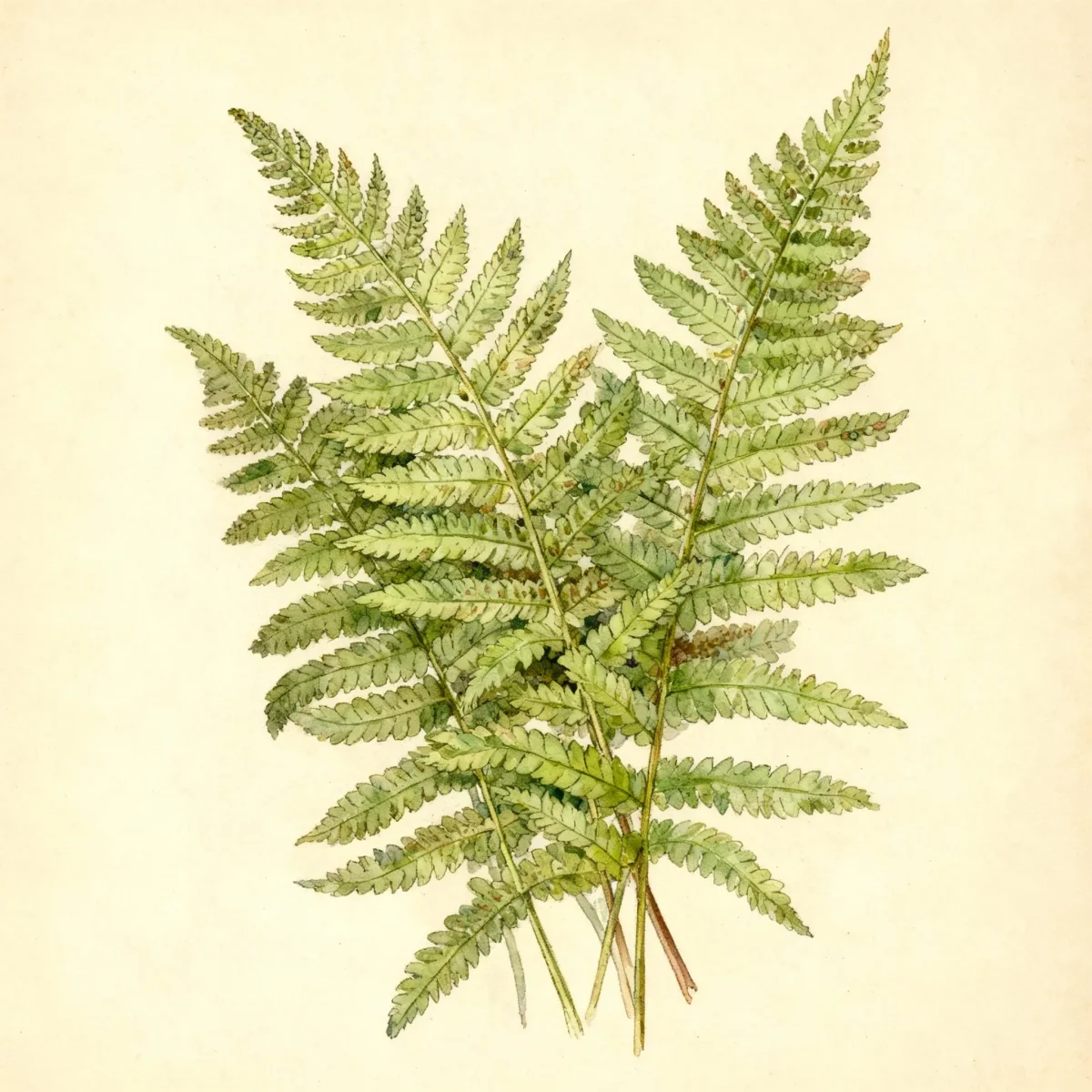
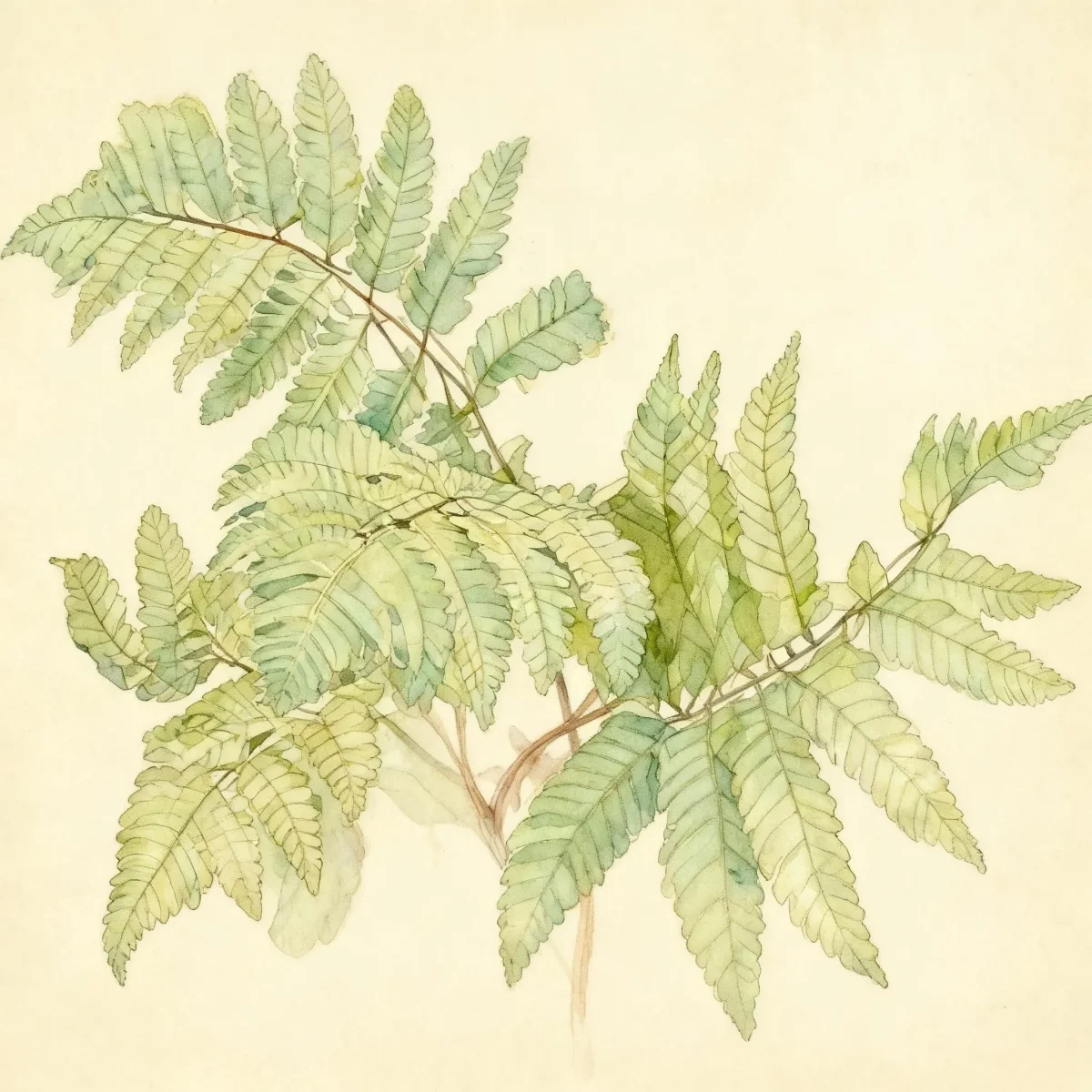
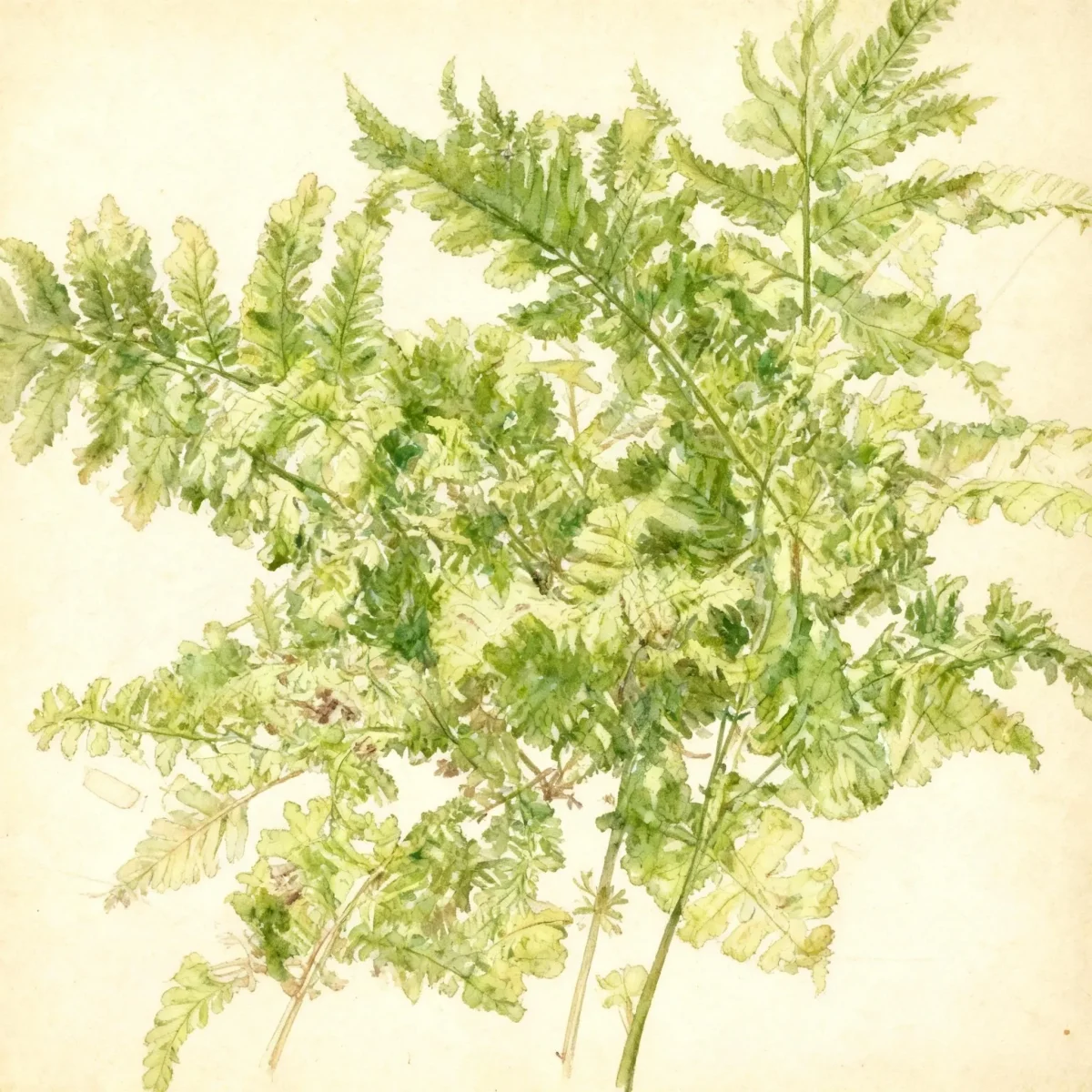
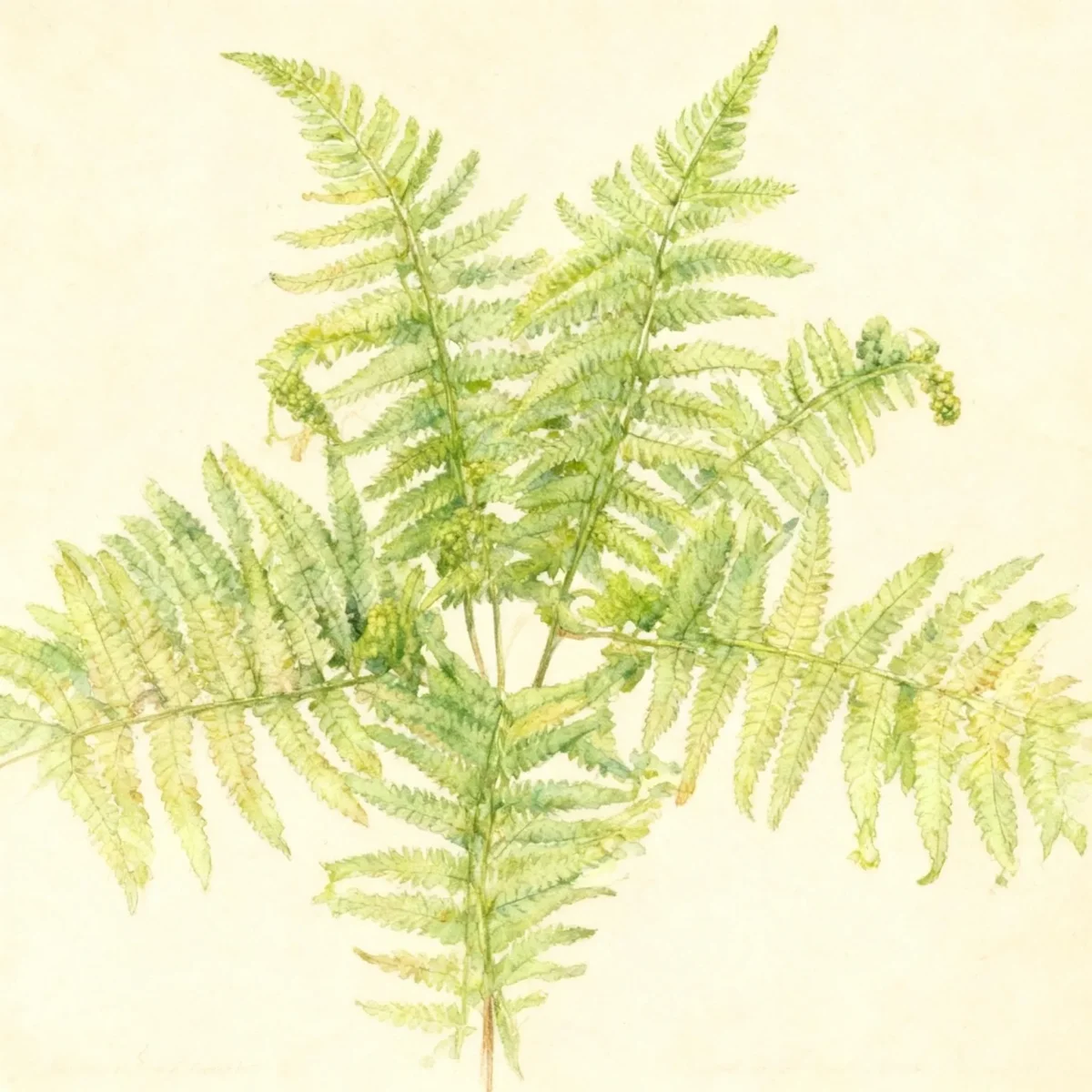
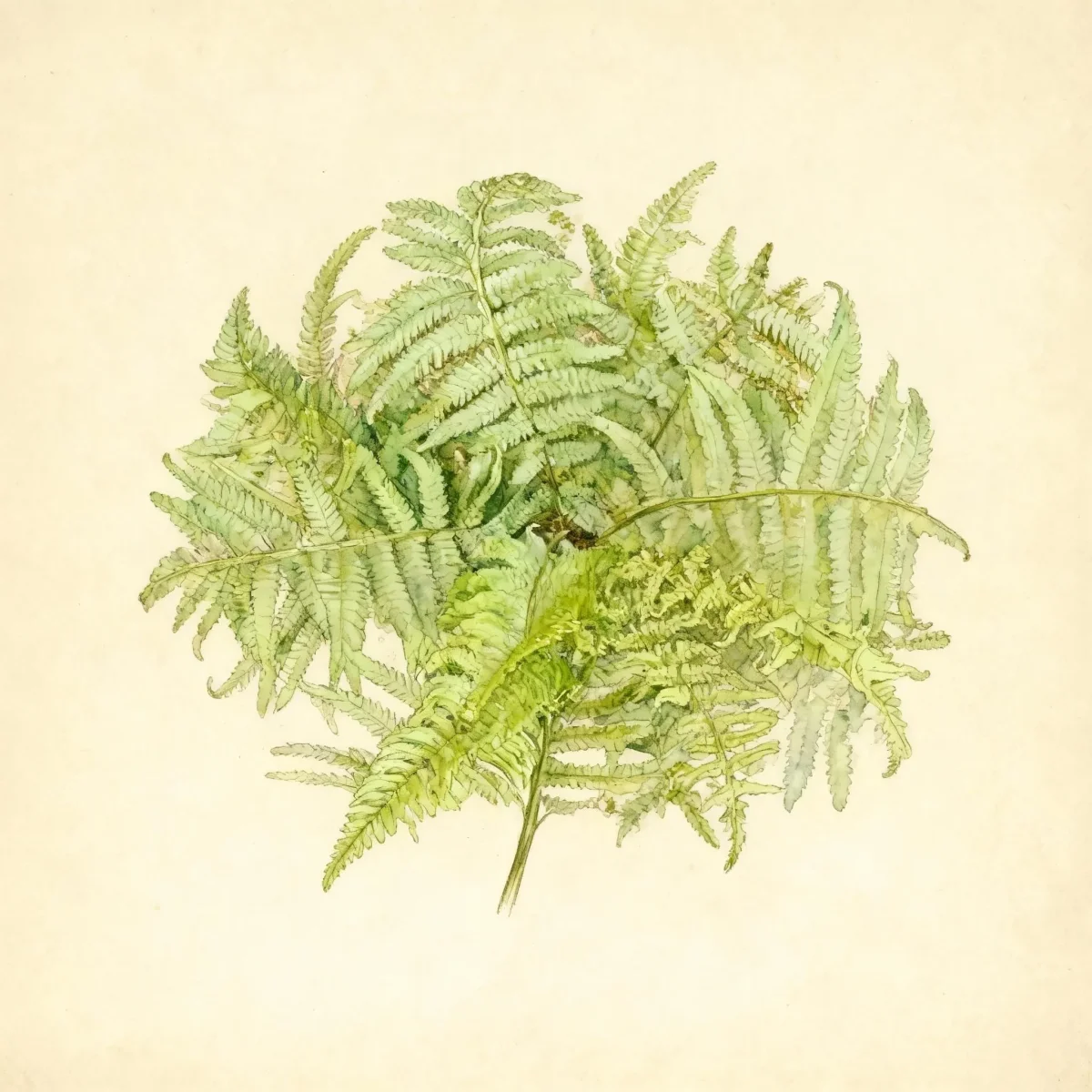
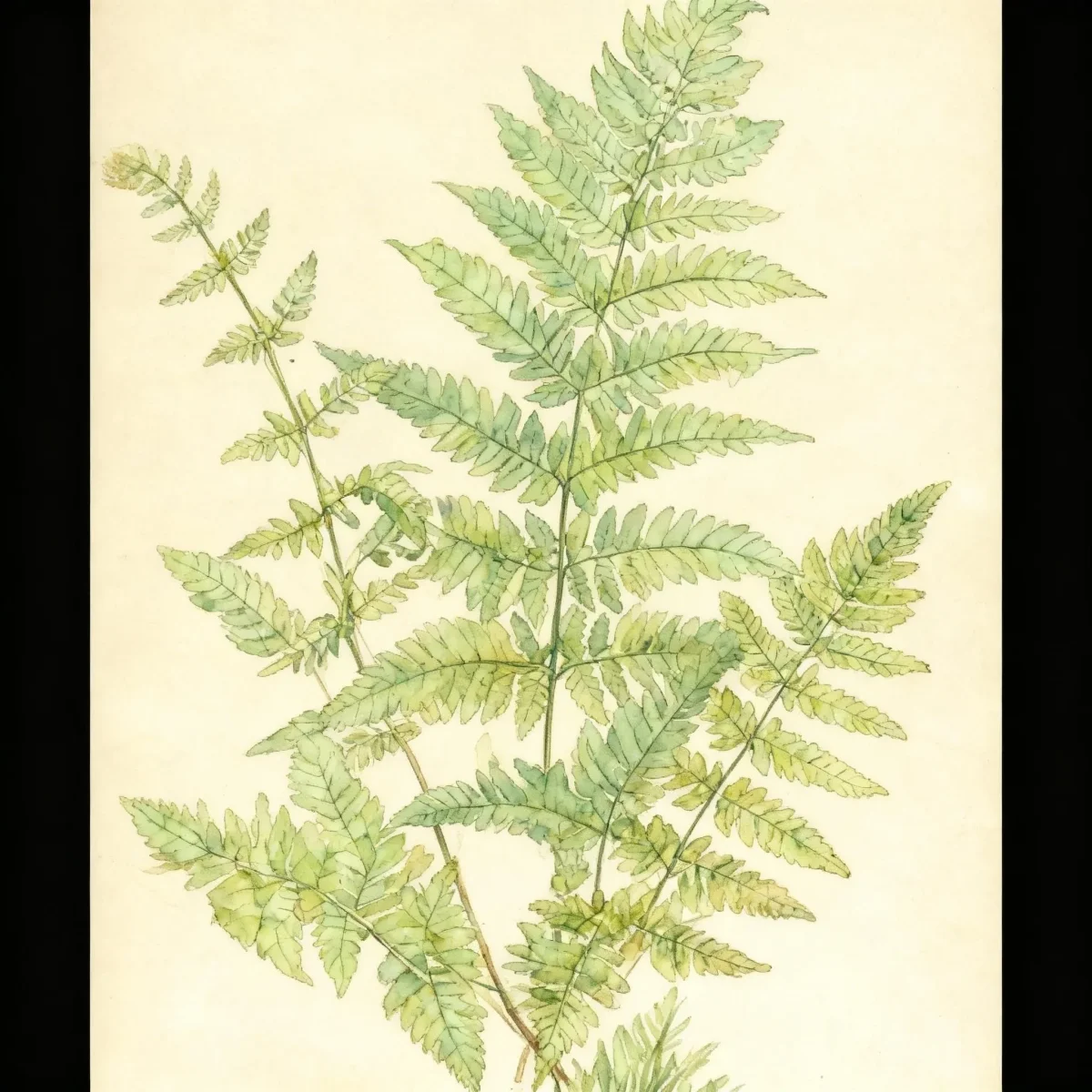
Christmas fern (Polystichum acrostichoides)
The durable Christmas fern, Polystichum acrostichoides, offers evergreen texture in shady gardens across USDA Zones 3-9.
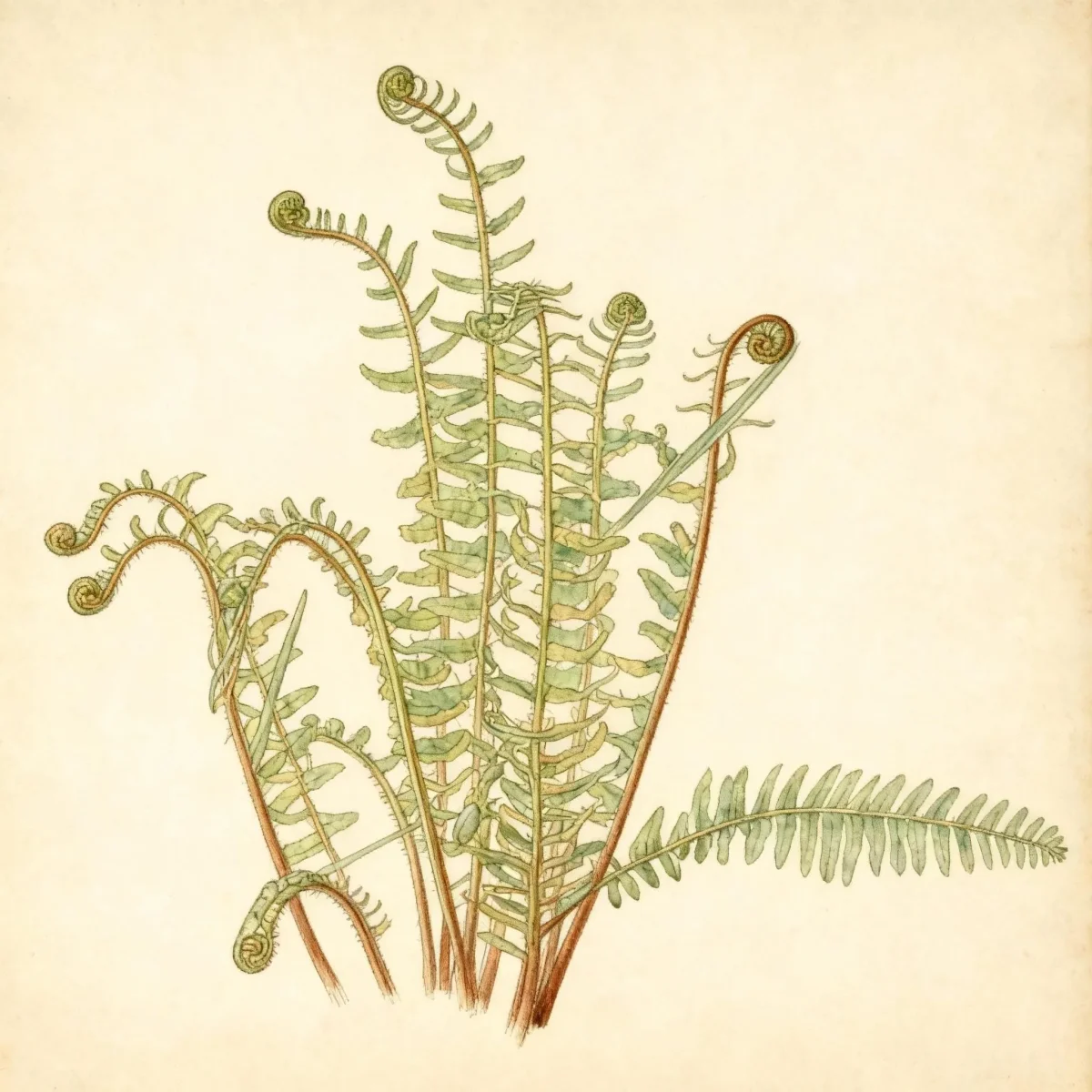

Bloom Boldly, No Matter the Season - Sweatshirt
Cozy organic cotton sweatshirt featuring our exclusive Purple Coneflower design. Perfect for gardeners who bloom year-round.
Inspired by the beautiful Christmas fern
Limited first batch (50) — join the waitlist for early access
Waitlist closes Feb 15, 2026.
Complete Plant Information
Field Guide Continues
Ready for care notes, companion picks, and planting tips?
The map is just the start. The full guide below covers growth habits, seasonal performance, and landscape uses.
Overview
The Christmas fern, scientifically known as Polystichum acrostichoides, is a cornerstone species for native shade gardens throughout Eastern North America. Its primary appeal lies in its evergreen foliage, maintaining a vibrant green color even through the winter months—hence the name Christmas fern. This durability makes Polystichum acrostichoides an excellent choice for gardeners seeking consistent texture and structure where other plants may go dormant.
This resilient fern thrives in woodland settings, forming attractive, fountain-like clumps that offer year-round visual interest. It is highly recognized for its ability to handle tough conditions, including dry soil once established, setting it apart from many moisture-loving fern varieties. The leathery, lance-shaped fronds provide essential low-maintenance greenery for shaded landscapes.
Functionally, the Christmas fern offers significant benefits, particularly concerning soil stability. Due to its fibrous root system, it is superior for use on slopes and in areas prone to erosion. Planting Polystichum acrostichoides ensures a vibrant, long-lasting, and ecologically responsible addition to shady borders and woodland scenes.
Fast Facts
- Plant Family: Dryopteridaceae
- Plant Type: Fern
- Native Range: Eastern North America
- Hardiness Zones: USDA Zones 3-9
- Size at Maturity:
- Height: 1-2 ft
- Spread: 1-2 ft
- Bloom Time: Non-flowering
- Bloom Description: Non-flowering
- Sun Exposure: Part shade to full shade
- Water Needs: Dry to medium
- Maintenance Level: Low
How to Grow
The best time to establish Polystichum acrostichoides is in the spring or early fall, allowing the rhizomes time to settle before extreme temperatures hit. Place the Christmas fern where it receives part shade to full shade, ensuring the soil is organically rich and well-drained. When planting, take care to set the rhizome at a slight angle; this intentional planting technique helps prevent moisture accumulation at the crown, mitigating potential winter crown rot issues.
While Polystichum acrostichoides prefers dry to medium moisture, consistent watering is crucial during its initial establishment period or during extended dry spells in summer. It generally requires low maintenance once settled and rarely needs fertilization. Pruning is usually limited to removing tattered fronds in early spring before new fiddleheads emerge, though its evergreen nature often makes heavy cleanup unnecessary.
Although this is a rhizomatous fern, gardeners should note that it does not aggressively spread or naturalize throughout the garden. Instead, the established clumps will slowly widen over time, creating denser colonies suitable for groundcover in deep shade. This predictable growth habit adds to the low-maintenance profile of the Christmas fern.
Landscape Uses
The versatility of the Christmas fern makes it invaluable in various shaded landscape designs. It excels when used in traditional woodland gardens or naturalized areas where its native adaptability shines. Plant Polystichum acrostichoides along shady borders or beneath mature trees where turf grass struggles to grow, achieving a lush, textured carpet effect.
For structural design, massing plantings of this fern are highly effective, especially on slopes. The dense root structure helps hold the soil, directly addressing concerns regarding erosion on dry, rocky inclines. It performs beautifully alongside other shade-loving natives such as Hellebores or Hostas, providing fine-textured contrast to their broader leaves.
Furthermore, the evergreen quality of the Christmas fern allows it to be strategically placed near foundations or along pathways where winter sightlines are important. Its ability to tolerate dry soil after establishment means it works well in the drier shade often found under large evergreen trees, offering reliable color when deciduous plants are bare.
Standout Features
Noteworthy Characteristics
Polystichum acrostichoides, commonly called Christmas fern, is a Missouri native fern which occurs in both dry and moist wooded slopes, moist banks and ravines. Typically grows in a fountain-like clump to 2’ tall and features leathery, lance-shaped, evergreen (green at Christmas time as the common name suggests) fronds. Sori appear on the undersides of the pinnae only at the ends (last 1/3) of the fronds, providing visual interest.
Tolerances
- Rabbit
- Deer
- Drought
- Heavy Shade
- Erosion
- Dry Soil
- Shallow-Rocky Soil
Potential Problems
The Christmas fern is celebrated for having very few serious insect or disease issues, contributing to its low-maintenance rating. The primary concern for gardeners growing Polystichum acrostichoides relates to soil management, specifically poor drainage. When soils remain waterlogged, especially during the cooler winter months, the plant is susceptible to crown rot—a fungal issue that can devastate otherwise healthy ferns.
To prevent crown rot, ensure the planting location has freely draining soil, amending heavy clay heavily with organic matter if necessary. Avoid planting the rhizome too deeply; keeping the crown slightly elevated, perhaps by planting at a slight angle as recommended, ensures water runs away from the sensitive central growth point.
Frequently Asked Questions
What hardiness zones is Christmas fern suitable for?
The Christmas fern, Polystichum acrostichoides, is exceptionally hardy, thriving across USDA Zones 3 through 9.
How large does Polystichum acrostichoides grow?
This species typically reaches a mature height between 1 and 2 feet tall, with a similar spread of 1 to 2 feet wide.
What sun exposure does Christmas fern need?
It performs best in partial shade to deep, full shade conditions, making it an excellent choice for heavily shaded garden areas.
When does Polystichum acrostichoides bloom?
Polystichum acrostichoides is a non-flowering plant; as a fern, it reproduces via spores, not flowers or traditional fruit.
Conclusion
For gardeners seeking reliable, low-effort evergreen structure beneath a tree canopy, the Christmas fern (Polystichum acrostichoides) is an outstanding native solution. Its tolerance for drought and wide hardiness range ensures success across numerous environments, while its year-round foliage provides critical winter interest. Before purchasing, confirm your shady spot offers dry to medium moisture conditions and excellent drainage, then plant your Polystichum acrostichoides to enjoy its dependable beauty for years to come.
Companion Planting Suggestions
Because Polystichum acrostichoides thrives in shaded, well-drained, organically rich soil, it pairs wonderfully with other classic woodland natives. Consider using plants that offer textural contrast during the summer, such as Japanese Forest Grass (Hakonechloa macra) cultivars, which offer graceful, arching movement against the stiff upright form of the Christmas fern. In spring, early-blooming shade perennials like Mayapple (Podophyllum peltatum) or various native ephemerals are excellent companions that will die back as the Polystichum acrostichoides takes center stage with its persistent foliage.
Seasonal Care Calendar
Spring maintenance for the Christmas fern involves tidying up any remaining tattered old fronds just as the silvery, scaled fiddleheads begin to unfurl. This is the ideal time to amend the soil lightly with a thin layer of compost for organic matter replenishment, avoiding heavy fertilizers. During the summer months, monitor moisture levels, especially if growing in dry shade; supplemental deep watering during extreme heat ensures the evergreen fronds remain supple. Winter preparation is minimal; protect the plant by ensuring leaf litter or mulch is present around the base, which helps insulate the crown and maintains the consistent, cool, moist environment that Polystichum acrostichoides appreciates.