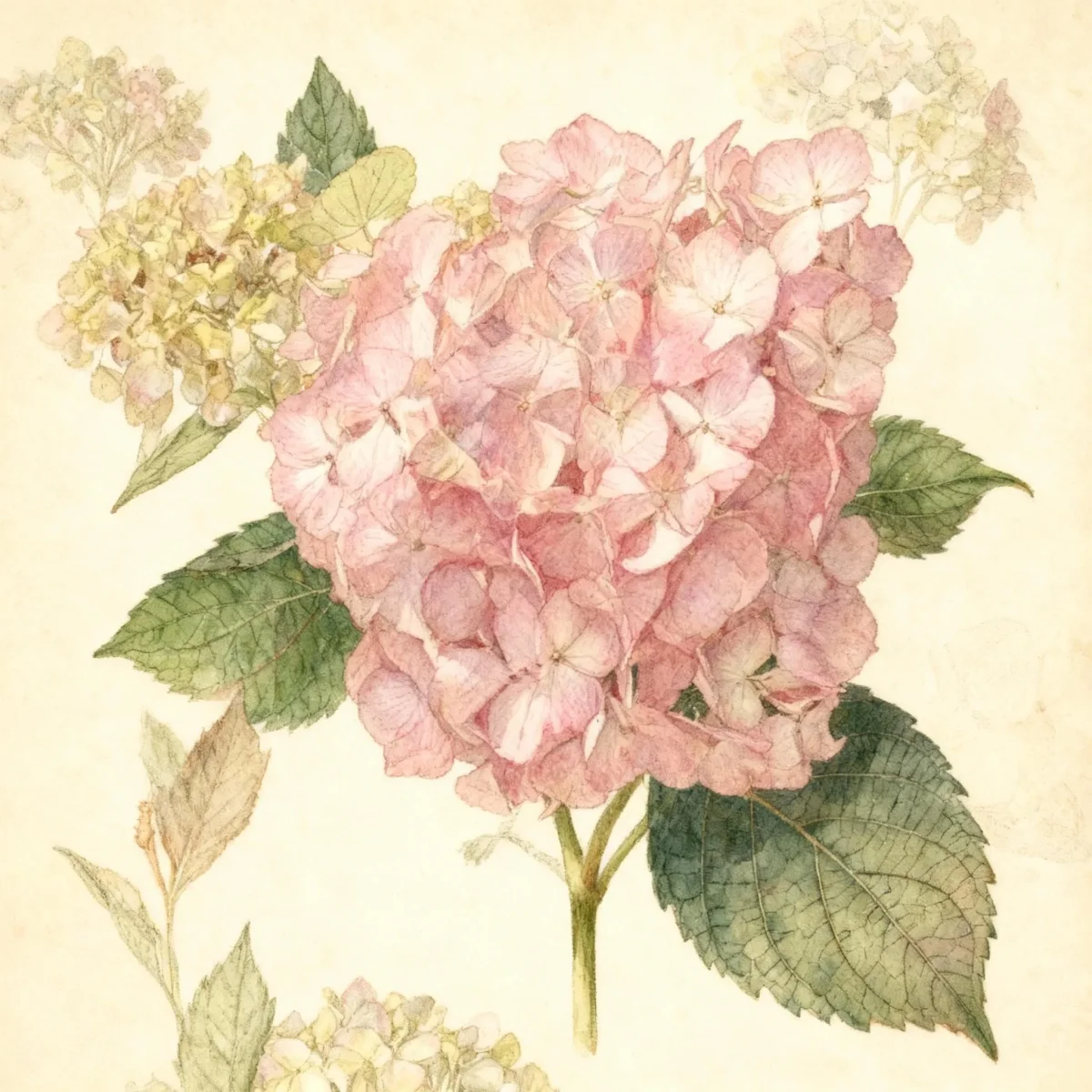
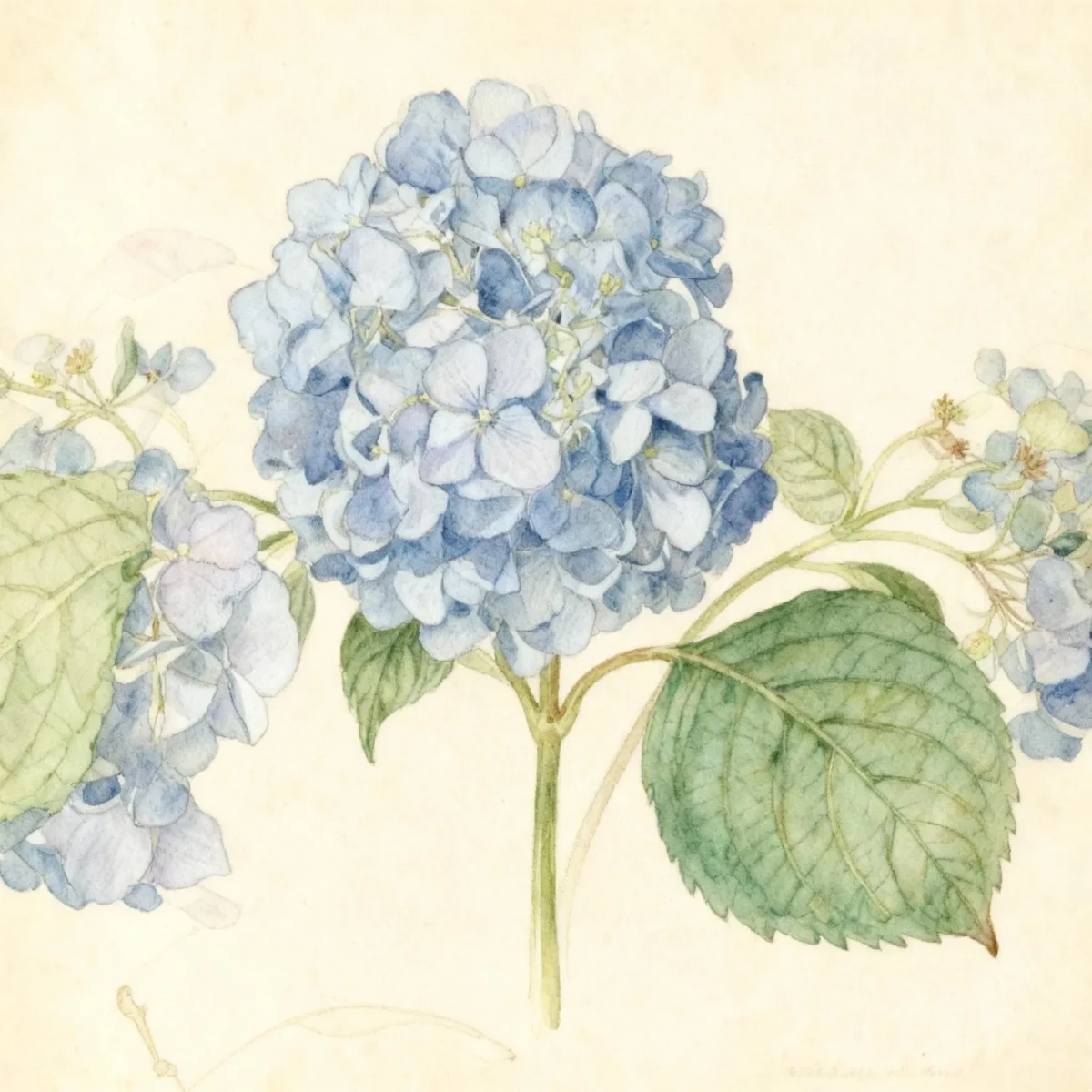
Bigleaf hydrangea (Hydrangea macrophylla)
The Bigleaf hydrangea (Hydrangea macrophylla) is a popular deciduous shrub known for large, showy summer flowers.

Bloom Boldly, No Matter the Season - Sweatshirt
Cozy organic cotton sweatshirt featuring our exclusive Purple Coneflower design. Perfect for gardeners who bloom year-round.
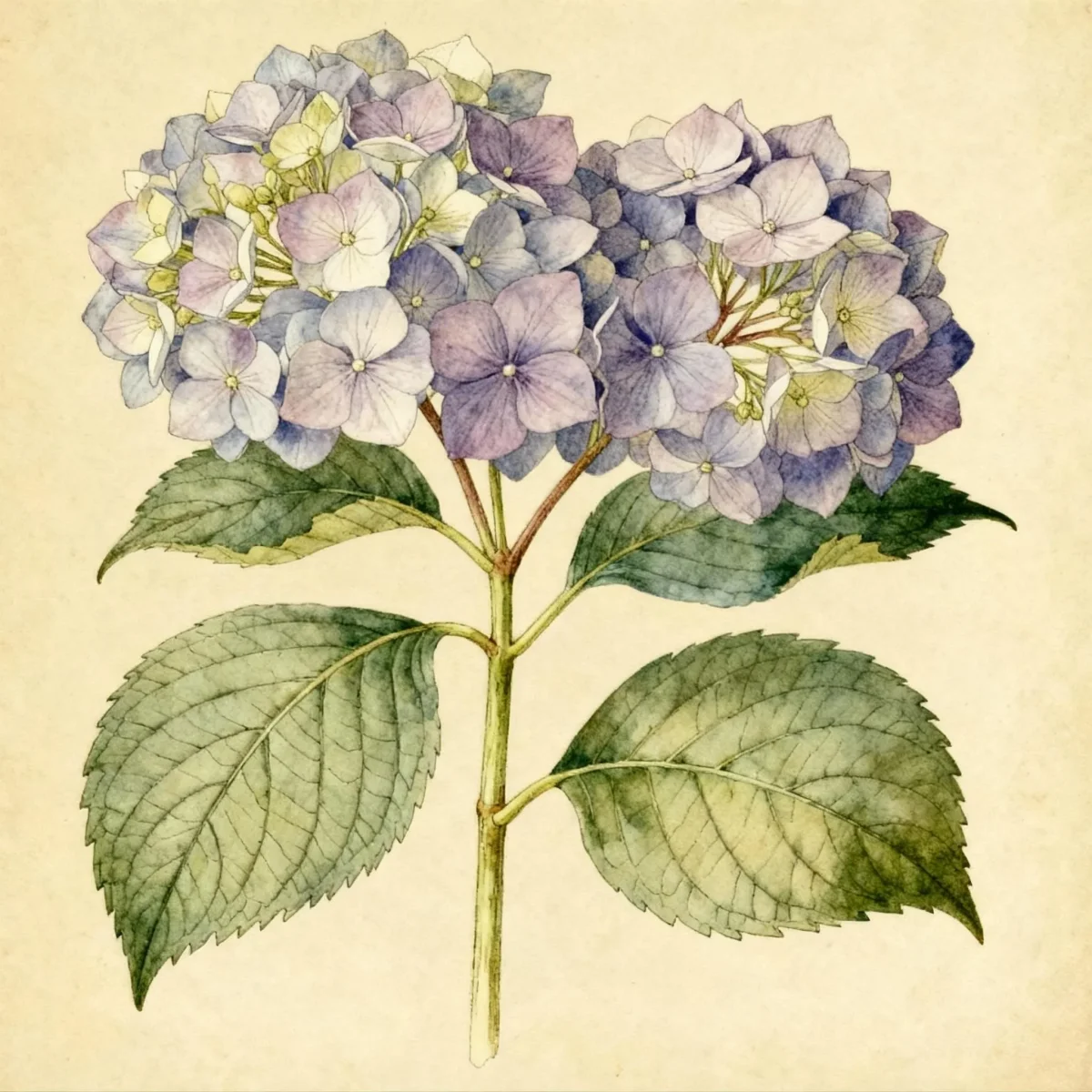
Inspired by the beautiful Bigleaf hydrangea
Limited first batch (50) — join the waitlist for early access
Waitlist closes Feb 15, 2026.
Complete Plant Information
Field Guide Continues
Ready for care notes, companion picks, and planting tips?
The map is just the start. The full guide below covers growth habits, seasonal performance, and landscape uses.
Overview
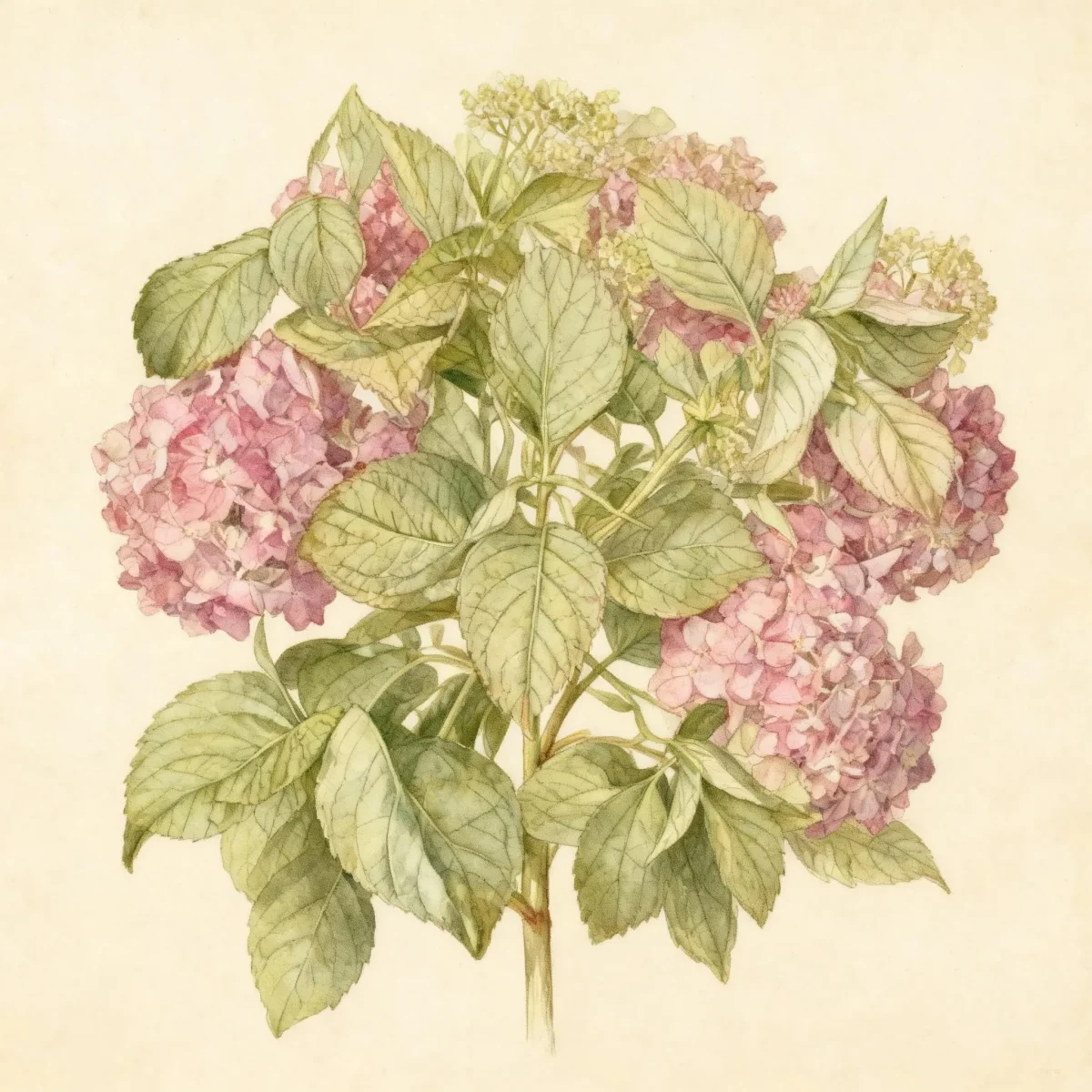
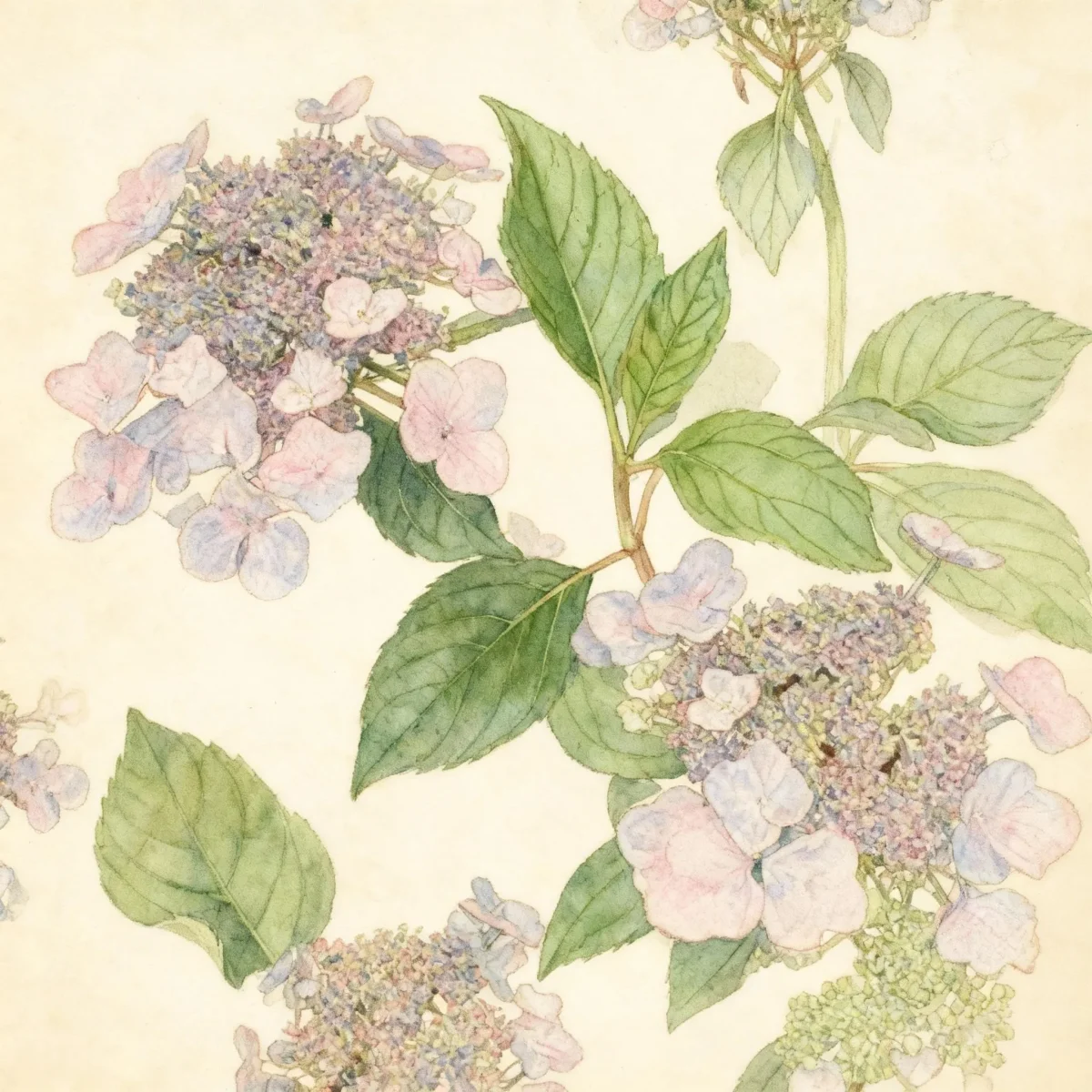
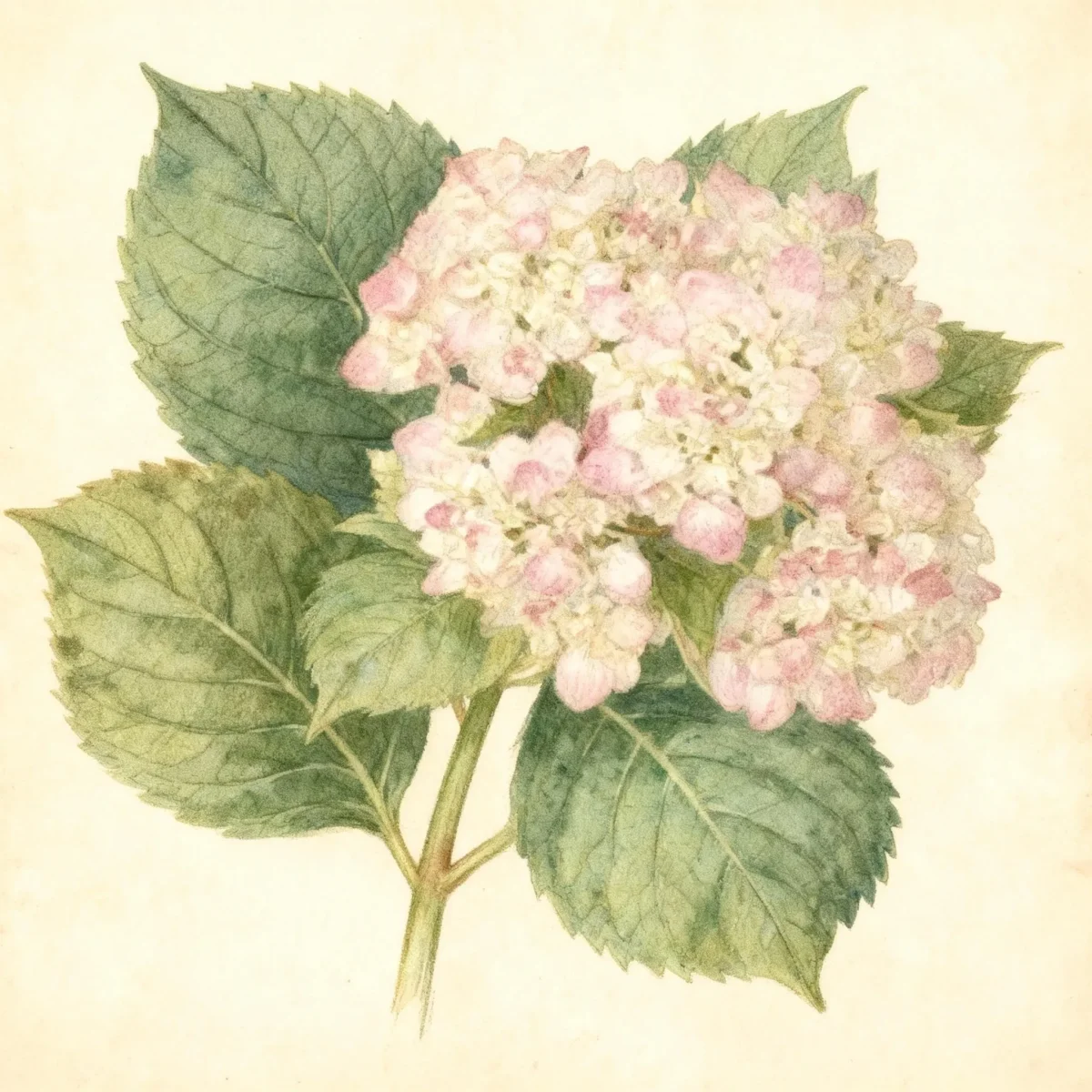
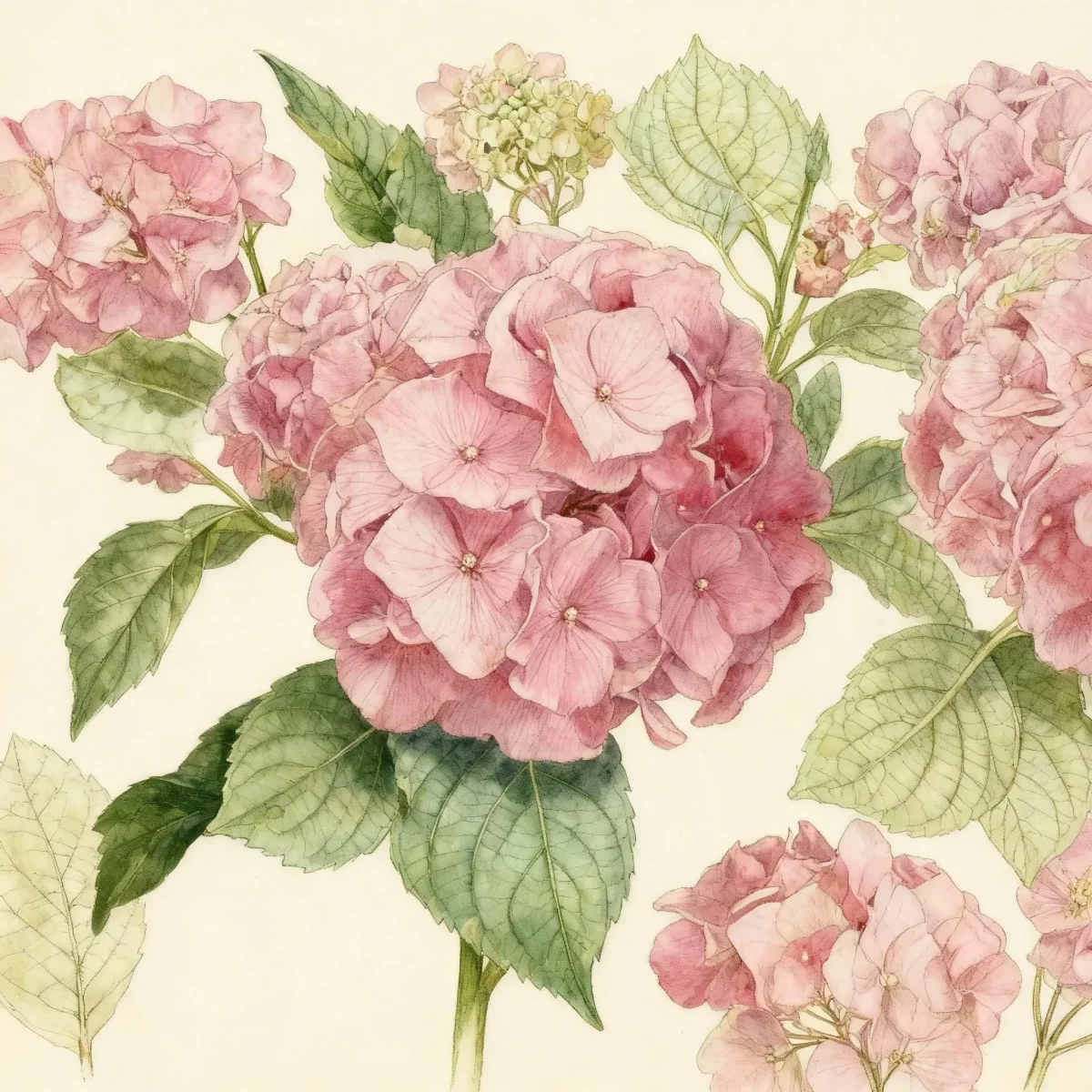
The Bigleaf hydrangea, scientifically known as Hydrangea macrophylla, is celebrated for its dramatic, long-blooming summer flowers, which appear in two main forms: lacecap or mophead. This deciduous shrub offers reliable structure in the landscape, typically reaching 3 to 6 feet tall, making it a cornerstone for many garden designs. Its striking flower color is a primary attraction, providing vibrant late-season interest.
What sets Hydrangea macrophylla apart is the fascinating responsiveness of its blooms to soil chemistry. Flower color can range from pink to blue, directly influenced by the soil pH level. Gardeners can manipulate this characteristic to achieve desired hues, making cultivation an engaging process.
This plant thrives best with consistent moisture and protection from the harshest afternoon sun, fitting perfectly into cottage gardens or as an accent near patios. Understanding the specific needs of your Bigleaf hydrangea ensures abundant flowering and healthy, robust growth season after season.
Fast Facts
- Plant Family: Hydrangeaceae
- Plant Type: Deciduous shrub
- Native Range: China, Japan, Central and South America, Mexico
- Hardiness Zones: USDA Zones 6-9
- Size at Maturity:
- Height: 3-6 ft
- Spread: 3-6 ft
- Bloom Time: July to August
- Bloom Description: Pink to blue
- Sun Exposure: Part shade
- Water Needs: Medium
- Maintenance Level: Medium
How to Grow
Hydrangea macrophylla performs best when planted in rich, well-drained soil that retains medium moisture. While they prefer dappled light or part shade, particularly during intense summer afternoons, they can tolerate full sun only if the soil remains consistently moist. Planting treatments to adjust soil pH should commence in late autumn or early spring for the best results when flowers emerge.
Watering is crucial for this species; aim for consistent moisture, especially during dry spells, as drought stress quickly impacts blooming. Pruning requirements are generally minimal for the Bigleaf hydrangea. If pruning is necessary, perform it immediately after the current season’s flowering ceases, cutting stems back only to a pair of viable buds. In late winter or early spring, remove any stems that appear weak or have suffered winter damage.
For optimal winter protection, especially in the cooler Zone 6 margins, mulch plants deeply around the base with 3 inches of compost or shredded bark annually. Be aware that severe winters can unfortunately compromise flower development, regardless of protection methods, as many cultivars bloom on last year’s wood.
Landscape Uses
The versatile nature of the Bigleaf hydrangea makes it an excellent choice for grouping or mass planting within traditional shrub borders, creating a lush, continuous backdrop of foliage and color. Due to its moderate size, reaching 3 to 6 feet wide and tall, the Hydrangea macrophylla also functions beautifully as an accent specimen near home foundations or flanking entryways.
When planted in a row along a property line or walkway, these shrubs create an attractive hedge that softens structural lines. Their dense habit provides excellent screening. Consider planting them alongside shade-tolerant perennials like Hostas or Astilbes that share similar moisture requirements.
For a more contained display, the Bigleaf hydrangea adapts well to containers. Growing them in large pots allows gardeners in cooler zones to move the plant to a protected location before extreme cold sets in, enhancing successful overwintering of the tender flower buds.
Standout Features
Flower Qualities
- Showy
- Good Cut
- Good Dried
Noteworthy Characteristics
Hydrangea macrophylla, commonly called big leaf hydrangea, is a deciduous shrub with a rounded habit that, in the St. Louis area, typically grows 3-6’ tall and as wide unless damaged by harsh winters or pruned smaller. It generally features serrate, obovate to elliptic, dark green leaves (4-8” long) and large clusters of long-blooming summer flowers in either lacecap form or mophead form.
Tolerances
Potential Problems
Hydrangea macrophylla can occasionally be susceptible to several fungal and bacterial issues, including leaf spot, mildew, and potentially bacterial wilt. Good air circulation and avoiding overhead watering, especially late in the day, can help mitigate fungal development.
Aphids are the most common pest nuisance, typically appearing in the spring or early summer. If an infestation is noticed, treatment with insecticidal soap or horticultural oil is usually effective. Remember that inconsistent winter temperatures can lead to bud loss, which is an environmental issue rather than a disease, resulting in disappointing flower production years.
Frequently Asked Questions
What hardiness zones is Bigleaf hydrangea suitable for?
The Bigleaf hydrangea is generally suitable for USDA Hardiness Zones 6 through 9.
How large does Bigleaf hydrangea grow?
This shrub usually matures to a height between 3 and 6 feet, with a similar spread of 3 to 6 feet wide.
What sun exposure does Bigleaf hydrangea need?
Hydrangea macrophylla prefers part shade, though it can handle full sun if it receives consistently moist soil conditions throughout the heat of the day.
When does Bigleaf hydrangea bloom?
This species provides color from July through August, displaying flowers described as pink to blue, depending on the soil chemistry.
Seasonal Care Calendar
Successful cultivation of Hydrangea macrophylla relies on timely seasonal attention. In late winter or very early spring, inspect plants and prune out any dead or obviously damaged wood, cutting stems back to healthy, visible buds. This is also the ideal time to apply soil amendments like aluminum sulfate or lime if color correction is desired for that season’s blooms.
When summer arrives, especially if temperatures are high, monitor water needs closely. The medium water requirement translates to deeply watering the plant when the top inch or two of soil begins to dry out. Mulching heavily year-round with a 3-inch layer protects shallow roots from heat and conserves the critical moisture these shrubs demand.
Pruning should only occur immediately after the blooms fade in the summer. Cutting back stems right after flowering encourages regrowth that is better prepared for the following winter dormancy. Avoid pruning in the fall, as this removes the wood that would potentially carry next year’s flowers.
Companion Planting
Because the Bigleaf hydrangea requires rich, well-drained soil and consistent hydration, select companion plants that share this preference for partially shaded, moist locations. Ferns, such as Japanese Painted Ferns or traditional Ostrich Ferns, offer contrasting foliage texture and thrive under the dappled canopy provided by taller shrubs or trees.
Hellebores (Helleborus spp.) are excellent early-season companions, emerging with color as the Hydrangea macrophylla is just beginning to leaf out. For late-season repeat color beneath the hydrangea canopy, consider shade-tolerant groundcovers or perennials like Coral Bells (Heuchera) or various woodland Phlox varieties.
Conclusion
The Bigleaf hydrangea (Hydrangea macrophylla) remains an indispensable element in the temperate garden due to its magnificent summer flower display and its unique ability to shift color based on soil pH. This medium-maintenance shrub rewards attentive care with reliable structure and outstanding visual impact. Before planting, verify that your landscape falls within USDA Zones 6-9 and plan your soil fertility strategy to ensure you achieve the desired blue or pink hues.