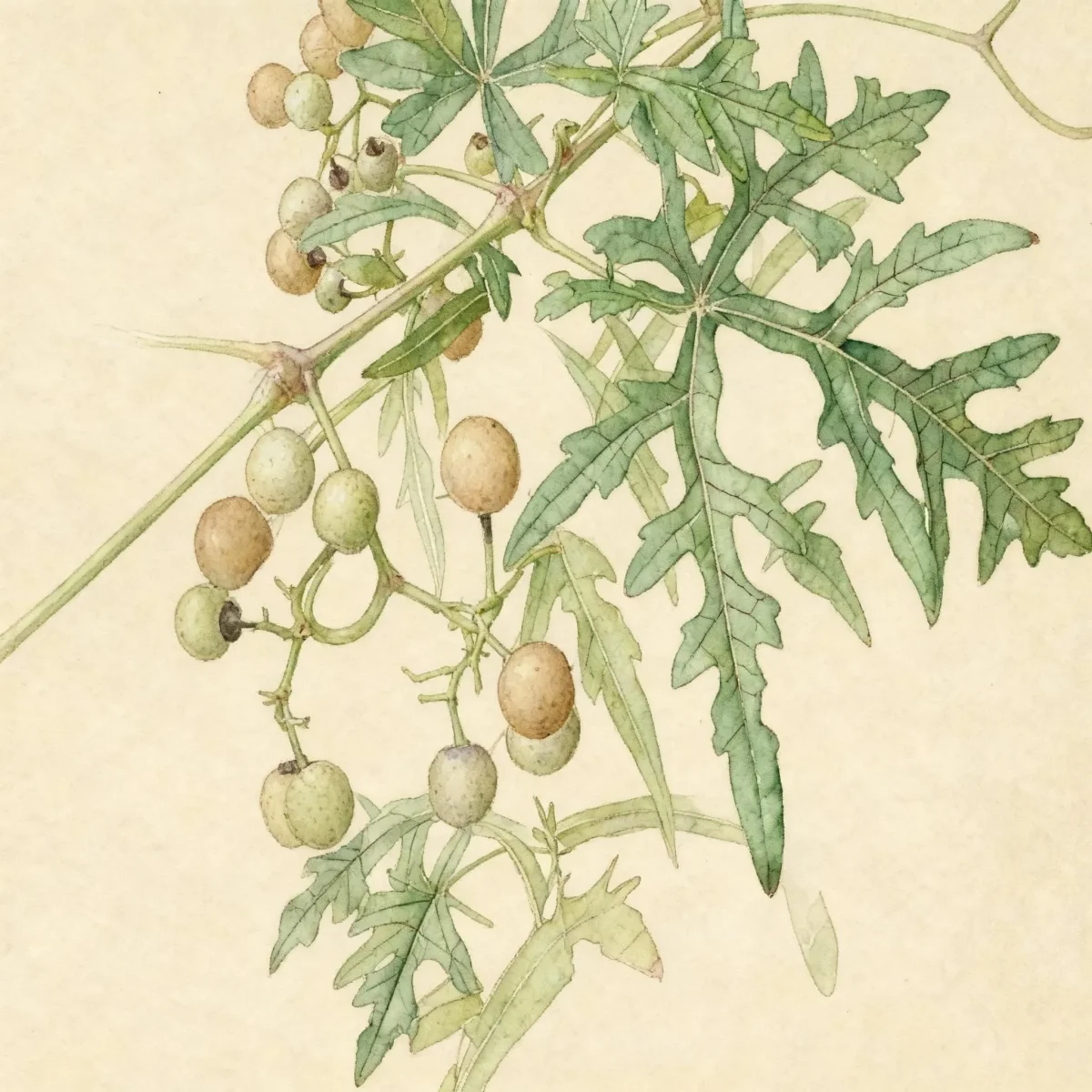
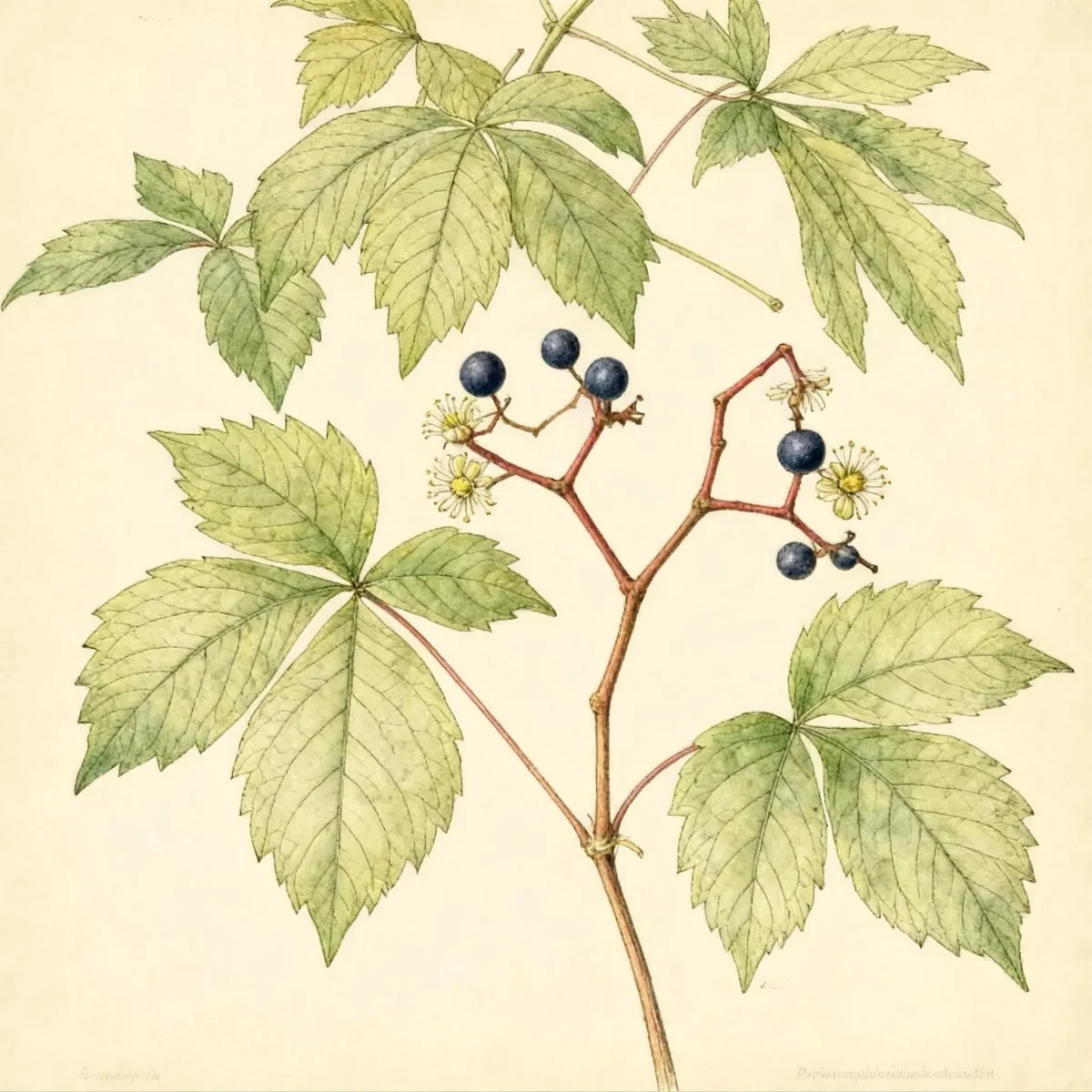
Virginia creeper (Parthenocissus quinquefolia)
Vigorous Parthenocissus quinquefolia, Virginia creeper, provides stunning crimson fall color and robust coverage for walls and slopes.

Bloom Boldly, No Matter the Season - Sweatshirt
Cozy organic cotton sweatshirt featuring our exclusive Purple Coneflower design. Perfect for gardeners who bloom year-round.
Inspired by the beautiful Virginia creeper
Limited first batch (50) — join the waitlist for early access
Waitlist closes Feb 15, 2026.
Complete Plant Information
Field Guide Continues
Ready for care notes, companion picks, and planting tips?
The map is just the start. The full guide below covers growth habits, seasonal performance, and landscape uses.
Overview
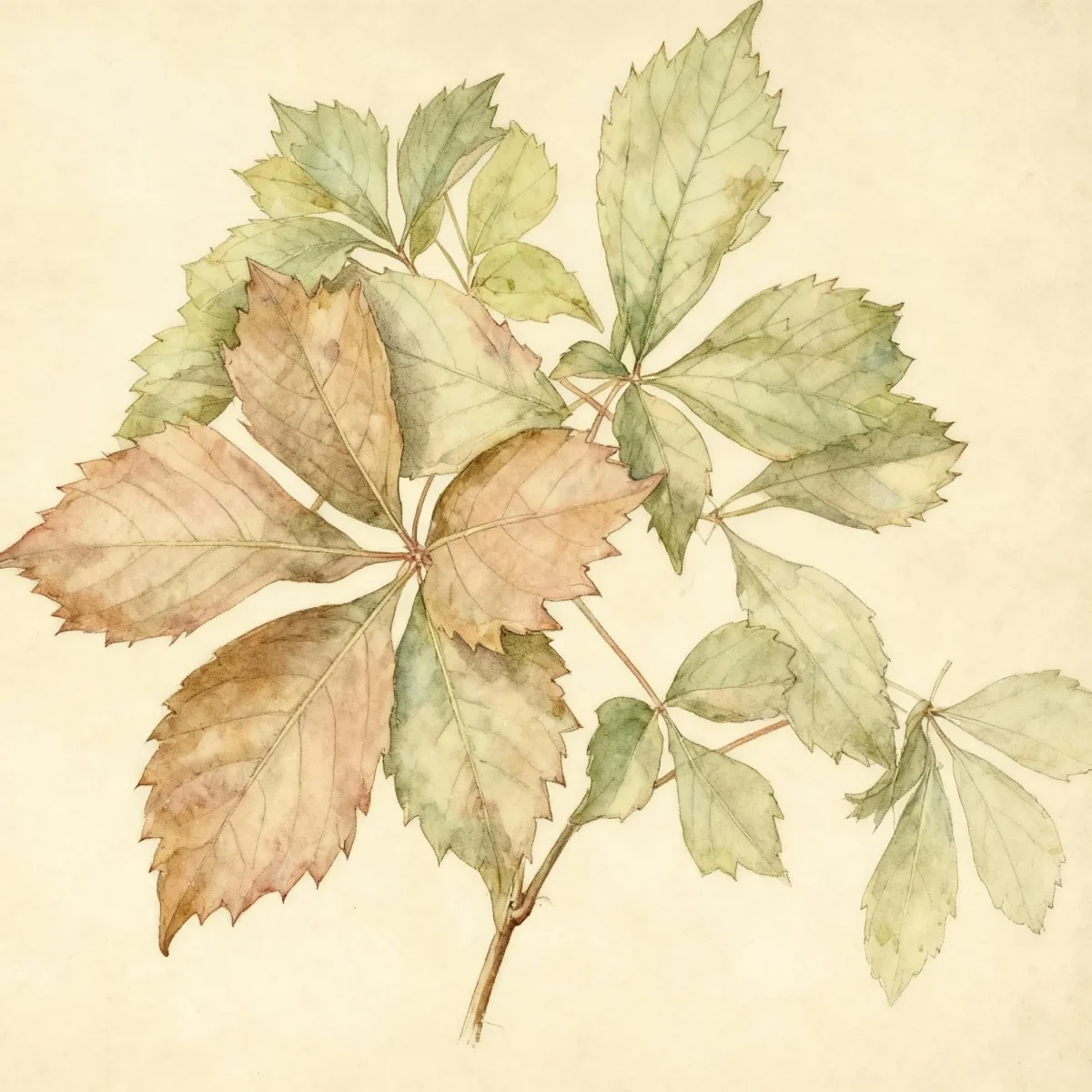
Virginia creeper, or Parthenocissus quinquefolia, is a highly vigorous, deciduous woody vine prized for its rapid growth and spectacular autumn display. This native North American plant quickly establishes dense coverage using adhesive holdfasts, making it an excellent choice for covering large, non-fragile structures or stabilizing difficult slopes. While its summer foliage is a simple green, the transition to purple and crimson red in the fall transforms the landscape impressively.
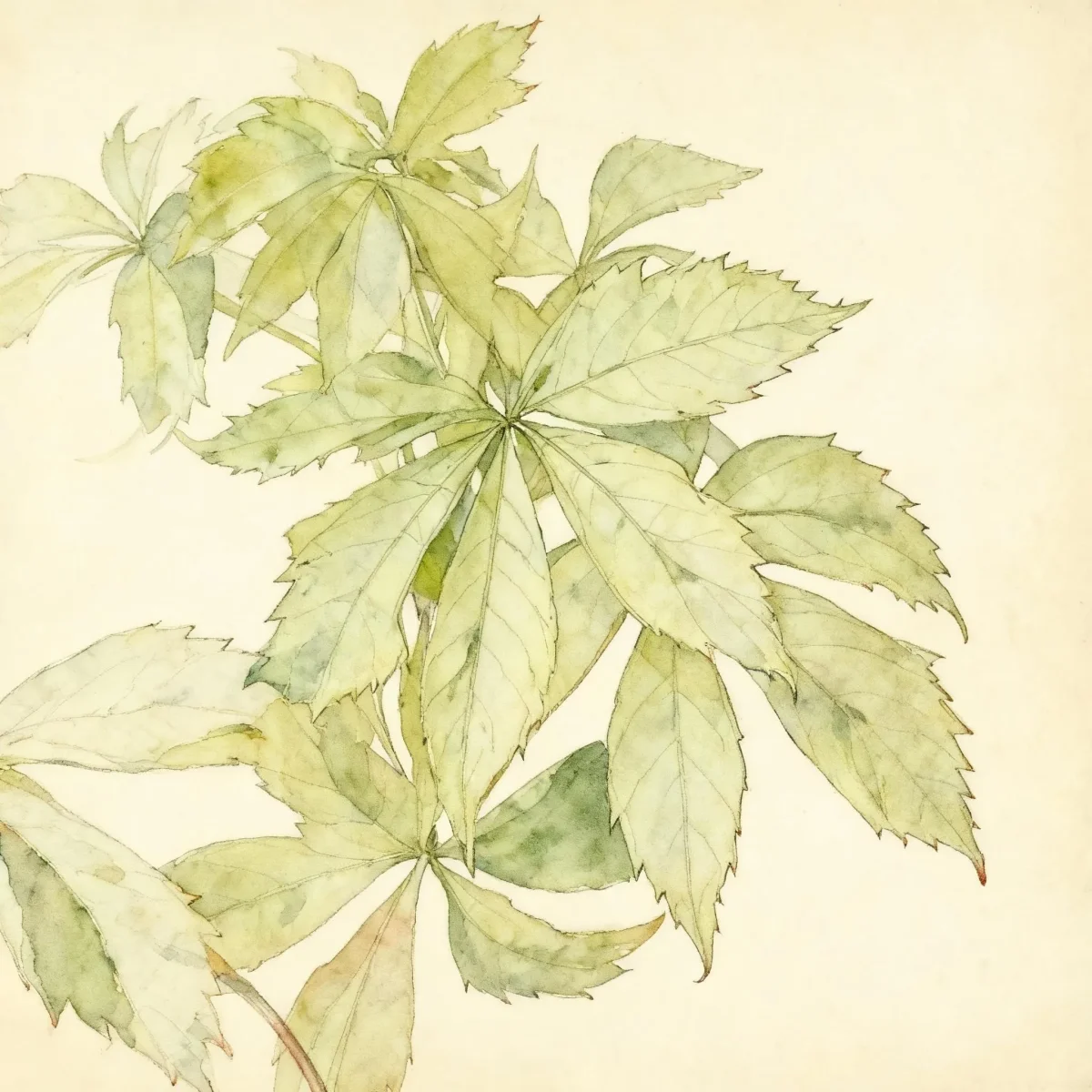
This tenacious climber offers surprising adaptability, thriving across a very wide range of conditions, from full sun to heavy shade, and tolerating various soil types. Parthenocissus quinquefolia is structurally defined by its distinctive five-parted (palmate) leaves, which give rise to its common names. Gardeners should be prepared for its aggressive spreading nature, as routine trimming is essential to keep this powerful climber in check.
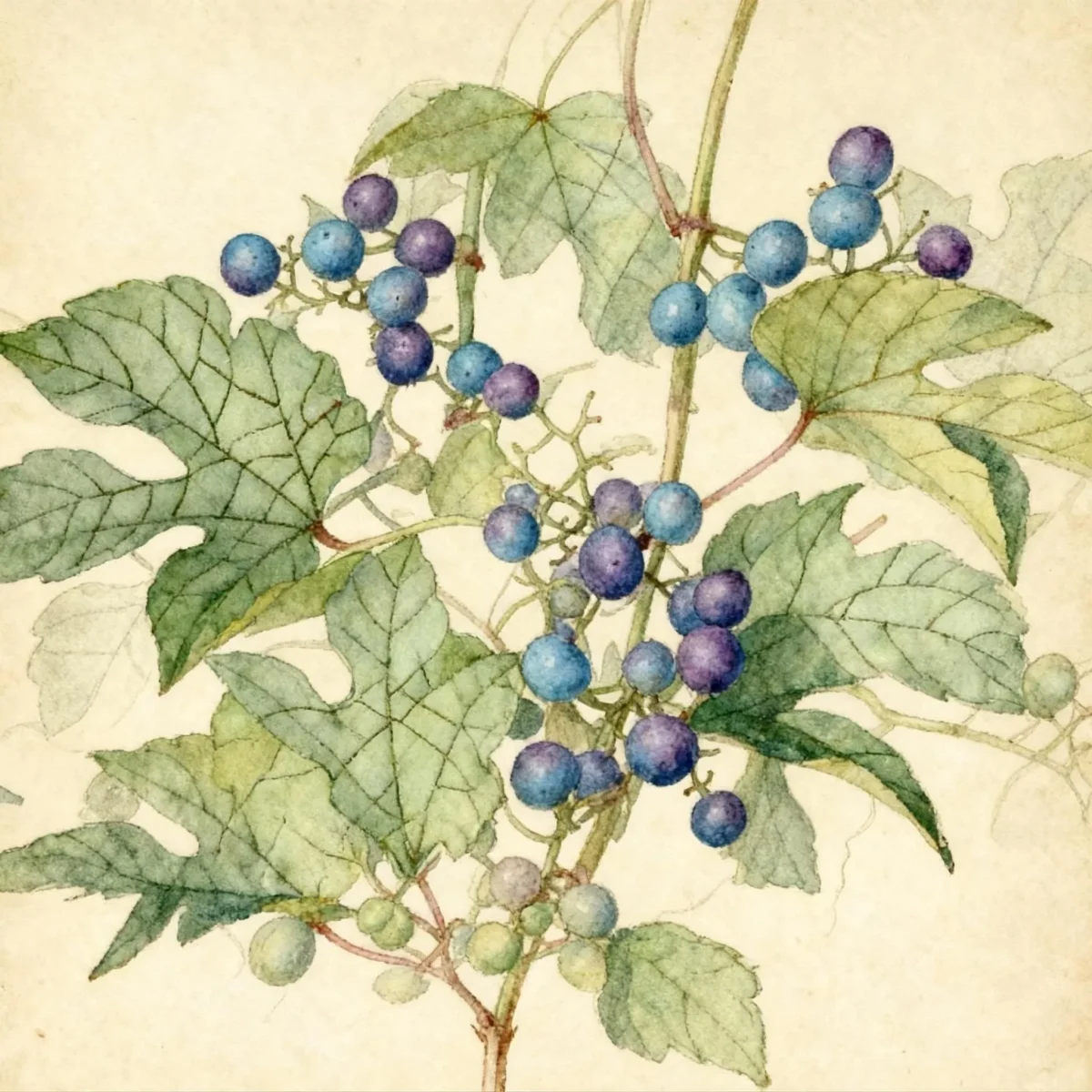
Beyond aesthetics, Virginia creeper provides functional benefits like erosion control and serves as a food source for wild birds once its blue-black berries mature. Its resilience makes it a dependable, low-maintenance choice for large-scale greening projects where a specimen vine is required to scale walls, arbors, or mature trees.
Fast Facts
- Plant Family: Vitaceae
- Plant Type: Vine
- Native Range: Eastern United States to Mexico
- Hardiness Zones: USDA Zones 3-9
- Size at Maturity:
- Height: 30-50 ft
- Spread: 5-10 ft
- Bloom Time: May to August
- Bloom Description: Greenish white
- Sun Exposure: Full sun to part shade
- Water Needs: Medium
- Maintenance Level: Medium
How to Grow
Start planting Parthenocissus quinquefolia in average, medium-moisture, well-drained soils. Although it readily establishes in full sun, gardeners seeking the most brilliant fall color should site the vines where they receive ample sunlight. This plant handles a wide array of challenging urban conditions and poor soils well, including clay, making it exceptionally forgiving for initial placement.
Water needs are generally medium once established, though brief periods of drought are tolerated thanks to its robust root system. Fertilization is rarely necessary, as its vigor often provides all the nutrition it requires. The primary care task for Parthenocissus quinquefolia is aggressive pruning; it must be trimmed regularly to restrict its spread and prevent it from invading unwanted areas.
Exercise caution when siting this vine near organic materials like wood or shingle siding, as the suckering holdfasts are extremely difficult to remove and can cause cosmetic damage upon removal. Similarly, monitor structures like shutters or wiring, as unchecked growth can seriously damage these components. Pruning in late winter or early spring can help shape the vine before seasonal growth begins.
Landscape Uses
The relentless climbing ability of Virginia creeper makes it an ideal, fast-acting solution for blank or unattractive vertical surfaces. It excels when used to cover large, sturdy structures like brick or stone walls of substantial buildings, where its tendrils can securely anchor themselves over time. For gardeners desiring overhead coverage, Parthenocissus quinquefolia performs beautifully on large arbors, robust pergolas, or allowed to climb the trunks of established, mature trees.
When ground space is available, this vine functions equally well as a dense ground cover, effectively masking rock piles, obscuring large stumps, or providing critical initial stabilization on steep slopes to combat erosion. Its ability to tolerate heavy shade, combined with its drought tolerance, makes it a reliable choice for difficult, neglected areas of the landscape where other plantings struggle.
For large-scale screening or creating an immediate sense of establishment, few North American vines rival the speed and density provided by Virginia creeper. Always ensure there are no painted surfaces or delicate trim work nearby that could suffer damage from the adhesive disks.
Standout Features
Flower Qualities
- Insignificant
Fruit Qualities
- Showy
Noteworthy Characteristics
Parthenocissus quinquefolia is a deciduous, woody vine commonly known as woodbine, native to eastern and central North America. This vigorous climber rapidly reaches 30 to 50 feet, utilizing adhesive holdfasts on its tendrils to cling effortlessly to brick, stone, or wood. Its signature feature is the compound-palmate leaves that turn brilliant shades of purple and crimson red during the fall season before dropping their fruit to birds.
Tolerances
- Deer
- Drought
- Heavy Shade
- Erosion
- Clay Soil
- Black Walnut
Potential Problems
Virginia creeper generally faces no serious, pervasive problems, but occasional fungal issues such as mildews, leaf spots, canker, and wilt can occur, especially in humid or overly dense plantings. Insect pests like various beetles, scale insects, and leaf hoppers may occasionally affect the foliage, though established plants usually overcome minor infestations easily. The most significant management concern stems from its aggressive attachment mechanism; once Parthenocissus quinquefolia has climbed a structure, removing it is challenging and often results in damage to painted surfaces where residues are left behind.
If damage occurs to buildings, the best prevention is careful siting from the start; avoid placing the vine on wood or shingle walls you may need to paint or repair soon. Should trimming be required, wear gloves, as the sap can cause skin irritation in sensitive individuals. Regular inspection during the growing season allows for early detection and management of minor pest or disease outbreaks.
Frequently Asked Questions
What hardiness zones is Virginia creeper suitable for?
Parthenocissus quinquefolia is hardy across a broad range, thriving in USDA Zones 3 through 9.
How large does Virginia creeper grow?
This vigorous vine has the potential to reach significant heights, typically growing 30 to 50 feet tall, with a spread ranging from 5 to 10 feet as it covers surfaces.
What sun exposure does Virginia creeper need?
It adapts well to many situations, preferring full sun to part shade, but note that best fall color usually develops in sunnier locations.
When does Virginia creeper bloom?
The greenish white flowers of this plant appear over a long period, often blooming from May through August.
Conclusion
The remarkable adaptability and fast coverage offered by Virginia creeper (Parthenocissus quinquefolia) make it an indispensable tool for covering large vertical spaces or stabilizing tough slopes. Its vibrant crimson fall foliage ensures it remains an outstanding ornamental performer throughout the year. Before planting, successfully site your Parthenocissus quinquefolia away from delicate structures, and then enjoy one of North America’s most resilient and beautiful native vines.
Wildlife Benefits
Virginia creeper provides important late-season resources for local fauna. While the greenish-white flowers are generally overlooked by casual observers, they do support various pollinators during the late spring and summer months. The true wildlife benefit appears later in the season when the vine produces abundant, small, blue-black berries.
These berries mature in the autumn and persist into winter, serving as a vital food source for numerous species of native birds when other food supplies become scarce. Allowing the vine to mature unpruned in certain areas maximizes the fruit display and provides shelter within its dense canopy.
Companion Planting Suggestions
Due to the rapid establishment and dense coverage of Parthenocissus quinquefolia, companion plantings should generally be restricted to the base of the structure or areas where the vine will not compete for sunlight. In very sunny, well-drained areas where the base of the vine is visible, consider using low-growing, tough perennials that don’t mind occasional shade from the vine’s lower reaches.
Excellent partners that share the medium water needs and tolerance for poor soils include many native asters or rudbeckia varieties to add seasonal flower color near the edges of the coverage area. When using Virginia creeper on a fence or arbor, ensure the companions are hearty enough to withstand root competition or occasional leaf litter from above.