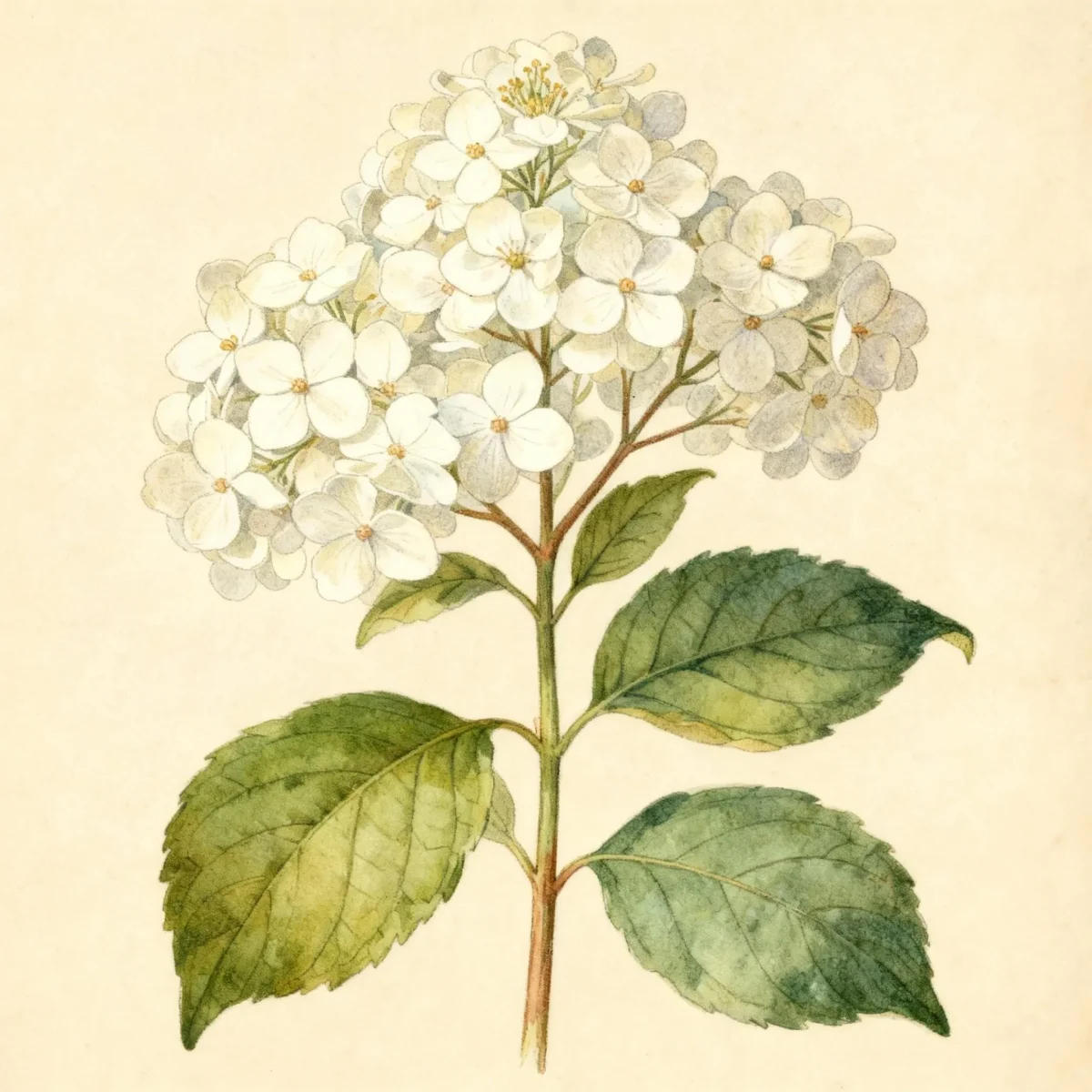
Panicle hydrangea (Hydrangea paniculata 'Chantilly Lace')
Hydrangea paniculata 'Chantilly Lace' is a compact Panicle hydrangea with white-to-pink blooms, ideal for Zones 3-8.
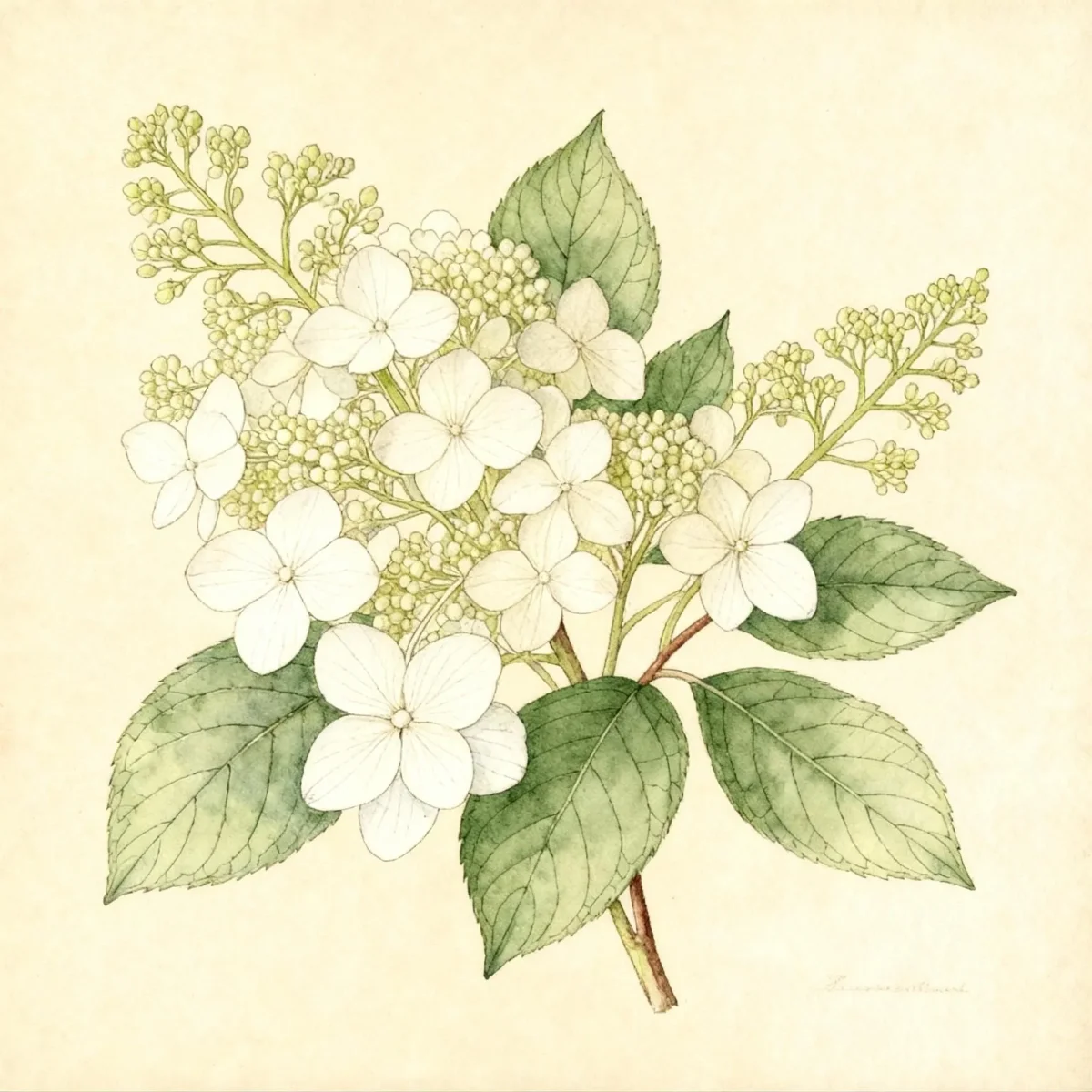

Bloom Boldly, No Matter the Season - Sweatshirt
Cozy organic cotton sweatshirt featuring our exclusive Purple Coneflower design. Perfect for gardeners who bloom year-round.
Inspired by the beautiful Panicle hydrangea
Limited first batch (50) — join the waitlist for early access
Waitlist closes Feb 15, 2026.
Complete Plant Information
Field Guide Continues
Ready for care notes, companion picks, and planting tips?
The map is just the start. The full guide below covers growth habits, seasonal performance, and landscape uses.
Overview
Hydrangea paniculata ‘Chantilly Lace’ is a sought-after cultivar of the vigorous Panicle hydrangea, prized for its compact stature and reliably attractive summer bloom. This Deciduous shrub offers spectacular, long-lasting flower heads that shift from crisp white to rosy pink throughout the season, providing late-season interest when many other shrubs are fading. As one of the most winter-hardy hydrangeas available, Hydrangea paniculata ‘Chantilly Lace’ reliably performs across a wide range of USDA Zones.
This cultivar generally reaches a manageable height and spread of 5 to 6 feet, making it far more versatile than its larger relatives. It thrives in both sunny exposures and dappled light, provided soil moisture is consistent. Gardeners value the Panicle hydrangea for its robust nature and its ability to enhance structure and texture in the landscape well into autumn.
The structure of Hydrangea paniculata ‘Chantilly Lace’ is an upright mound, perfect for defining borders or serving as a specimen highlight. Its bloom cycle begins in mid-summer, ensuring a continuous display until frost, thereby extending the garden’s visual appeal significantly.
Fast Facts
- Plant Family: Hydrangeaceae
- Plant Type: Deciduous shrub
- Hardiness Zones: USDA Zones 3-8
- Size at Maturity:
- Height: 5-6 ft
- Spread: 5-6 ft
- Bloom Time: July to September
- Bloom Description: White maturing to pink
- Sun Exposure: Full sun to part shade
- Water Needs: Medium
- Maintenance Level: Medium
How to Grow
The best results for Hydrangea paniculata ‘Chantilly Lace’ occur when planted in organically rich, medium-moisture, well-drained soils. While versatile, aim for full sun to light afternoon shade; too much deep shade can reduce overall flowering of this Panicle hydrangea. Planting should ideally occur in spring or fall when conditions are cooler, allowing the root system to establish before summer heat or winter cold arrives.
Water needs are medium; ensure consistent moisture, especially during establishment and through dry summer periods, though avoid waterlogged conditions. Maintenance is moderate; this shrub generally benefits from being pruned in late winter or early spring, as blooms appear on current season’s growth. For larger flower panicles, thin the overall structure to just 5 to 10 primary shoots originating from the base.
This variety inherently thrives in urban conditions and displays excellent winter hardiness across its range. Be aware that in full bloom, the weight of the developing flowers may cause branches to arch gracefully outward. Regular shaping helps maintain the ideal upright mound form expected of Hydrangea paniculata ‘Chantilly Lace’.
Landscape Uses
As a structurally sound shrub, Hydrangea paniculata ‘Chantilly Lace’ serves brilliantly for formal or informal landscape needs. It excels when used as a hedge, providing a flowering screen that remains attractive across several months. Consider massing several plants together in a mixed shrub border to create continuous coverage and texture.
This Panicle hydrangea is also highly effective as a stand-alone lawn specimen where its mounding shape can be fully appreciated. Because it provides vibrant late-summer bloom, it partners well with spring-flowering bulbs or early summer perennials that finish before its main show begins. Use this dependable shrub in open woodland garden settings or near patios for high-impact seasonal viewing.
Standout Features
Flower Qualities
- Showy
Noteworthy Characteristics
Hydrangea paniculata, commonly called panicle hydrangea, is a vigorous, upright, rapid-growing, somewhat coarsely textured, deciduous shrub that is native to China and Japan. ‘Chantilly Lace’ is a somewhat compact cultivar that typically grows in an upright mound to 5-6’ tall and as wide, featuring flower panicles (10” by 6”) that open white but mature to pink. This is a late-blooming cultivar often producing flowers until fall frost, backed by attractive, dark green foliage throughout the growing season.
Tolerances
- Air Pollution
Potential Problems
Occasional pests for this Panicle hydrangea include aphids and mites, which can usually be managed with horticultural oil or insecticidal soap. Susceptibility exists toward several fungal and bacterial issues, specifically bud blight, bacterial wilt, leaf spot, rust, and mildew. Preventative cultural care, such as ensuring good air circulation through proper pruning and avoiding overhead irrigation in the evening, minimizes disease pressure on Hydrangea paniculata ‘Chantilly Lace’.
Frequently Asked Questions
What hardiness zones is Panicle hydrangea suitable for?
Hydrangea paniculata ‘Chantilly Lace’ is reliably hardy in USDA Zones 3 through 8.
How large does Hydrangea paniculata ‘Chantilly Lace’ grow?
This cultivar typically matures into an upright mound measuring 5 to 6 feet in both height and spread.
When does Panicle hydrangea bloom?
The bloom time for this variety is generally from July extending through September, with flowers opening white and aging to shades of pink.
What sun exposure does Hydrangea paniculata ‘Chantilly Lace’ need?
It performs best when situated in full sun to areas receiving part shade.
Conclusion
Hydrangea paniculata ‘Chantilly Lace’ offers gardeners reliable structure, hardiness, and an extended blooming season featuring beautiful color-shifting panicles. Incorporating this adaptable Panicle hydrangea means enjoying vibrant late-summer color resistant to urban stresses. Before planting, ensure your site conditions align with its medium water needs and its placement within USDA Zones 3-8.
Companion Planting
When planning a mixed border around your Hydrangea paniculata ‘Chantilly Lace’, select companions that appreciate similar moisture levels and potentially contrast in bloom time or foliage. Low-growing perennials like Hosta or Heuchera (Coral Bells) thrive in the part-shade areas Hydrangeas may inhabit, providing textural contrast beneath the arching branches. For height in the background, consider tall ornamental grasses or late-summer flowering natives like Joe-Pye Weed, noting that both appreciate the rich, well-drained soil preferred by the Panicle hydrangea.
Seasonal Care Calendar
Spring is crucial for shaping this shrub; prune back last year’s growth lightly in late winter or early spring before new buds break to encourage robust flowering. As summer begins in June and July, focus intensely on consistent watering, as Hydrangea paniculata ‘Chantilly Lace’ needs medium moisture, especially when flower panicles are developing. In the fall, enjoy the deepening pink tones of the flowers; avoid heavy fertilization near this time, instead focusing on clearing away fallen leaves to reduce overwintering fungal spores that cause potential mildew problems.