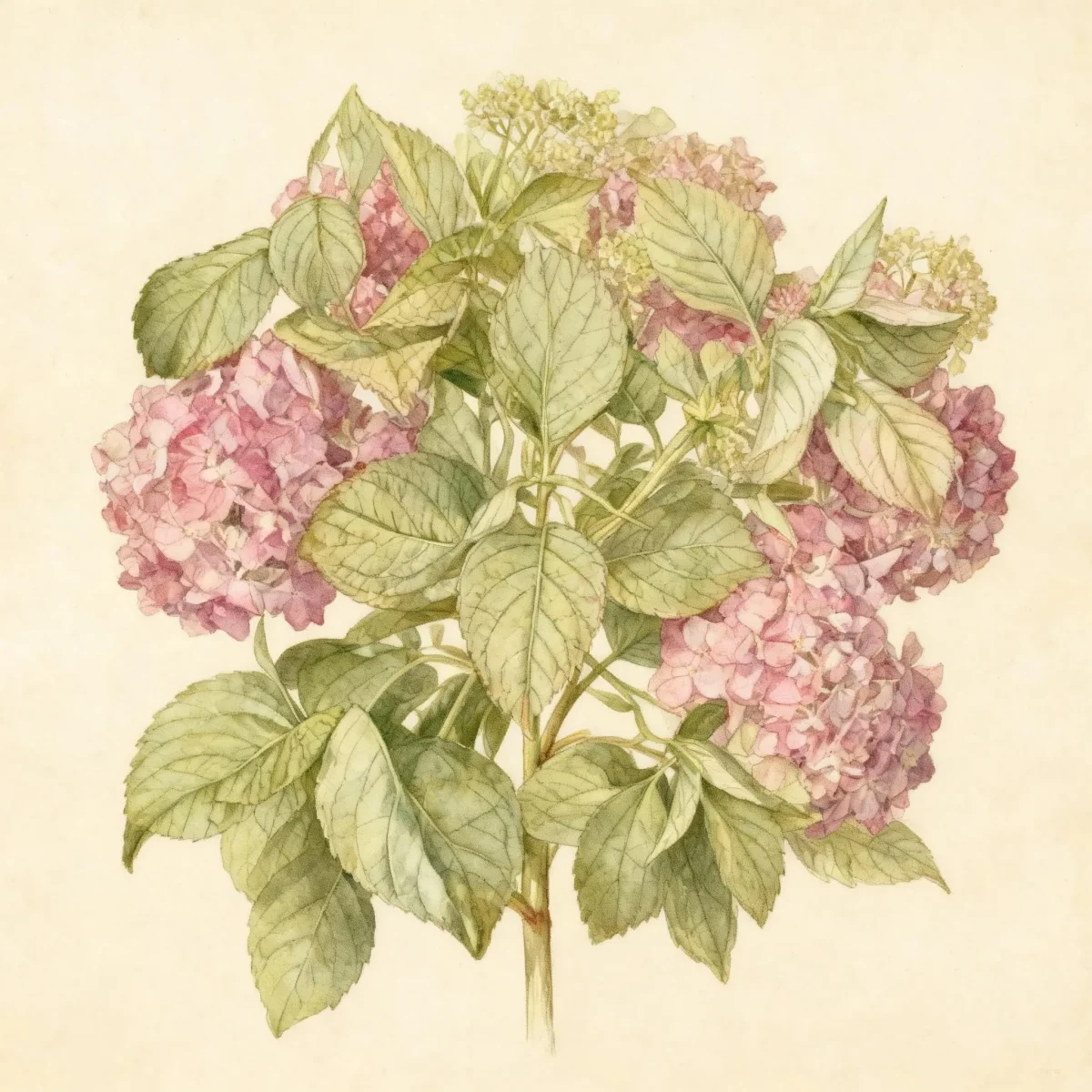
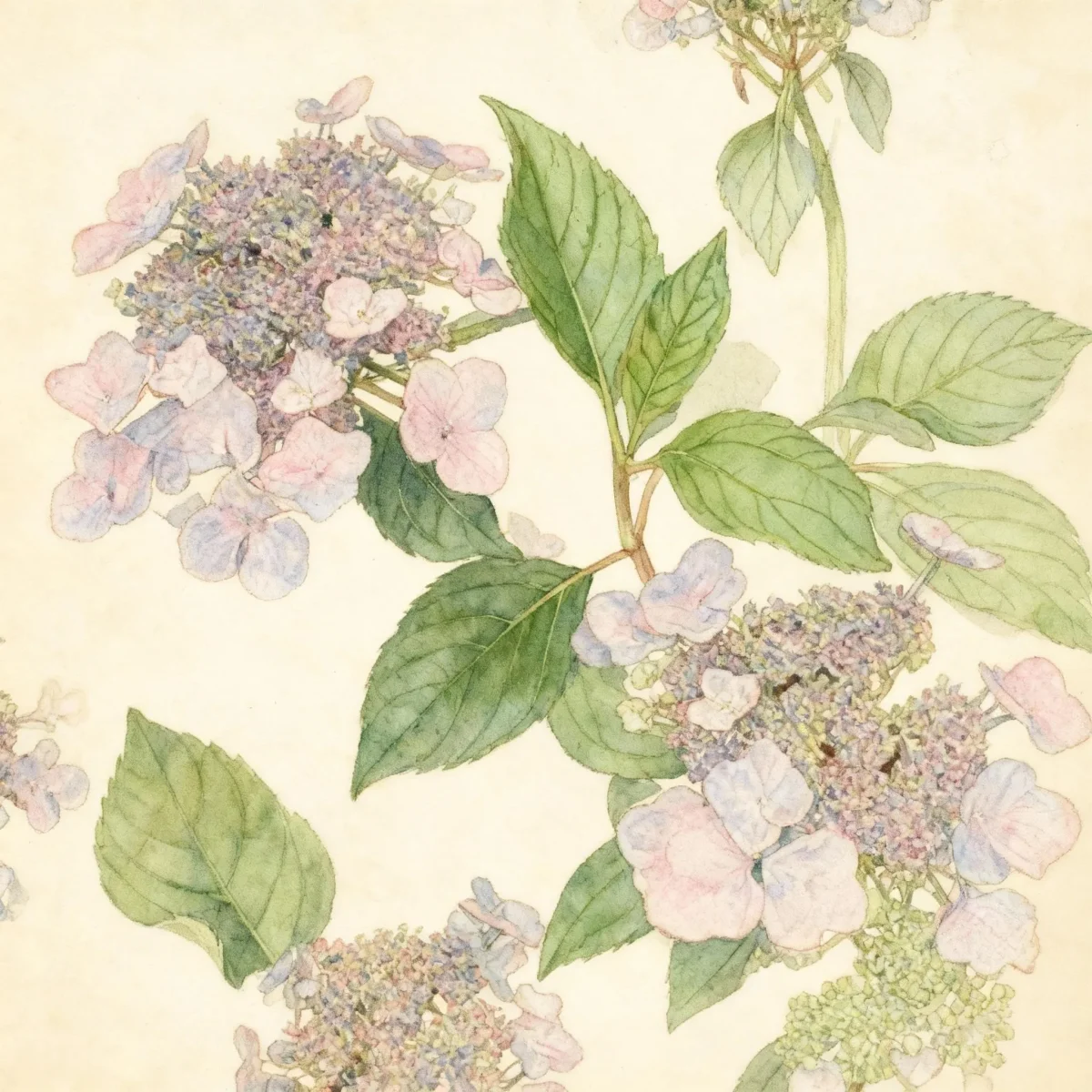
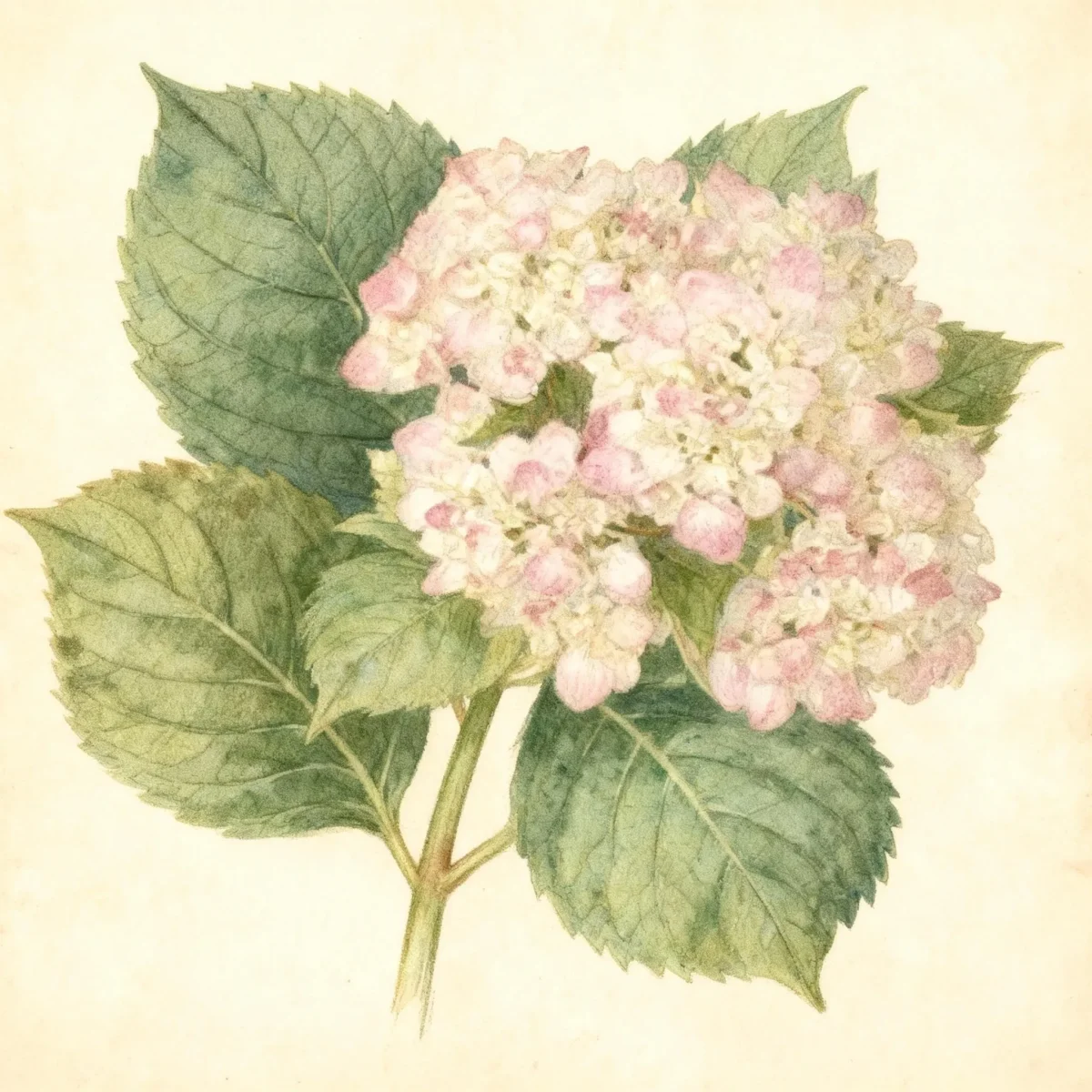
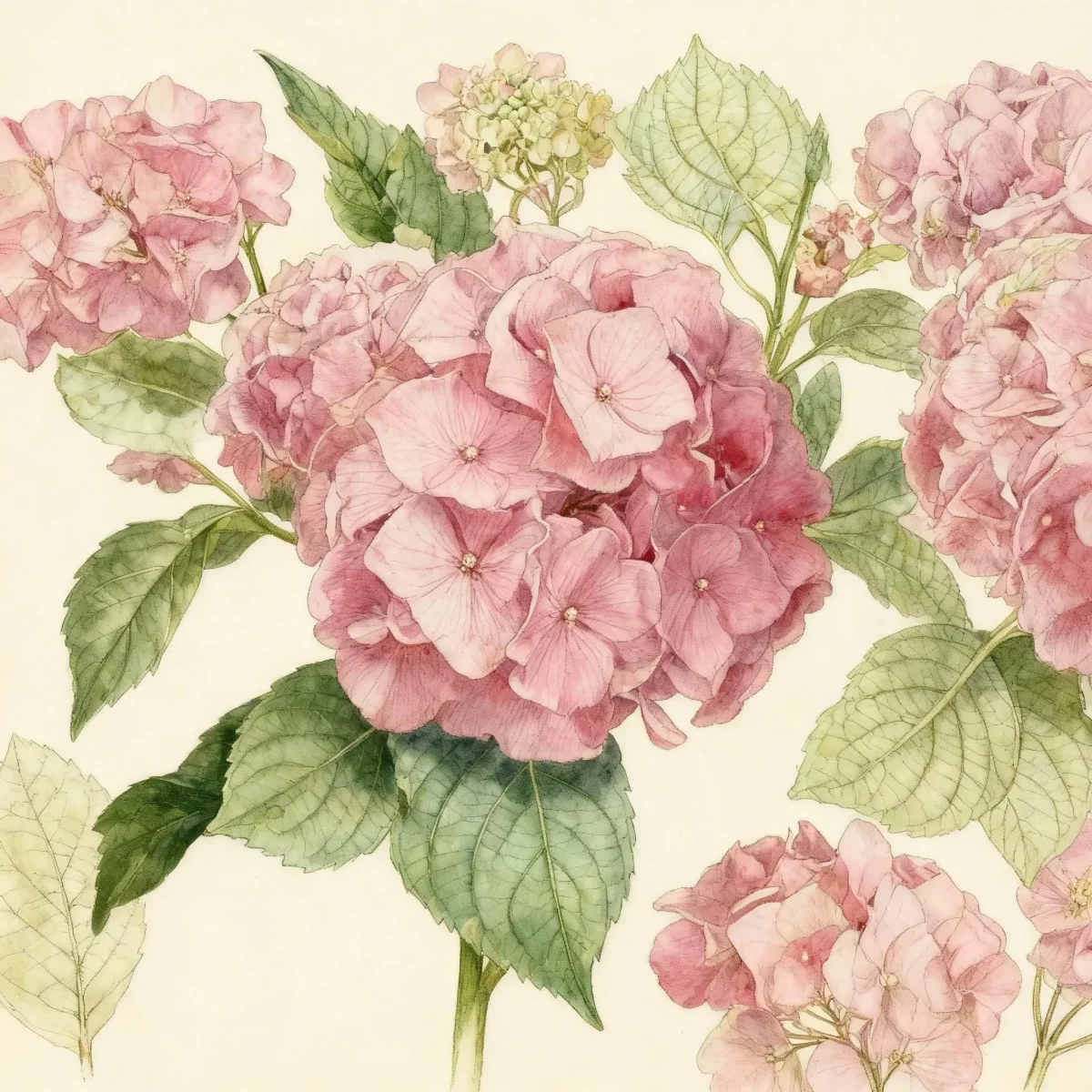
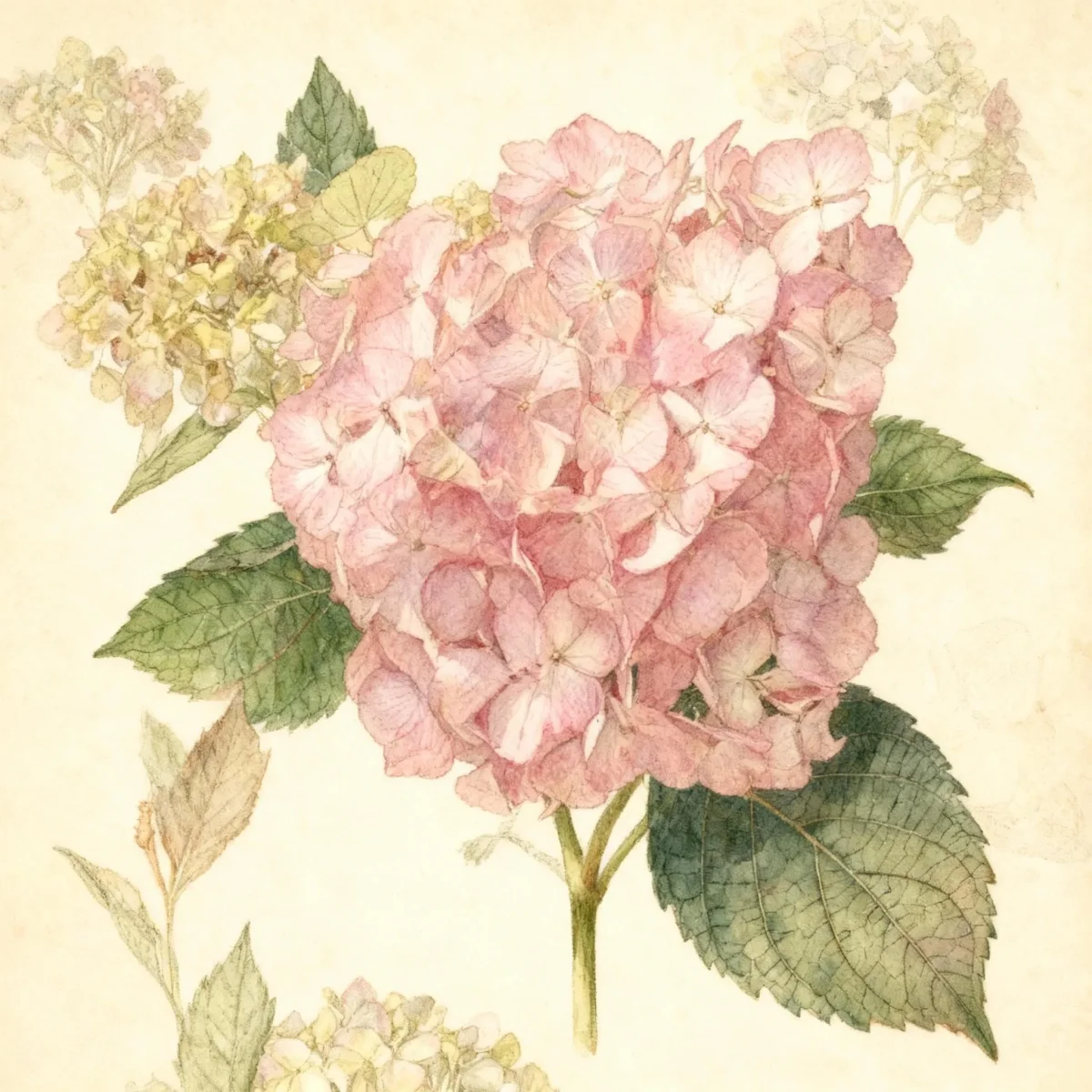
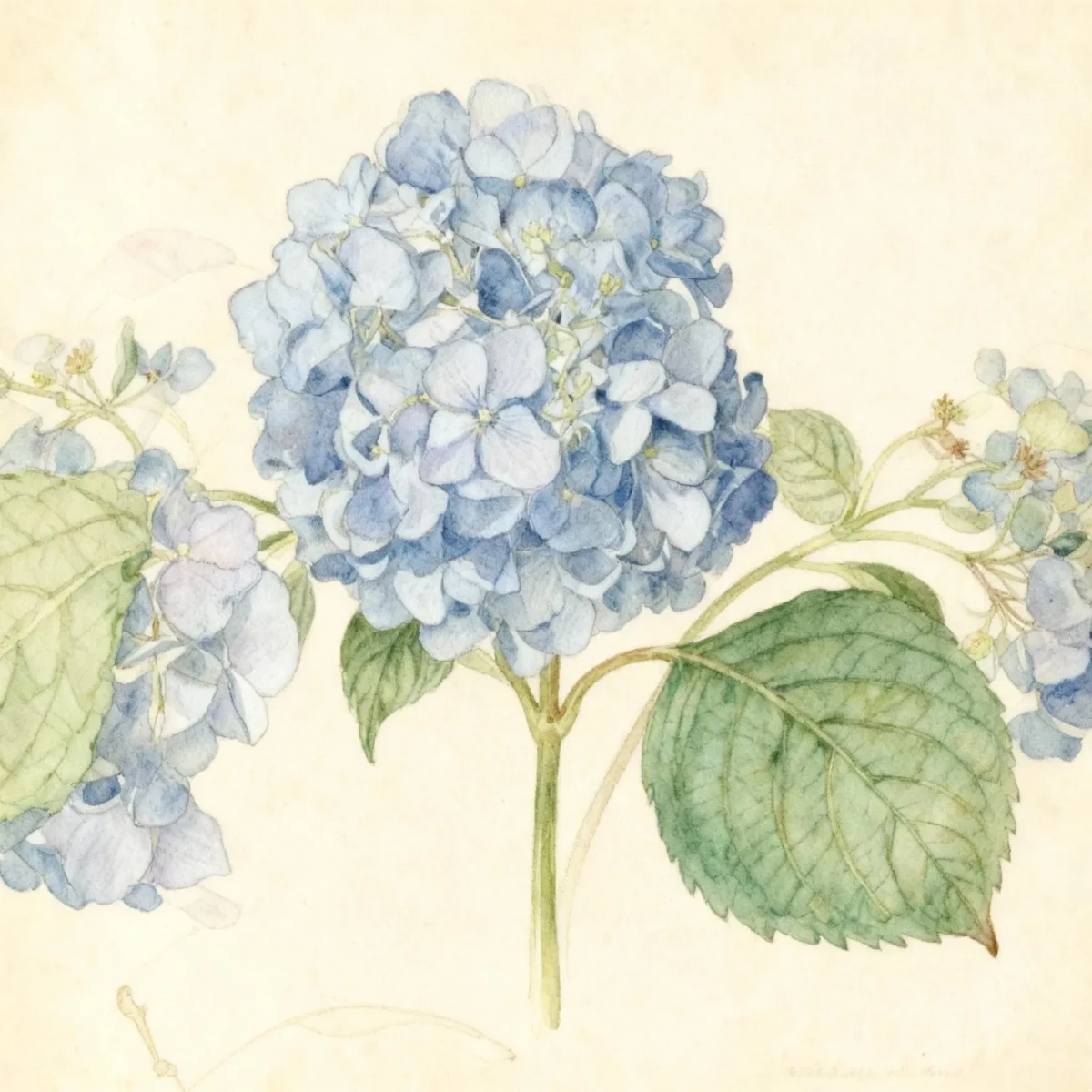
Bigleaf hydrangea (Hydrangea macrophylla 'ES14' LET'S DANCE RHAPSODY BLUE)
Discover the compact Hydrangea macrophylla 'ES14' LET'S DANCE RHAPSODY BLUE Bigleaf hydrangea. Blooms blue or pink from June-August in part shade.
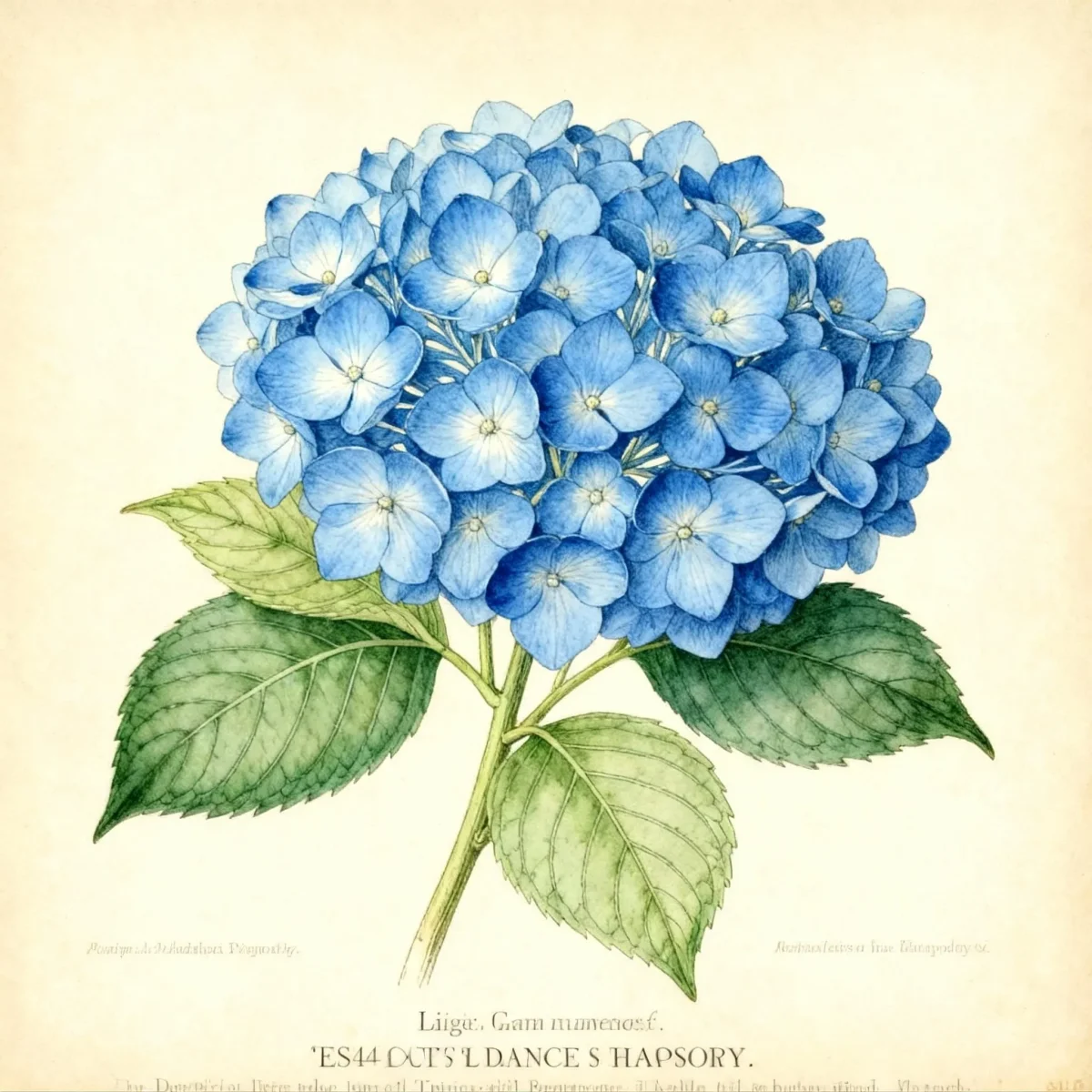

Bloom Boldly, No Matter the Season - Sweatshirt
Cozy organic cotton sweatshirt featuring our exclusive Purple Coneflower design. Perfect for gardeners who bloom year-round.
Inspired by the beautiful Bigleaf hydrangea
Limited first batch (50) — join the waitlist for early access
Waitlist closes Feb 15, 2026.
Complete Plant Information
Field Guide Continues
Ready for care notes, companion picks, and planting tips?
The map is just the start. The full guide below covers growth habits, seasonal performance, and landscape uses.
Overview
Hydrangea macrophylla ‘ES14’ LET’S DANCE RHAPSODY BLUE is a highly desirable compact Bigleaf hydrangea, known for its reliable reblooming capability on both older and new wood. This feature significantly extends the flowering season, ensuring vibrant blue or pink mophead blooms from early summer well into August, making it a versatile choice for garden design. Its manageable size, reaching only 2 to 3 feet tall and wide, makes it perfect for smaller spaces and container gardening where traditional hydrangeas might overwhelm the area.
As a dependable rebloomer in the Let’s Dance® series, this specific cultivar minimizes the disappointment of lost flower buds due to winter weather or improper pruning. Gardeners cherish the Bigleaf hydrangea for its lush foliage and large, showy flower clusters that dramatically define foundation plantings or shrub borders. Successfully growing Hydrangea macrophylla ‘ES14’ LET’S DANCE RHAPSODY BLUE relies on proper soil pH management to control its delightful color display, ranging from deep blue in acidic conditions to pink in alkaline settings.
Fast Facts
- Plant Family: Hydrangeaceae
- Plant Type: Deciduous shrub
- Hardiness Zones: USDA Zones 6-9
- Size at Maturity:
- Height: 2-3 ft
- Spread: 2-3 ft
- Bloom Time: June to August
- Bloom Description: Blue or pink
- Sun Exposure: Part shade
- Water Needs: Medium
- Maintenance Level: Medium
How to Grow
The ideal location for Hydrangea macrophylla ‘ES14’ LET’S DANCE RHAPSODY BLUE is a spot offering rich, well-drained soil supplemented with adequate moisture. While these plants prefer part shade, they can tolerate full sun provided the soil remains consistently moist throughout the hot summer months. Planting treatments to influence flower color—such as adding aluminum sulfate for bluer blooms or lime for pinker results—should be initiated in late autumn or early spring, well before the summer show.
Watering is crucial for this Bigleaf hydrangea; maintain medium moisture levels consistently. Mulching annually with about three inches of shredded bark, compost, or peat helps retain soil moisture, moderate soil temperature, and suppress weeds, creating an optimal environment for Hydrangea macrophylla ‘ES14’ LET’S DANCE RHAPSODY BLUE. In colder areas (Zone 5/6 borderline), siting the plant in a sheltered location and providing winter insulation, if necessary, will protect flower buds for the following season.
Pruning needs are minimal, which is a benefit of this reblooming type. If pruning is required, perform it immediately after the summer flowering finishes by cutting back only the stems that have completed blooming, trimming them back to a set of healthy, newly formed buds. Any weak or winter-damaged stems should be removed in late winter or early spring before new growth fully commences.
Landscape Uses
This compact Bigleaf hydrangea excels when used as an accent, specimen, or mass planting near residential structures or seating areas, thanks to its controlled 2 to 3-foot stature. Hydrangea macrophylla ‘ES14’ LET’S DANCE RHAPSODY BLUE functions perfectly as a low hedge, providing a continuous band of summer color along pathways or property lines where taller shrubs might obstruct views. Containers are also excellent homes for this variety, allowing gardeners in colder zones to move the plant to a protected location during severe winter dips.
When designing a mixed border, pair this shrub with other shade-tolerant perennials and woody plants that share similar medium water requirements and rich soil needs. Consider using hostas, astilbes, or ferns beneath its canopy for textural contrast, or balance its rounded form with upright evergreens. The unique mophead flowers of Hydrangea macrophylla ‘ES14’ LET’S DANCE RHAPSODY BLUE provide a strong focal point, whether planted individually or grouped for mass impact.
Standout Features
Flower Qualities
- Showy
- Good Cut
- Good Dried
Noteworthy Characteristics
Hydrangea macrophylla, commonly called big leaf hydrangea, is a deciduous shrub with a rounded habit that, in the St. Louis area, typically grows 3-6’ tall and as wide unless damaged by harsh winters or pruned smaller. The ‘ES14’ variant, sold as LET’S DANCE RHAPSODY BLUE, features mophead-type flowers that are pink or deep blue, depending on soil acidity, and have distinctive geometrically shaped florets. This specific shrub is compact, growing only 2 to 3 ft. Tall and wide, making it easily grown in containers where winters are too cold for larger cultivars.
Tolerances
No data available.
Potential Problems
This Bigleaf hydrangea may occasionally show susceptibility to certain issues, including bud blight, bacterial wilt, leaf spot, and mildew. Aphids are occasional pests that may appear on new, tender growth, particularly if the plant experiences stress. Maintaining good air circulation around the dense summer foliage helps mitigate fungal diseases like mildew. Ensure consistent watering to prevent dehydration stress, which can make the plant more vulnerable to pest infestation or leaf spot diseases.
Frequently Asked Questions
What hardiness zones is Bigleaf hydrangea suitable for?
Hydrangea macrophylla ‘ES14’ LET’S DANCE RHAPSODY BLUE is hardy in USDA Zones 6 through 9.
How large does Hydrangea macrophylla ‘ES14’ LET’S DANCE RHAPSODY BLUE grow?
This compact cultivar typically reaches a mature height between 2 and 3 feet, with an equal spread of 2 to 3 feet.
When does Bigleaf hydrangea bloom?
This variety produces its showy flowers from June through August, blooming reliably on both old and new wood.
What sun exposure does Hydrangea macrophylla ‘ES14’ LET’S DANCE RHAPSODY BLUE need?
It thrives best when situated in part shade, though it tolerates full sun if soil moisture is diligently maintained.
Conclusion
The Hydrangea macrophylla ‘ES14’ LET’S DANCE RHAPSODY BLUE offers reliable, compact beauty, extending the color season with its reblooming mophead flowers that shift between charming blue and pink hues based on your soil preferences. This specific Bigleaf hydrangea is a fantastic solution for defined borders or containers due to its manageable 2-3 foot size. Before planting, verify your local hardiness zone and plan any necessary soil pH adjustments early in the season for the best flowering results.
Companion Planting
When integrating Hydrangea macrophylla ‘ES14’ LET’S DANCE RHAPSODY BLUE into a border, selecting companions that share its preference for part shade and rich, moist soil is essential for unified garden health. Consider planting beneath the canopy of larger, established deciduous trees which naturally filter intense afternoon sun, benefiting the hydrangea underneath. Hostas (Hosta spp.) provide wonderful, large-leaved contrast to the hydrangea’s serrated foliage, especially those with blue-green or variegated leaves that thrive in similar conditions.
For continuous color near the lawn or patio edge, interplant the Bigleaf hydrangea with shade-loving perennials such as Astilbe (False Spirea) or Tiarella (Foamflower). These companions maintain interest throughout the season while appreciating the consistent moisture levels that Hydrangea macrophylla ‘ES14’ LET’S DANCE RHAPSODY BLUE demands. Ensure that companion plants do not create heavy root competition directly around the base of the hydrangea, allowing its mulch layer to remain undisturbed for optimal water retention.
Seasonal Care Calendar
Spring preparation should focus on amending the soil for color control if desired, adding lime or aluminum sulfate during early spring before major growth begins. Remove any remaining dead or weak wood just as buds begin to swell, but avoid aggressive clean-up until true spring weather stability is confirmed. During the summer growing season, ensure medium water needs are met, especially during dry spells, as inconsistent moisture can negatively impact bloom quality.
Summer care largely involves maintaining mulch depth and monitoring for pests like aphids, treating promptly if necessary. Immediately after the first flush of blooms finishes in mid-summer, perform any light pruning required to shape the shrub by cutting back spent flowering stems to a healthy set of new buds. This action encourages the reblooming cycle characteristic of Hydrangea macrophylla ‘ES14’ LET’S DANCE RHAPSODY BLUE.
In autumn, cease nitrogen fertilization to promote hardening off of the wood for winter. In colder zones (Zone 6), applying a thick layer of winter mulch around the base protects the root system before the ground freezes hard. Resist the urge to prune severely in late fall or winter, as this can remove developing flower buds for the subsequent year.