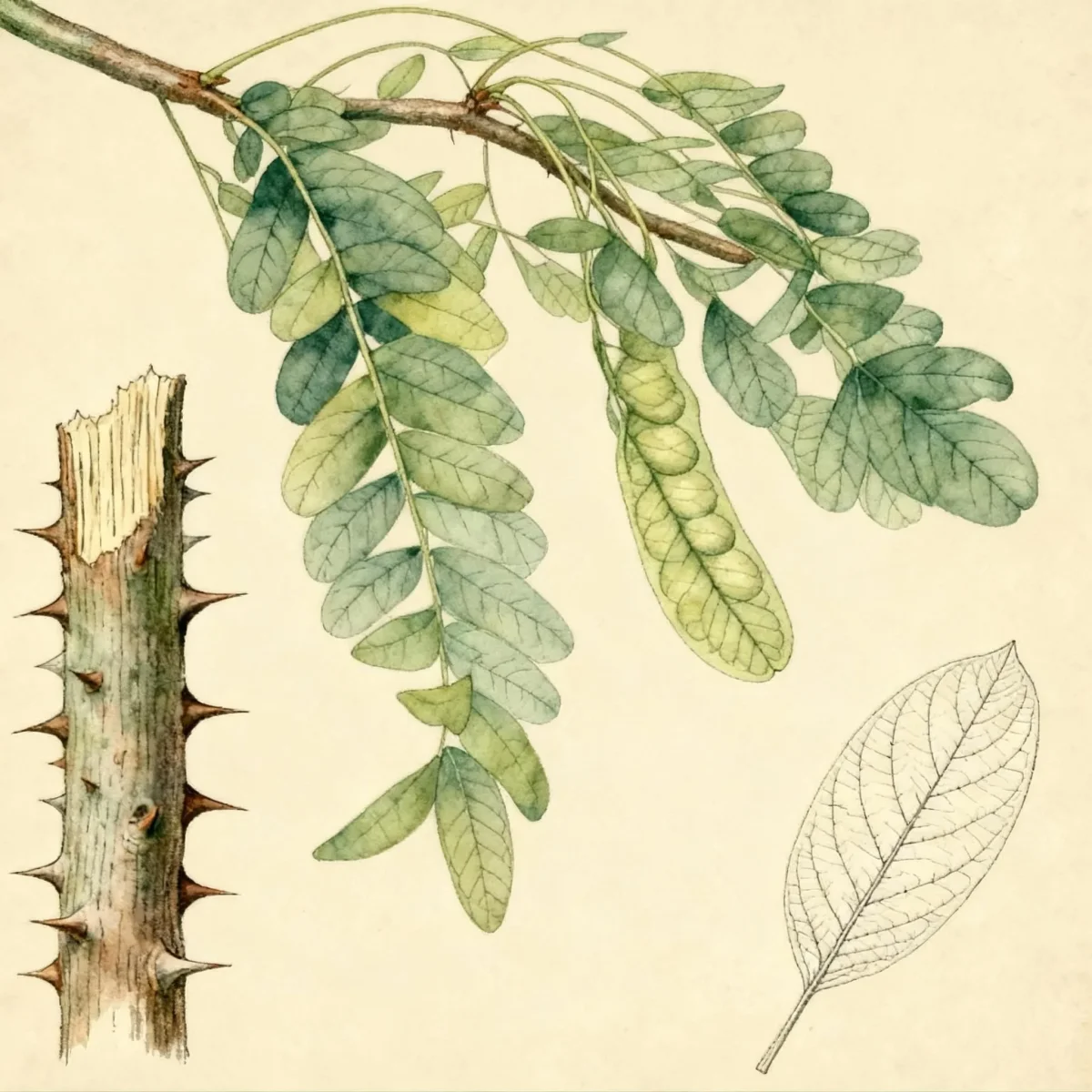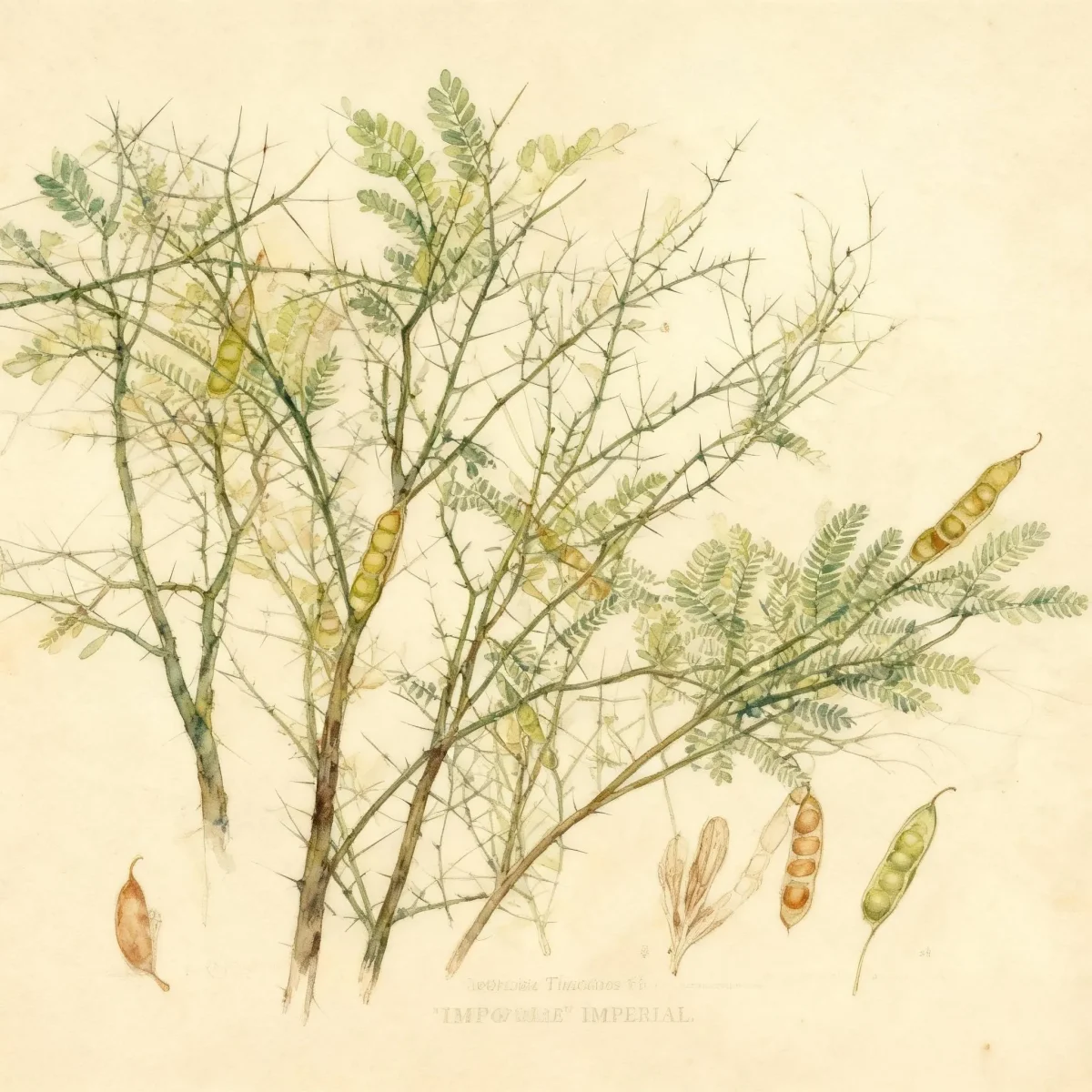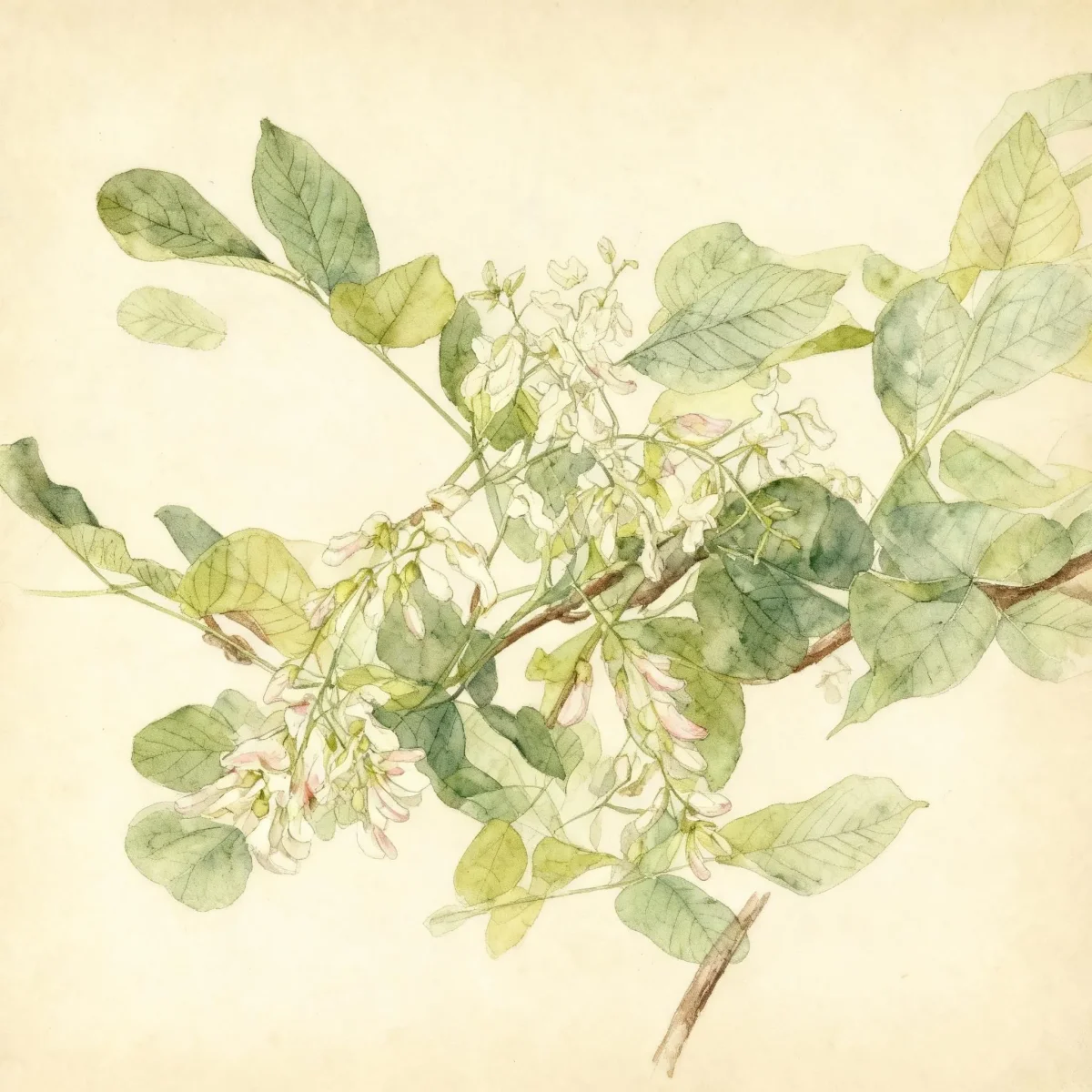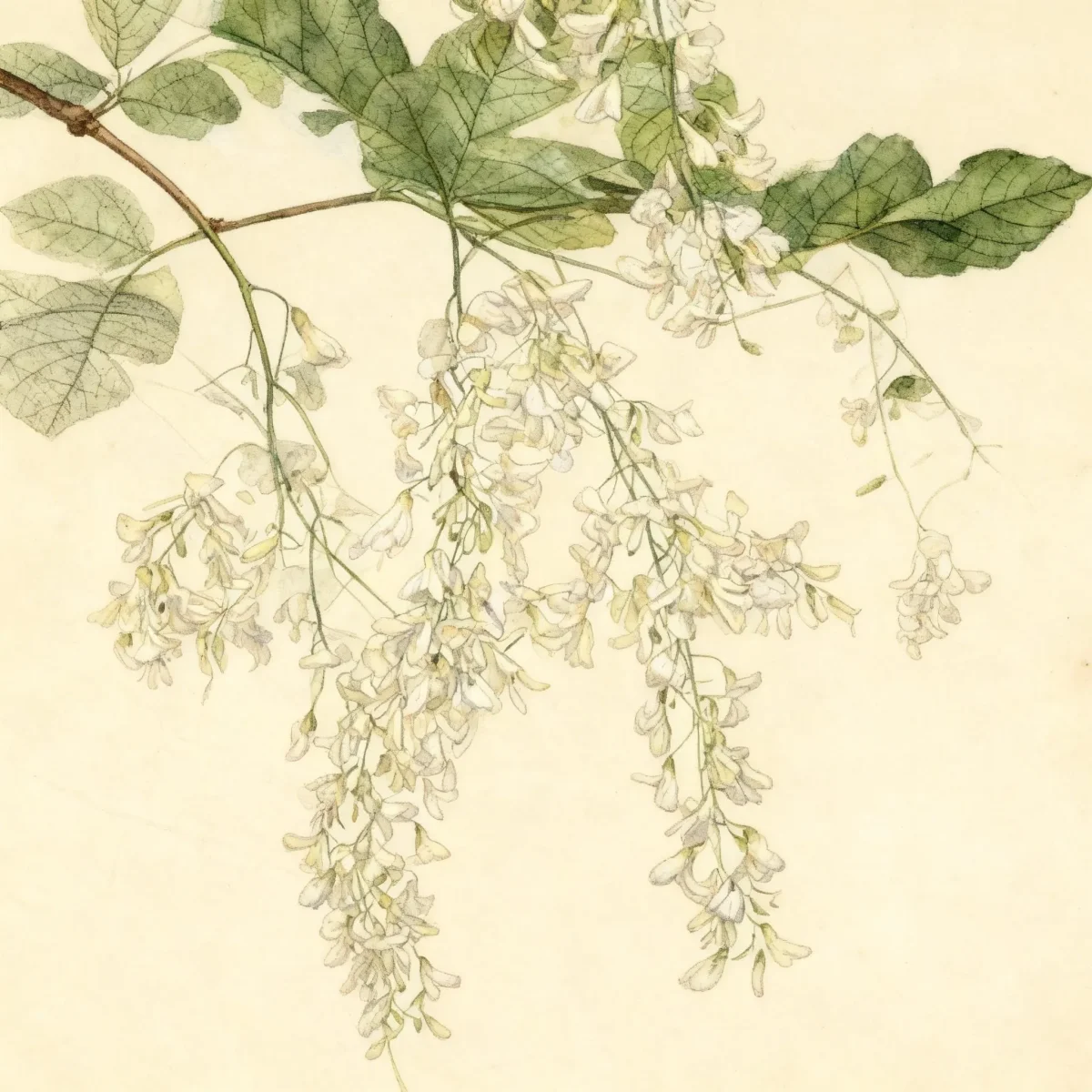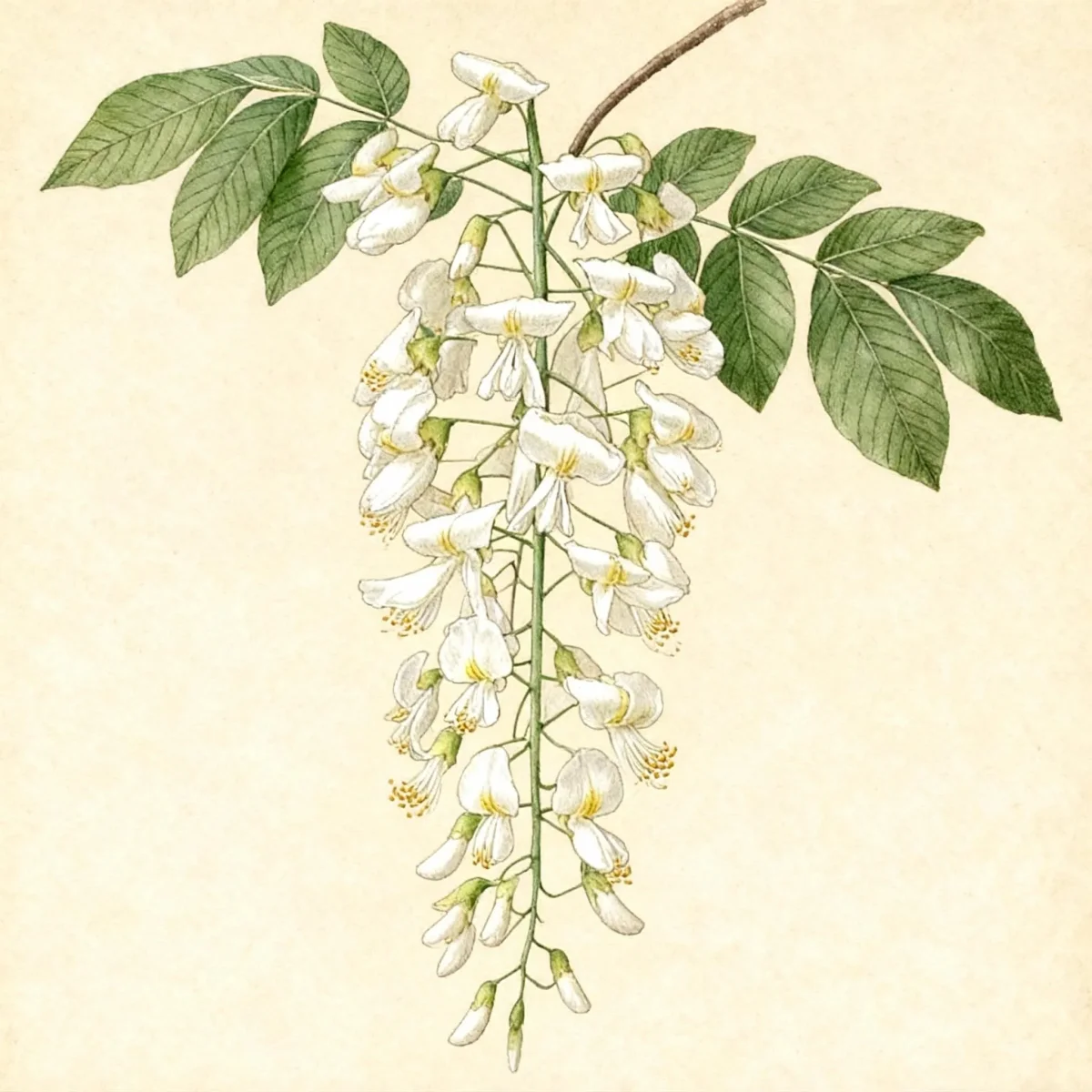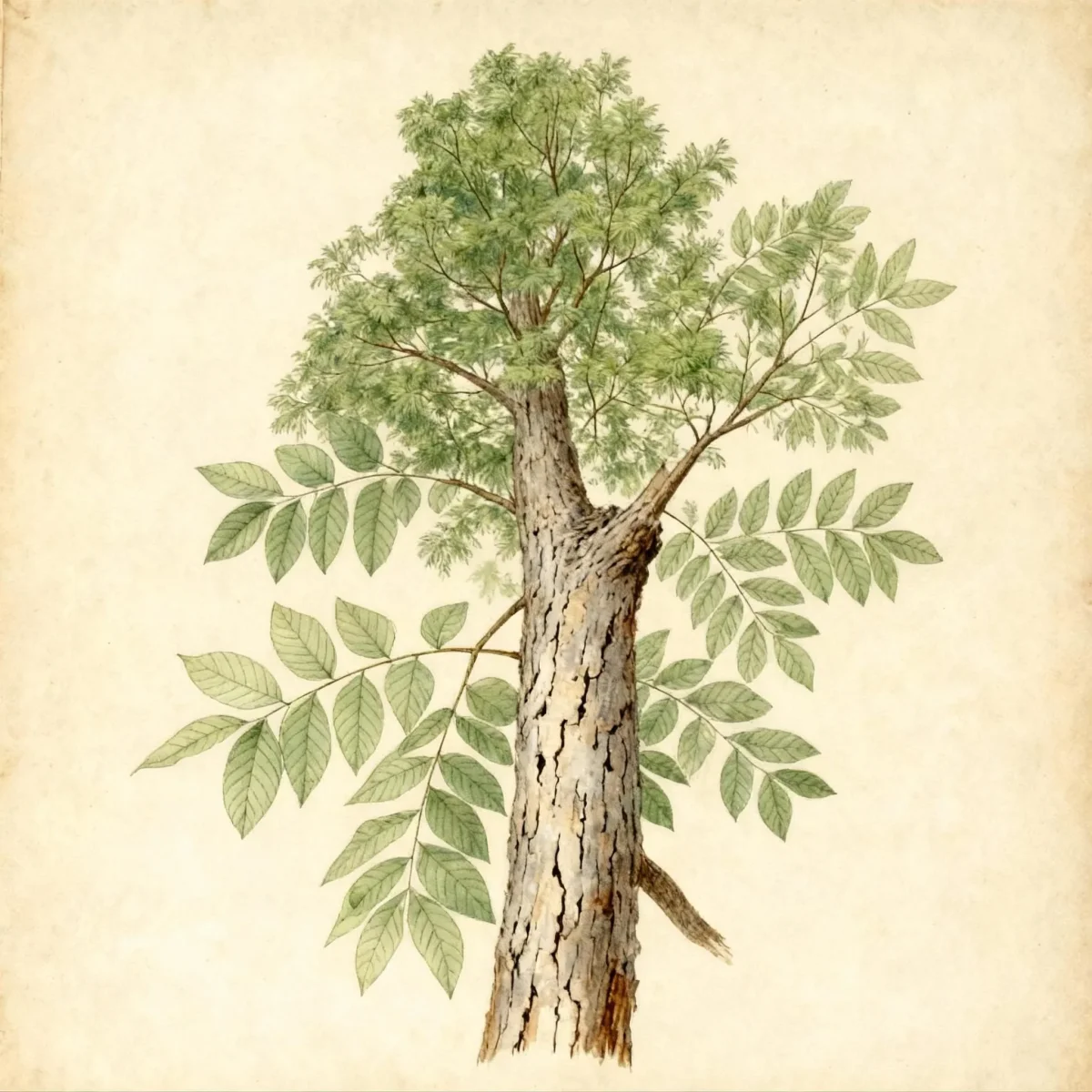

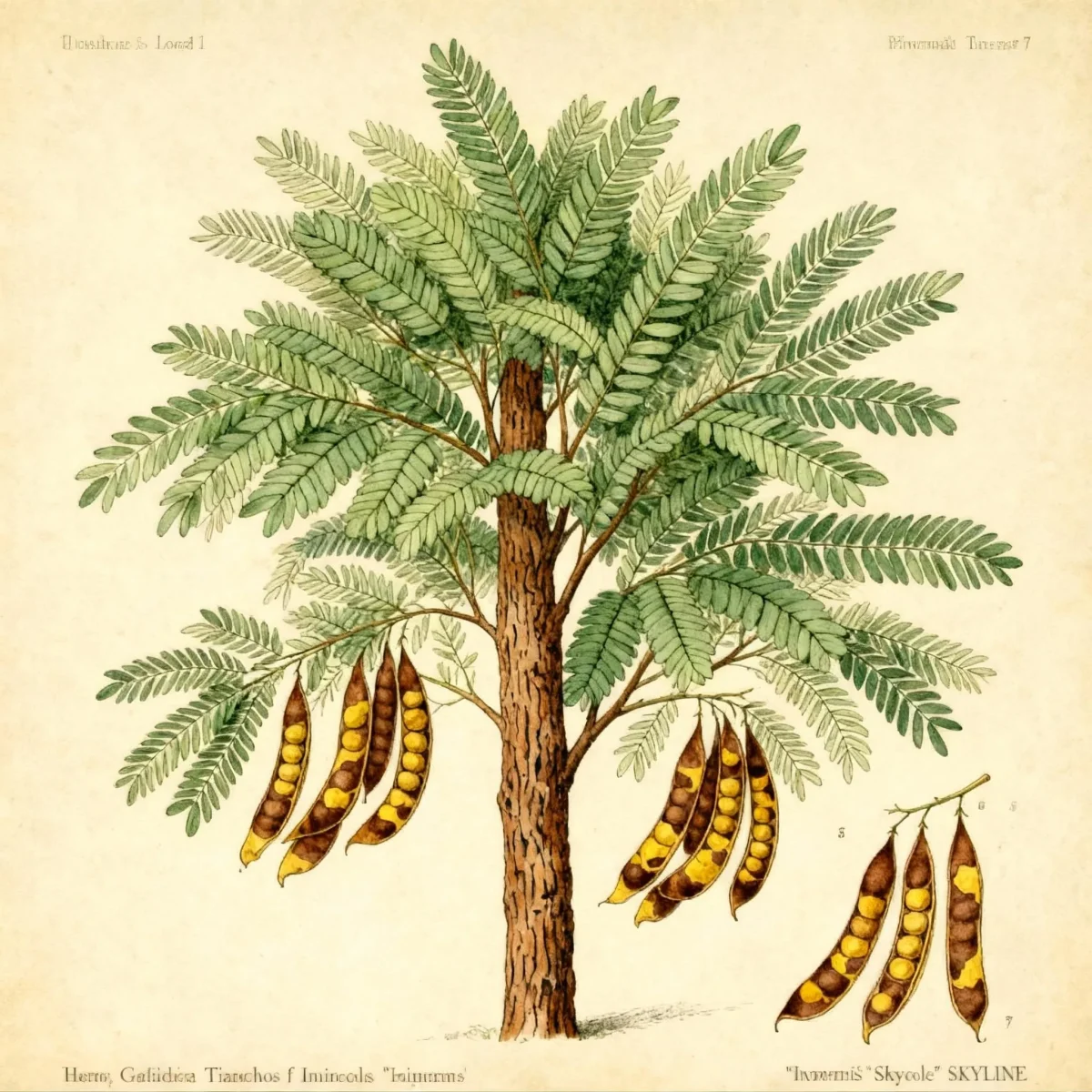
Honey locust (Gleditsia triacanthos f. Inermis 'Skycole' SKYLINE)
SKYLINE Honey locust is a preferred shade tree offering sun-dappled shade, pyramidal form, and excellent urban tolerance.
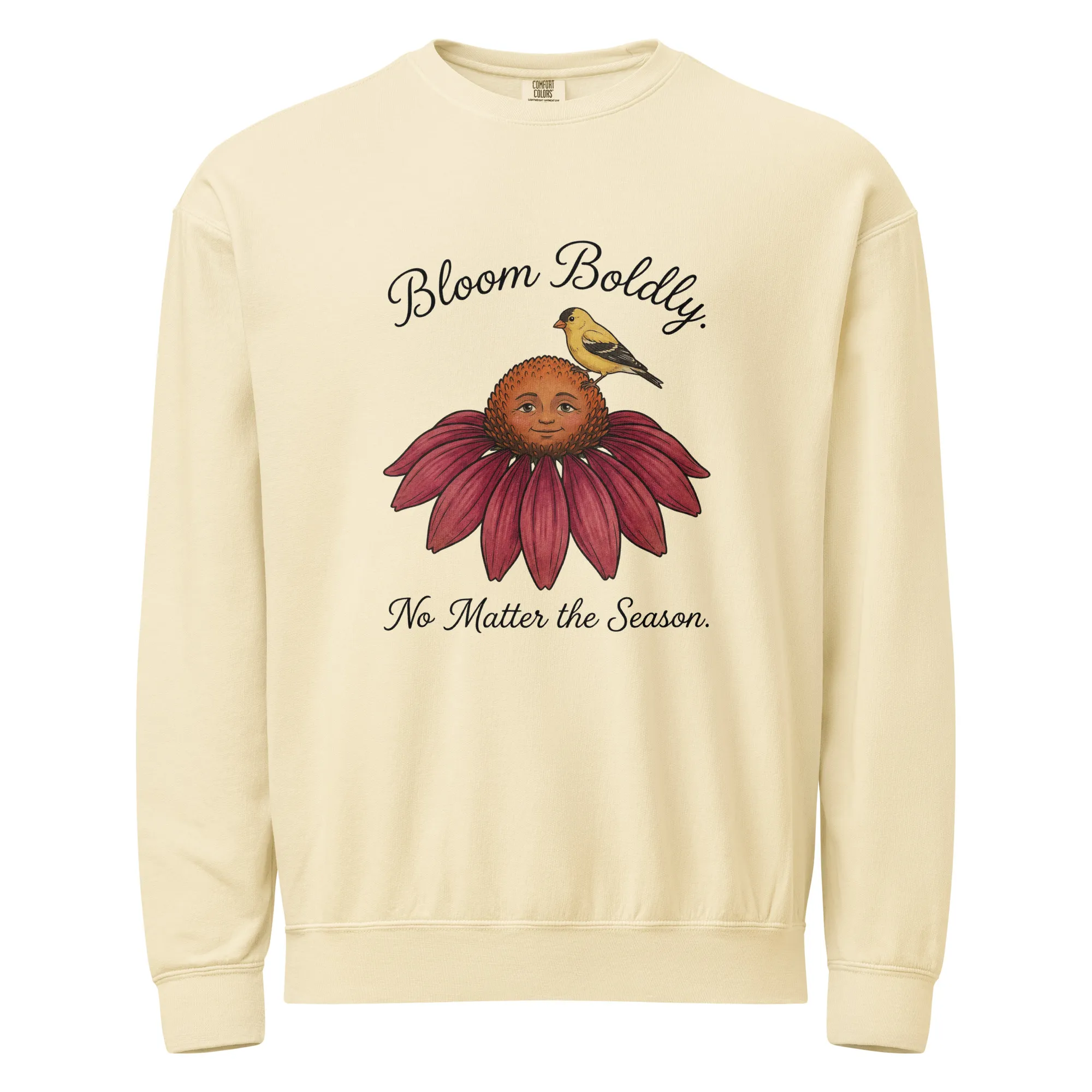
Bloom Boldly, No Matter the Season - Sweatshirt
Cozy organic cotton sweatshirt featuring our exclusive Purple Coneflower design. Perfect for gardeners who bloom year-round.
Inspired by the beautiful Honey locust
Limited first batch (50) — join the waitlist for early access
Waitlist closes Feb 15, 2026.
Complete Plant Information
Field Guide Continues
Ready for care notes, companion picks, and planting tips?
The map is just the start. The full guide below covers growth habits, seasonal performance, and landscape uses.
Overview
The Gleditsia triacanthos f. inermis ‘Skycole’ SKYLINE, commonly known as the Honey locust, is a highly valued landscape specimen, particularly ideal for urban environments where challenging conditions prevail. This cultivar offers the structure of a classic shade tree without the liabilities often associated with the wild species, namely thorns and excessive seed pod production. This trait makes the Gleditsia triacanthos f. Inermis ‘Skycole’ SKYLINE especially popular among property managers and homeowners alike.
This variant features an attractive, upright pyramidal growth habit supported by a strong central leader, maturing to a height between 35 and 45 feet. Its compound leaves cast a desirable, sun-dappled shade, which allows turfgrass or perennial beds to thrive beneath the canopy during the growing season. The foliage turns a pleasing yellow color in the autumn, providing seasonal interest before leaf drop.
Culturally, the Honey locust demonstrates remarkable adaptability, thriving in full sun and managing well in challenging soils, including heavy clay. Plant selection like the SKYLINE cultivar ensures you receive the benefits of a robust shade tree with minimized cleanup and maximized safety, solidifying its status as a premiere street and lawn tree.
Fast Facts
- Plant Family: Fabaceae
- Plant Type: Tree
- Hardiness Zones: USDA Zones 3-8
- Size at Maturity:
- Height: 35-45 ft
- Spread: 25-35 ft
- Bloom Time: May to June
- Bloom Description: Greenish-white
- Sun Exposure: Full sun
- Water Needs: Medium
- Maintenance Level: Medium
How to Grow
For optimal establishment, the best time to plant the Gleditsia triacanthos f. inermis ‘Skycole’ SKYLINE is typically in early spring or fall when temperatures are mild. Select a location that receives full sun exposure throughout the day, as this promotes dense foliage and strong structural development. While adaptable, this Honey locust performs best when planted in organically rich, moist, well-drained soils.
Watering should be consistent, meeting medium water requirements, especially during the initial establishment period for the first few years. Once established, established trees display excellent drought tolerance, a crucial trait for street tree plantings. Fertilization is rarely necessary if the tree is sited in fertile soil, but an annual slow-release fertilizer can be beneficial in poor sites.
Pruning should focus mainly on establishing a strong central leader for the pyramidal structure of SKYLINE and removing any crossing or rubbing branches in the first decade. Beyond structural pruning, the low maintenance level of this cultivar means little specialized care is required. Furthermore, it handles wind, high summer heat, and even saline conditions better than many other shade trees.
Landscape Uses
The recommended uses specifically target functional landscaping where robust performance is critical. As an excellent Shade Tree, the Honey locust provides significant cooling benefits to structures and hardscapes throughout summer. Its filtered canopy is often preferred over dense leaf cover because it allows some sunlight penetration in winter and reduces turf burnout during summer heat.
The thornless and nearly seedless nature of ‘Skycole’ makes it an outstanding choice for Street Tree applications, parking lots, and residential lawns. Planting close to walkways or near patios is safe, eliminating concerns about tripping hazards from thorns or messy fruit drop. Consider using it as a specimen tree where its defined pyramidal shape can be appreciated, or in formal allees due to its uniform growth habit.
Standout Features
Flower Qualities
- Showy
Noteworthy Characteristics
Gleditsia triacanthos, commonly called honey locust, is native from Pennsylvania to Iowa south to Georgia and Texas. Its cultivar, SKYLINE (‘Skycole’), features pyramidal growth with a central leader and is prized for being both thornless and nearly seedless, typically reaching 40-45’ tall. The compound dark green leaves cast a valued sun-dappled shade and turn an attractive yellow color in the fall.
Tolerances
- Deer
- Drought
- Clay Soil
- Black Walnut
- Air Pollution
Potential Problems
The Honey locust genus is susceptible to a range of fungal issues, including leaf spot, canker, powdery mildew, and rust, though the SKYLINE cultivar generally exhibits good resistance. Common insect pressures include borers and webworms in certain regions, and occasionally infestations of bagworms or leafhoppers may appear. Regular inspection, especially during hot, dry periods when spider mites can proliferate, should be part of your medium maintenance routine to catch issues early. Ensure proper watering upon planting to minimize stress that invites pest activity.
Frequently Asked Questions
What hardiness zones is Honey locust suitable for?
The Gleditsia triacanthos f. inermis ‘Skycole’ SKYLINE is suitable for USDA Hardiness Zones 3 through 8.
How large does Honey locust grow?
This specific cultivar typically reaches a height of 35 to 45 feet, with a spread between 25 and 35 feet.
What sun exposure does Gleditsia triacanthos f. inermis ‘Skycole’ SKYLINE need?
This tree requires full sun exposure to develop its best growth habit and canopy density.
When does Honey locust bloom?
The tree produces inconspicuous, greenish-white flowers extending from May through June.
Conclusion
The Gleditsia triacanthos f. inermis ‘Skycole’ SKYLINE offers unparalleled function as a resilient, manageable shade provider for modern landscapes. Its thornless, nearly seedless habit ensures user safety and low upkeep requirements, making the Honey locust a superior choice for high-visibility sites. Before installing, confirm your location falls within USDA Zones 3-8 and prepare the soil for full sun to ensure decades of reliable pyramidal beauty.
Companion Planting
When planning beds beneath your SKYLINE Honey locust, select plants that appreciate the bright, sun-dappled shade this tree casts. Since the leaf litter is minimal and drops later in the season, consider groundcovers like Vinca minor or Ajuga reptans, which tolerate moderate soil compaction and filtered light. For spring color before the tree fully leafs out, bulbs such as daffodils or early blooming hostas are excellent complements, as they benefit from the early spring sunlight.
Seasonal Care Calendar
Spring is the ideal time for pruning to establish strong scaffold branches on younger trees. Monitor for early signs of powdery mildew, treating only if widespread, as good air circulation around this adaptable species usually prevents severe outbreaks. During summer, medium watering is crucial if rainfall is scarce; deep, infrequent waterings are better than light, surface applications. In the fall, enjoy the clean yellow foliage display, which requires minimal raking compared to deciduous trees with dense leaves.