Bigleaf hydrangea (Hydrangea macrophylla 'Hortmahar' EVERLASTING HARMONY)
Discover Hydrangea macrophylla 'Hortmahar' EVERLASTING HARMONY, a showy Bigleaf hydrangea offering pink/cream blooms, ideal for Zones 6-9.

Bloom Boldly, No Matter the Season - Sweatshirt
Cozy organic cotton sweatshirt featuring our exclusive Purple Coneflower design. Perfect for gardeners who bloom year-round.
Inspired by the beautiful Bigleaf hydrangea
Limited first batch (50) — join the waitlist for early access
Waitlist closes Feb 15, 2026.
Complete Plant Information
Field Guide Continues
Ready for care notes, companion picks, and planting tips?
The map is just the start. The full guide below covers growth habits, seasonal performance, and landscape uses.
Overview
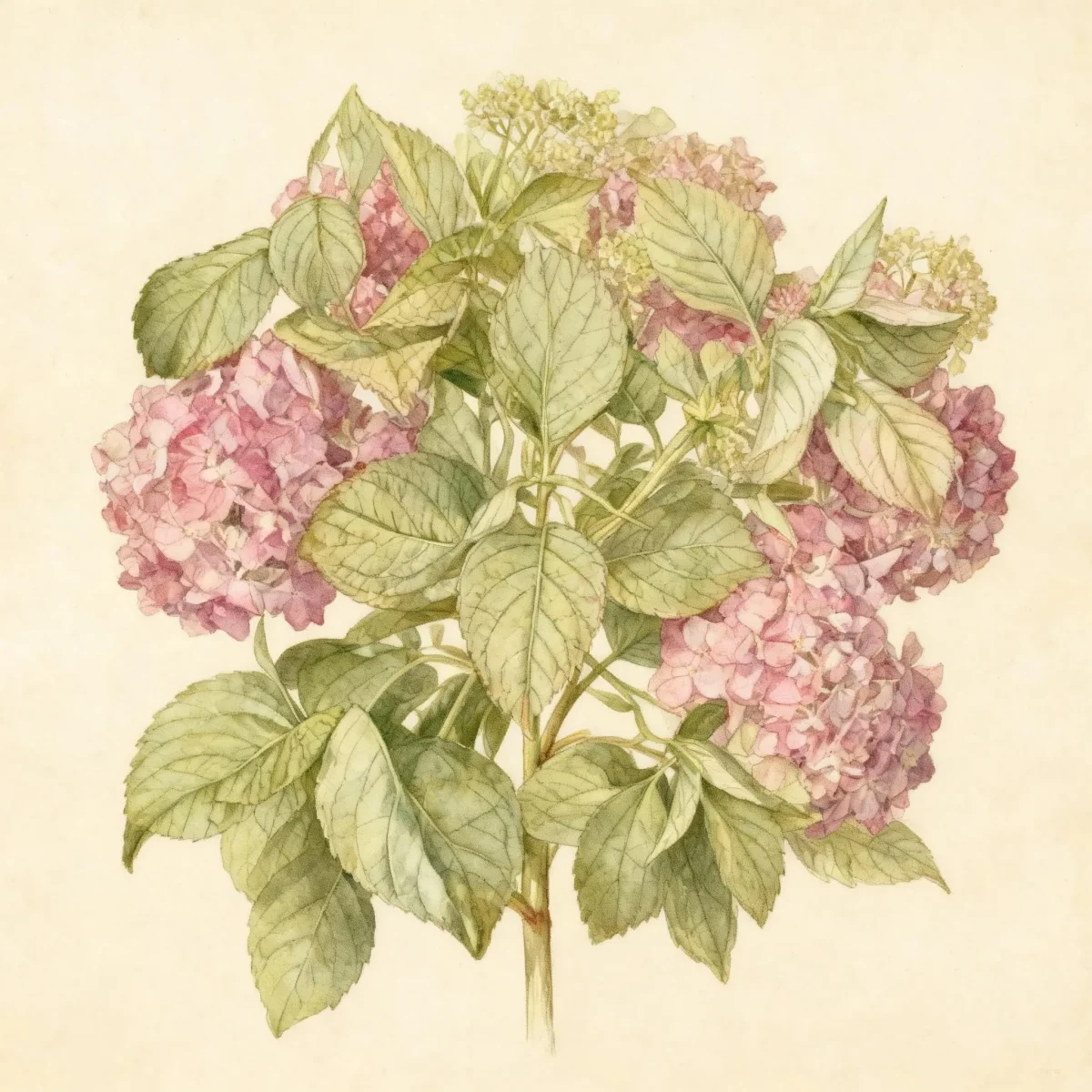
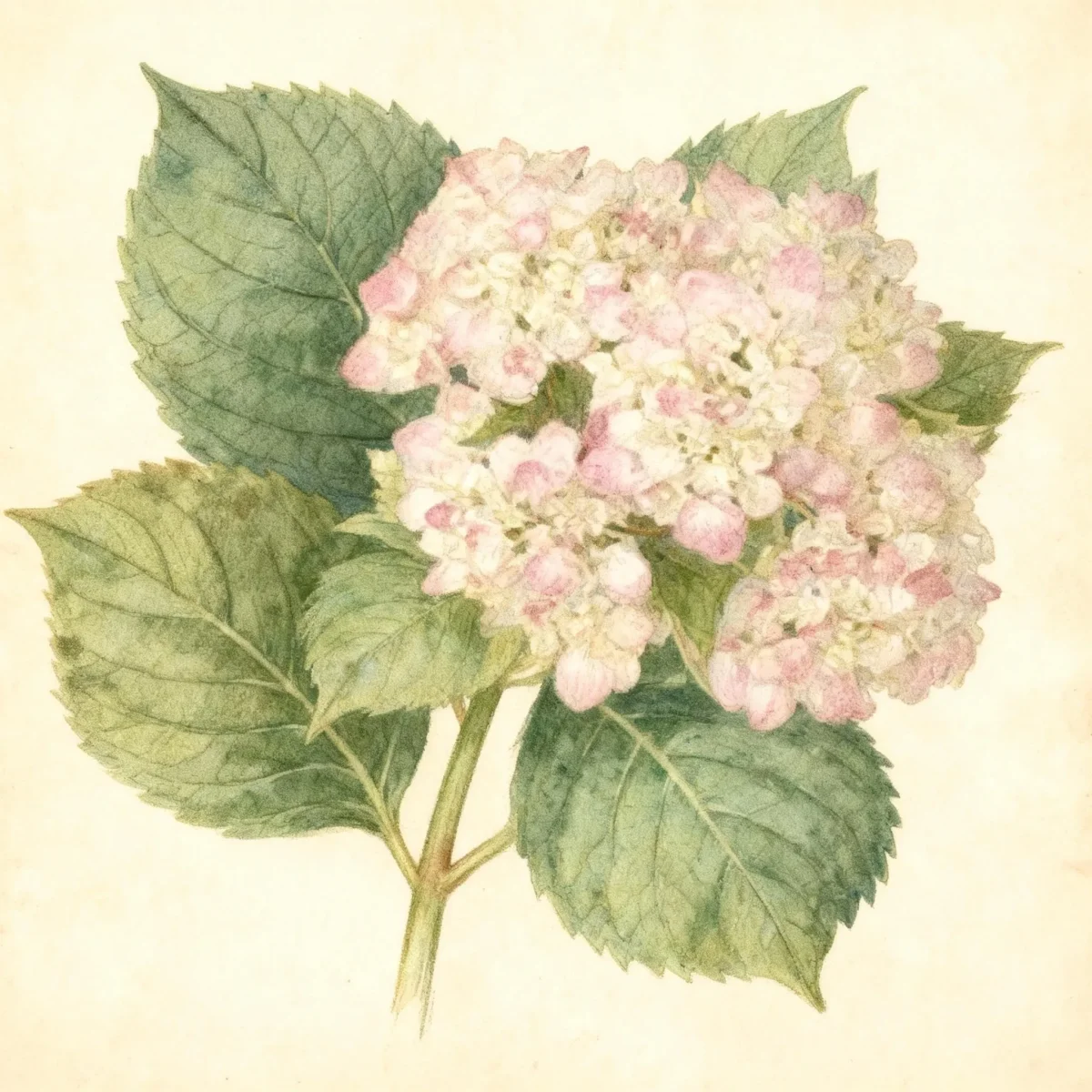
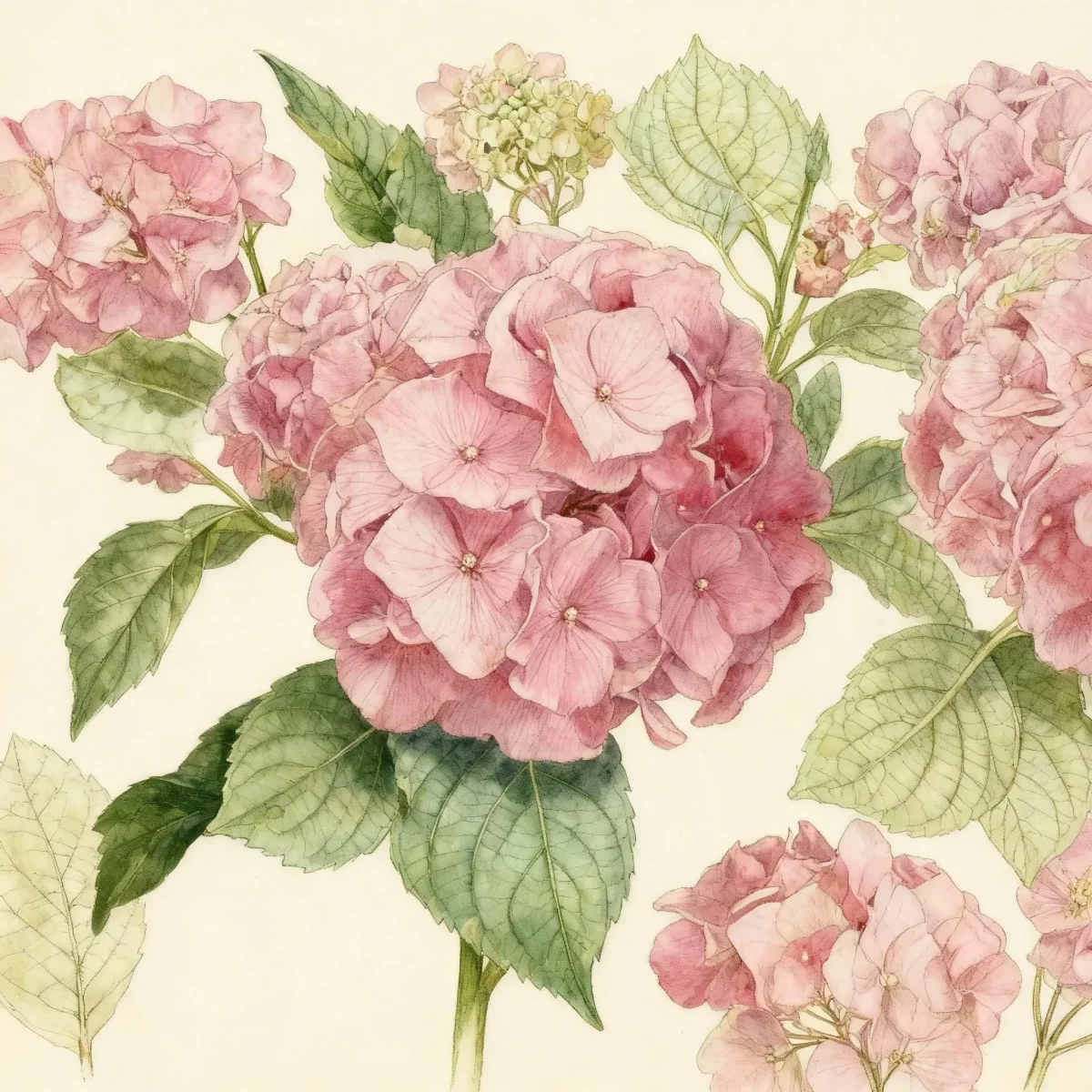
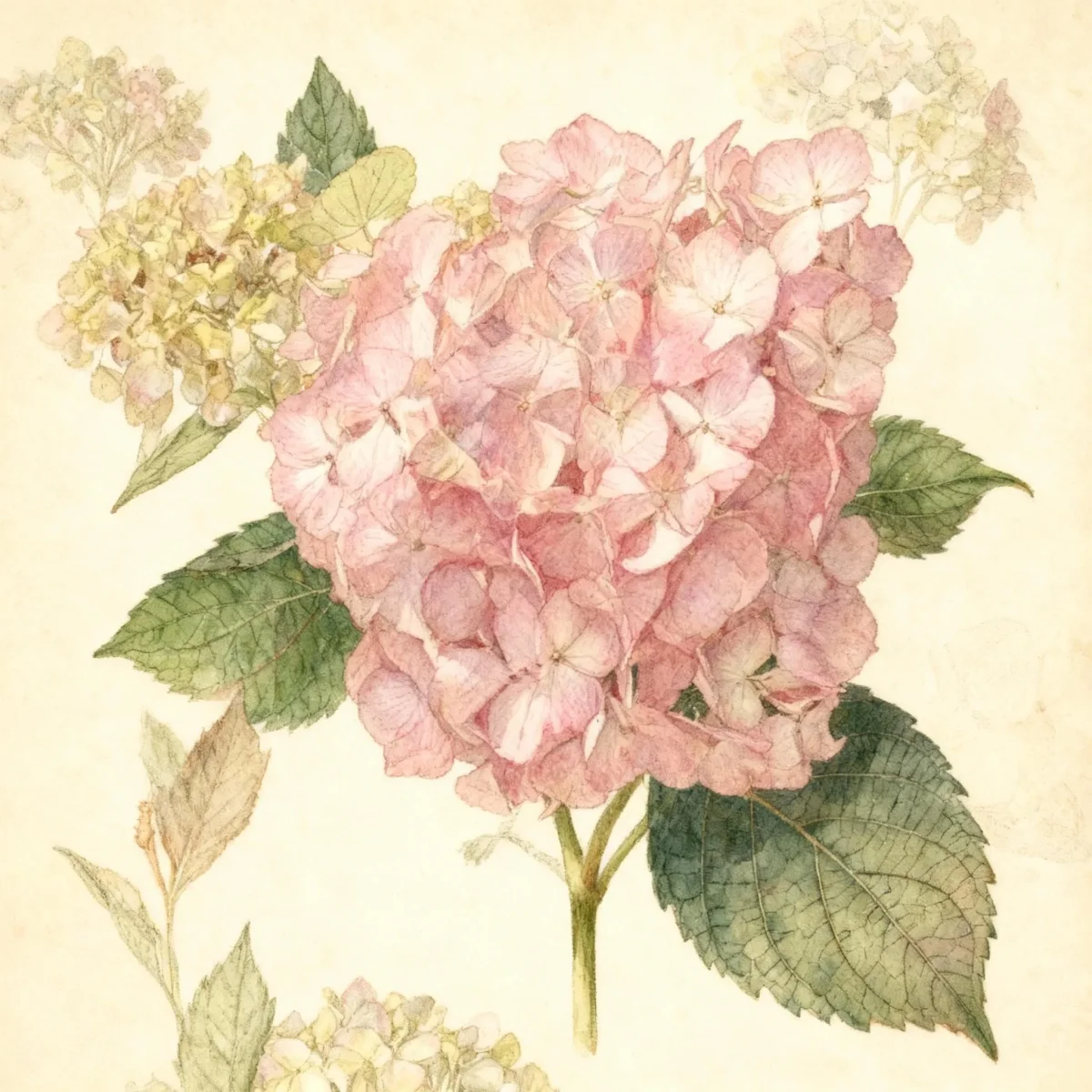
Hydrangea macrophylla ‘Hortmahar’ EVERLASTING HARMONY is a standout deciduous shrub valued for its robust structure and exceptionally long-lasting flower clusters. Bred specifically for the cut flower market, this Bigleaf hydrangea offers strong stems and leathery, dark green foliage that appeals to discerning gardeners. Its blooms exhibit a beautiful color transition, starting as soft pink or cream with green edges before maturing into soft celery green tones.
This cultivar is recognized for its reliable summer performance, flowering from July through August. While it thrives best in dappled sunlight, careful moisture management allows it to handle more sun when necessary. Gardeners prize this Bigleaf hydrangea for its manageable size, typically reaching 3 to 4 feet tall and wide, making it versatile for various landscape applications.
As part of the Everlasting™ series, Hydrangea macrophylla ‘Hortmahar’ EVERLASTING HARMONY brings sturdy beauty to borders and accent plantings. Understanding its soil preference and winter protection needs is key to maximizing its flowering potential in cooler zones.
Fast Facts
- Plant Family: Hydrangeaceae
- Plant Type: Deciduous shrub
- Hardiness Zones: USDA Zones 6-9
- Size at Maturity:
- Height: 3-4 ft
- Spread: 3-4 ft
- Bloom Time: July to August
- Bloom Description: Soft pink to cream wih green edges fading to soft green with blue tones in acidic soil
- Sun Exposure: Part shade
- Water Needs: Medium
- Maintenance Level: Medium
How to Grow
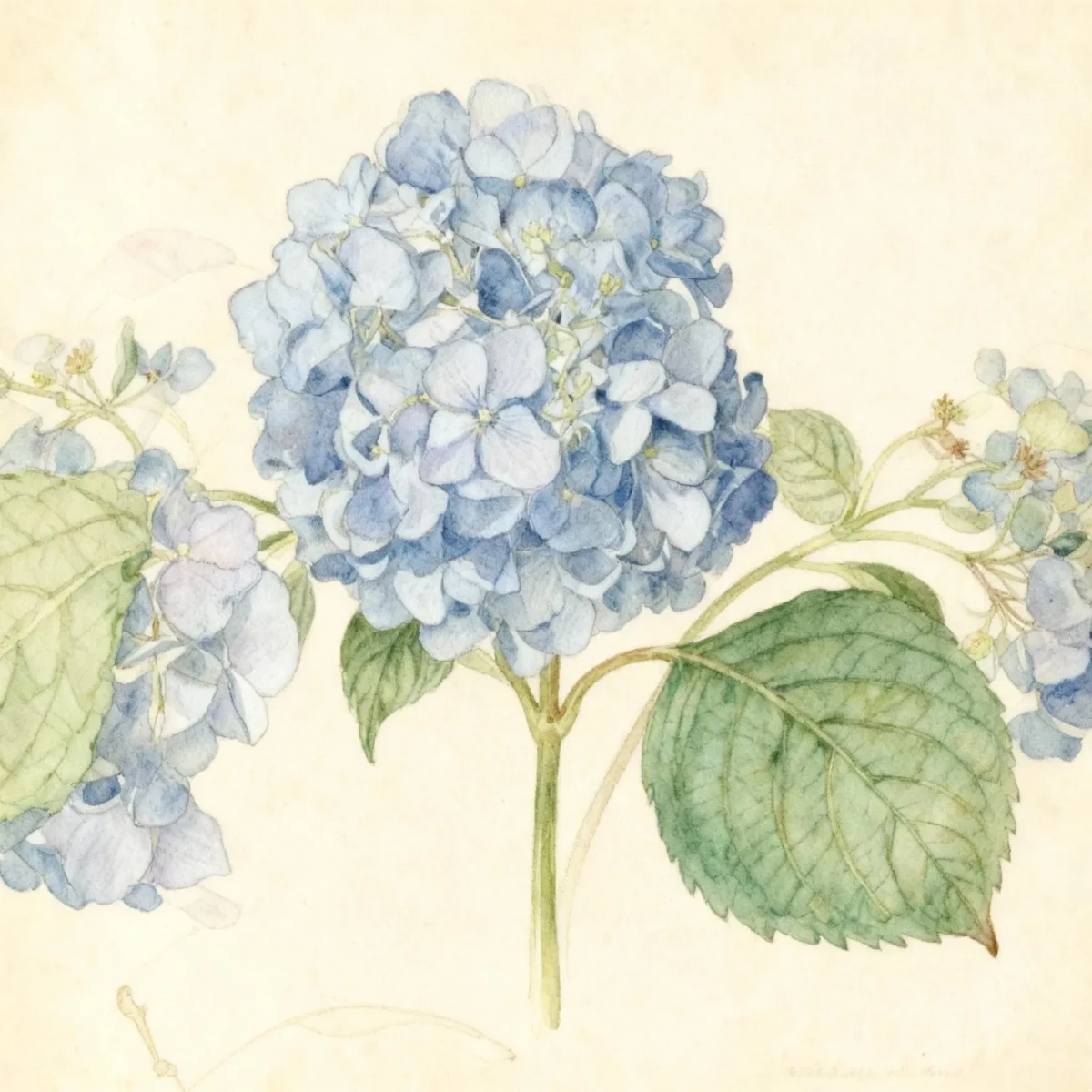
Plant Hydrangea macrophylla ‘Hortmahar’ EVERLASTING HARMONY in rich, well-drained soil where it receives protection from the harsh afternoon sun. While it tolerates full sun only if soil moisture is kept consistently high, part shade is ideal for maintaining deep green foliage and healthy blooms. The most crucial aspect of care for this Bigleaf hydrangea involves managing soil pH if you desire specific flower colors, as blue occurs in highly acidic soils and pink/lilac develops in slightly acidic to alkaline conditions.
Consistent moisture is vital for this plant; ensure medium watering levels are maintained, especially during dry spells. Soil treatments for color manipulation, such as adding aluminum sulfate for blue or lime for pink, should be done well in advance, ideally in late autumn or early spring before the growing season begins.
Pruning is minimal. If pruning is necessary, perform it immediately after the current season’s flowering concludes by cutting stems back to a pair of healthy buds. In late winter or early spring, remove any weak or winter-damaged stems. Mulching annually with about 3 inches of shredded bark, compost, or peat helps retain moisture and stabilize root temperatures.
For gardeners in Zone 6 and colder marginal areas (like Zone 5), consider siting plants in sheltered spots. While cumbersome protective wraps can sometimes help prevent the loss of flower buds during extremely harsh winters, remember that many Bigleaf hydrangeas, including Hydrangea macrophylla ‘Hortmahar’ EVERLASTING HARMONY, may skip blooming based on unpredictable winter weather, regardless of protection used.
Landscape Uses
The adaptable size and strong structure of Hydrangea macrophylla ‘Hortmahar’ EVERLASTING HARMONY make it excellent for defining borders within a mixed shrub planting. It works perfectly grouped or massed to create a continuous hedge effect, providing reliable summer color where a vertical element is needed near foundations or patios.
Consider using this Bigleaf hydrangea as a stand-alone specimen where its unique flower progression—from cream-green to solid tones—can be easily observed. When planting near foundations, ensure adequate air circulation to help mitigate potential mildew issues during humid periods.
Due to its strong stems developed for the floral market, this variety performs admirably as an accent in large containers. Pair it with shade-tolerant perennials that share its medium water needs, such as Hosta or Japanese Painted Fern, to build lush, woodland-style garden scenes.
Standout Features
Flower Qualities
- Showy
- Good Cut
- Good Dried
Noteworthy Characteristics
Hydrangea macrophylla, commonly called big leaf hydrangea, features serrate, obovate to elliptic, dark green leaves that can reach 4 to 8 inches long. ‘Hortmahar’, sold as EVERLASTING HARMONY, was bred for commercial cut flowers, resulting in sturdy stems and long-lasting blooms that start pink/cream with green edges and mature to celery green. This particular variety grows reliably to 3 to 4 ft. tall and wide.
Tolerances
No specific tolerances were provided in the data.
Potential Problems
Bigleaf hydrangeas are susceptible to a few common diseases and pests. Gardeners should watch for issues like bud blight, bacterial wilt, leaf spot, and mildew, managing them preventatively through proper spacing and good air circulation. Aphids occasionally appear but usually do not cause significant long-term damage unless populations become severe.
Preventative cultural care significantly reduces pest and disease pressure. Ensure the plant is not overly wet or crowded, which encourages fungal issues like powdery mildew. If mildew appears, specialized fungicides or horticultural oils can offer effective control, but addressing watering practices is the best long-term solution.
Frequently Asked Questions
What hardiness zones is Bigleaf hydrangea suitable for?
Hydrangea macrophylla ‘Hortmahar’ EVERLASTING HARMONY is winter hardy in USDA Zones 6 through 9.
How large does Hydrangea macrophylla ‘Hortmahar’ EVERLASTING HARMONY grow?
This Bigleaf hydrangea typically matures to a height range of 3 to 4 feet, with a similar spread of 3 to 4 feet.
When does Bigleaf hydrangea bloom?
This shrub brings forth its showy blooms from July through August, displaying soft pink/cream flowers that fade to soft green tones.
What sun exposure does Bigleaf hydrangea need?
The preferred cultural setting for Hydrangea macrophylla ‘Hortmahar’ EVERLASTING HARMONY is part shade, though they can tolerate full sun provided the soil remains consistently moist.
Conclusion
Hydrangea macrophylla ‘Hortmahar’ EVERLASTING HARMONY provides substantial textural contrast and reliable summer color, making it a valuable addition to borders and foundation plantings. This Bigleaf hydrangea excels due to its sturdy stems and flowers that persist across several color stages. Before planting, verify your local hardiness zone and plan for soil pH management if you wish to influence the bloom color palette.
Companion Planting
When planning garden beds around your Hydrangea macrophylla ‘Hortmahar’ EVERLASTING HARMONY, focus on plants that enjoy similar moisture regimes and thrive in part shade conditions. Pairing this Bigleaf hydrangea with shade-loving ferns, such as Japanese Painted Fern (Athyrium niponicum), creates excellent textural contrast beneath the shrub’s larger leaves. Astilbe cultivars are another great choice, offering feathery plumes of color that bloom at slightly different times without competing for the same visual space.
Consider using low-growing groundcovers that also appreciate rich, medium moisture, like various Hakonechloa (Japanese Forest Grass) varieties. These companions enhance the woodland aesthetic often associated with successful hydrangea cultivation while ensuring the root zone remains cool and protected by mulch.
Common Mistakes
A common pitfall when growing this Bigleaf hydrangea is choosing an overly sunny location without amending the soil to ensure constant, deep moisture, which leads to leaf scorch and diminished bloom quality. Another mistake is overly zealous pruning; remember that pruning Hydrangea macrophylla ‘Hortmahar’ EVERLASTING HARMONY immediately after flowering removes potential future buds if you are not careful about cutting back only the spent blooms.
Furthermore, gardeners often fail to account for soil pH adjustments well in advance. To achieve true blue flowers, soil acidity must be lowered several months before the next bloom cycle, not just as the flowers are opening. Waiting until summer results in pinker flowers, as the soil chemistry has not had adequate time to shift.