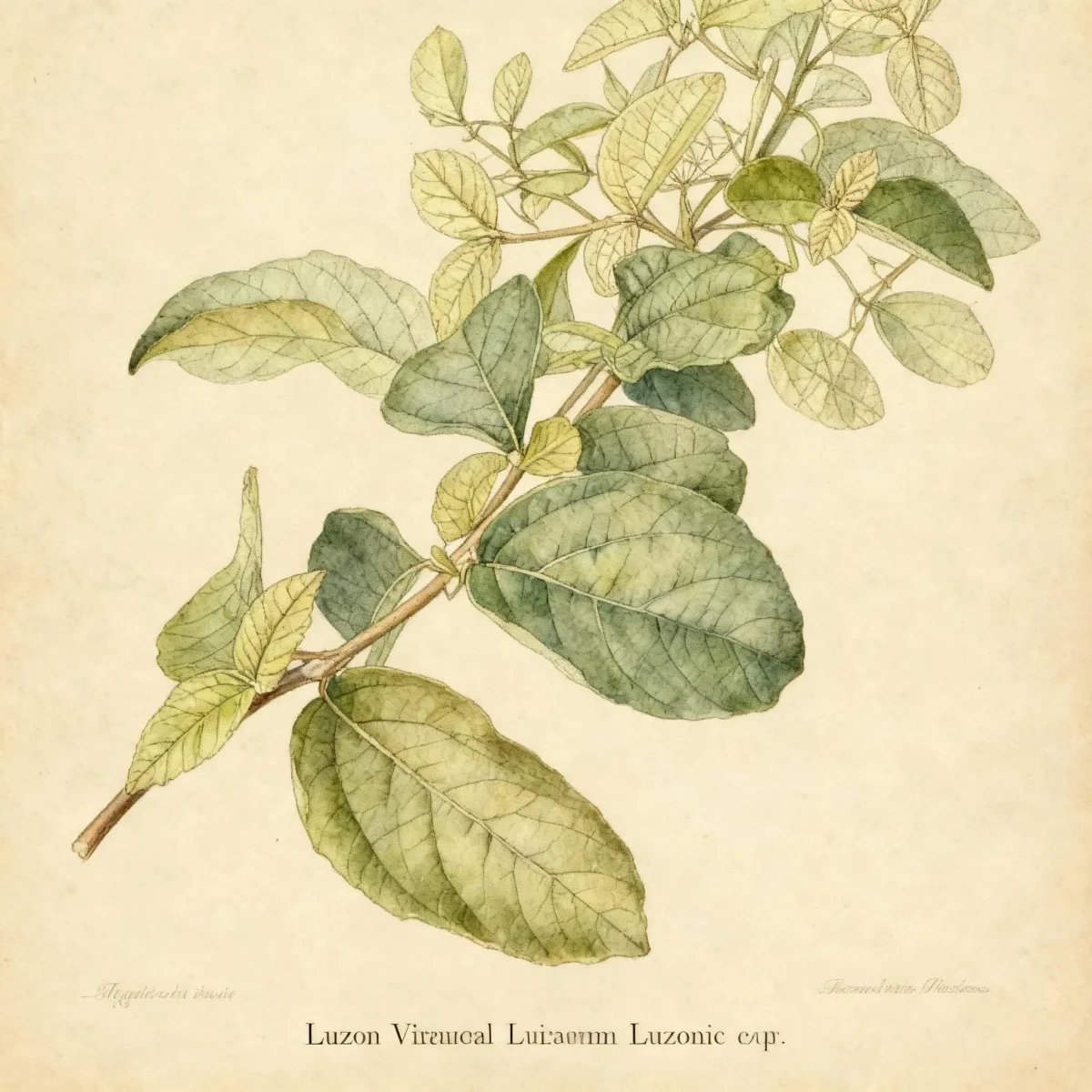
Luzon viburnum (Viburnum luzonicum)
Discover Viburnum luzonicum, the Luzon viburnum, a large deciduous shrub offering showy white flowers and low maintenance for Zones 7-9.

Bloom Boldly, No Matter the Season - Sweatshirt
Cozy organic cotton sweatshirt featuring our exclusive Purple Coneflower design. Perfect for gardeners who bloom year-round.
Inspired by the beautiful Luzon viburnum
Limited first batch (50) — join the waitlist for early access
Waitlist closes Feb 15, 2026.
Complete Plant Information
Field Guide Continues
Ready for care notes, companion picks, and planting tips?
The map is just the start. The full guide below covers growth habits, seasonal performance, and landscape uses.
Overview
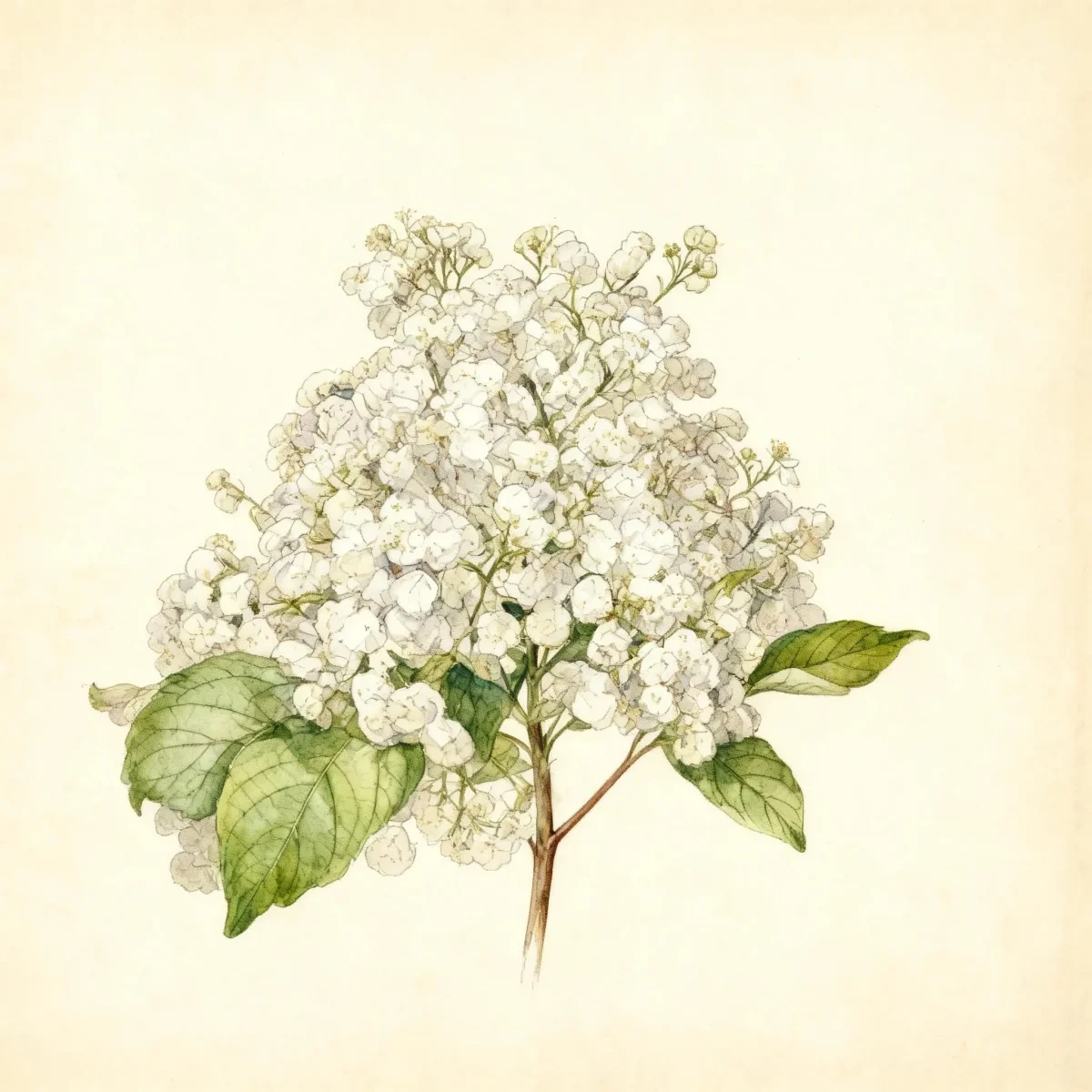
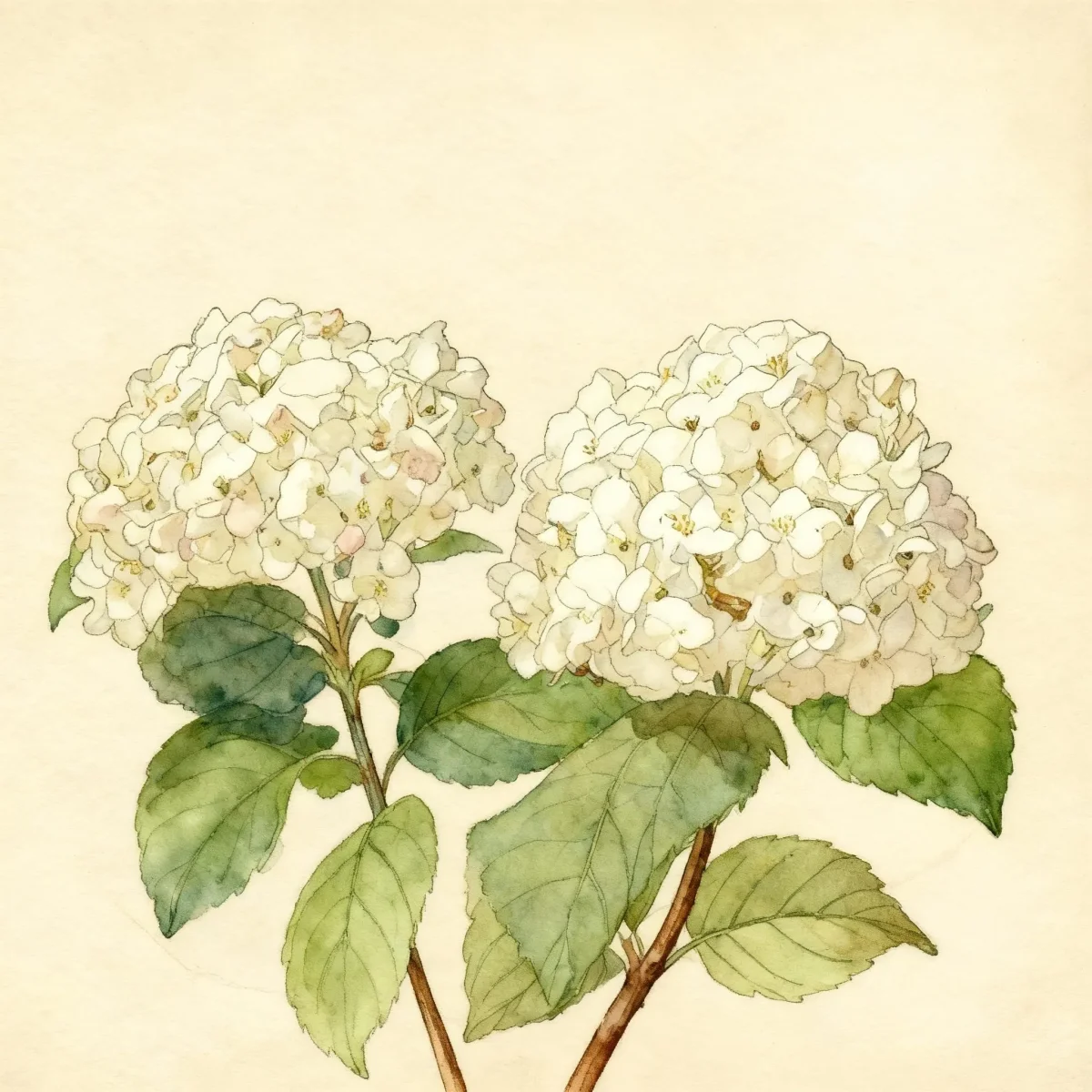
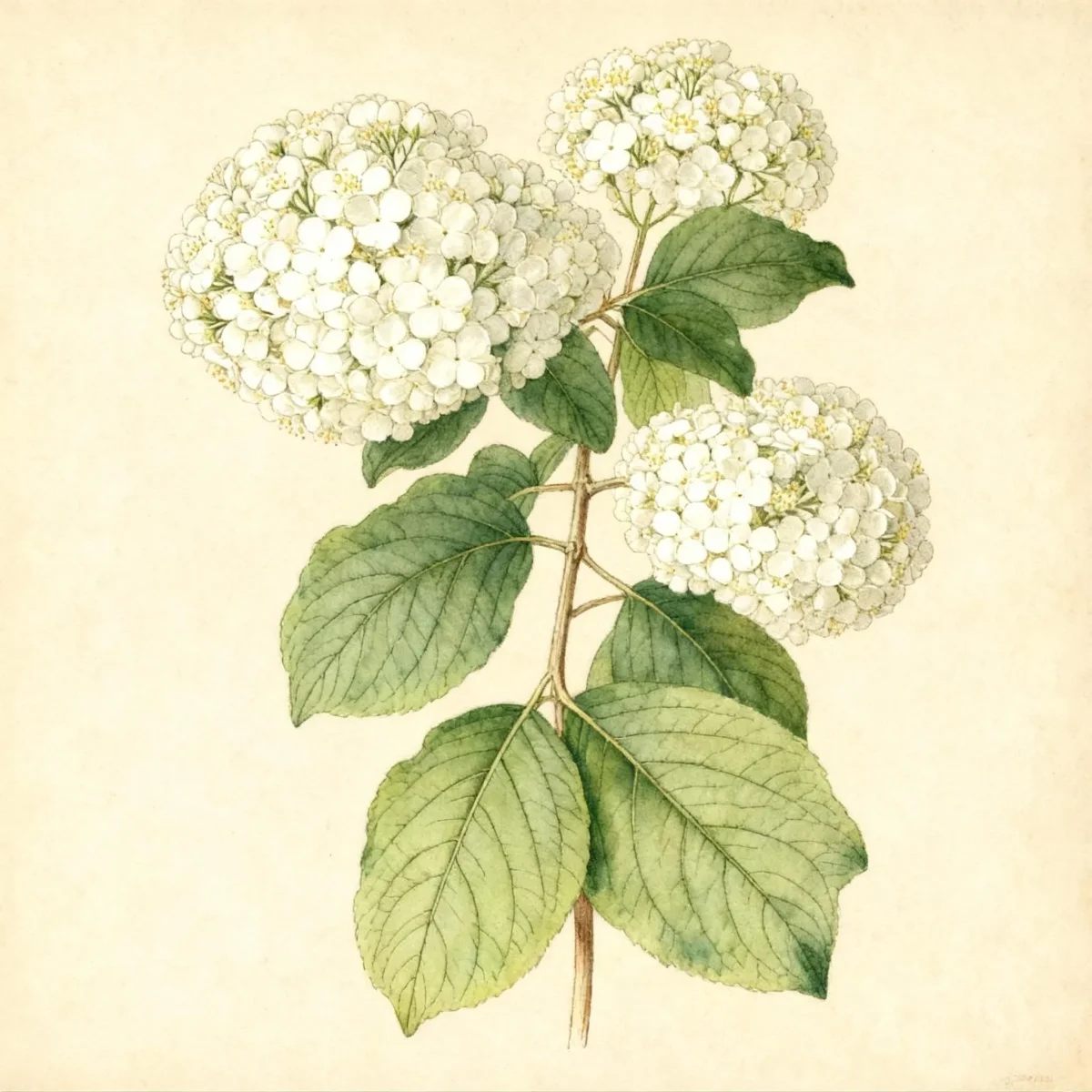
Viburnum luzonicum, widely known as Luzon viburnum, is an underutilized large deciduous shrub native to parts of Asia, making it an interesting addition to U.S. landscapes. This plant establishes a dense, mounded habit, providing excellent screening and structure in the garden from spring through winter. Its notable aesthetic contributions include fragrant white blooms in spring and persistent reddish fruit that ripens to black by late fall.
This species thrives best when placed where it receives either full sun or partial shade, indicating good adaptability to varying light conditions within the landscape. As a low-maintenance choice that exhibits some drought tolerance once established, the Luzon viburnum offers significant ornamental value without demanding constant attention from the gardener.
For those seeking substantial screening or border material adaptable to USDA Zones 7 through 9, Viburnum luzonicum merits consideration. Its transition to reddish-purple fall foliage, which often persists late into winter before new growth emerges, offers extended visual interest beyond the primary bloom period.
Fast Facts
- Plant Family: Adoxaceae
- Plant Type: Deciduous shrub
- Native Range: China, Philippines, Taiwan, Vietnam
- Hardiness Zones: USDA Zones 7-9
- Size at Maturity:
- Height: 8-15 ft
- Spread: 8-15 ft
- Bloom Time: April to May
- Bloom Description: White
- Sun Exposure: Full sun to part shade
- Water Needs: Medium
- Maintenance Level: Low
How to Grow
Plant Viburnum luzonicum during the cooler parts of the year—spring or fall—to allow its root system to establish before summer heat arrives. Ensure the site offers fertile, well-drained soil, as excellent drainage is key to long-term health for most viburnums. Locating the Luzon viburnum in full sun will maximize flowering, though it tolerates part shade gracefully.
Water availability should be medium during the establishment phase; water deeply and regularly until the plant shows vigorous new growth over the first season or two. Once established, this species shows some drought tolerance, reducing the reliance on supplemental irrigation compared to more sensitive shrubs. Fertilization is rarely required if the native soil is fertile.
Pruning for Viburnum luzonicum should be executed immediately after the spring bloom concludes, typically in late May or early June. Significant shaping or thinning should be done at this time to avoid removing next year’s flower buds, which begin setting shortly after flowering finishes.
Landscape Uses
The impressive size and dense structure of the Luzon viburnum make it highly effective when employed as a substantial screen or privacy hedge. Its ability to reach 15 feet tall and nearly as wide allows it to quickly fill in problem areas requiring height and year-round visual mass. Consider using this species for large shrub borders where its spring flowers and persistent fruit can be easily appreciated.
Beyond screening, the Viburnum luzonicum works well in foundation plantings where space allows, or within open woodland gardens if the understory is managed to permit adequate light penetration. Its upright, mounded form means it pairs well with lower, spreading groundcovers or contrasting fine-textured evergreens at the front of a border planting.
Standout Features
Flower Qualities
- Showy
- Fragrant
Fruit Qualities
- Showy
Noteworthy Characteristics
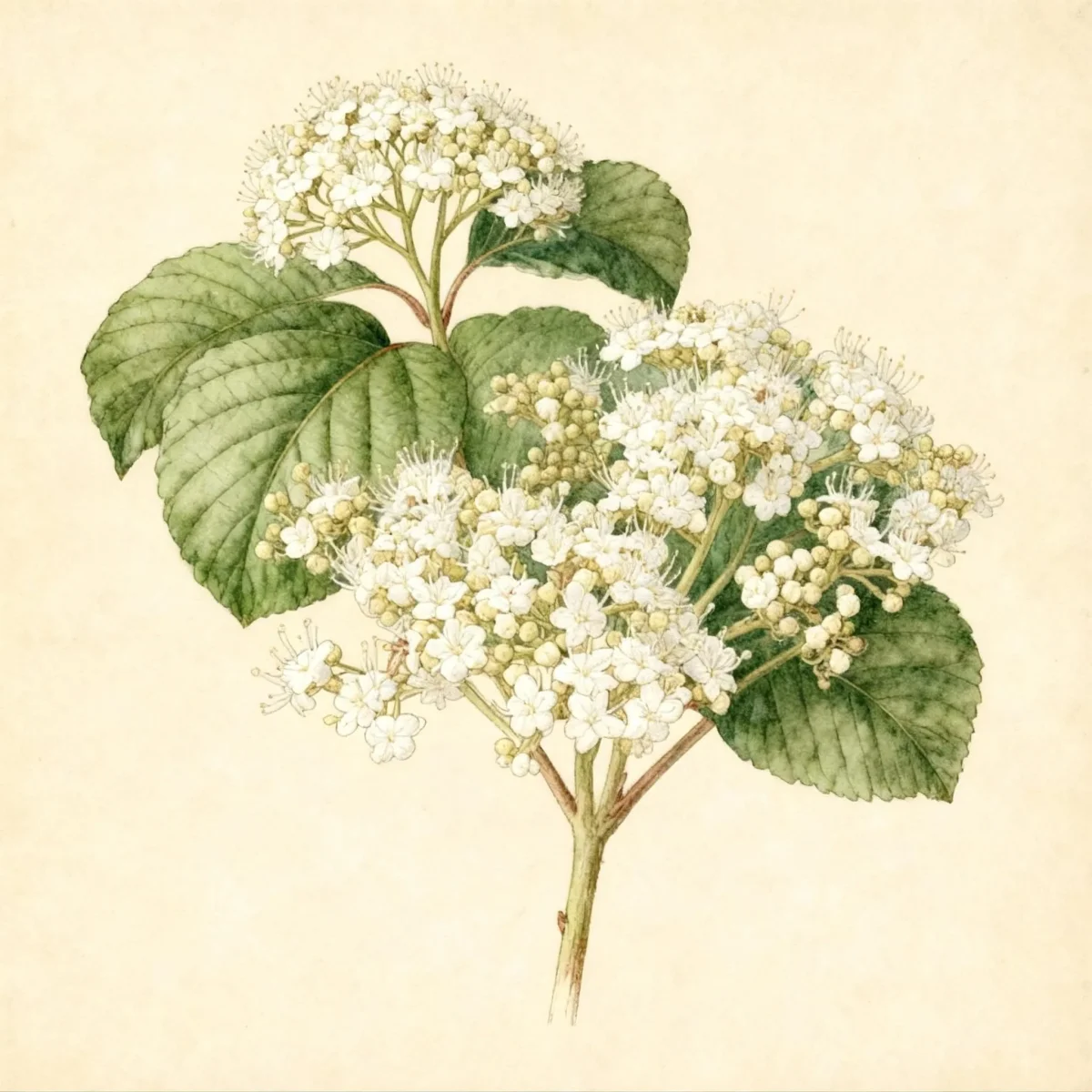
Viburnum luzonicum, commonly called luzon viburnum, is a large deciduous shrub with a dense mounded habit that typically grows to 8-15’ tall, but may occasionally reach 20’. It is native to open forests, scrub and roadsides in southern China, Taiwan and the Philippines. It is infrequently grown in U.S. Gardens. Leaves (to 4” long) are elliptic-ovate to ovate-lanceolate to oblong. Leaves turn reddish-purple in fall and remain on the shrub until late winter before dropping as new growth begins to appear. Small white flowers in compound umbel-like cymes bloom April-May. Flowers have a drab, slightly unpleasant fragrance. Flowers are followed by rounded fruits which mature to red in late summer to early fall, eventually turning black.Genus name comes from the Latin name of a species plant.Specific epithet comes from Luzon, the largest and most populous island in the Philippines and home to the capital city of Manilla. The native range of this shrub includes this island.
Tolerances
- Drought
Potential Problems
This shrub is generally appreciated by gardeners because it exhibits no serious insect or disease problems typically associated with other landscape plants. This reliability contributes significantly to its low maintenance rating. Gardeners should monitor for general issues common to deciduous shrubs, such as scale or minor fungal spots, though these are usually rare.
Ensure cultural needs regarding soil drainage and sun exposure are met; problems often arise from neglect of these basic requirements rather than specific pest infestations in the case of Viburnum luzonicum. Correct pruning timing, immediately after flowering, prevents removal of potential bloom cycles.
Frequently Asked Questions
What hardiness zones is Luzon viburnum suitable for?
Viburnum luzonicum is winter hardy in USDA Zones 7 through 9, offering reliable performance across the mid-temperate to warmer regions of the U.S.
How large does Viburnum luzonicum grow?
This large deciduous shrub typically reaches mature heights between 8 and 15 feet, with a corresponding spread of 8 to 15 feet, creating a substantial presence in the landscape.
When does Viburnum luzonicum bloom?
The plant flowers from April to May, producing small white blooms that possess a fragrant quality, followed later by attractive red to black fruit.
What sun exposure does Luzon viburnum need?
Viburnum luzonicum performs best when situated in full sun, but it can also adapt successfully to locations that receive part shade during the day.
Conclusion
The striking combination of fragrant spring flowers, substantial size for screening, and low maintenance requirements solidifies the value of Viburnum luzonicum in specialized plantings. If you live within USDA Zones 7-9 and require a robust, adaptable specimen, the Luzon viburnum is an excellent choice. Check your local planting calendar and ensure well-draining soil before installing this versatile Asiatic native.
Companion Planting
When selecting companions for Viburnum luzonicum, focus on plants that share similar needs for well-drained soil and a preference for full sun to light shade environments. Consider planting beneath taller trees (if placement allows for the filtered light this species tolerates) alongside shade-tolerant, textural ferns or hostas to emphasize the shrub’s structure.
For borders, pair the height of the Luzon viburnum with lower-growing flowering perennials that bloom either before or after its April-May cycle, such as early spring bulbs or late-summer salvias, to ensure continuous seasonal color interest. Plants with fine foliage, like Japanese forest grass or certain ornamental grasses, provide an excellent textural contrast to the broad leaves of the Viburnum.
Design Ideas
Utilize the dense, mounding habit of Viburnum luzonicum for creating sophisticated, layered screens along property lines where mature height is required. Because it offers multi-season interest—flowers, fruit, and lingering fall color—it functions well as a specimen plant in slightly larger foundation beds, preventing the need for constant seasonal replacements.
In more informal settings, group several Luzon viburnum shrubs to form an irregular, naturalistic hedge that provides wildlife cover and mass planting impact. Ensure ground clearance underneath is maintained initially, as pruning becomes more difficult once the canopy fully develops and fills out the 8 to 15-foot spread.