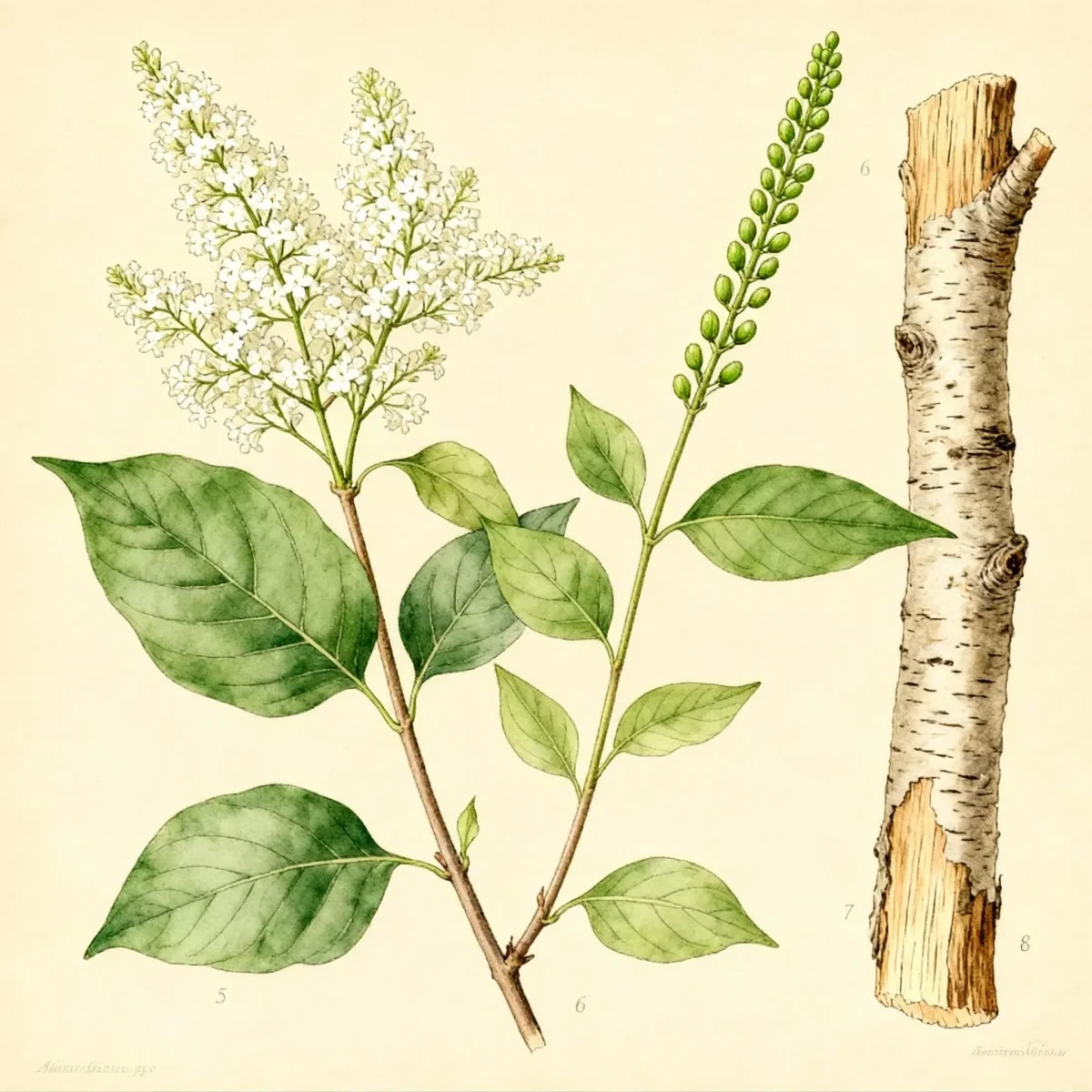
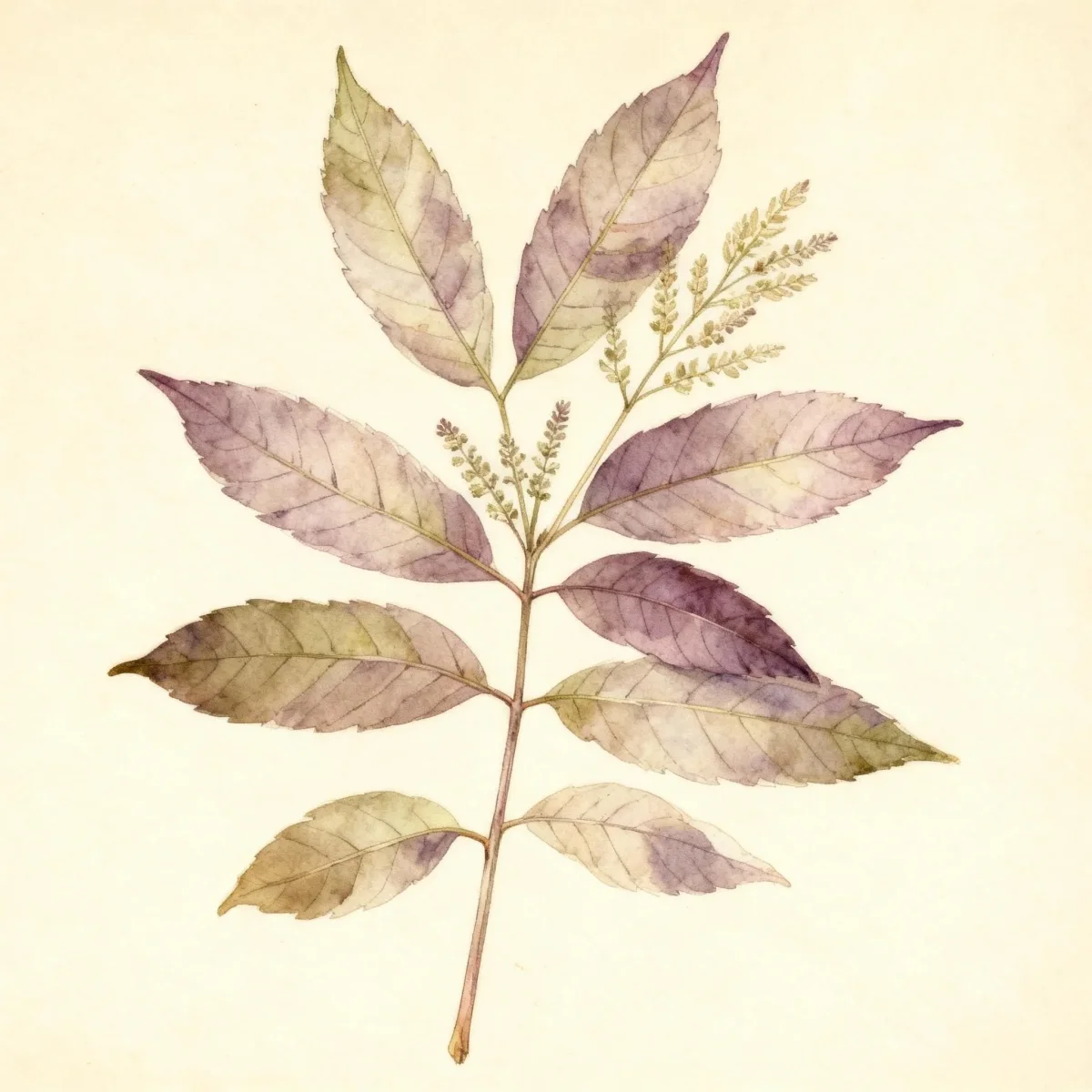
Chinese tree lilac (Syringa reticulata subsp. Pekinensis 'Jinyuan')
The Syringa reticulata subsp. pekinensis 'Jinyuan' is a lovely Chinese tree lilac offering showy, fragrant blooms and attractive bark.
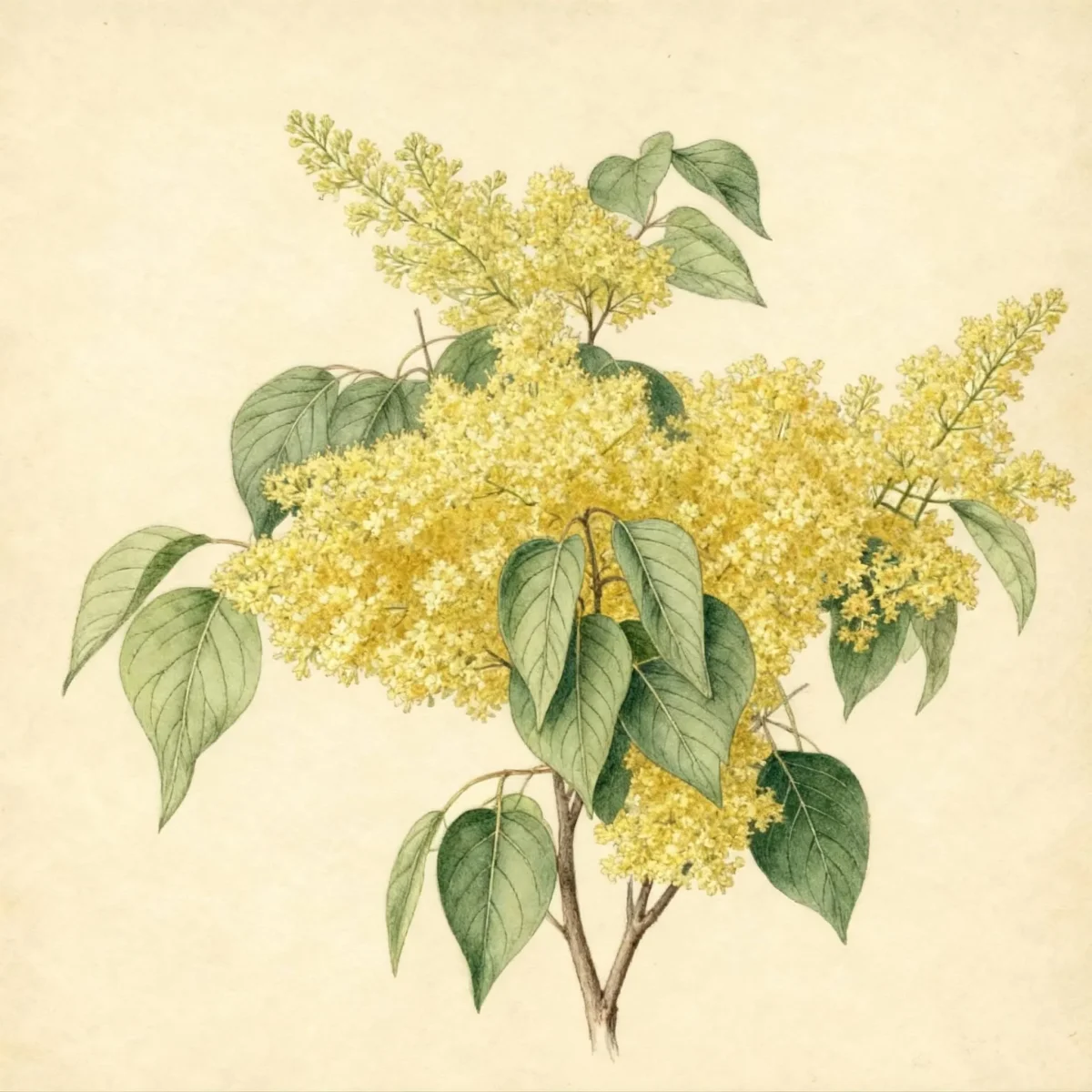

Bloom Boldly, No Matter the Season - Sweatshirt
Cozy organic cotton sweatshirt featuring our exclusive Purple Coneflower design. Perfect for gardeners who bloom year-round.
Inspired by the beautiful Chinese tree lilac
Limited first batch (50) — join the waitlist for early access
Waitlist closes Feb 15, 2026.
Complete Plant Information
Field Guide Continues
Ready for care notes, companion picks, and planting tips?
The map is just the start. The full guide below covers growth habits, seasonal performance, and landscape uses.
Overview
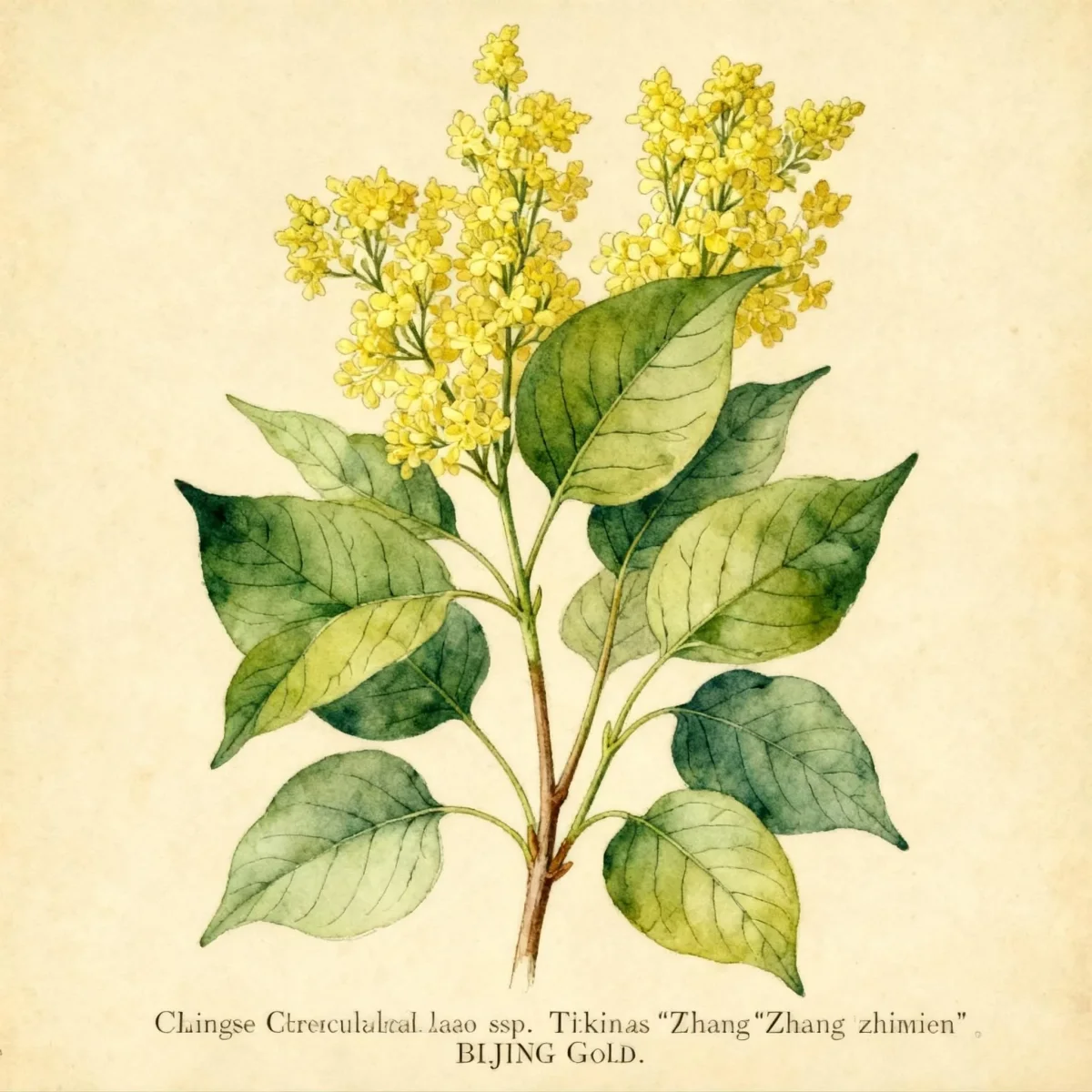
Syringa reticulata subsp. pekinensis ‘Jinyuan’ is celebrated as a highly adaptable specimen tree, particularly valued for its late-season bloom compared to common lilacs. This cultivar of the Chinese tree lilac distinguishes itself with abundant, creamy yellow, fragrant flowers borne on upright panicles. It provides excellent structure and aesthetic appeal even outside the blooming season, thanks to its attractive exfoliating bark.
As a robust flowering tree, the Syringa reticulata subsp. Pekinensis ‘Jinyuan’ thrives where many traditional lilacs might struggle, tolerating urban settings well. Gardeners appreciate the low maintenance level coupled with its resistance to several common lilac pests, making it a reliable choice for a graceful accent or street planting. It offers visual interest from spring through winter, showcasing dependable performance in the landscape.
Fast Facts
- Plant Family: Oleaceae
- Plant Type: Tree
- Hardiness Zones: USDA Zones 3-7
- Size at Maturity:
- Height: 15-20 ft
- Spread: 10-15 ft
- Bloom Time: May to June
- Bloom Description: Creamy yelllow
- Sun Exposure: Full sun
- Water Needs: Medium
- Maintenance Level: Low
How to Grow
Plant the Chinese tree lilac in fall or early spring for the best establishment, ensuring it is sited in full sun for optimal flowering, though it tolerates light shade. This tree prefers organically rich, moist, well-drained soil, ideally slightly acidic. Good air circulation is important for overall health, especially when placing it in tighter urban environments.
Watering should be consistent, aiming for medium moisture levels, especially during dry spells in the first few years. Fertilization is rarely necessary if the soil is rich. Pruning should be done immediately after flowering ceases to shape the plant or remove spent blooms before seed set, avoiding late-season pruning which removes next year’s buds.
Best growth for Syringa reticulata subsp. pekinensis ‘Jinyuan’ is observed in cooler summer climates; refrain from planting south of USDA Zone 7 if possible. While generally tough, ensure adequate drainage, as consistently soggy soil is detrimental to this otherwise adaptable species.
Landscape Uses
The versatility of the Chinese tree lilac makes it an excellent focal point as a specimen tree, drawing attention with its unique bloom time and exfoliating bark. Tree forms excel in open lawns, near patios where their fragrance can be enjoyed, or strategically placed along streets where their moderate size will not conflict with utilities.
For mass plantings, shrub forms of the genus create effective, moderately dense screens along property lines or serve as substantial anchor plants within mixed borders. Consider planting Syringa reticulata subsp. Pekinensis ‘Jinyuan’ near structures that benefit from year-round visual interest provided by the attractive reddish to gray bark texture.
Standout Features
Flower Qualities
- Showy
- Fragrant
Noteworthy Characteristics
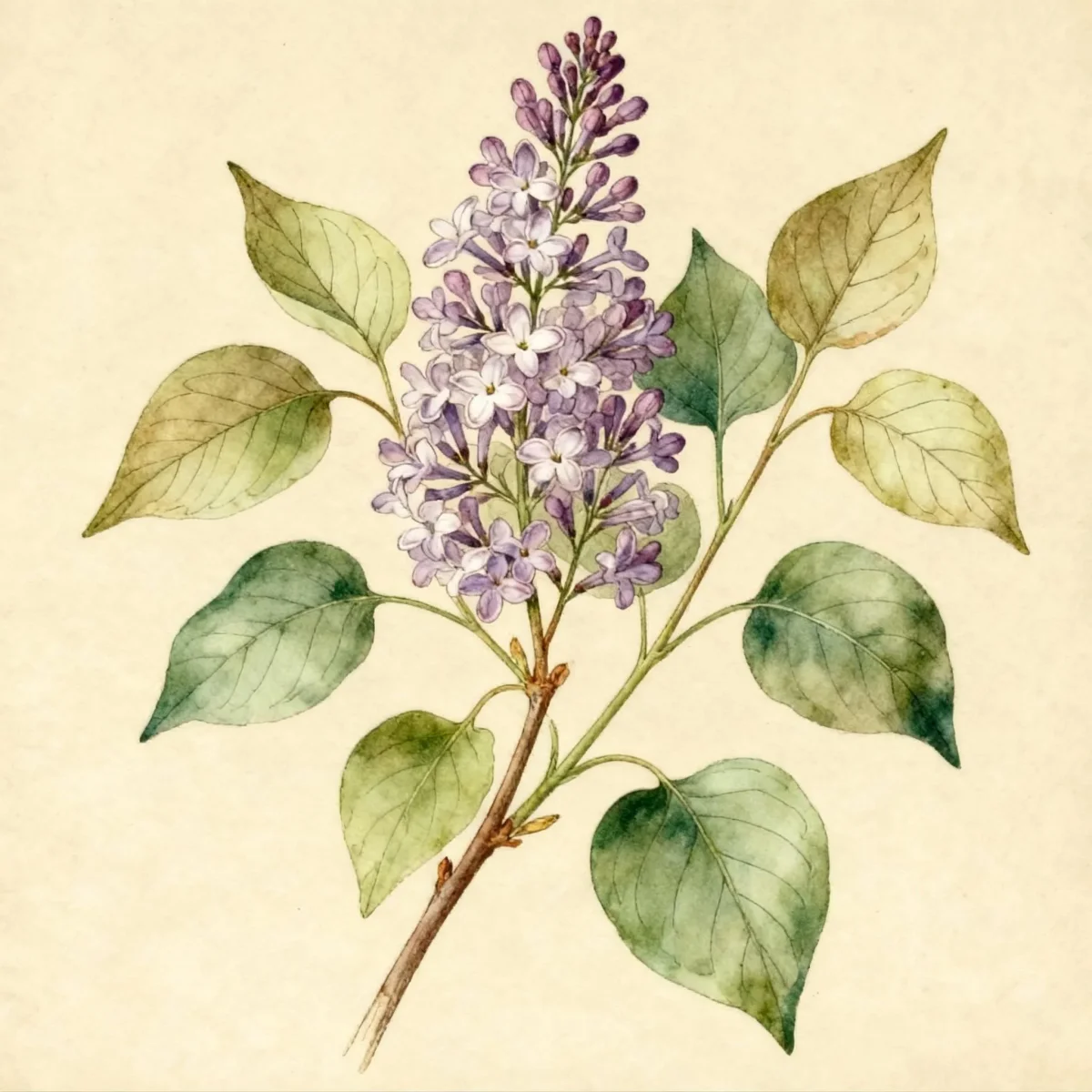
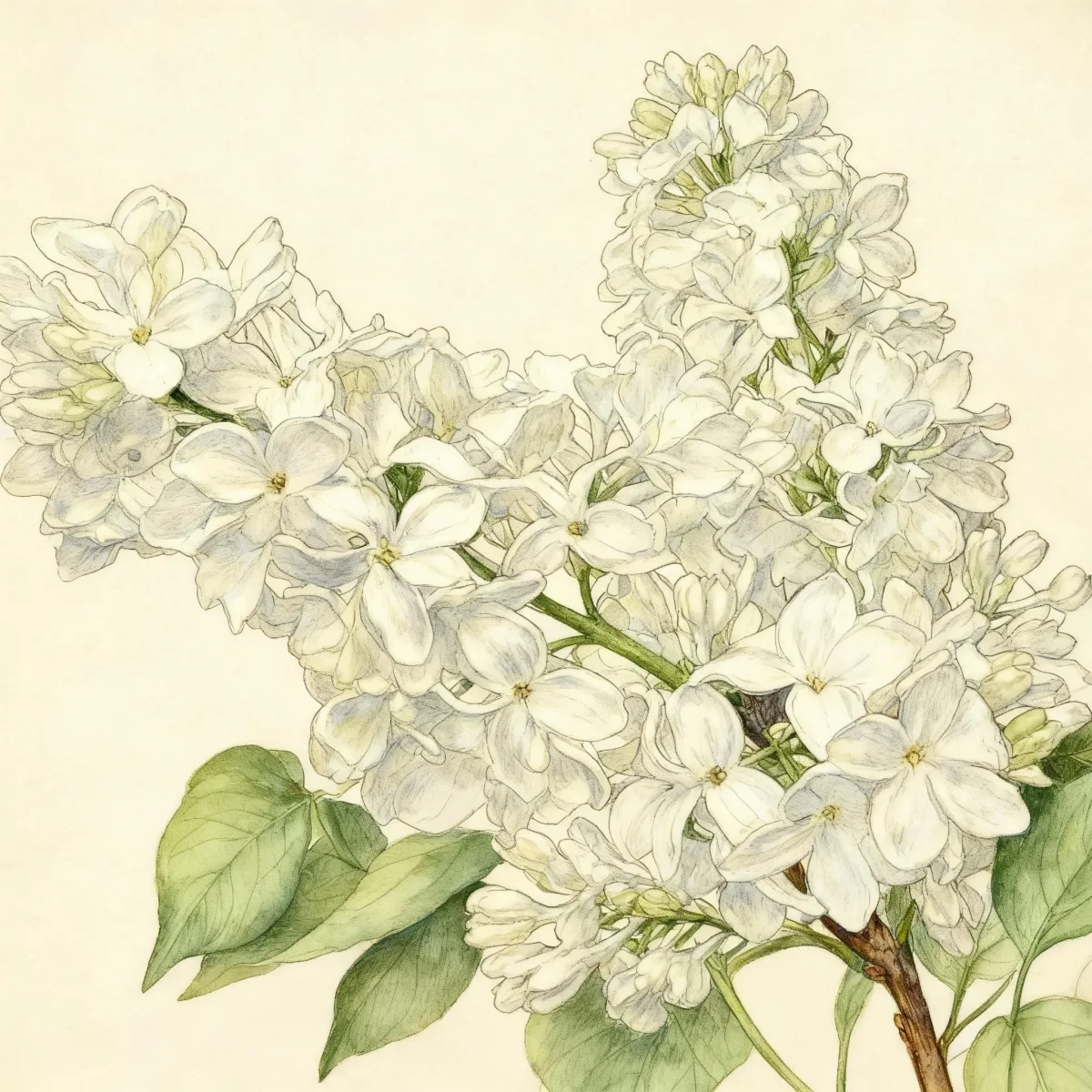
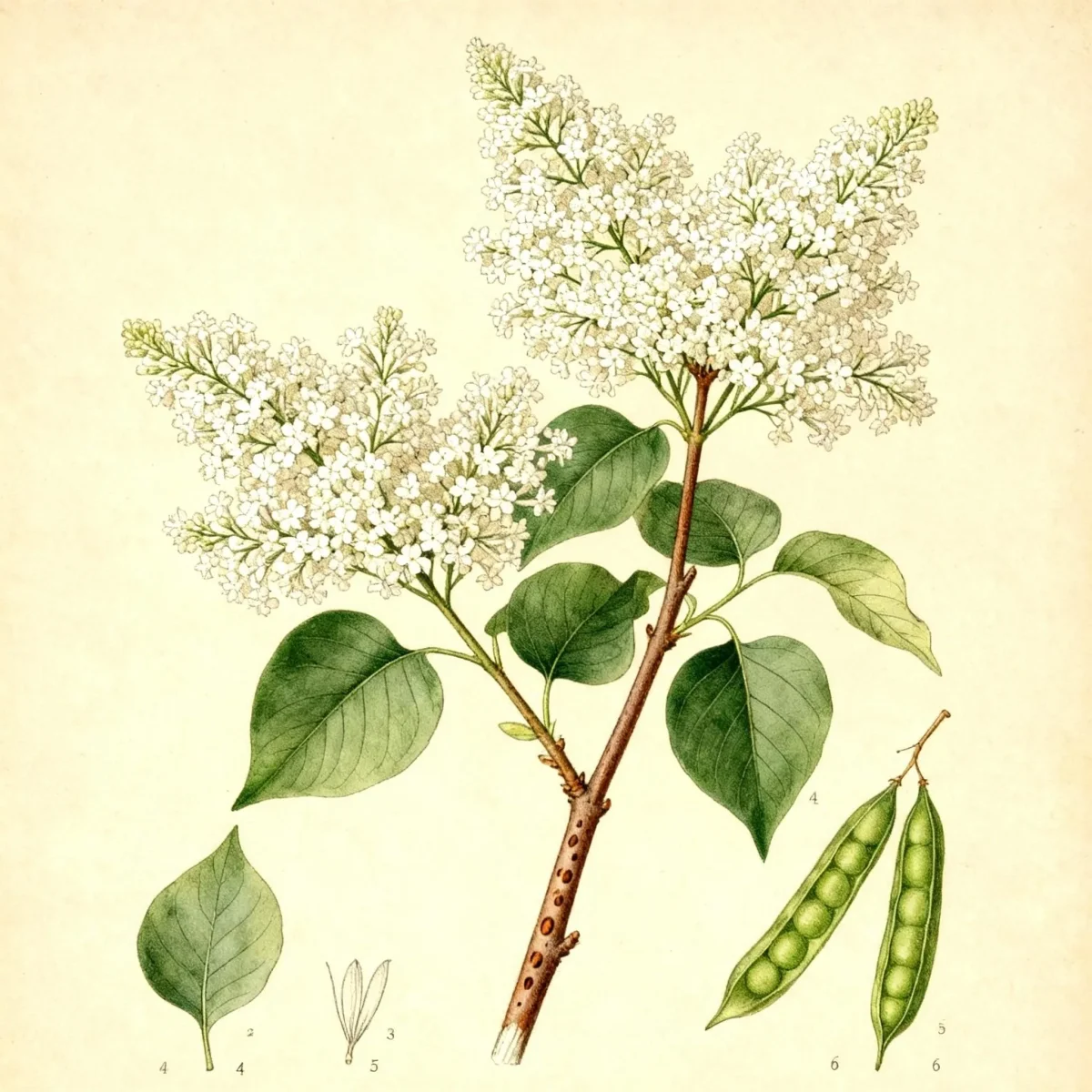
Syringa reticulata, commonly called Chinese tree lilac, typically grows as a small tree or large shrub. Its best ornamental feature is its showy, fragrant, creamy white flowers which bloom in upright panicles to 12” long in late spring to early summer. Subsp. Pekinensis, known as Peking lilac or Chinese tree lilac, typically grows in an open, multi-stemmed form with exfoliating reddish-brown bark, and the ‘Jinyuan’ selection is specifically noted for its distinctly yellow flower hue and uniform shape.
Tolerances
- Deer
- Clay Soil
Potential Problems
The Chinese tree lilac generally exhibits low disease and pest pressure compared to other lilacs, often demonstrating good resistance to powdery mildew, scale, and borers. However, monitor for susceptibility to blights, leaf spots, and ring spot virus, particularly in humid conditions. Caterpillars and leaf miners can occasionally defoliate the foliage. The primary cultural concern is early spring frost, which can severely damage developing flower buds, resulting in a lack of blooms for the season. Proper site selection away from frost pockets helps mitigate this risk.
Frequently Asked Questions
What hardiness zones is Chinese tree lilac suitable for?
Syringa reticulata subsp. pekinensis ‘Jinyuan’ is reliably hardy in USDA Zones 3 through 7.
How large does Chinese tree lilac grow?
This small tree typically reaches heights between 15 and 20 feet, with a relatively contained spread of 10 to 15 feet.
When does Chinese tree lilac bloom?
The bloom time for Syringa reticulata subsp. pekinensis ‘Jinyuan’ is generally from May through June, featuring a creamy yellow flower color.
What sun exposure does Chinese tree lilac need?
For the best flowering performance, this plant requires full sun exposure.
Conclusion
The Syringa reticulata subsp. pekinensis ‘Jinyuan’ presents a valuable low-maintenance option for landscapes needing a fragrant, late-blooming small tree. Its resistance profile and attractive bark ensure interest across multiple seasons, making the Chinese tree lilac a stellar choice. Before planting, confirm that your location falls within USDA Zones 3-7 and that you can provide the needed full sun exposure.
Companion Planting
When integrating Syringa reticulata subsp. pekinensis ‘Jinyuan’ into your garden design, select companions that share its preference for well-drained, fertile soil and full sun. Consider planting lower-growing, reliable perennials nearby, such as Hostas (in areas receiving morning sun only) or Siberian Iris. These selections offer textural contrast without competing aggressively for necessary resources or overshadowing the tree’s attractive lower trunk.
If you are using the Chinese tree lilac as a street tree, low-broadcast groundcovers that tolerate some compaction can frame the base nicely. Avoid species that demand rich, consistently wet soil, as this tree prefers medium moisture and superior drainage for optimal health and longevity.
Seasonal Care Calendar
Spring preparation involves monitoring for frost to protect those crucial emerging flower buds; delay any heavy pruning until after the bloom period in late spring to ensure a full floral display. As summer progresses, focus on maintaining consistent, medium watering, especially during dry periods.
In the fall, the Syringa reticulata subsp. Pekinensis ‘Jinyuan’ requires little specialized care, though removing any fallen debris promptly can reduce fungal inoculum over winter. Winter care centers on ensuring that newly planted specimens are protected from harsh winter winds and excessive drying, although established trees are quite hardy down to Zone 3.