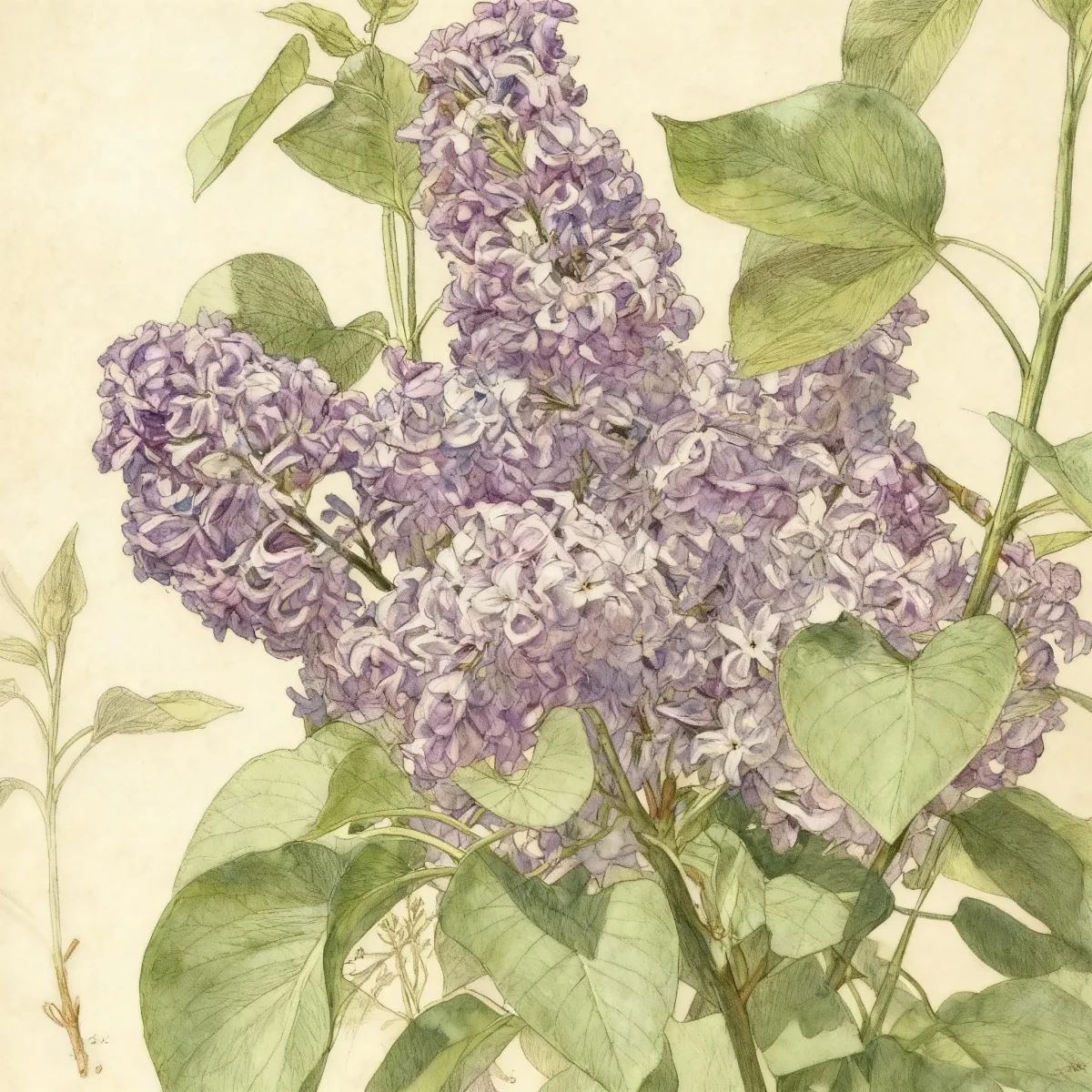
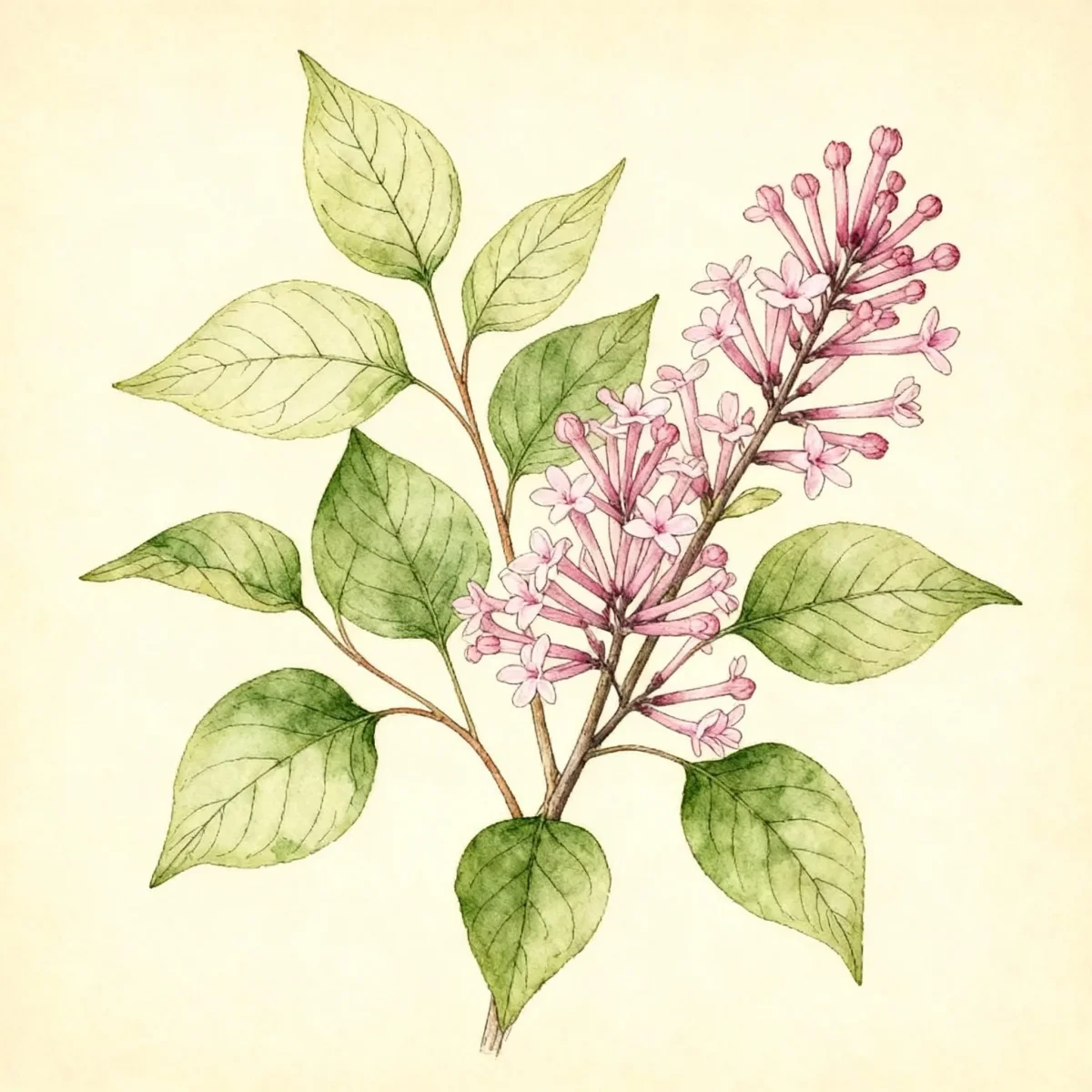
Lilac (Syringa 'SMNJRPI' BLOOMERANG DWARF PINK)
Discover Syringa 'SMNJRPI' BLOOMERANG DWARF PINK, a low-maintenance, compact Lilac known for its fragrant pink reblooms.

Bloom Boldly, No Matter the Season - Sweatshirt
Cozy organic cotton sweatshirt featuring our exclusive Purple Coneflower design. Perfect for gardeners who bloom year-round.
Inspired by the beautiful Lilac
Limited first batch (50) — join the waitlist for early access
Waitlist closes Feb 15, 2026.
Complete Plant Information
Field Guide Continues
Ready for care notes, companion picks, and planting tips?
The map is just the start. The full guide below covers growth habits, seasonal performance, and landscape uses.
Overview
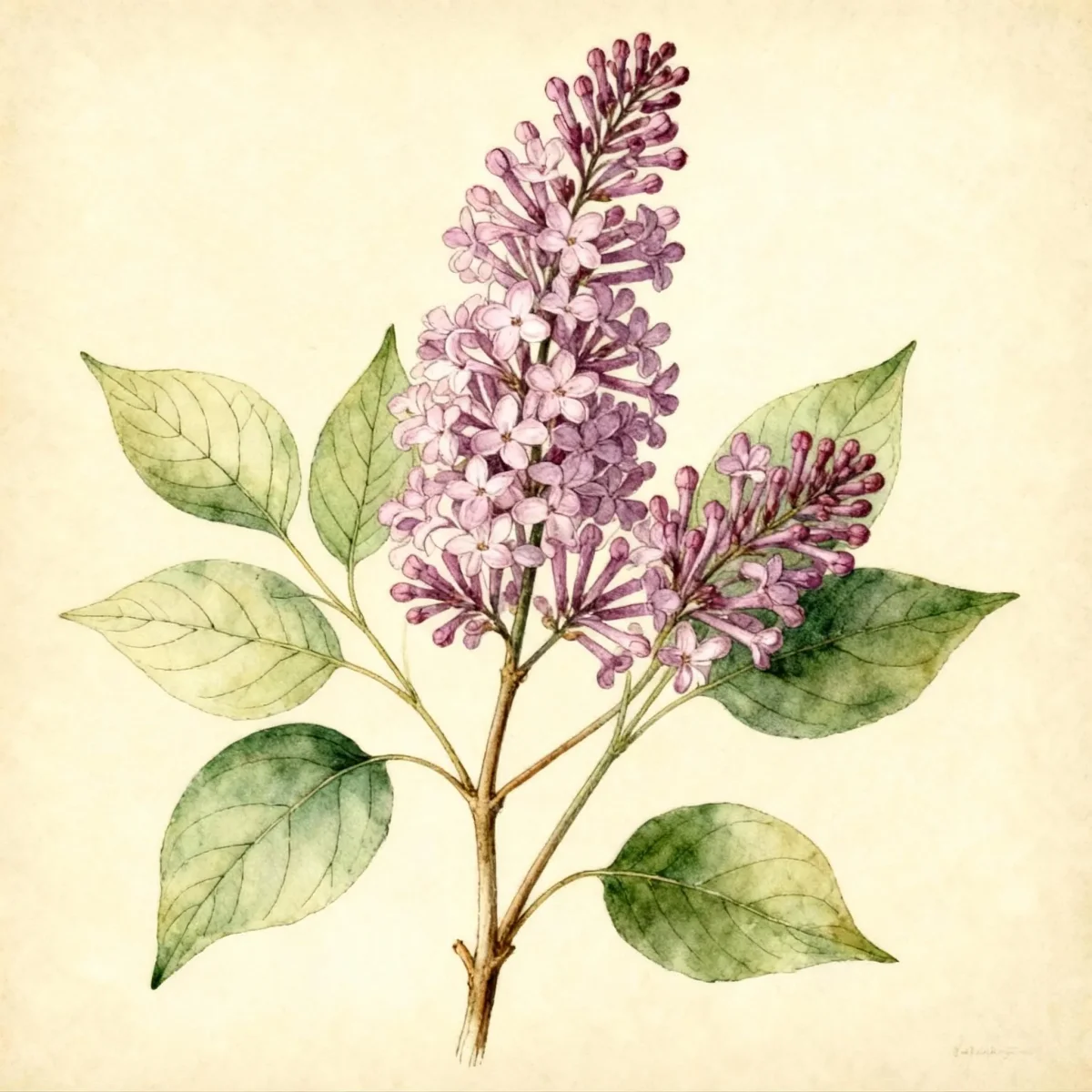
The Syringa ‘SMNJRPI’ BLOOMERANG DWARF PINK is a highly valued compact hybrid Lilac celebrated for its extended season of color and fragrance. Unlike traditional varieties, this cultivar offers significant reblooming capability, delivering sporadic flushes of blooms well beyond the main spring display. This attribute makes the BLOOMERANG DWARF PINK Lilac exceptionally useful for smaller landscapes and foundation plantings where consistent visual interest is desired.
Growing into a manageable size, typically topping out around 3 feet tall and wide, this dwarf shrub fits seamlessly into modern garden designs. Its low-maintenance nature, combined with the inherent beauty of its fragrant pink flowers, ensures that the Syringa ‘SMNJRPI’ BLOOMERANG DWARF PINK remains a popular choice for gardeners seeking classic lilac appeal in a space-saving package. It attracts butterflies and hummingbirds, adding ecological value alongside its aesthetic appeal.
Fast Facts
- Plant Family: Oleaceae
- Plant Type: Deciduous shrub
- Hardiness Zones: USDA Zones 4-7
- Size at Maturity:
- Height: 2-3 ft
- Spread: 2-3 ft
- Bloom Time: April to May
- Bloom Description: Pink
- Sun Exposure: Full sun
- Water Needs: Medium
- Maintenance Level: Low
How to Grow
Plant your Syringa ‘SMNJRPI’ BLOOMERANG DWARF PINK in the spring or fall for the best establishment, ensuring a location that receives full sun for the most robust flowering potential. These shrubs thrive in average, well-drained soil. While they tolerate light shade, optimal bloom performance for this Lilac requires direct, consistent sunlight. Enriching the soil with organic matter, aiming for neutral to slightly alkaline conditions, will promote healthy growth. Good air circulation is key to preventing common foliage issues.
Water needs are medium; ensure consistent moisture, especially when newly planted. Once established, the Syringa ‘SMNJRPI’ BLOOMERANG DWARF PINK is relatively drought-tolerant but performs best with steady, medium moisture in well-drained conditions. It exhibits good tolerance for urban environments, making it a reliable addition to city gardens.
Pruning must be done strategically to maximize flowering. Prune necessary shaping or size reductions immediately after the primary spring bloom concludes. Crucially, avoid pruning from the fall through the spring bloom period, as this removes the developing wood for the next major flower display. Removing faded flower panicles before they set seed can encourage more repeat blooming throughout the summer.
Landscape Uses
The compact nature of the Syringa ‘SMNJRPI’ BLOOMERANG DWARF PINK makes it incredibly versatile. It excels when used effectively as a specimen plant, allowing its unique color and form to stand out. Alternatively, massing several shrubs creates a stunning display of repeated pink flowers along building foundations or soft edges.
This dwarf Lilac is perfectly sized for use in shrub borders where space is limited, or as a neat, small hedge replacing larger, more unruly varieties. Its fantastic blooms also make it a favorite ingredient for cutting gardens, bringing fragrant color indoors. Furthermore, it adapts well to container gardening, provided the potting mix is well-draining and moisture is monitored regularly.
Standout Features
Flower Qualities
- Showy
- Fragrant
- Good Cut
Noteworthy Characteristics
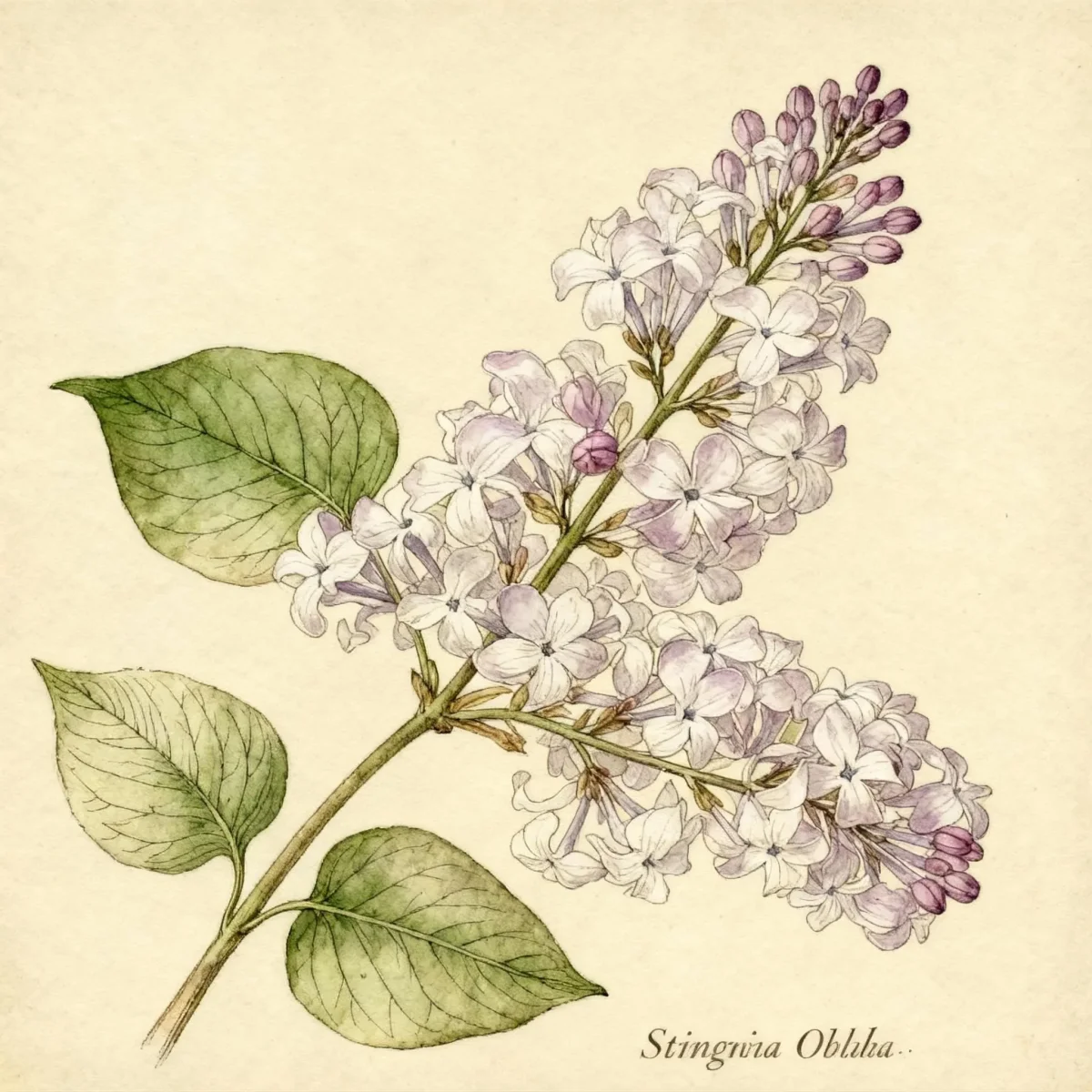
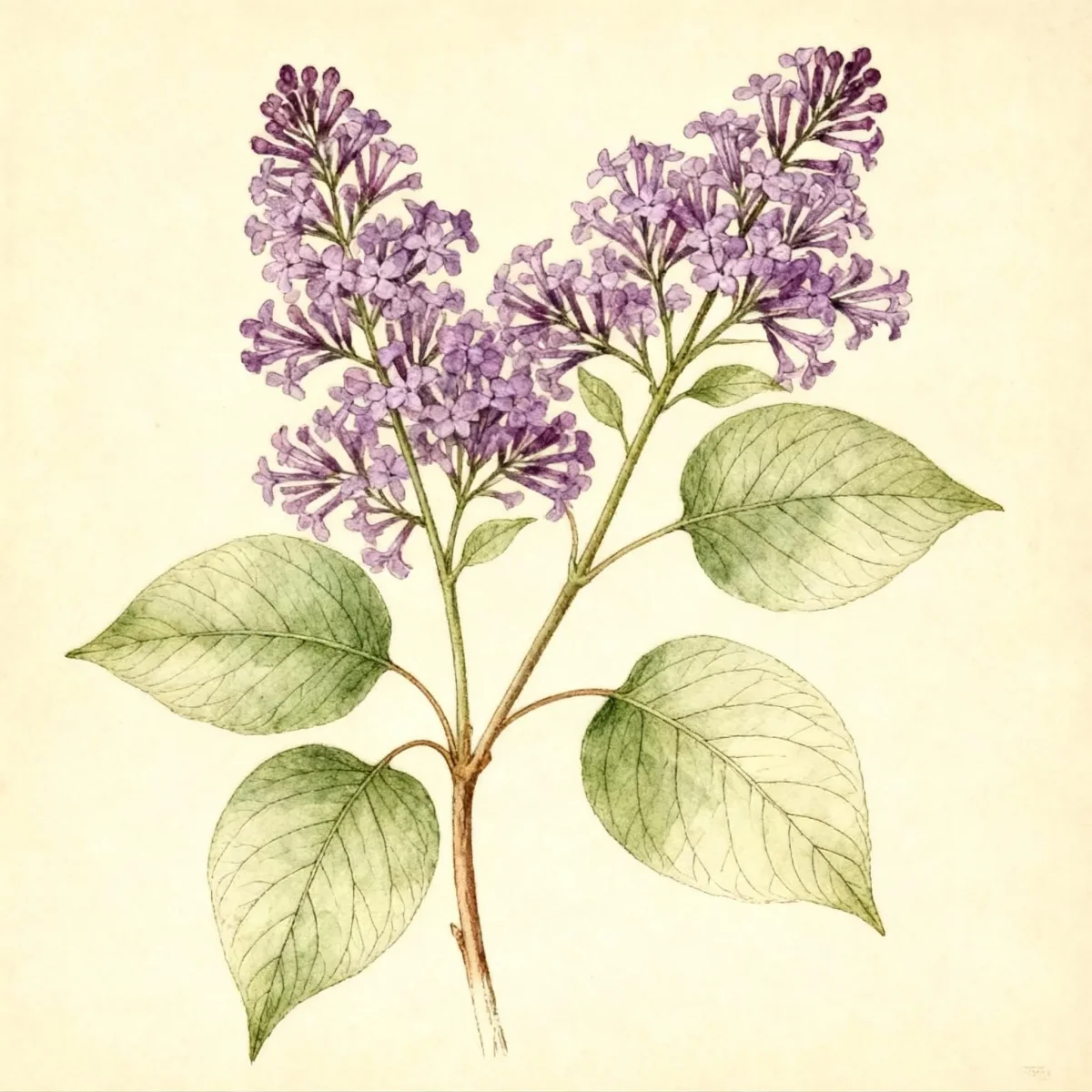
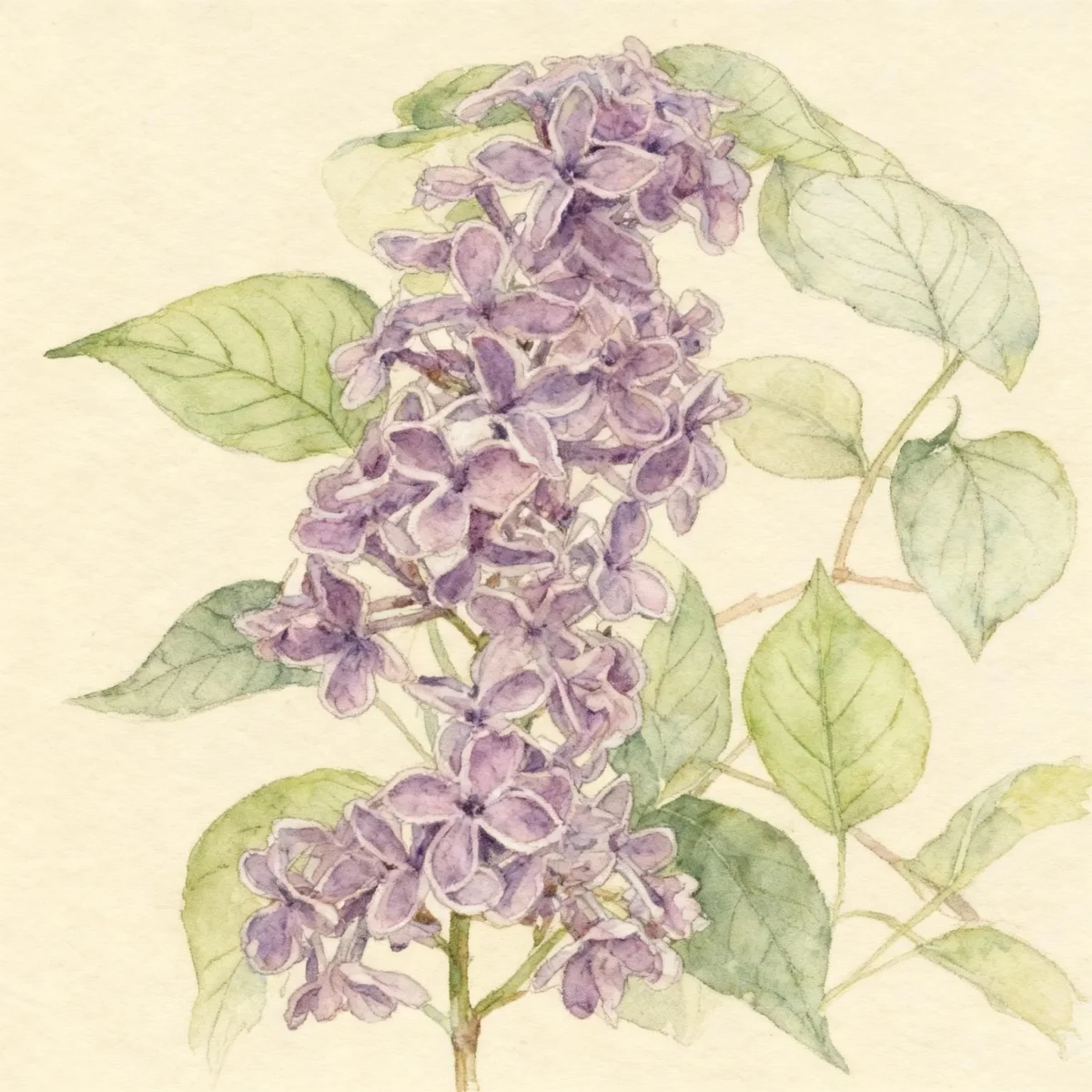
Syringa is a genus of about 20 species of shrubs and small trees from Southeast Europe to East Asia. They are grown for the showy fragrant flowers. The genus name comes from the Greek word syrinx meaning tube or pipe in reference to the pith-filled but easily-hollowed stems of some genus plants. The ‘SMNJRPI’ cultivar is compact, featuring cone-shaped panicles of small, pink, tubular flowers. A major bloom in mid to late spring is followed by sporadic reblooming throughout the summer, attracting pollinators like butterflies.
Tolerances
- Good tolerance for urban conditions
Potential Problems
Leaf-roll necrosis is a potential issue that gardeners should monitor for on their Lilac leaves. While powdery mildew can occasionally develop on the foliage, it is rarely serious and is often cosmetic rather than damaging to the plant’s overall health. A more significant concern involves flower buds, which are highly susceptible to injury should a hard frost occur late in the spring after bud development has begun.
To mitigate these minor issues, ensure the Syringa ‘SMNJRPI’ BLOOMERANG DWARF PINK is planted in a location with excellent air circulation to deter fungal development. Proper pruning timing after the first flush of bloom helps direct energy into healthy new growth capable of setting buds for the summer repeat.
Frequently Asked Questions
What hardiness zones is Lilac suitable for?
The Syringa ‘SMNJRPI’ BLOOMERANG DWARF PINK is reliably cold-hardy in USDA Zones 4 through 7. Always ensure your location is within these parameters for best results.
How large does Syringa ‘SMNJRPI’ BLOOMERANG DWARF PINK grow?
This compact cultivar is relatively small, maturing to a height between 2 and 3 feet, with a similar spread of 2 to 3 feet, making it ideal for smaller spaces.
When does Lilac bloom?
This specific Lilac variety blooms initially from April to May with showy pink flowers, followed by sporadic reblooming throughout the summer months.
What sun exposure does Syringa ‘SMNJRPI’ BLOOMERANG DWARF PINK need?
This shrub requires full sun exposure for its best performance, though it can tolerate light shade; however, flowering will be reduced in shadier spots.
Conclusion
The Syringa ‘SMNJRPI’ BLOOMERANG DWARF PINK offers a fantastic, low-maintenance way to enjoy the classic fragrance and beauty of Lilac in a modern, compact form. Its standout feature is the dual blooming cycle, providing extended rewards throughout the growing season. Before planting, confirm your garden exists within USDA Zones 4-7 and plan your pruning schedule carefully to encourage abundant repeat flowers from your beautiful BLOOMERANG DWARF PINK Lilac.
Wildlife Gardens
Planting the Syringa ‘SMNJRPI’ BLOOMERANG DWARF PINK significantly contributes to local pollinator habitats. The tubular, fragrant pink flowers are highly attractive to specific beneficial insects. Hummingbirds, often searching for nectar sources, are frequently observed visiting the blooms, especially during the main flowering periods in spring and summer.
By providing these reliable nectar sources across multiple months, this shrub supports the entire lifecycle of local butterfly populations. Its dense, dwarf structure also offers excellent low-level cover and quick foraging opportunities near the ground level in shrub borders or foundation plantings.
Seasonal Care Calendar
Managing this Lilac through the seasons is straightforward due to its low maintenance needs. In early spring, avoid aggressive pruning; instead, monitor flower buds closely for potential late frost damage. Once the main bloom in late spring/early summer is complete, immediately deadhead the spent panicles to encourage the secondary summer bloom cycle to initiate.
Summer care focuses primarily on providing medium water, especially during dry spells, and applying a light layer of organic mulch to help maintain soil consistency and moisture retention. Do not fertilize heavily; these shrubs generally prefer average soil fertility. As fall approaches, cease any major structural pruning, allowing the plant to harden off naturally for winter survival in Zones 4-7.