Garden Design
Why Drooping Laurel Is Not Popular in Landscaping
Drooping laurel needs the right soil, shade, and moisture. Learn why it can be a poor fit for some yards and where this evergreen shrub grows well.
Drooping laurel can be a poor fit for landscaping when a yard is sunny, dry, or has soil that is not acidic. It needs a suitable planting spot to grow well. That helps explain why a gardener might choose another shrub.
Still, asking why drooping laurel is not popular in landscaping starts with an assumption. The horticultural sources linked below describe its strengths and limits, but they do not measure its popularity. The useful question is whether those limits matter in your yard.
What is drooping laurel?
Drooping laurel is Leucothoe fontanesiana, also called doghobble or drooping leucothoe. It is an evergreen shrub with glossy leaves and branches that bend outward. Small white flowers hang beneath the shoots. The Royal Horticultural Society’s plant profile confirms the common name and describes this arching shape.
Here, “drooping” describes the plant’s natural form. This article is about choosing that species for a garden, rather than diagnosing wilting leaves on a shrub sold as laurel. Check the botanical name on the plant label before using its care advice.
Its soil needs can rule out a planting spot
Drooping laurel prefers acidic soil that holds moisture while allowing excess water to drain away. Virginia Cooperative Extension lists a soil pH range of 3.7 to 5.5. Soil pH is a measure of how acidic or alkaline the ground is.
That makes a soil test a useful first step. A bed can look rich and dark without having the right pH. If the result shows alkaline soil, ask your local extension office what growing an acid-loving shrub there would involve before buying one.
Soil texture alone does not settle the question. The same extension guide lists sandy soil, loam, and clay loam as possible growing media. Check moisture and drainage as well as the type of soil you have.

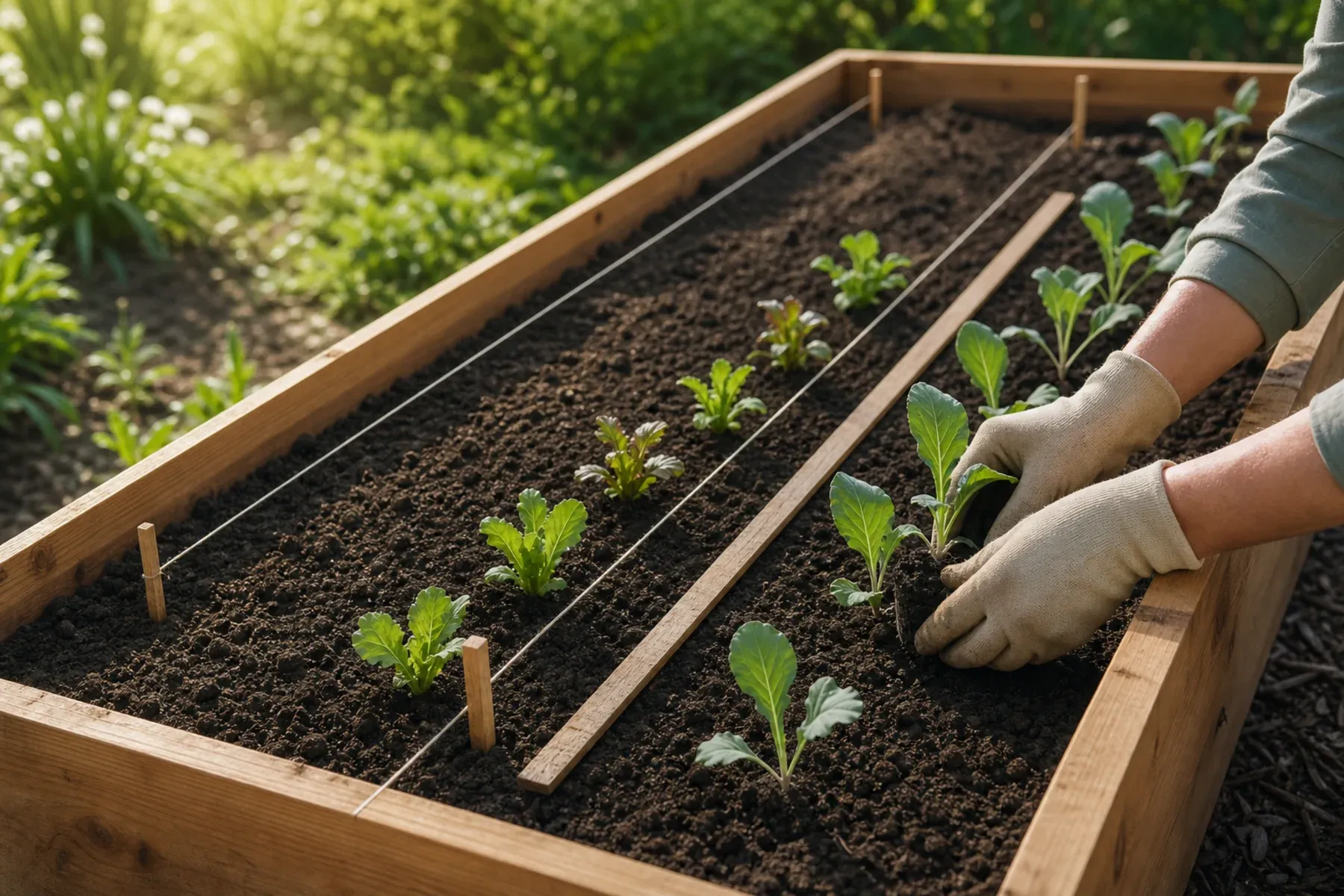
Appearance alone cannot tell you a soil’s pH. Photo by Lisa Fotios on Pexels.
A hot, dry front yard is a difficult match
A sunny bed beside a driveway and a sheltered bed under trees can offer very different growing conditions, even within one yard.
Cornell’s Woody Plants Database recommends partial to full shade and consistently moist, well-drained soil. It notes that drooping laurel can tolerate sun if kept moist, but full sun can damage winter foliage.
Think about the care that planting spot would need. If the bed dries out quickly and you want to water very little, this shrub’s moisture needs are a reason to choose something else. Shade helps, but check the soil beneath trees too. A shaded spot is not automatically a moist one.
Its shape needs room and time
Drooping laurel grows slowly and develops spreading, arching branches. Virginia Cooperative Extension gives a typical size of about 6 feet tall and wide. That makes it worth considering for a loose border, but less useful when you need a screen to fill in quickly.
Measure the available space before planting. A small nursery pot does not show how far the branches may reach later. Leave room beside paths, and check the mature size of the particular variety on its label.
The flowers also suit some designs better than others. The RHS describes small white blooms held beneath the shoots. They reward a closer look. If your main aim is a large patch of flower color visible from the street, look at a mature plant in bloom before deciding.
Leaf spots and toxicity deserve attention
Leaf spot can spoil the foliage, especially where air circulation is poor. However, NC State Extension reports no serious insect or disease problems overall. It would be misleading to describe drooping laurel as a shrub that is always sick or difficult to maintain.
Toxicity is a separate concern. NC State lists the leaves and flowers as poisonous and flags risks to cats, dogs, and horses. If children or animals are likely to chew garden plants, choose a suitable non-toxic shrub for that space.
Where drooping laurel makes sense
Its strengths become clearer in a sheltered shade garden. Cornell describes evergreen leaves that turn bronze-purple in winter and recommends careful placement, including combinations with rhododendrons. A bed that already supports plants with similar needs is worth investigating.
It also has value beyond appearance. NC State notes that its flowers attract pollinators, its foliage provides winter cover, and deer tend to leave it alone. New shoots can spread into colonies over time, which can suit a natural planting where there is room.
Before you buy, check your soil test, watch how sunlight moves across the bed, and measure the space. Use the USDA hardiness zone map as part of that check, then confirm the plant label’s zone range for your variety. A zone match is only one part of choosing a planting spot.
You can also read our drooping laurel plant profile. If its needs match the bed you have, it is worth considering. If they would require constant work to meet, use the plant finder to explore plants better suited to your conditions.
Header photo: a sheltered garden setting, not a botanical photograph of drooping laurel. Photo by Rene Terp on Pexels.