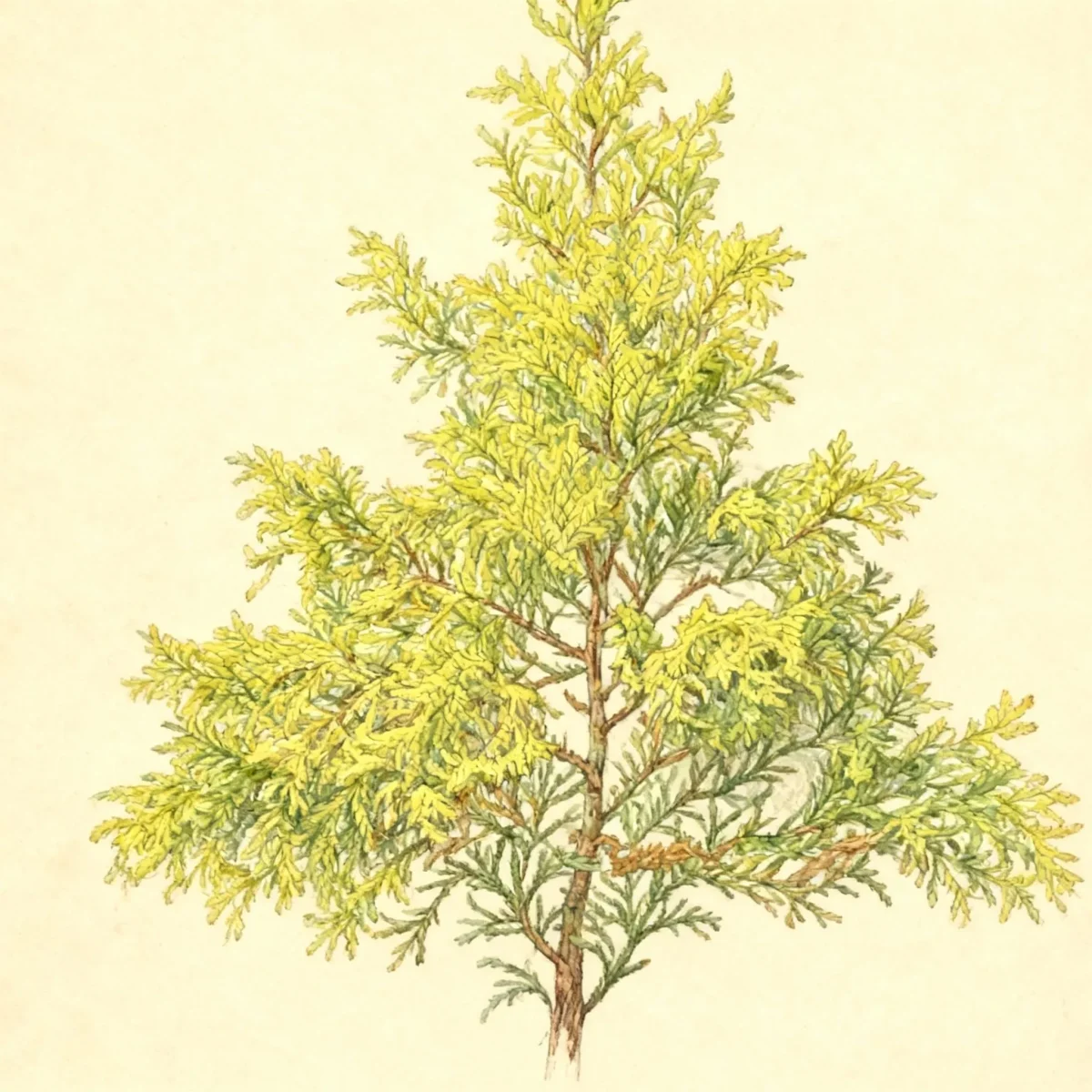
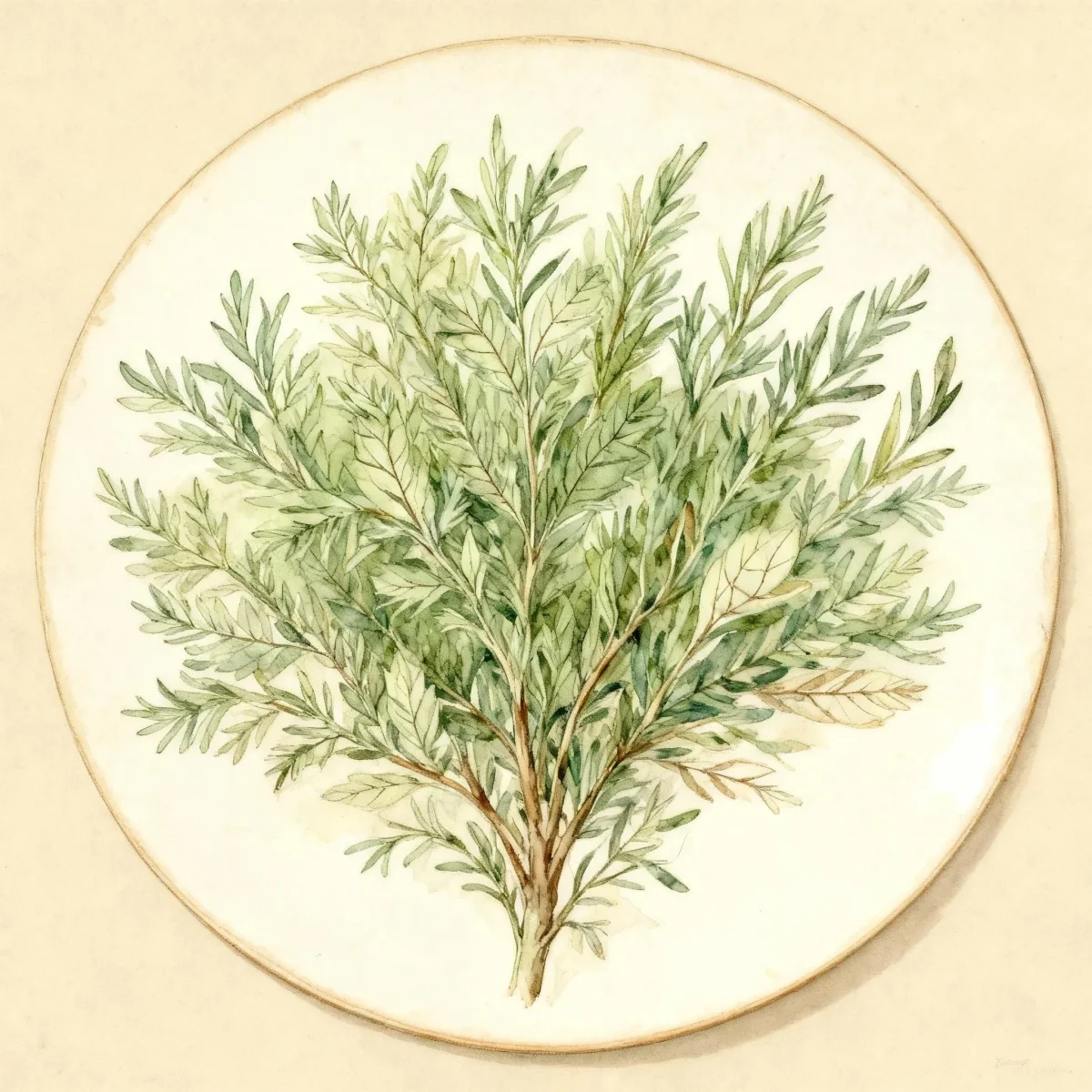
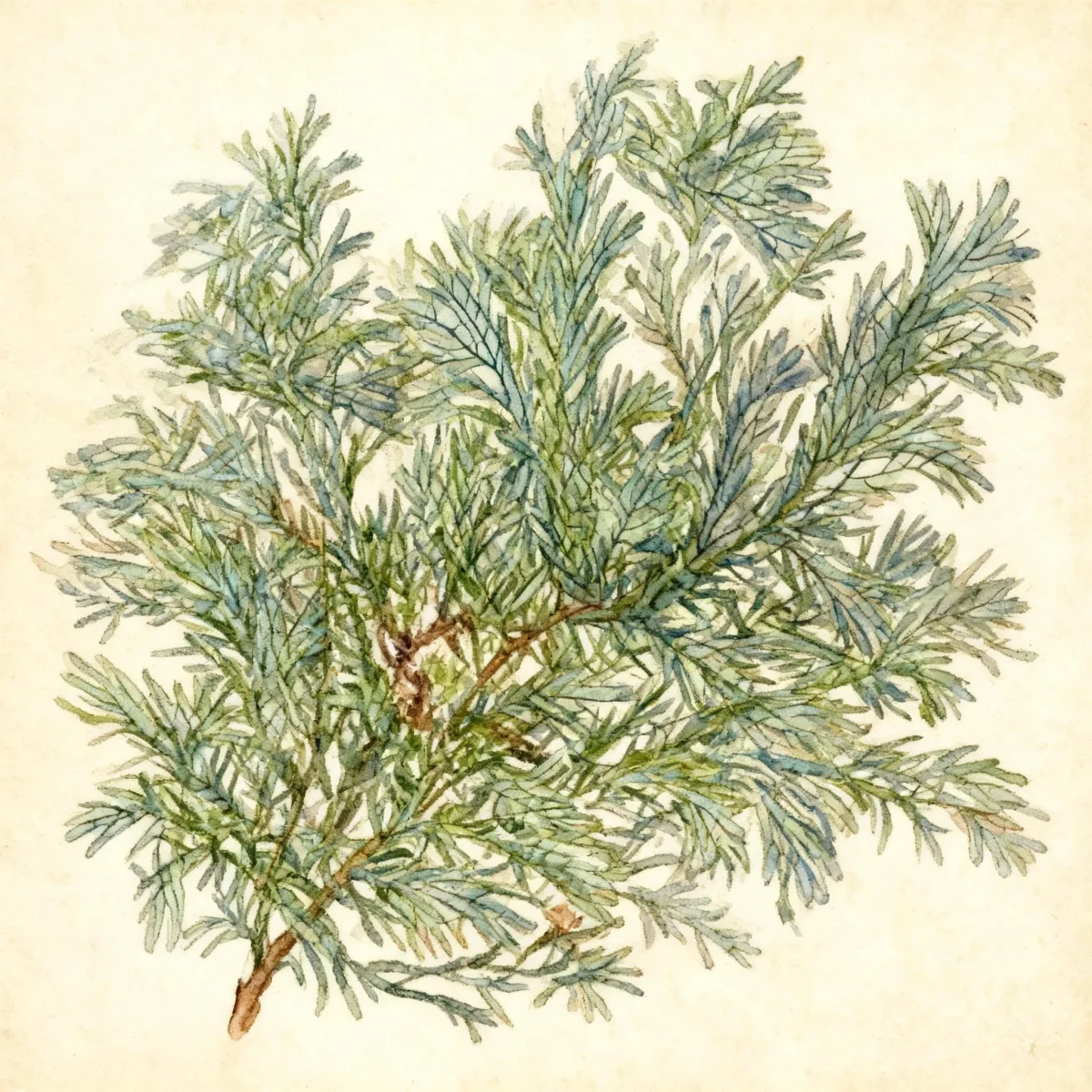
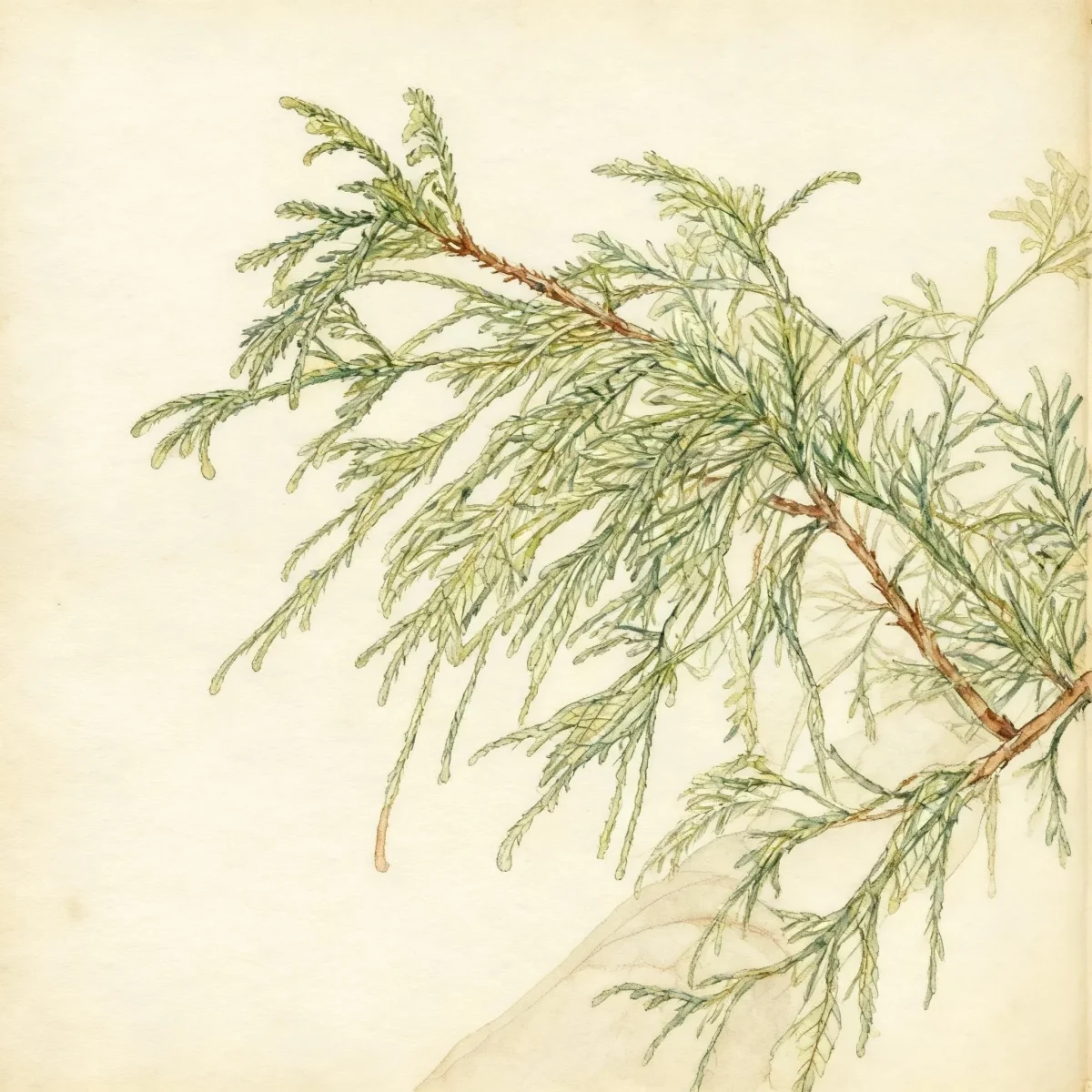
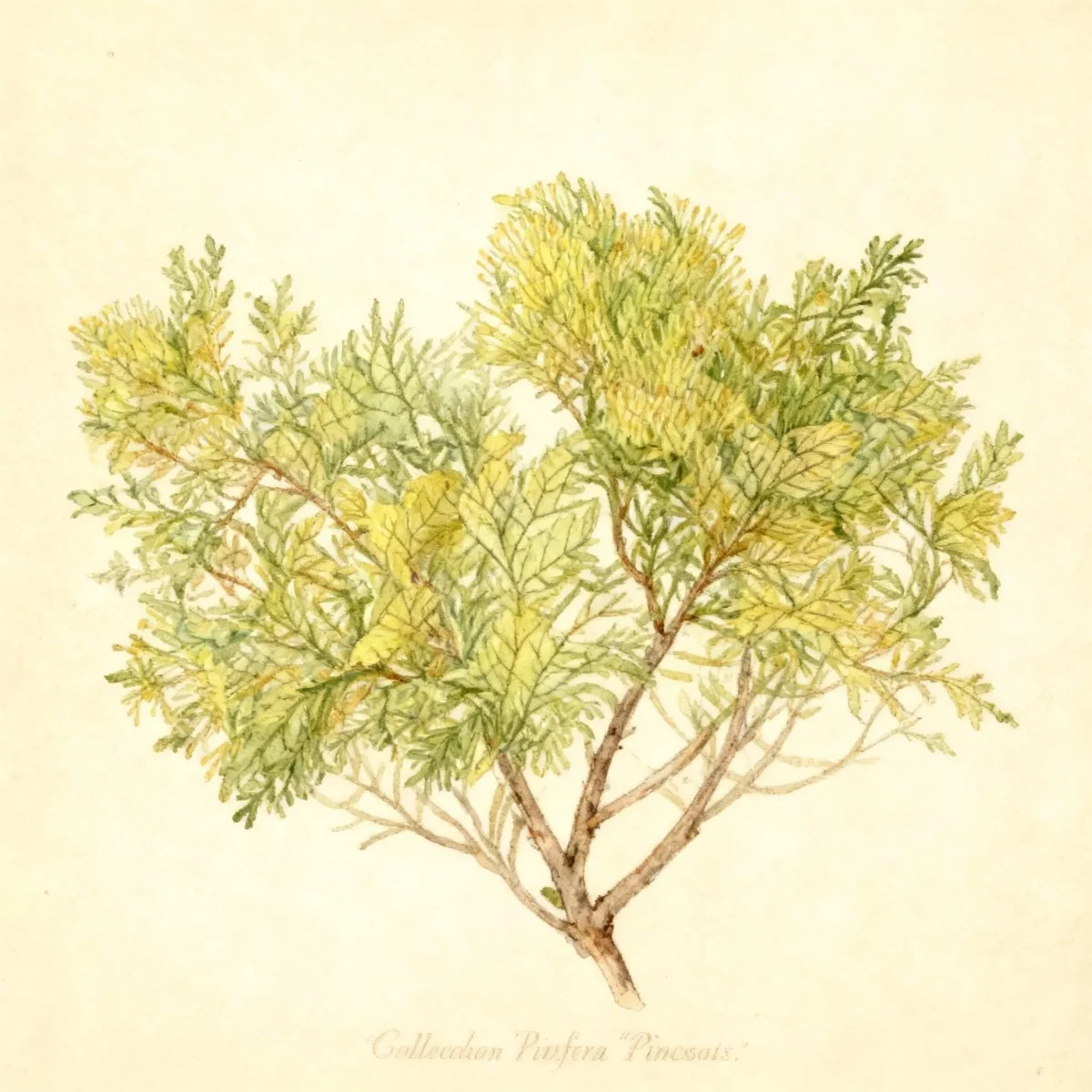
Japanese falsecypress (Chamaecyparis pisifera 'Aurea Pendula')
Chamaecyparis pisifera 'Aurea Pendula' is a dwarf golden conifer ideal for rock gardens, offering weeping form and low maintenance.
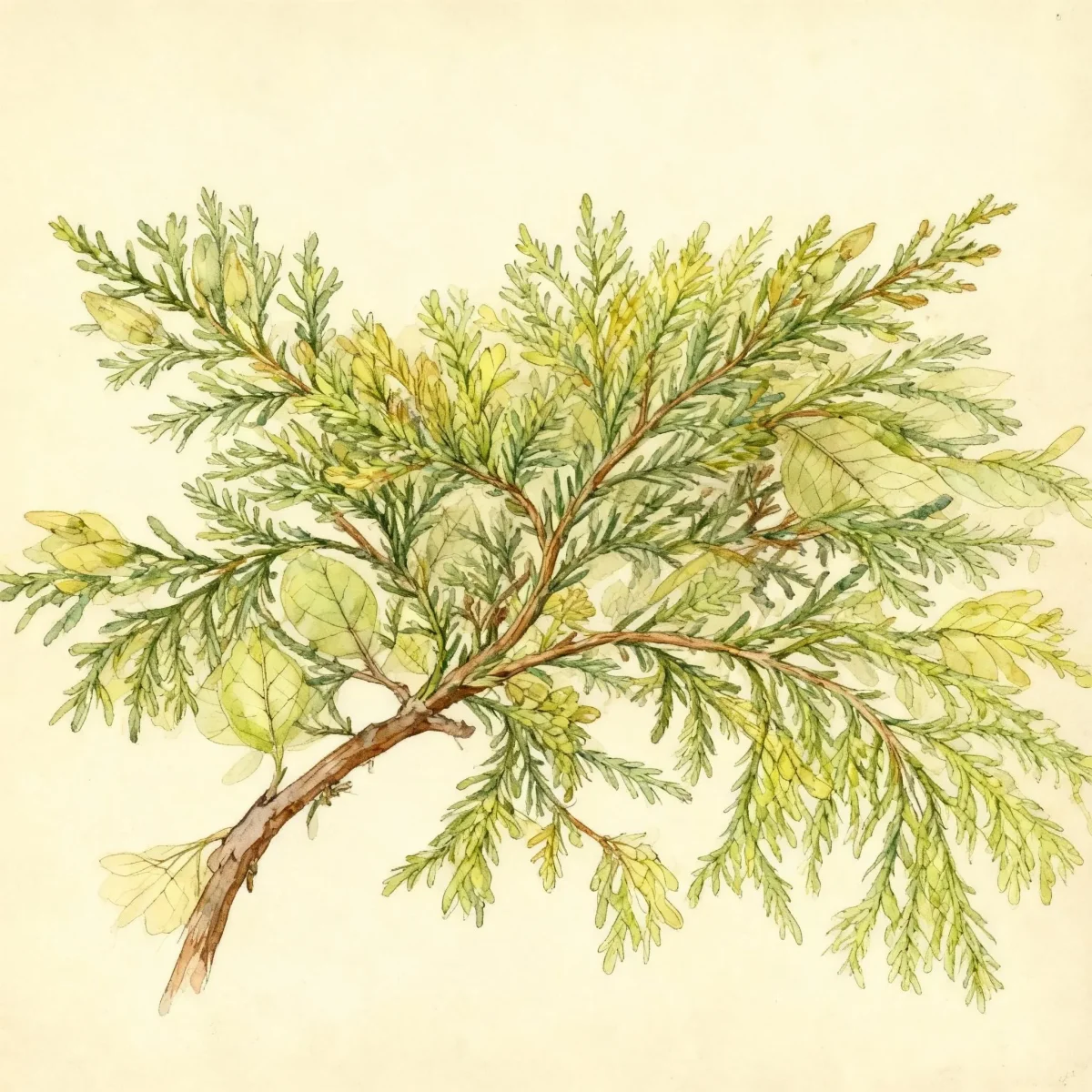

Bloom Boldly, No Matter the Season - Sweatshirt
Cozy organic cotton sweatshirt featuring our exclusive Purple Coneflower design. Perfect for gardeners who bloom year-round.
Inspired by the beautiful Japanese falsecypress
Limited first batch (50) — join the waitlist for early access
Waitlist closes Feb 15, 2026.
Complete Plant Information
Field Guide Continues
Ready for care notes, companion picks, and planting tips?
The map is just the start. The full guide below covers growth habits, seasonal performance, and landscape uses.
Overview
Chamaecyparis pisifera ‘Aurea Pendula’, known commonly as Japanese falsecypress, presents a striking, compact architectural feature ideal for smaller landscapes. This cultivar is cherished for its unique weeping habit and brilliant, scale-like yellow foliage, setting it apart from standard green conifers. As a dwarf evergreen, this variety of Sawara cypress maintains excellent form year-round with minimal intervention.
This hardy needled evergreen thrives across a wide range of temperate climates, fitting beautifully into rock gardens or foundation plantings where space is a consideration. The graceful, drooping branches of Chamaecyparis pisifera ‘Aurea Pendula’ provide vertical interest without becoming overly tall or wide. Gardeners appreciate its low maintenance requirements, allowing it to serve as a brilliant, undemanding focal point.
Fast Facts
- Plant Family: Cupressaceae
- Plant Type: Needled evergreen
- Hardiness Zones: USDA Zones 4-8
- Size at Maturity:
- Height: 3-4 ft
- Spread: 3-4 ft
- Bloom Time: Non-flowering
- Bloom Description: Non-flowering
- Sun Exposure: Full sun to part shade
- Water Needs: Medium
- Maintenance Level: Low
How to Grow
Planting Chamaecyparis pisifera ‘Aurea Pendula’ is best accomplished in well-drained sites where it receives average, medium moisture. While it tolerates full sun, it thrives best when given some afternoon shade, especially in hotter climates. Ensure the soil is fertile and avoid areas prone to standing water, as rot is a risk in poorly-drained locations.
Maintenance for this Japanese falsecypress is generally very low. Regular watering is necessary to keep the soil consistently moist, particularly during establishment and dry summer spells. Pruning is rarely needed due to the naturally compact and irregular mound shape of the ‘Aurea Pendula’ cultivar.
A crucial care consideration is wind protection. Shelter this plant from strong, harsh winds, as exposure can lead to foliage damage. Furthermore, intense winter sun combined with drying winds can cause winterburn, resulting in bleached or scorched yellow foliage. Choosing a protected location is key to maintaining the desirable golden color of the Chamaecyparis pisifera ‘Aurea Pendula’.
Landscape Uses
The manageable size and weeping gold foliage make this Japanese falsecypress exceptionally versatile. It excels in rock gardens, providing a soft, cascading contrast against hardscaping materials like stone or gravel. Its slow growth rate ensures it won’t overwhelm smaller spaces quickly.
Use Chamaecyparis pisifera ‘Aurea Pendula’ near home foundations where you need low-growing vertical structure that won’t obstruct windows or pathways over time. It also functions wonderfully as a specimen plant in mixed perennial or shrub borders, drawing the eye with its unique color and texture throughout every season.
Standout Features
Noteworthy Characteristics
Chamaecyparis pisifera, commonly known as Sawara cypress, typically becomes a large evergreen conifer in the wild, though cultivars are much smaller in cultivation. ‘Aurea Pendula’ is specifically a dwarf golden-leaved cultivar belonging to the Filifera Group, maturing into an attractive, irregular mound reaching about 3 to 4 feet tall and wide. This variety features showy, scale-like yellow leaves displayed beautifully along its characteristic weeping branches.
Tolerances
- Some susceptibility to juniper blight
- Some susceptibility to root rot
Potential Problems
This Japanese falsecypress generally experiences few serious insect or disease problems when sited correctly. However, be aware of potential issues like juniper blight or root rot, which are often exacerbated by overly wet ground conditions. Insect pests such as bagworms can occasionally infest the foliage.
The most common aesthetic issue affecting Chamaecyparis pisifera ‘Aurea Pendula’ is winterburn. To prevent this, ensure the plant is sited where it is shielded from intense winter sun and prevailing harsh winds. If necessary, provide temporary burlap screening during the coldest months to protect its radiant yellow foliage.
Frequently Asked Questions
What hardiness zones is Chamaecyparis pisifera ‘Aurea Pendula’ suitable for?
This golden Japanese falsecypress is reliably hardy in USDA Zones 4 through 8.
How large does Japanese falsecypress grow?
The ‘Aurea Pendula’ cultivar typically matures to a height and spread of 3 to 4 feet.
What sun exposure does Chamaecyparis pisifera ‘Aurea Pendula’ need?
It performs best in locations receiving full sun to partial shade, though part shade is often preferred to protect the golden color from scorching.
When does Chamaecyparis pisifera ‘Aurea Pendula’ bloom?
This is a non-flowering conifer, prized for its foliage rather than blossoms.
Conclusion
The Chamaecyparis pisifera ‘Aurea Pendula’ offers unparalleled golden color and graceful weeping structure in a compact, low-maintenance package. Its strong performance in rock gardens and foundations makes this Japanese falsecypress an excellent choice for adding year-round interest. Before planting, confirm your garden location offers well-drained soil and adequate protection from the harshest winter winds to ensure its beautiful golden needles remain vibrant.
Companion Planting
When selecting companions for Chamaecyparis pisifera ‘Aurea Pendula’, focus on creating textural and color contrast. Dark green, finely textured plants, such as upright yews (Taxus) or dark green boxwoods, make the weeping gold foliage truly pop. For groundcover options around the base, consider spreading junipers or low-growing sedums that thrive in similar sun conditions but offer a contrasting mounding habit.
Because this plant prefers moist, fertile soil but demands excellent drainage, avoid pairing it with plants that require constantly saturated conditions, like certain ferns or bog plants. Stick to companions that also enjoy medium water needs and appreciate protection from intense, drying elements for the best overall garden health.
Design Ideas
The ‘Aurea Pendula’ excels as a specimen plant, strategically placed where its weeping lines can be fully appreciated, such as near the corner of a path or beside a garden entry feature. Its dwarf size also makes it an excellent anchor plant for container arrangements that spend the winter outdoors in Zones 4-6, surrounded by seasonal annuals for color pops.
In modern or Japanese-inspired gardens, utilize its irregular, natural form to break up overly rigid geometric designs. Planting it on a slight slope can enhance the visual drama of its naturally cascading branches, making it appear even more fluid and dynamic against the landscape backdrop.