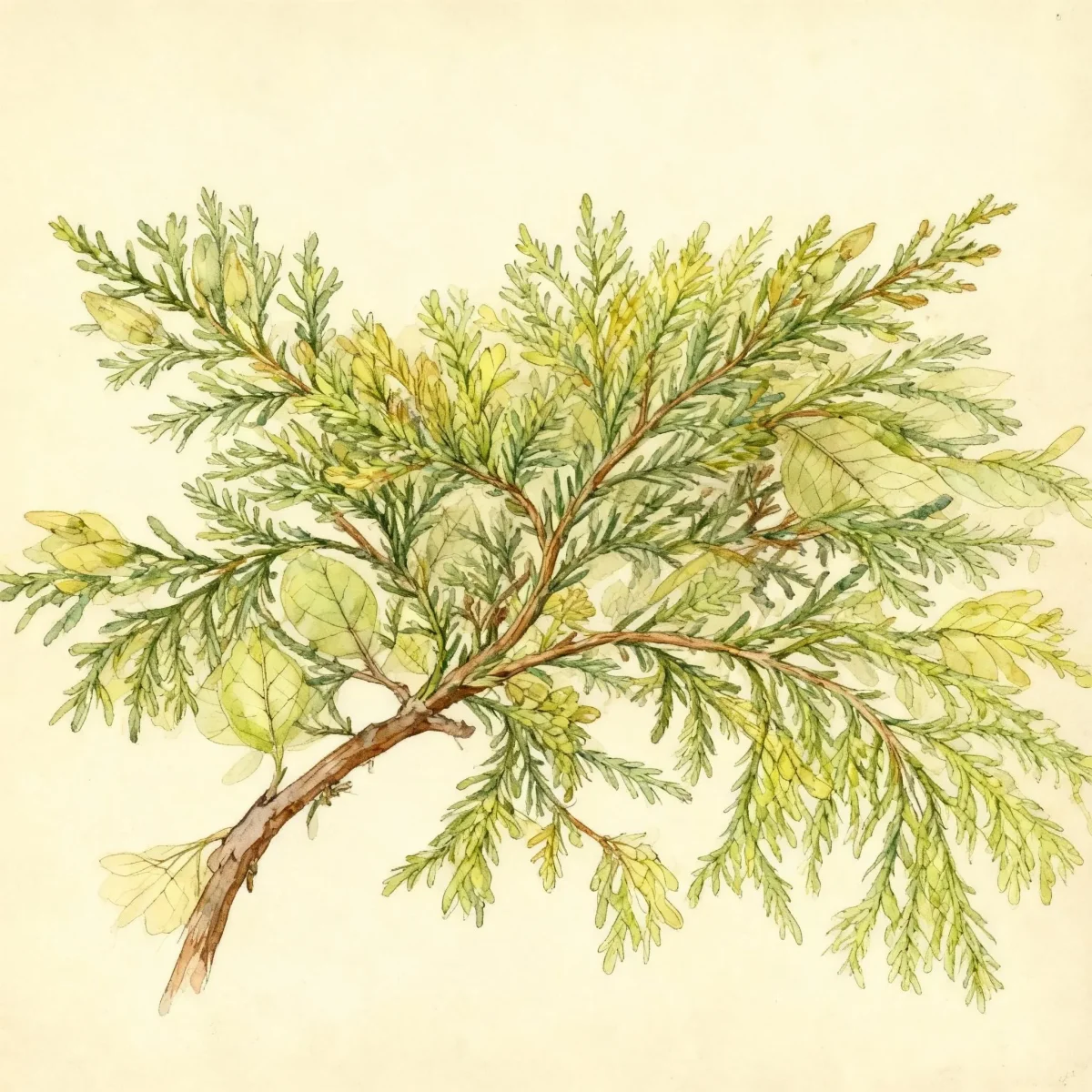
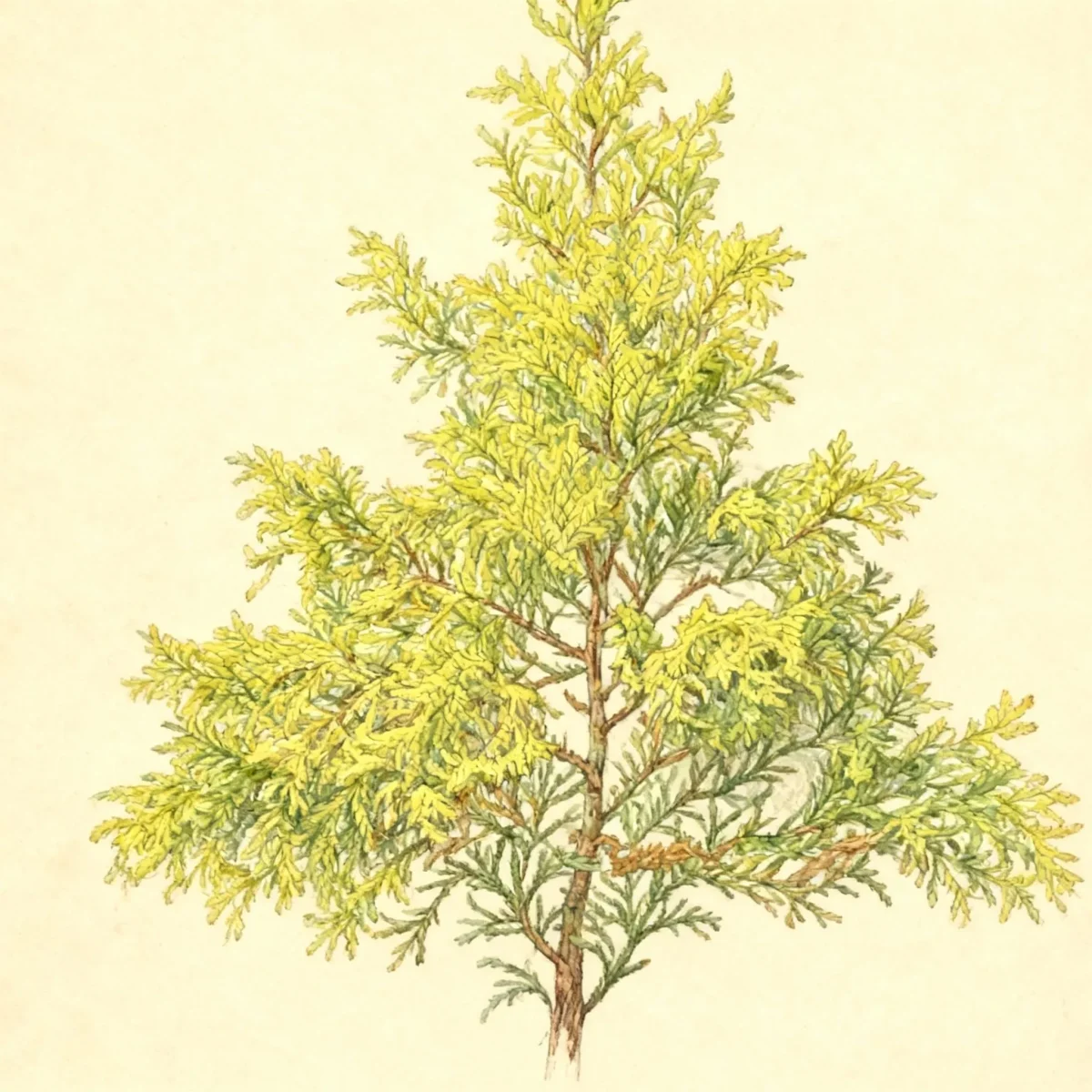
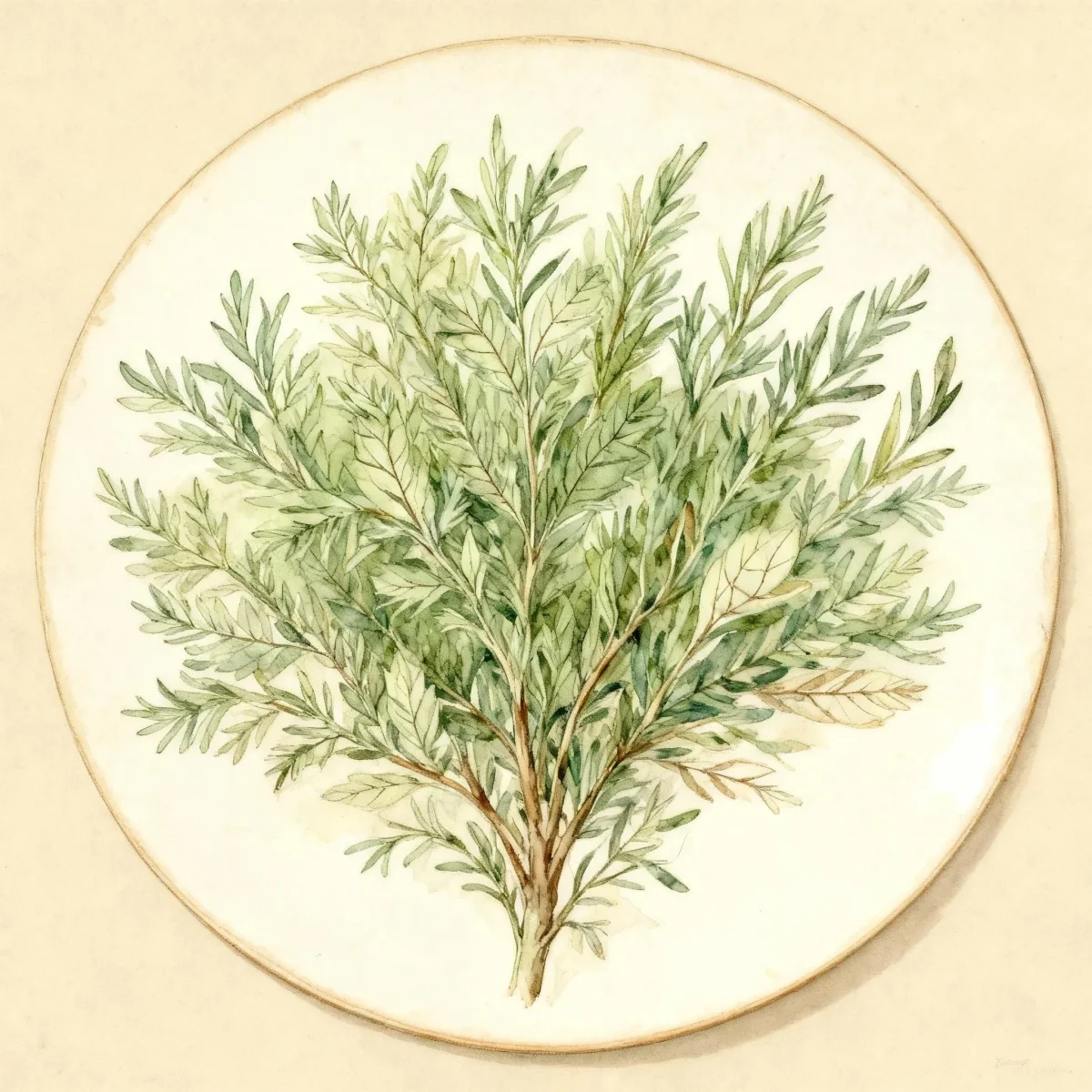
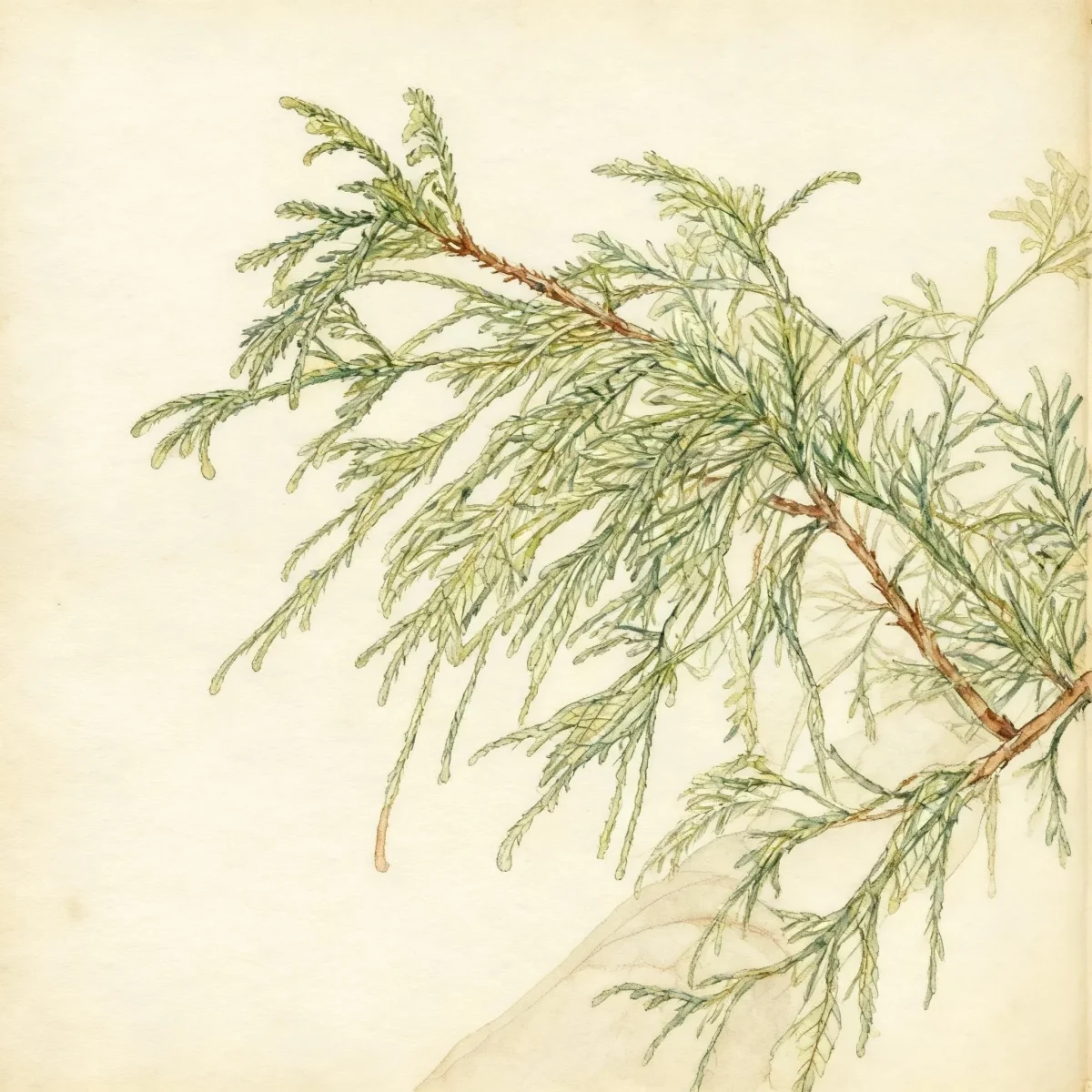
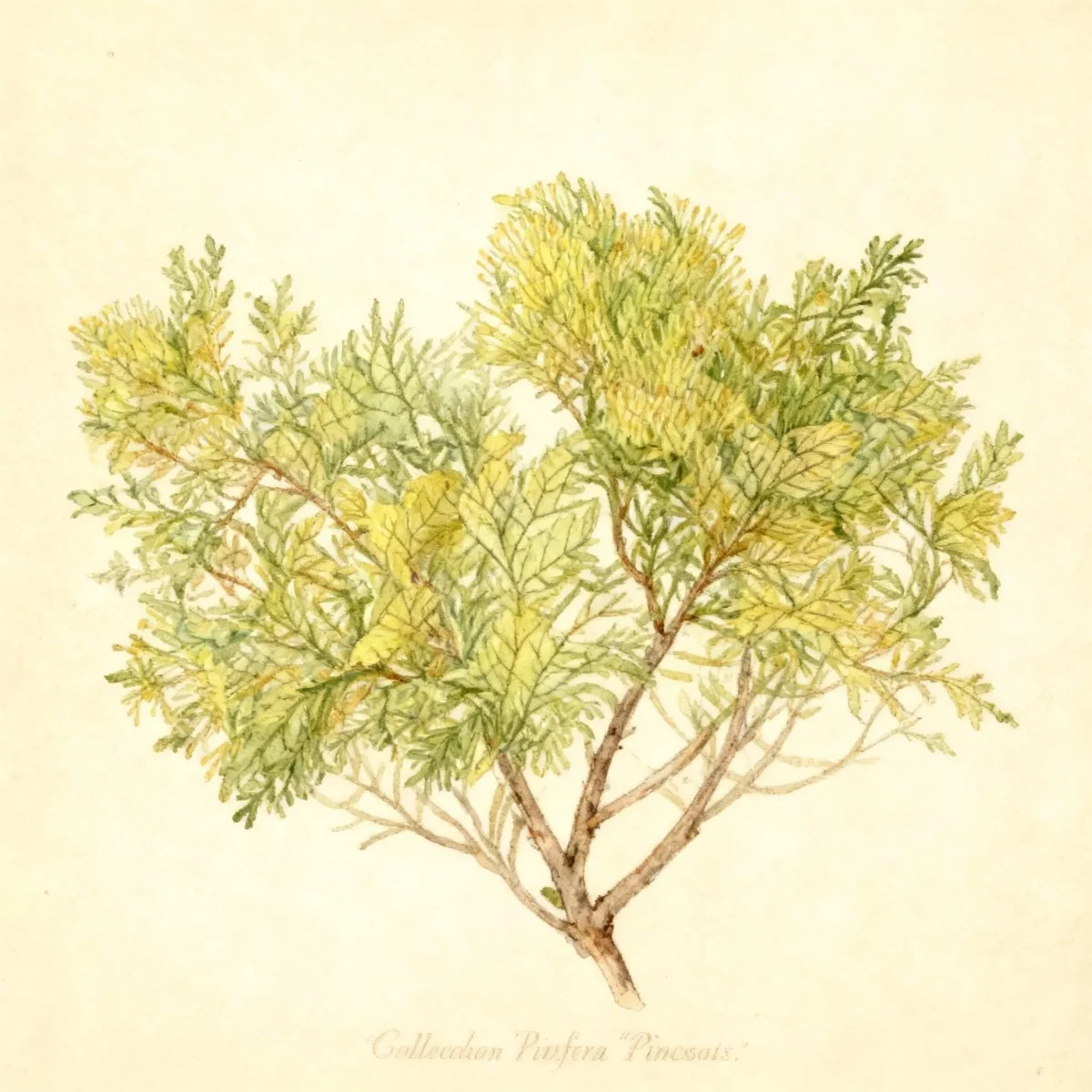
Japanese falsecypress (Chamaecyparis pisifera 'Boulevard')
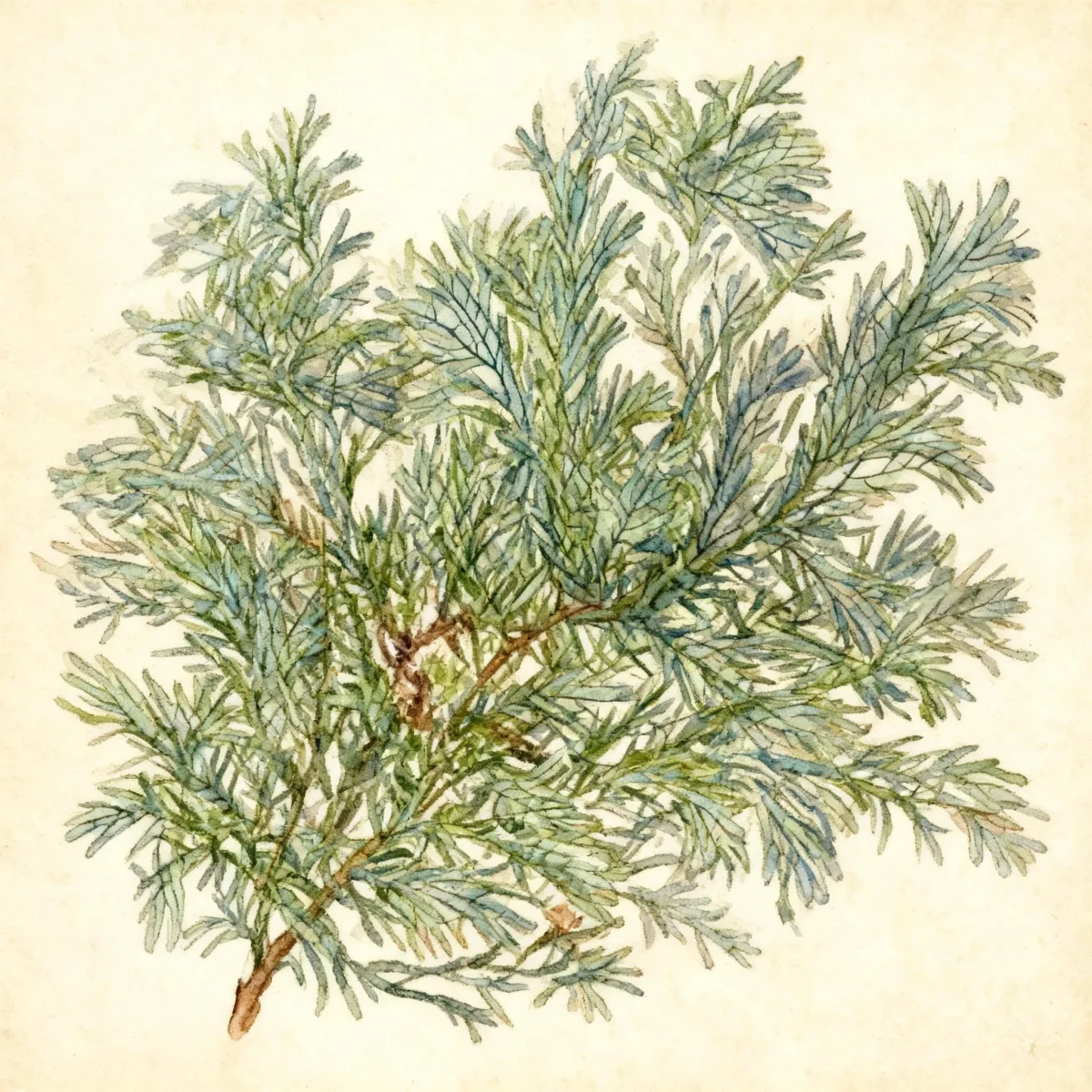
Chamaecyparis pisifera 'Boulevard' is a picturesque, slow-growing needled evergreen prized for its soft, silvery blue-gray foliage.

Bloom Boldly, No Matter the Season - Sweatshirt
Cozy organic cotton sweatshirt featuring our exclusive Purple Coneflower design. Perfect for gardeners who bloom year-round.
Inspired by the beautiful Japanese falsecypress
Limited first batch (50) — join the waitlist for early access
Waitlist closes Feb 15, 2026.
Complete Plant Information
Field Guide Continues
Ready for care notes, companion picks, and planting tips?
The map is just the start. The full guide below covers growth habits, seasonal performance, and landscape uses.
Overview
The Chamaecyparis pisifera ‘Boulevard’, commonly known as Japanese falsecypress, offers exceptional texture and color to the landscape, distinguishing itself with soft, dense, silvery blue-gray juvenile foliage. This evergreen conifer provides year-round visual interest, acting as a fantastic focal point or accent plant in various garden settings. It is celebrated for its relatively compact, semi-dwarf nature compared to its larger species relatives.
As a low-maintenance shrub, the ‘Boulevard’ variety thrives with consistent care, rewarding gardeners with slow, reliable growth. Its fine texture contrasts beautifully with bold-leaved shrubs or broadleaf evergreens. Providing adequate sun and moisture ensures the best color saturation for this beautiful specimen.
This specific cultivar is often selected for foundation plantings or rock gardens where a touch of cool, silvery color is desired throughout the winter months. The Chamaecyparis pisifera ‘Boulevard’ brings sophisticated color variation to temperate landscapes.
Fast Facts
- Plant Family: Cupressaceae
- Plant Type: Needled evergreen
- Hardiness Zones: USDA Zones 4-8
- Size at Maturity:
- Height: 5-12 ft
- Spread: 2-4 ft
- Bloom Time: Non-flowering
- Bloom Description: Non-flowering
- Sun Exposure: Full sun to part shade
- Water Needs: Medium
- Maintenance Level: Low
How to Grow
Planting Chamaecyparis pisifera ‘Boulevard’ is best accomplished in the spring or early fall, allowing the roots time to establish before seasonal extremes. Site selection is crucial; the Japanese falsecypress performs best when situated in full sun to light afternoon shade. Ensure the planting location offers average, medium moisture, and most importantly, excellent drainage.
This conifer prefers consistently moist, fertile soils but will quickly suffer in wet, poorly-drained conditions or standing water, which can lead to root rot. Water regularly, especially during hot, dry periods, to maintain that medium moisture requirement. Due to its manageable size, extensive feeding is rarely necessary, though a balanced, slow-release fertilizer applied in spring can promote dense growth.
Shelter the shrub from very strong, drying winds, which can cause foliage burn, particularly on exposed corners of buildings. Pruning is generally minimal; the inherent pyramidal shape of the Chamaecyparis pisifera ‘Boulevard’ requires little intervention. If shaping is desired, prune lightly in late winter or early spring before new growth begins.
Landscape Uses
The dwarf nature and unique color palette of this Japanese falsecypress make it highly versatile in landscape design. Dwarf cultivars, including ‘Boulevard’, excel as low foundation plantings bordering homes, providing year-round structure where taller shrubs might overwhelm the sightline. They are excellent candidates for accent planting in rock gardens, offering a cool contrast against warm-toned stone.
Larger species and cultivars work well as informal screens or specimen plants on a lawn, though ‘Boulevard’ is better suited for smaller spaces. Consider pairing this silvery shrub with deep green evergreen companions or plants that offer bright florals in summer, such as Hydrangeas or Japanese Maples, to highlight its unique hue. Its slow growth ensures it holds its place without requiring frequent shearing.
Standout Features
Noteworthy Characteristics
Chamaecyparis pisifera, commonly known as Sawara cypress, is recognized for its large, pyramidal, evergreen form in the wild, though cultivated varieties are much smaller. The ‘Boulevard’ cultivar, discovered as a sport of C. pisifera ‘Squarrosa’, is characterized by a dense pyramidal habit featuring soft, silvery blue-gray foliage. It grows slowly, typically reaching 5 to 6 feet tall within the first decade, and may ultimately mature around 12 to 15 feet, easily maintained at a smaller size with light effort.
Tolerances
- Some susceptibility to juniper blight
- Some susceptibility to root rot
Potential Problems
While the Chamaecyparis pisifera ‘Boulevard’ generally resists major issues, gardeners should be aware of a few potential pitfalls. It shows some susceptibility to juniper blight and root rot if drainage is inadequate, emphasizing the need for well-drained soil. Occasionally, standard pests like bagworms may target the foliage.
Routine inspection, especially in spring, helps catch early signs of trouble. If bagworms appear, handpick them off or use an appropriate organic insecticide. Maintaining the proper culture—avoiding overly wet conditions and excessive wind exposure—is the best preventative strategy against disease issues for this Japanese falsecypress.
Frequently Asked Questions
What hardiness zones is Japanese falsecypress suitable for?
The Chamaecyparis pisifera ‘Boulevard’ is highly adaptable, thriving in USDA Hardiness Zones 4 through 8.
How large does Chamaecyparis pisifera ‘Boulevard’ grow?
This semi-dwarf evergreen typically reaches a mature height between 5 to 12 feet, with a spread of 2 to 4 feet, though it is slow-growing.
What sun exposure does Chamaecyparis pisifera ‘Boulevard’ need?
This conifer performs best when situated where it receives full sun to partial shade exposure in the garden.
When does Japanese falsecypress bloom?
This plant is a non-flowering needled evergreen; ornamental value comes entirely from its foliage texture and color.
Conclusion
The Chamaecyparis pisifera ‘Boulevard’ offers outstanding year-round color and texture due to its soft, silvery blue-gray needles, making it a superb low-maintenance feature in any temperate garden design. Successfully growing this Japanese falsecypress relies on providing well-drained soil and adequate moisture. Check your USDA hardiness zone compatibility before selecting the perfect site for planting this beautiful conifer.
Companion Planting
Selecting companions that share the medium water needs and similar sun requirements of the Chamaecyparis pisifera ‘Boulevard’ ensures a harmonious planting scheme. Pair its silvery foliage with dark green textures like Japanese Holly (Ilex crenata) or Japanese Andromeda (Pieris japonica) for high visual contrast. For deciduous pairings, consider the fine texture of Japanese Maples (Acer palmatum); their varied spring and fall colors pop beautifully against the year-round blue-gray needles of the falsecypress.
Design Ideas for Silver Foliage
The cool, silvery tone of the ‘Boulevard’ cultivar excels in creating a serene, contemporary garden aesthetic or providing year-round brightness in shaded woodland edges. Plant at least three specimens in a staggered grouping near an entryway to create a strong, low-growing structural element. Because its texture contrasts so well with broad-leafed plants, place it near hostas or ferns which value similar moisture levels but offer a completely different leaf structure, making the silvery plant appear even finer.