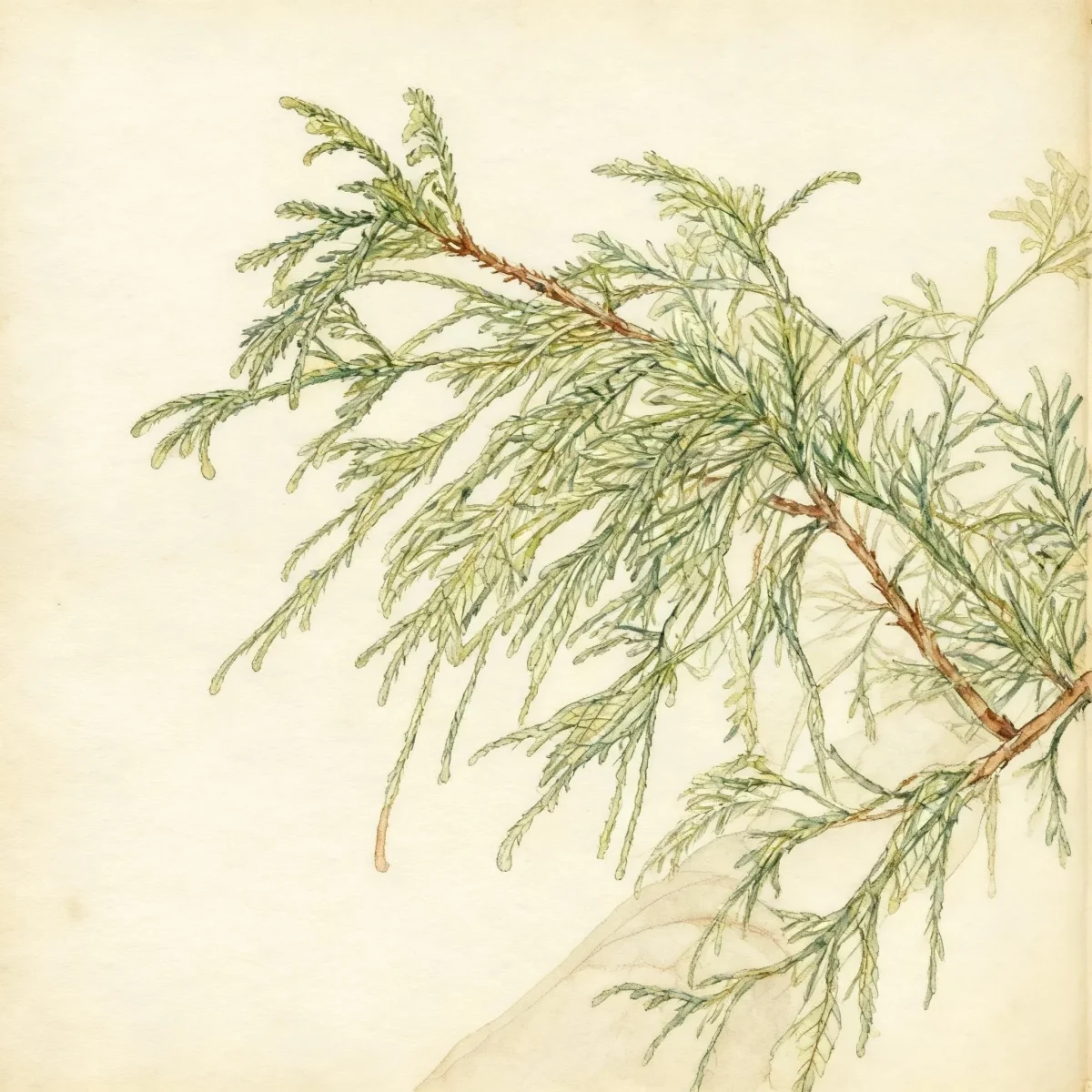
Arborvitae (Thuja 'Green Giant')
Thuja 'Green Giant' Arborvitae is a fast-growing, dense needled evergreen perfect for screens and hedges in USDA Zones 5-8.

Bloom Boldly, No Matter the Season - Sweatshirt
Cozy organic cotton sweatshirt featuring our exclusive Purple Coneflower design. Perfect for gardeners who bloom year-round.
Inspired by the beautiful Arborvitae
Limited first batch (50) — join the waitlist for early access
Waitlist closes Feb 15, 2026.
Complete Plant Information
Field Guide Continues
Ready for care notes, companion picks, and planting tips?
The map is just the start. The full guide below covers growth habits, seasonal performance, and landscape uses.
Overview
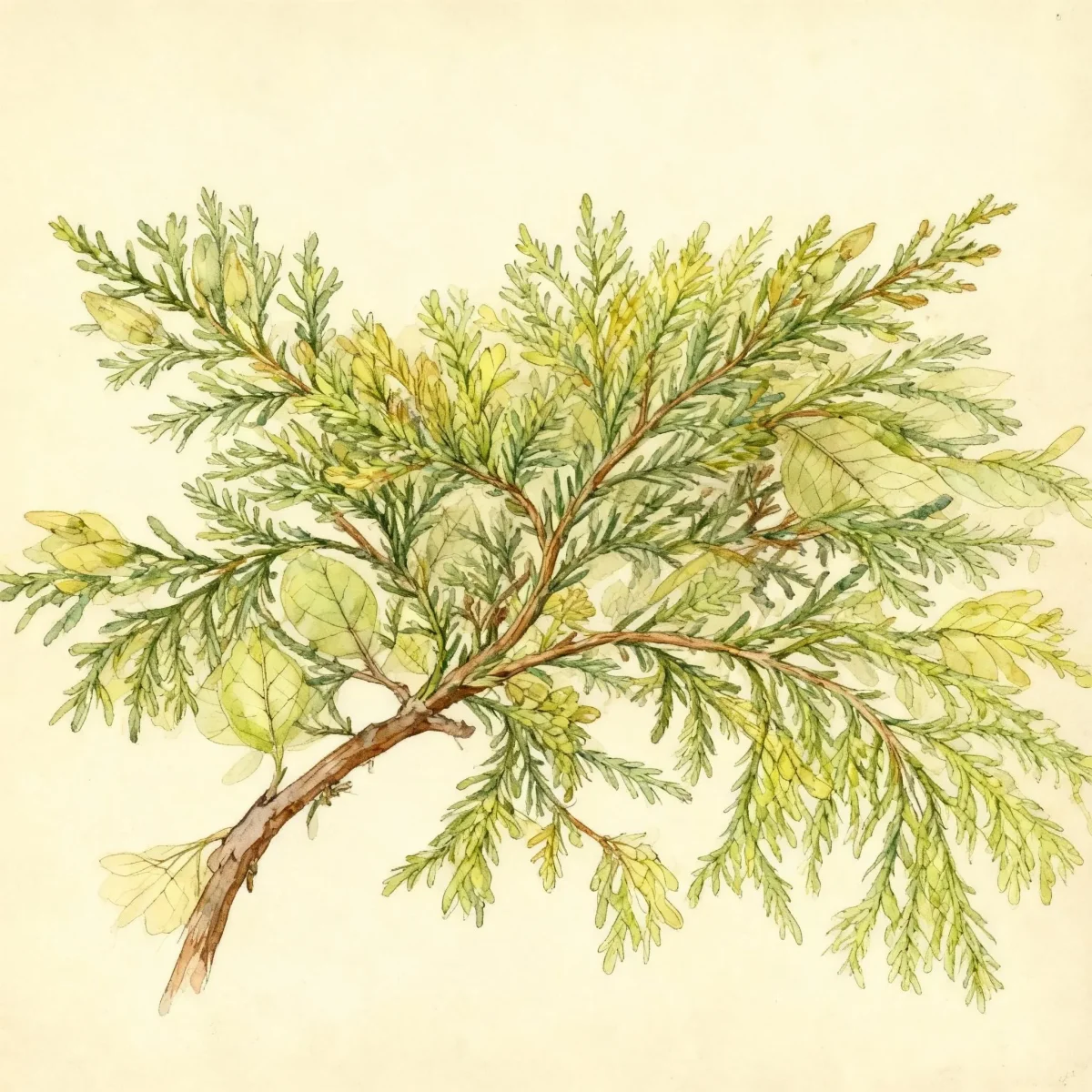
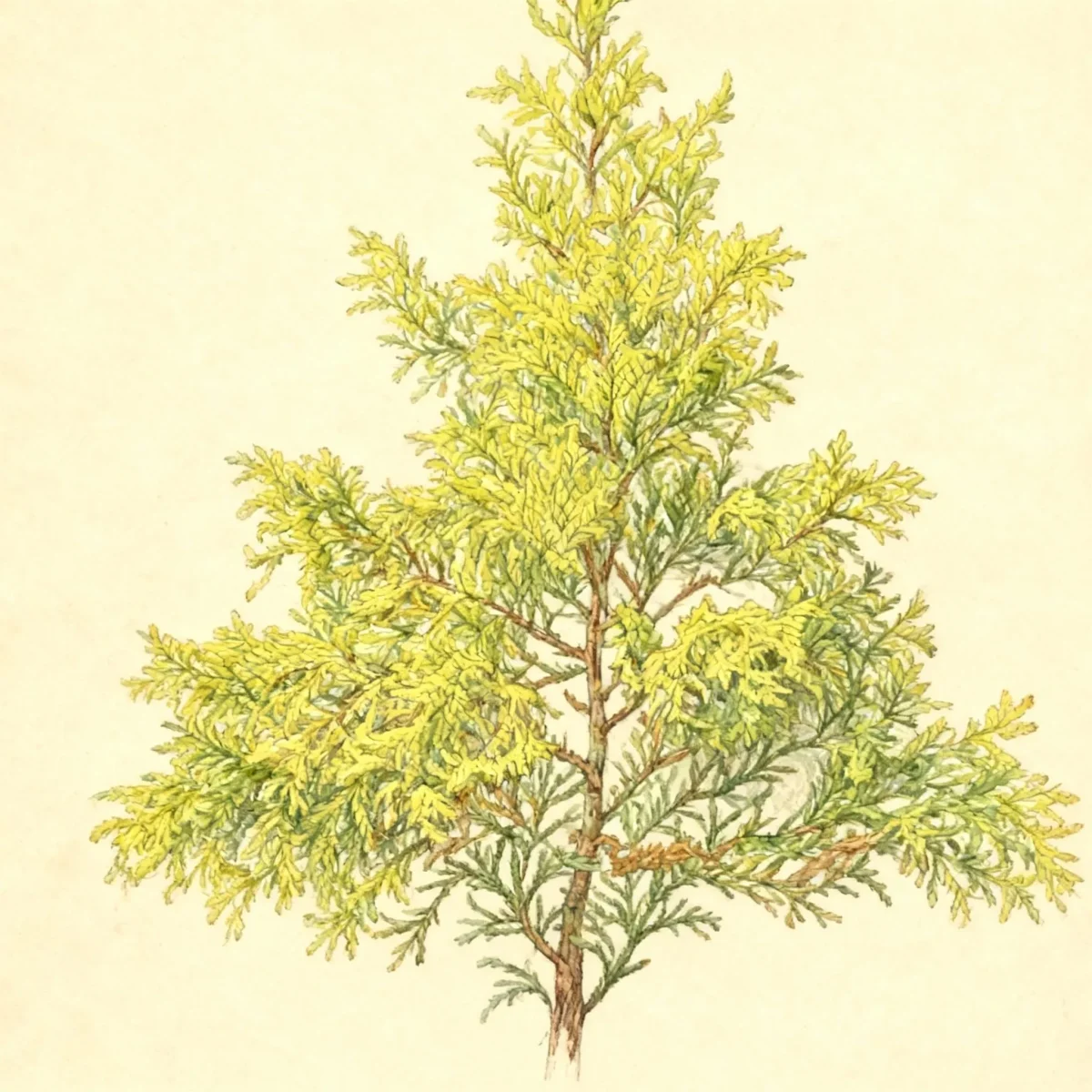
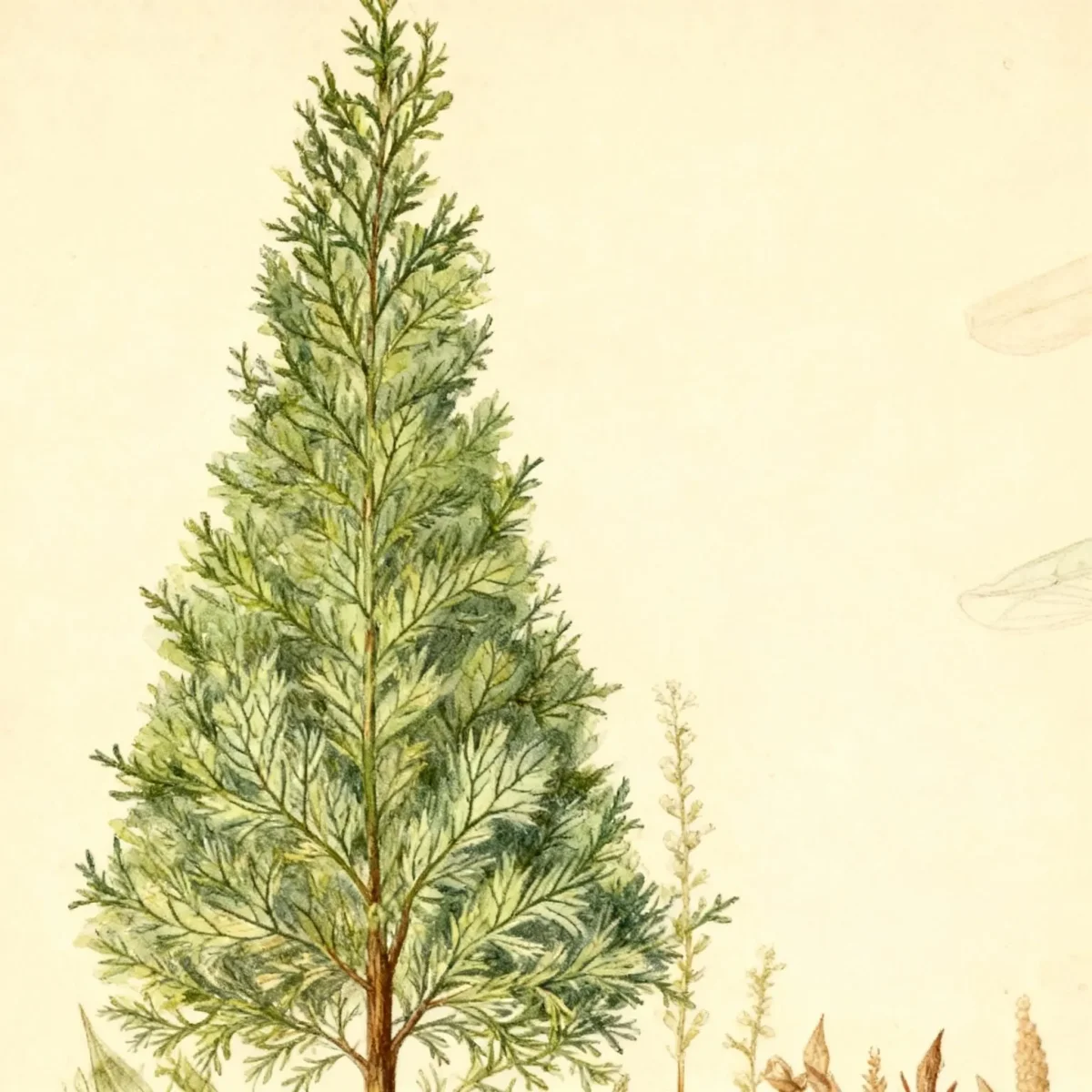
Thuja ‘Green Giant’ is celebrated by gardeners for its rapid growth rate, establishing dense privacy screening faster than many traditional conifers. As a robust needled evergreen, this Arborvitae hybrid offers year-round visual density and a stately, narrow, pyramidal form ideal for formal settings or property boundaries. Its resilience and low maintenance profile make the Thuja ‘Green Giant’ a highly practical choice for reliable landscape structure.
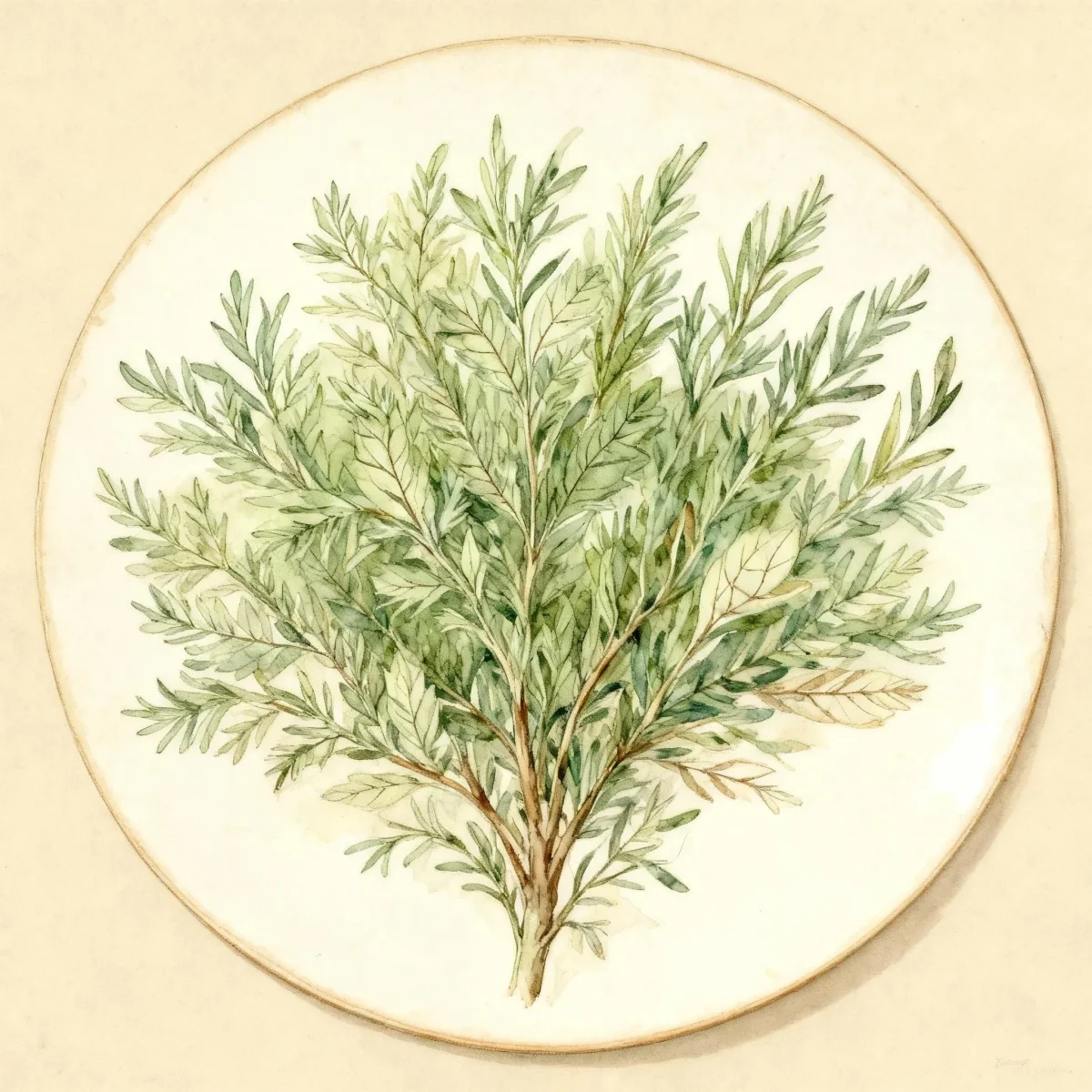
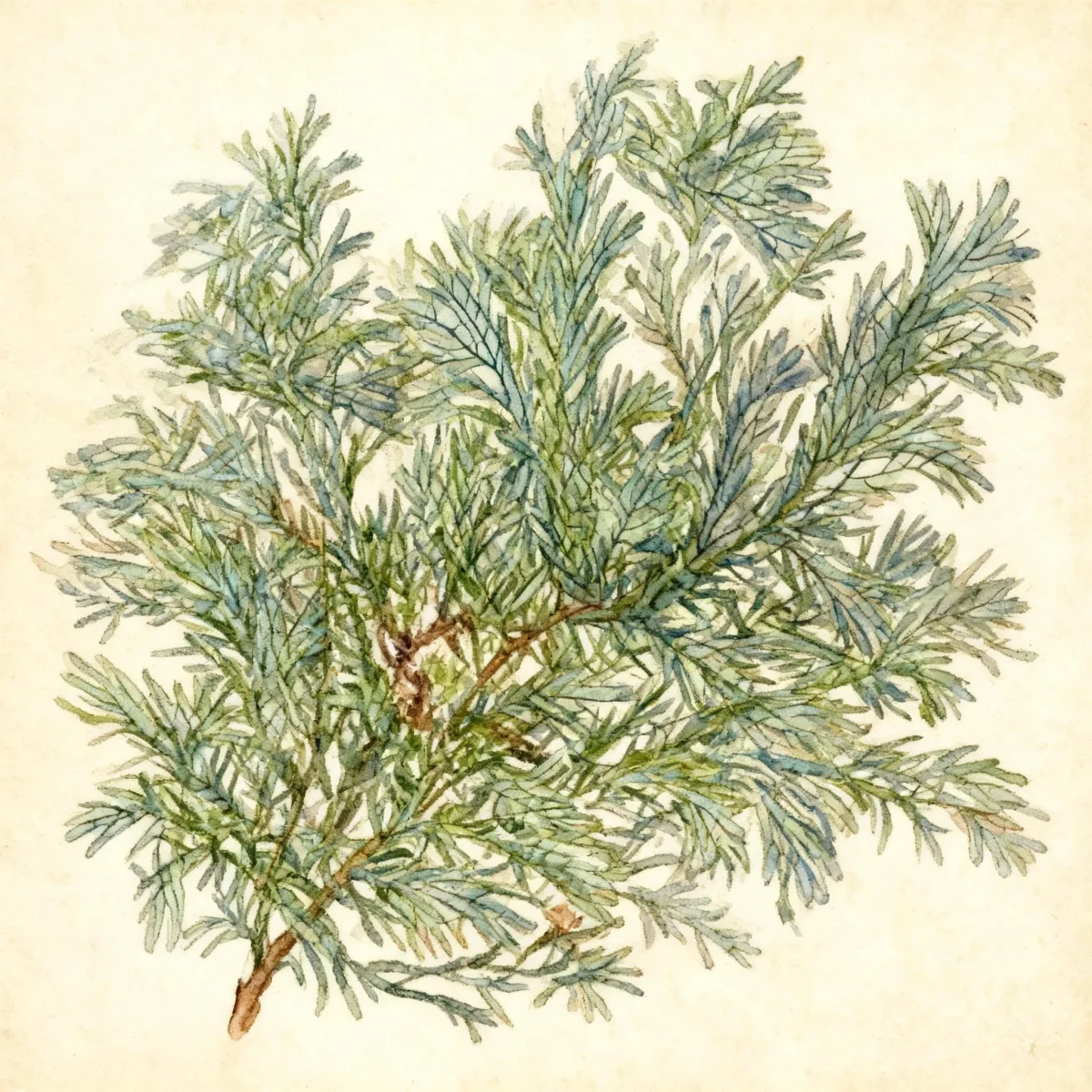
This cultivar, a cross between Western Red Cedar and Japanese Arborvitae, is frequently promoted as a disease-free alternative to Leland cypress, particularly in warmer southern climates. It develops handsome, dark green sprays of scale-like foliage that resist the yellowing sometimes seen in winter. Gardeners rely on the Thuja ‘Green Giant’ for quick, tall, and attractive vertical accents.
Beyond its use as a massive screen, the strong pyramidal shape of the mature Arborvitae provides excellent architectural interest in the landscape. Its generally trouble-free nature ensures that, once established, this specimen requires minimal intervention, offering long-term aesthetic value without significant ongoing labor.
Fast Facts
- Plant Family: Cupressaceae
- Plant Type: Needled evergreen
- Hardiness Zones: USDA Zones 5-8
- Size at Maturity:
- Height: 40-60 ft
- Spread: 12-18 ft
- Bloom Time: Non-flowering
- Bloom Description: Non-flowering
- Sun Exposure: Full sun to part shade
- Water Needs: Medium
- Maintenance Level: Low
How to Grow
Planting the Thuja ‘Green Giant’ is best achieved in spring or fall when soil temperatures are moderate, allowing the roots to establish before the stress of summer heat or deep winter cold. This Arborvitae thrives best in moist, fertile, well-drained soils, though it shows tolerance for a somewhat wider range of soil types and some dry periods once established. Ensure the planting site receives full sun for the densest growth, although they appreciate light afternoon shade in the hottest regions.
Care for your new Arborvitae requires consistent moisture, particularly during the first couple of growing seasons. Water deeply and regularly until the root system is fully developed. Maintenance is generally low; fertilizing is usually unnecessary unless planted in poor soil. While pruning is optional, the Thuja ‘Green Giant’ responds well to shaping if kept lower for screens or hedges.
For screening purposes, space the trees effectively; positioning them 5 to 6 feet apart center-to-center encourages them to grow into a solid wall of green. If you desire a more specimen-like look, allow for greater space between plantings. Minimal winter preparation is usually required, as the foliage remains dark green throughout the colder months, provided they received adequate moisture heading into dormancy.
Landscape Uses
The primary role of the Thuja ‘Green Giant’ in the landscape is providing functional, high-impact screening due to its fast growth and dense structure. When planted closely (5-6 feet apart), these trees quickly form an impenetrable, tall barrier perfect for masking neighbors or roadside noise. They excel as formal hedges or property line markers throughout their wide hardiness range.
As individual stately elements, these Arborvitae specimens serve wonderfully as anchors near the corners of buildings or flanking entryways, providing year-round structure. You can also group them in lawns or use them as a massive, dark green background planting to make brighter colored perennials or smaller shrubs truly stand out in the garden design.
Younger trees display surprising adaptability and can be managed with regular shearing to maintain a more compact shape suitable for larger foundation plantings, though they will ultimately want to attain significant height. Their uniform, pyramidal habit makes them excellent candidates for classic, well-defined garden frameworks.
Standout Features
Noteworthy Characteristics
Thuja is a genus of coniferous, evergreen trees native to East Asia and North America, ranging from dwarf types to large forest trees. The Thuja ‘Green Giant’ is particularly valued as a fast-growing hybrid arborvitae, often chosen as a disease-resistant substitute where other conifers struggle. It produces small, upright, light brown seed cones measuring up to half an inch long.
Tolerances
- Tolerates somewhat wide range of soils
- Tolerates some dry conditions
Potential Problems
The Thuja ‘Green Giant’ is widely recognized for having no serious, widespread insect or disease issues, making it a low-worry choice for screening. However, vigilance is still recommended for a few common pests and issues. Watch carefully for scale insects, which can attach to the branches and suck vital sap, weakening the overall health of the Arborvitae.
Bagworms are another potential problem that gardeners should address quickly upon observation, as they can rapidly strip foliage if populations explode. Furthermore, in areas with persistently saturated or poorly draining soil, root rots can become a concern, especially for young trees not yet benefiting from the species’ general drought tolerance once mature.
Frequently Asked Questions
What hardiness zones is Arborvitae suitable for?
This Thuja ‘Green Giant’ Arborvitae is suitable for USDA Hardiness Zones 5 through 8.
How large does Arborvitae grow?
This specific cultivar can reach heights between 40 and 60 feet tall, with a mature spread ranging from 12 to 18 feet wide.
What sun exposure does Arborvitae need?
For optimal performance and density, Thuja ‘Green Giant’ prefers full sun but adapts well to sites receiving partial shade.
When does Arborvitae bloom?
This plant is classified as non-flowering, meaning it does not produce noticeable blossoms; it is grown entirely for its year-round evergreen foliage.
Conclusion
The Thuja ‘Green Giant’ delivers exceptional value through its remarkable growth speed and reliable, dense, dark green needles, making it the ultimate choice for rapid screening and year-round privacy. This tough Arborvitae requires low maintenance once settled, provided it receives adequate water during establishment. Before planting, always confirm that your local growing conditions fall within USDA Zones 5-8 to ensure the long-term success of your Thuja ‘Green Giant’.
Companion Planting
When planning a border utilizing the Thuja ‘Green Giant’, consider pairing it with deciduous shrubs that offer contrasting texture or seasonal color. Plants that appreciate similar medium water needs and full sun locations are ideal partners. For instance, pairing the deep green backdrop of the Arborvitae with flowering dogwoods or serviceberries allows their spring blooms to really pop against the evergreen structure.
Using low-growing, spreading perennials or groundcovers near the base of older, established trees can help suppress weeds and maintain soil moisture around the root zone. Look for shade-tolerant or partial-shade tolerant varieties if the tree canopy matures enough to outcompete the light, such as hostas or ferns, though ensure they do not compete aggressively with the tree’s surface roots.
Design Ideas for Privacy Screening
The most common application for the Thuja ‘Green Giant’ is creating an instant, tall privacy hedge, which requires careful spacing and initial pruning focus. For a dense sight screen that offers year-round privacy, aim for a spacing of 5 to 6 feet on center. This allows the pyramidal forms to touch and merge their outer branches, creating a solid visual wall faster than wider spacings allow.
For slightly less formal borders or visual breaks, spacing them 8 to 10 feet apart allows each Thuja ‘Green Giant’ to develop its full sculptural form while still offering substantial screening. In these situations, incorporating native grasses or flowering shrubs in the gaps during the initial establishment phase can soften the look until the Arborvitae matures into its full stature.
When using Thuja ‘Green Giant’ as a specimen, place it where its height can be appreciated from a distance, such as at the corners of a property line or to break up long sightlines in a large lawn area. Its formal shape lends itself well to symmetrical planting arrangements flanking outdoor living spaces or entry points.