Beginner Guides
Zone 9b Gardening: A Seasonal Guide to Heat and Frost
Garden confidently in USDA Zone 9b with a seasonal plan for frost, summer heat, vegetables, flowers, citrus, watering, and microclimates.
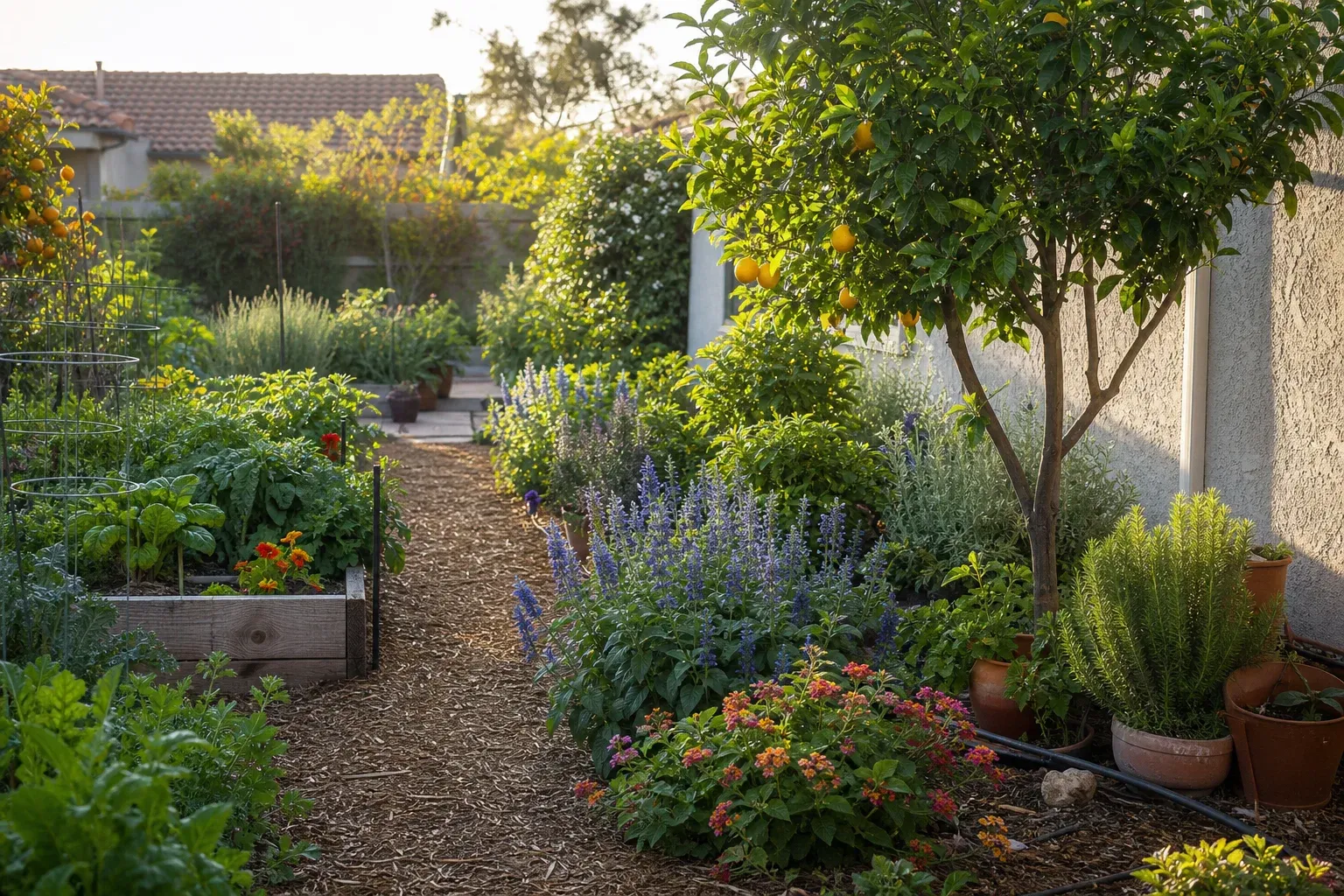
On a January morning in Zone 9b, the garden can look almost indecently alive. Rosemary is pushing new tips. A citrus tree is holding bright fruit. Lettuce is crisp enough to snap. Then the forecast changes: 29°F before sunrise.
This is the central surprise of gardening in Zone 9b. The growing season is generous, but it is not an endless summer. Winter is mild, not absent. Spring moves quickly. Summer heat can stop tomatoes from setting fruit just when colder-zone gardeners are beginning to harvest. Fall often feels less like an ending than a second beginning.
The advantage is not that every plant grows all year. It is that you have more than one good growing window—and can learn to move with each one.
What Zone 9b Really Means
The 2023 USDA Plant Hardiness Zone Map defines Zone 9b as an average annual extreme minimum winter temperature of 25–30°F (-3.9 to -1.1°C). That number helps you judge whether a perennial, shrub, or tree is likely to survive an ordinary winter at your location.
Notice what it does not tell you: your first or last frost date, summer high temperature, humidity, rainfall, soil type, wind exposure, or how much heat reflects from the wall beside your garden.
That distinction matters because Zone 9b appears in very different places. A humid Gulf Coast garden, a dry inland California garden, a low-desert garden, and a wind-battered garden on the southern Oregon coast may share a winter minimum range while demanding completely different watering, soil, and summer strategies.
Use your zone as the first filter, then add four local facts:
- Your typical first and last frost dates
- Your summer heat and humidity pattern
- Your soil drainage and irrigation water
- The warm, cool, windy, and shaded pockets in your own yard
If you are not certain you are in 9b, start with our interactive USDA hardiness zone map. Then check a planting calendar from your local Cooperative Extension office before choosing exact sowing dates.
Winter: Mild Weather with One Cold-Night Plot Twist
Winter is when Zone 9b shows its generosity. Cool-season vegetables can fill beds that would be frozen farther north. Try lettuce, kale, chard, carrots, radishes, peas, cilantro, parsley, onions, and many brassicas. The exact planting window varies by region, but the pattern is reliable: these crops do their best work while the air is cool and the soil is still workable.
The risk arrives as a short cold snap. A plant can be rated hardy in Zone 9b and still lose flowers, fruit, or tender new growth at 28°F. Young citrus, tropical foliage plants, newly planted perennials, and anything in a container deserve the closest watch.
When a freeze is forecast:
- Water dry soil during the day, without leaving roots waterlogged.
- Move small containers beside a sheltered wall or into an unheated garage.
- Drape frost cloth or a sheet over stakes so the fabric does not press on tender foliage.
- Extend the cover to the ground and secure the edges to trap warmth rising from the soil.
- Remove or vent the cover once the next day warms.
Do not depend on running a home sprinkler over foliage through the freeze. Effective ice protection requires precise, uninterrupted application, and an ordinary irrigation system can cause more damage than it prevents.
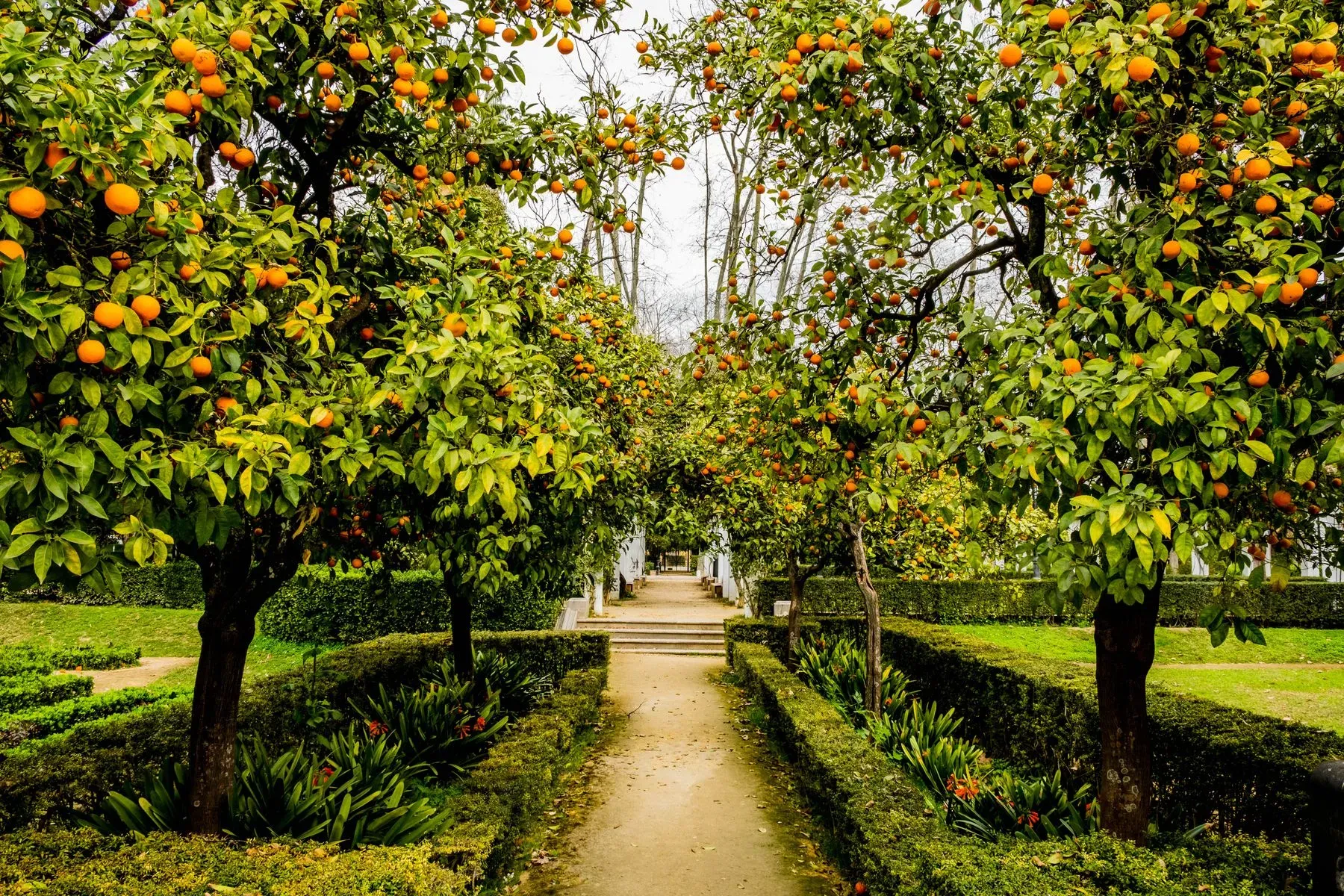
A mild winter can bring citrus color to a Zone 9b garden, but cultivar, rootstock, site, and freeze protection still matter. Photo by Cosmin Gavris on Pexels.
Early Spring: Use the Window Before the Heat
By early spring, the garden changes pace. Peas are climbing, citrus may be flowering, and winter greens begin to hint that they will bolt. The temptation is to plant every warm-season crop on the first sunny weekend. Wait for the evidence in your own garden: the frost risk has eased, nighttime temperatures are suitable for the crop, and the soil has warmed.
Once those conditions line up, spring becomes your establishment window. Plant warm-season vegetables such as tomatoes, peppers, eggplant, beans, squash, cucumbers, basil, and sweet potatoes according to local guidance. Set out heat-tolerant perennials and shrubs early enough to develop roots before the most punishing weather arrives.
This is also the moment to prepare for July, not merely celebrate March:
- Repair drip lines and check that emitters reach the root zone.
- Add organic mulch while the soil is moist, keeping it away from trunks and stems.
- Group plants with similar water needs.
- Notice where afternoon shade falls and reserve those places for crops that need relief later.
- Leave enough space for air movement if your summers are humid.
In Zone 9b, spring rewards the gardener who thinks one season ahead.
Summer: Treat Heat as a Growing Condition, Not a Personal Failure
At midday in summer, the same wall that protected a lemon tree in January can throw heat back onto a vegetable bed. Lettuce disappears. Cilantro bolts. Large tomatoes may flower without setting much fruit during prolonged heat. A garden that looked unstoppable in April can seem to pause.
It has not failed. It has entered its hardest season.
Keep the plants that genuinely enjoy heat: okra, eggplant, sweet potatoes, southern peas, basil, and regionally adapted peppers are useful starting points. Even heat lovers need consistent root-zone moisture while they establish, and every recommendation should be checked against local humidity and disease pressure.
For the rest of the garden, change the environment rather than asking a cool-season plant to become something it is not:
- Apply 2–4 inches of organic mulch to moderate soil temperature and slow evaporation.
- Irrigate deeply enough to wet the active root zone, then adjust frequency for your soil rather than watering by habit.
- Use drip or soaker irrigation when practical; if foliage gets wet, water early enough for it to dry.
- Give vulnerable vegetables temporary afternoon shade during extreme heat. A light-colored shade cloth suspended above plants allows airflow and is safer than fabric resting on leaves.
- Pause transplanting during a heat wave. Keep new plants in bright shelter until conditions ease.
Humid Zone 9b gardeners should favor airflow and avoid keeping foliage wet overnight. Arid Zone 9b gardeners may need more frequent irrigation, protection from drying wind, and extra attention to salts in soil and water. The zone is the same; the work is not.
Fall: The Second Spring
The first cooler nights are a revelation. Basil may still be full, but suddenly a tray of lettuce seedlings makes sense again. Tomatoes can regain energy in some regions. In others, fall is the best time to establish woody plants because roots can grow through a mild winter without immediately facing summer stress.
Clear only what is diseased or truly finished. Healthy roots and flowers still shelter soil and feed insects. Refresh compost where a hungry crop has depleted a bed, check irrigation after the summer workload, and begin the cool-season vegetables recommended for your county.
A useful fall rhythm looks like this:
- Start cool-season seeds while late-summer crops are still producing.
- Transplant into afternoon shade, then increase sun exposure as temperatures fall.
- Replace failed plants in small rounds rather than replanting the whole garden in one weekend.
- Keep frost cloth accessible before the first urgent forecast.
This overlap is one of Zone 9b’s pleasures. One season does not have to vanish before the next begins.
Plants That Can Earn a Place in a Zone 9b Garden
A zone rating is permission to investigate a plant, not a promise that it will thrive. Before buying, match the plant to your region’s summer conditions, soil, water, mature size, and local invasive-species guidance.
For flowers and structure
Look for locally recommended selections of salvia, coreopsis, penstemon, yarrow, gaura, ornamental grasses, and other long-blooming perennials. Rosemary can form a handsome evergreen anchor where drainage and humidity suit it. Native plant societies and county Extension offices can point you toward plants that support local pollinators without becoming a problem beyond the fence.
For edible beds
Think in two broad rotations instead of one long list:
- Cool season: leafy greens, roots, peas, onions, cilantro, parsley, and suitable brassicas
- Warm season: beans, cucumbers, squash, basil, sweet potatoes, okra, eggplant, peppers, and locally adapted tomatoes
Your local planting calendar decides when those rotations meet. A calendar for central Florida should not be copied into a dry Southwest garden simply because both locations contain 9b.
For fruit
Citrus is the symbol of warm-zone gardening, but “citrus” is not one level of cold tolerance. Satsumas, lemons, limes, oranges, rootstocks, young trees, and mature trees respond differently to freezes. Figs and pomegranates may also suit many Zone 9b sites, while humidity, winter chill, drainage, and cultivar choice determine whether they merely live or fruit well.
Buy from a reputable regional nursery and ask a precise question: Which cultivar and rootstock perform well in my part of Zone 9b? That answer is worth more than a generic plant tag.
Make a Microclimate Map of Your Yard
The most useful Zone 9b guide may be the one you draw yourself.
Walk outside near dawn on a cold morning and again late on a hot afternoon. Mark the south- or west-facing walls that hold heat, low pockets where cold air settles, bright beds that bake, shaded soil that stays wet, and corridors where wind accelerates. A sheltered wall may help a marginal citrus tree through winter; that same wall may scorch lettuce in June.
Then keep a small record of:
- First and last frost at your address
- Peak summer temperatures and heat-wave length
- Where water drains or lingers after rain
- Which plants attract pests, pollinators, or disease
- What flowered, fruited, or struggled—and when
After one year, “Zone 9b” stops being an abstract label. It becomes your garden’s sequence of places and moments.
A Simple Zone 9b Plan to Start This Week
You do not need to redesign the whole yard. Begin with one decision in each layer:
- Verify: Confirm your zone and find your county’s planting calendar.
- Observe: Identify one cold pocket and one summer hot spot.
- Protect: Put frost cloth where you can reach it quickly.
- Prepare: Check irrigation and cover one bare bed with mulch.
- Plant: Choose one crop for the current season and one perennial matched to your local conditions.
- Record: Write down the date, weather, and result.
The Zone 9b garden does not move in a straight line from spring planting to autumn cleanup. It circles: cool-season abundance, a quick bright spring, the long negotiation with heat, and a second opening in fall. Once you stop treating the zone number as a promise and start using it as a clue, the garden becomes easier to read—and far more interesting to grow.
When next January’s forecast drops to 29°F, you will know which corner cools first, which citrus needs a cover, and which bed of lettuce can take the cold. The surprise remains. The panic does not.
Browse plants suited to USDA Zone 9 to begin a shortlist, then narrow it with what you now know about your own soil, sun, water, and weather.
Sources and Further Reading
- USDA Agricultural Research Service: 2023 Plant Hardiness Zone Map
- UF/IFAS Extension: Cold Protection of Landscape Plants
- UF/IFAS Extension: Florida Vegetable Gardening Guide
- University of Arizona Cooperative Extension: Ten Steps to a Successful Vegetable Garden
- UC Agriculture and Natural Resources: Protecting Tomatoes During Hot Summer Days
- Oregon State University Extension: Coastal Gardening, Wind, and Microclimates