Western red cedar(Thuja plicata 'Cuprea')
Grow dwarf Western red cedar 'Cuprea' (Thuja plicata): compact golden-copper foliage, slow-growing rounded habit, USDA zones 5–7 care, and siting guide.
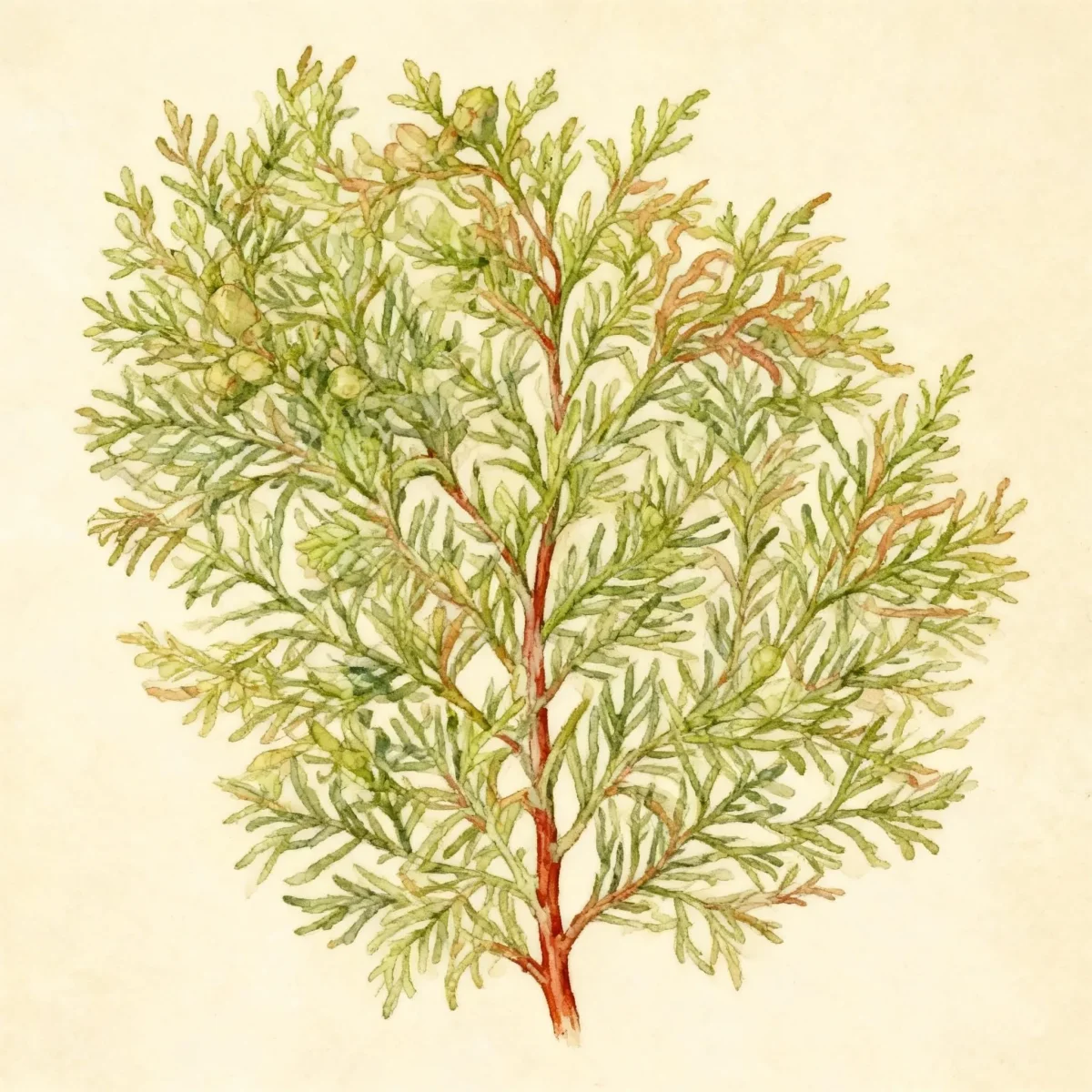
Complete Plant Information
- Hardiness zones
- USDA 5–7
- Plant type
- Needled evergreen
- Plant family
- Cupressaceae
- Sun exposure
- Full sun to part shade
- Water needs
- Medium to moist
- Maintenance
- Low
- Height
- 2–4 ft (61–122 cm)
- Spread
- 2–5 ft (61–152 cm)
- Bloom time
- Non-flowering
- Flower color
- Non-flowering gymnosperm
- Flower qualities
- Not recorded
- Fruit qualities
- Not recorded
- Tolerances
- Clay Soil, Black Walnut
- Garden uses
- Rock garden, foundation, conifer border
- Native range
- Pacific Northwest (cultivar selection)
Field Guide Continues
Ready for care notes, companion picks, and planting tips?
The map is just the start. The full guide below covers growth habits, seasonal performance, and landscape uses.
Overview
Western red cedar ‘Cuprea’ (Thuja plicata ‘Cuprea’) is a compact dwarf evergreen conifer selected from the massive forest giant of the Pacific Northwest. Hardy in USDA Zones 5 through 7, it grows very slowly into a neat, rounded globe reaching just 2 to 3 feet in its first decade, eventually maturing to 4 feet tall by 5 feet wide over several decades. Its scale-like sprays of dark green foliage are tipped with luminous creamy-yellow variegation in spring and summer that shifts to warm, glowing bronzy-copper as autumn frost arrives.
Unlike the towering 150-foot native tree, ‘Cuprea’ provides four-season architectural texture, pleasant cedar resin fragrance, and rich winter color in compact suburban beds and rockeries without outgrowing its bounds.
How to Grow
- Climate & Hardiness: Best adapted to USDA Zones 5 through 7. Originating from Pacific coastal rainforest genetics, it thrives in regions with moderate summer temperatures and regular humidity. It struggles in hot, sultry southern regions (Zones 8 and 9) without afternoon shade and consistent irrigation.
- Sunlight: Full sun to partial shade. In northern regions, full sun maximizes the bright buttery-yellow spring variegation. In hot summer climates, light afternoon canopy shade protects foliage from sunburn.
- Soil & Drainage: Prefers fertile, moist, organically rich soils with slightly acidic to neutral pH. While it tolerates heavier clay soil better than most conifers, standing stagnant water must be avoided.
- Watering & Mulch: Intolerant of severe drought. Maintain regular moisture, especially during the first two growing seasons and during dry summer spells. Apply a 2- to 3-inch layer of organic bark mulch over the root zone to conserve moisture and keep shallow roots cool.
Landscape Uses
- Rock Gardens & Troughs: Its compact dimensions, slow growth rate, and mounded form make it an ideal focal conifer alongside alpine perennials and granite boulders.
- Foundation Plantings: Sited beneath low windows, it provides year-round evergreen texture without obscuring views or needing constant shearing.
- Conifer Border Contrast: Provides striking color contrast when paired with blue spruces (Picea pungens) or dark green dwarf pines (Pinus mugo).
Potential Problems
- Drought Stress & Desiccation: Conifers native to the Pacific Northwest have shallow root systems that suffer quickly during dry continental heatwaves. Ensure consistent watering.
- Winter Wind Burn: In exposed, windy sites in Zone 5, dry winter winds can burn delicate branch tips. Shelter from prevailing winter winds.
- Bagworms & Root Rot: Monitor occasionally for bagworm caterpillars. Avoid poorly drained, waterlogged soils to prevent fungal root rot.
Frequently Asked Questions
How fast does Thuja plicata ‘Cuprea’ grow?
‘Cuprea’ is an exceptionally slow-growing dwarf conifer, averaging only 2 to 3 inches of new growth per year. It takes 10 to 15 years to reach 3 feet in diameter.
Does ‘Cuprea’ stay yellow in the winter?
No. As temperatures cool and frost arrives in autumn, the yellow-tipped foliage transitions into a warm, glowing coppery-bronze hue that persists until spring new growth emerges.
Can ‘Cuprea’ be grown in heavy clay soil?
Yes. Thuja plicata is significantly more adaptable to moist clay soils than true cedars (Cedrus) or junipers, provided water drains away and does not pool stagnantly around the crown.
Companion Plants
Pair ‘Cuprea’ with plants that appreciate moist, well-draining soil and offer textural and color contrast:
- Contrasting Conifers: Combine with blue dwarf spruces (like Picea pungens ‘Glauca Globosa’) or upright dark green yews.
- Shade & Moisture Perennials: Plant alongside blue hostas, Japanese forest grass (Hakonechloa macra), or rhododendrons in partial shade.
- Groundcovers: Underplant with creeping thyme or ajuga to create a living green carpet around its base.
Sources & Lineage
- Missouri Botanical Garden PlantFinder: Record taxon 254014 (Thuja plicata ‘Cuprea’) — botanical baseline, dimensions, and winter color shifts.
- American Conifer Society (ACS): Thuja plicata ‘Cuprea’ — cultivar registration, origin, and dwarf growth rate classification.
- Kew Plants of the World Online (POWO): Thuja plicata Donn ex D.Don (POWO: 262704-1) — species taxonomy and native range.
Recommended Companion Plants
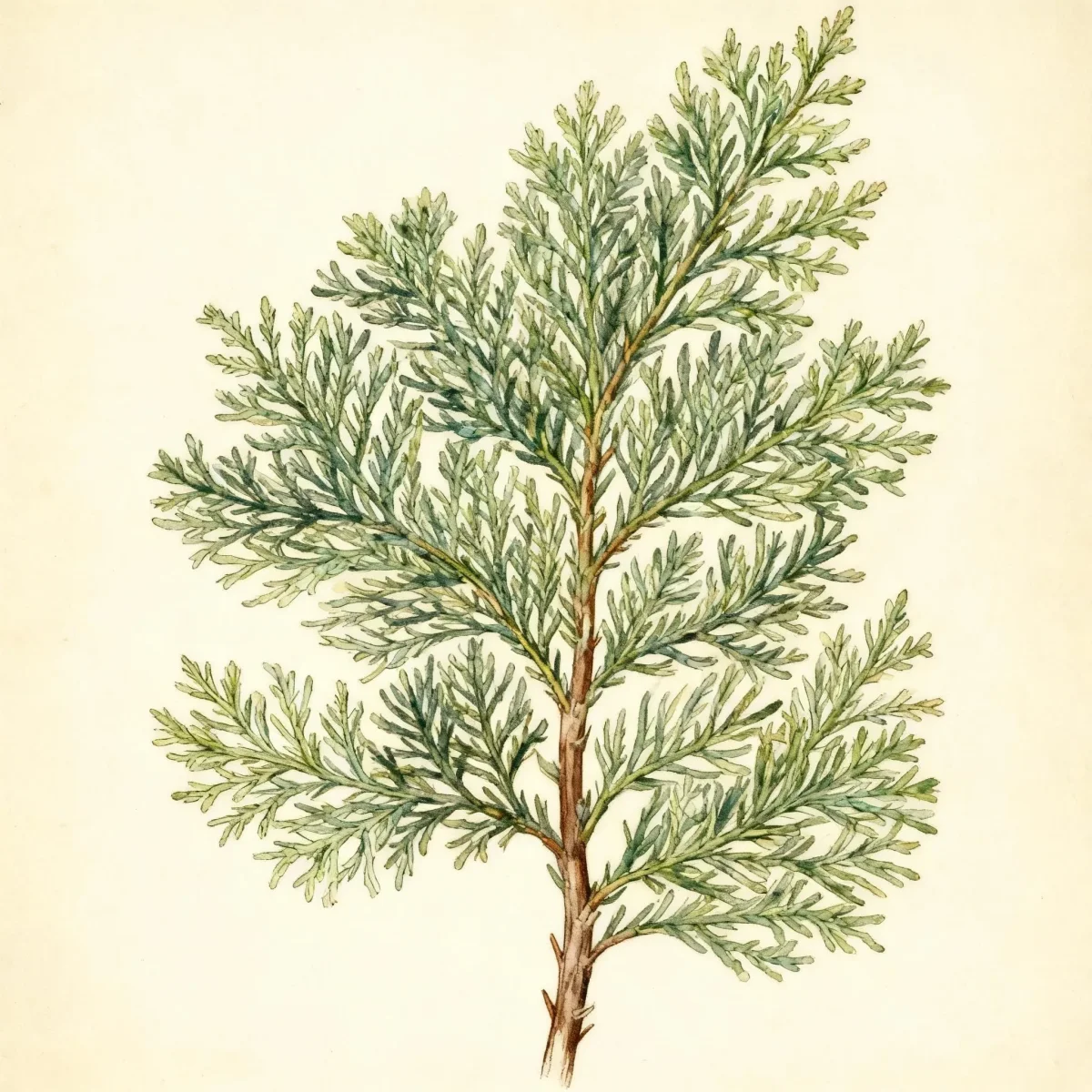
Lawson's cypress
Chamaecyparis lawsoniana
- USDA zones
- 5–8
- Light
- Full sun to part shade
- Water
- Medium to moist
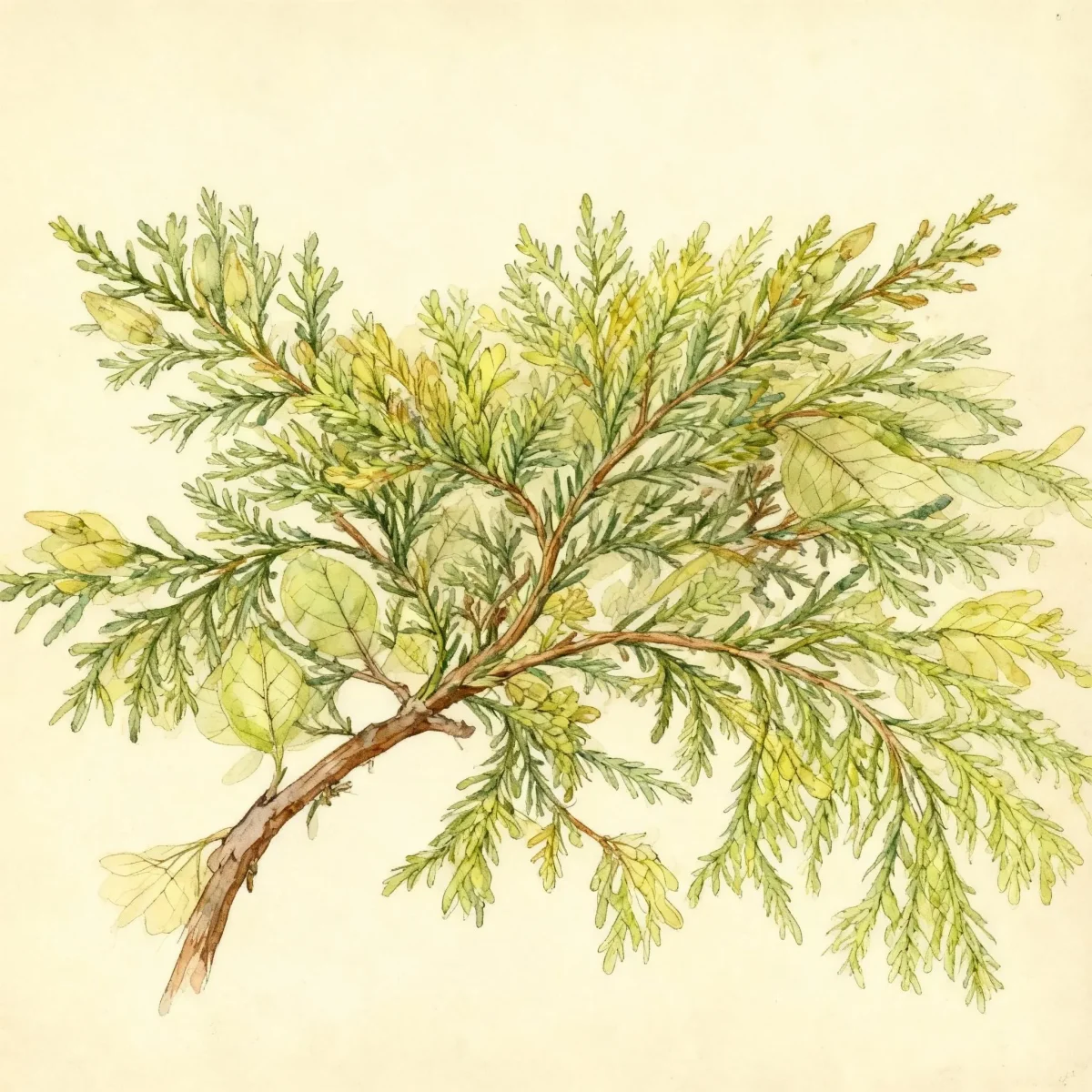
Japanese falsecypress
Chamaecyparis pisifera 'Aurea Pendula'
- USDA zones
- 4–8
- Light
- Full sun to part shade
- Water
- Medium
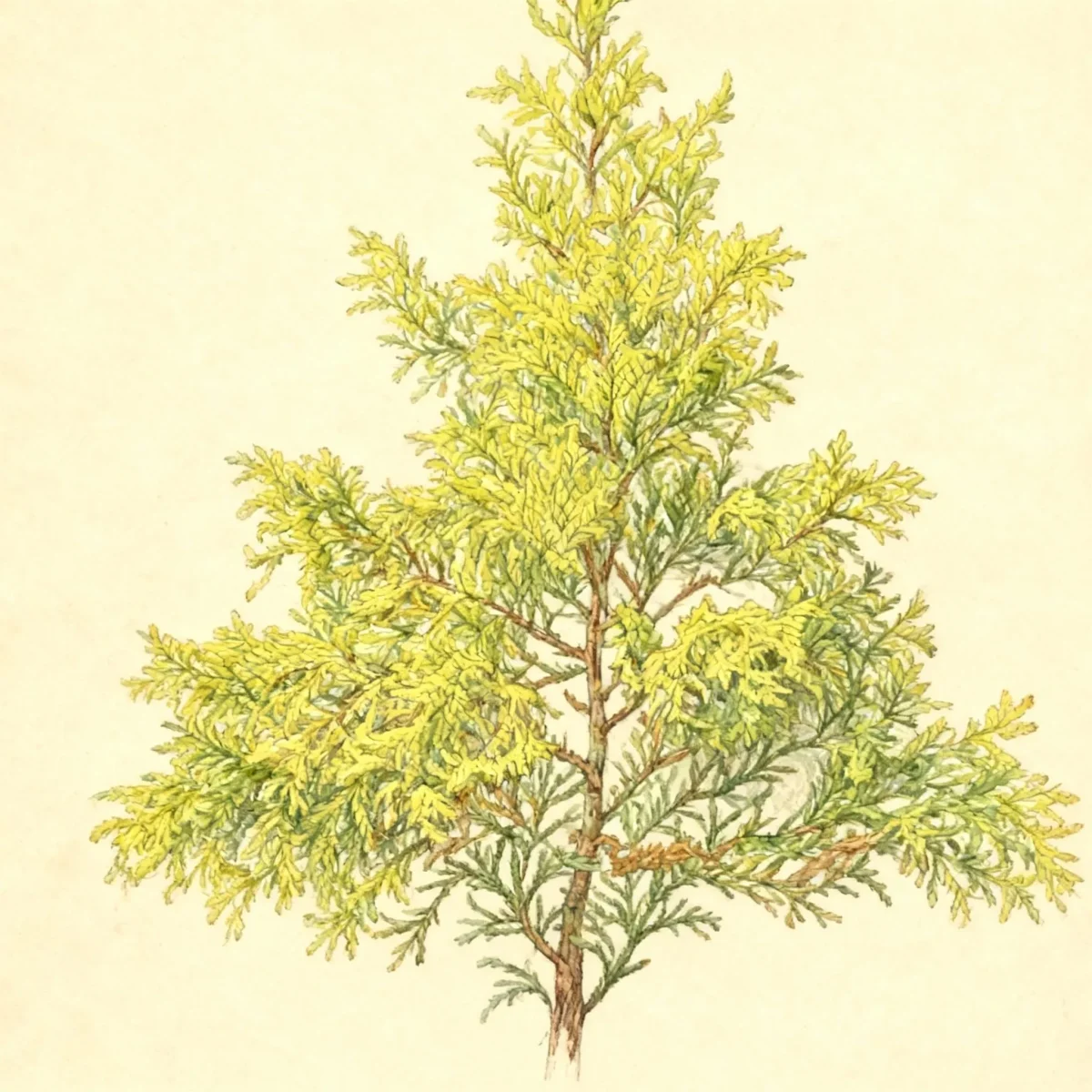
Japanese falsecypress
Chamaecyparis pisifera 'Aurea'
- USDA zones
- 5–8
- Light
- Full sun to part shade
- Water
- Medium
Japanese falsecypress
Chamaecyparis pisifera 'Boulevard'
- USDA zones
- 4–8
- Light
- Full sun to part shade
- Water
- Medium
Japanese falsecypress
Chamaecyparis pisifera 'Filifera Aurea'
- USDA zones
- 4–8
- Light
- Full sun to part shade
- Water
- Medium
Japanese falsecypress
Chamaecyparis pisifera 'Filifera'
- USDA zones
- 4–8
- Light
- Full sun to part shade
- Water
- Medium
Keep Learning
Test what you know with a garden quiz
You have the plant facts and care notes. Continue with a related challenge, or browse the complete quiz library.

Can You Identify These Common Garden Plants? Test Your Plant Knowledge
Think you know your roses from your peonies? Test your plant identification skills with our comprehensive garden plant quiz featuring 10 challenging questions.
Start quiz
USDA Garden Zone Map Quiz
Use this USDA garden zone map quiz to check whether you can read hardiness zones and choose plants with more confidence.
Start quizBrowse the full quizzes section
Explore plant identification, zone strategy, and seasonal gardening challenges.
View all quizzes